Journal Notes from
Notes from
the making
Field reports, reflections on process, and the questions that shape the work. Written by Mash Bonigala, Founder.
Field reports, reflections on process, and the questions that shape the work. Written by Mash Bonigala, Founder.
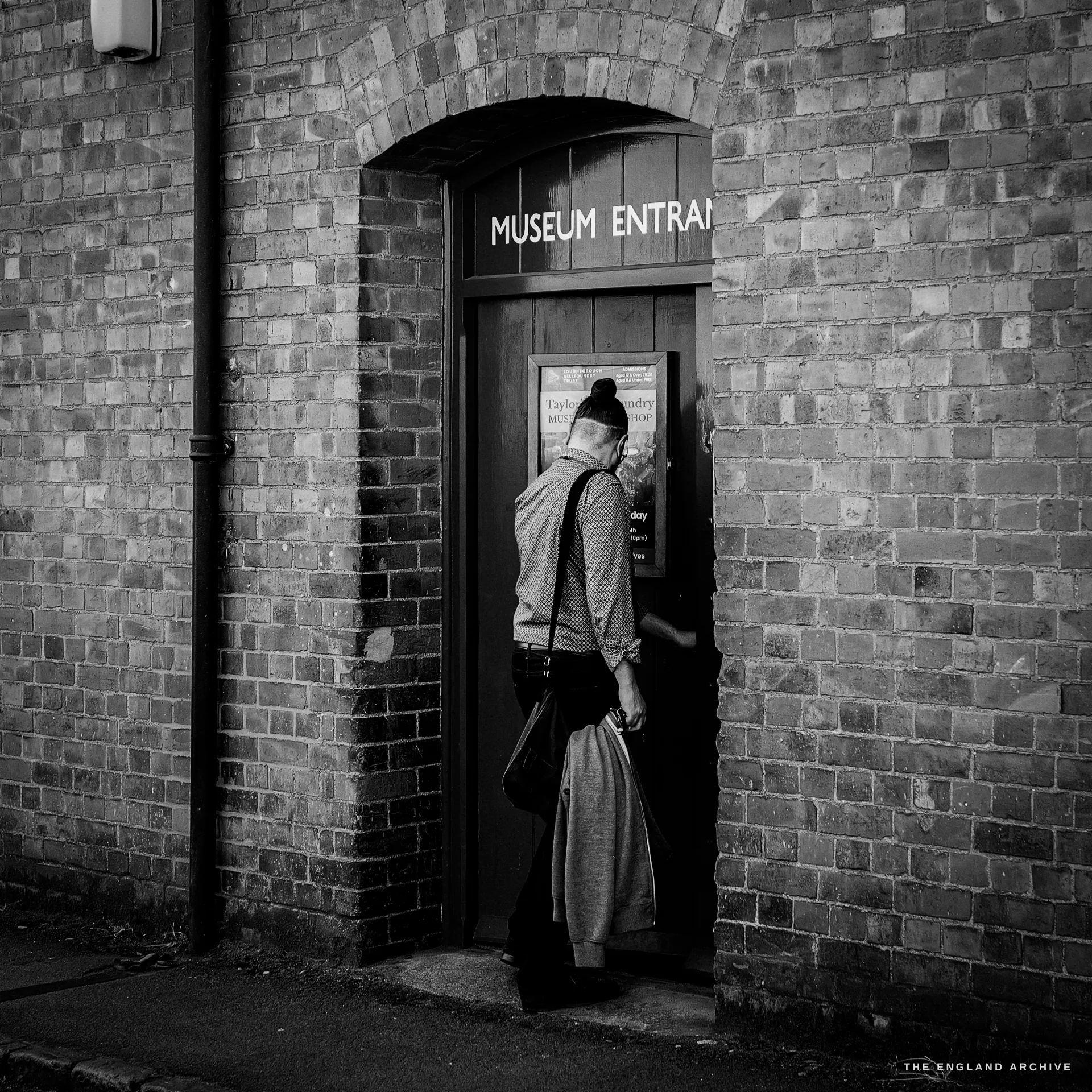
The John Taylor Bellfoundry Museum in Loughborough, walked before opening with full access and then on the public tour - the history of a craft unbroken since the fourteenth century, the moulding and casting laid out, and a tour guide who is a bell-ringer himself.
Read →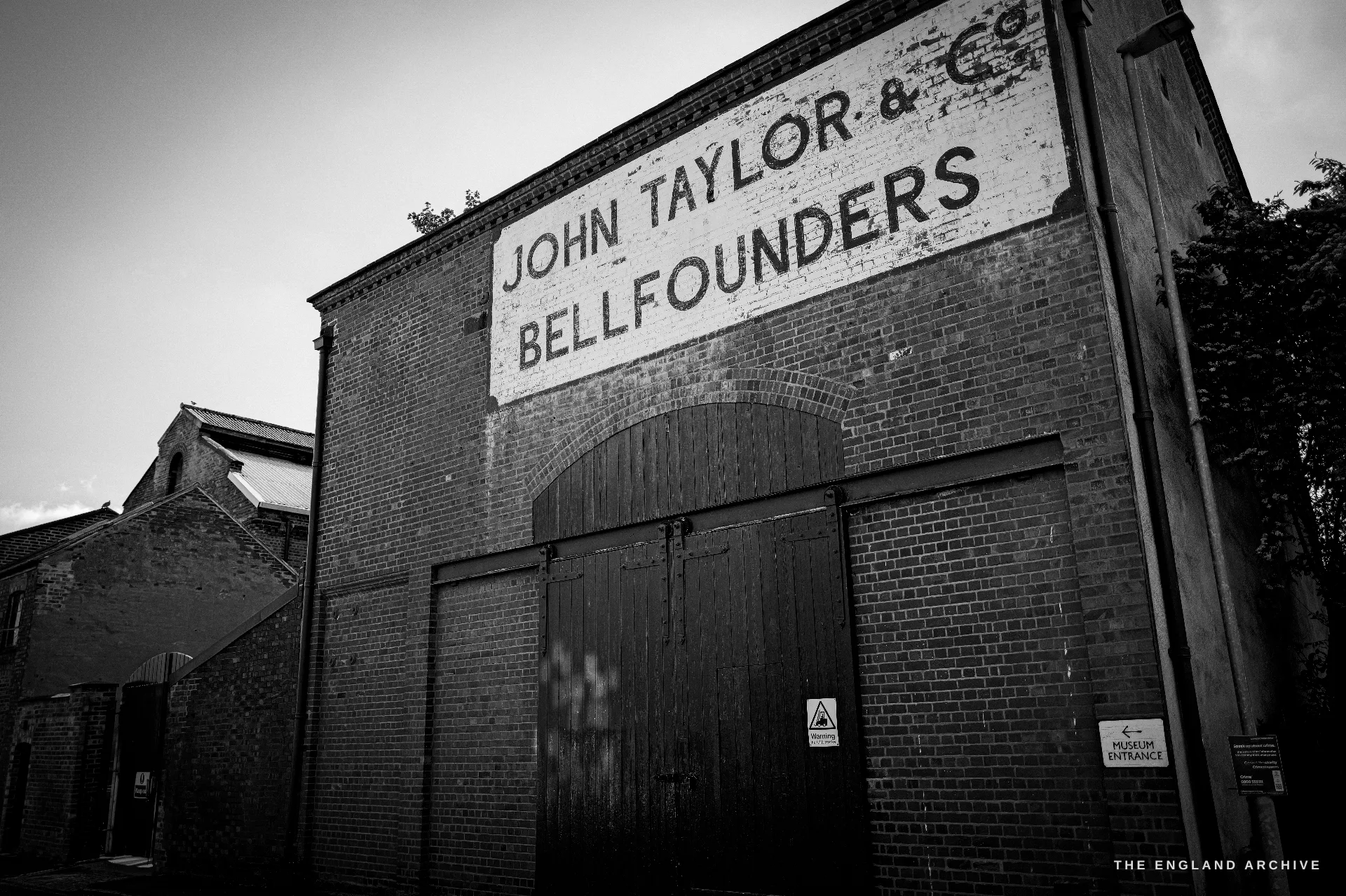
A morning inside John Taylor & Co in Loughborough, the last major bell foundry in Britain - the casting floor, the moulds, the raw bells, and the people who make them: the chief tuner Giridhar Vadukar, the foreman Bill Bowes, and the team who gave the archive a proper shoot.
Read →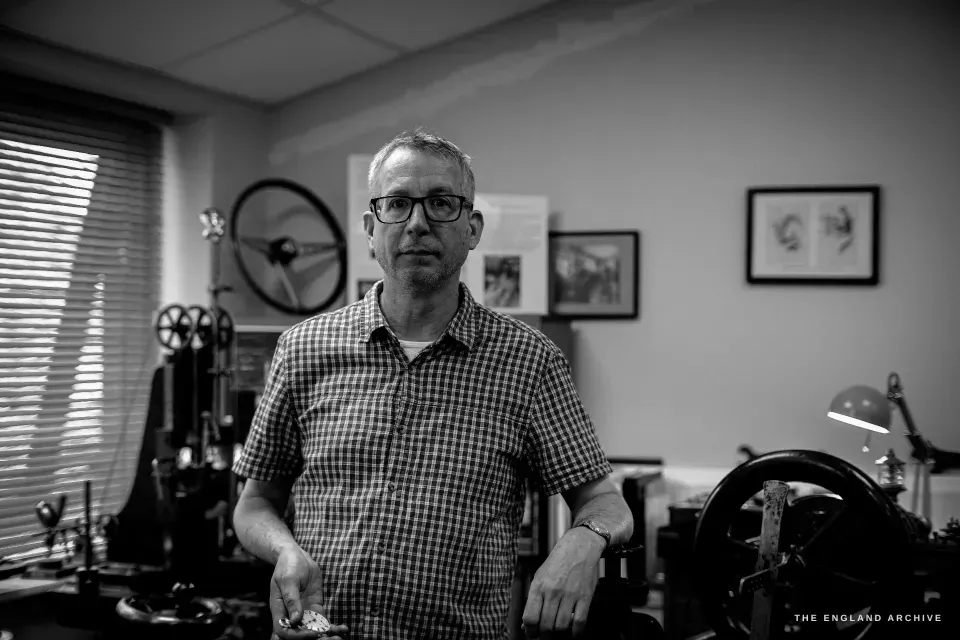
One morning at Grandeys Place, the heritage and craft centre near Much Hadham, where the archive met five makers under one roof - the watchmaker Seth Kennedy, the knitwear designer Genevieve Sweeney and her apprentice Poppy Ruane, the globemaker Jonathan Wright and the woodturner Louis Craig Carpenter who makes his stands. Different crafts, one building, and real dependence running between them.
Read →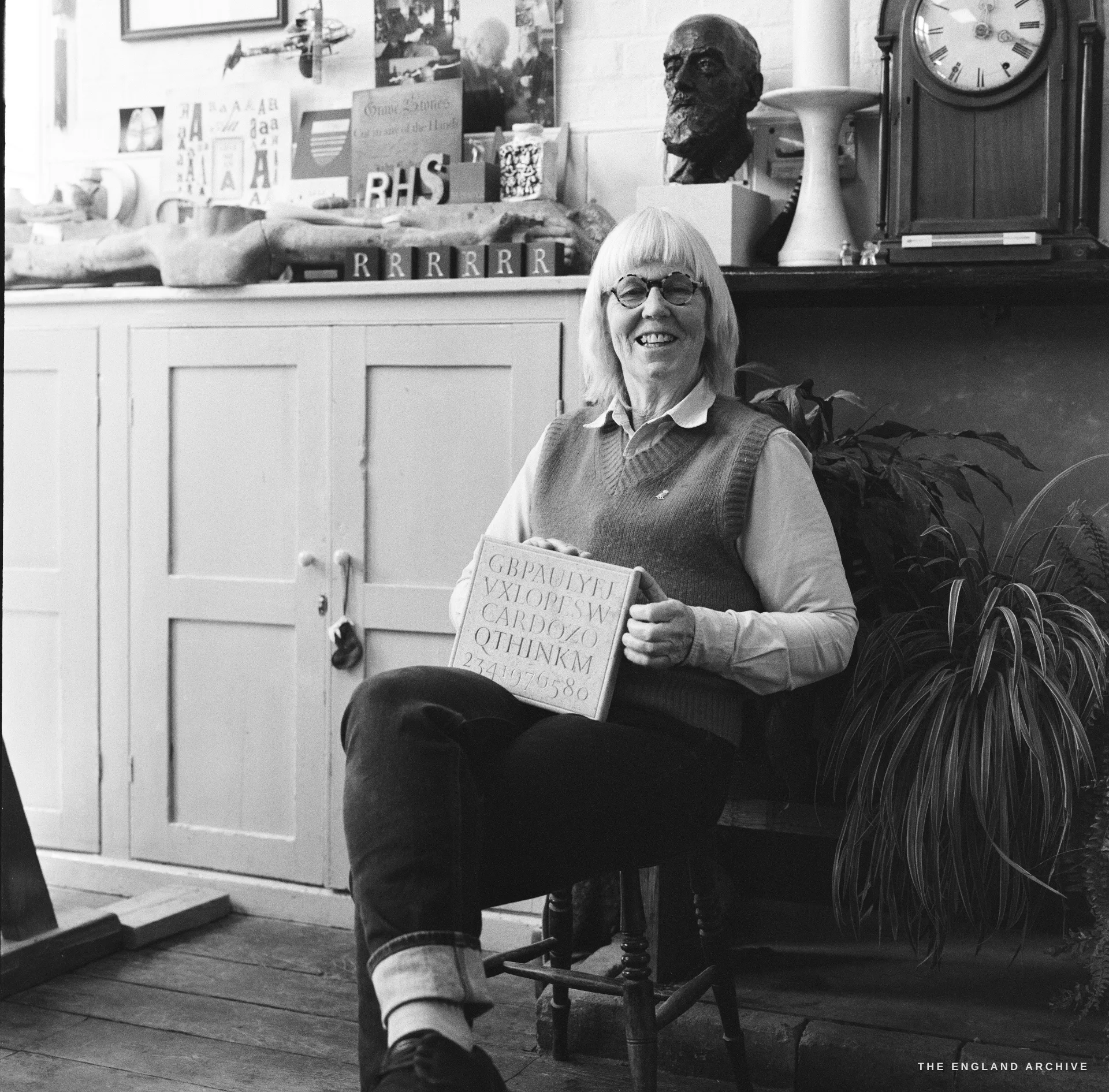
A formal sitting, twelve frames, and a roll that came back blank. After a year in the field, the Bronica SQ-A and the Intrepid 4x5 are coming off the archive's working register. An honest account of the focusing, the metering, the cost, the unreliable scans, and why the camera that disappears serves the subject better than the camera that performs seriousness.
Read →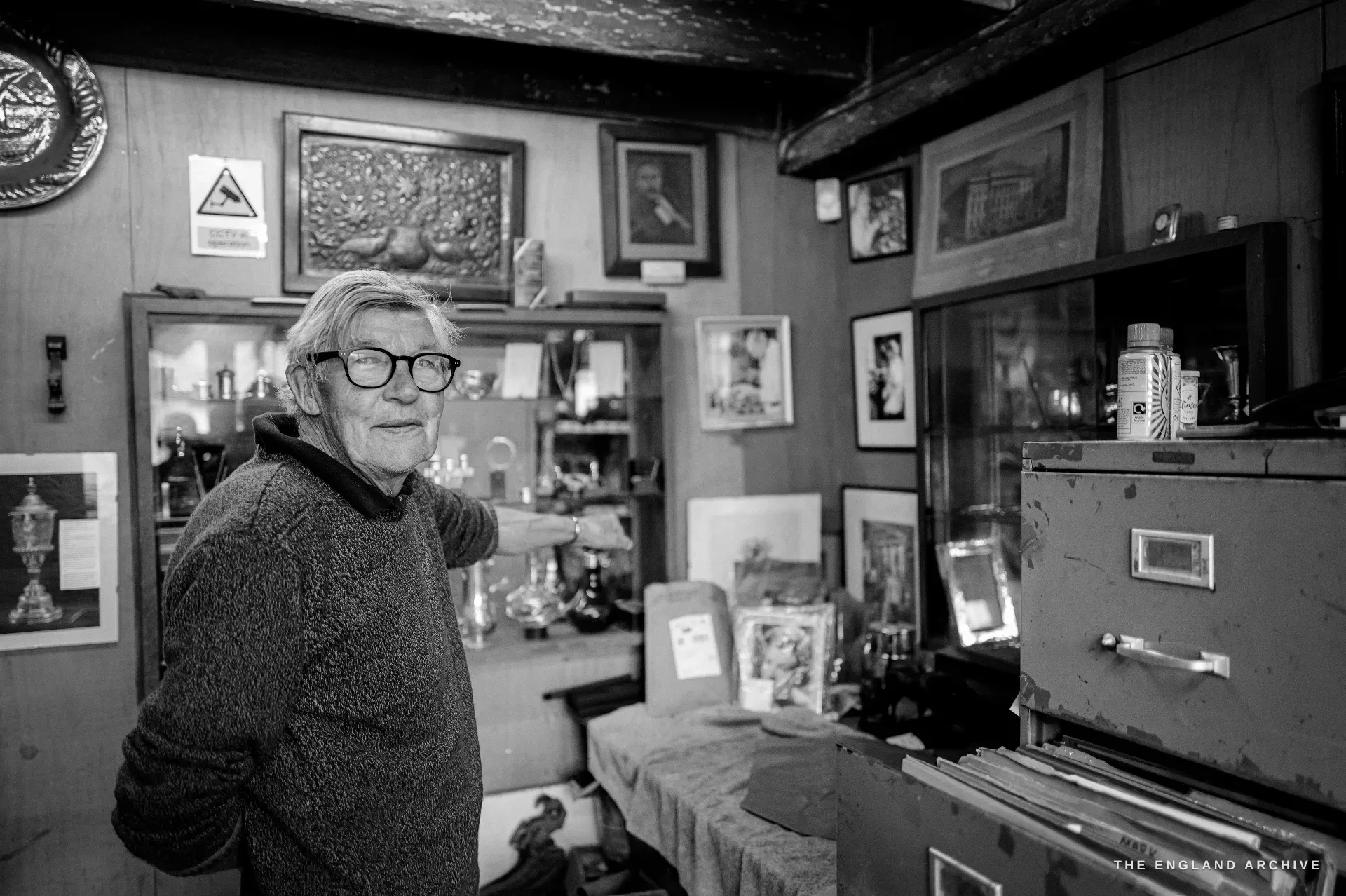
A working morning at Hart Gold & Silversmiths in Chipping Campden - the last surviving workshop of Ashbee's Guild of Handicraft, in the Old Silk Mill since 1902. With David Hart, eighty-seven and seventy years at the bench this July, and his son William, who came to silver from computer science.
Read →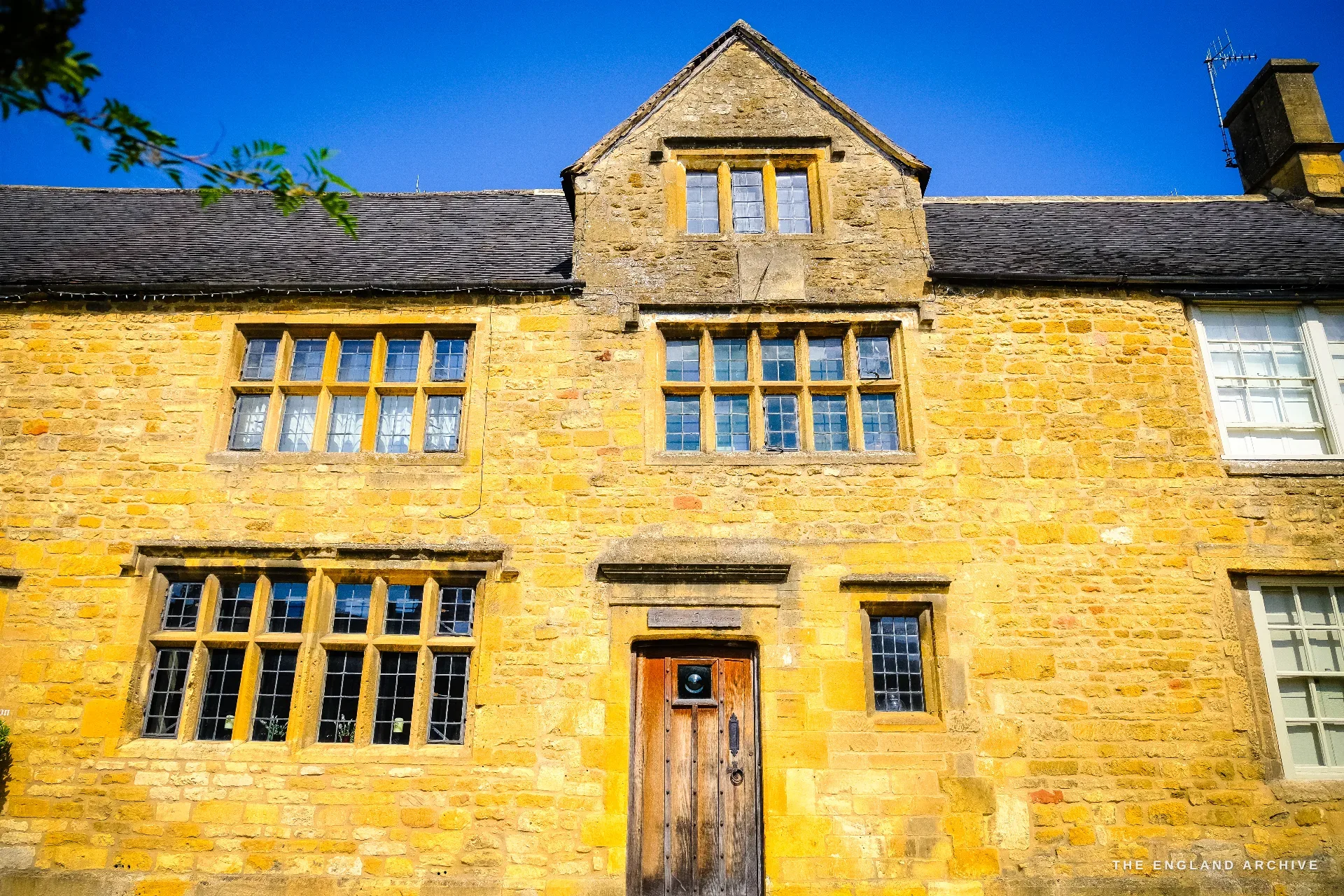
A morning walking Chipping Campden, the most complete wool town in the Cotswolds - the curving High Street of honey-coloured stone, the 1627 Market Hall, the great Perpendicular church of St James with the Hicks monument and the medieval Campden Cope, the almshouses on Church Street and the gatehouses of old Campden House - in the company of Carol Jackson, who showed me round.
Read →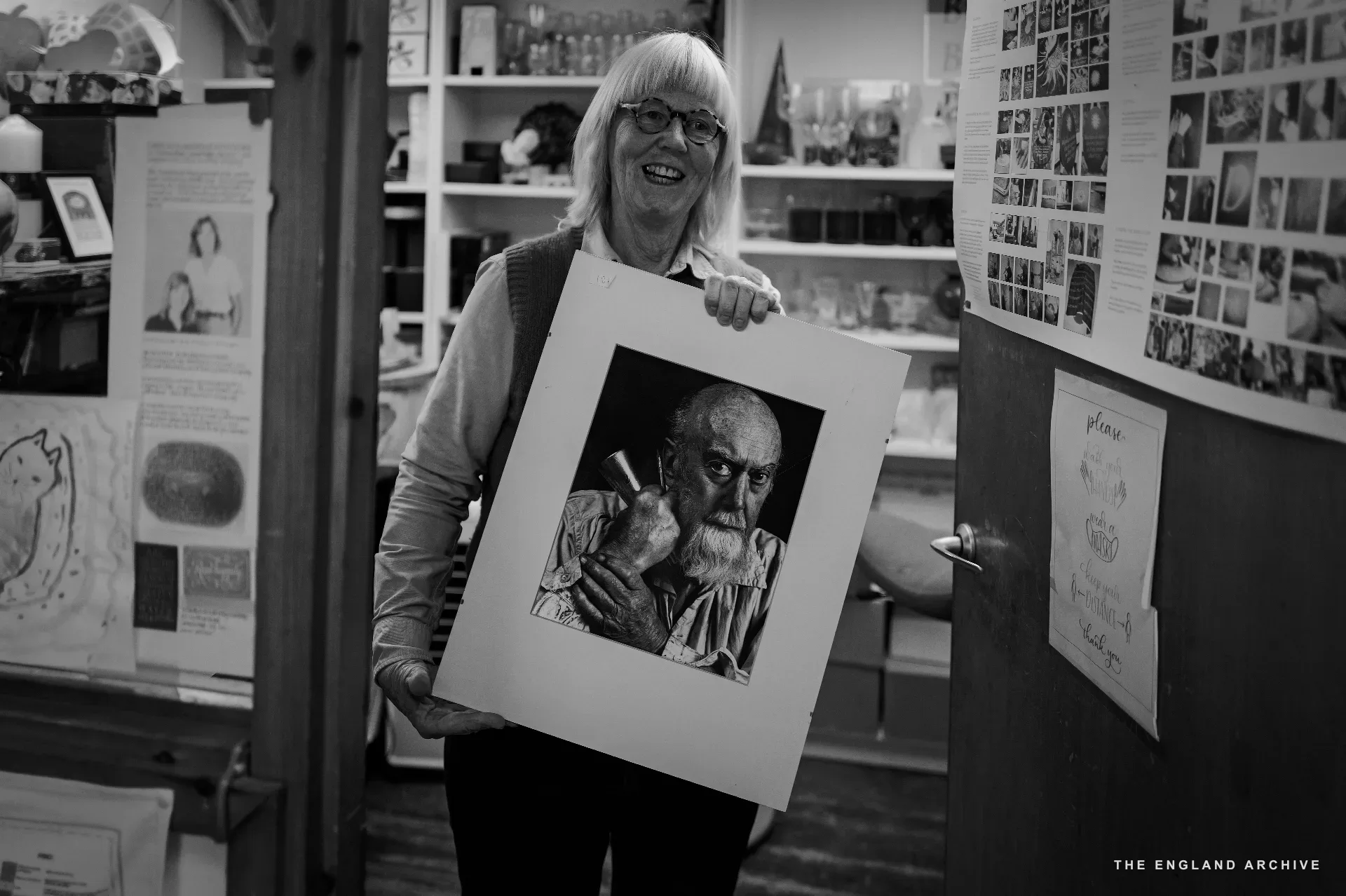
Eight institutional relationships have moved from cold-introduction to active working partnerships in three weeks across April 2026 - HCA, South Downs NPA, Guild of Handicraft Trust, British Watchmakers, Cutlers in Hallamshire, BABA, MERL, and QEST. The institutional ring around the archive.
Read →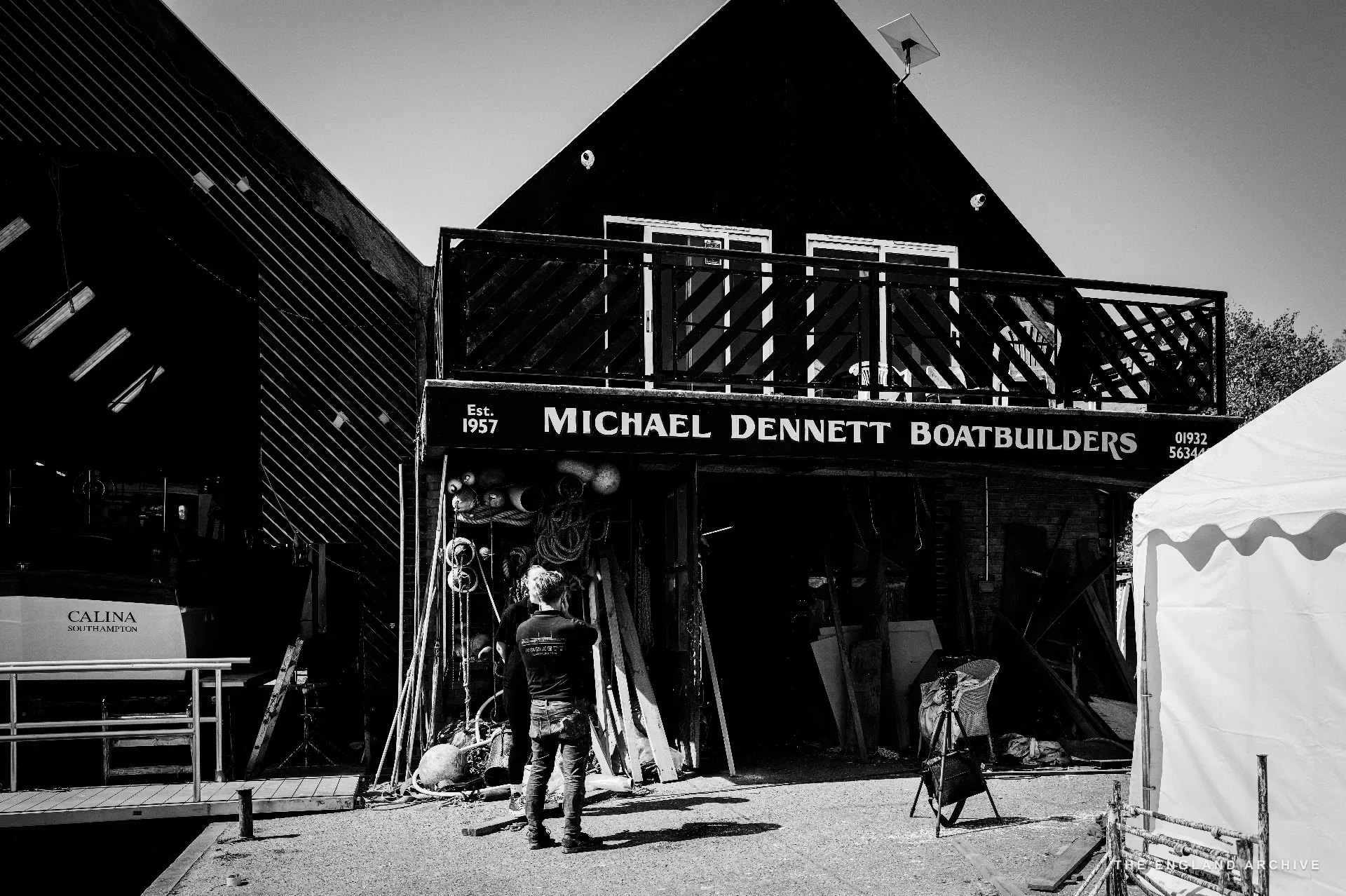
A working morning at Dennett Boat Builders in Laleham, Chertsey, with Stephen and his 83-year-old father Michael, who still comes in every day to work the masts. A yard that trains the apprentices no one else will take, and a three-generation chain visibly forming.
Read →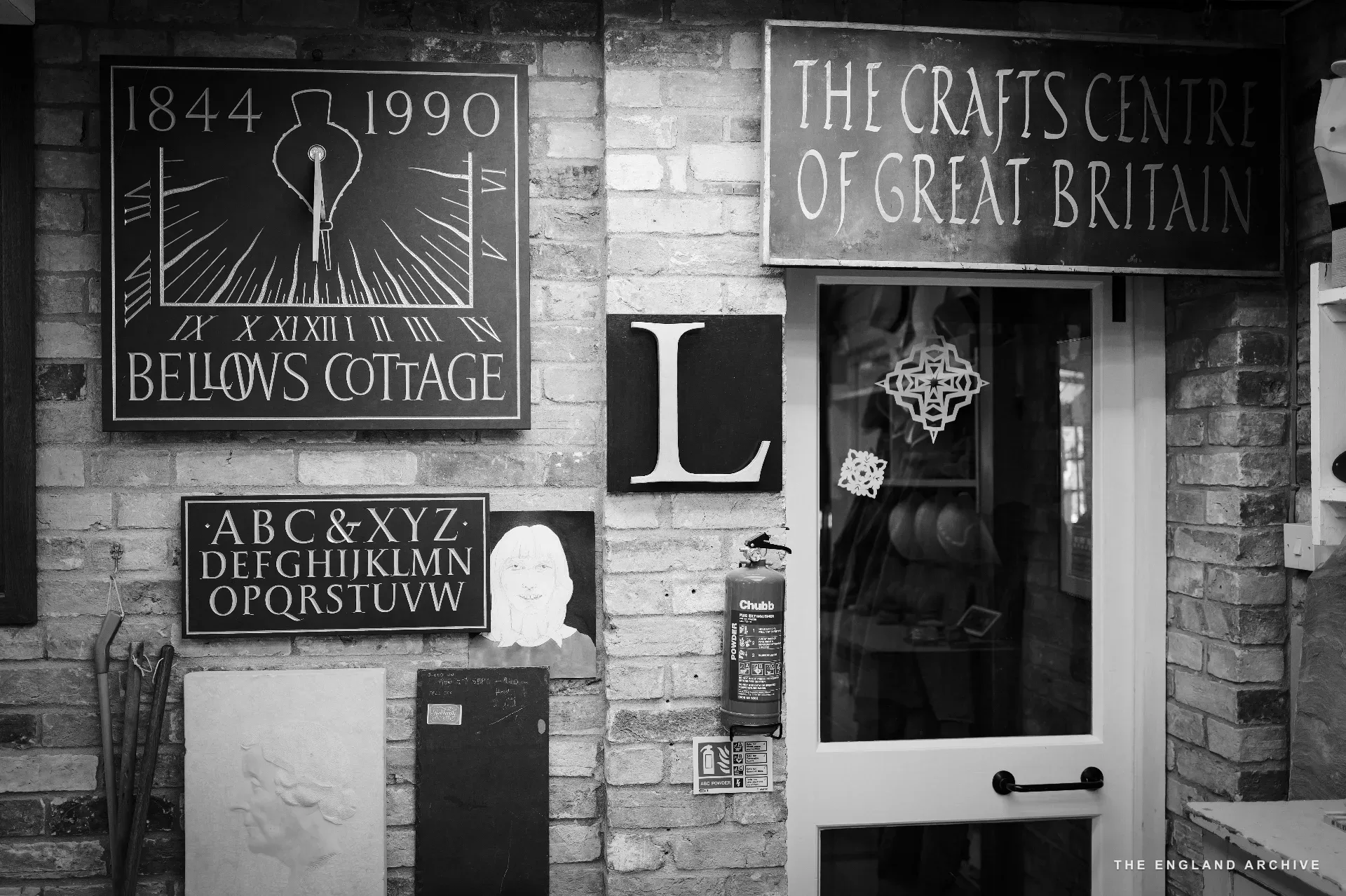
Four hours at the Cardozo Kindersley Workshop in Cambridge with Lida, Roxanne, Vincent and Hallam, and the letterer Emily. A lesson about a pencil, an apprentice who walked in off the street, and the inheritance of a twentieth-century English craft.
Read →
Four hours through the village with Julie Thomson and Melonie Clubb of the Long Melford Historical and Archaeological Society. The historian and the rememberer, in two voices, walking the place they carry.
Read →
A day at POST in Hove, Brighton with Josh Redfearn - the artist-led photography studio founded by Simon Roberts and Nina Emett. Developing a roll of Fomapan 400 on the Paterson tank, then printing on the De Vere 504. Part 2 of the analogue education that began with the 4x5 at Intrepid.
Read →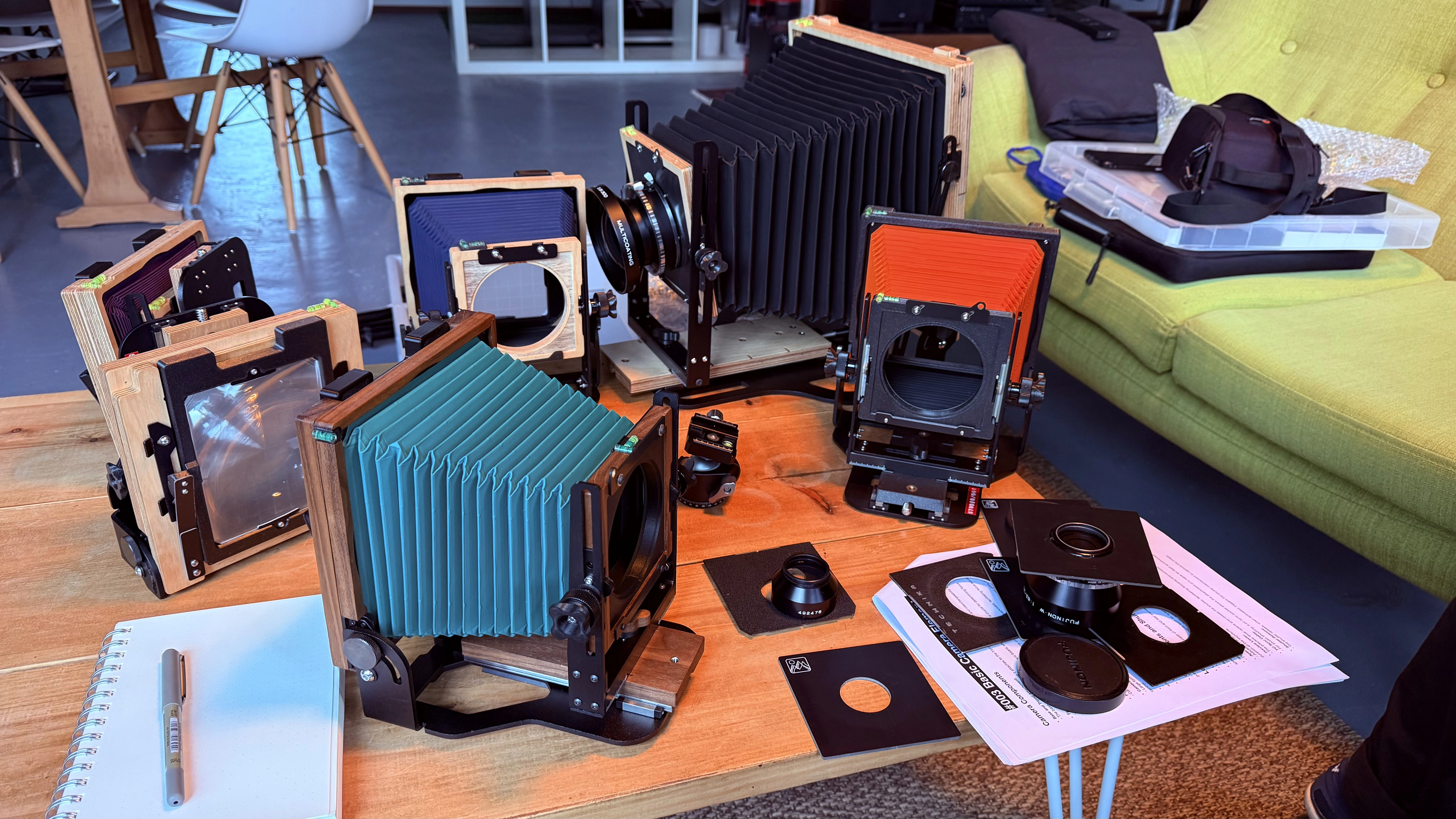
The Bronica SQ-A arrived. A square-format medium-format film camera designed for the formal portrait, run on a slower, more deliberate workflow than the digital register. Learning it is its own project.
Read →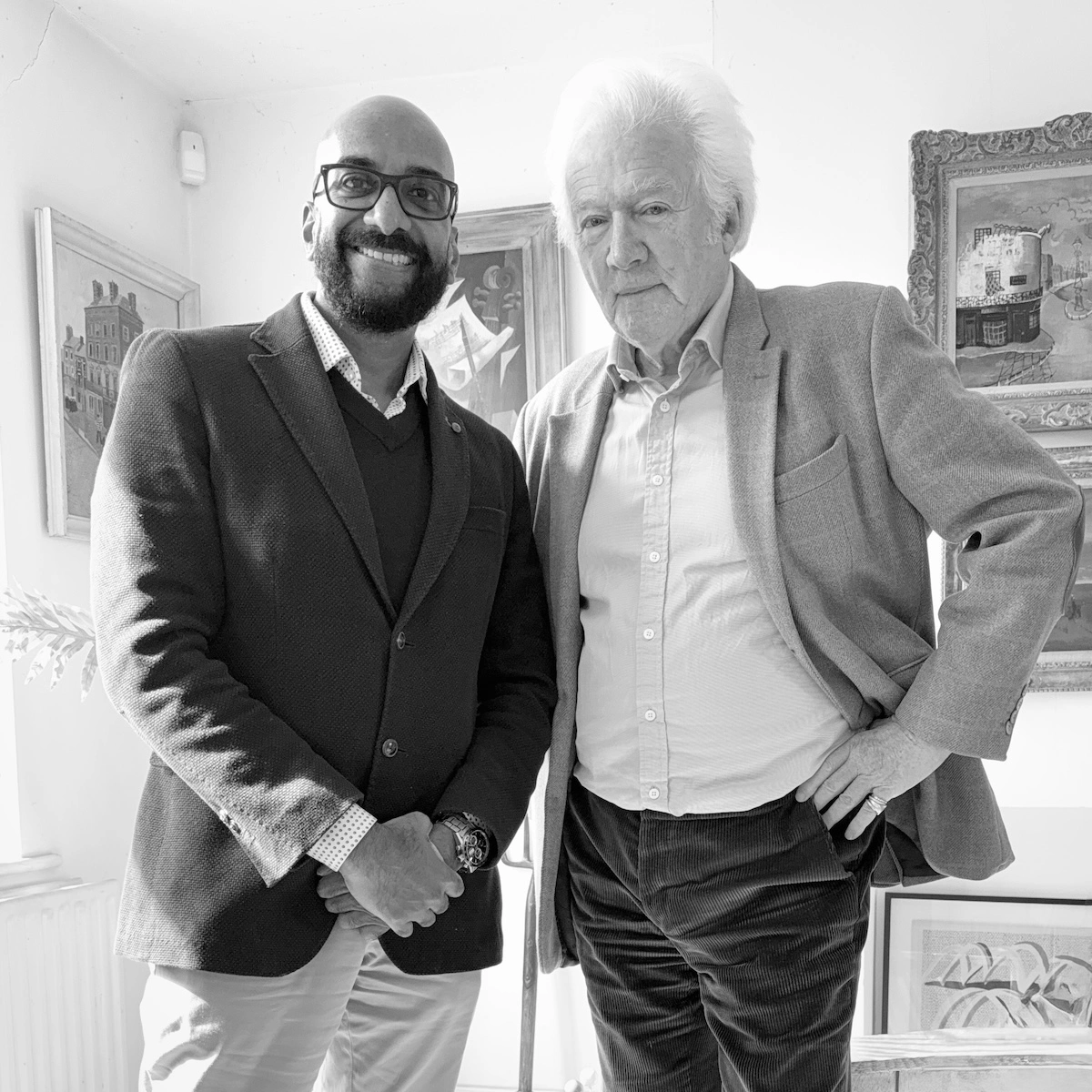
A morning with the photographer who has spent fifty years documenting English customs and ceremonies. Mentor, foreword author for Book One, and the practitioner whose shadow falls across every frame the archive will make.
Read →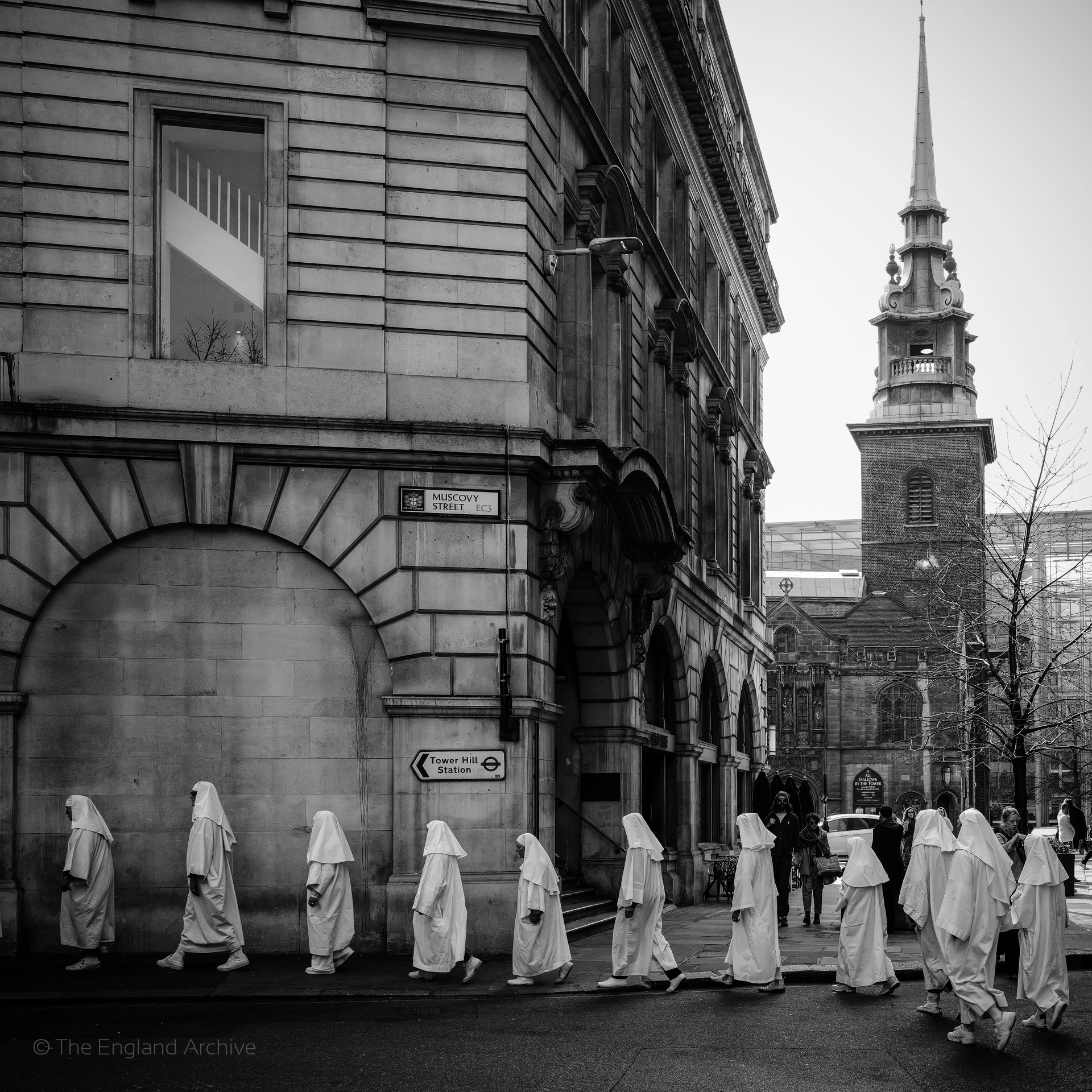
The archive’s shift from preparation to fieldwork. The first visits scheduled, the kit packed, the editorial discipline written down so it could survive contact with a working morning at someone else’s bench.
Read →The first wave of cold outreach to the institutions and craftspeople the archive wanted to document. What worked, what did not, and what the replies taught the project about its own voice.
Read →How the archive’s five (now six) categories - Makers, Keepers, Carriers, Rememberers, Stewards, Gatherers - settled into the shape they hold today. Each came out of a specific encounter, not a pre-formed taxonomy.
Read →Why the next ten years are the right ten years to make this archive. The masters of the trades the archive documents are aging out, and the apprenticeship pipelines that would replace them are thin. The window is finite.
Read →Which camera serves which kind of visit. The Bronica for the formal portrait. The Q3 for the documentary record. The 4x5 for the slow contemplation. The choice is editorial, not gear-fetishist.
Read →A regional map of England names towns, rivers, and roads. It does not name the people whose hands hold the place open. The archive’s map is the second one.
Read →How the project began, what the archive is for, and why the documentary photographer’s first frame is the one that decides every frame after it.
Read →