A Morning at Hart Silversmiths
The Cotswolds · Chipping Campden · Makers
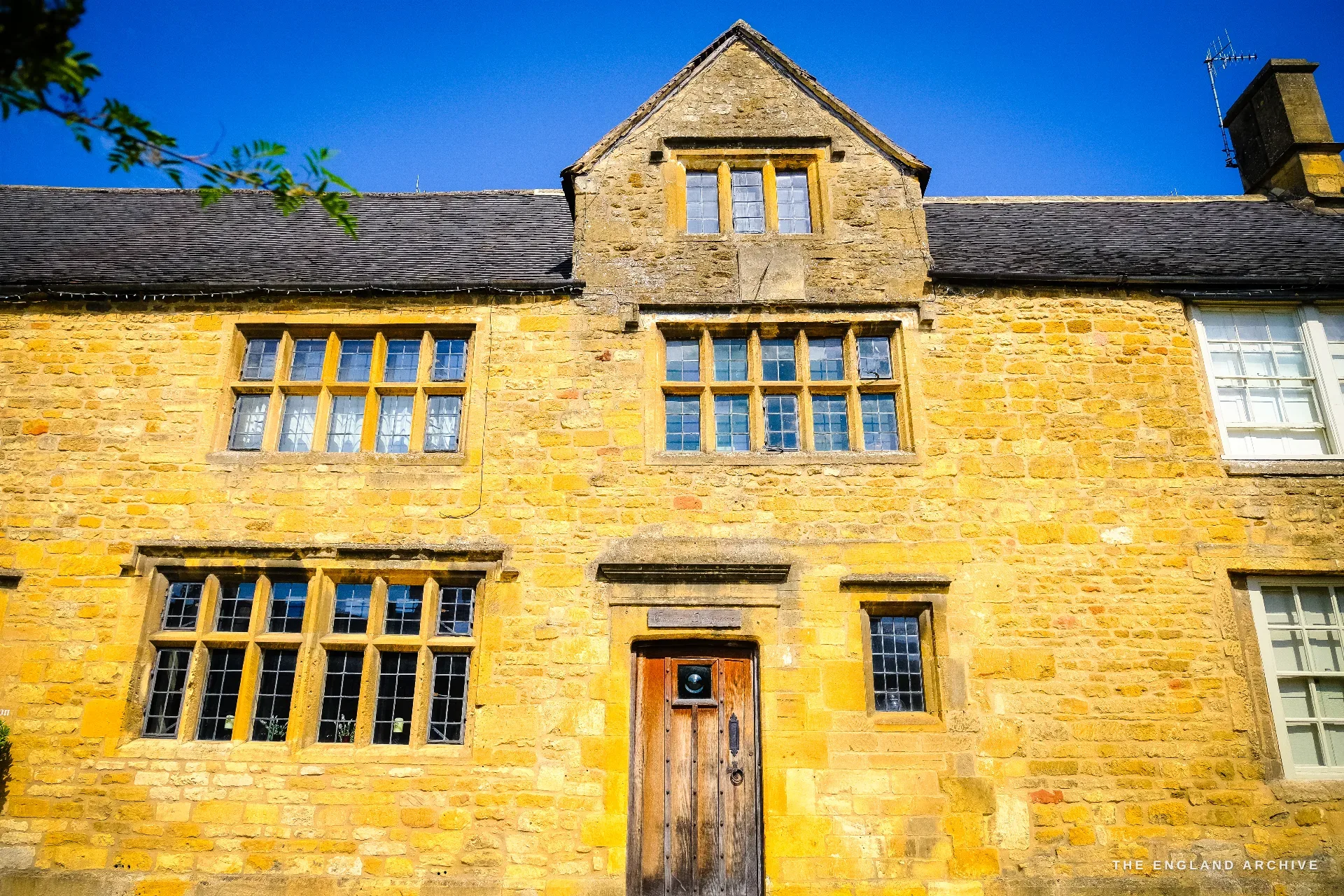
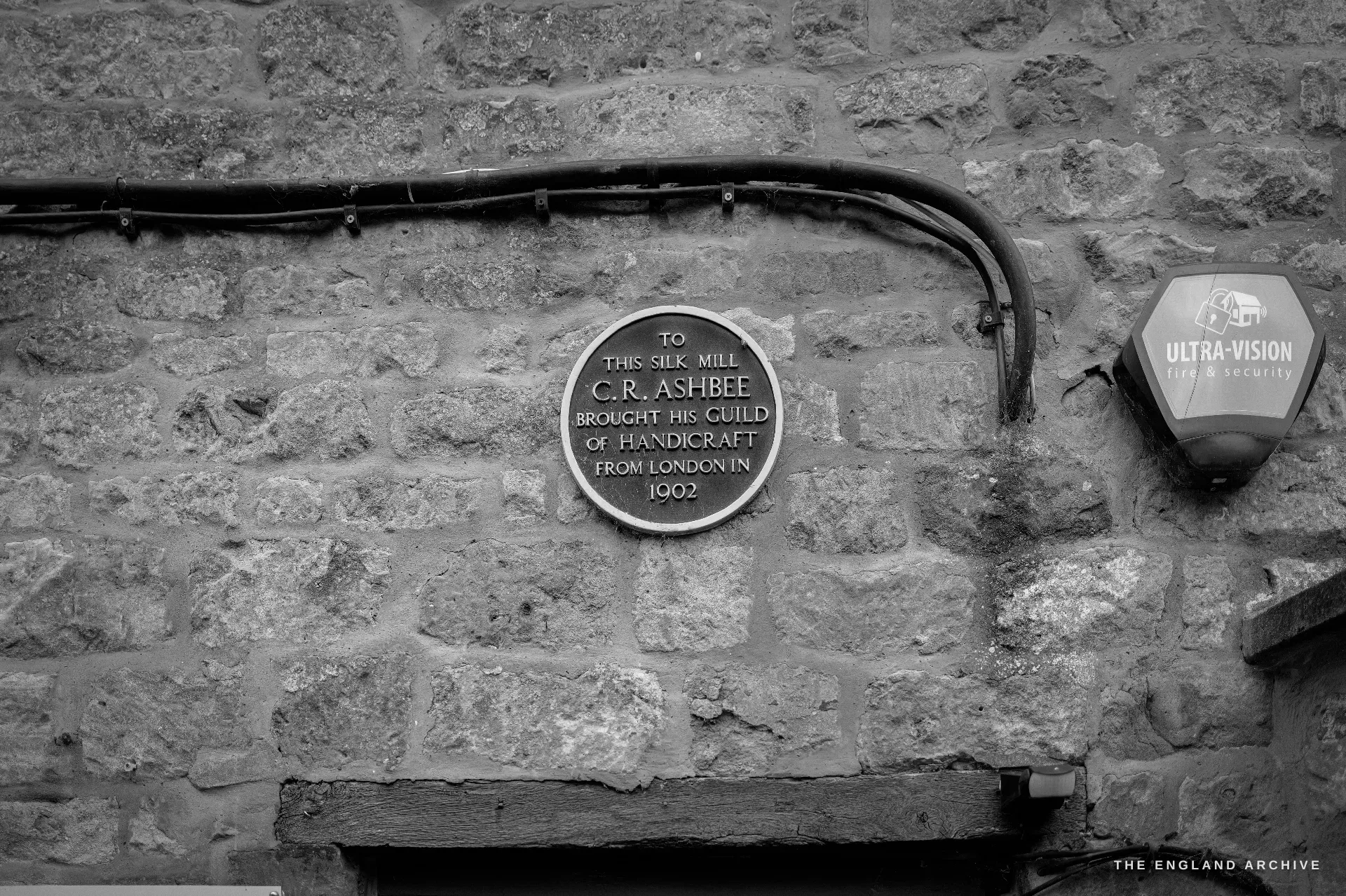
I arrived early and parked in the middle of Chipping Campden, before the town was properly awake, picked up a coffee from Toke’s, and walked the curving High Street of honey-coloured stone to Sheep Street and the Old Silk Mill. There is a round plaque on the rubble-stone wall by the door. It says that to this Silk Mill, in 1902, C. R. Ashbee brought his Guild of Handicraft from London. I had come to photograph a silver workshop. I was standing, it turned out, at the last working remnant of one of the most famous experiments in English craft.
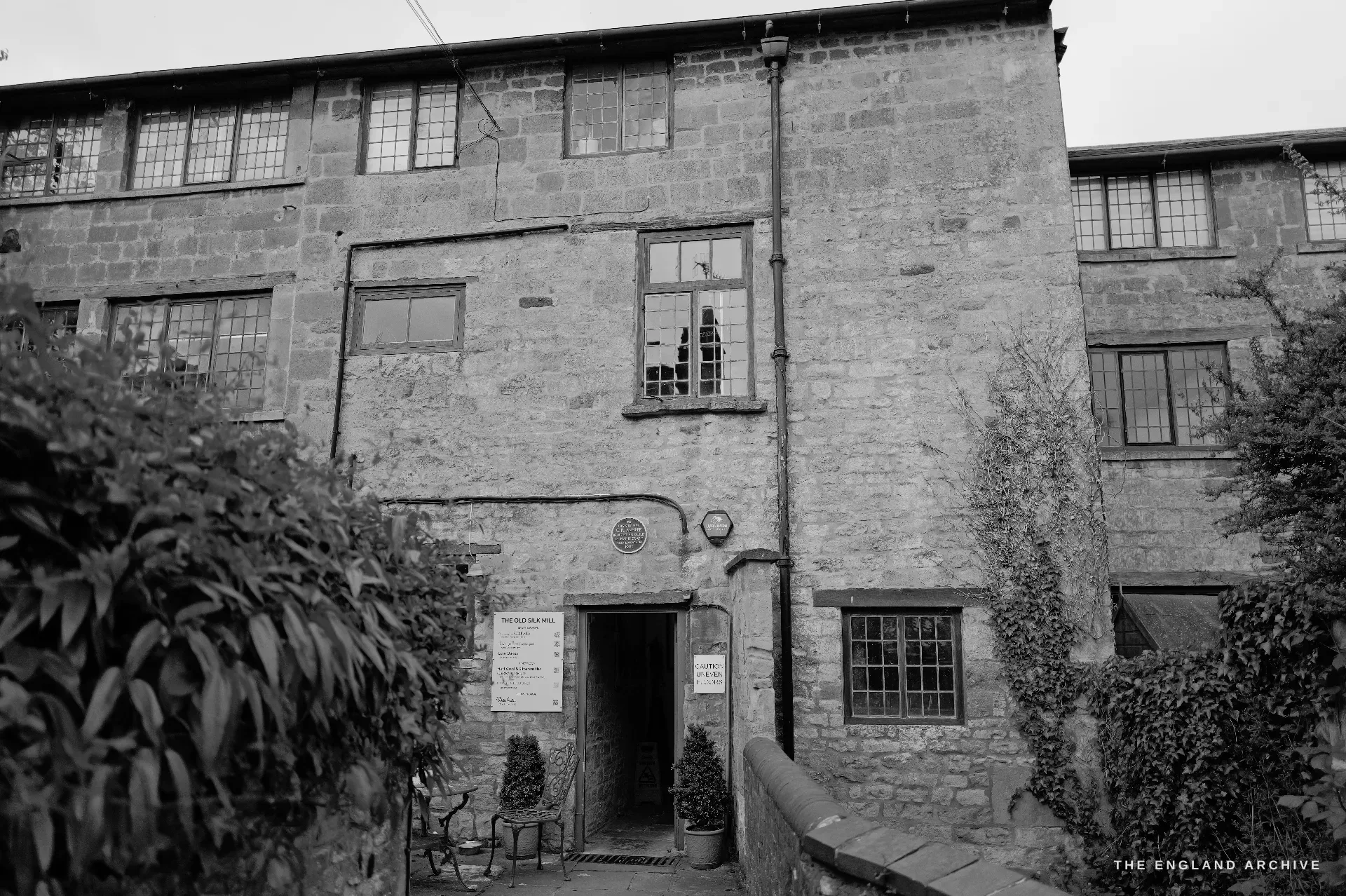
William Hart came out, shook my hand, and invited me in. He introduced me to his father, David, and then the morning belonged to David, who is eighty-seven, and who has worked in this building for seventy years come July. I have photographed a number of workshops for this archive. I have not stood in one that felt so completely, and so unselfconsciously, frozen in time.
What Ashbee left behind
Charles Robert Ashbee founded the Guild of Handicraft in the East End of London in 1888 - a Ruskin-and-Morris idea made flesh, a fellowship of jewellers, silversmiths, enamellers and blacksmiths who would make beautiful things by hand and be decent to one another while they did it. In 1902 Ashbee moved the whole enterprise out of the city, some hundred and fifty men, women and children, to this quiet Cotswold wool town and this silk mill on Sheep Street. The experiment did not pay. By 1908 the Guild had gone into liquidation, undercut by machine goods and the very shops that had once sold its work.
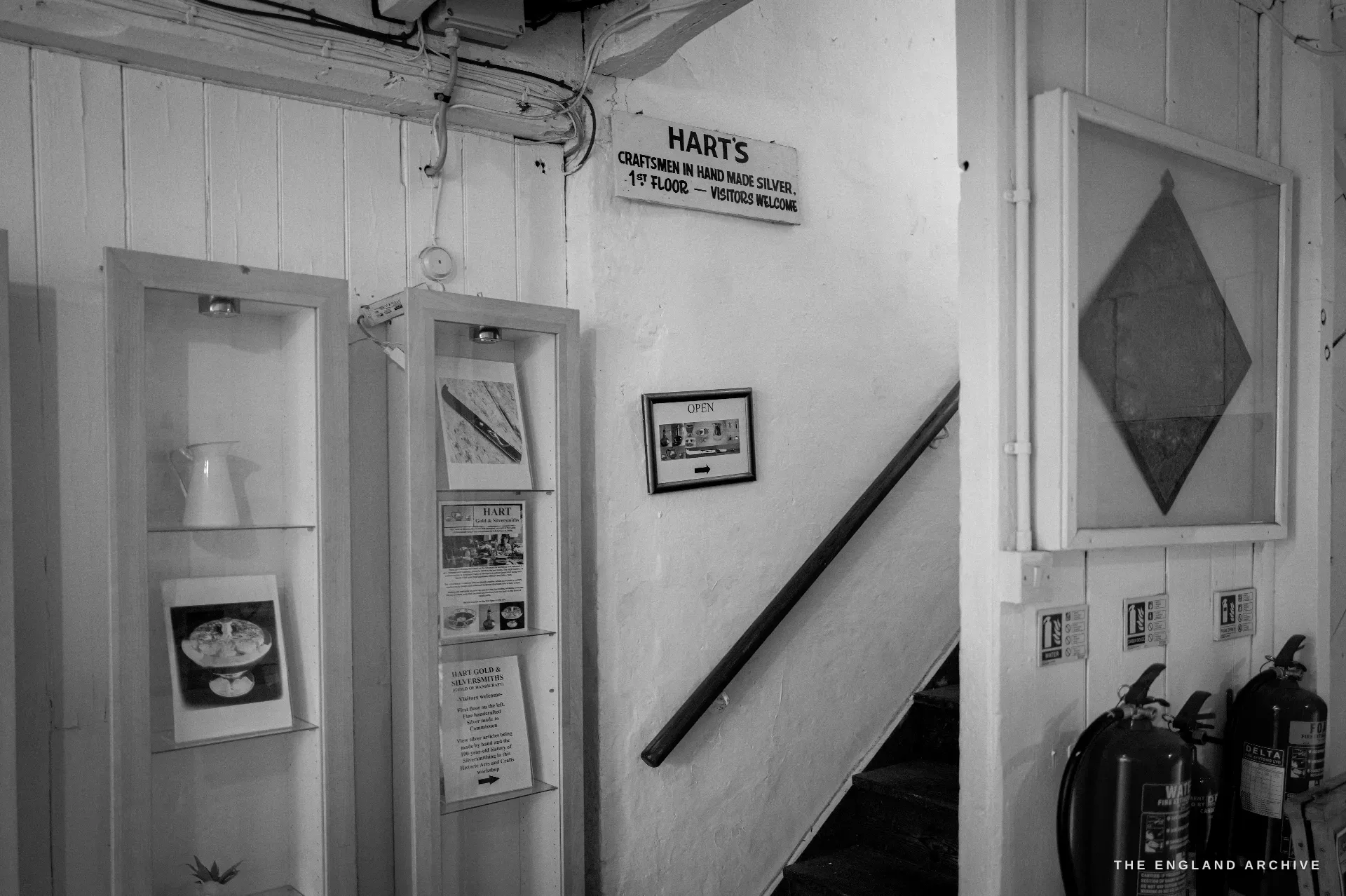
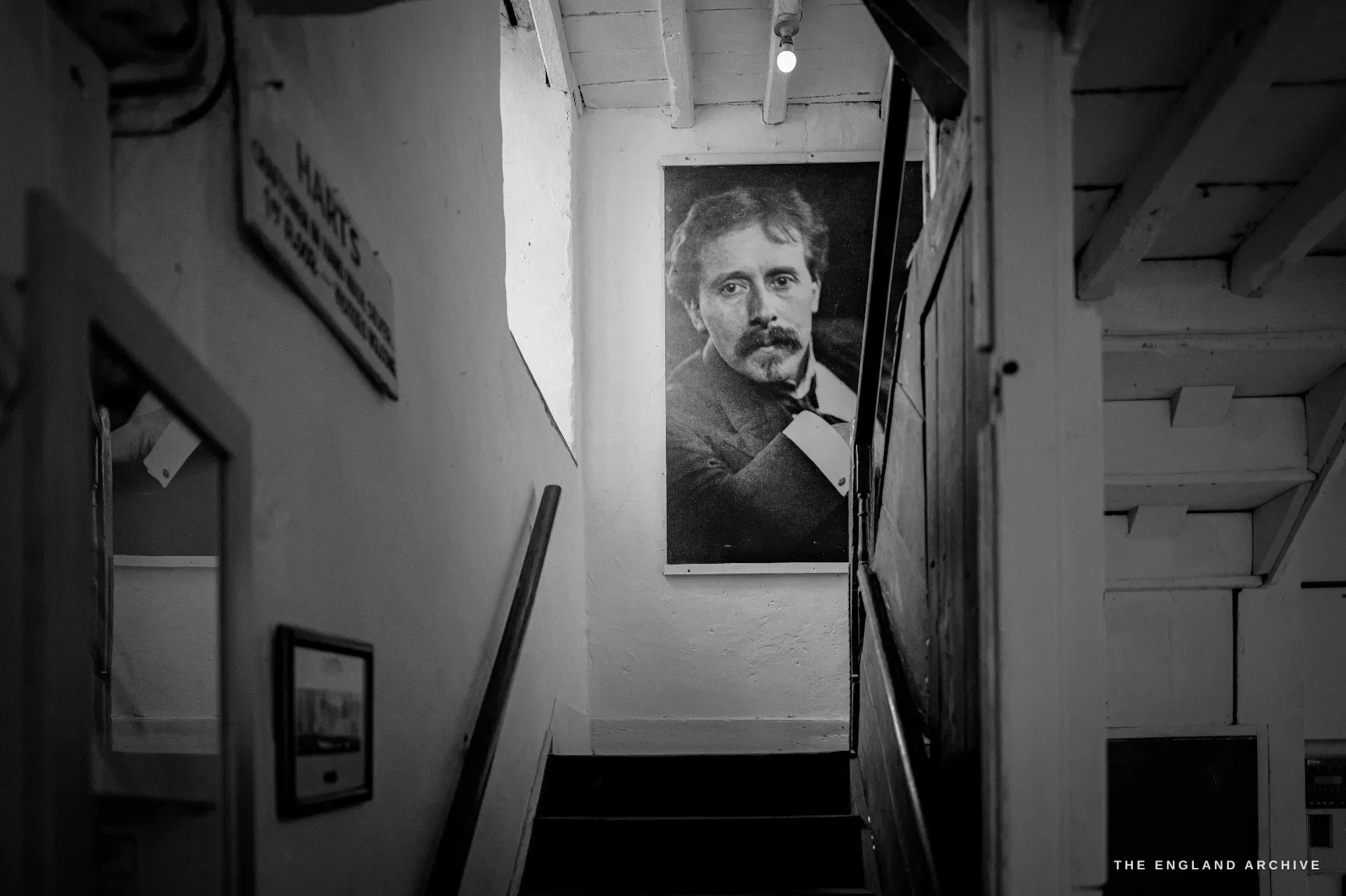
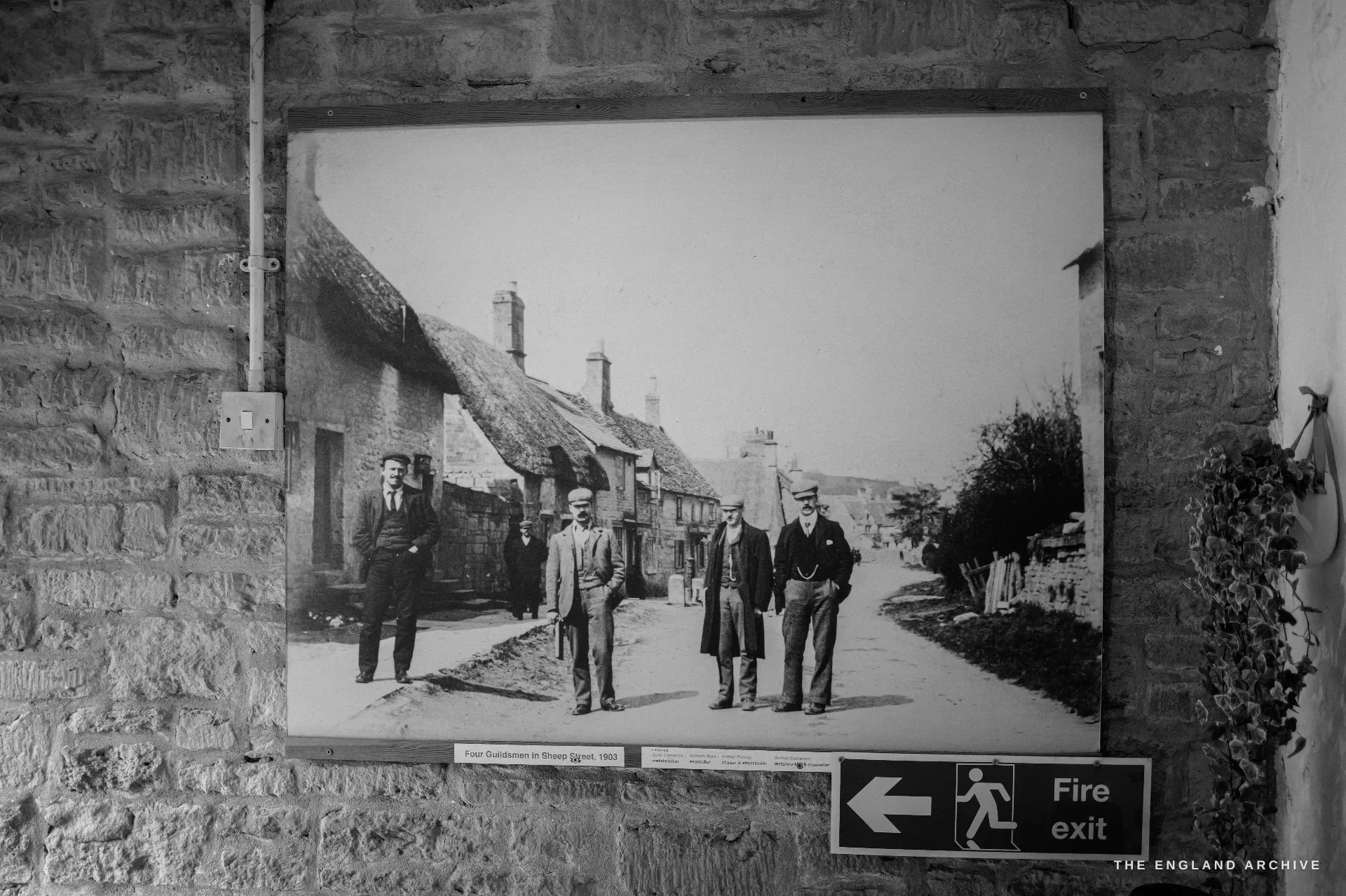
But some of the guildsmen stayed in Campden and went on working under their own names. One of them was a young silversmith called George Hart. His workshop never left the building. It is still here, on the first floor, up a worn staircase past a skylight and a mounted photograph of the Guild men in their Edwardian collars, and it is still making silver by hand - which makes it, by most reckonings, the last continuously working workshop of the Guild of Handicraft anywhere.
David
George Hart was David's grandfather. David's father, Henry, joined the workshop in 1930 and ran it for decades; in 1956 he brought his son David in, and David has been at the bench ever since. That is the arithmetic the workshop quietly carries: a man of eighty-seven who started in this room in 1956 and is, this July, marking seventy years of it. He is the third generation. He is sharp, strong, and entirely without ceremony about any of it.
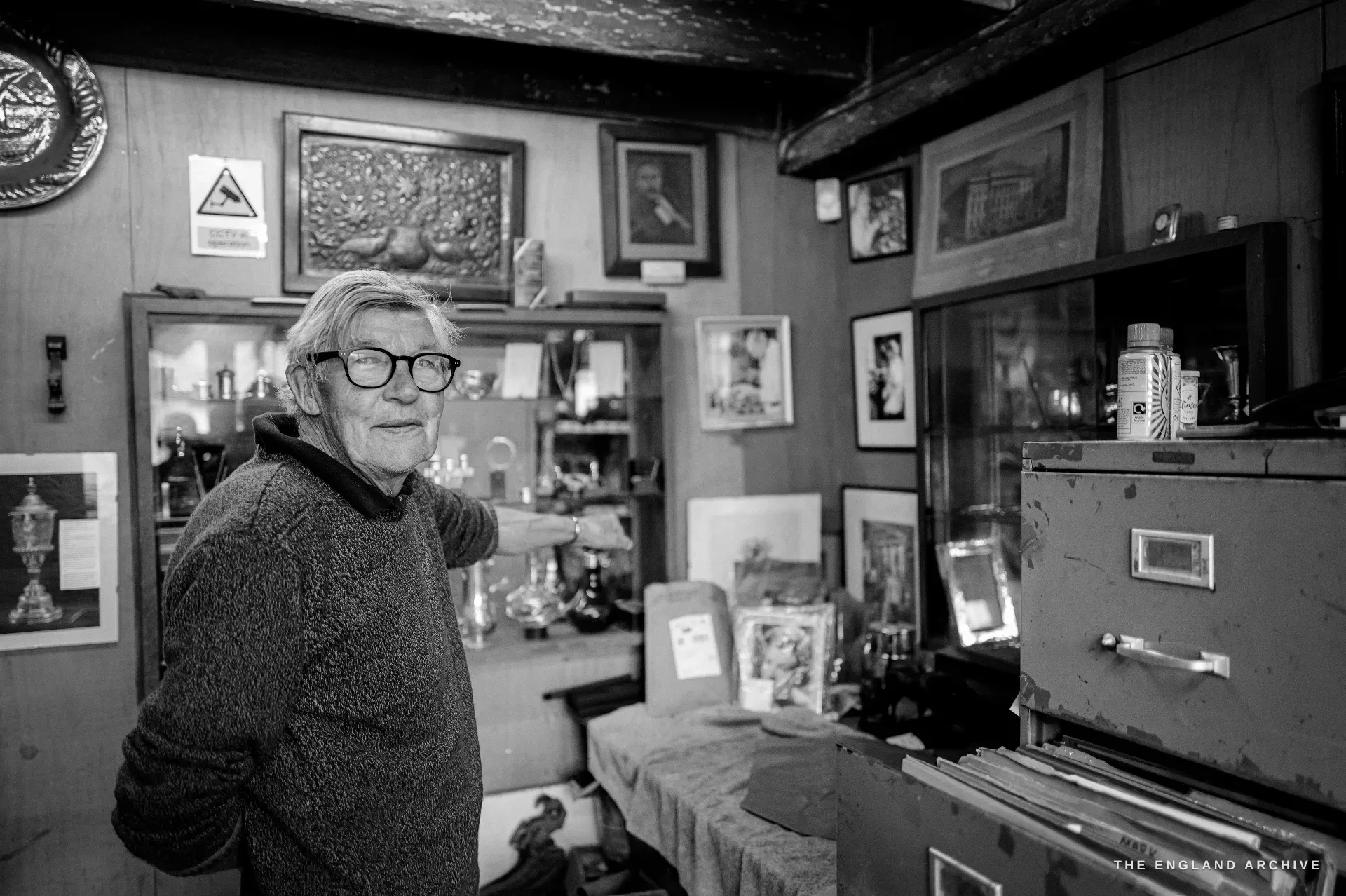
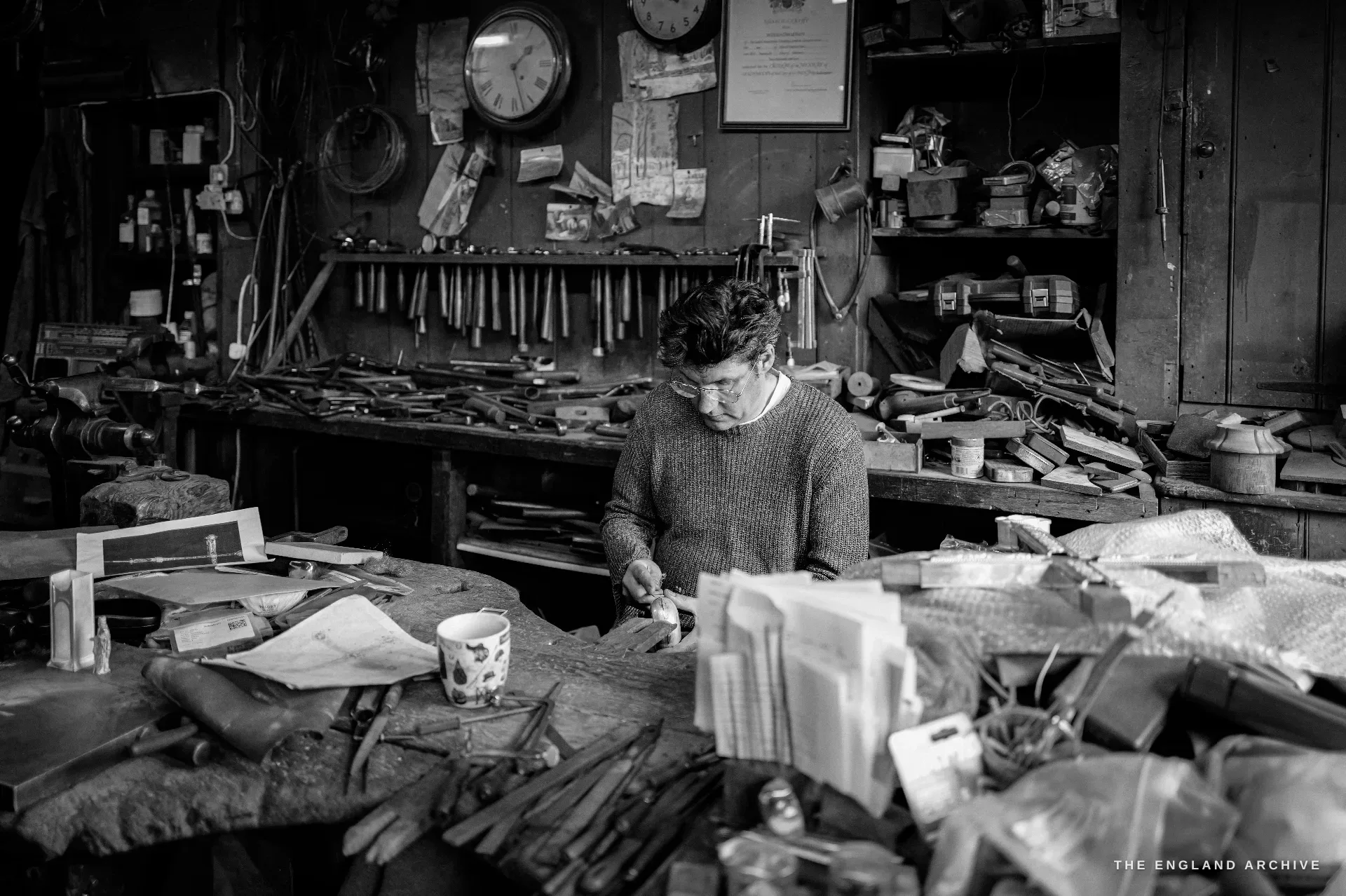
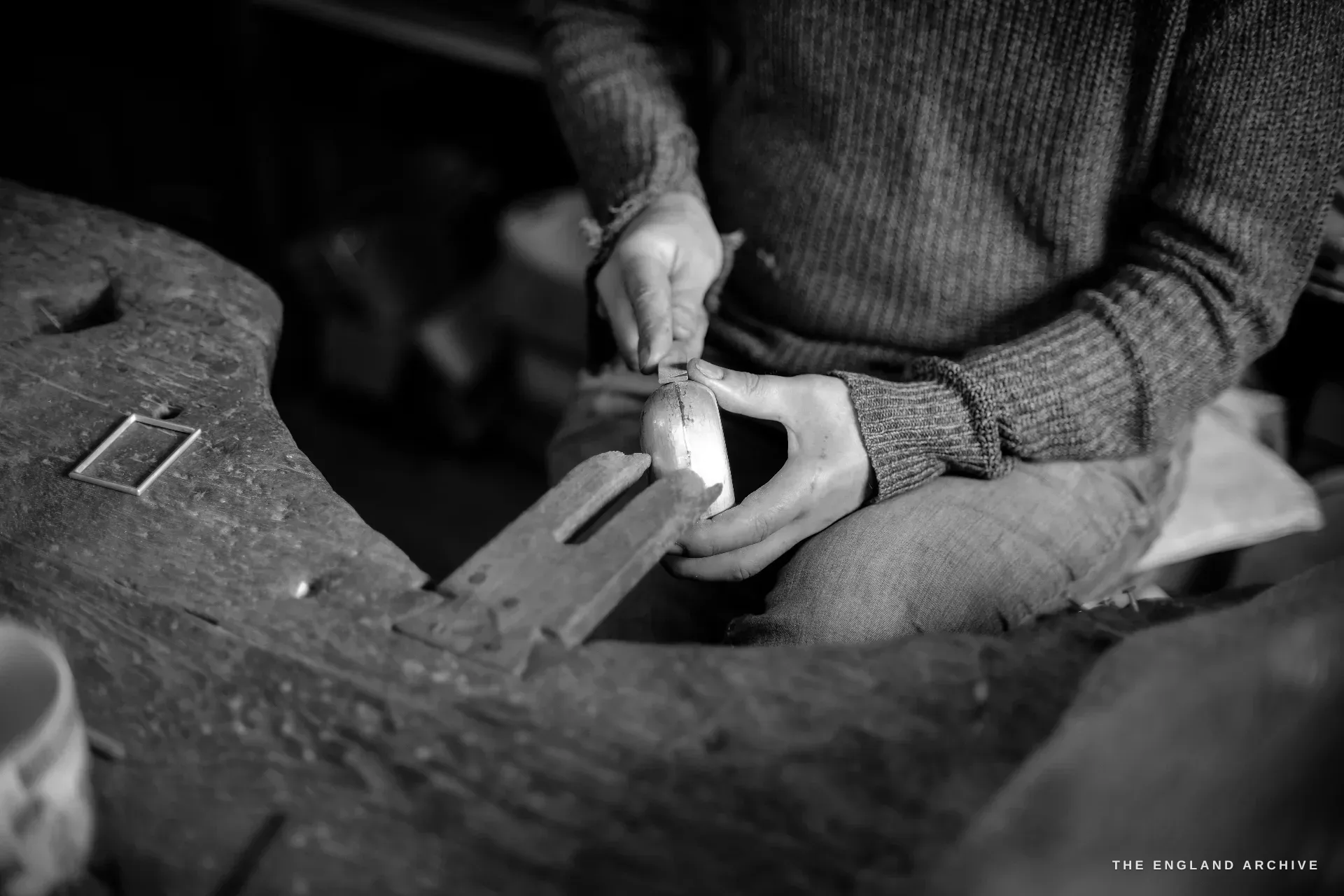
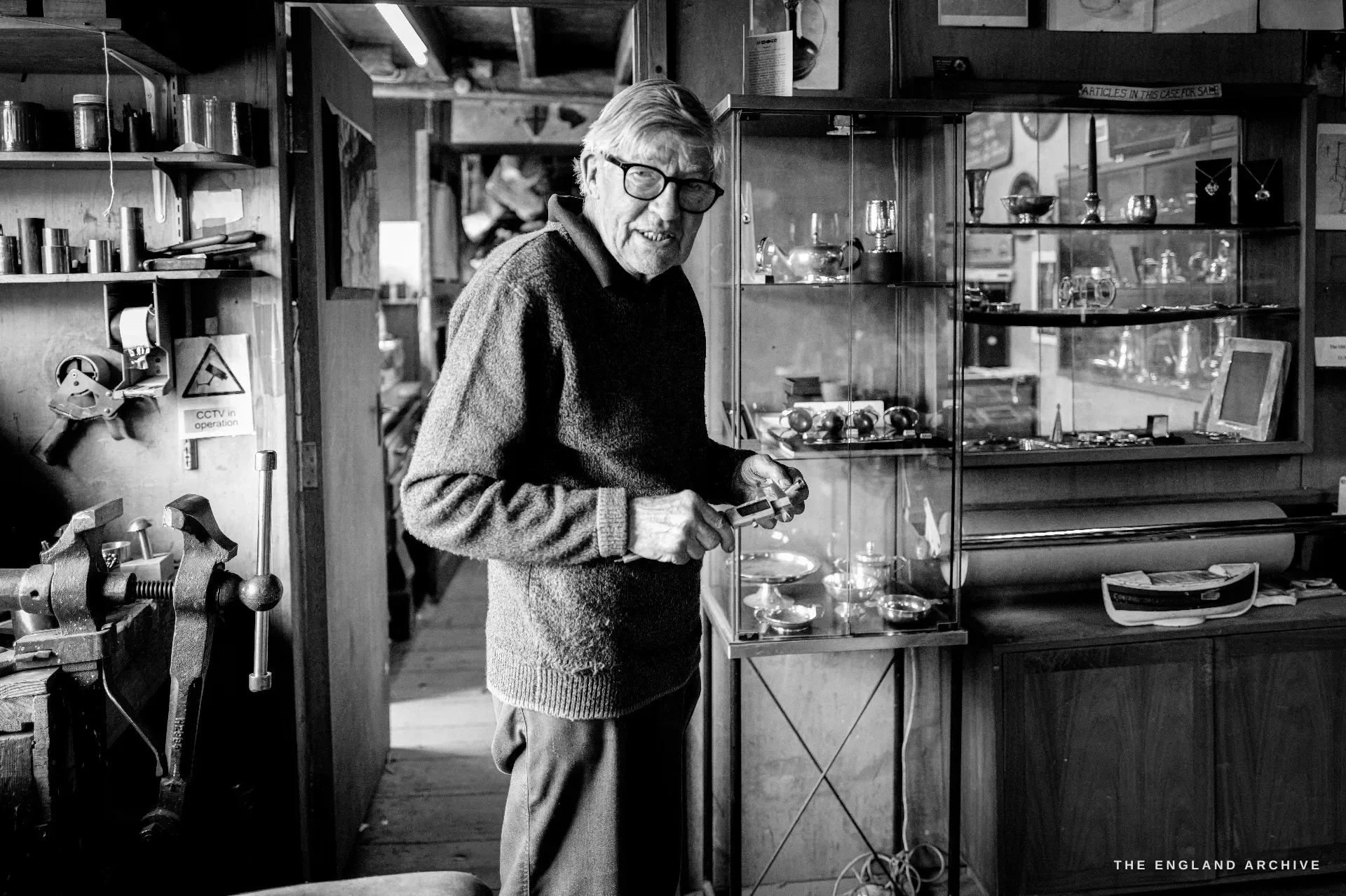
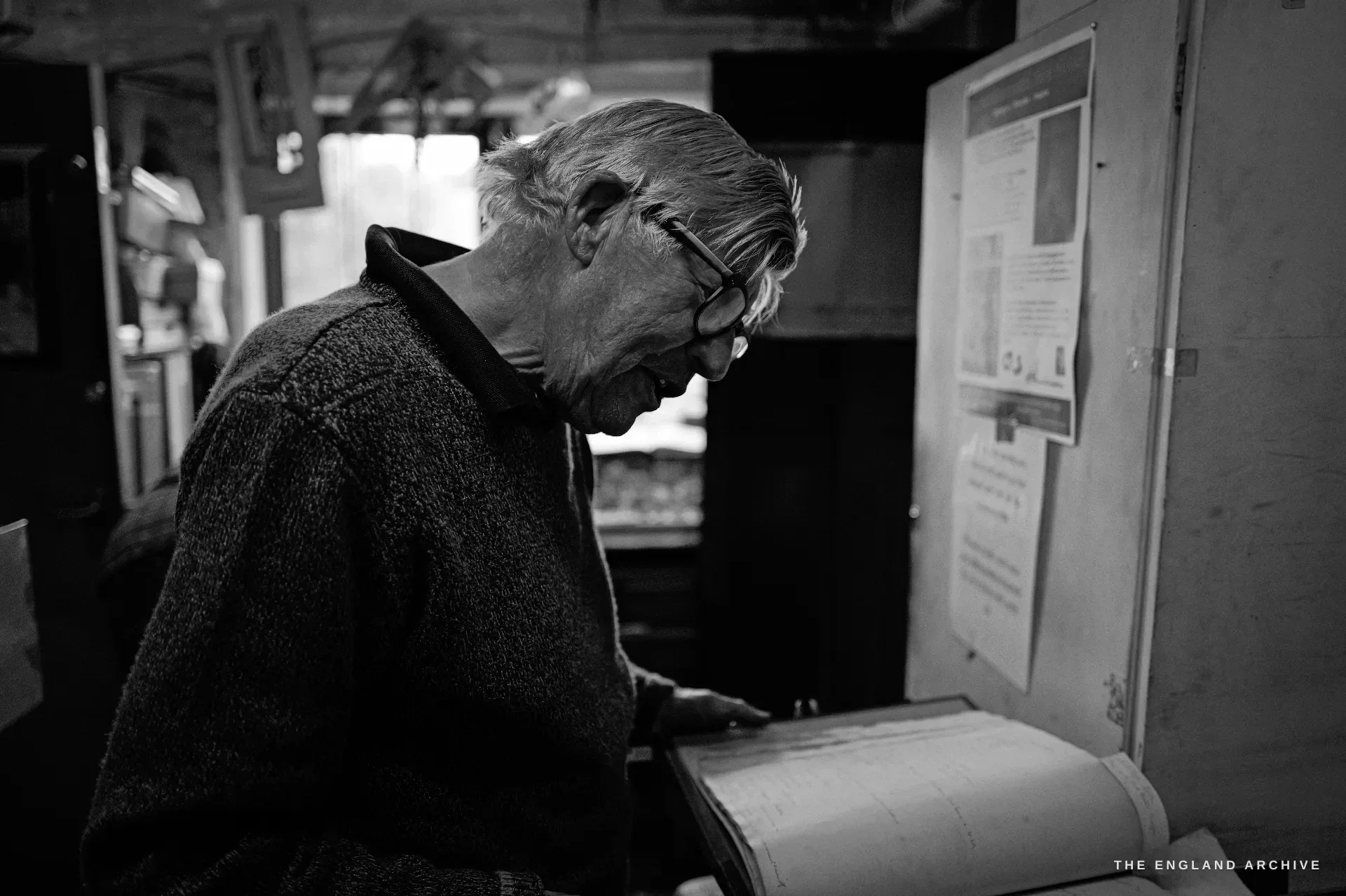
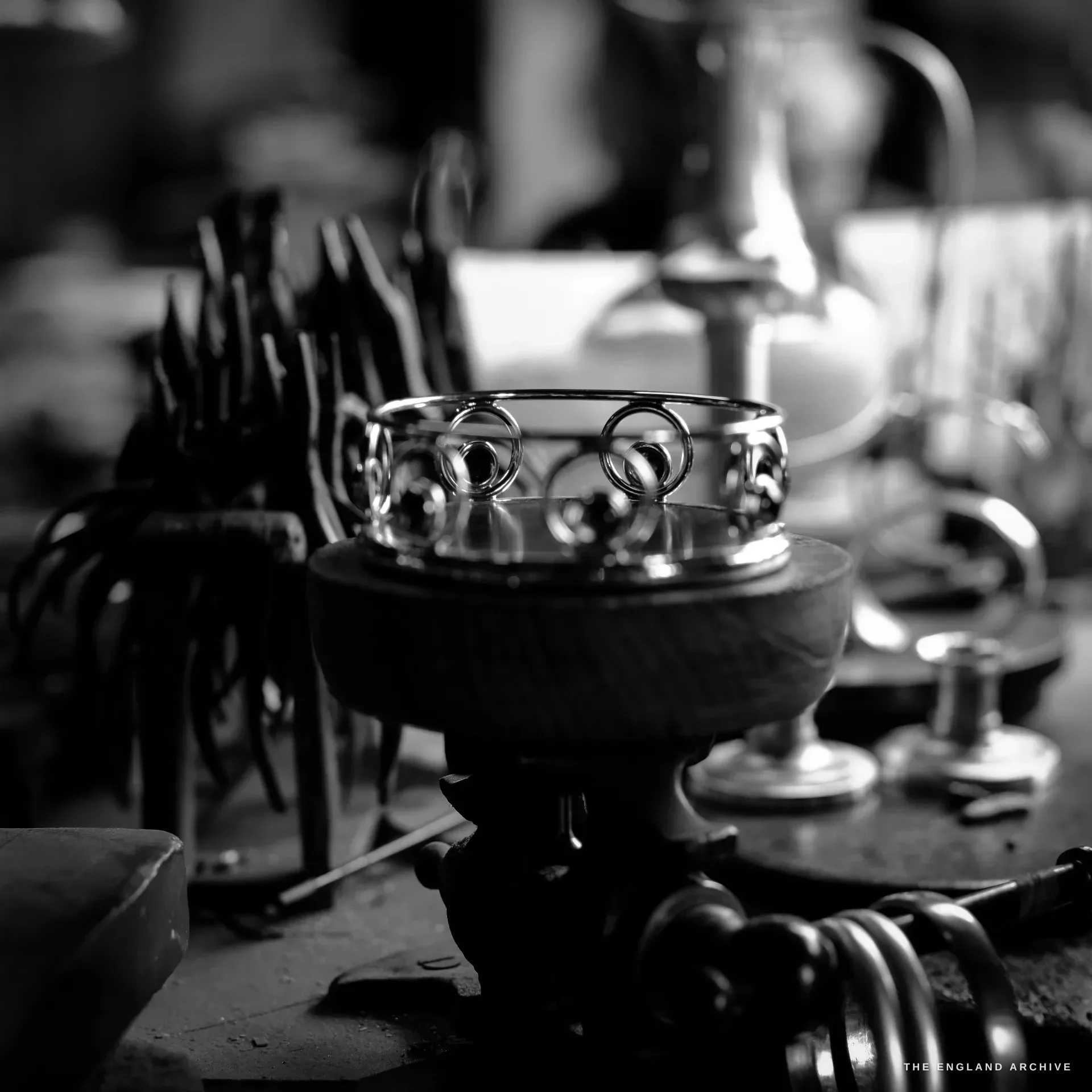
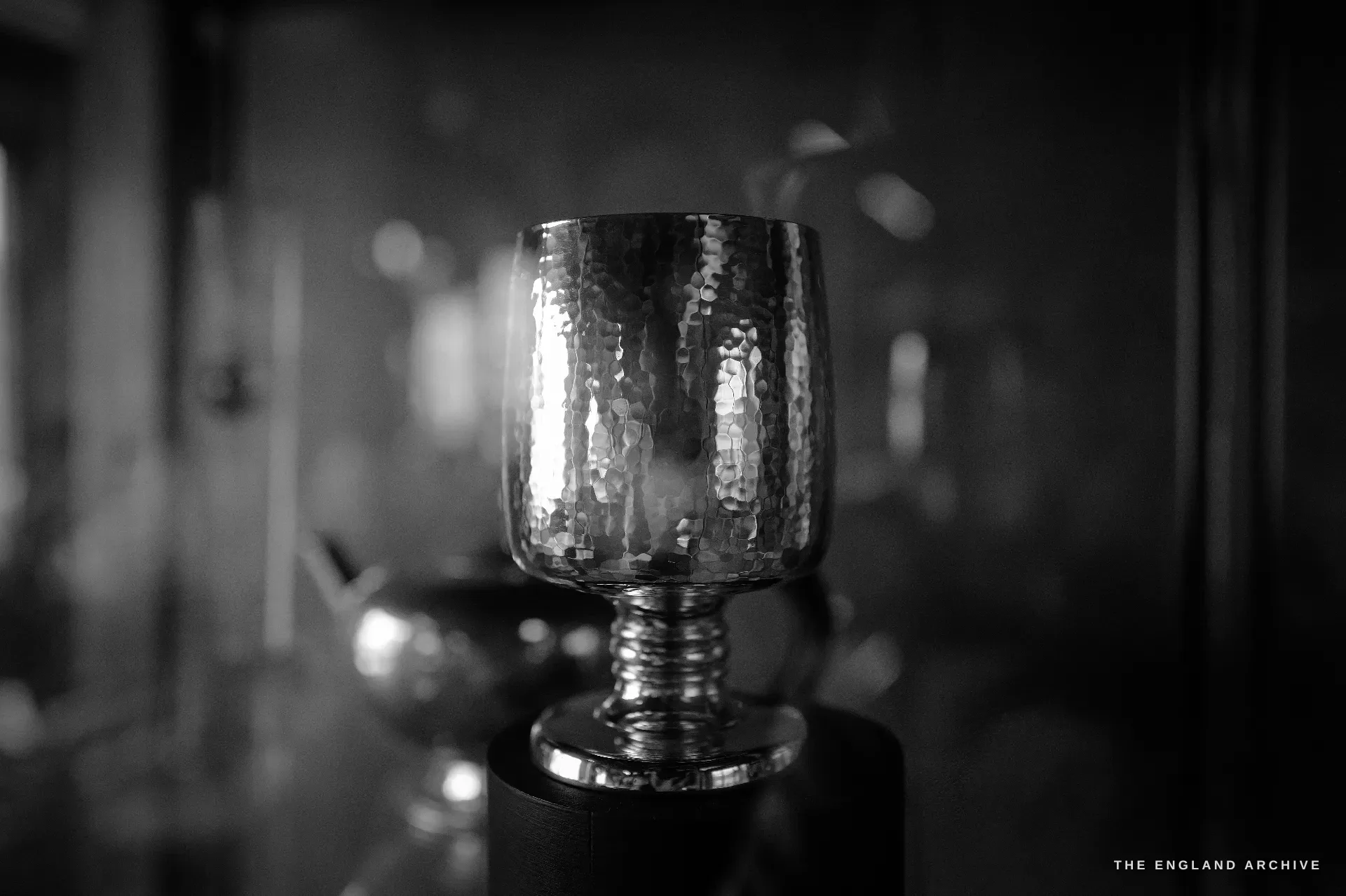
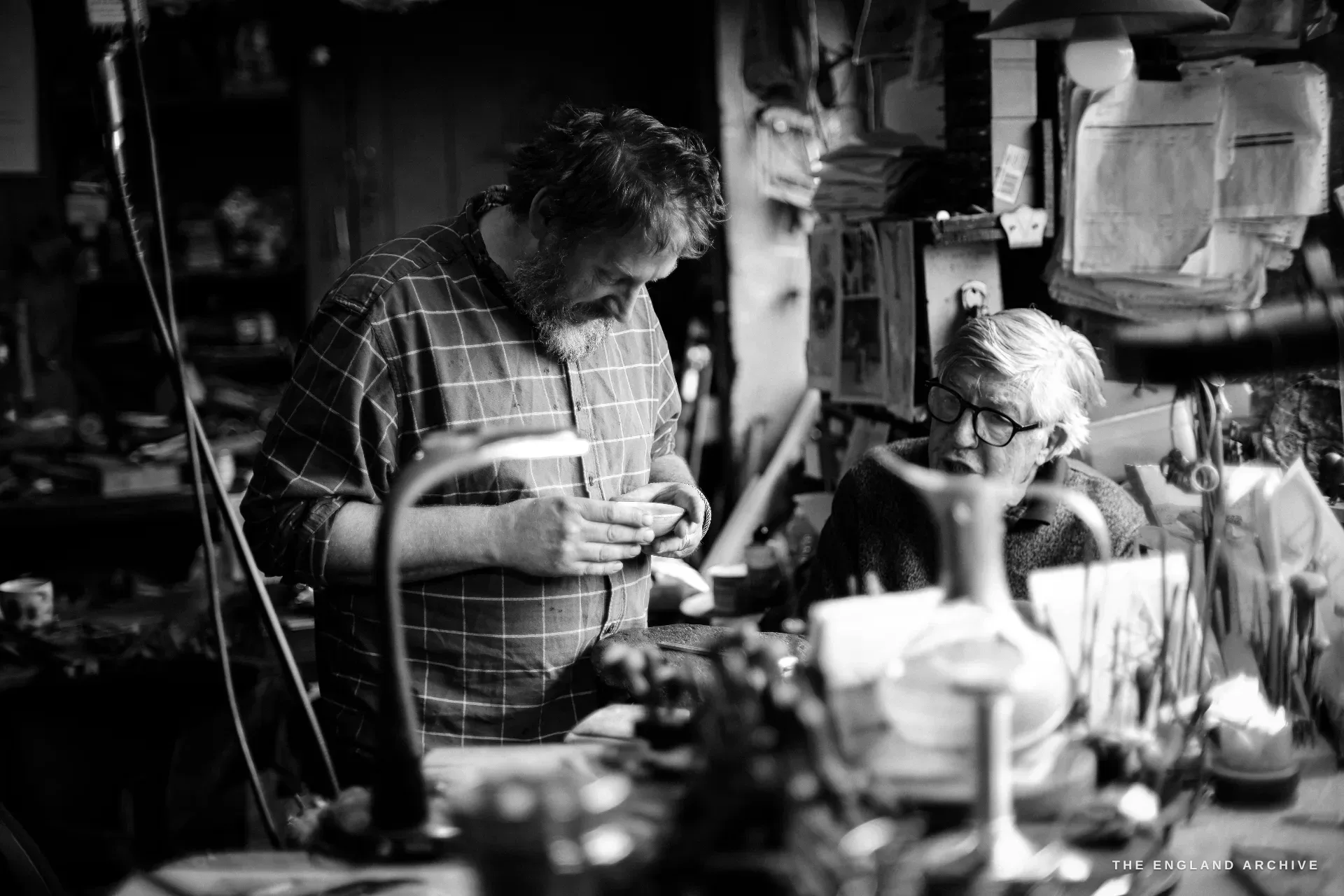
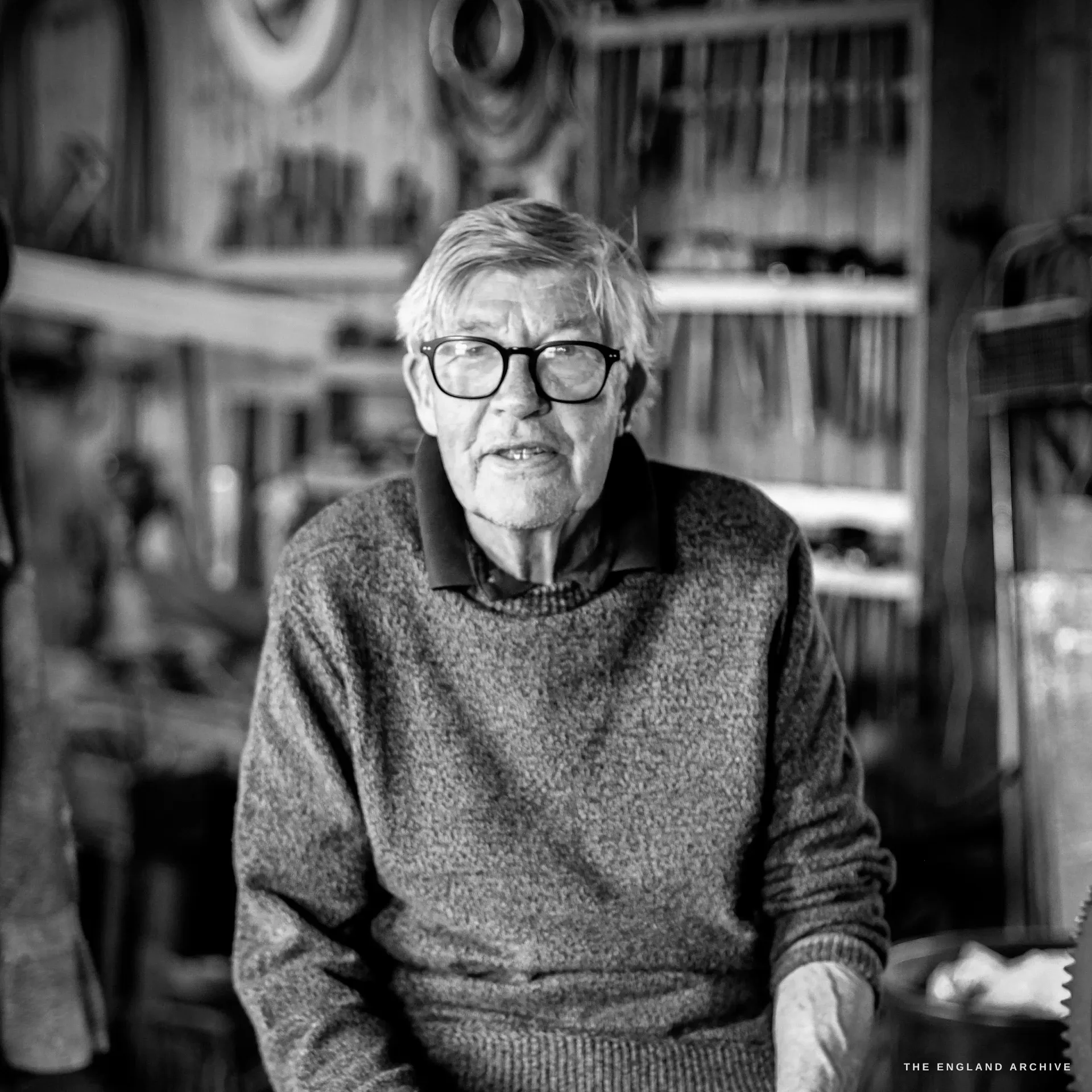
He took me round himself. He showed me how the work is done - how a flat disc of silver becomes a bowl on a stake under a hammer, how a piece is annealed in the flame and pickled and raised again, the slow argument between metal and hand that has not changed in any essential way since his grandfather did it in the same spot. He is bespectacled and white-haired and he bends to the bench the way a man does who has bent to it for seventy years, which is to say without thinking about it at all.
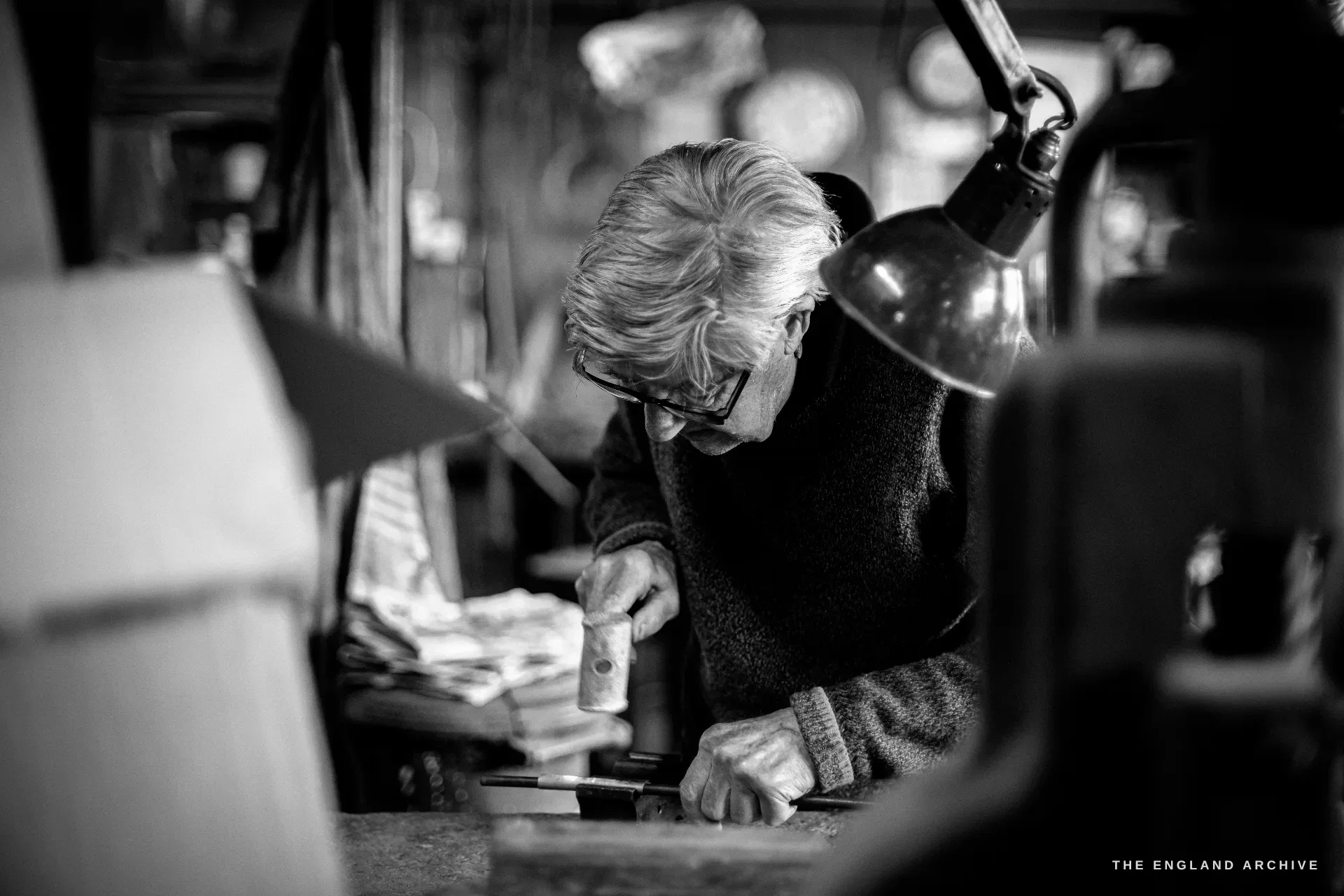
What struck me was the memory. He could place a tool, a commission, a date, a name, without hesitation. Eighty-seven years old and the whole century of the workshop is filed somewhere behind those black-framed glasses, retrievable on request.
The room that stopped
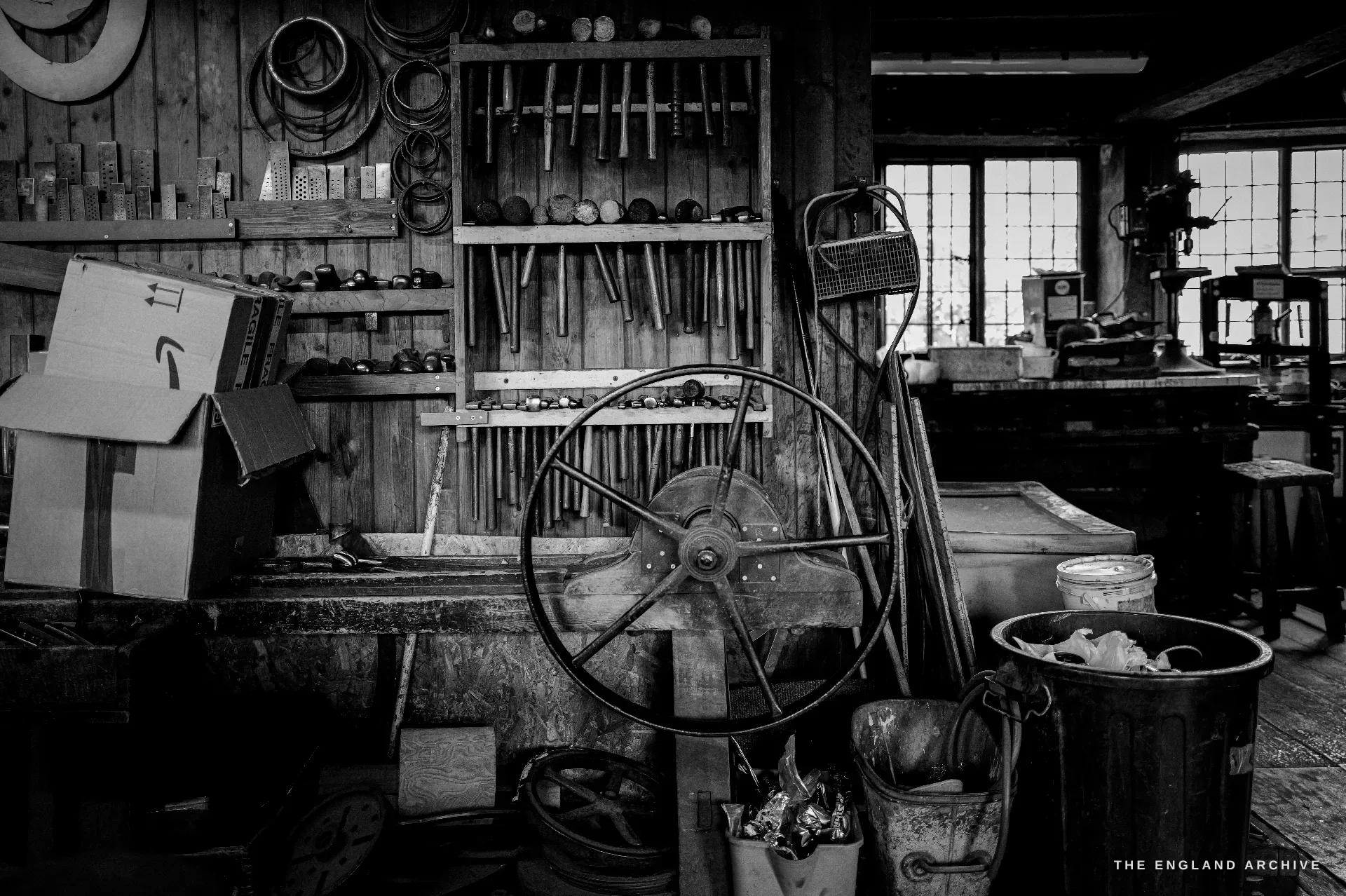
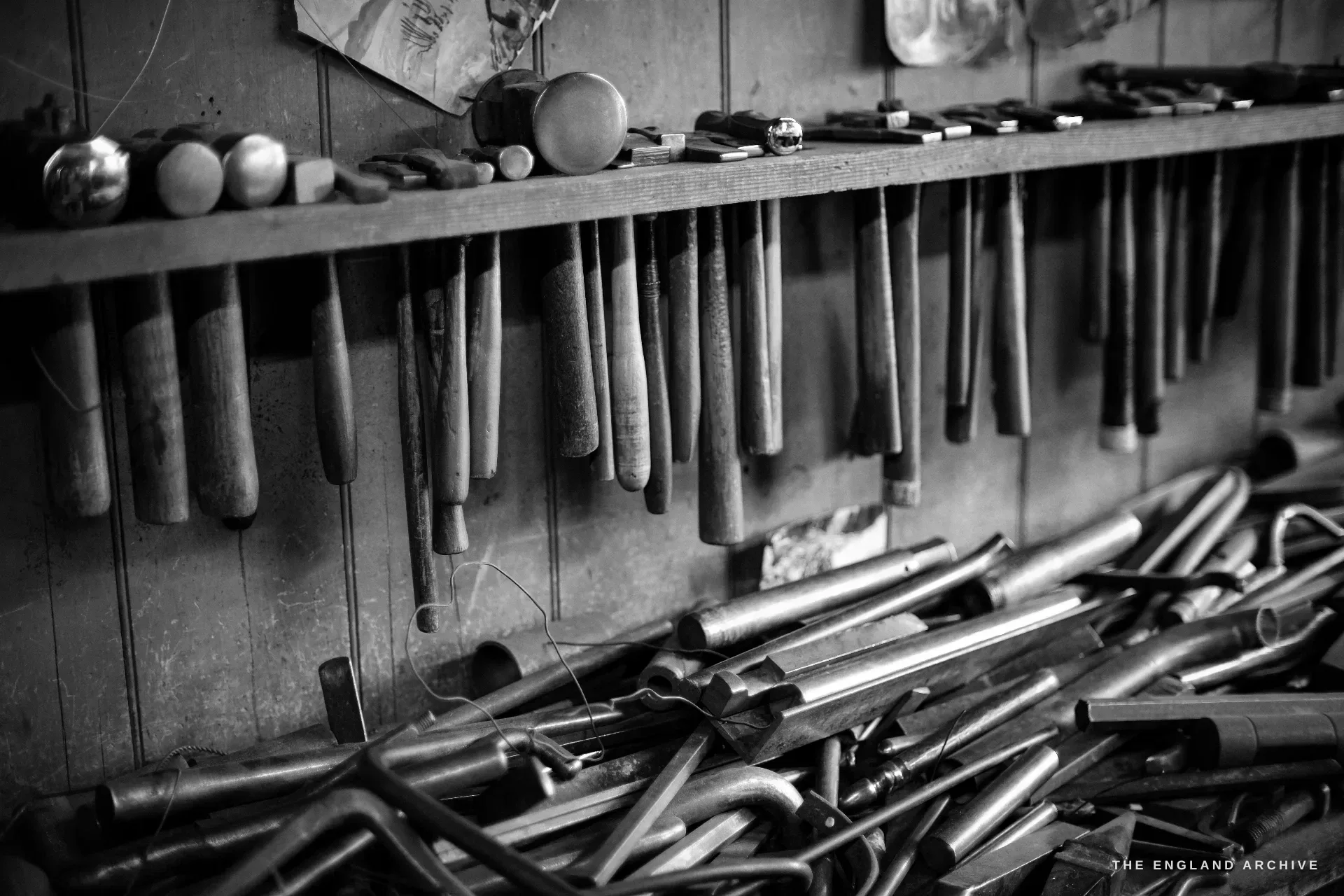
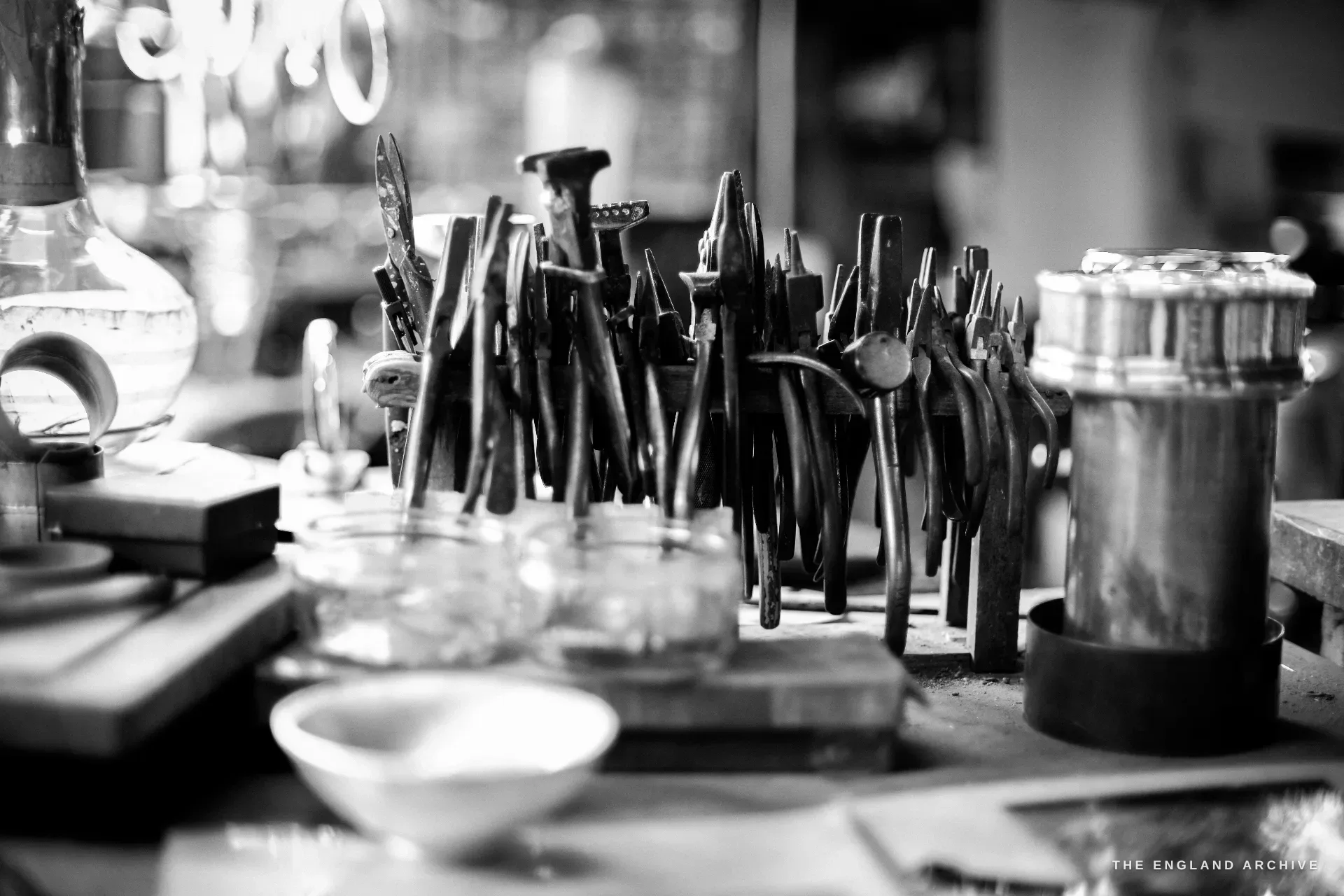
The workshop is the kind of place that photographs itself. It is not styled and it is not preserved; it is simply still in use, and the use has been continuous enough that nothing was ever cleared away. There is order in it, but it is the order of a working room, not a museum - tools ranked on the walls by a logic only the men who use them would defend, stakes and mallets and doming punches within reach of the bench, glass jars of this and that, a wall of hammers above a tray of curved steel.
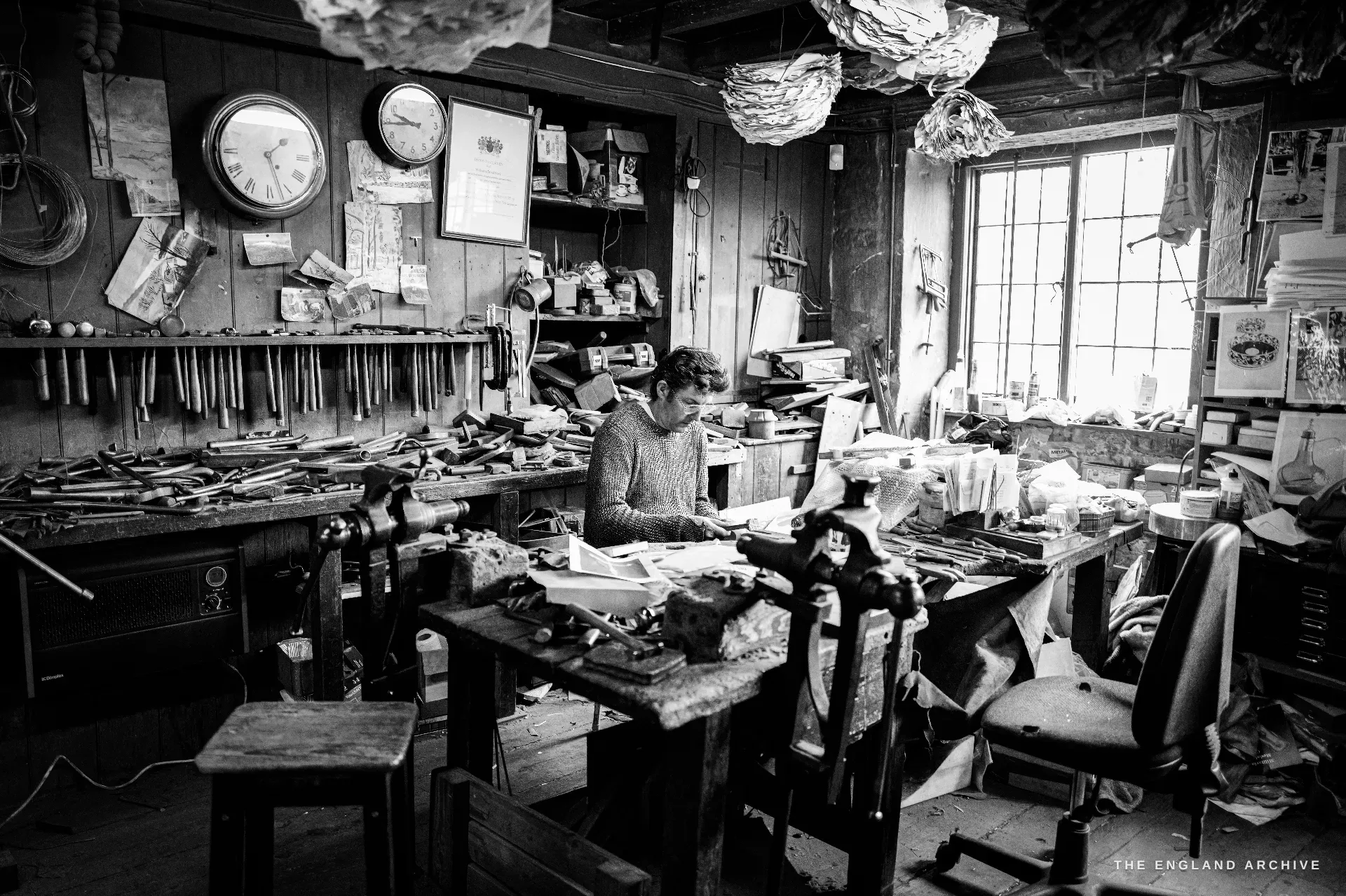
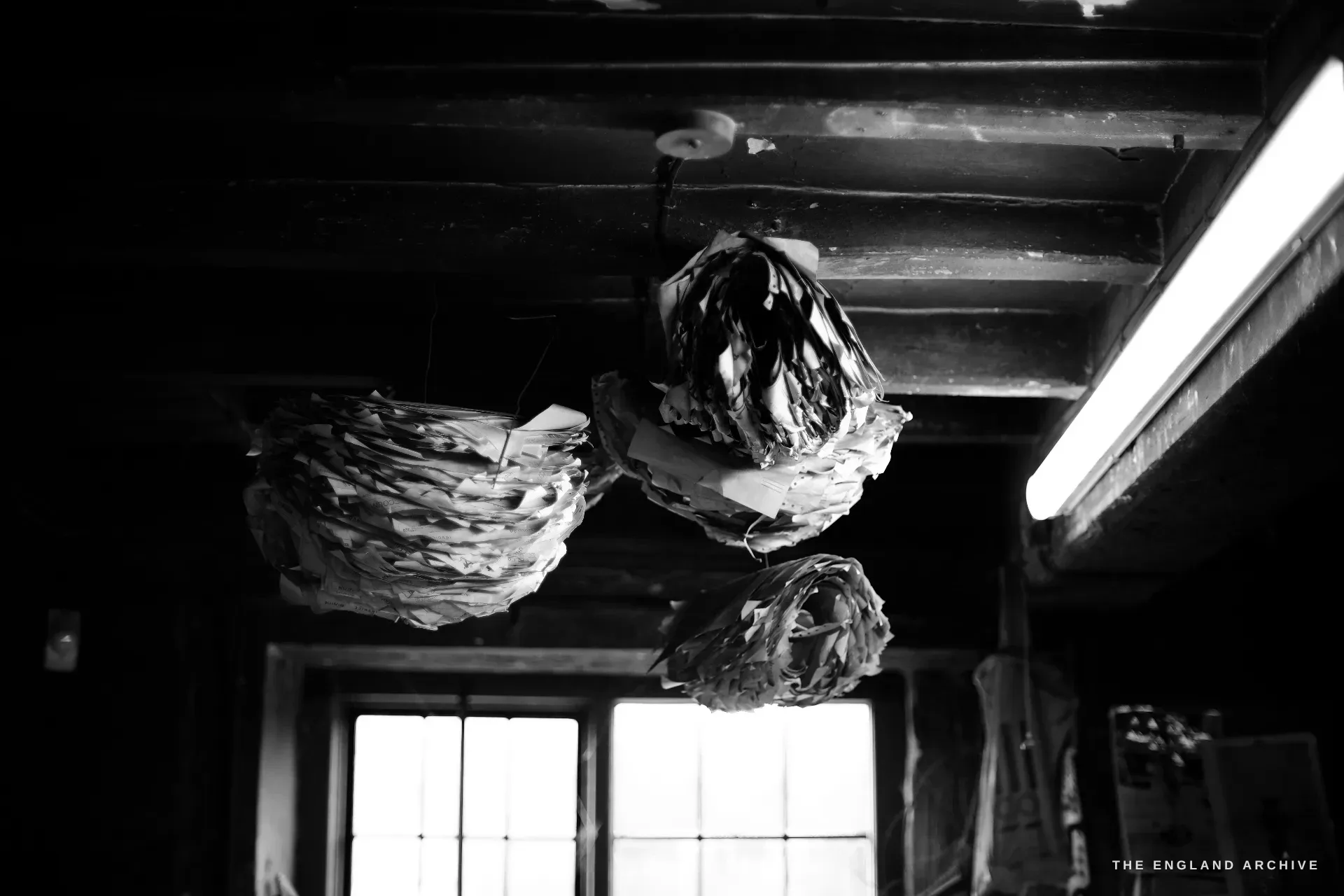
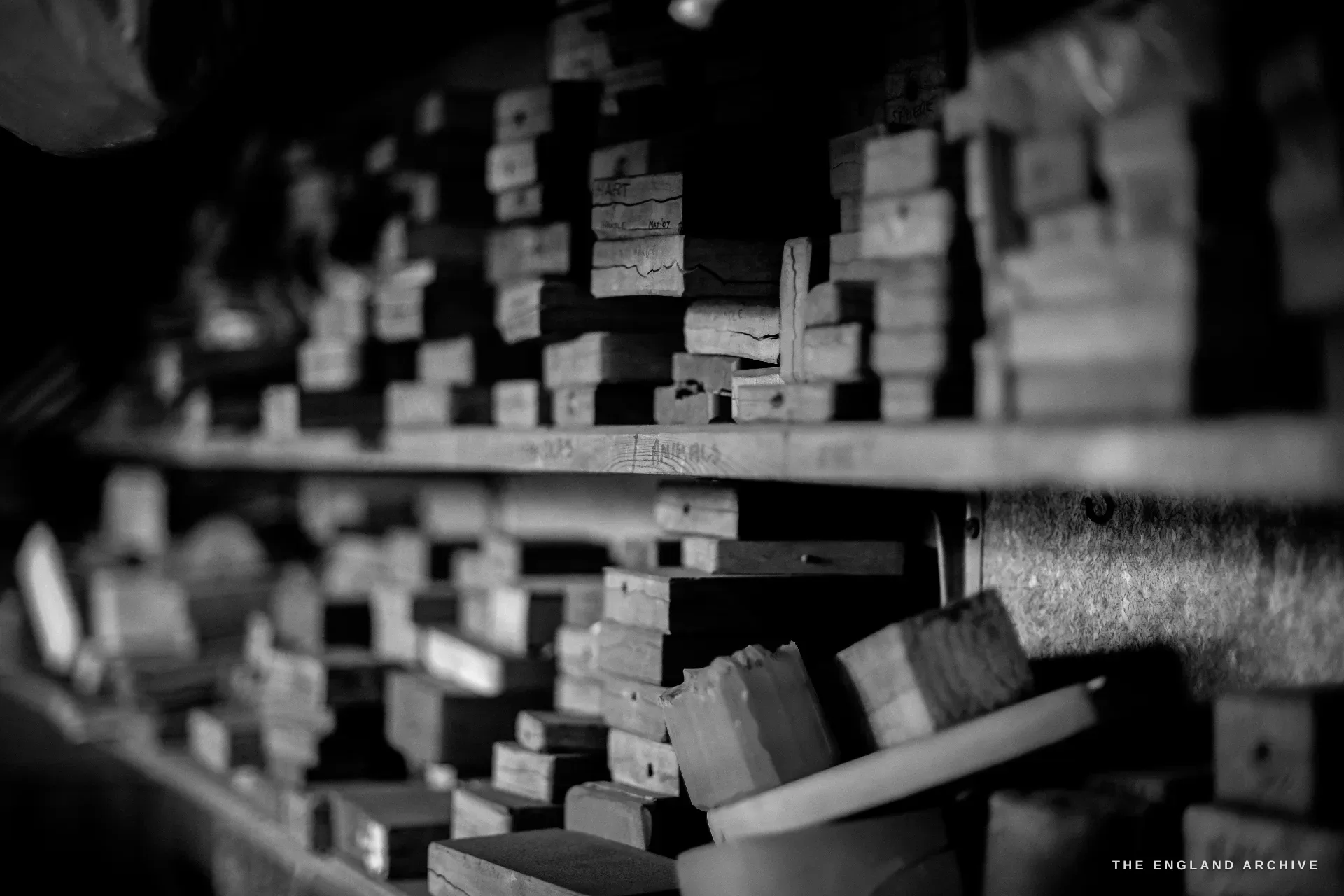
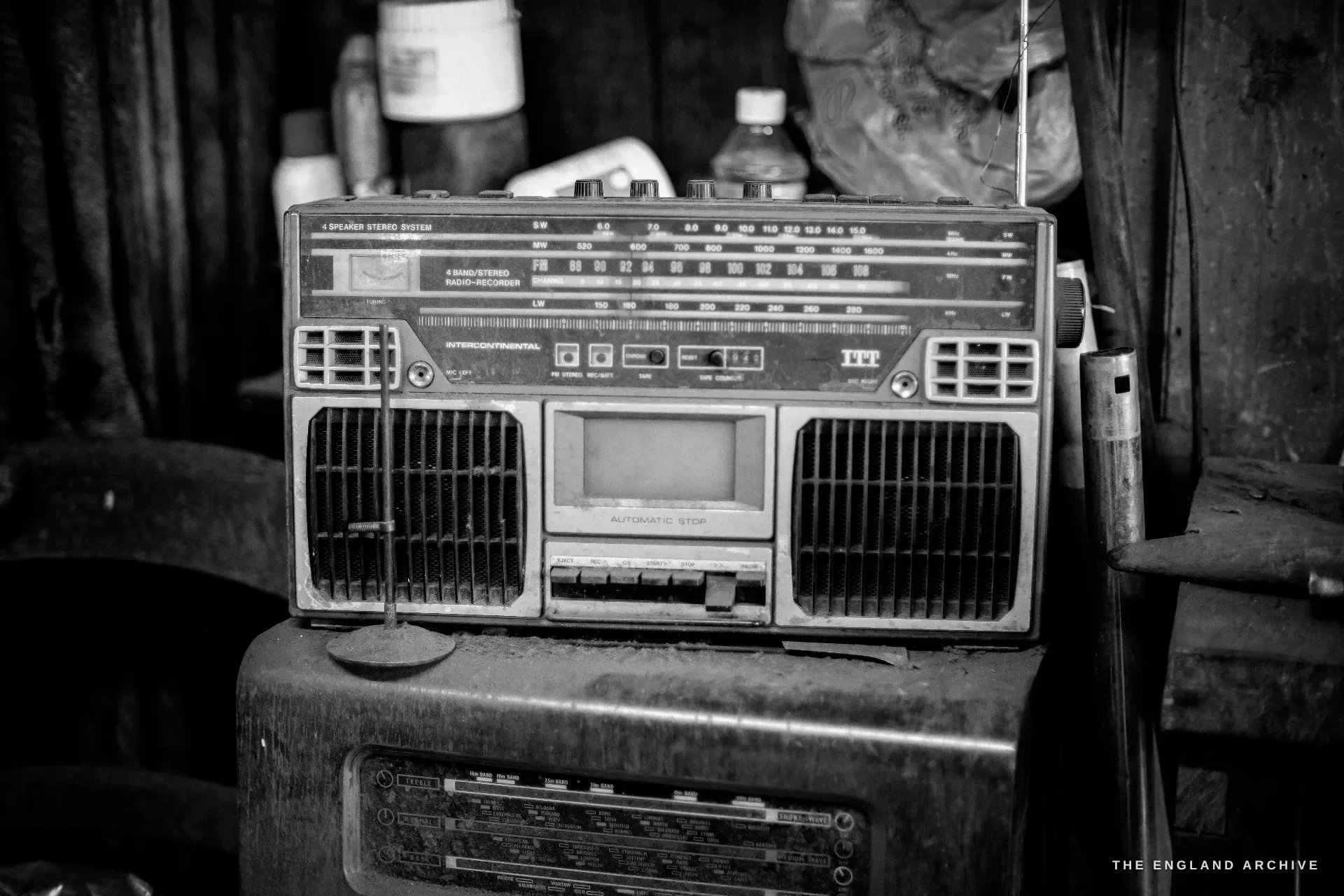
Three great balls of paper hang from the ceiling beams - decades of receipts and dockets impaled on spikes and left there, fanned out like dark flowers. On a grimy cabinet sits a portable cassette radio that looks as though it has been playing to the room since about 1985. On the deep shelves are wooden pattern dies, the blocks the shapes are struck from, and several are pencil-labelled in a working hand: a job, a date, a name. One of them simply reads HART.
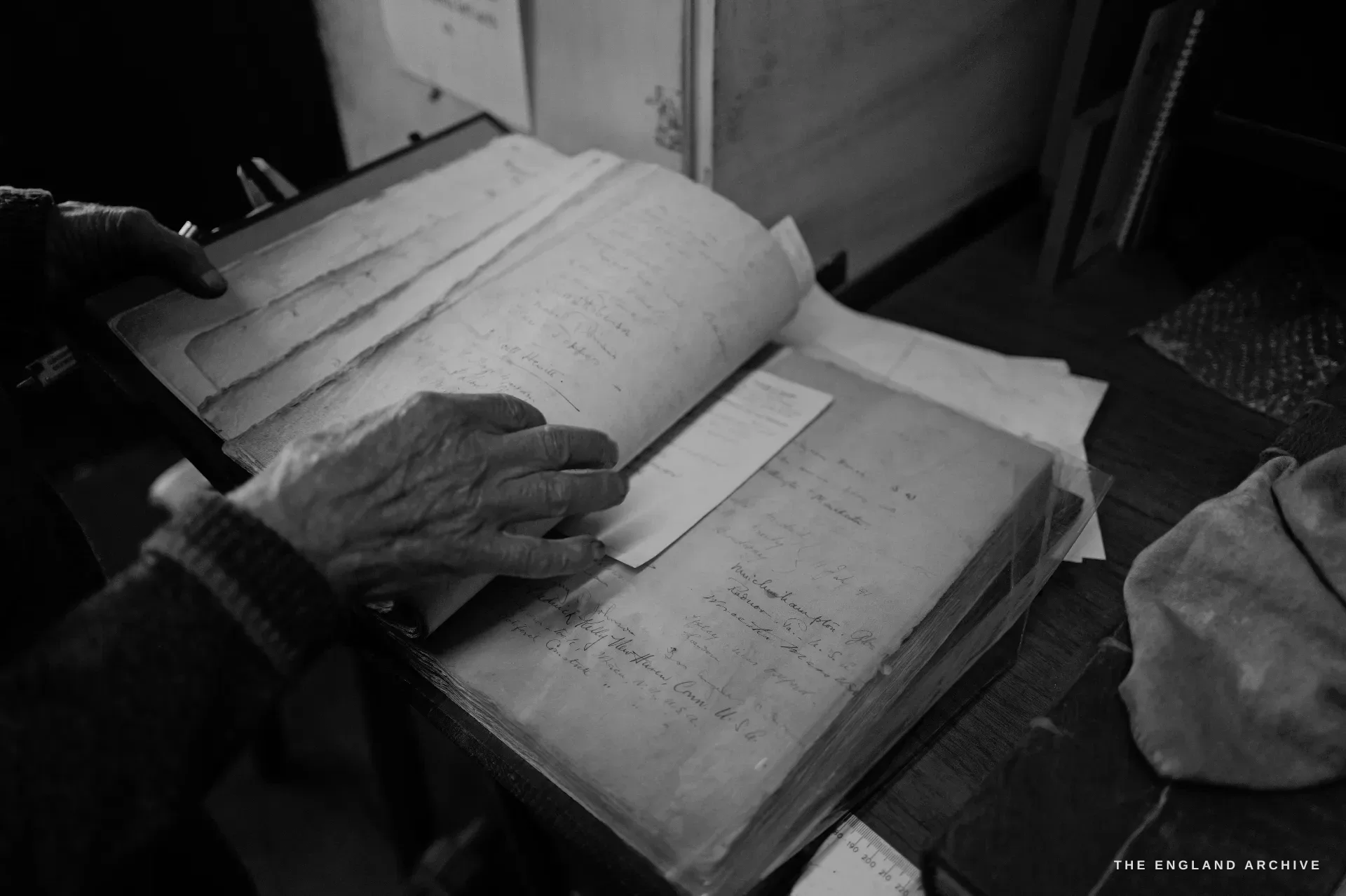
And then there are the ledgers. David rested a hand on a great handwritten order book and turned the leaves, and the pages were dense with cursive entries and place-names - Wolverhampton, Worcester, and, in among them, New Haven, Connecticut. A century of commissions in one book, in ink, never digitised, never needing to be. There is a Dell monitor on a desk in the corner. It looked like a tourist.
What is on the bench
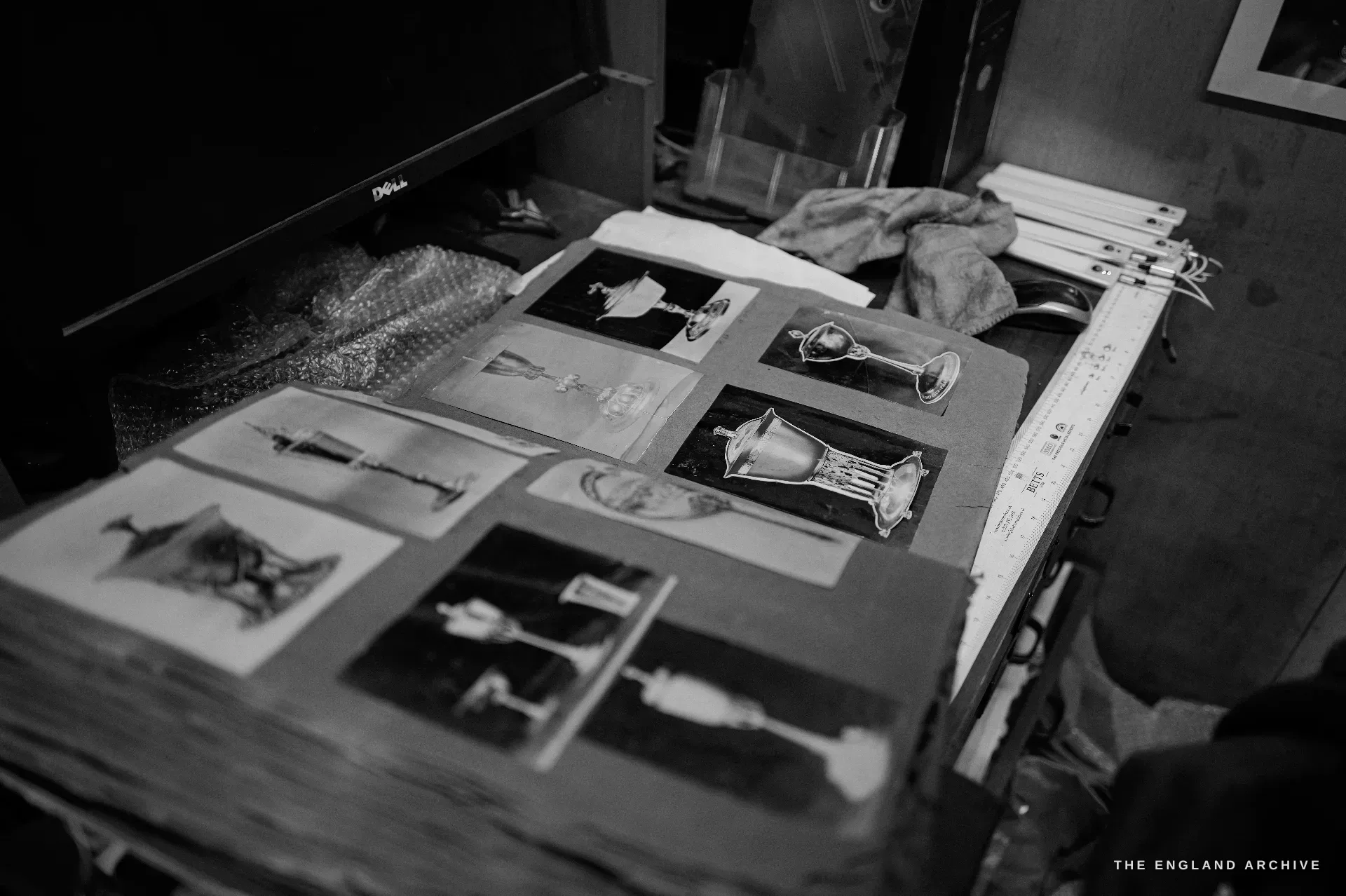
None of this would matter if the workshop were only a museum of itself. It is not. There is live work on the bench. David pulled open a plan chest and lifted out the working drawings for a piece the workshop is remaking - a processional cross, he explained, stolen from a church, to be built again from the measured drawings so the parish has back what it lost. That is the kind of commission that comes to a workshop like this: not because it is cheap, but because there is almost no one else who can.
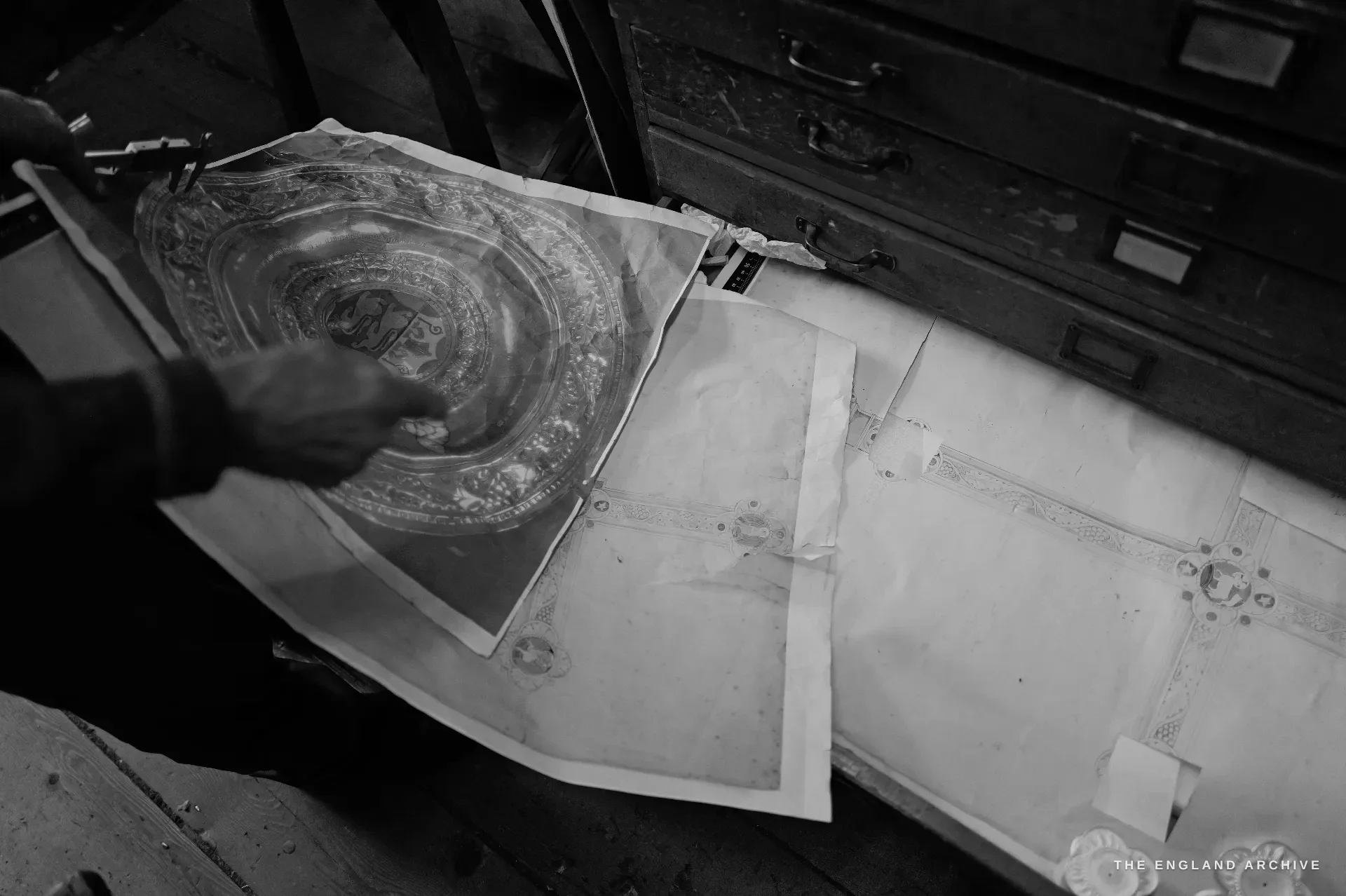
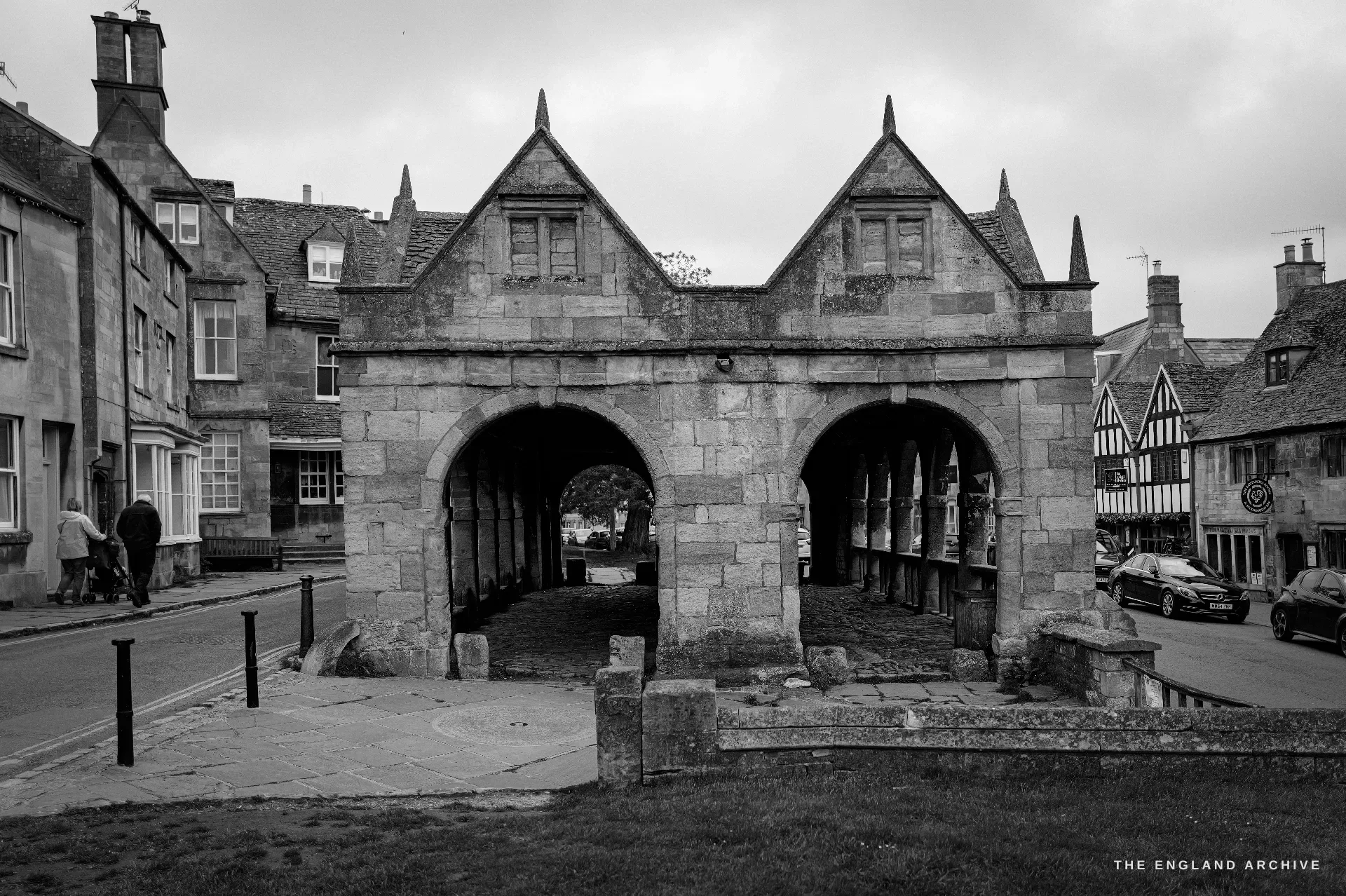
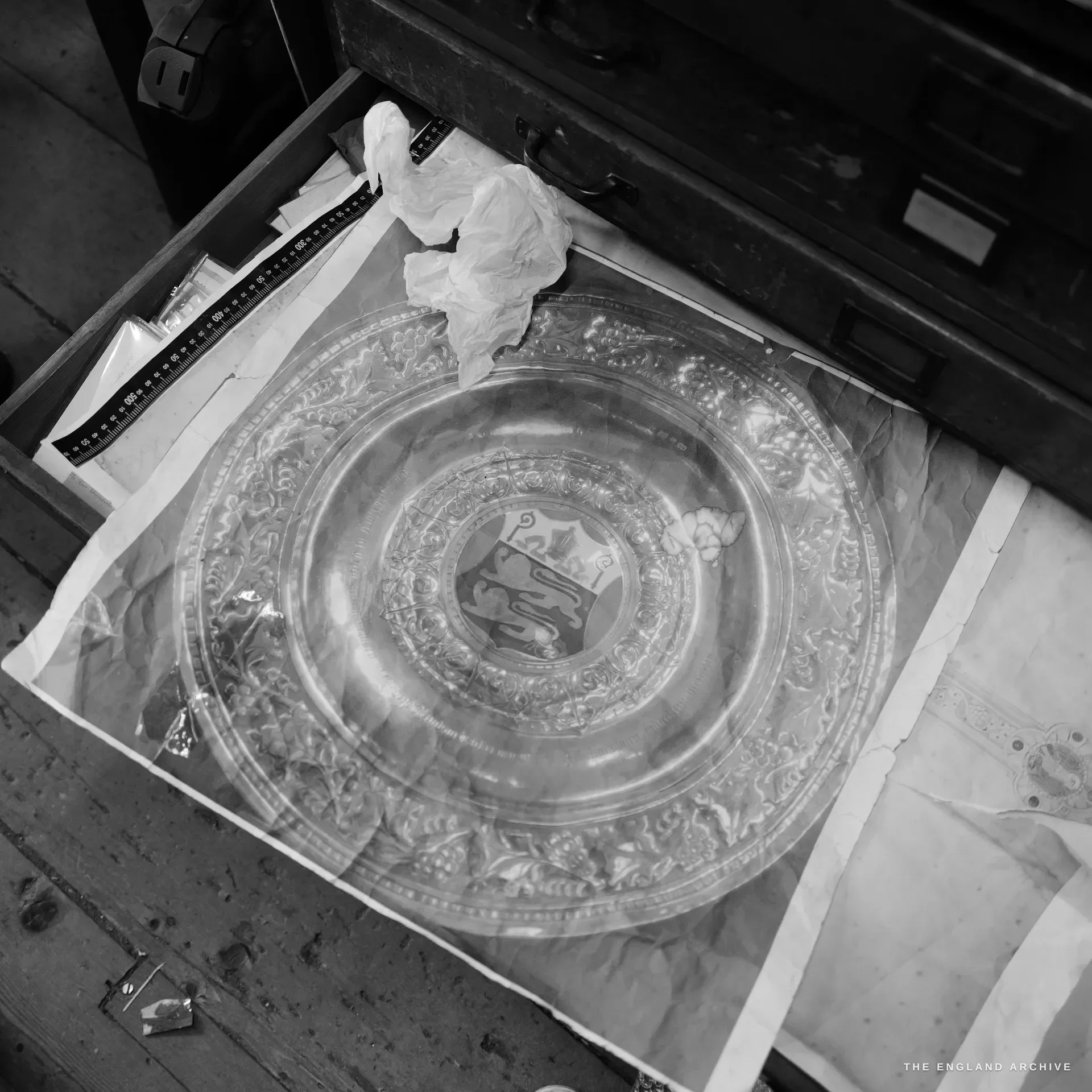
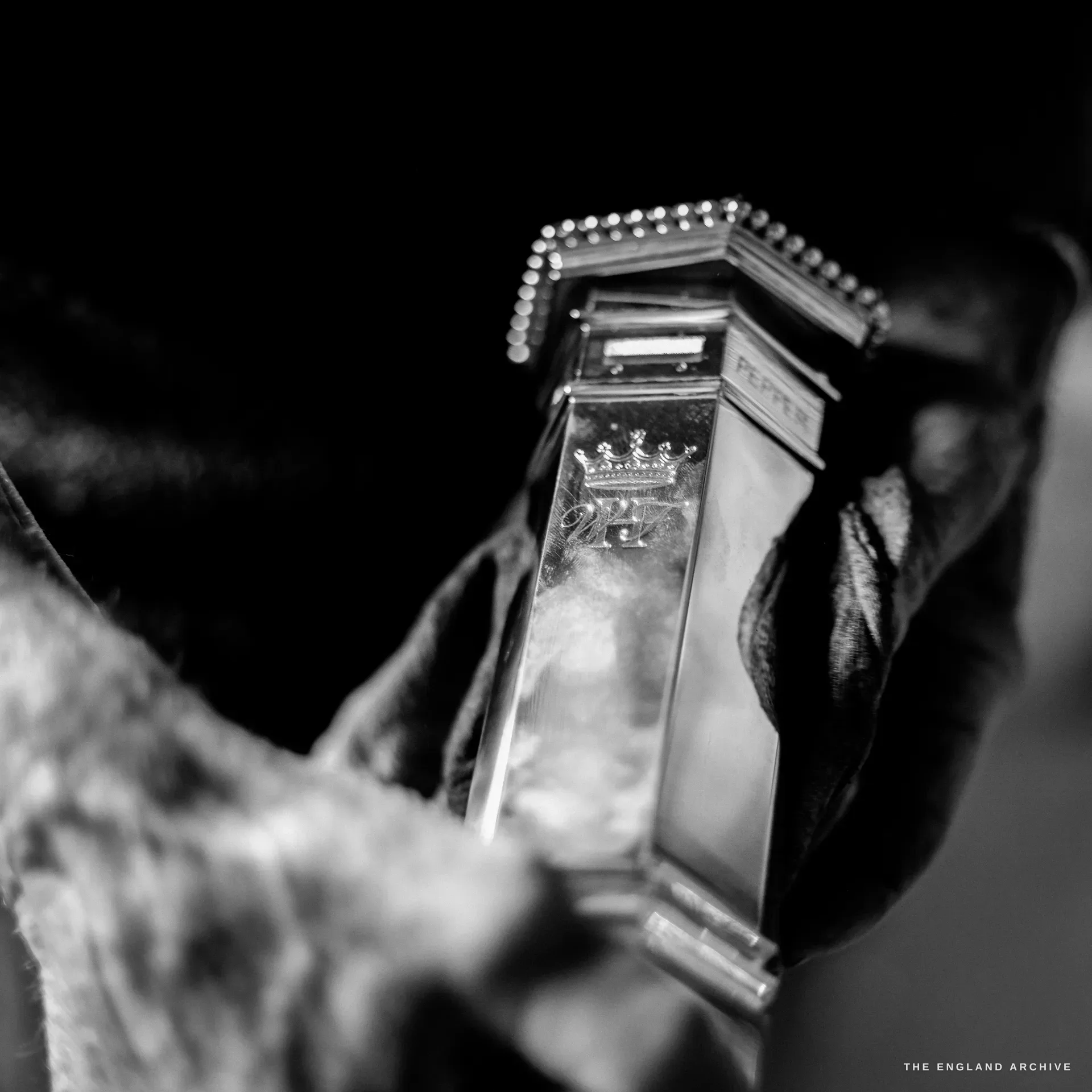
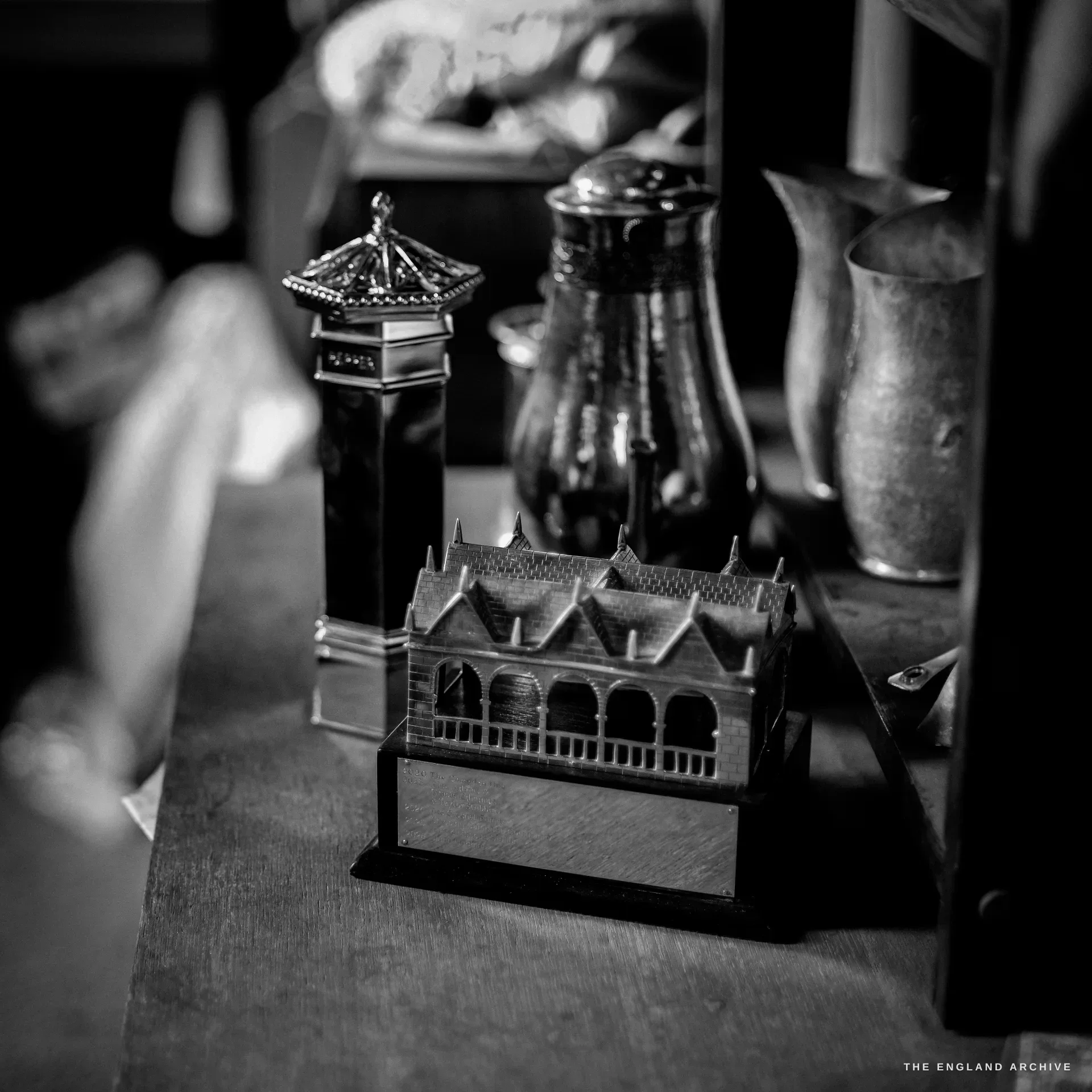
He showed me chargers in tissue in their drawers, big ceremonial dishes with deep repousse borders of vine and grape worked up around a central armorial shield - heraldry beaten into silver by hand. He showed me a hexagonal pepper caster engraved with a coronet over an entwined cipher, the sort of object made for one family and no other. And, almost in passing, a small silver model of the Chipping Campden Market Hall, the Jacobean arches the town is known for, rendered in miniature on the bench - the workshop holding its own town in its hand.
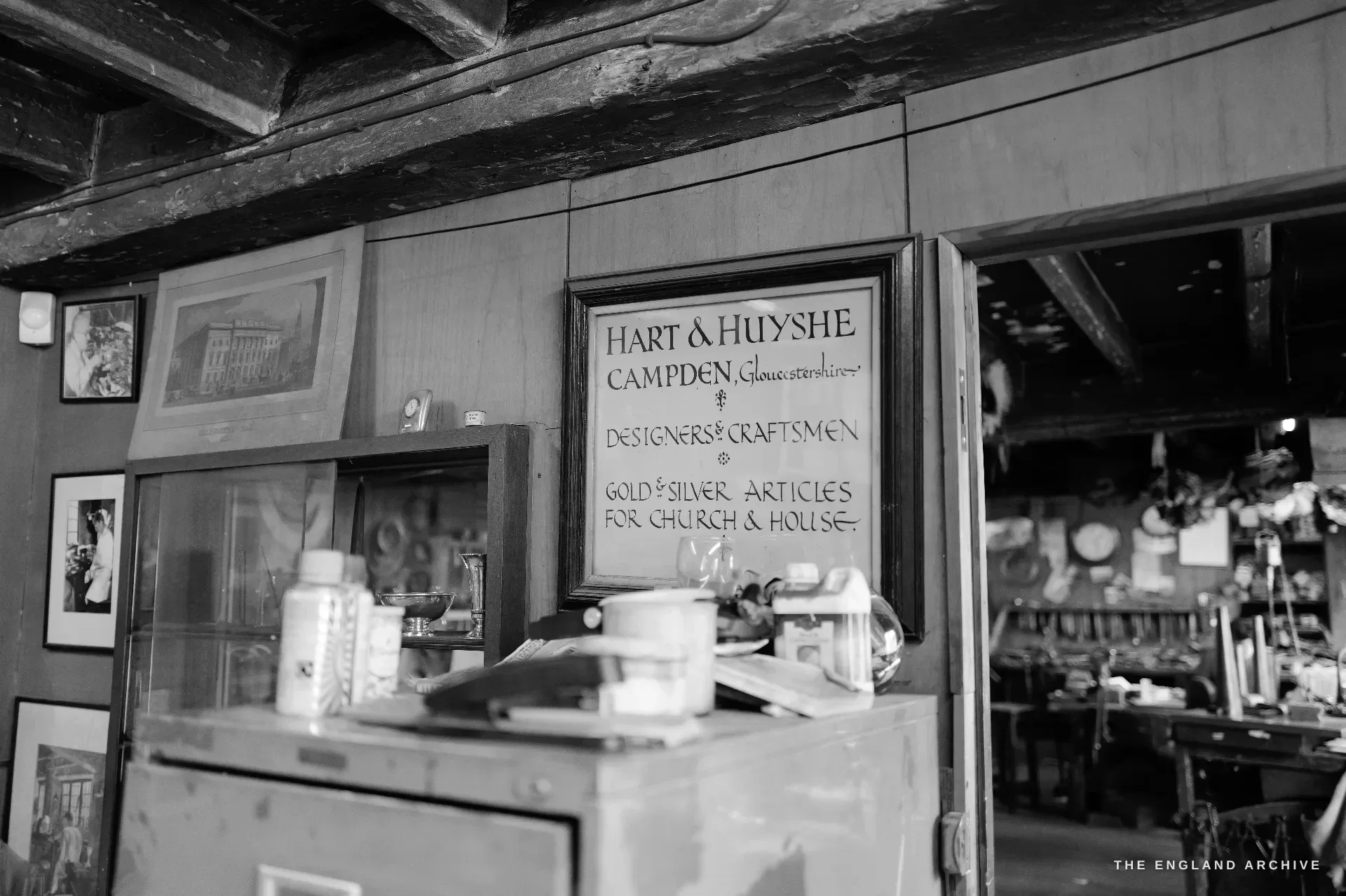
High on the showroom wall hangs a hand-lettered sign from an earlier chapter of the firm: HART & HUYSHE, CAMPDEN - Designers and Craftsmen - Gold and Silver Articles for Church and House. The lettering is painted, careful, proud. It is the whole business in one board: ecclesiastical and domestic, designed and made, by hand, in this town.
William
William is the fourth generation. He did not arrive at the bench the way the others did. He came to it from computer science - the modern, sensible, well-lit career - and turned back toward the silver. He started in the workshop in 1990, the year his grandfather Henry died, which is the kind of timing that is either coincidence or inheritance, and in a family like this one the distinction barely holds.
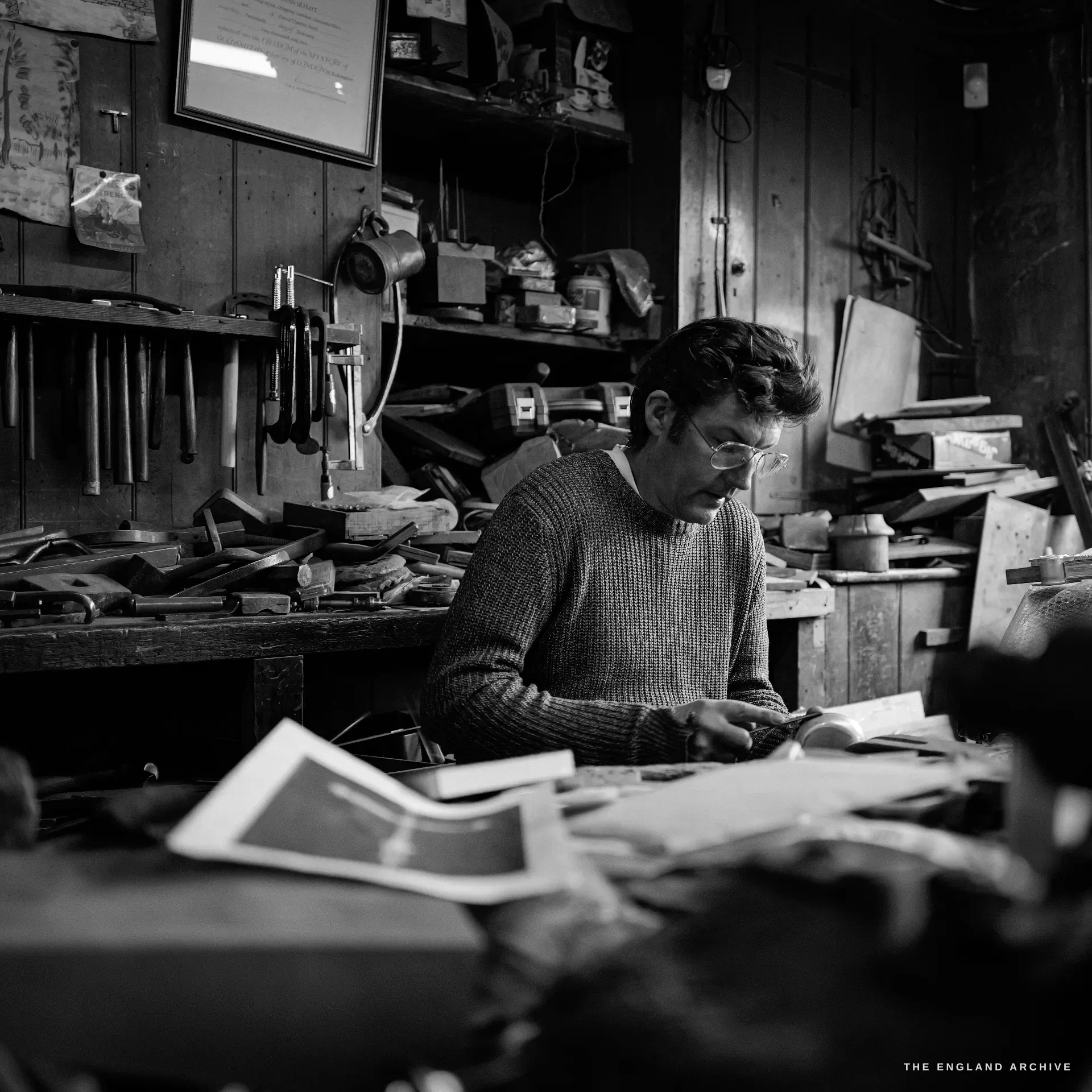
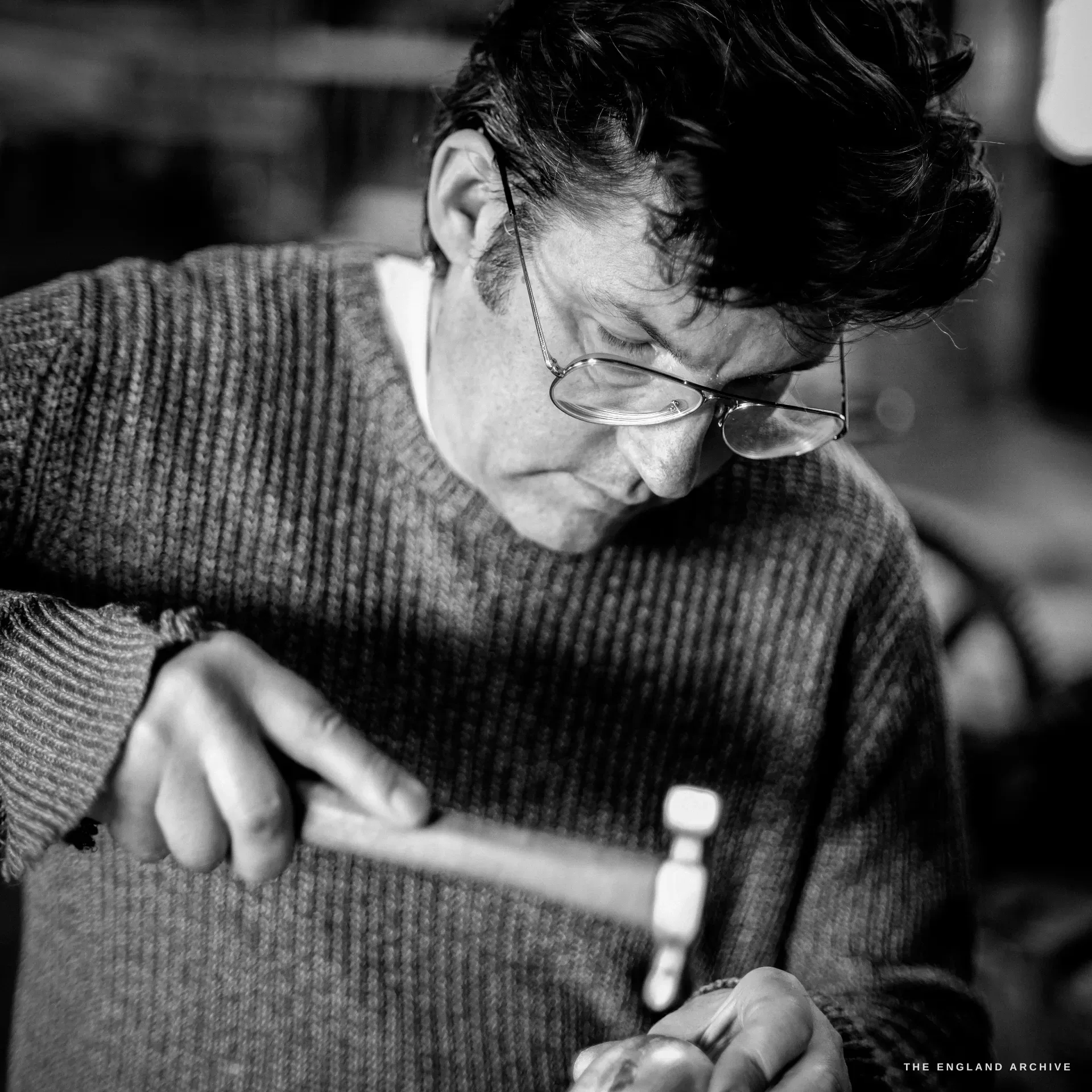
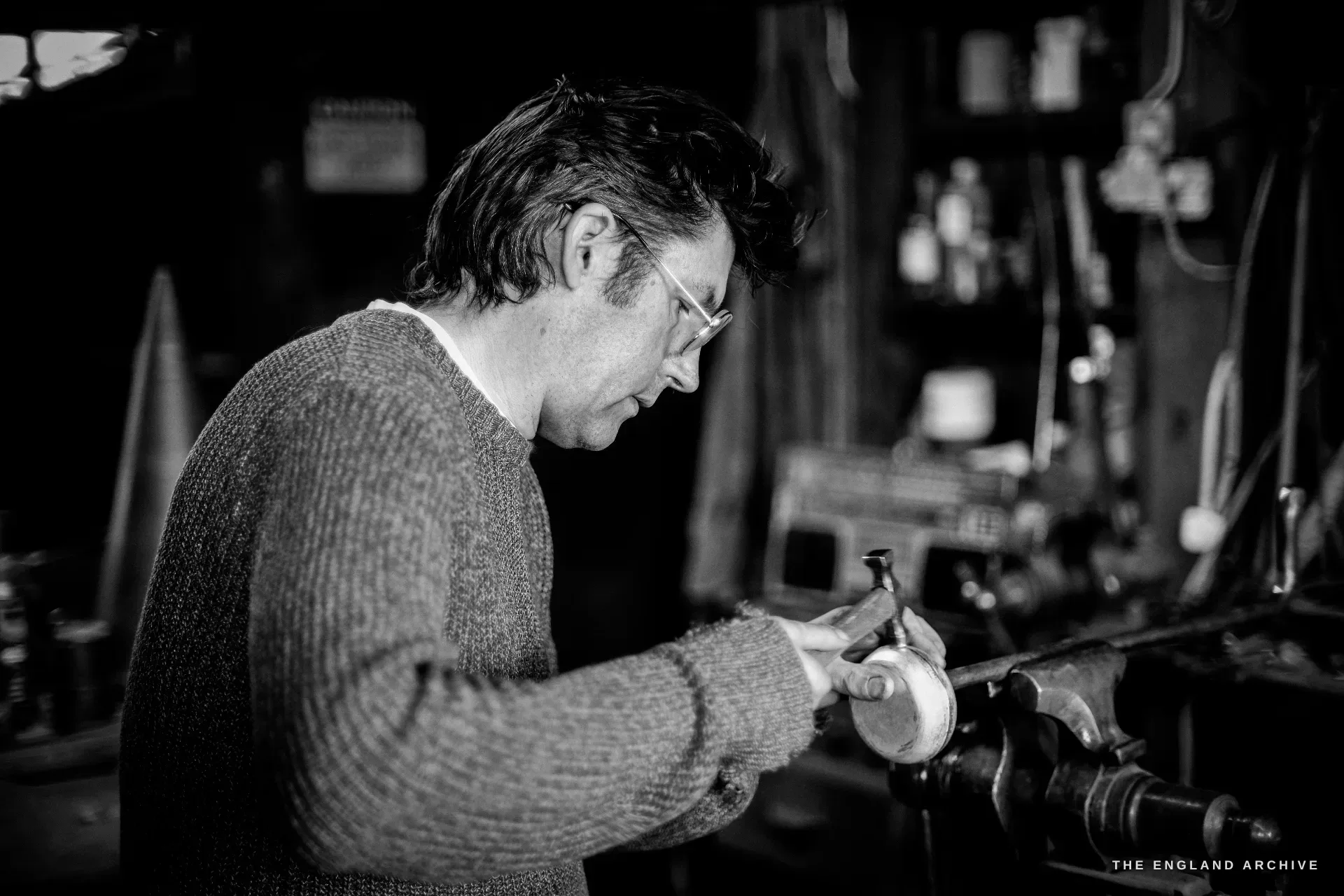
He was the one who greeted me, the one who runs the place forward while his father holds the line of it. Watching the two of them in the same room - the eighty-seven-year-old at his window-lit bench, the son who chose this over a screen - you understand that the workshop's survival is not an accident of nostalgia. Someone in each generation has decided, deliberately, to keep doing the hard hand-work when easier options were on the table. That decision is the craft. The silver is just the evidence of it.
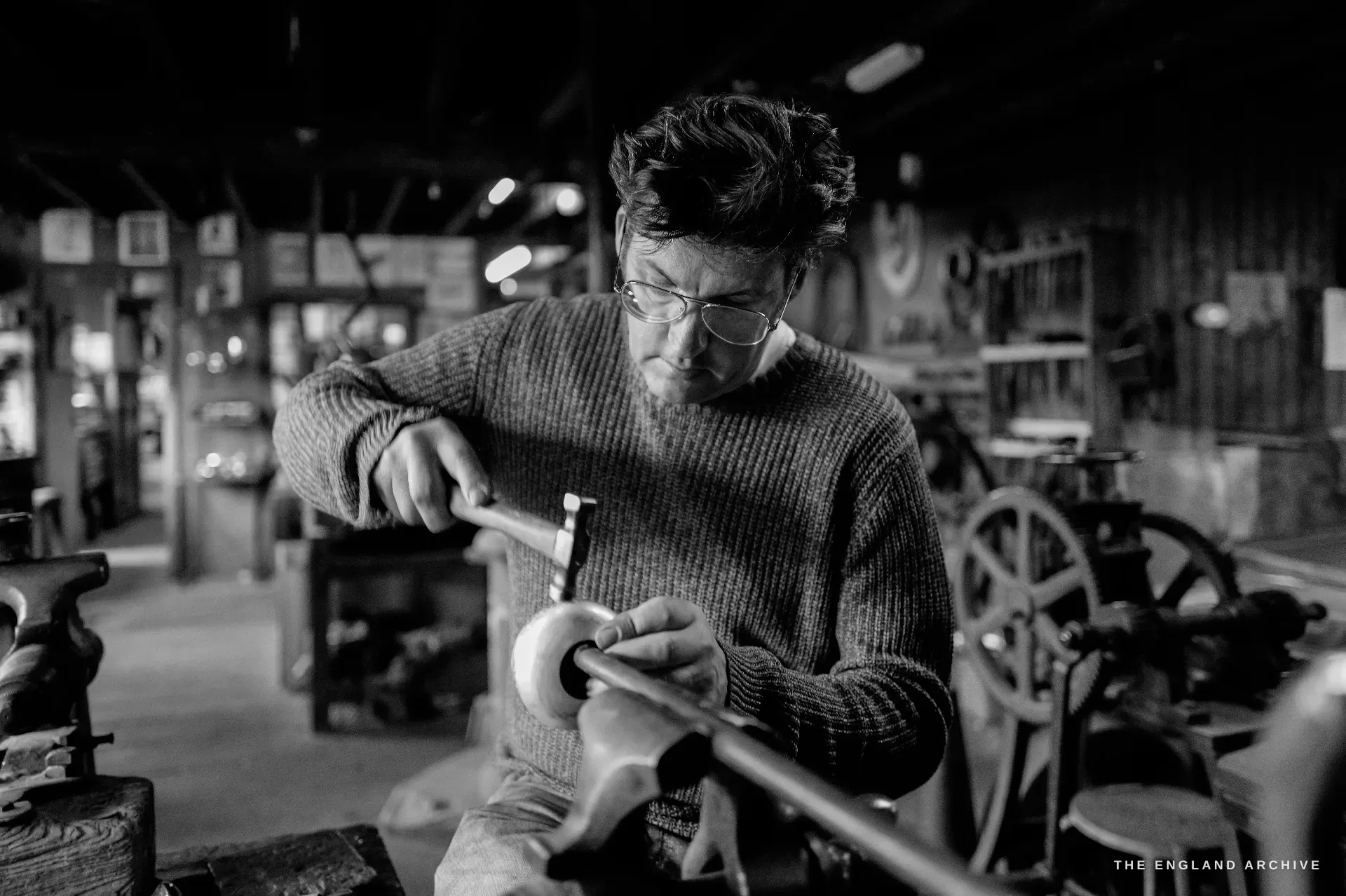
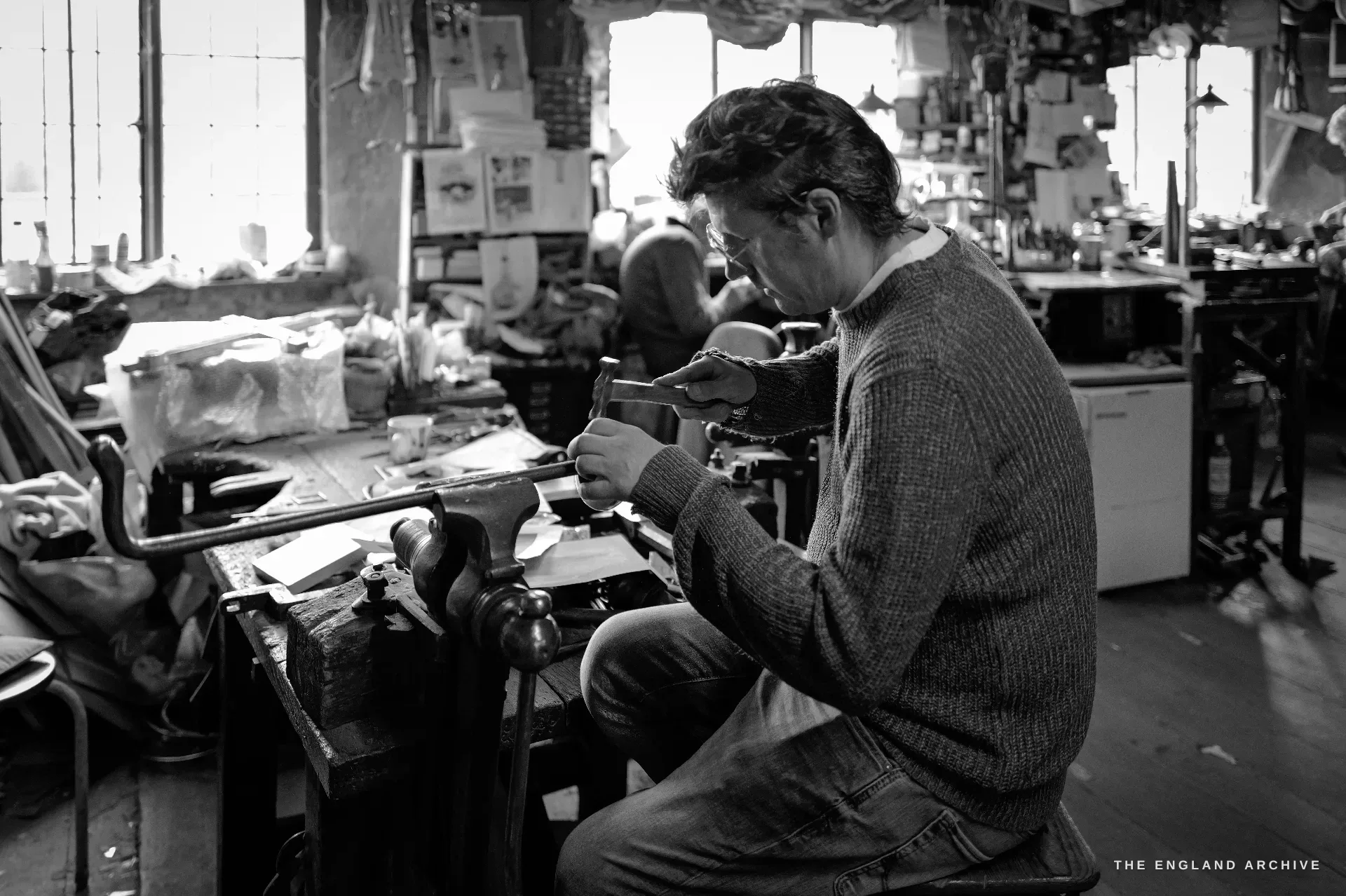
The bench is not two men
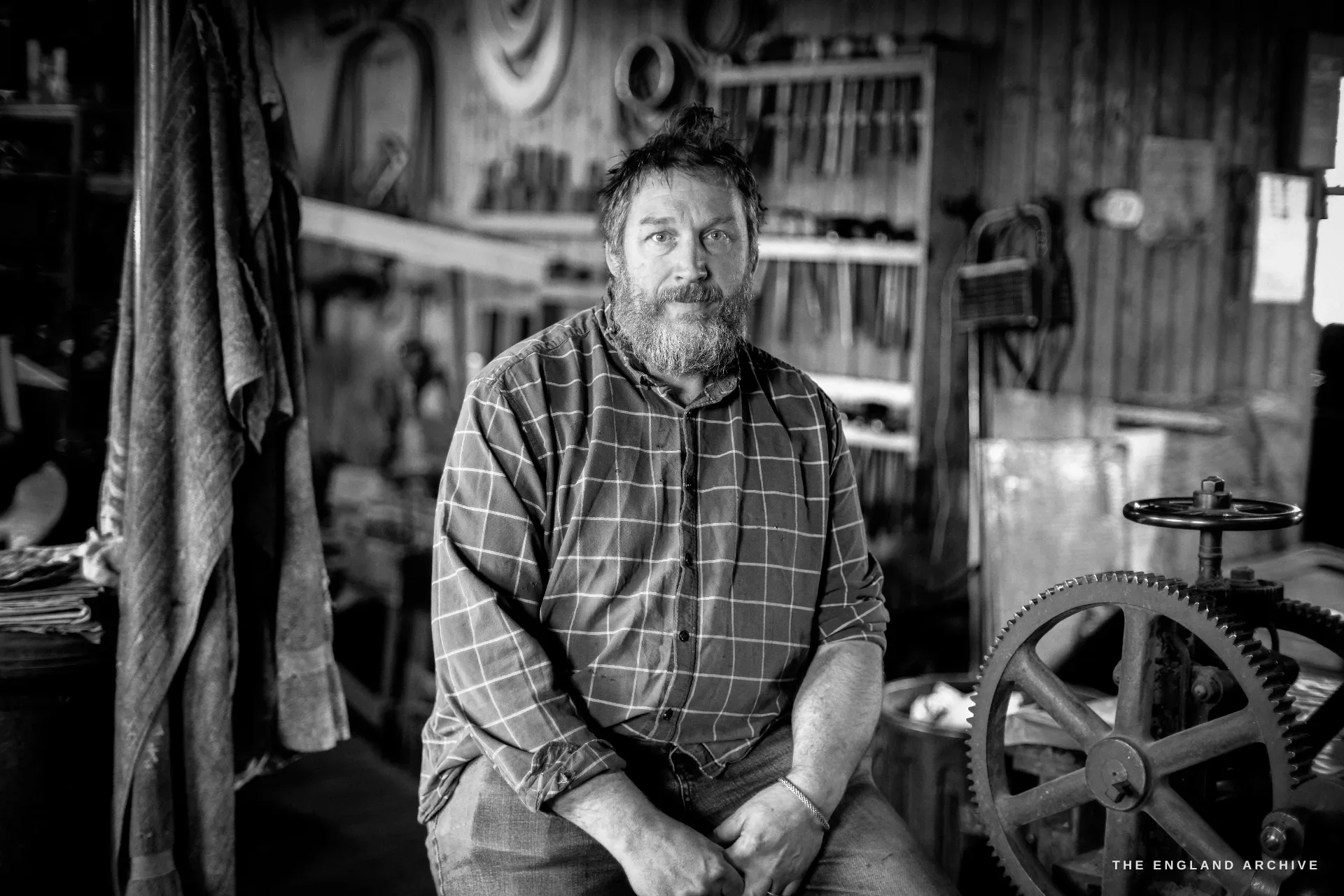
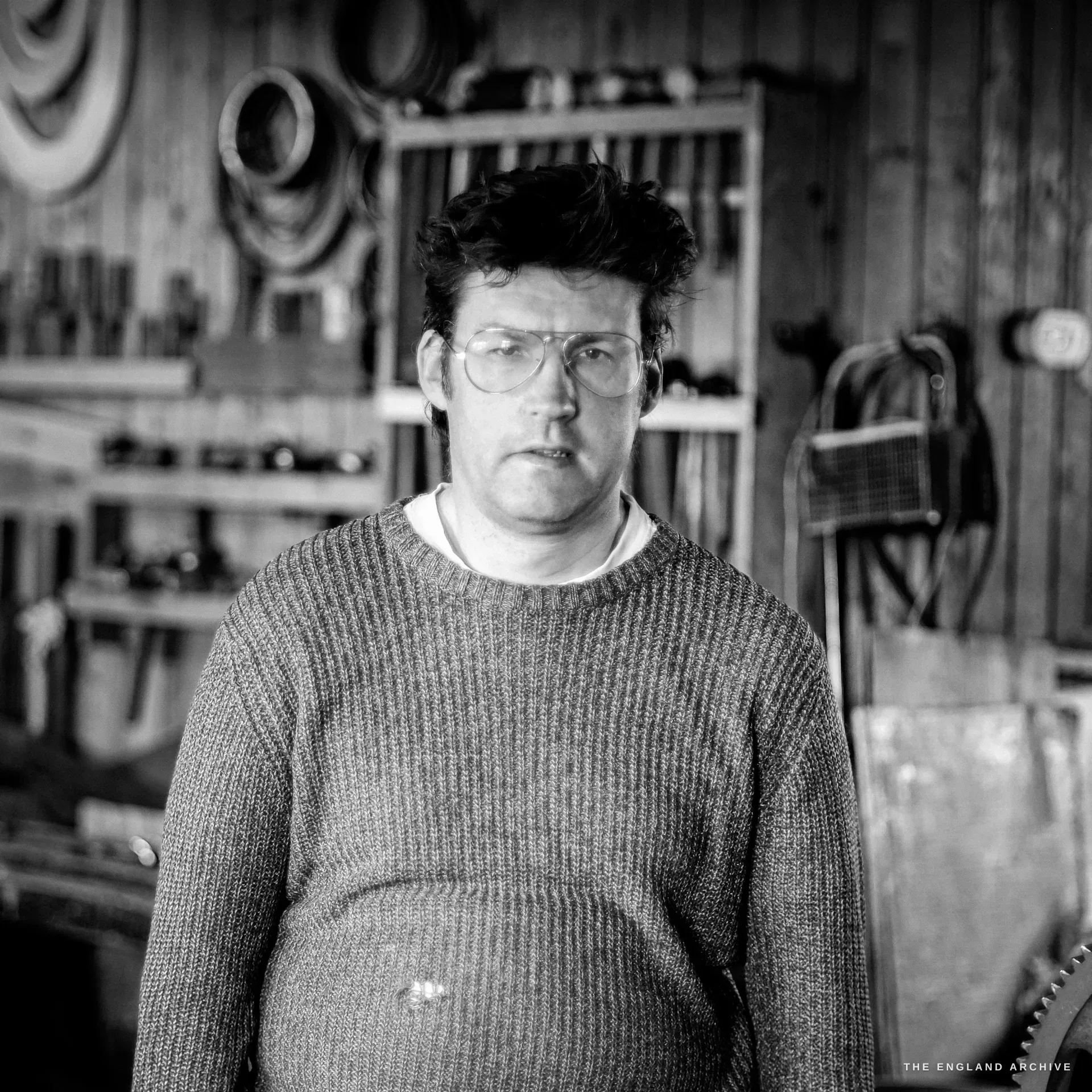
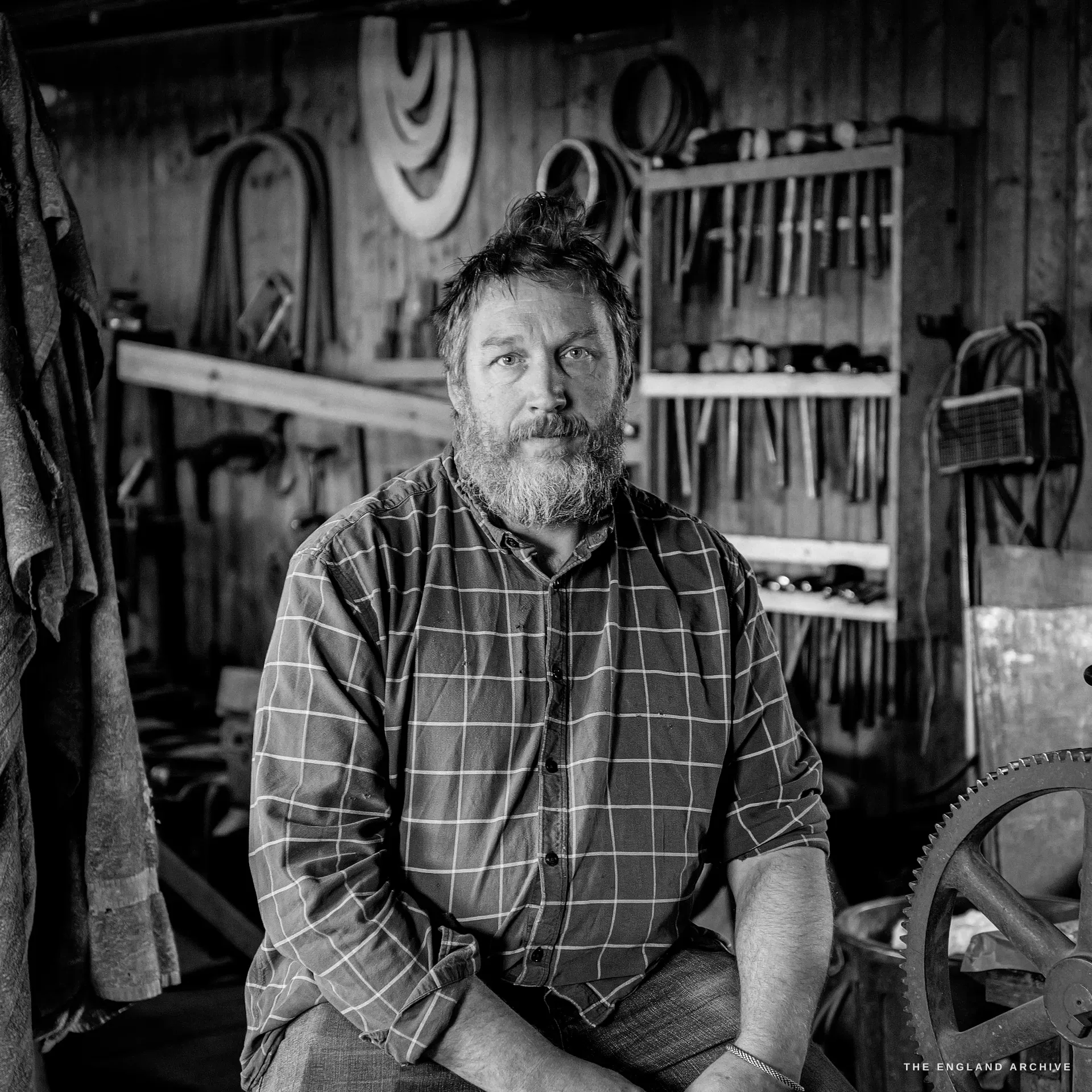
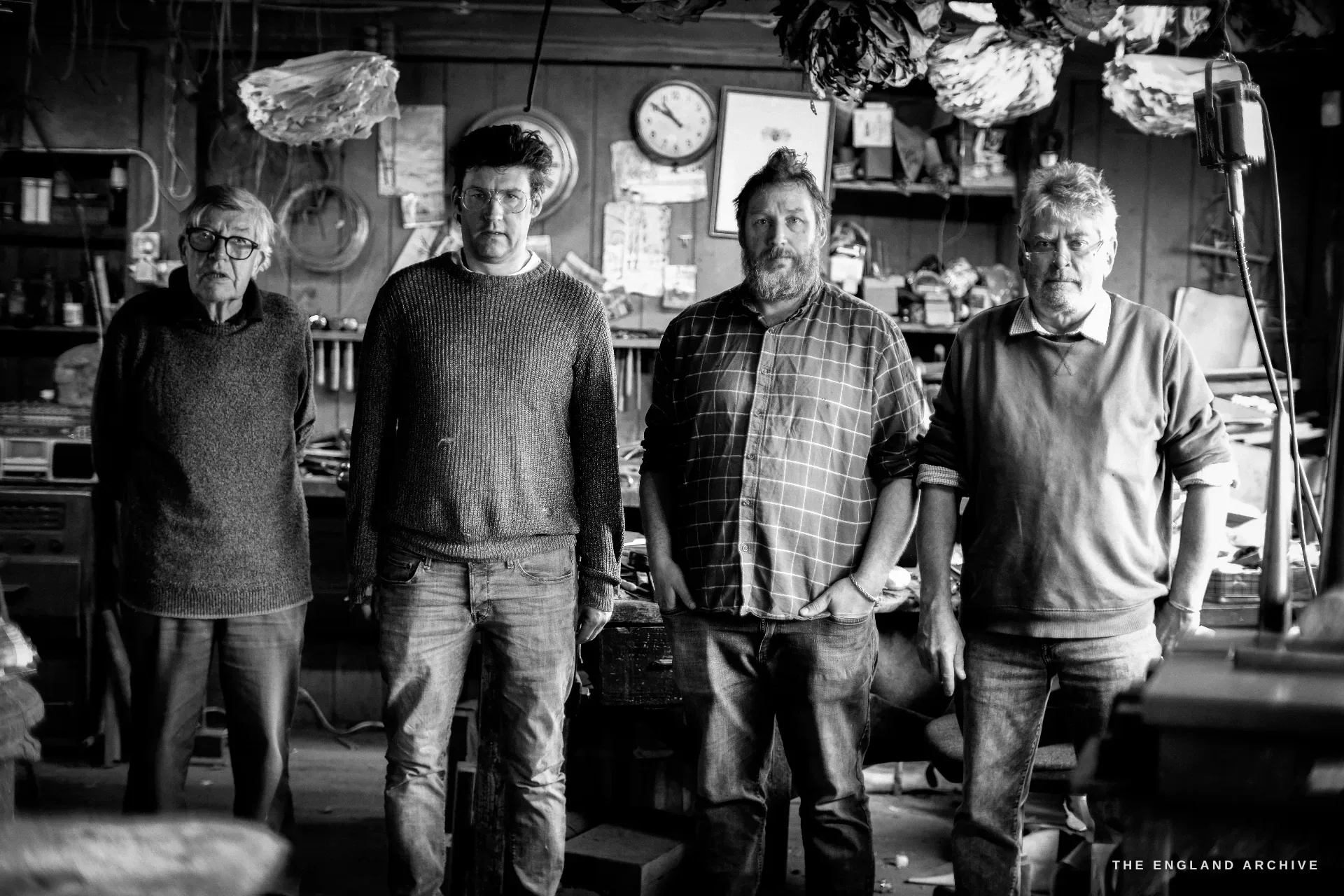
It would be a mistake to make this a story of two Harts alone. There were other hands at work that morning. Derek Elliott has been at this bench forty-four years: he came in 1982, eighteen and still sitting his A-levels at Chipping Campden School up the hill, was apprenticed to David and taught by David and his father Henry, and is the only silversmith in the room who is not a Hart by blood - which after forty-four years is a technicality. And there is a third Hart at the bench, easy to miss if you came looking only for father and son: Julian Hart, David's nephew and William's cousin, the son of David's brother Basil, who came to the silver in 1994 from two years of motor-vehicle engineering - asked in to help with a busy order book and never gone since. He is the bearded man working a few feet down the bench. Others worked on at the casting station and the polishing spindle, heads down, the room running at its own steady pace around the visitor with the camera. A workshop like this is a small economy of hands, and the photographs are of people working, not posing - evidence, not portraits.
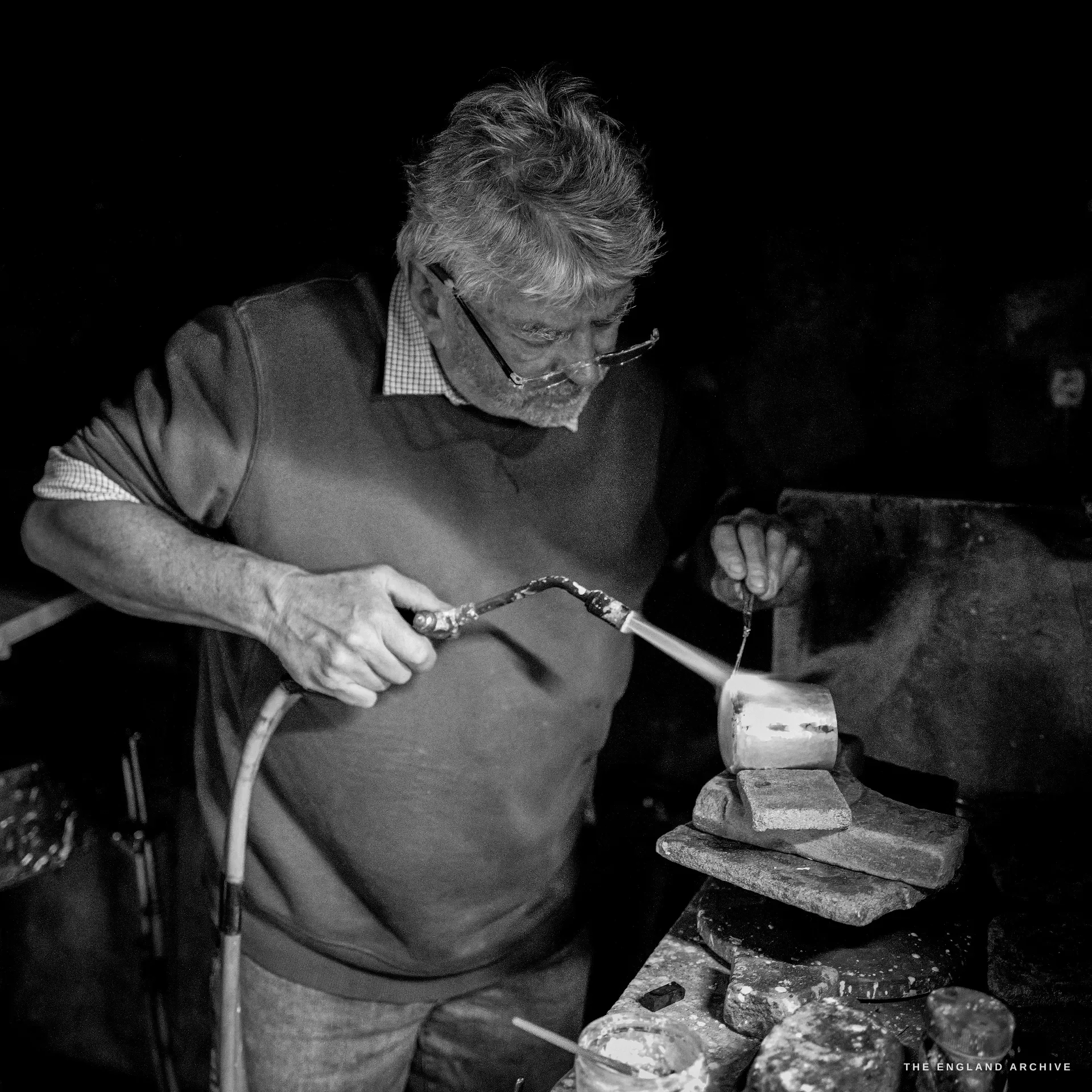
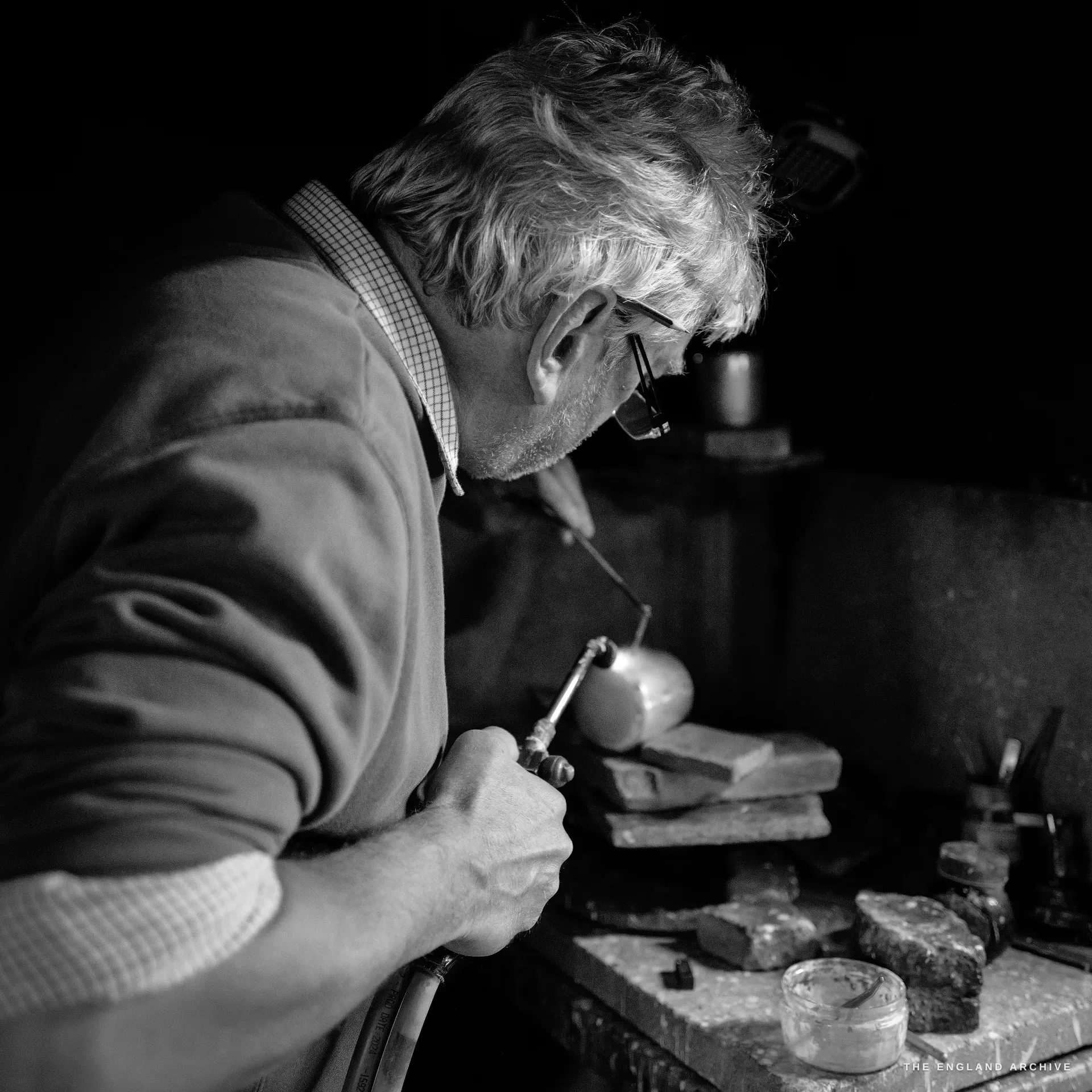
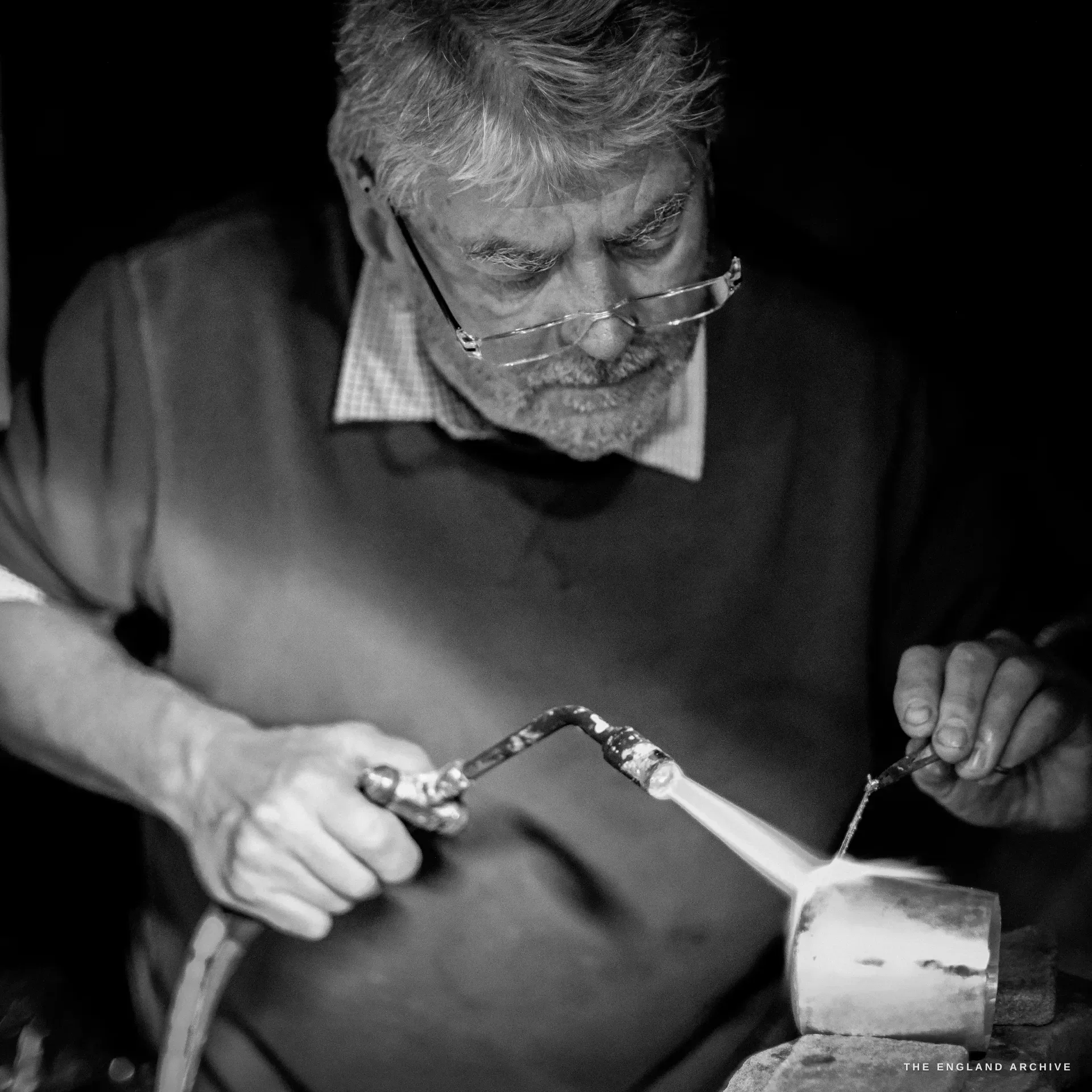
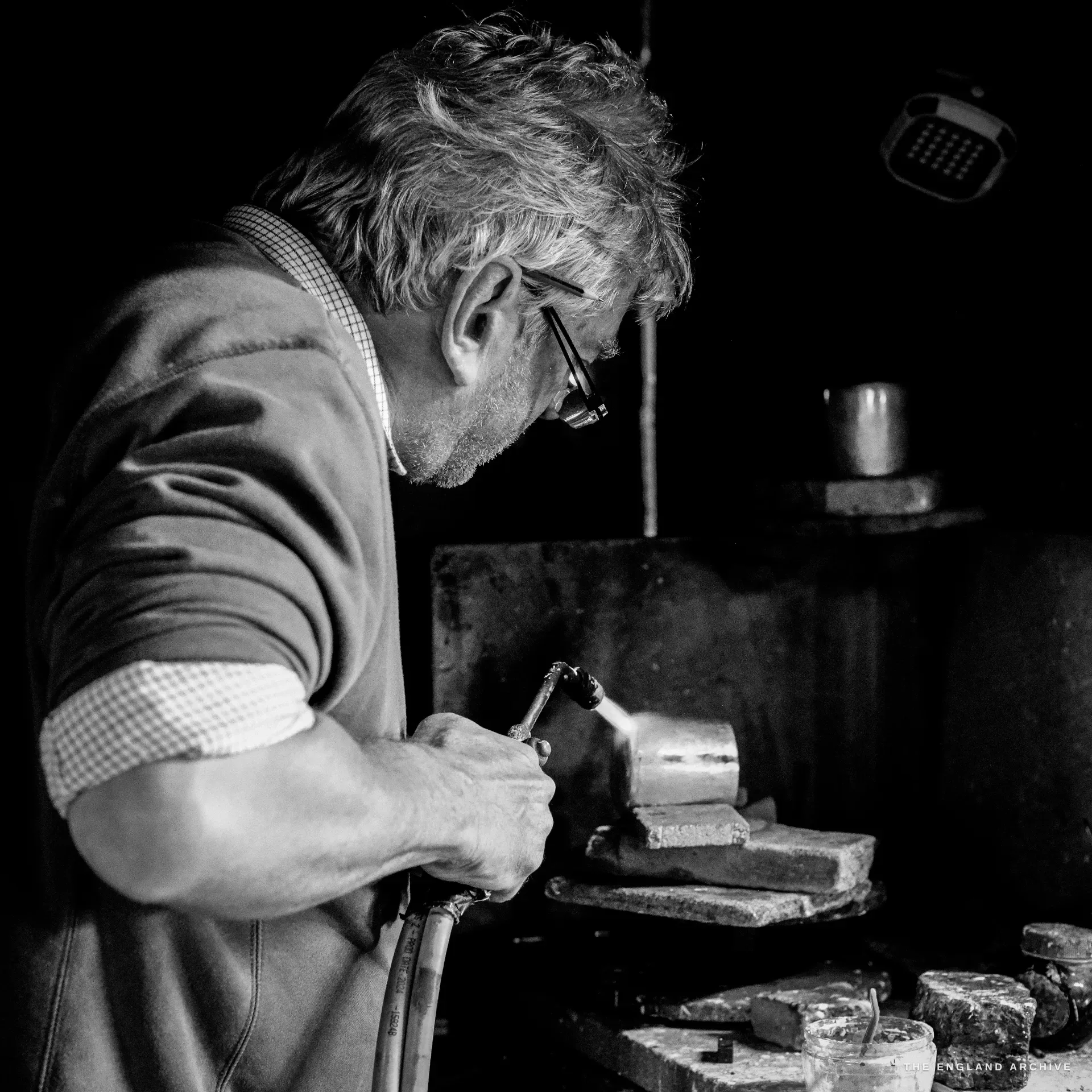
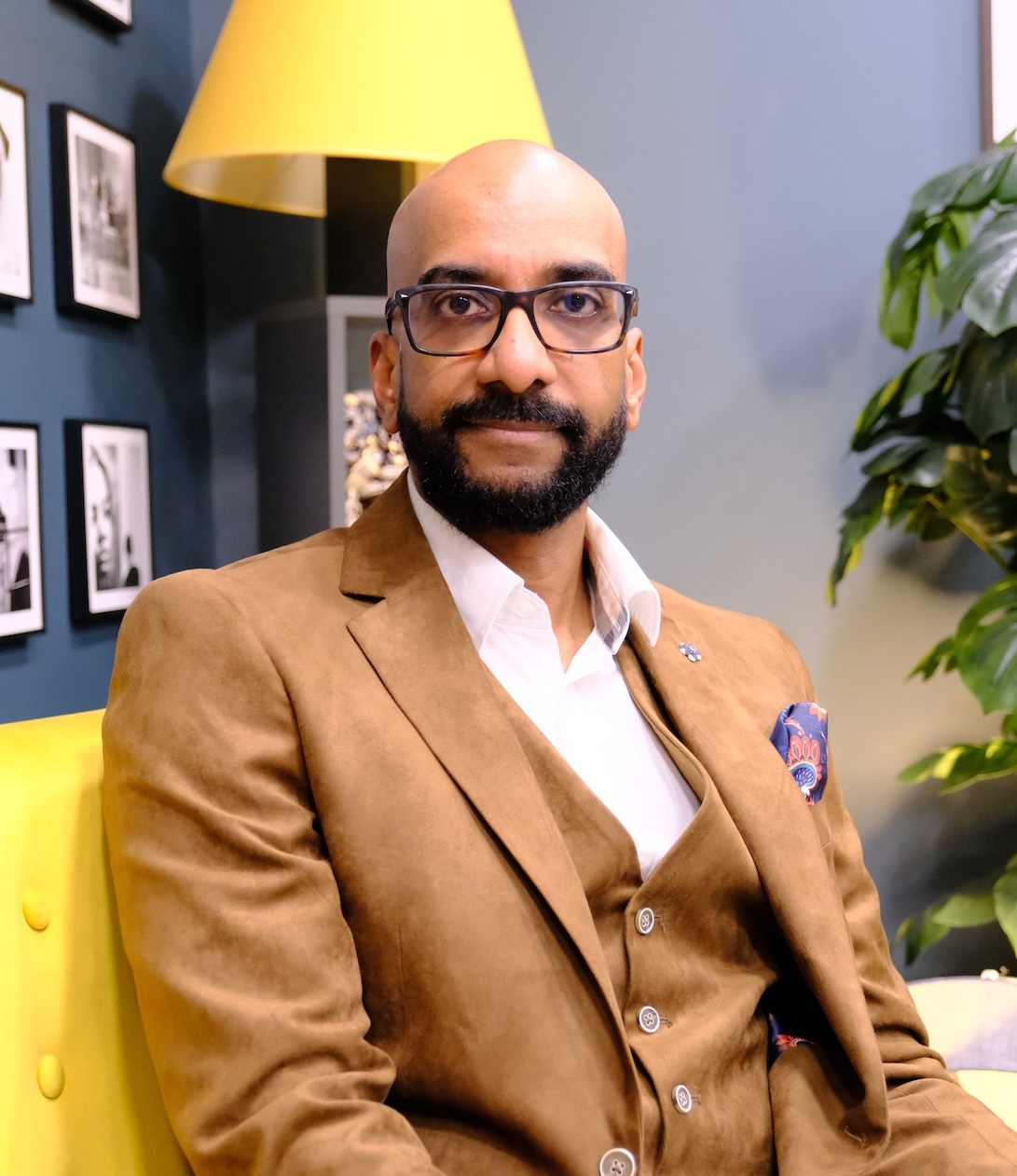
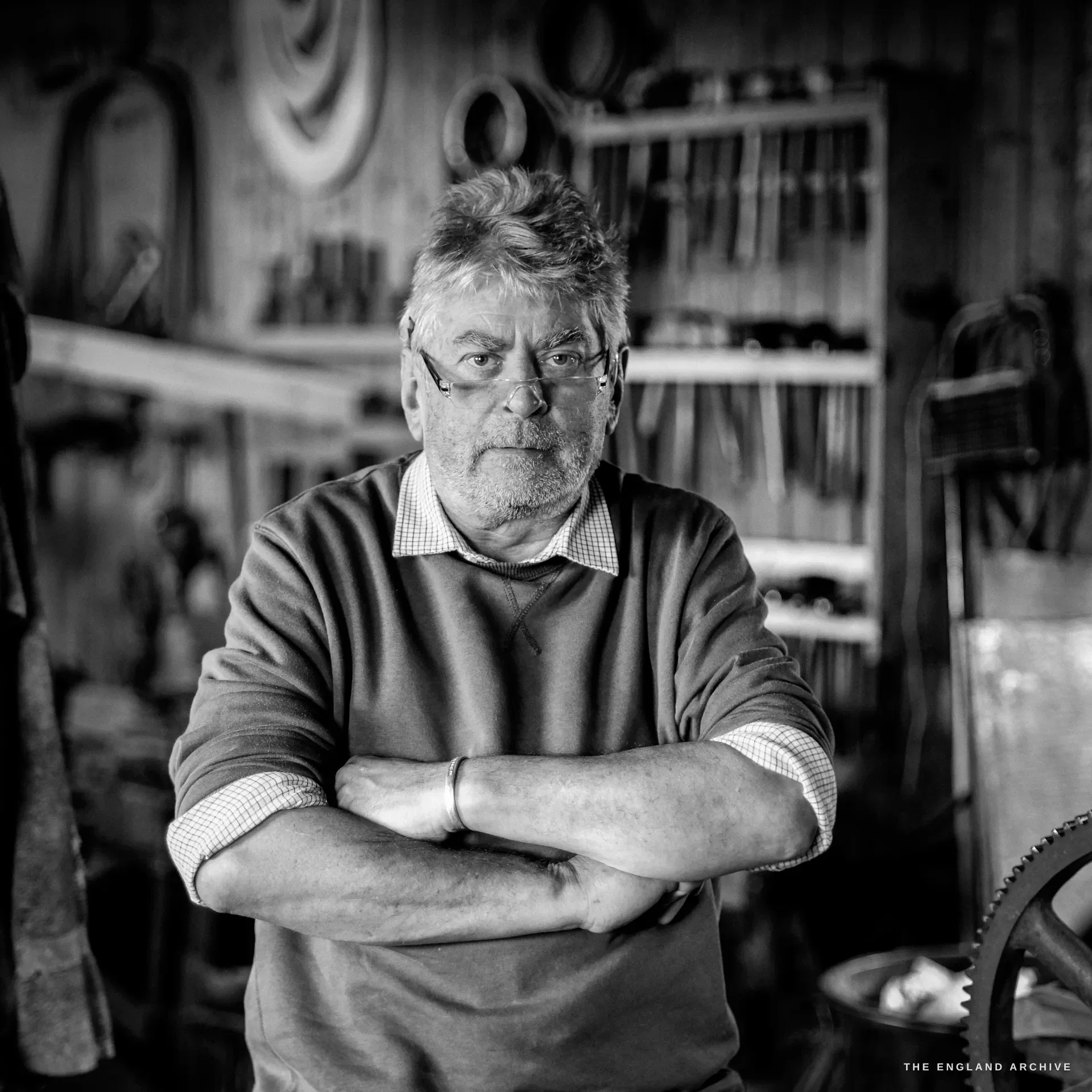
I did make one deliberate exception: a square portrait of each of the four men at the bench that morning, David among them - one frame apiece, the workshop standing behind each of them.
Mash Bonigala visited Hart Gold & Silversmiths in Chipping Campden on 21 May 2026 as part of Year 1 of The England Archive, a three-year documentary photography project recording the people keeping England’s heritage crafts, traditions, landscapes and buildings alive.
Hart Gold & Silversmiths works on the first floor of the Old Silk Mill, Sheep Street, Chipping Campden, Gloucestershire - the home of Ashbee’s Guild of Handicraft since 1902. If you have a connection to an English heritage craft that you think the archive should document, we would love to hear from you.