Makers
David Hart
Silversmith, Third Generation
Hart Gold & Silversmiths, Chipping Campden
Silversmith, Third Generation
Hart Gold & Silversmiths, Chipping Campden
Seventy years at one bench, in the last working room of the Guild of Handicraft.
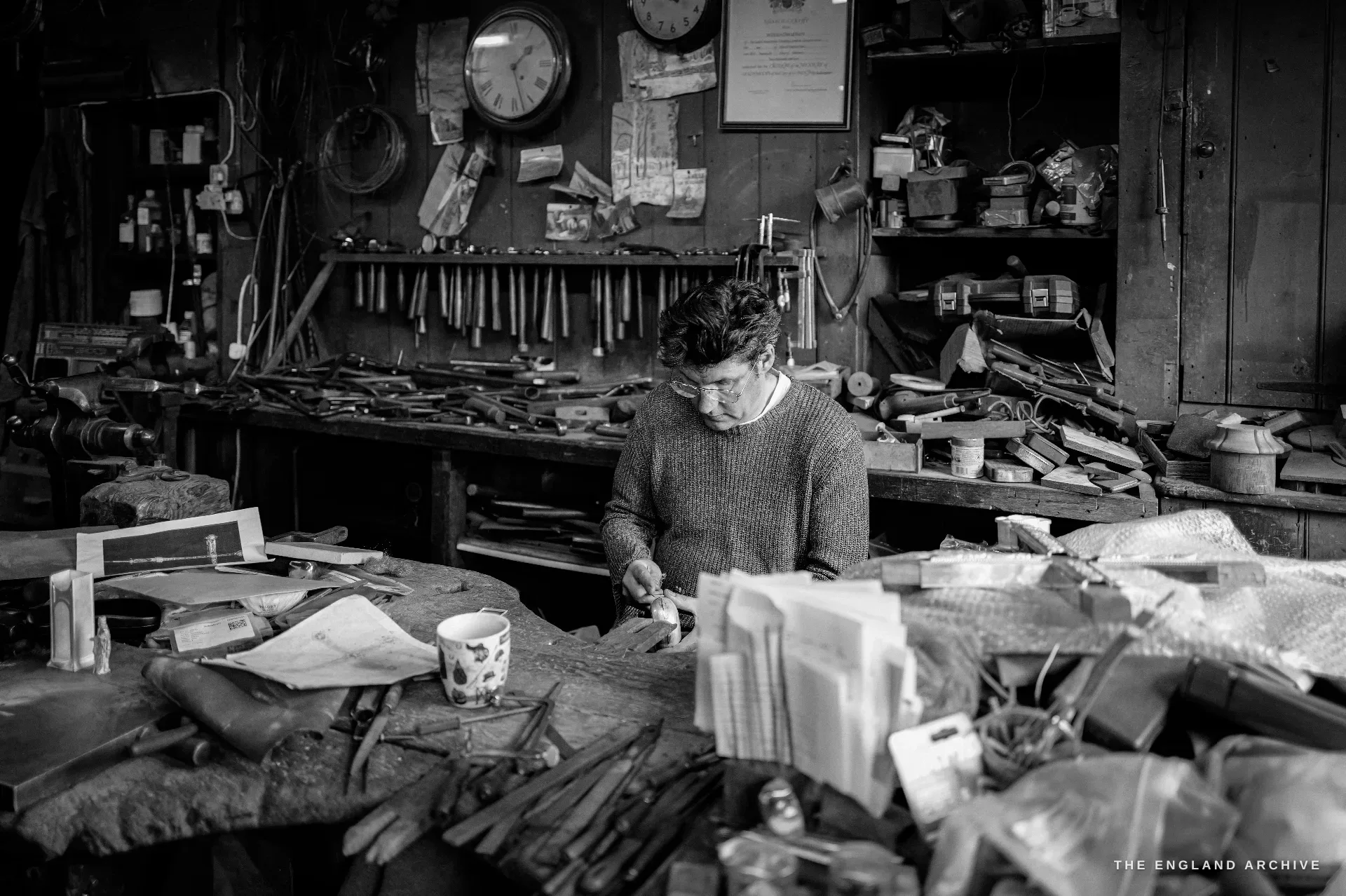
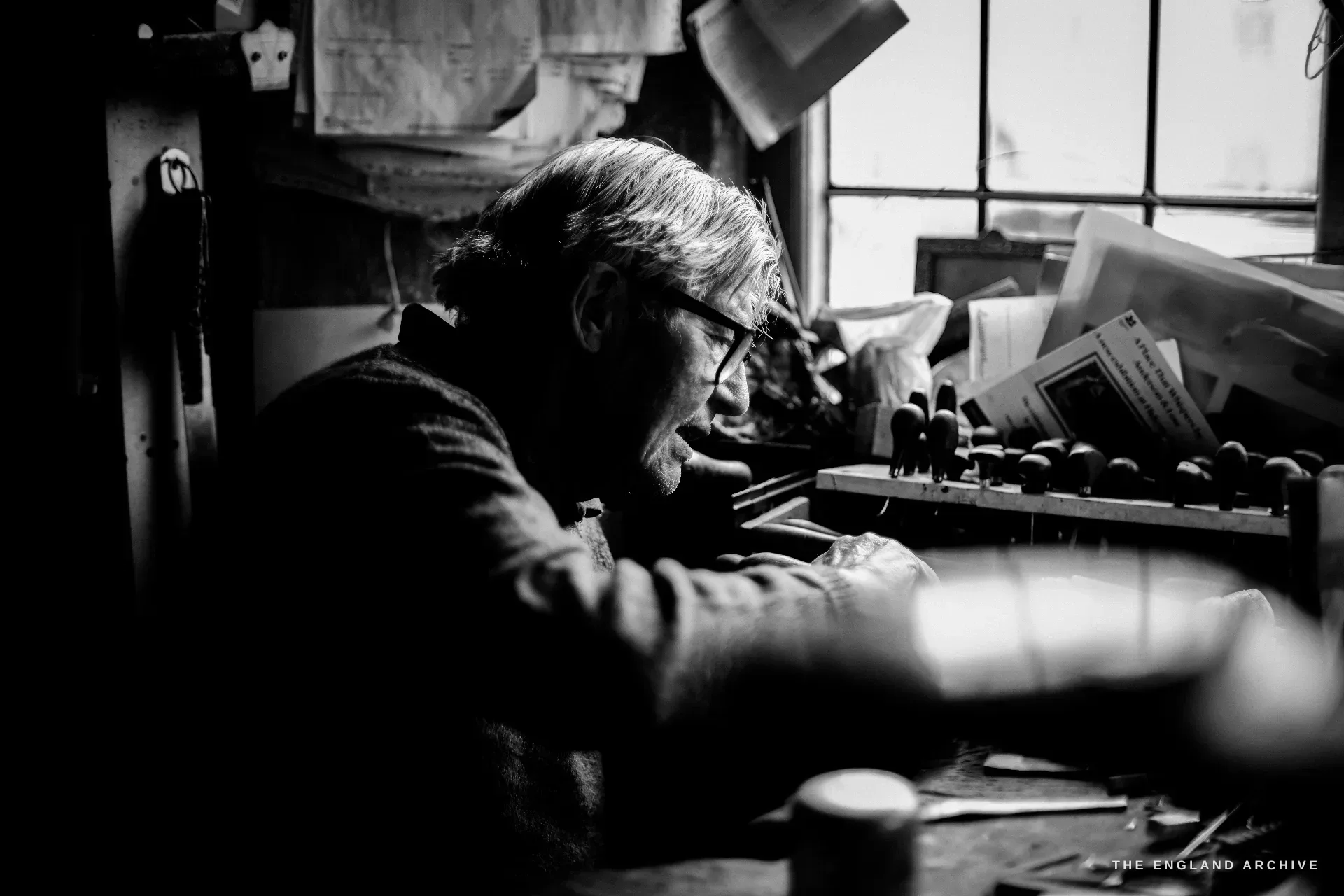
David Hart is eighty-seven, and this July he will have worked in the same first-floor room of the Old Silk Mill for seventy years. His father, Henry, brought him into the workshop in 1956. He has raised silver by hand in this room ever since - long enough that the building, the bench, the tools and the man have settled into one another the way a handle settles into a hand.
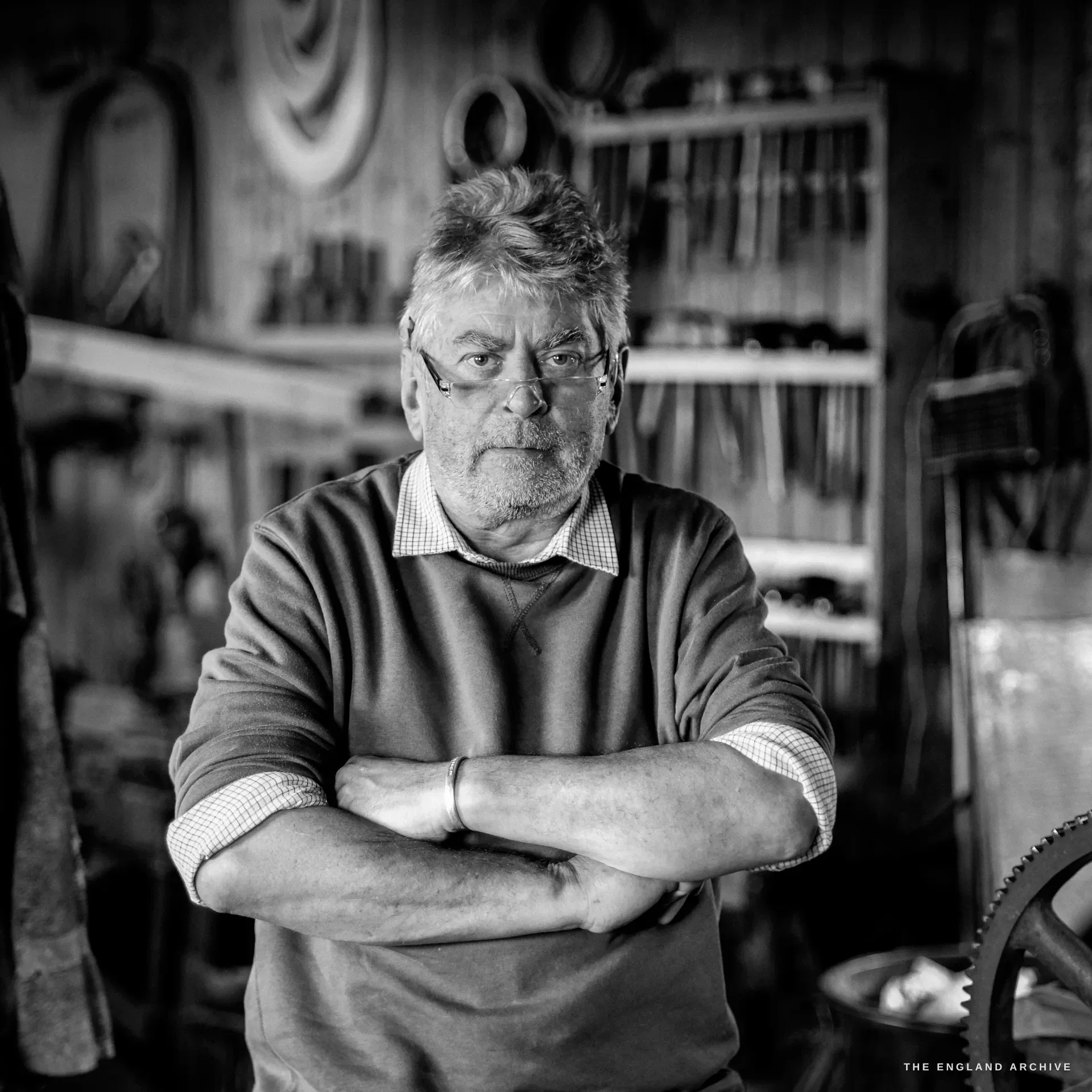
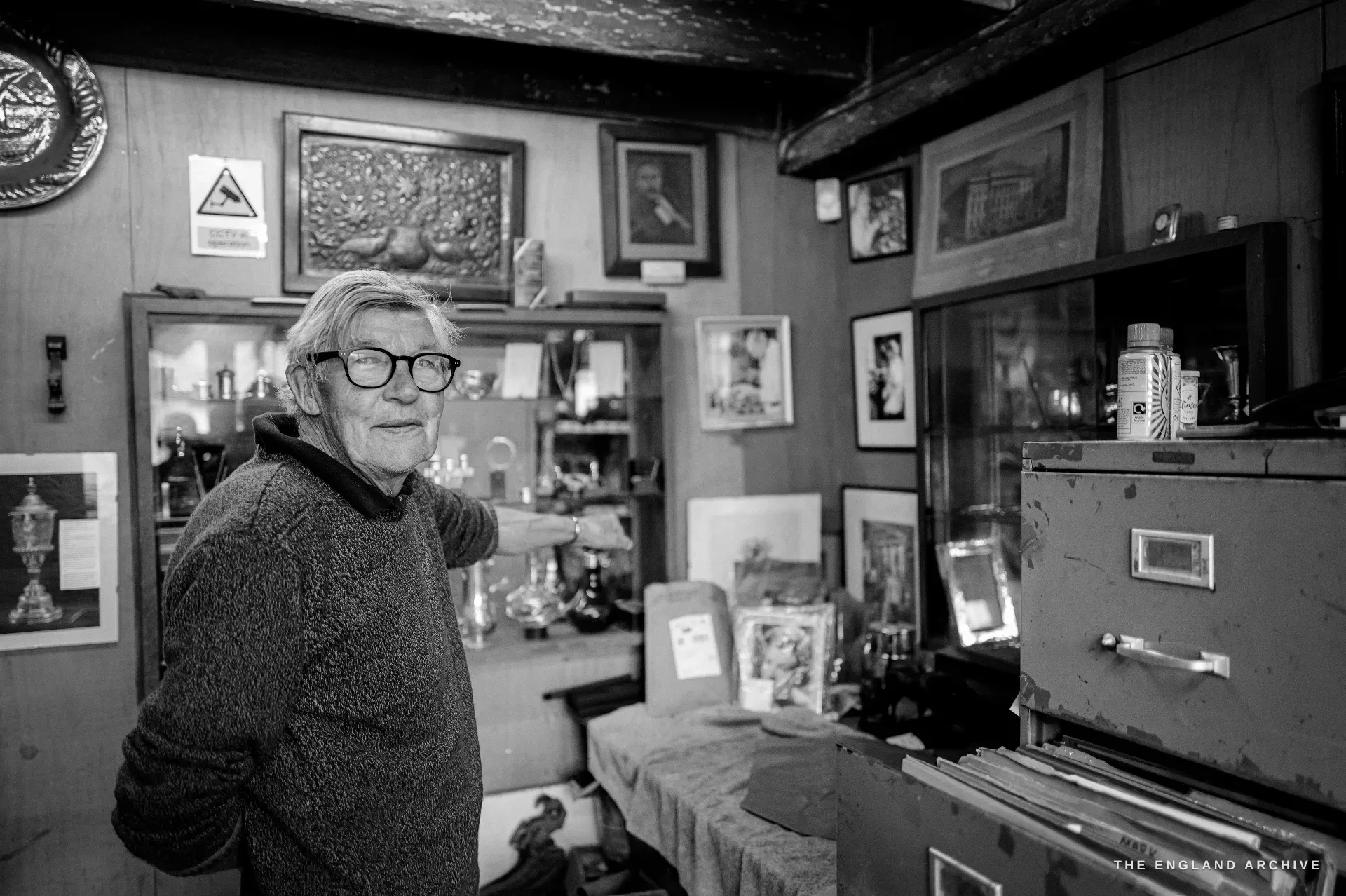
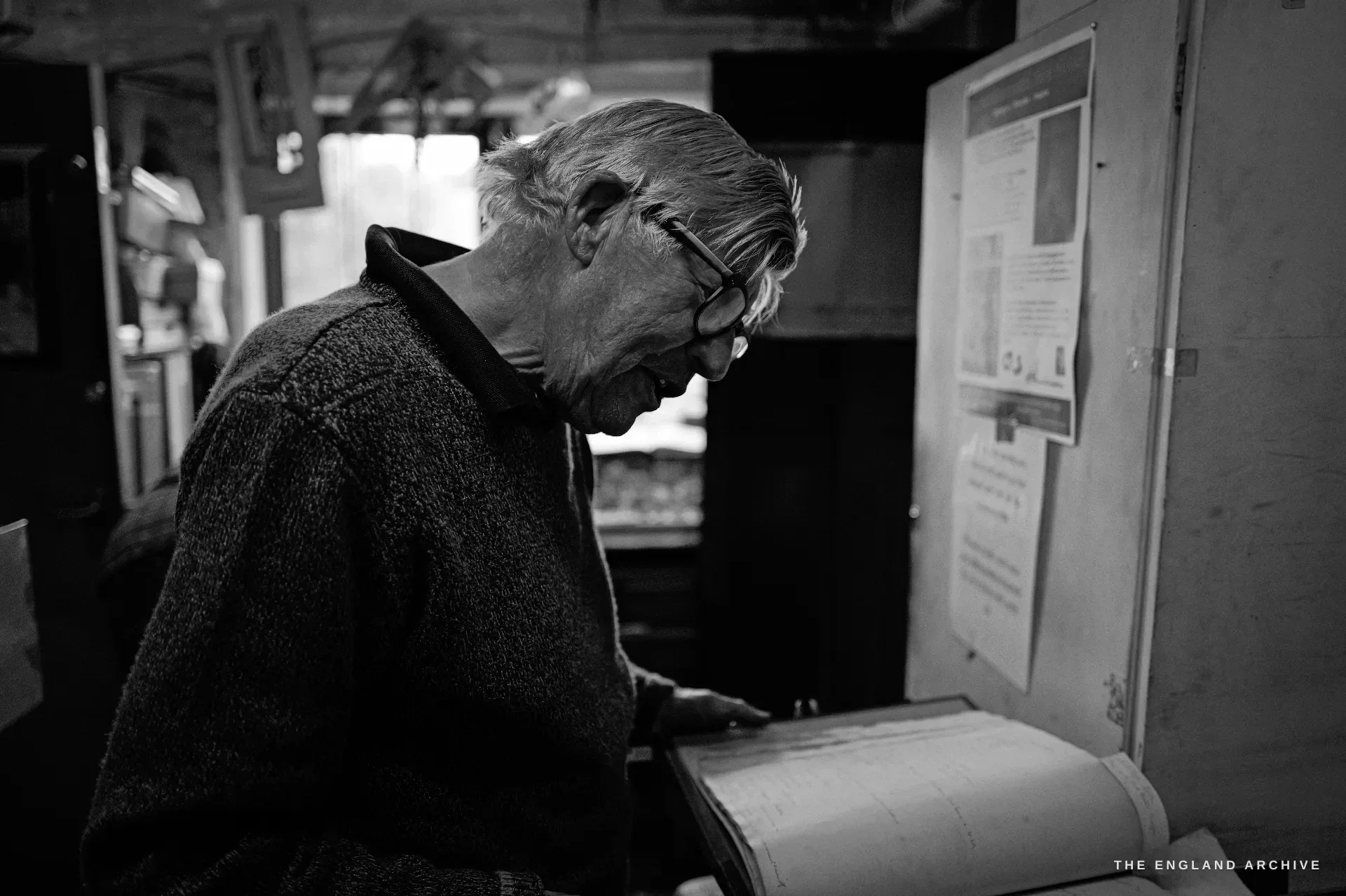
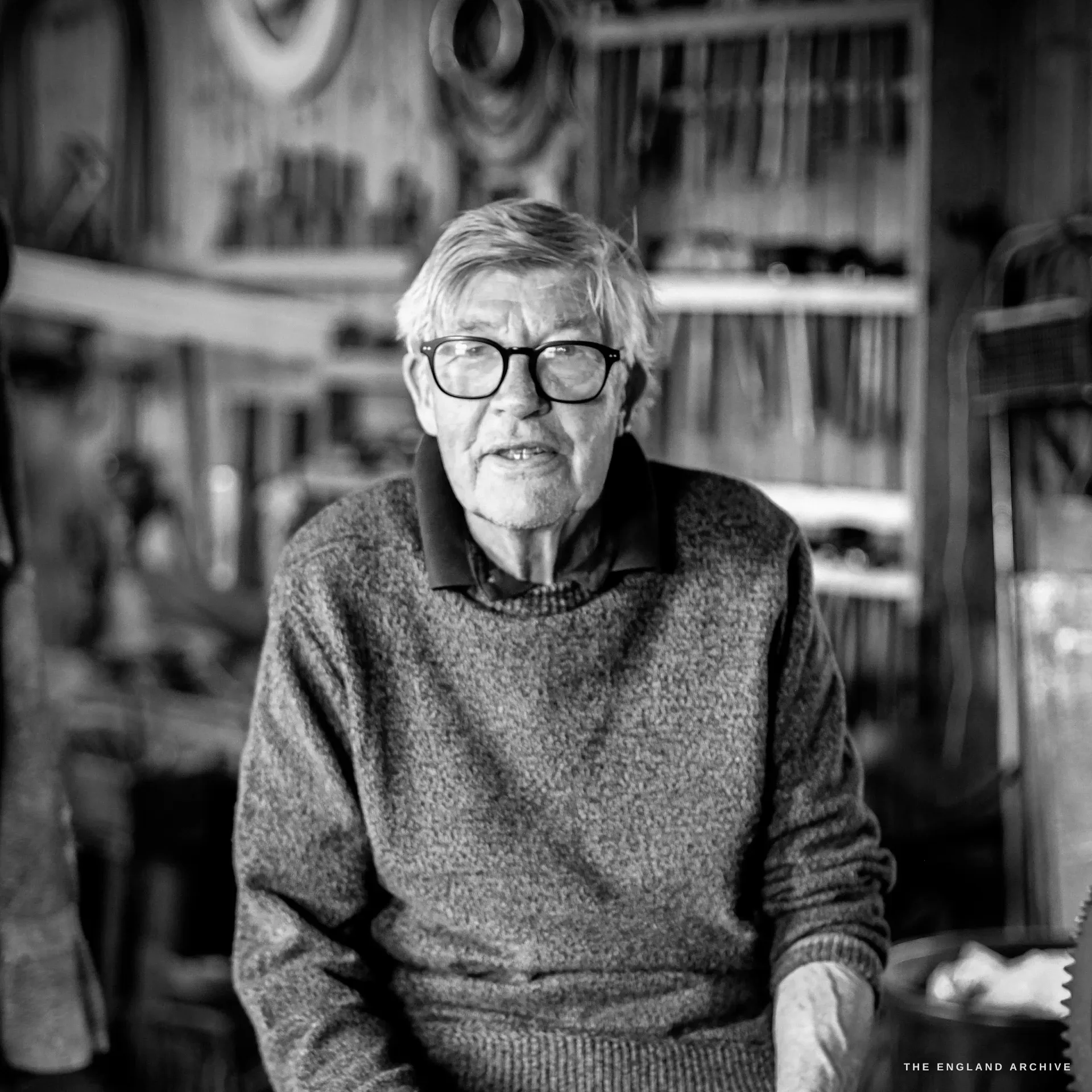
He does not present any of this as remarkable. He took me round the workshop himself, an upright, white-haired man in black-framed glasses, and showed me the work in the order it happens: the flat disc of silver, the stake, the hammer, the flame, the slow raising of a vessel out of a sheet. His hands are sure on the metal. The strength in them is the specific strength of a craft that has been done daily for seven decades, and the word for it is not endurance. The word is practice.
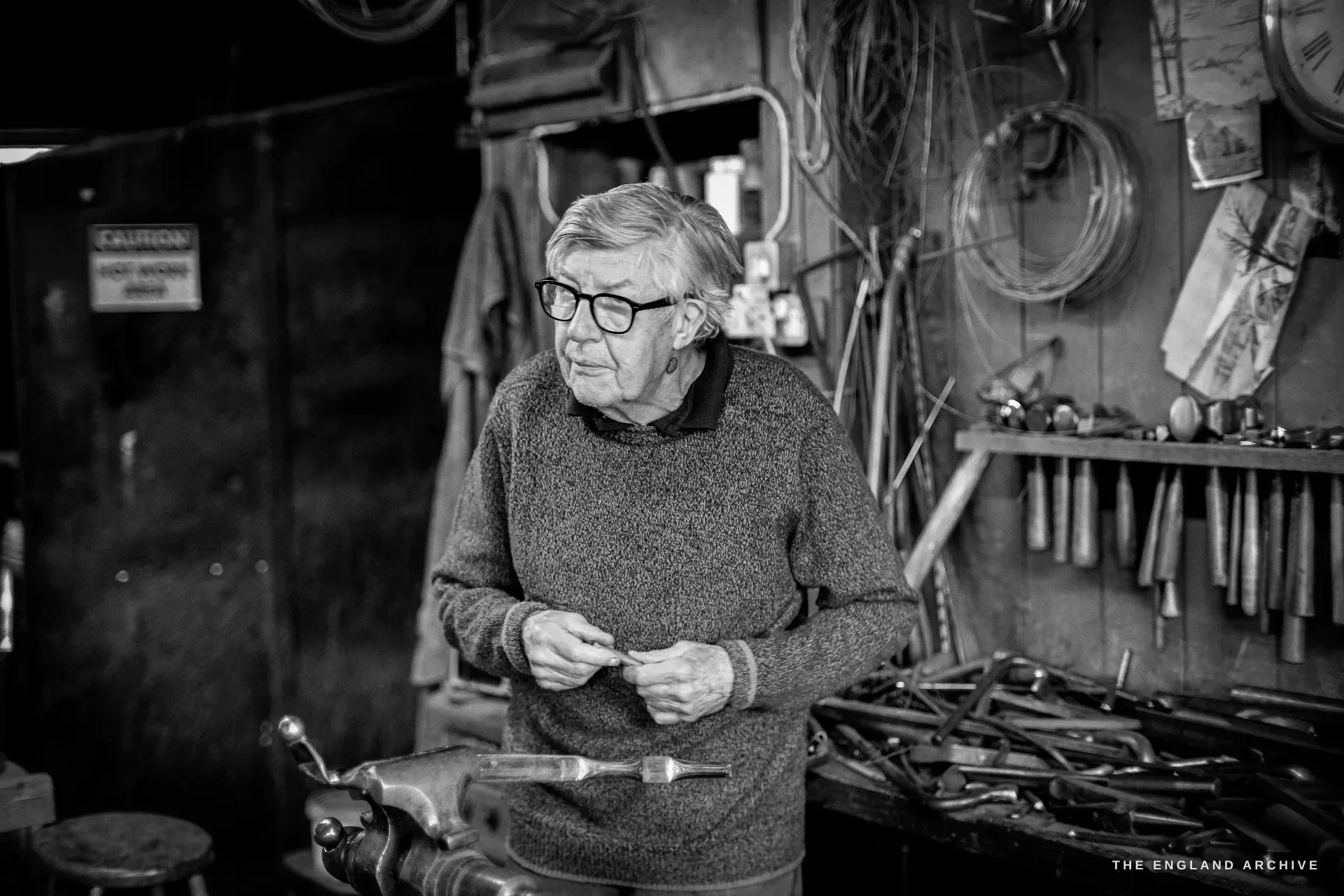
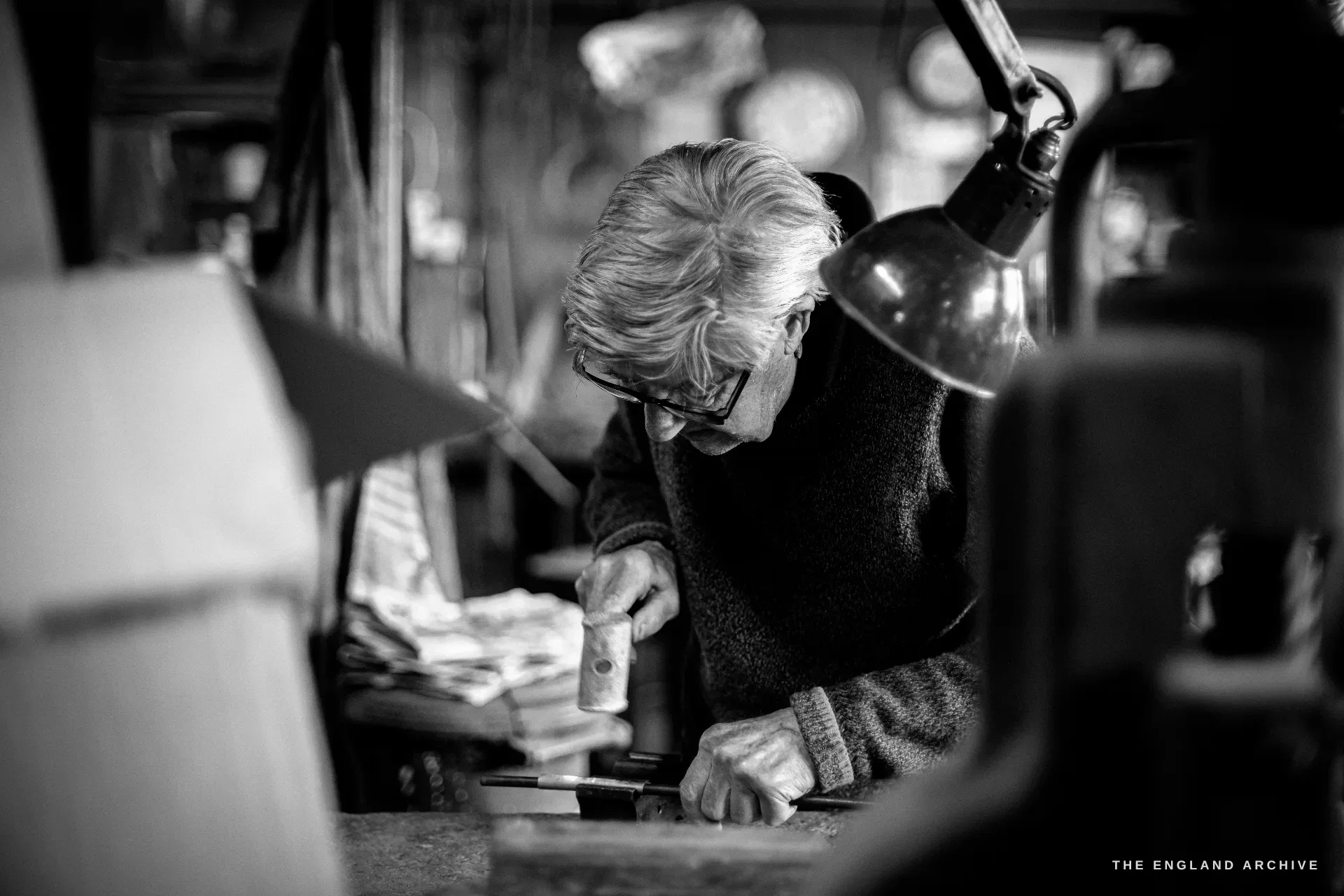
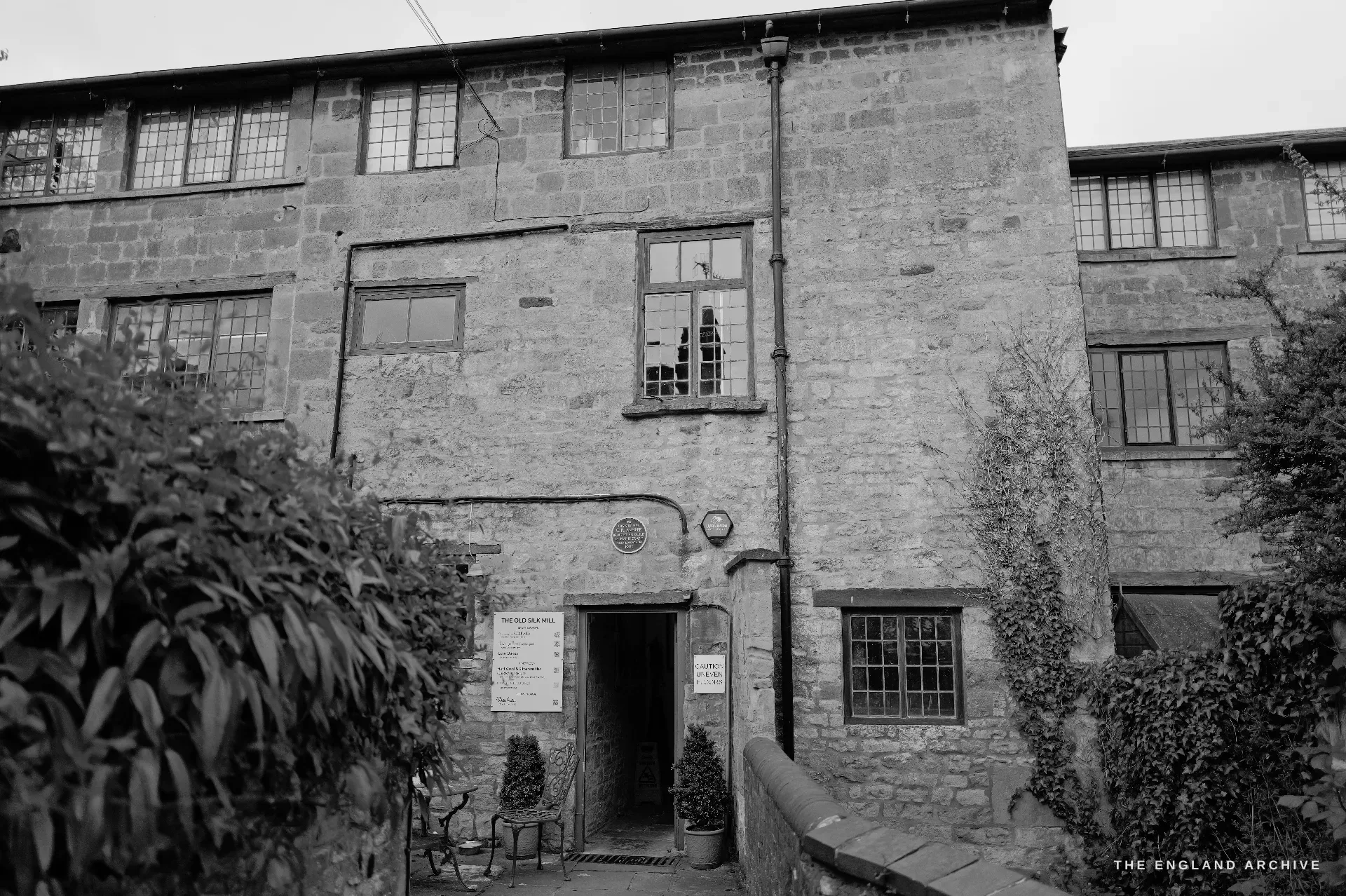
David’s grandfather was George Hart, one of the silversmiths C. R. Ashbee brought to Chipping Campden in 1902 when he moved the Guild of Handicraft out of the East End of London and into this silk mill on Sheep Street. When the Guild was wound up in 1908, undercut by machine goods, most of the experiment dispersed. George Hart stayed, kept working, and the workshop has never left the building. That continuity is the rare thing: Hart’s is widely held to be the last continuously working workshop of the Guild of Handicraft anywhere in England.
The line runs George Hart, then his son Henry, who joined in 1930 and ran the workshop for decades, then David, brought in by Henry in 1956, and now David’s son William, the fourth generation. David is the hinge of that line - the man who learned from the generation that learned from Ashbee’s guildsmen directly, and who has lived long enough to teach the generation that will carry it past the workshop’s first century and a quarter. He sits in the room with the mounted photograph of the Edwardian Guild men at the stair-head, and the distance between that photograph and the bench he works at is, in his case, two handshakes.
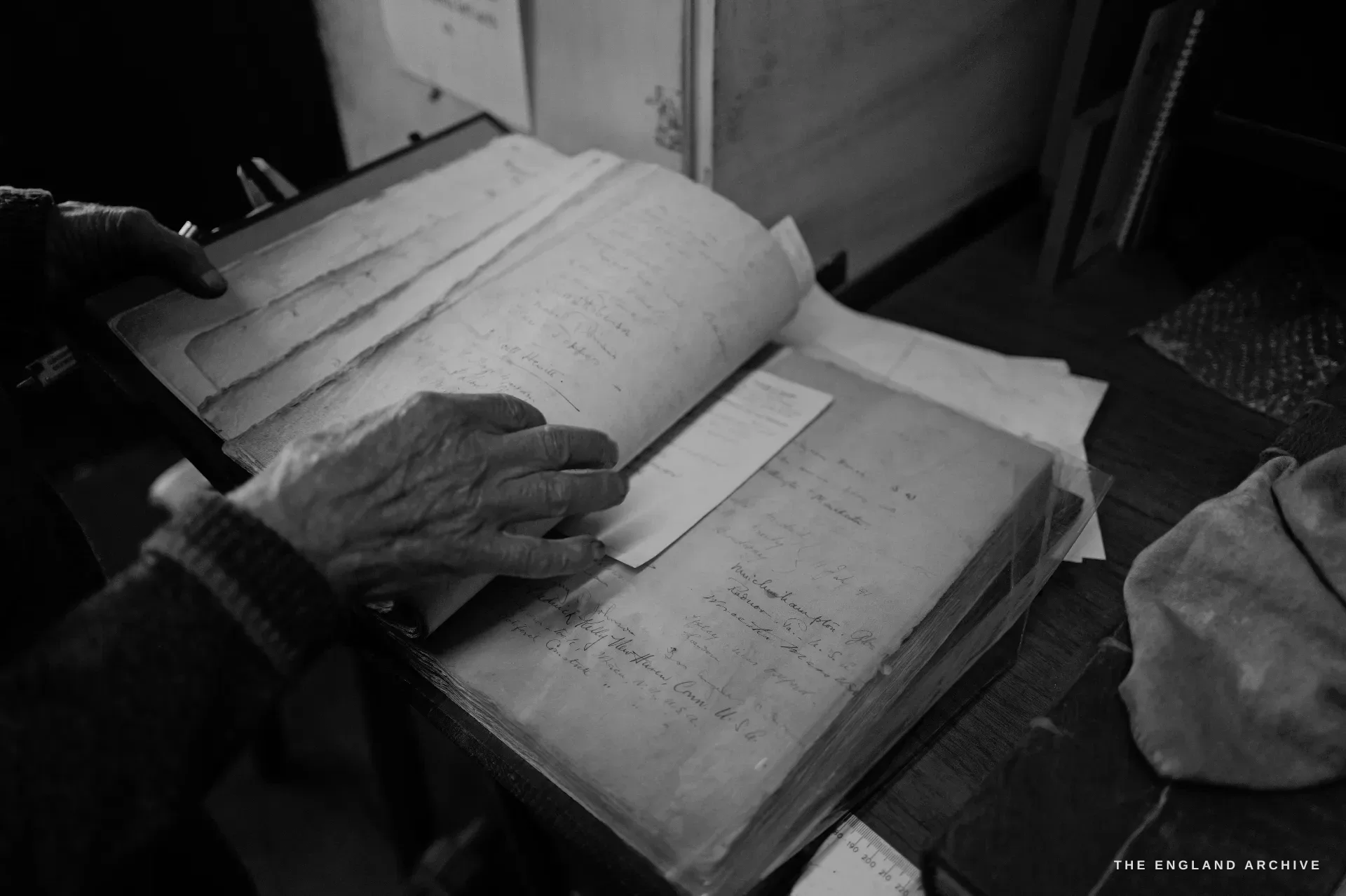
What stays with you, talking to David, is the memory. He can place a commission, a name, a date, a tool, without hesitation - eighty-seven years old and the better part of a century of the workshop filed and retrievable behind the glasses. The workshop’s own record matches him: he opened a great handwritten order ledger and turned the leaves, and the pages were dense with cursive entries and place-names, Wolverhampton and Worcester and, among them, New Haven, Connecticut. A hundred years of orders, in ink, never digitised because they have never needed to be.
There is a computer monitor in the corner of the room. Beside the ledgers and the spiked balls of receipts hanging from the beams, it reads as the most temporary object in the building. The archive’s job here is partly to photograph what the ledgers cannot hold: the man turning the pages, the hand on the book, the fact that the record and the rememberer are, for now, the same person.
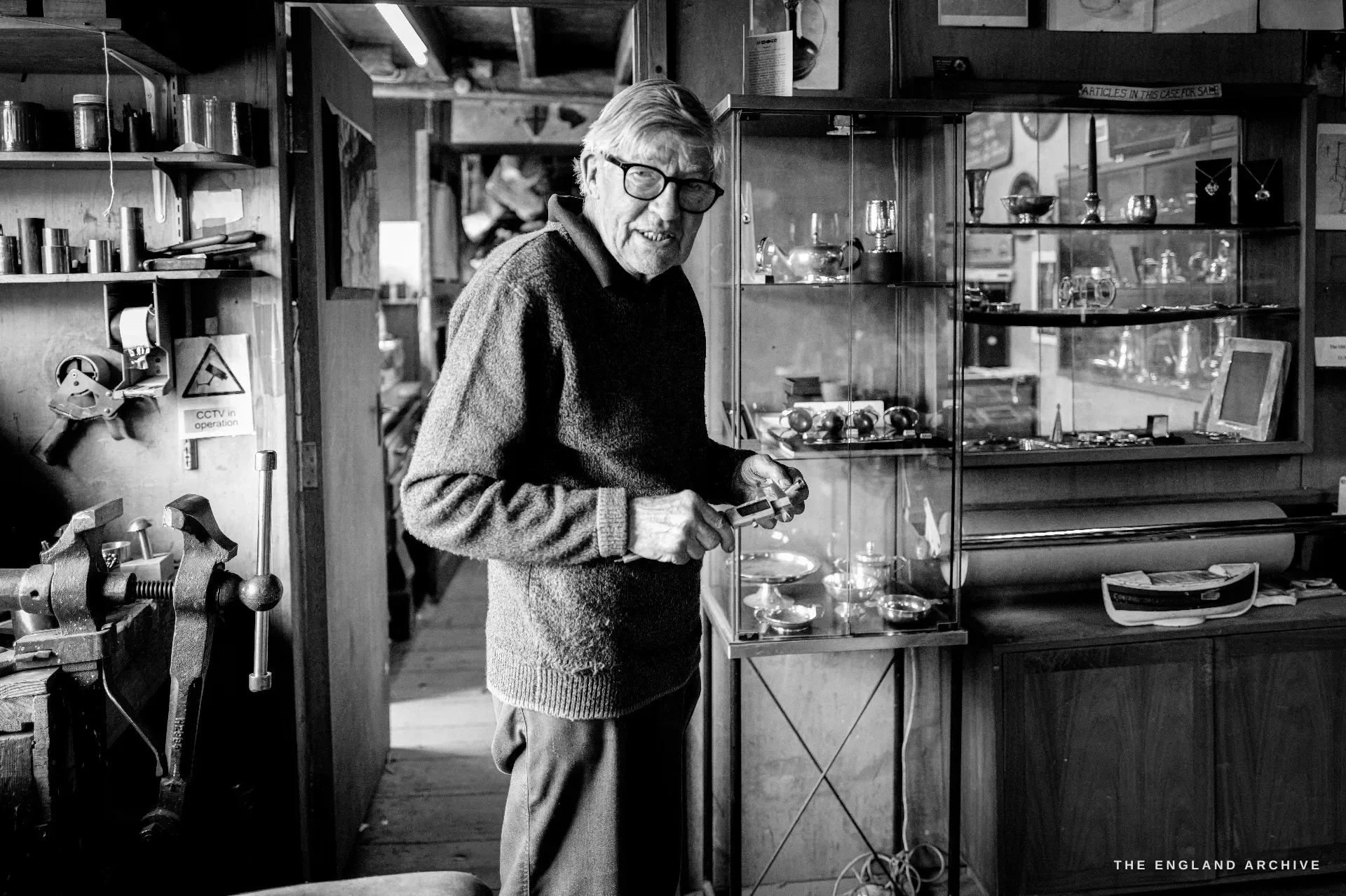
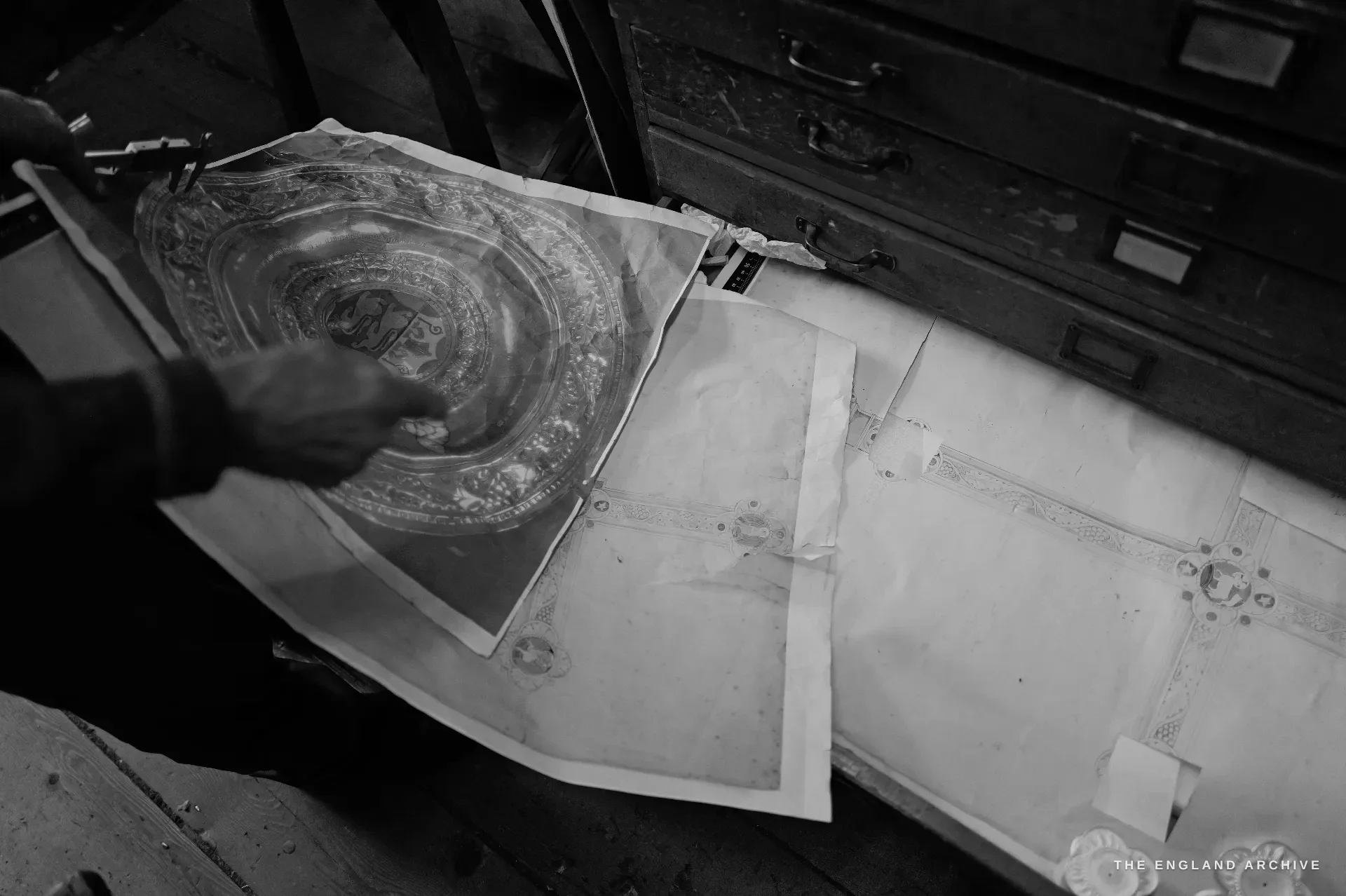
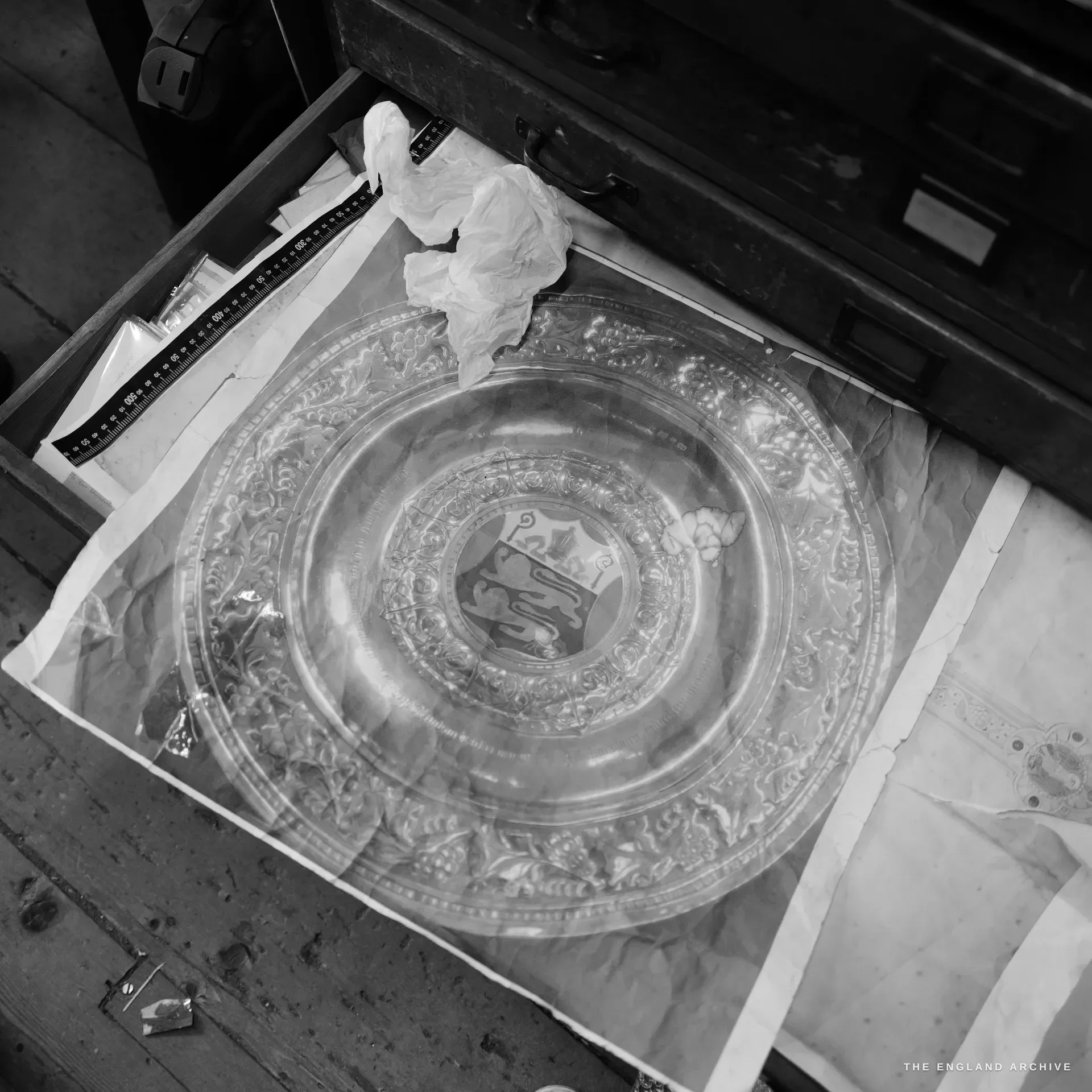
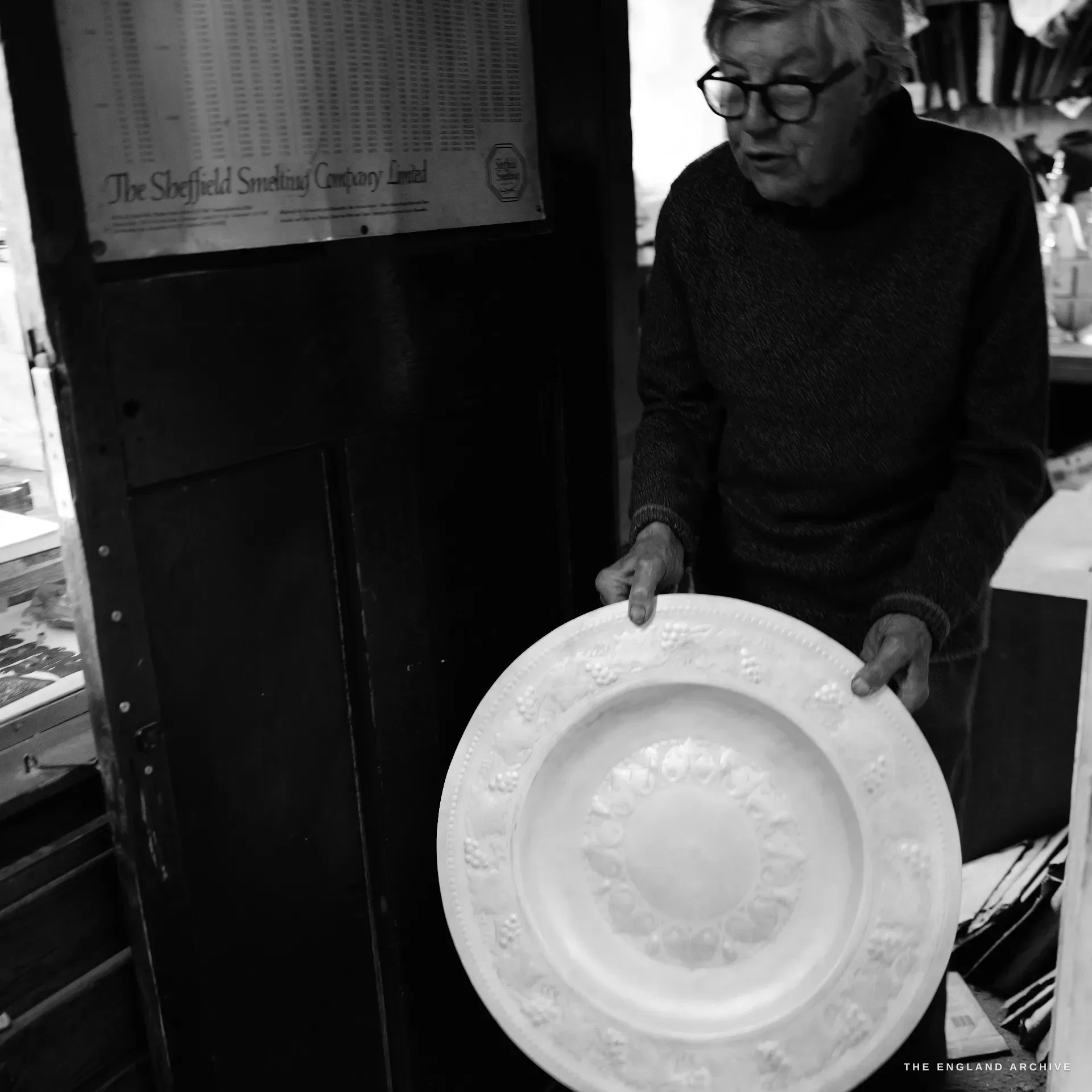
David showed me the live work, which is the point of the whole thing. He pulled the working drawings for a processional cross out of a plan chest - a piece stolen from a church, to be remade by hand from the measured drawings so the parish has back what it lost. He showed me ceremonial chargers in tissue in their drawers, deep repousse borders of vine and grape worked around a central armorial shield. He showed me a hexagonal pepper caster engraved with a coronet over an entwined cipher, made for one family and no other.
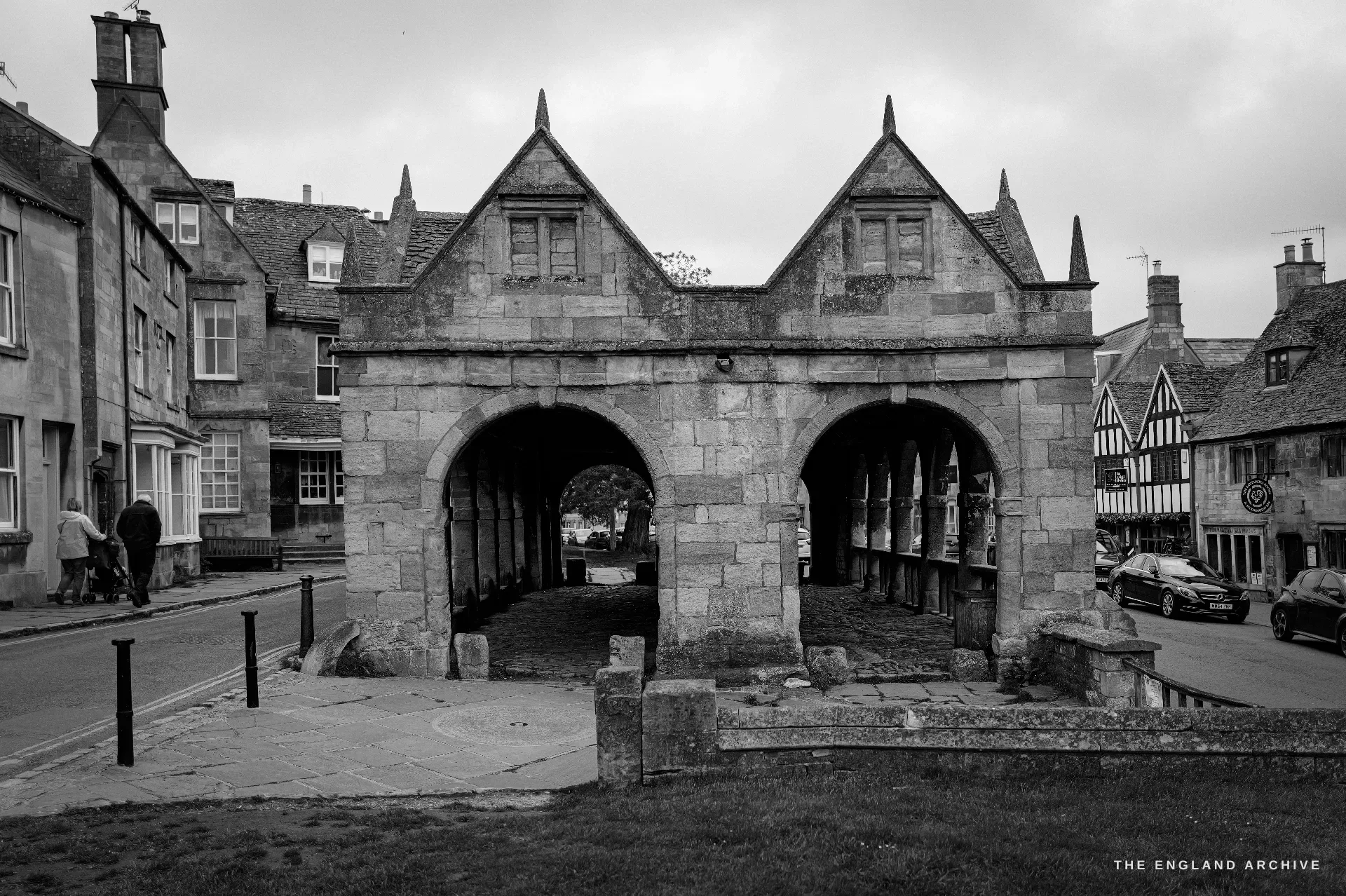
And, almost as an aside, a small silver model of the Chipping Campden Market Hall, the Jacobean arcade the town is known for, rendered in miniature on the bench. It is the neatest summary of what this workshop is: a place that holds its own town in its hand, and makes, by hand, the ecclesiastical and domestic silver that the painted sign on the showroom wall has promised since 1888 - gold and silver articles for church and house.
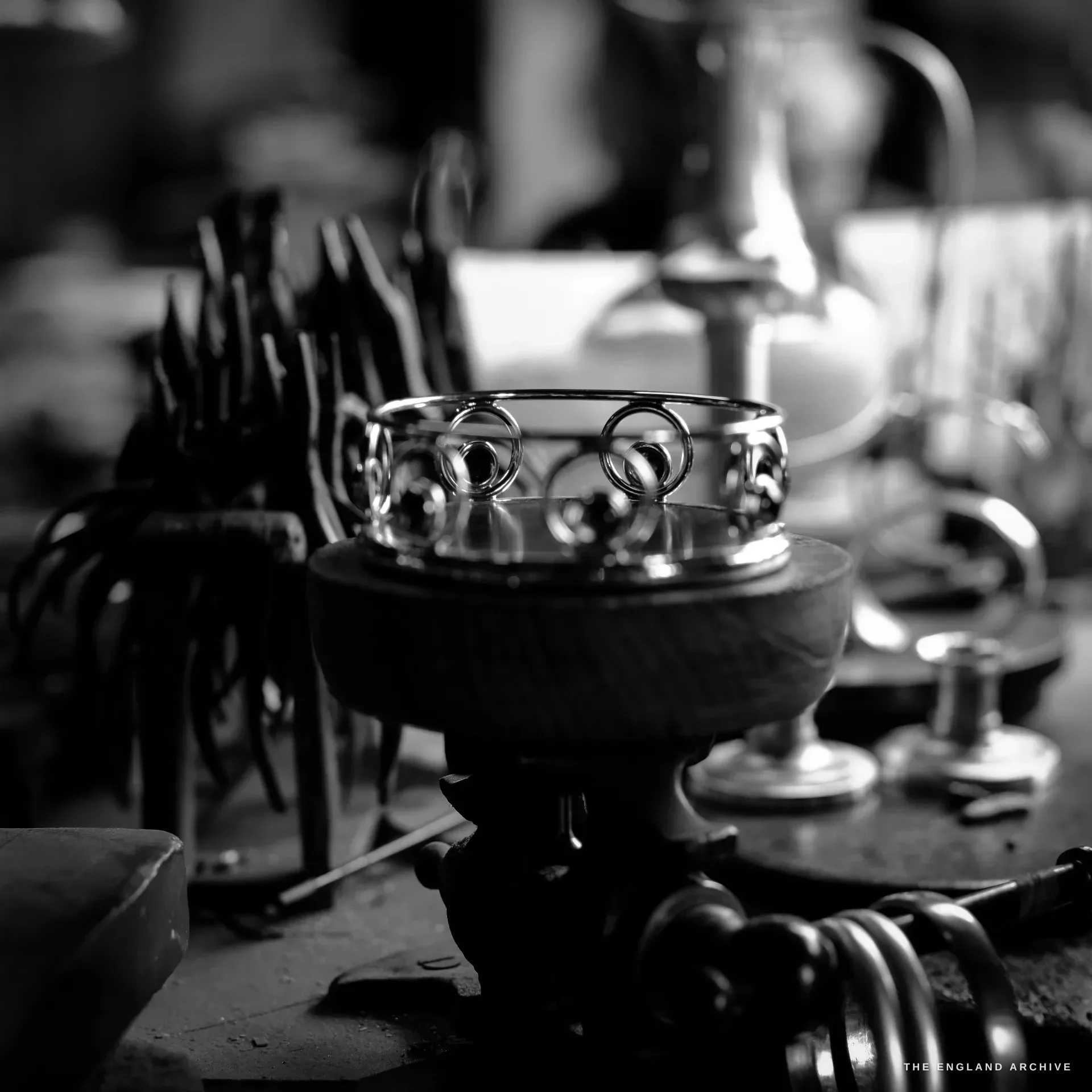
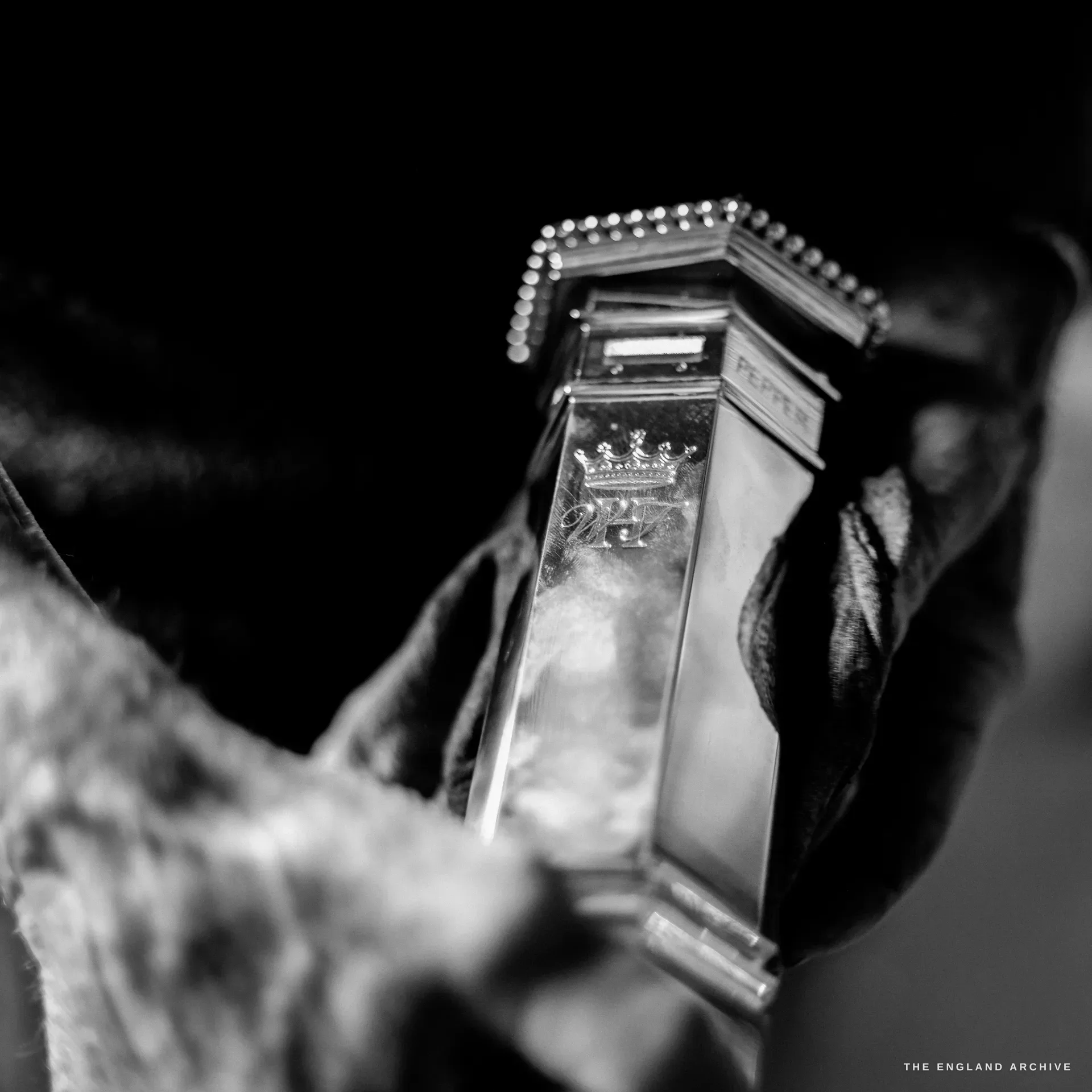
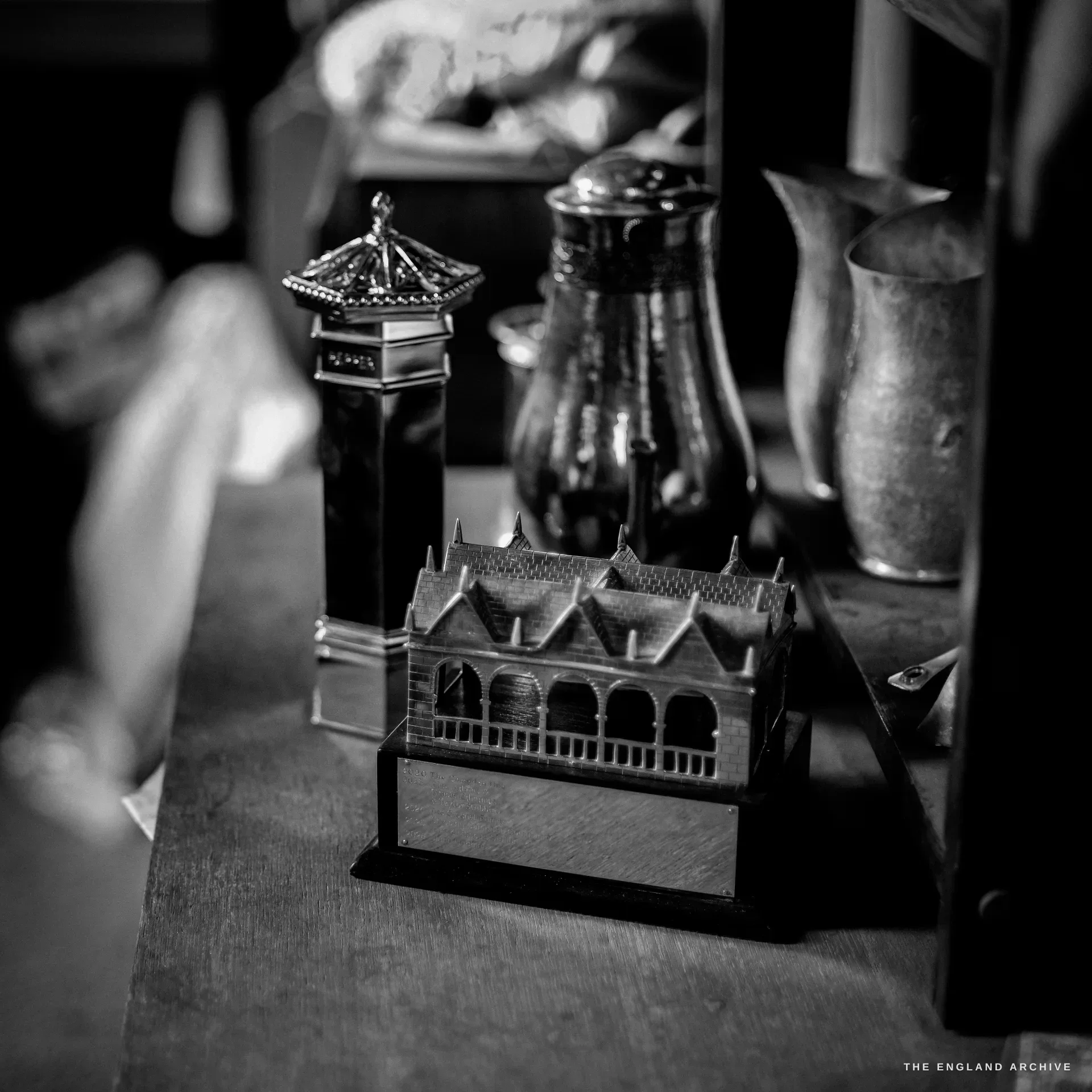
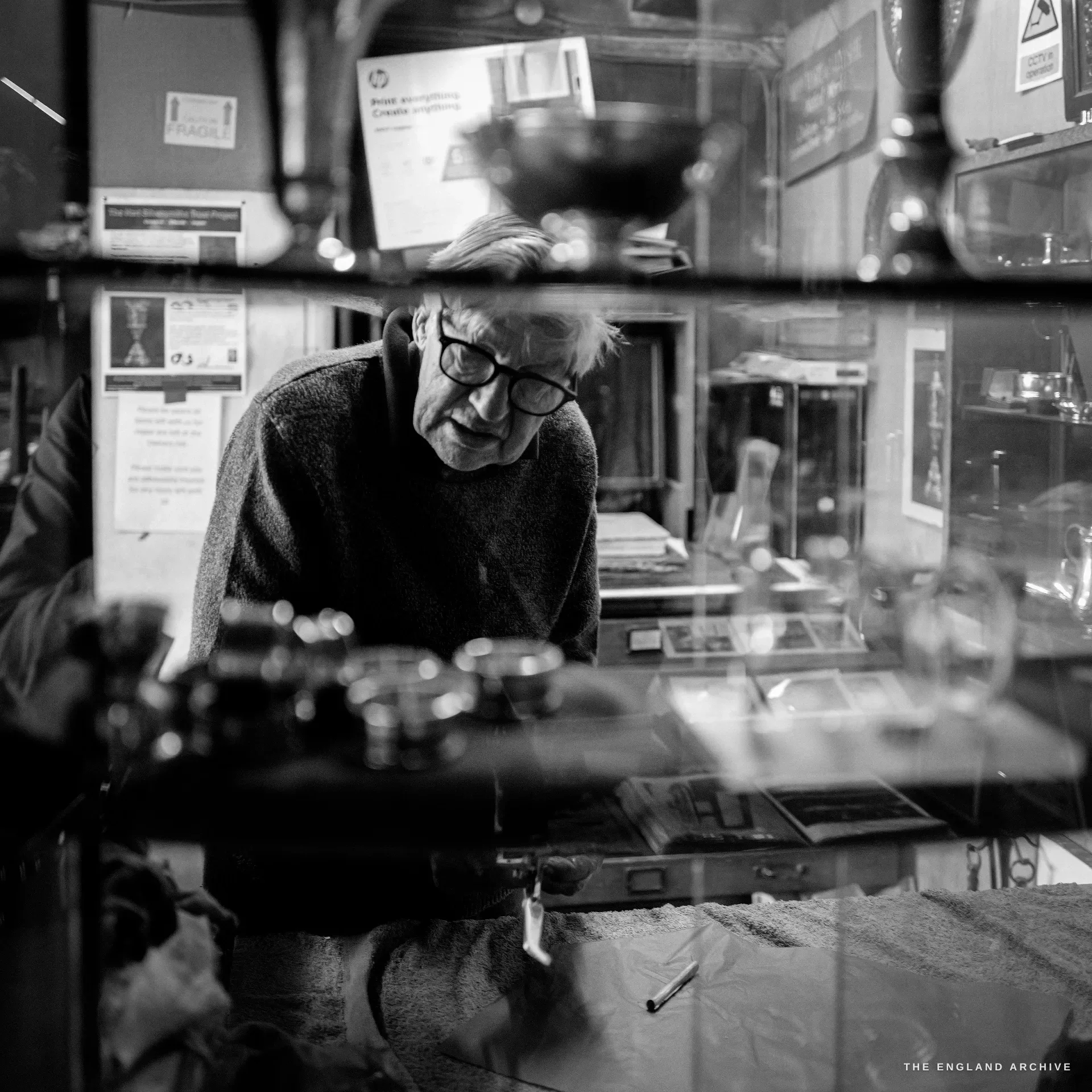
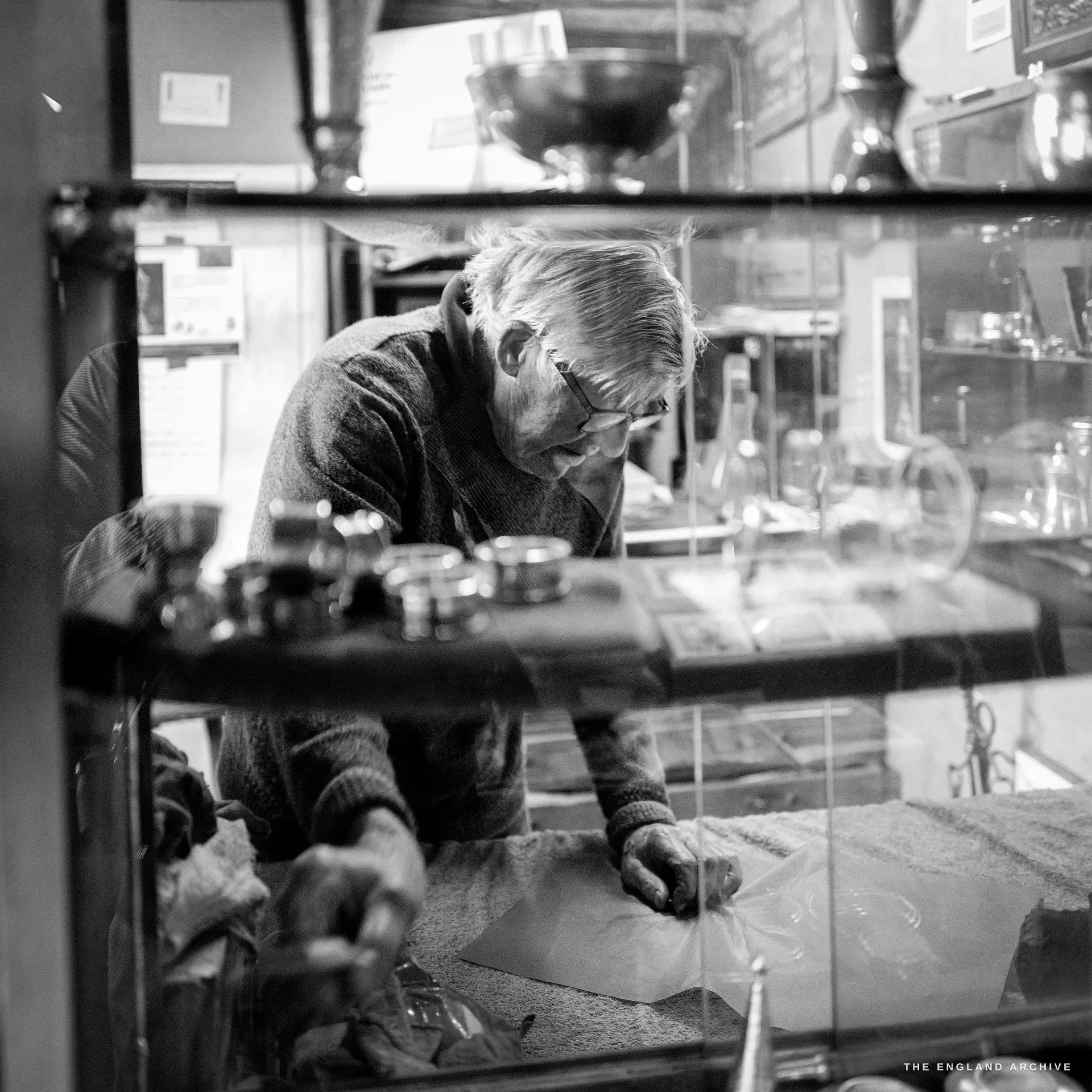
David is easy in front of a camera in the way of a man who has been photographed in his own workshop across many decades and does not need to perform for it. He stood where the window light fell, held a piece up to show it, looked back at the lens without arranging himself. The portraits are of a working silversmith in the room he has worked in since 1956, not of an old man asked to look the part. He is the part.
This is the archive’s first record of David Hart, made on a working morning in May 2026, when he was eighty-seven and seventy years from the day his father first sat him at the bench. The line from Ashbee’s Guild, the unbroken occupation of the Silk Mill, the ledgers and the live commissions, and the handing-on now underway to his son William are all surfaces the archive will return to. David’s name, alongside William’s, is one the archive expects to come back to while there is still time to record it from the man himself.