The pipeline.
The crafts and traditions the archive intends to document next, anchored against the Heritage Crafts Red List. Some are critically endangered - fewer than five working practitioners. Some are partly documented and need their next session funded to land. Some are annual ceremonies whose record requires a year-on-year visit. All are sponsorable.
Sponsor a craft and your name lives on the page when the shoot lands. The credit migrates from this pipeline page to the published archive entry the moment the photographs come in. No fixed schedule - the work moves at the pace of the people doing it - but every sponsored craft is on the project’s priority queue.
7 in the pipeline
- In research Critically Endangered fewer than 5 £500 - £1,500 CP-0001
Swill basket weaving
The Lake District basket woven from boiled and split oak, used for centuries to carry potatoes, peat, and fish. The craft survives in the hands of fewer than five working swill makers, all in Cumbria. The archive intends a full multi-visit documentation of one of the remaining makers - the cleaving, the boiling, the weaving over a wooden bool, and the finishing.
Where Cumbria
- Untouched Critically Endangered 1 working maker £500 - £1,500 CP-0002
Sieve and riddle making
The hand-bound horse-hair sieve and the hardwood riddle - tools the English mill, the bakery, and the chemist depended on for two centuries. Now down to a single working maker. The archive will document the bending of the rim, the binding of the mesh, the sequence by which a tool that has not changed in three hundred years comes into being.
Where Devon
- In research Critically Endangered fewer than 10 £500 - £1,500 CP-0003
Currach building
The English currach - the hide-and-frame coastal boat that pre-dates the Roman conquest - is held by a tiny group of builders working with traditional cowhide skins on hand-bent ash frames. The archive intends to document a complete build from frame-making through to launch, alongside the boat-builder who has spent thirty years on the craft.
Where West Country
- Partial Endangered ~30 working letter-cutters £500 - £1,500 CP-0004
Letter-cutting in stone →
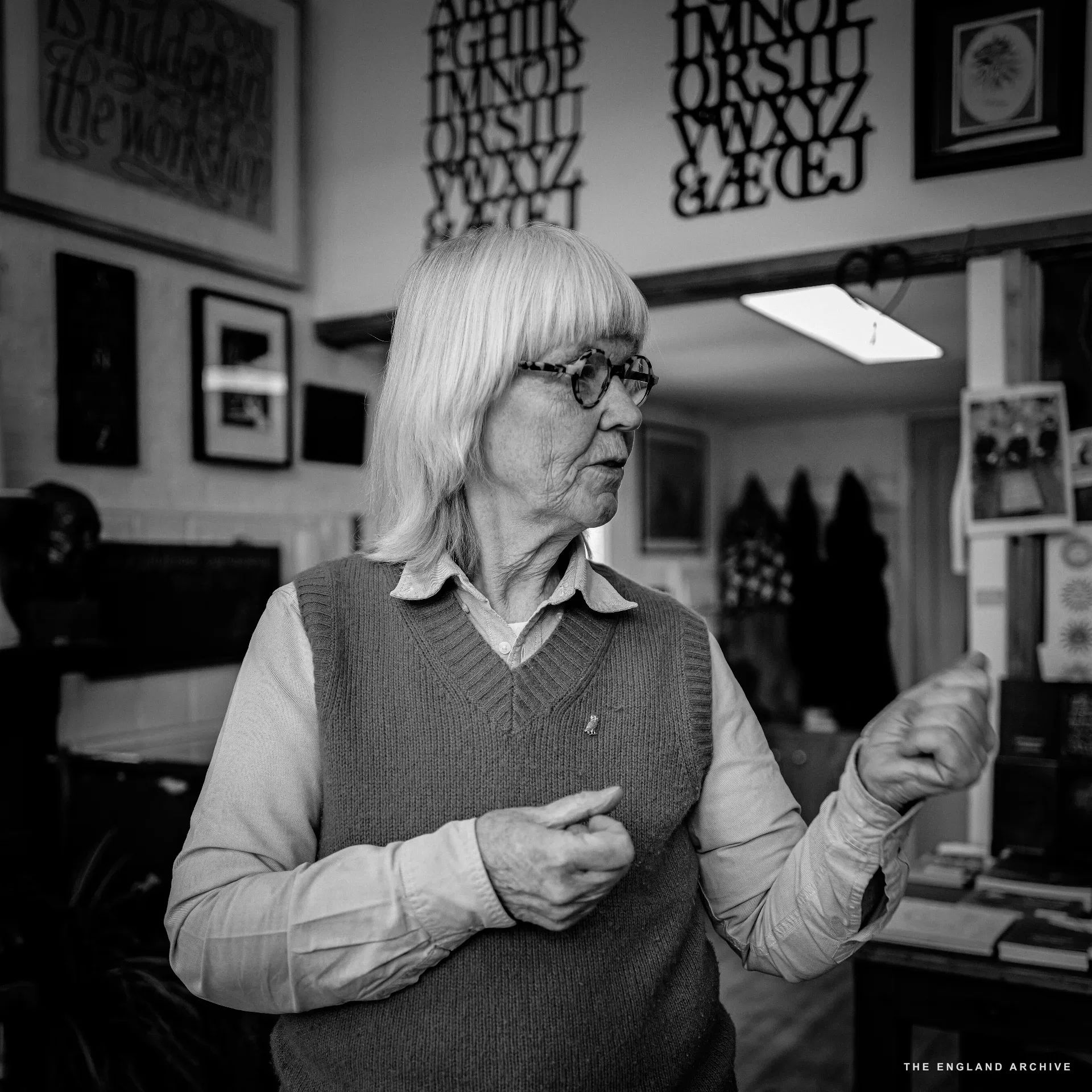
The English memorial letter, cut into stone with a hammer and chisel, in the lineage of Eric Gill and David Kindersley. The archive has documented the Cardozo Kindersley Workshop in Cambridge as the first entry. Two further sessions planned: a working letter-cutter outside the Kindersley line, and a younger apprentice still finding their hand.
Shipped- Lida Kindersley, Lettercutter (MK-0002)
- Roxanne Kindersley, Lettercutter (MK-0003)
- Vincent Kindersley, Designer & Lettercutter (MK-0004)
- Emily, Lettercutter (MK-0006)
Planned 2 more sessionsWhere Cambridge, Edinburgh, London
- Partial Endangered ~15 working millwrights £500 - £1,500 CP-0005
Millwrighting →
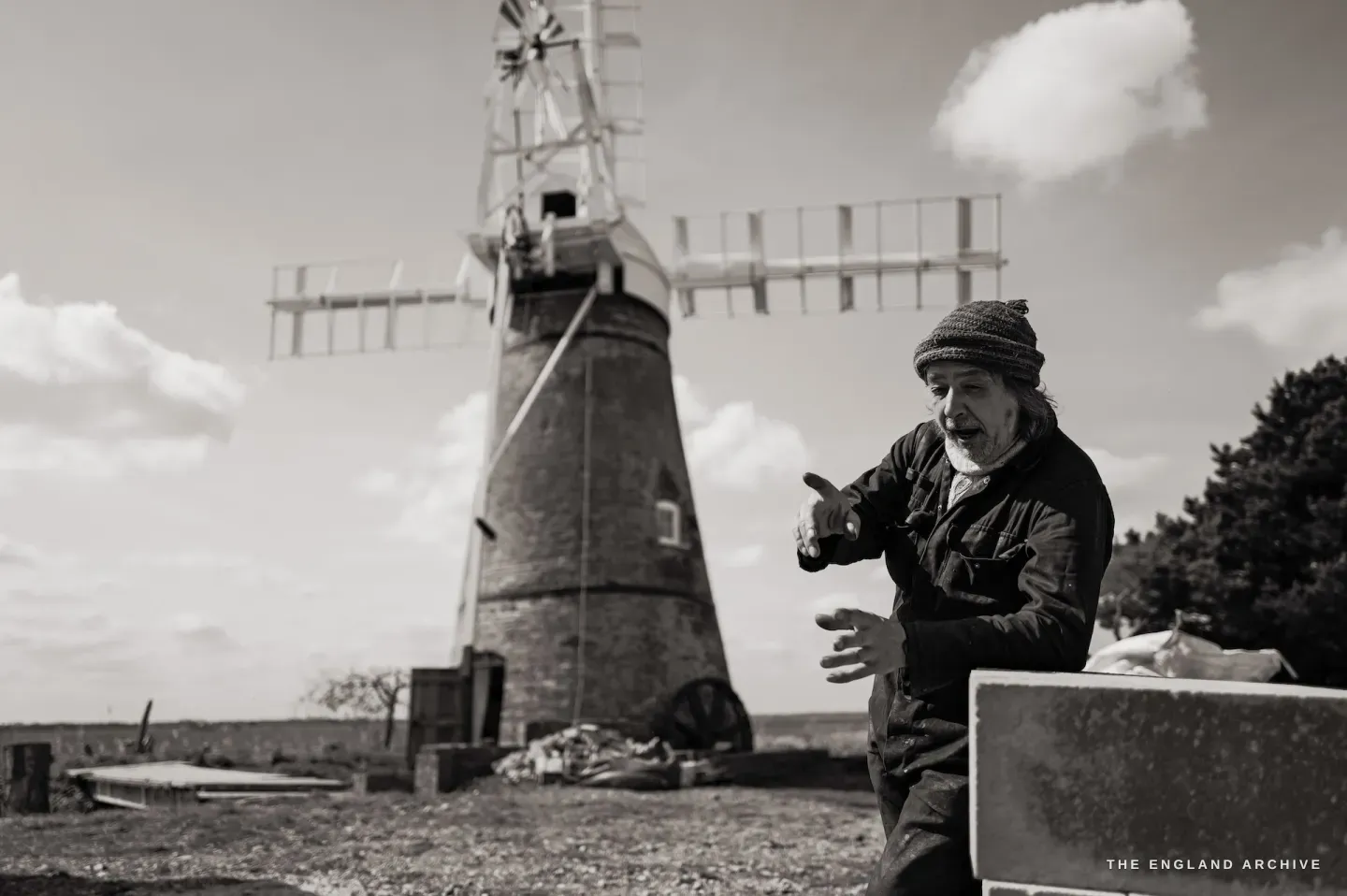
The repair, restoration, and (rarely) the building of windmills and watermills. The archive has documented Paul Kemp at Toft Monks (working) and Richard Seago at South Walsham (retired, private preserver - the founding subject of the Gatherers category). Two further sessions planned: a watermill specialist on the West Country chalk streams, and a millwrighting apprentice if one can be found.
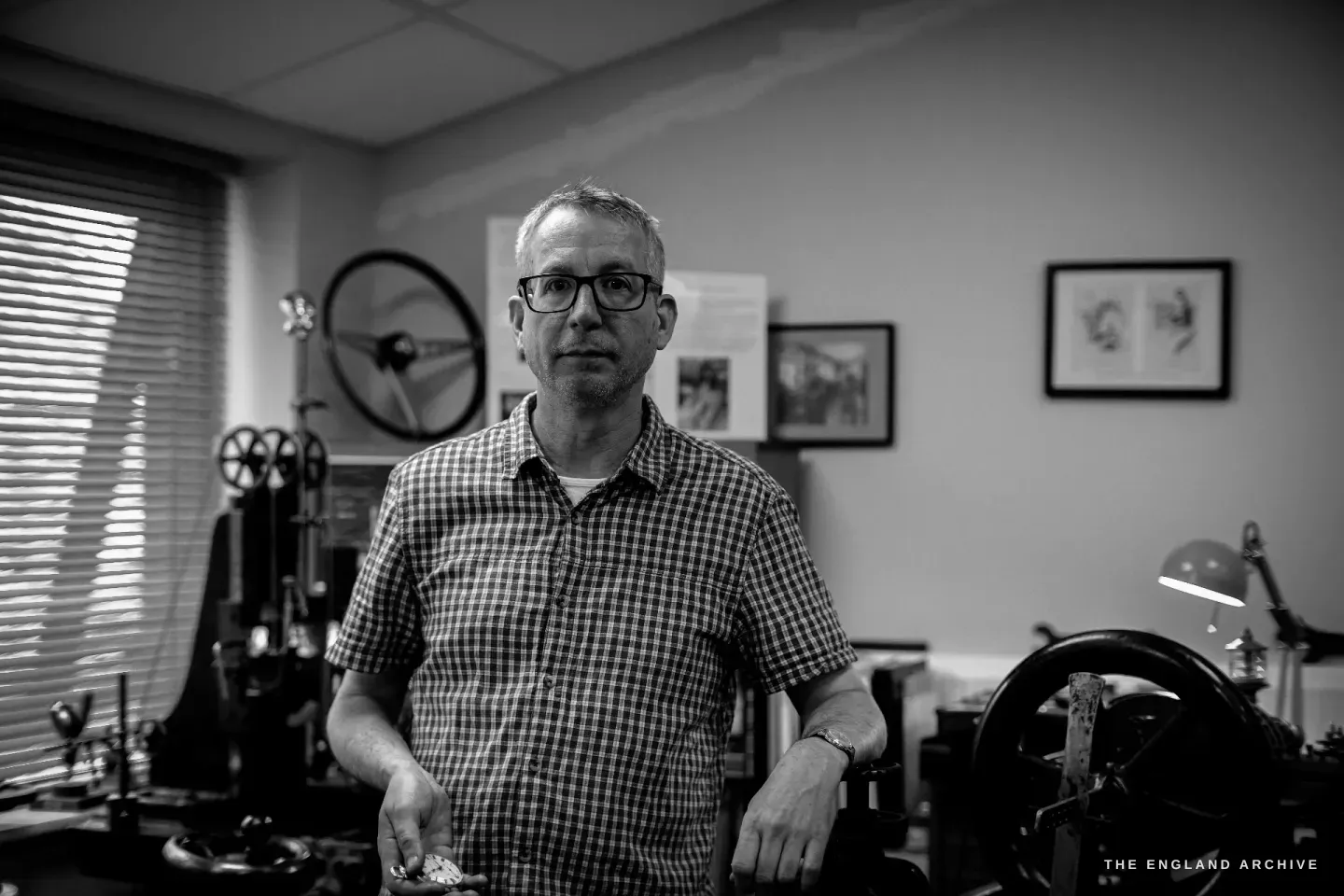
Shipped- Paul Kemp, Millwright (MK-0001)
- Richard Seago, Retired Millwright (GT-0007)
Planned 2 more sessionsWhere Norfolk, Suffolk, West Country
- Partial Endangered a small number £500 - £1,500 CP-0006
Thames clinker boat building →
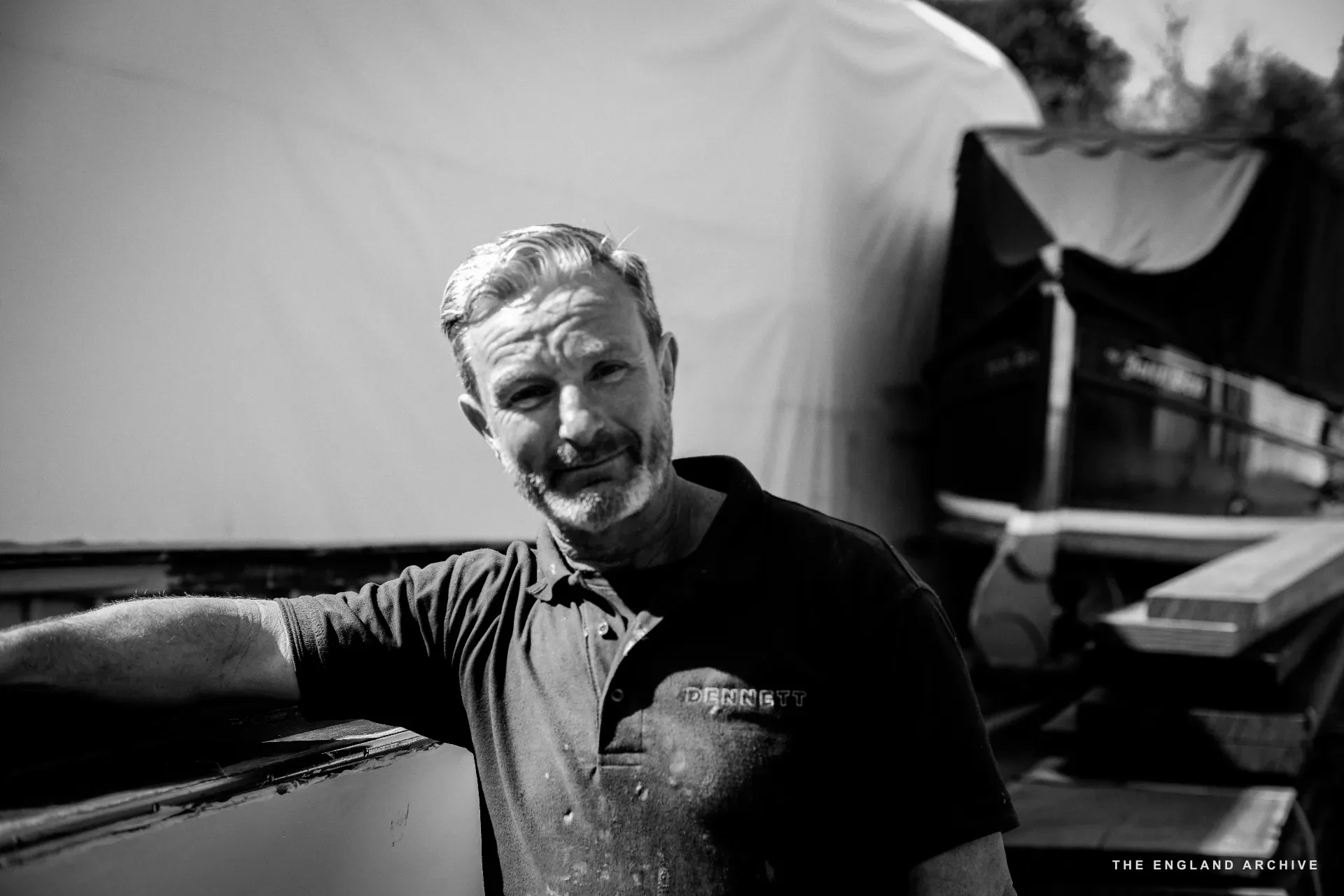
The clinker-built Thames pleasure boats and skiffs that have carried passengers up and down the river since the Victorian period. The archive has documented Dennett Boat Builders at Laleham. One further session planned: a separate yard whose work covers a different part of the river and a different generation of boat.
Shipped- Stephen Dennett, Boat Builder (MK-0007)
- Michael Dennett, Boat Builder (MK-0008)
Planned 1 more sessionWhere Thames Valley
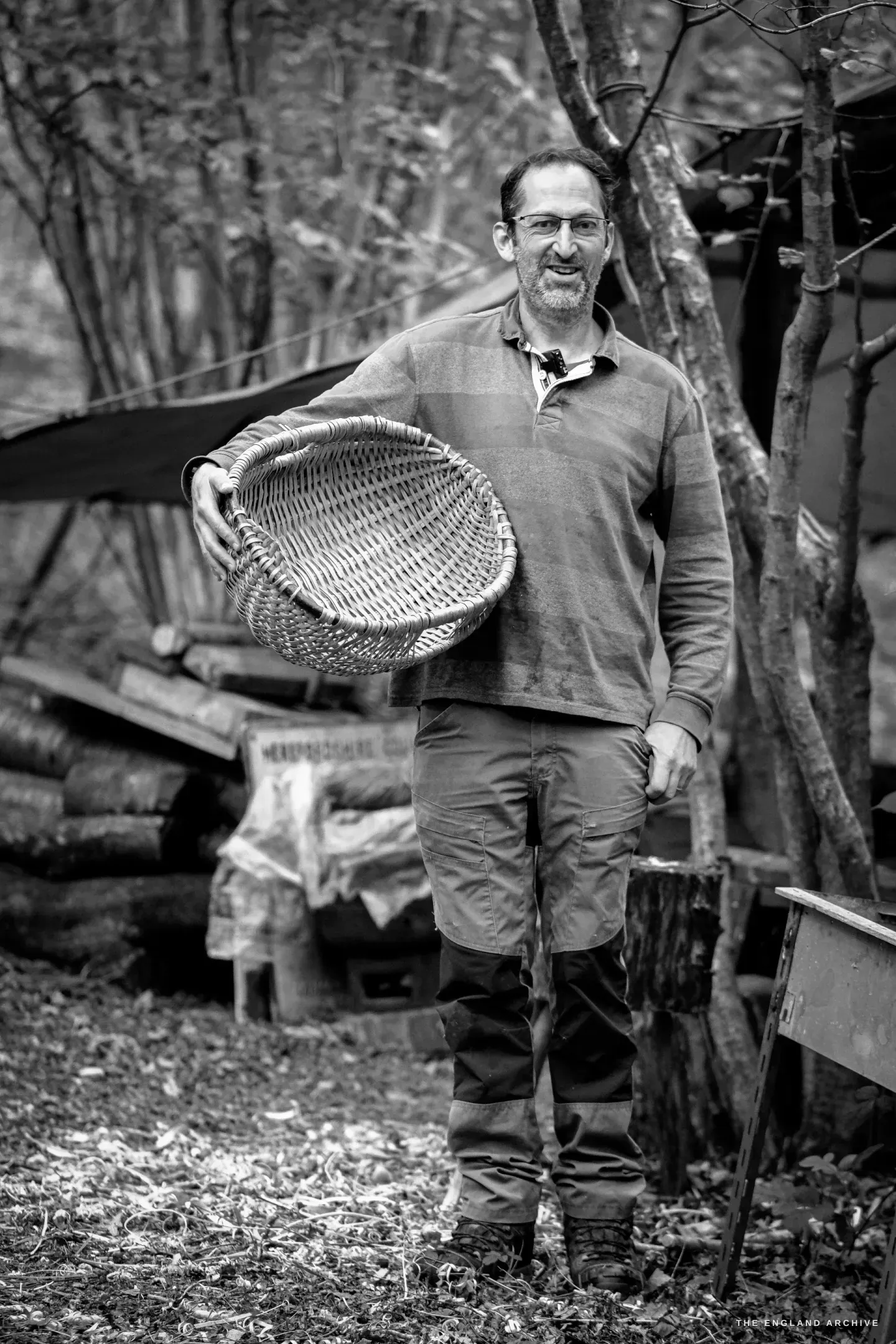
- Scheduled Endangered ~50 active coppice workers £500 - £1,500 CP-0007
Coppice working
The traditional management of broadleaf woodland on a rotating cut, producing hazel rods, chestnut paling, hurdles, charcoal, and the kind of biodiverse woodland English landscape depended on for a thousand years. The first session is scheduled for late spring with a working coppice manager in the Cotswolds.
Planned 1 more sessionWhere Cotswolds, South Downs, Sussex Weald
2 in the pipeline
- In research Not Red-Listed £500 - £1,500 CP-0012
Cathedral vergers and minor canons
The men and women who hold the keys to the English cathedral - the verger who walks the same flagstones every dawn, the minor canon who has sung Evensong daily for thirty years. Lifelong tenure of a single building. The archive intends to document at least three vergers across the cathedral cities (Canterbury, York, Durham, Wells) over Year Two.
Planned 3 more sessionsWhere Canterbury, York, Durham, Wells
- Partial Not Red-Listed £500 - £1,500 CP-0013
Long-tenure parish churchwardens →
Churchwardens with twenty or more years of tenure at a single parish - holders of building, register, churchyard, and continuity. The archive has documented one (Mary Read at Holy Trinity, Long Melford). Three further sessions planned across East Anglia and the West Country, where the long-tenure pattern is strongest.
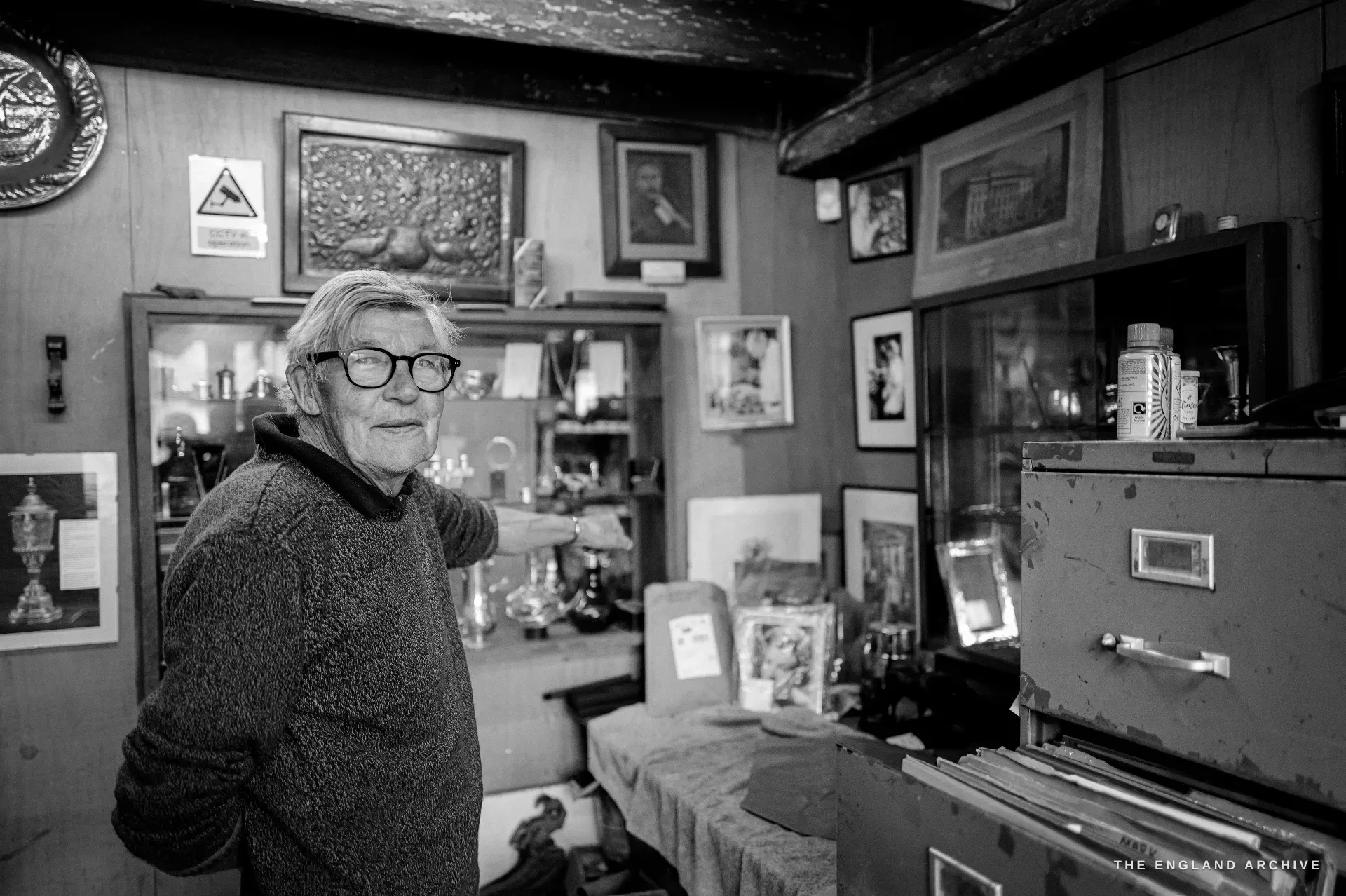
Shipped- Mary Read, Custodian of St Michael’s (KP-0005)
Planned 3 more sessionsWhere East Anglia, West Country
4 in the pipeline
- Ongoing Not Red-Listed £500 - £1,500 CP-0008
Spring Equinox at Tower Hill →
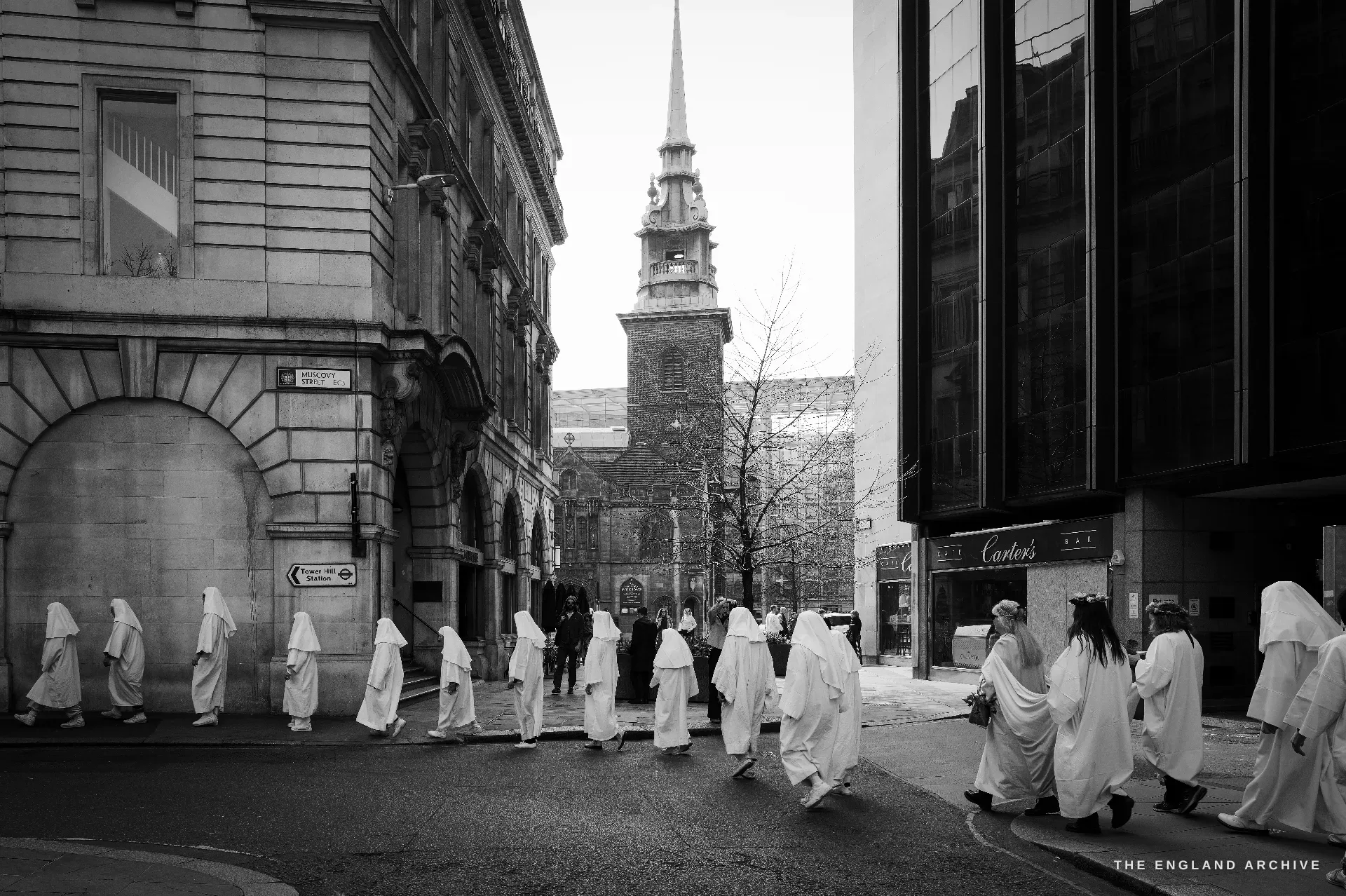
The Druid Order’s annual rite at Tower Hill in the City of London, performed at midday on every spring equinox since 1956. The 2026 ceremony has been documented (see CR-0001). This entry remains in the pipeline so future-year sessions can be sponsored - the ceremony continues annually and each year is its own working record.
Shipped- Spring Equinox at Tower Hill (CR-0001)
Where Tower Hill, City of London
- Ongoing Not Red-Listed £500 - £1,500 CP-0009
May Morning at Magdalen →
The Magdalen College choir singing the Hymnus Eucharisticus from the top of the Great Tower at 6am on the first of May. The 2026 ceremony is the archive’s first attempt (see CR-0009). Subsequent years remain open for sponsorship - a long-term annual record requires year-on-year visits.
Shipped- May Morning at Magdalen (CR-0009)
Where Magdalen College, Oxford
- In research Not Red-Listed £500 - £1,500 CP-0010
Lewes Bonfire Night
The Lewes Bonfire Society procession on 5 November - the largest, oldest, and most editorially difficult-to-document of the English fire festivals. Six societies, thousands of marchers, banners and burning crosses, and a ceremonial bar that takes years to earn access through. The archive intends to document the captain of one of the societies and one full Bonfire Night season.
Where Lewes, South Downs
- Untouched Not Red-Listed £500 - £1,500 CP-0011
Abbots Bromley Horn Dance
The Horn Dance at Abbots Bromley in Staffordshire - performed annually on the Monday after the first Sunday after the 4th of September, with reindeer antlers carried since the eleventh century. The Horn Dancers are the oldest surviving English folk-tradition lineage. The archive intends to document a full day of the dance, the carriers, and the antlers’ church-keeping.
Where Abbots Bromley, Heart of England
2 in the pipeline
- In research Not Red-Listed ~80 in England £500 - £1,500 CP-0014
Chalk stream river keepers
The river keepers of the southern chalk streams - the Test, the Itchen, the Wylye, the Kennet - whose daily work maintains a freshwater landscape that exists almost nowhere else on earth. England holds 85 percent of the world’s chalk streams. The archive intends to document at least two keepers and one full season of the work.
Planned 2 more sessionsWhere Hampshire, Wiltshire, Kent
- In research Not Red-Listed £500 - £1,500 CP-0015
Hefted flock shepherds
The Yorkshire and Lake District shepherds whose Herdwick and Swaledale flocks are hefted to a specific stretch of fell - a knowledge of grazing range carried in the sheep themselves, passed mother-to-lamb through generations. The hefted flock cannot be replaced by buying new sheep. The archive intends to document one shepherd through a full year.
Where Yorkshire Dales, Lake District
How it works
- Pick a craft. Each entry has a Sponsor button that lands on the donation form with the target preselected.
- Choose a tier. Supporting Sponsor (£500), Lead Sponsor (£1,000), or Patron Sponsor (£1,500). Tier governs prominence on the credit line, never amount-ranked.
- Pay via Stripe. Card details never touch this site.
- The founder writes. Confirms your displayed name, any memorial line, the URL you’d like the credit to link to.
- The credit lives. Your name appears on this pipeline entry immediately, then migrates to the published archive page when the shoot lands.