Makers
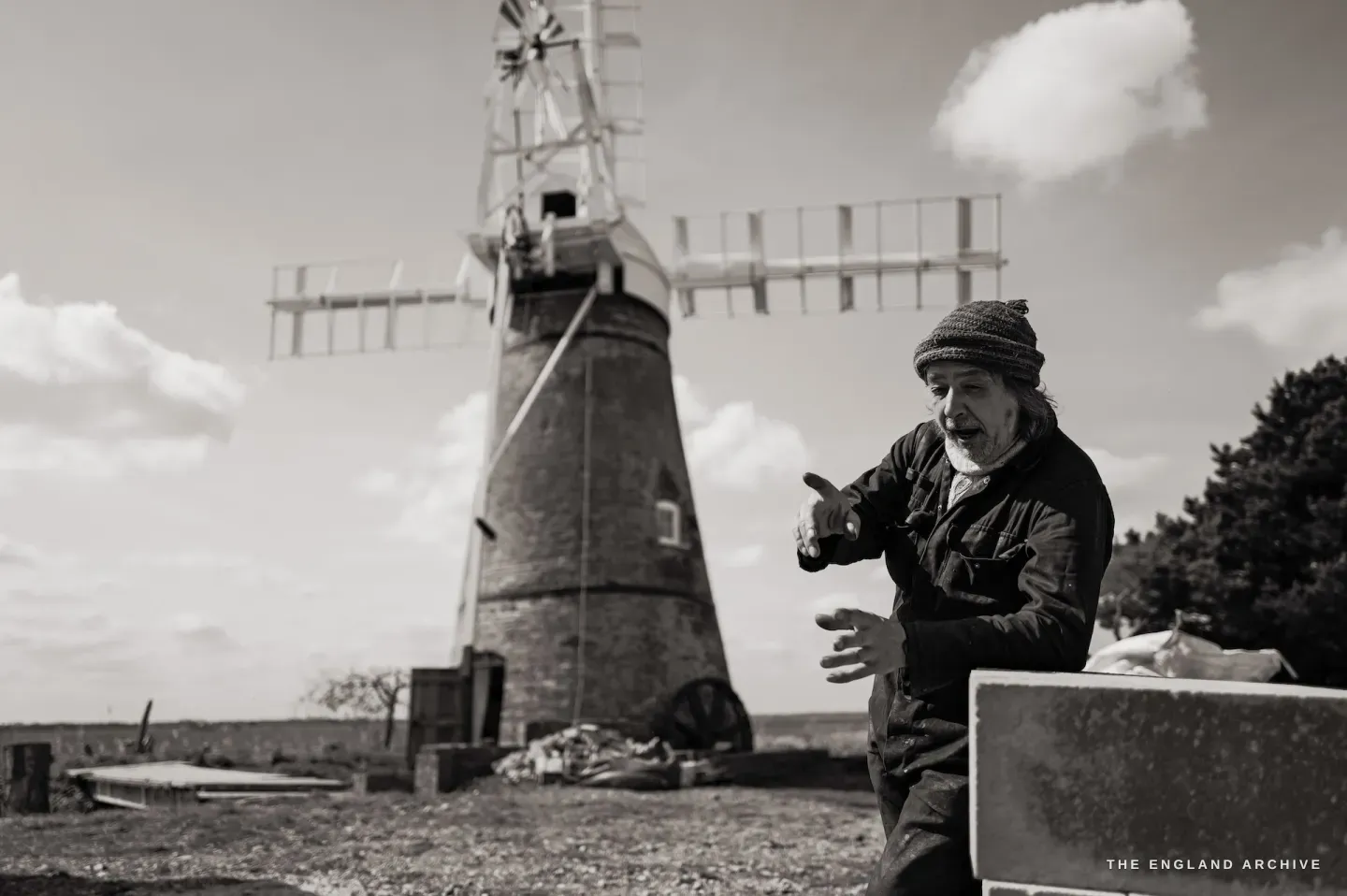
Paul Kemp
Millwright
A working millwright who has maintained and restored historic windmills across Norfolk and Suffolk for decades. The mill at Toft Monks works because Paul Kemp exists. That is not a small thing.
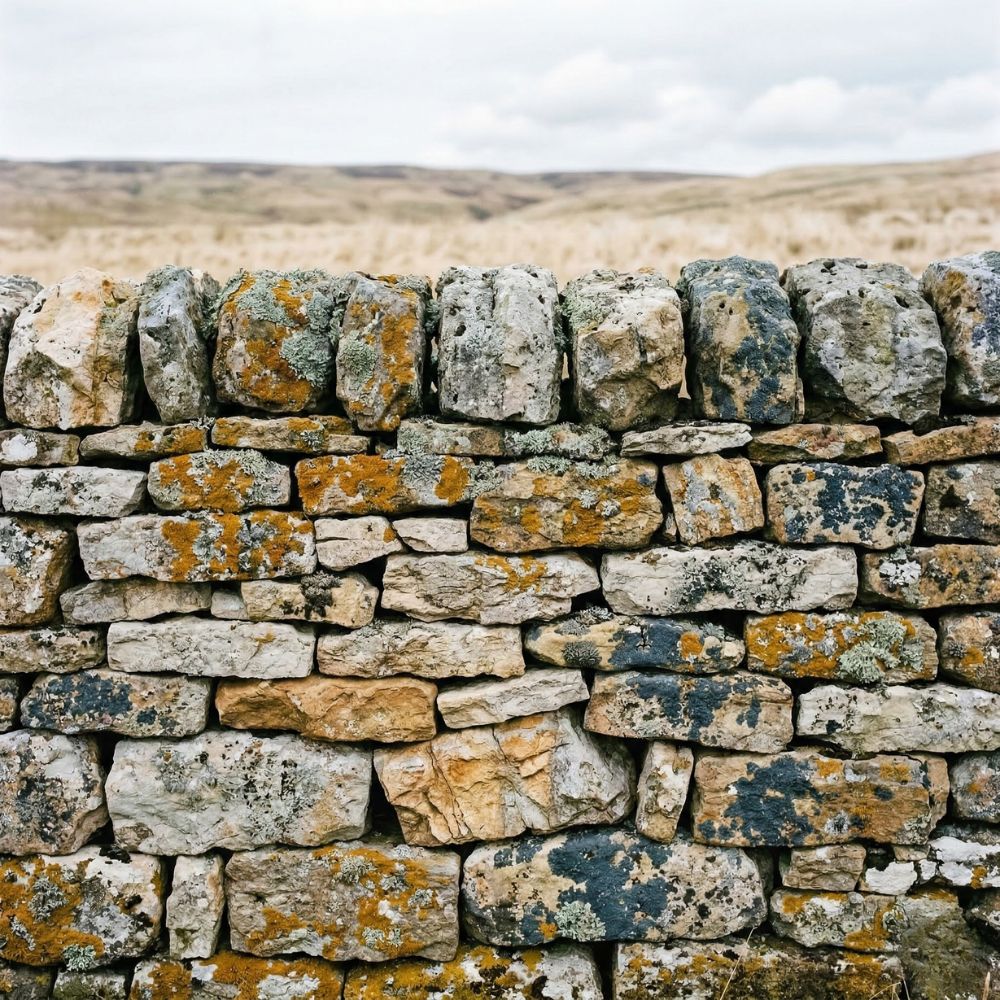
The edge of England
East Anglia is where England meets the sea and the sky in a flat, wide-open landscape. Flint churches, fenland, the Broads - traditions here are among the oldest, and the people who carry them work materials and landscapes unchanged since the medieval period.
The people the archive has documented in this region. Each is a full documentary record - photographs, field notes, the trade in their own words.
Millwright
A working millwright who has maintained and restored historic windmills across Norfolk and Suffolk for decades. The mill at Toft Monks works because Paul Kemp exists. That is not a small thing.
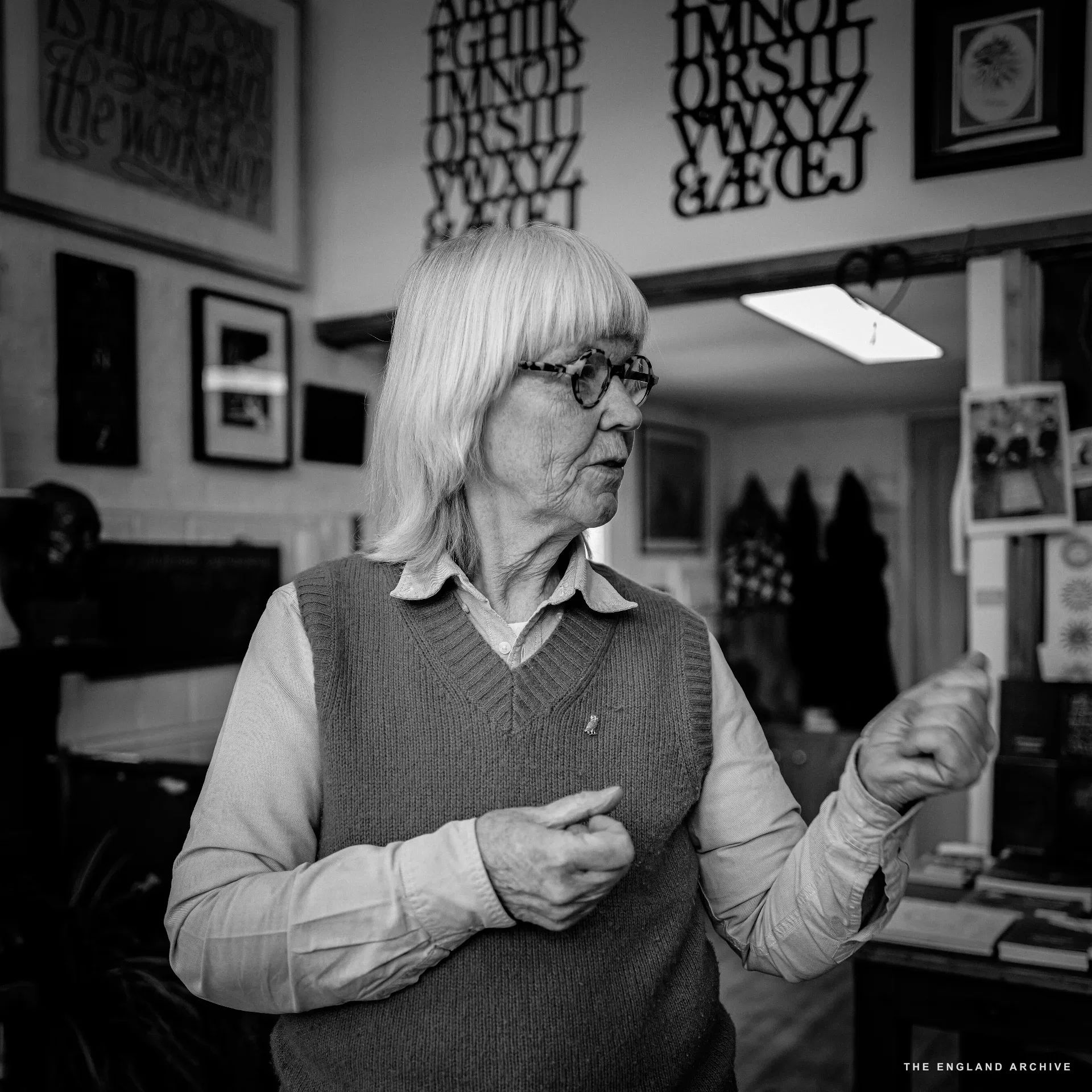
Lettercutter
Matriarch of the Cardozo Kindersley Workshop, Cambridge. Widow of David Kindersley. A typographer and stone letter-cutter in her own right who has run the workshop for thirty years and still comes in every day.
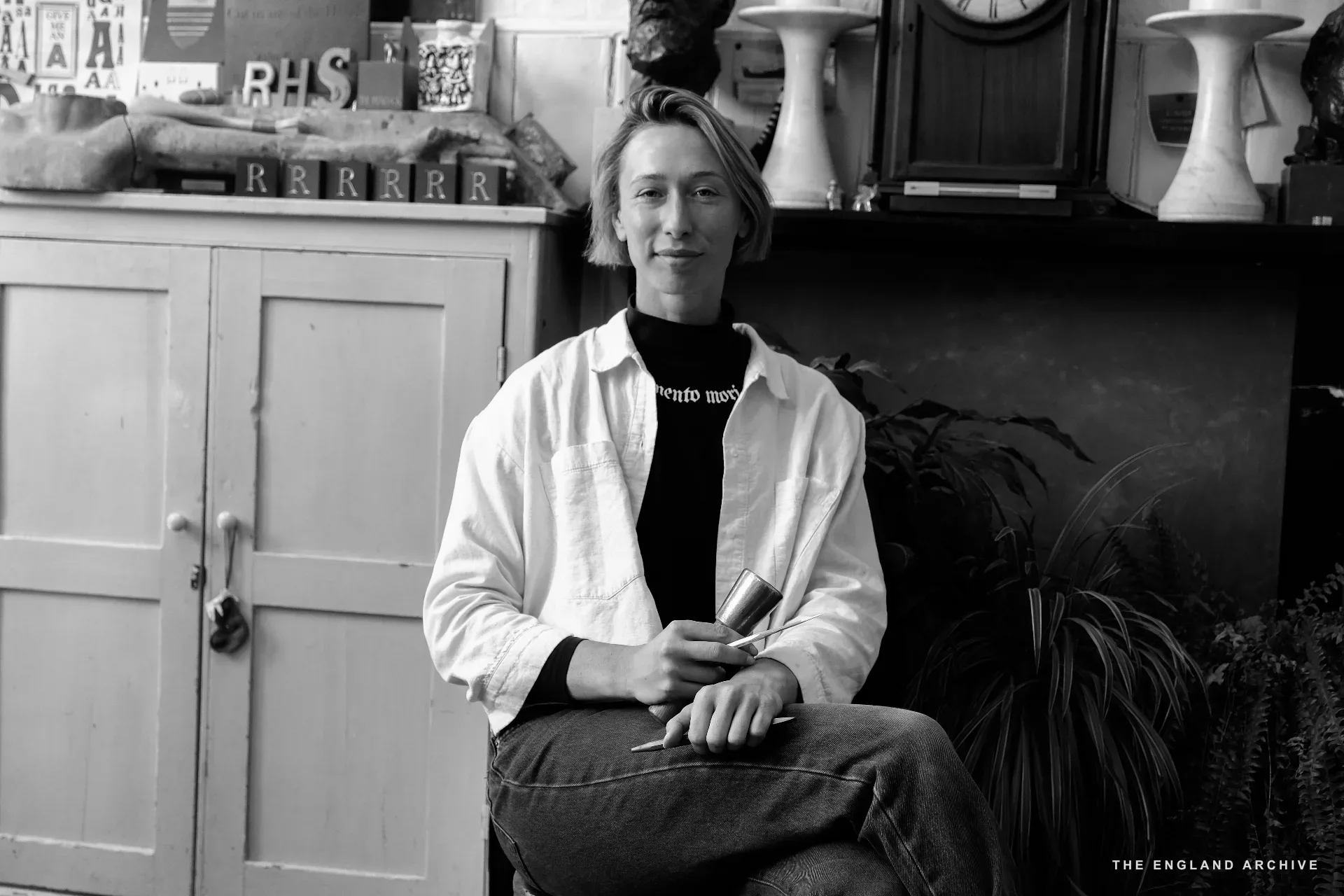
Lettercutter
Working head of the Cardozo Kindersley Workshop, Cambridge. She has taken over the running of the workshop from her mother-in-law Lida and now teaches apprentices, directs commissions, and keeps the 700-year-old craft of English stone lettering alive for a new generation.
Designer & Lettercutter
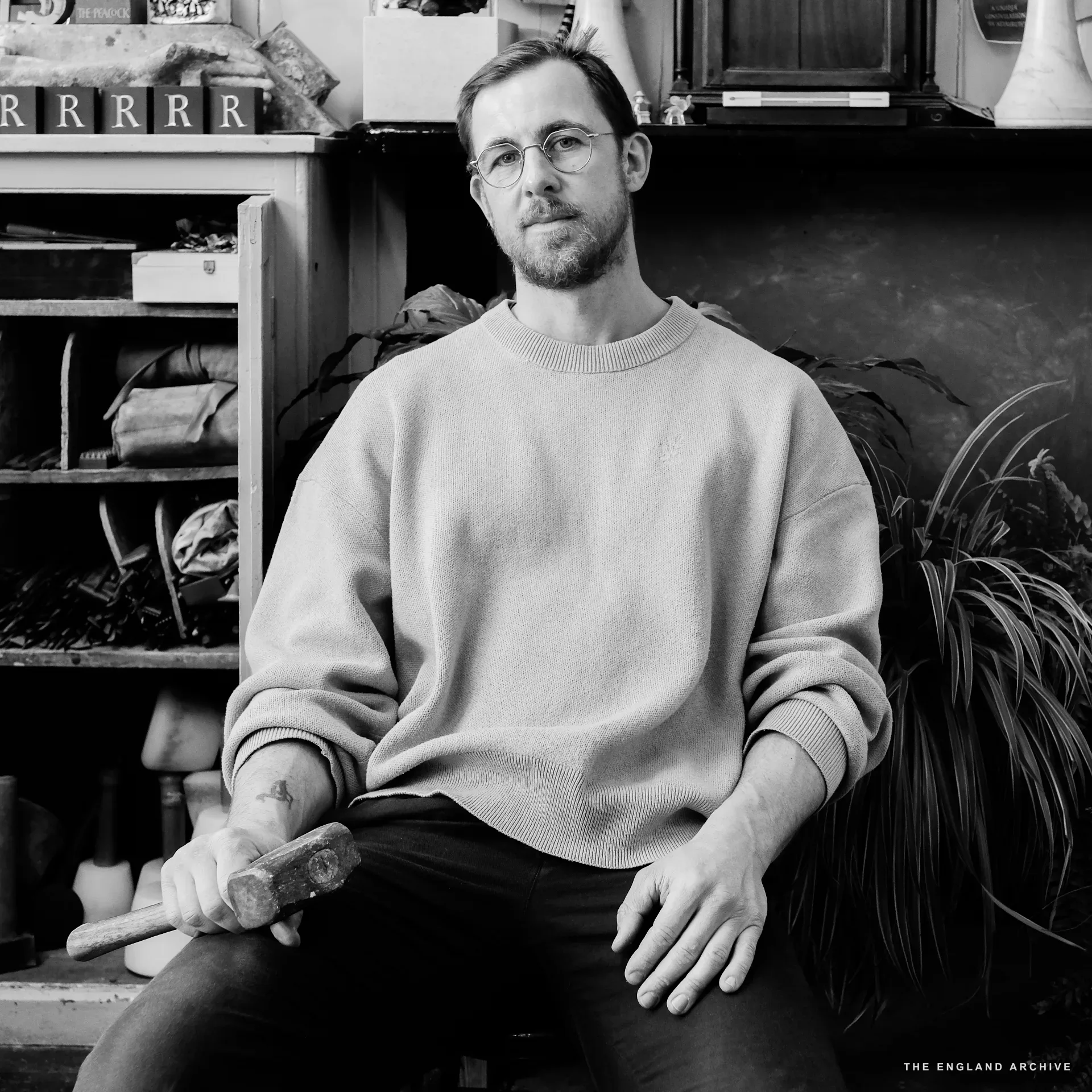
Designer at the Cardozo Kindersley Workshop, Cambridge. Younger son of David and Lida Kindersley, husband of Roxanne. The design hand of the workshop - most pieces begin as a sheet of paper and a pencil at his bench.
Lettercutter
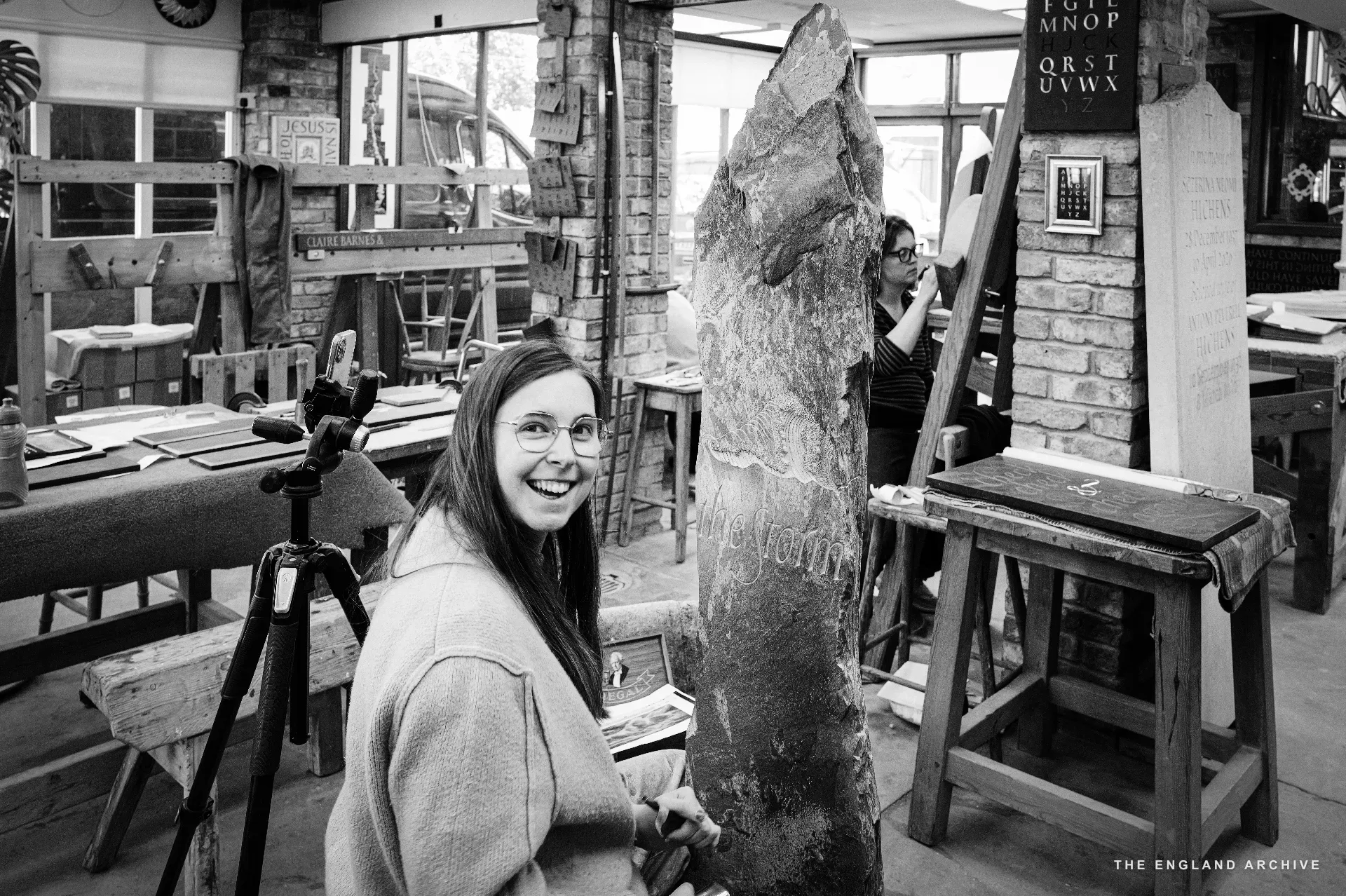
Lettercutter at the Cardozo Kindersley Workshop, Cambridge. Eight years at the bench. Roxanne Kindersley's longest-running apprentice and the cutter on the Storm and the Calm After the Storm memorial pillar.
Watchmaker
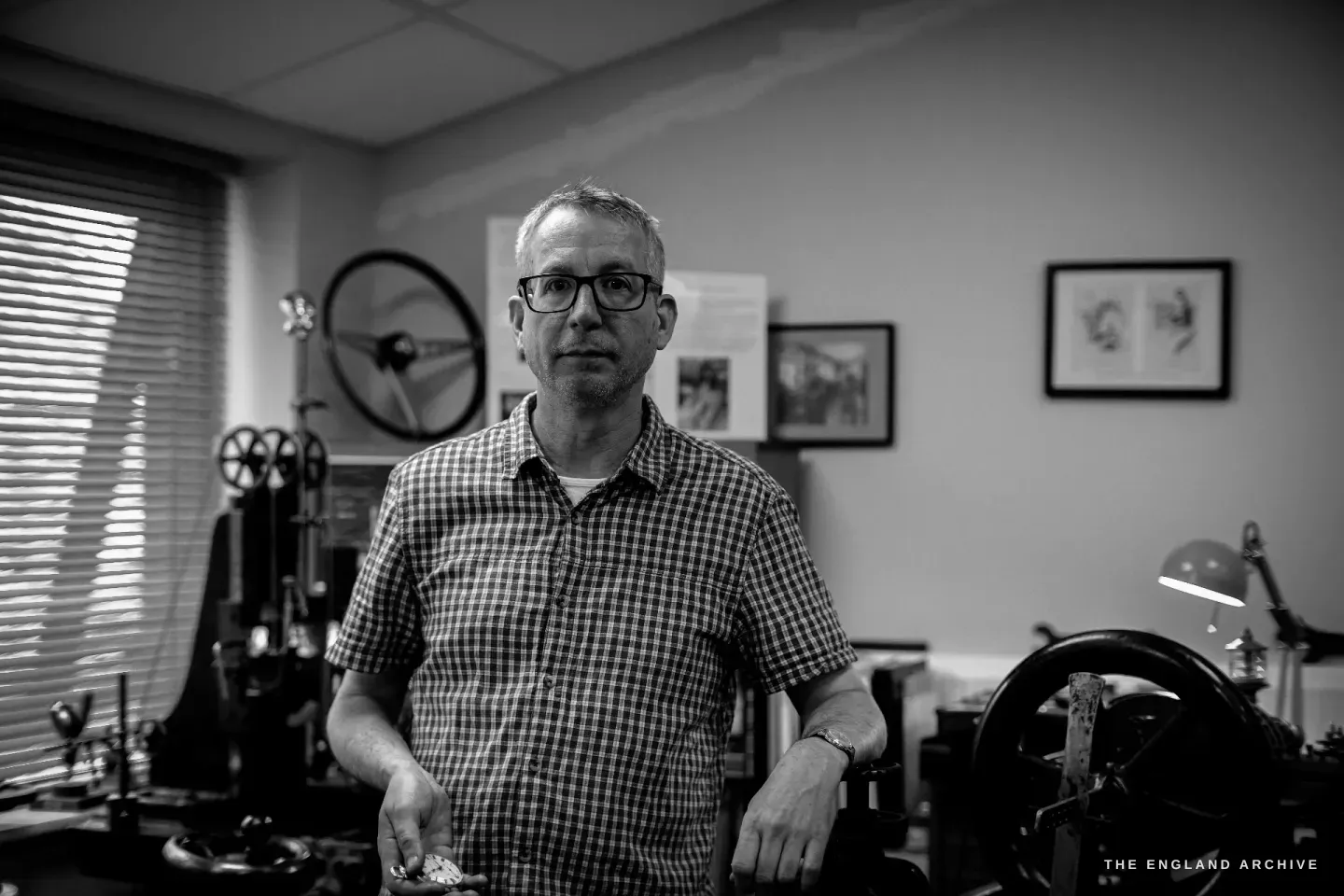
Watchmaker, case maker and engine turner at Grandeys Place near Much Hadham, Hertfordshire - an engineer who came to horology with no formal apprenticeship (informal training under an accomplished watchmaker, then tools and methods of his own), and is now one of a tiny handful of people in England making and engine-turning watch cases by hand. A QEST scholar who engine-turned the solid-gold mount of King Charles III's Royal Family Order for the Crown Jeweller. The archive's first horological subject.
Knitwear Designer
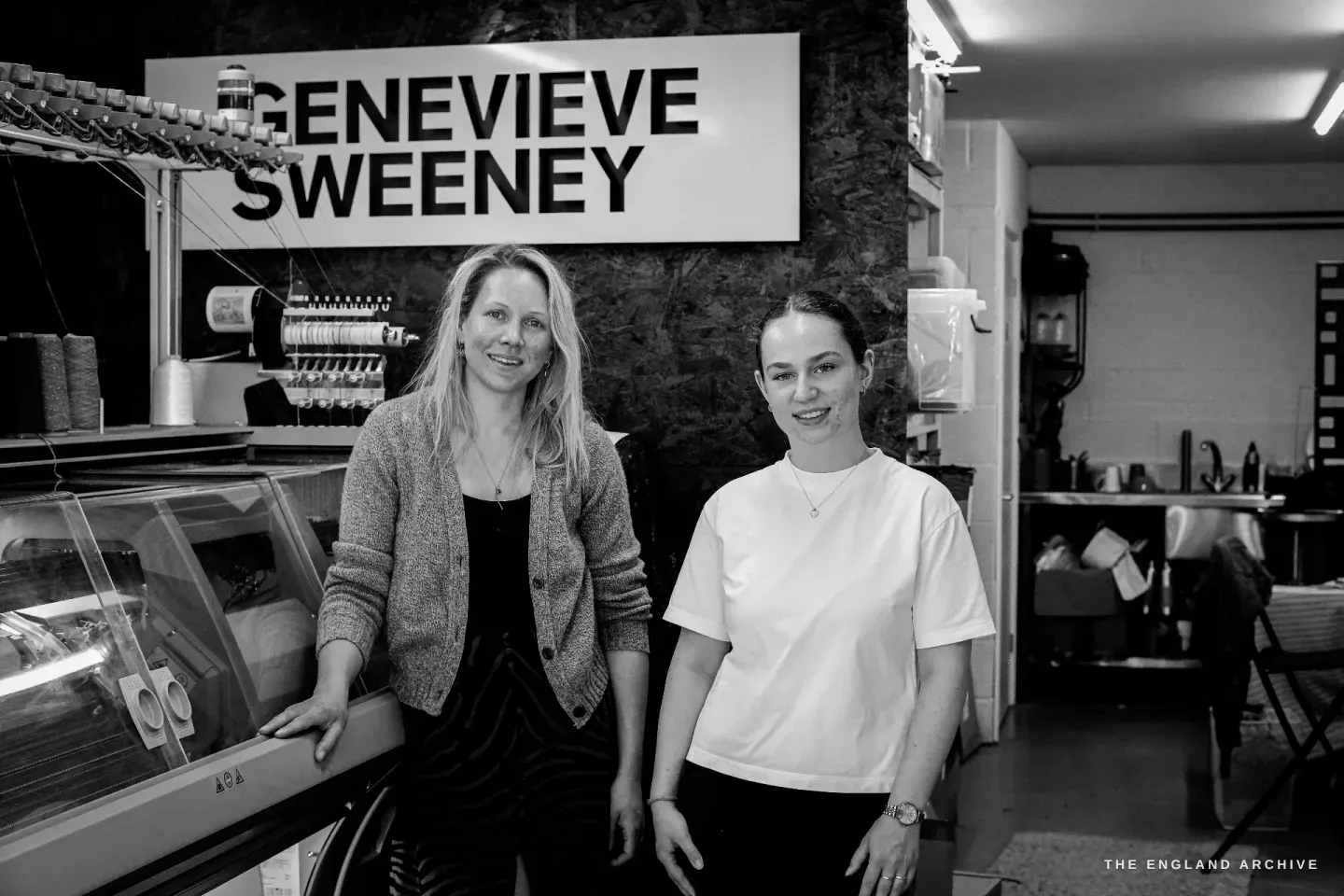
Knitwear designer and maker at Grandeys Place near Much Hadham, Hertfordshire. Trained in fashion knitwear at Nottingham Trent and shaped by years developing knit for Rag & Bone, Hugo Boss and Burberry, she built her own British label in 2015 to keep the country's knitwear skills alive - naturally dyed merino and lambswool, socks from a family-run Derbyshire mill, and a growing in-house studio where she has taken on her first apprentice, Poppy.
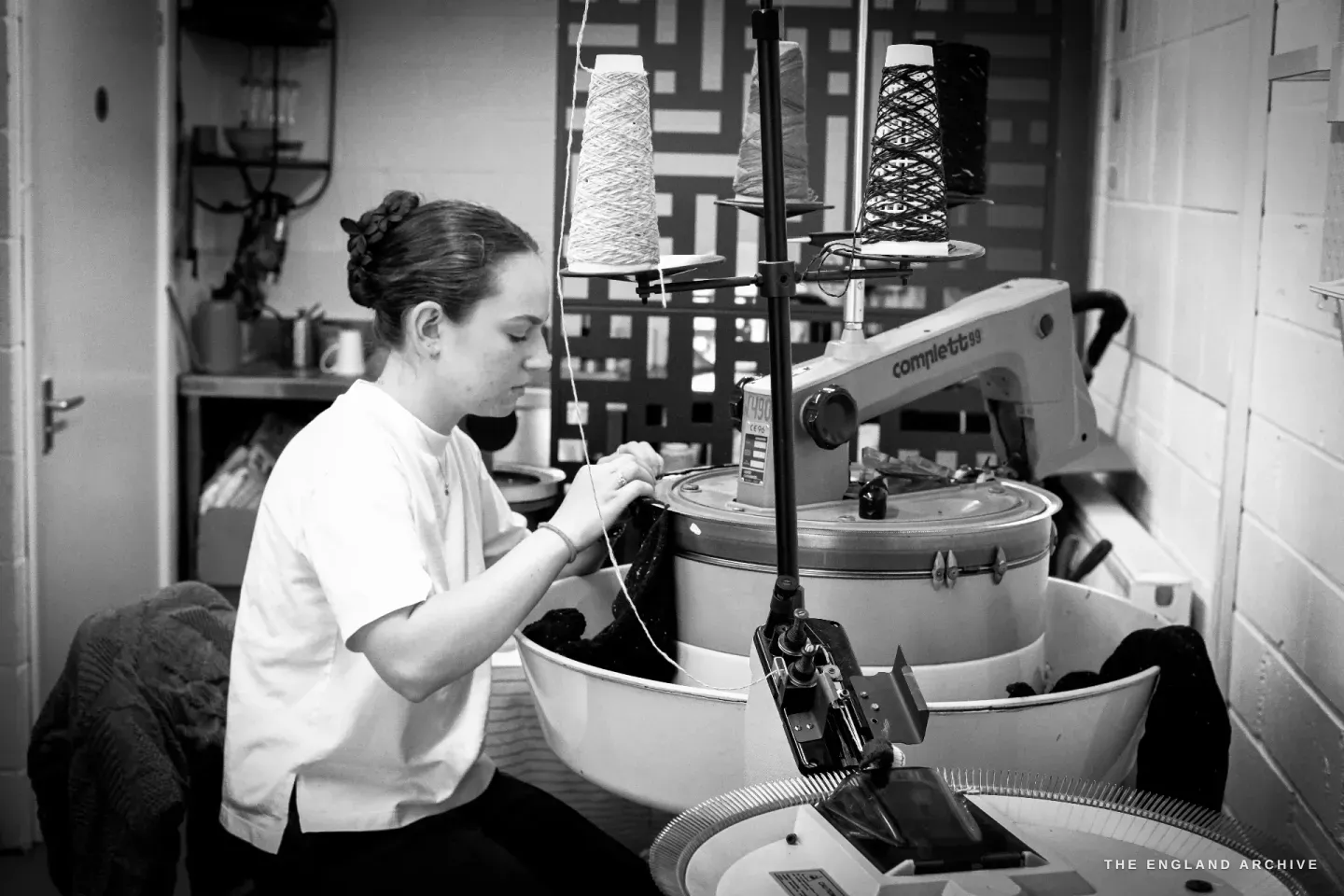
Knitwear Apprentice
Genevieve Sweeney's first apprentice, learning British knitwear from the cone up at Grandeys Place near Much Hadham. A film graduate who knitted with her grandmother as a child, she came through a four-month course and took to the machines and the linking bench fast - the next pair of hands in a craft the country is trying not to lose.
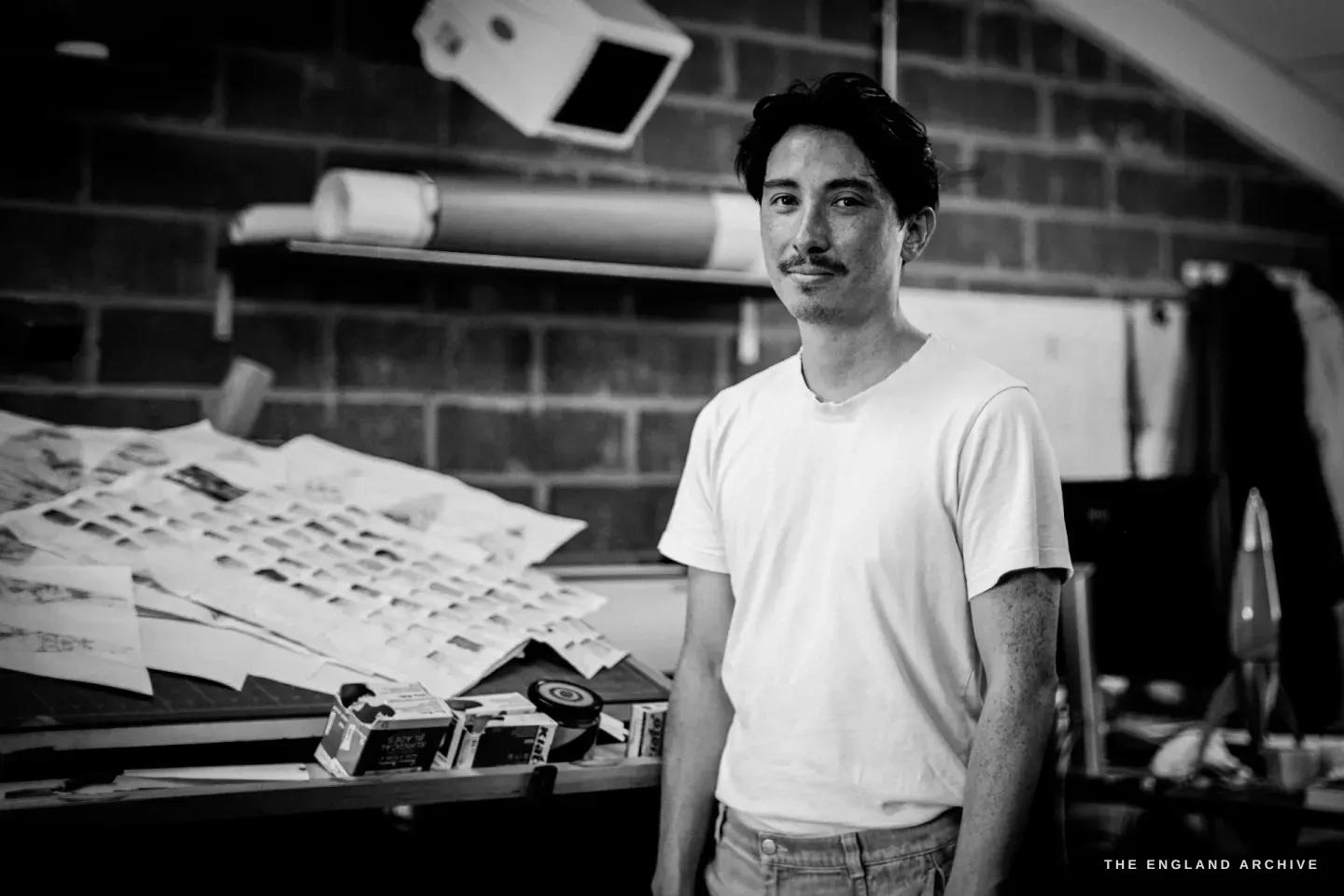
Globemaker
A maker of bespoke handmade globes - terrestrial and celestial - and a restorer of antique ones, working at Grandeys Place near Much Hadham. He learned the craft over the better part of a decade leading globe production at Bellerby & Co before founding his own studio, took a QEST scholarship and an MA in conservation, and is a Fellow of the Royal Geographical Society and a trustee of QEST. Globe-making by hand is a rare and endangered craft with no formal training route.
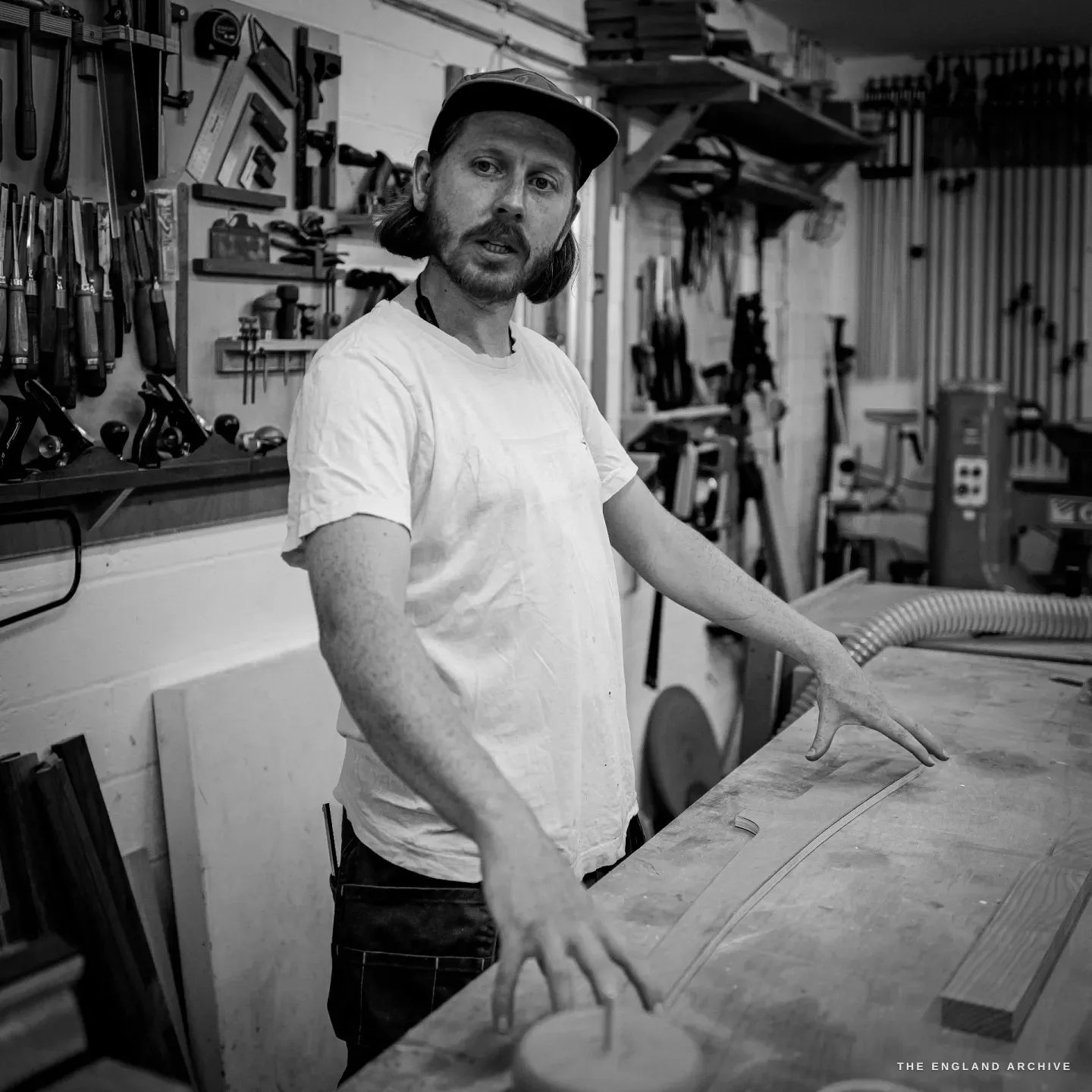
Woodturner & Furniture Maker
A woodturner and furniture maker at Grandeys Place near Much Hadham, who came to wood from illustration and printmaking. He trained turning globe stands at Bellerby & Co and produced furniture for the London studio Wilkinson & Rivera before building his own practice - turned bowls and centrepieces, furniture in a Scandinavian and Japanese register, and the bespoke wooden stands that hold Jonathan Wright's globes on the floor above.
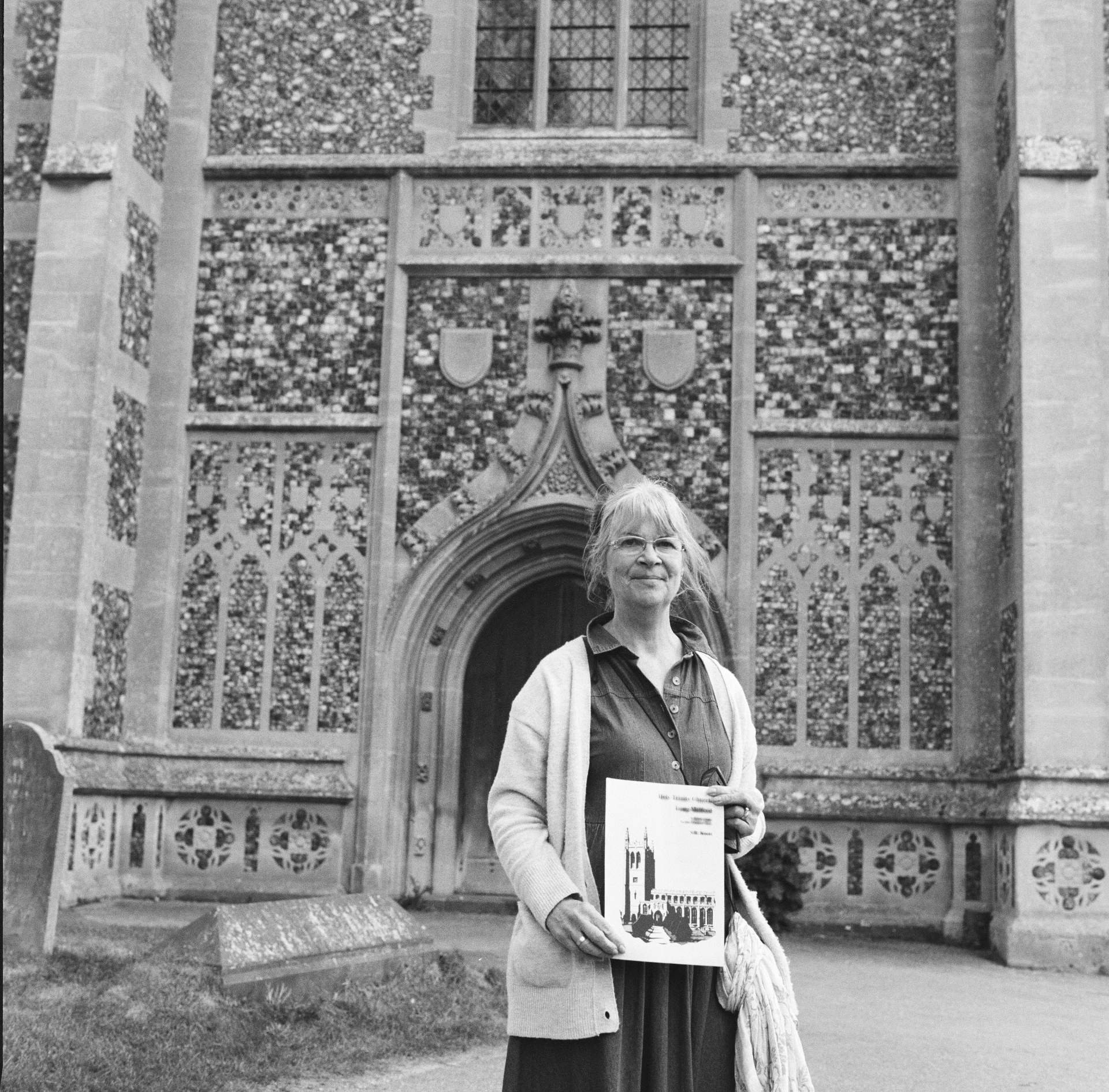
Lifelong resident of Long Melford and carrier of the lived texture of the village. Daughter of a founding member of the Long Melford Historical and Archaeological Society, she holds the grain of the place - what used to be where, who lived in which house, which trees stood on the Green before Dutch elm disease took them.
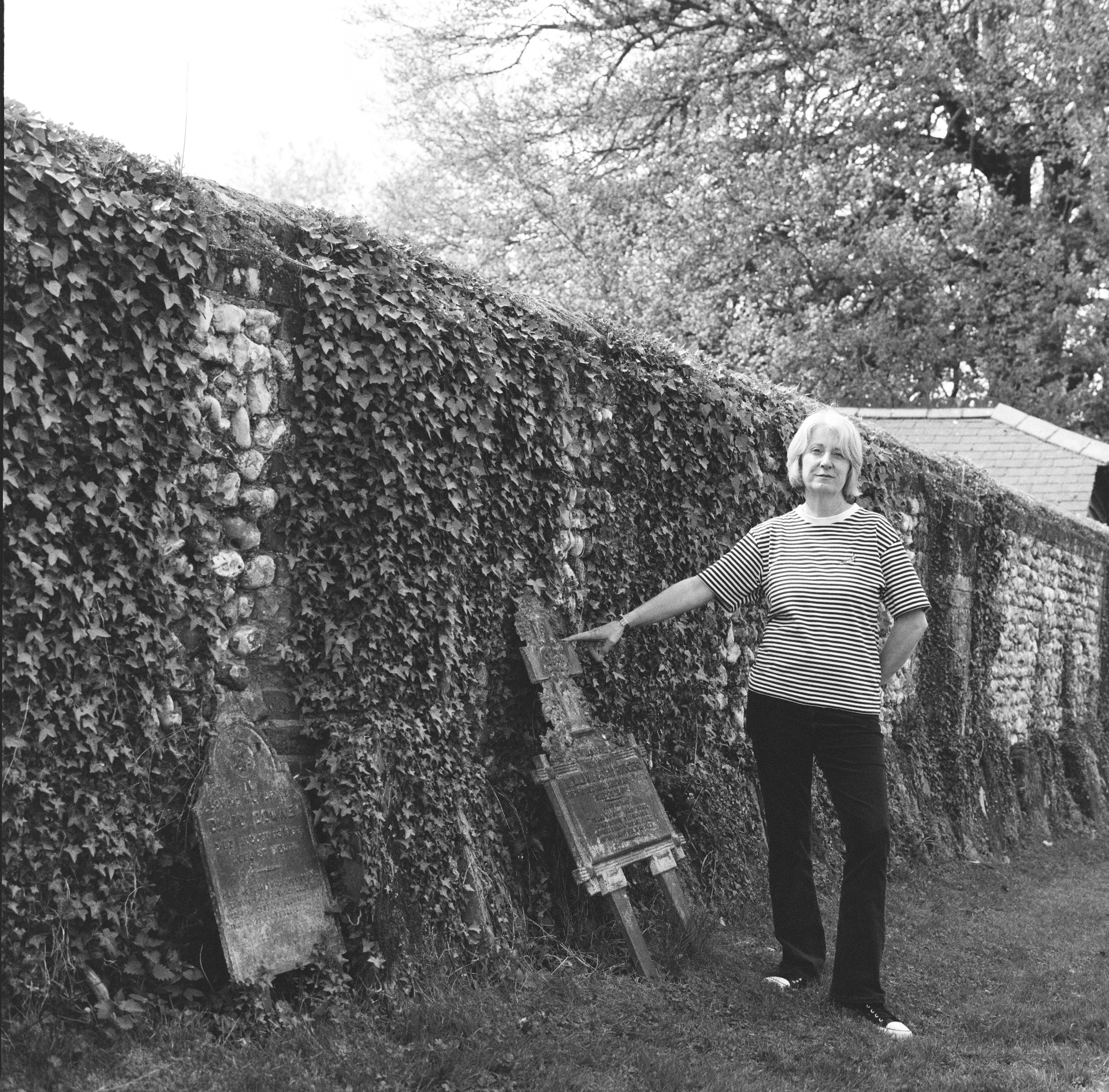
Historian and committee member of the Long Melford Historical and Archaeological Society. Keeper of the public record of the village - its dates, its buildings, its documents, and the order of events that made Long Melford what it is.
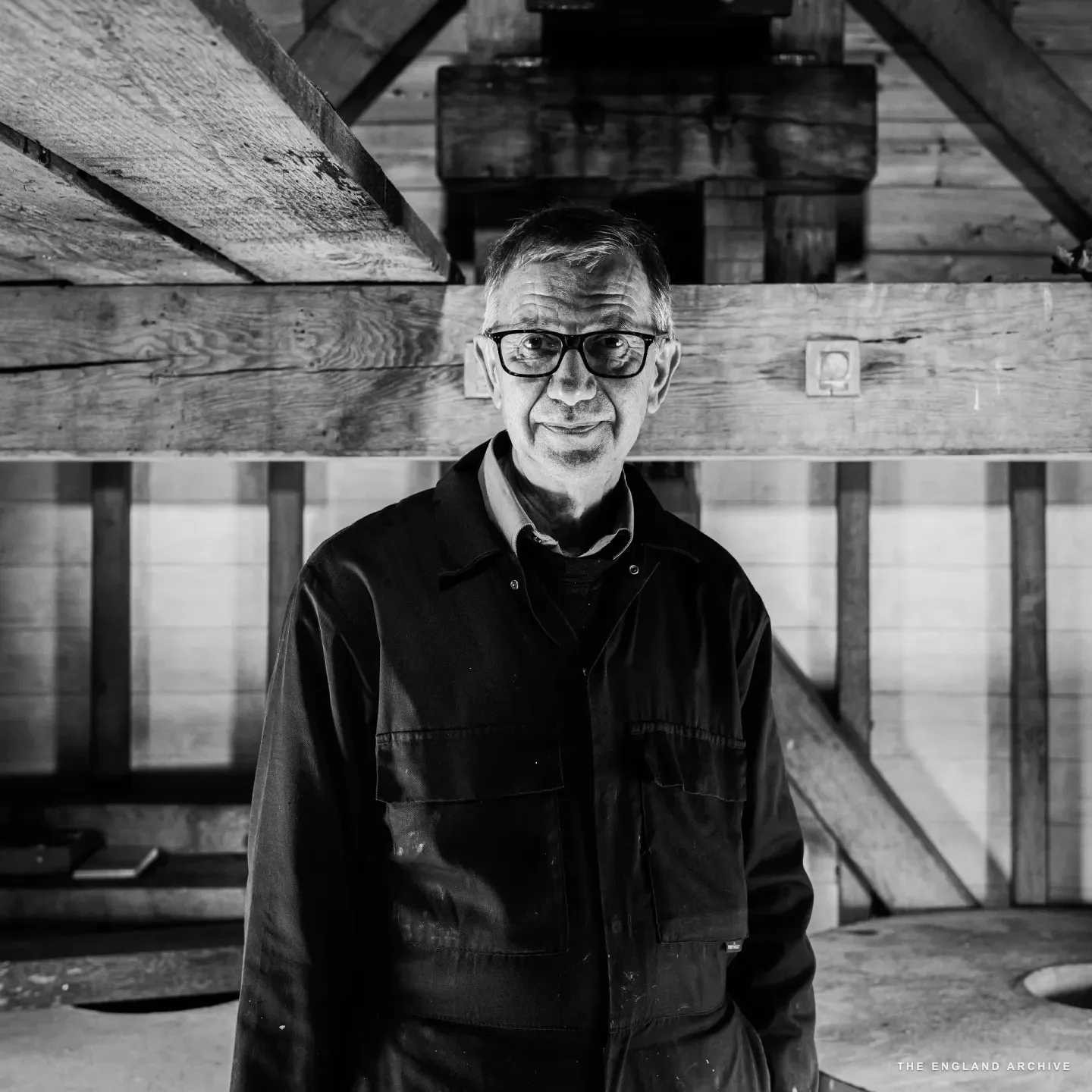
Retired Millwright
A retired millwright in South Walsham who built a fully working post mill from scratch on his own land, alongside two houses, multiple workshops, and barns full of restored vintage tractors, wagons, and steam engines. The first encounter that prompted the creation of the Gatherers category.
East Anglia\'s documentary significance lies in its extremes: the flatness of the landscape, the age of its traditions, the isolation of its communities. The fen stewards maintain a landscape that would revert to marshland without constant intervention. The reed cutters supply the thatchers with material grown in the same beds for centuries. The flint knappers of the Suffolk coast practise a skill that appears on the Heritage Crafts Red List as critically endangered.
The Archive\'s East Anglia work follows the seasonal calendar of the wetlands: willow harvesting in winter, reed cutting in autumn, eel catching through the summer months. These are traditions tied to landscape and season in the most direct way possible - the material must be gathered when it is ready, not when it is convenient.
The drained marshlands of Cambridgeshire. Eel catchers, wildfowlers, and stewards of a landscape that would revert to wetland without constant human maintenance.
Britain's largest protected wetland. Wherrymen, reed cutters, and marshmen who maintain a landscape most visitors see only from pleasure boats.
The crumbling coastline where flint knappers, net makers, and the last longshore fishermen work materials unchanged in centuries.
Makers A working millwright who has maintained and restored historic windmills across Norfolk and Suffolk for decades. The mill at Toft Monks works because Paul Kemp exists. That is not a small thing.
Makers Matriarch of the Cardozo Kindersley Workshop, Cambridge. Widow of David Kindersley. A typographer and stone letter-cutter in her own right who has run the workshop for thirty years and still comes in every day.
Makers Working head of the Cardozo Kindersley Workshop, Cambridge. She has taken over the running of the workshop from her mother-in-law Lida and now teaches apprentices, directs commissions, and keeps the 700-year-old craft of English stone lettering alive for a new generation.
Makers Designer at the Cardozo Kindersley Workshop, Cambridge. Younger son of David and Lida Kindersley, husband of Roxanne. The design hand of the workshop - most pieces begin as a sheet of paper and a pencil at his bench.
Makers Apprentice Lettercutter at the Cardozo Kindersley Workshop, Cambridge. Eight years at the bench. Roxanne Kindersley's longest-running apprentice and the cutter on the Storm and the Calm After the Storm memorial pillar.
Makers Watchmaker, case maker and engine turner at Grandeys Place near Much Hadham, Hertfordshire - an engineer who came to horology with no formal apprenticeship (informal training under an accomplished watchmaker, then tools and methods of his own), and is now one of a tiny handful of people in England making and engine-turning watch cases by hand. A QEST scholar who engine-turned the solid-gold mount of King Charles III's Royal Family Order for the Crown Jeweller. The archive's first horological subject.
Makers Knitwear designer and maker at Grandeys Place near Much Hadham, Hertfordshire. Trained in fashion knitwear at Nottingham Trent and shaped by years developing knit for Rag & Bone, Hugo Boss and Burberry, she built her own British label in 2015 to keep the country's knitwear skills alive - naturally dyed merino and lambswool, socks from a family-run Derbyshire mill, and a growing in-house studio where she has taken on her first apprentice, Poppy.
Makers Apprentice Genevieve Sweeney's first apprentice, learning British knitwear from the cone up at Grandeys Place near Much Hadham. A film graduate who knitted with her grandmother as a child, she came through a four-month course and took to the machines and the linking bench fast - the next pair of hands in a craft the country is trying not to lose.
Makers A maker of bespoke handmade globes - terrestrial and celestial - and a restorer of antique ones, working at Grandeys Place near Much Hadham. He learned the craft over the better part of a decade leading globe production at Bellerby & Co before founding his own studio, took a QEST scholarship and an MA in conservation, and is a Fellow of the Royal Geographical Society and a trustee of QEST. Globe-making by hand is a rare and endangered craft with no formal training route.
Makers A woodturner and furniture maker at Grandeys Place near Much Hadham, who came to wood from illustration and printmaking. He trained turning globe stands at Bellerby & Co and produced furniture for the London studio Wilkinson & Rivera before building his own practice - turned bowls and centrepieces, furniture in a Scandinavian and Japanese register, and the bespoke wooden stands that hold Jonathan Wright's globes on the floor above.
The Sussex trugg - a garden basket woven from sweet chestnut and willow. One man still makes them by hand on the Suffolk coast.
The eel catchers of the Fens - the last practitioners of a trade that sustained the wetland communities for a thousand years.
The wherrymen of the Norfolk Broads - the cargo sailors who kept the waterways alive, and the handful who still maintain the last trading wherries.
The churchwardens of rural England - the people who keep the doors open, the roof repaired, the registers maintained. A role that has existed since the Middle Ages.
What happens when the last person who saw something dies? An archive of memory before it disappears.
Rememberers Lifelong resident of Long Melford and carrier of the lived texture of the village. Daughter of a founding member of the Long Melford Historical and Archaeological Society, she holds the grain of the place - what used to be where, who lived in which house, which trees stood on the Green before Dutch elm disease took them.
Rememberers Historian and committee member of the Long Melford Historical and Archaeological Society. Keeper of the public record of the village - its dates, its buildings, its documents, and the order of events that made Long Melford what it is.
East Anglia is a landscape perpetually fighting water. The Fens, the Broads, and the Suffolk coast exist only because someone maintains them daily - without stewards, they revert to swamp and sea within a generation.
English stone letter-cutting from the Trajan tradition through Eric Gill and David Kindersley to the Cardozo Kindersley Workshop in Cambridge. The craft, its history, its living lineage, and the state of the discipline in 2026.
Someone who specifically rescues Victorian and Edwardian glass plate negatives and lantern slides from house clearances. Every box saved is a hundred years of someone's careful documentation of a single parish, preserved from landfill.
Someone preserving and maintaining agricultural machinery from the pre-mechanisation era. Not just the machine but its provenance, its working history, and the engineering logic behind design choices made a century ago.
Gatherers A retired millwright in South Walsham who built a fully working post mill from scratch on his own land, alongside two houses, multiple workshops, and barns full of restored vintage tractors, wagons, and steam engines. The first encounter that prompted the creation of the Gatherers category.
“The flattest landscape in England holds the deepest traditions. What the fens lack in drama they make up for in persistence - these skills have outlasted every century since the drainage began.”