The arguments
the archive holds.
Long-form documentary essays. Structural arguments about volunteer crisis and oral memory, craft monographs on letter-cutting and Thames boat-building, regional surveys of the Ridgeway and the South Downs, manifestos for each of the archive’s six categories of people. Each essay is the considered argument behind the photographic record - the place where the archive stops describing and starts reasoning about what it has seen.
The People Who Carry England
A foundational exploration of what defines the Carriers - people whose annual personal commitment is the only thing between continuation and silence.
The Date That Must Not Move
Why traditions are tied to specific dates, why moving them to convenient weekends would change them fundamentally, and how the calendar itself is part of the meaning.
When the Ceremony Stops
The mechanics of how calendar traditions actually end - not dramatically but through thinning participation, skipped years, and the quiet accumulation of absence.
The Succession Trap
How carrier traditions recruit and fail to recruit their next generation - and why the person doing the work is always too busy to train a replacement.
The Knowledge in Motion
What carriers know that cannot be written down - the embodied, performative knowledge that exists only in the doing and vanishes when the doing stops.
Open and Closed
The spectrum of access in English carrier traditions - from open spectacles to closed ceremonies - and the ethics of documenting traditions that may not want to be documented.
The Last Coracle Makers
A tradition older than England itself. The men who still build and fish from coracles on the rivers of Wales and the border counties - and the question of what happens when they stop.
The Last Trugg Maker
The Sussex trugg - a garden basket woven from sweet chestnut and willow. One man still makes them by hand on the Suffolk coast.
The Norfolk Wherryman
The wherrymen of the Norfolk Broads - the cargo sailors who kept the waterways alive, and the handful who still maintain the last trading wherries.
The Punt Builder
The Thames punt - a flat-bottomed boat that has been part of the river for centuries. One workshop in Henley still builds them by hand.
The Oldest Road
The Ridgeway has been walked for five thousand years. The people who maintain it are stewards of England's oldest continuous pathway.
The Dry Stone Waller
From the Cotswolds to the Yorkshire Dales, England's dry stone walls are built without mortar - stone on stone, shaped by hand, standing for centuries. The wallers who build and repair them carry knowledge that cannot be written down.
The Cider Orchardist
The perry pear trees of Herefordshire take a generation to fruit. The families who tend them are custodians of a patience that modern agriculture has abandoned.
The Marches Hedge Layer
The hedges of the Welsh Marches are living structures - laid by hand, maintained across generations. The hedge layers carry a craft that shaped the English landscape.
The Willow Weaver
The Somerset Levels were built on willow. The weavers who still work the withies are maintaining a craft and a landscape simultaneously.
The Volunteer Problem
Every tradition depends on volunteers. What happens when the volunteers stop coming? A look at the crisis facing England's living traditions.
When the Keeper Leaves
What happens to a tradition when its keeper dies, retires, or simply gives up? An essay on the fragility of institutional memory.
The Architecture of Obligation
Why certain buildings demand human custodians - and what happens to the building, and to us, when the custodian is removed.
The Volunteer Crisis
England's living traditions depend on people who show up. What happens when they stop? A look at the crisis facing the country's voluntary infrastructure.
The Keys and the Register
On the physical objects that keepers carry - the keys, the ledgers, the seals, the registers - and what they represent about continuity and trust.
The Last Parish
The parish is England's smallest unit of belonging. In the places where it still functions, one person holds it together. An essay on the edges of institutional survival.
The Thatcher
The thatchers of the Cotswolds - the craft of covering a roof with reed and straw, a skill that takes a decade to learn and a lifetime to master.
The People Who Remember England
A foundational exploration of why living memory matters - what the Rememberers carry, why it cannot be found in any archive, and why this decade is the last window.
The Last Generation of Witnesses
The people born in the 1930s and 1940s are the last direct witnesses to a fundamentally different England. This decade is the last window to reach them.
Landscape Memory
What farmers, shepherds, and rural people know about the land that maps cannot hold - and what happens when that knowledge dies with them.
Before the Motorway
The social geography of England before the car changed everything - how villages functioned as self-contained worlds when travel was bounded by walking distance.
The Unrecorded
The gap between official history and living memory - what the parish register never wrote down and what happens when the last person who knew it dies.
The Village That Television Built
How the screen in the corner dissolved the social infrastructure of English village life and replaced local culture with national culture.
Memory as Heritage
An essay on why oral memory - the unwritten, the unrecorded, the unrepeatable - deserves the same protection as a listed building.
The Managed Wild
Virtually nothing in the English landscape is natural. Every hedge, meadow, and woodland is a human artefact - and when the maintenance stops, England stops looking like England.
The 97 Percent
England has lost 97% of its wildflower meadows since 1945. What happened, why, and what the remaining 3% tells us about stewardship.
The Seasonal Round
The steward's year is dictated by biology, not convenience. Every task has a window and the window cannot be moved.
The Economics of Care
Why stewardship doesn't pay - and the people who do it anyway, not because the market rewards them but because someone has to.
Reading the Land
The English landscape is a text written by the people who maintain it. The signs of steward work are everywhere - if you know how to look.
The City as Village
London is not one city but a patchwork of medieval parishes, ancient guilds, and ceremonies maintained by individual keepers - churchwardens of empty City churches, clerks of Livery Companies, porters of the Inns of Court.
The Drowned Land
East Anglia is a landscape perpetually fighting water. The Fens, the Broads, and the Suffolk coast exist only because someone maintains them daily - without stewards, they revert to swamp and sea within a generation.
The Fire and the Chalk
The South Downs sustain an unusually dense concentration of carrier traditions - from Lewes Bonfire's six societies to the maintenance of chalk hill figures and the downland sheep fairs that have run since the Middle Ages.
The River’s Memory
The Thames Valley is England's most layered landscape of memory - Oxford's medieval ceremonies, the lock keepers' knowledge of the river, the farmers along the Ridgeway who know which tumuli are which.
The Grammar of Stone
The Cotswolds are defined by oolitic limestone - one material that creates dry stone walls, stone slate roofs, and ashlar buildings. The few remaining quarrymen, stone slate roofers, and masons speak a language the stone dictates.
The Border Country
The Welsh Marches created a unique carrier culture - the Abbots Bromley Horn Dance, border morris, wassailing, coracle racing - traditions born of a frontier that bred defiance, independence, and fierce local identity.
The Water and the Withy
The Somerset Levels are England's most precarious managed landscape - a vast wetland kept habitable by rhynes, pumping stations, and the withy growers and marshmen who maintain it against the water's constant return.
The Hefted Flock
In the Yorkshire Dales, fell sheep learn their territory from their mothers across generations. The farmer, the flock, and the fell are a single system - and when one element is removed, the knowledge of centuries is lost.
The People Who Gather England
They are not institutions. They are individuals who have spent decades gathering, rescuing, and preserving the fragments of England that nobody else thought to keep. When their collections disperse, the connections between the objects go with them.
The Dispersal
When a Gatherer dies, the collection enters a period of acute vulnerability. The family must clear the house. The auction house takes the silver. The parish magazines go to landfill. The knowledge of what connected the objects is already gone.
The Collection as Record
The difference between a collection and an accumulation is knowledge. A Gatherer's collection is not a set of objects but a set of relationships between objects, held together by one person's understanding of what they mean.
The Trade Preservers
People who watched entire industries close and saved what they could. Sheffield cutlery, Nottingham lace, the printing trades. The last generation who witnessed the destruction and chose to resist it by keeping what they could carry.
The Glass and the Paper
Glass plate negatives, lantern slides, nitrate film, paper ephemera. The most fragile records of English life are preserved by private individuals who retrieve them from house clearances and demolitions before they are destroyed.
The Workshop in the Garage
Some Gatherers do not just keep the objects. They keep them working. In garages, sheds, and converted outbuildings across England, complete workshops are maintained in operational condition by people who believe that a tool not used is a tool already lost.
The Institutional Gap
The heritage sector was built to preserve what institutions collect. It was not built to preserve what private individuals rescue. The gap between these two systems is where England’s local heritage is lost.
The Parish Keeper
Every village has one person who knows. Which family lived in which house, what the high street looked like before the bypass, where the mill stood, when the school closed. They are the parish keeper, and they are usually the last.
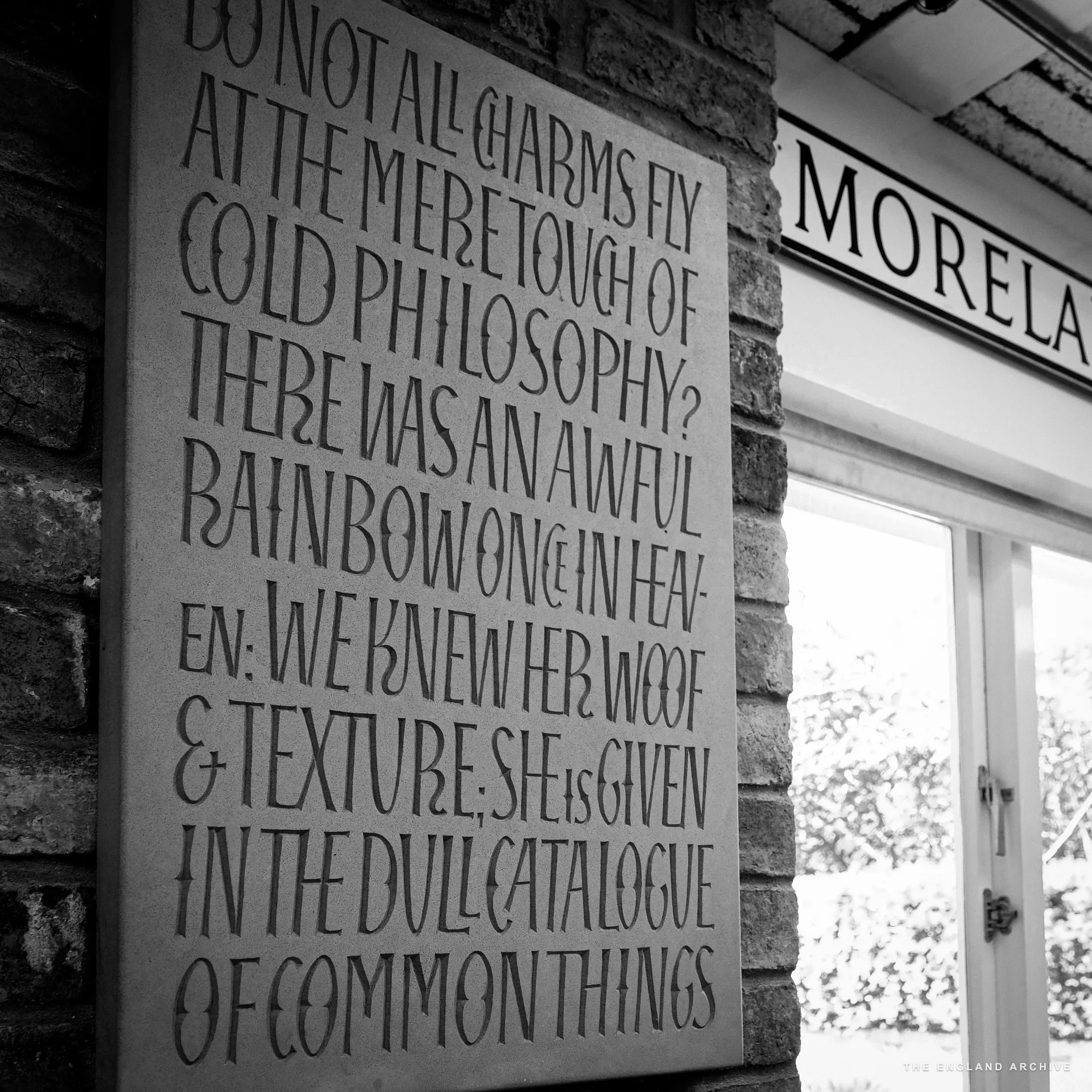
Letter Cut in Stone
English stone letter-cutting from the Trajan tradition through Eric Gill and David Kindersley to the Cardozo Kindersley Workshop in Cambridge. The craft, its history, its living lineage, and the state of the discipline in 2026.
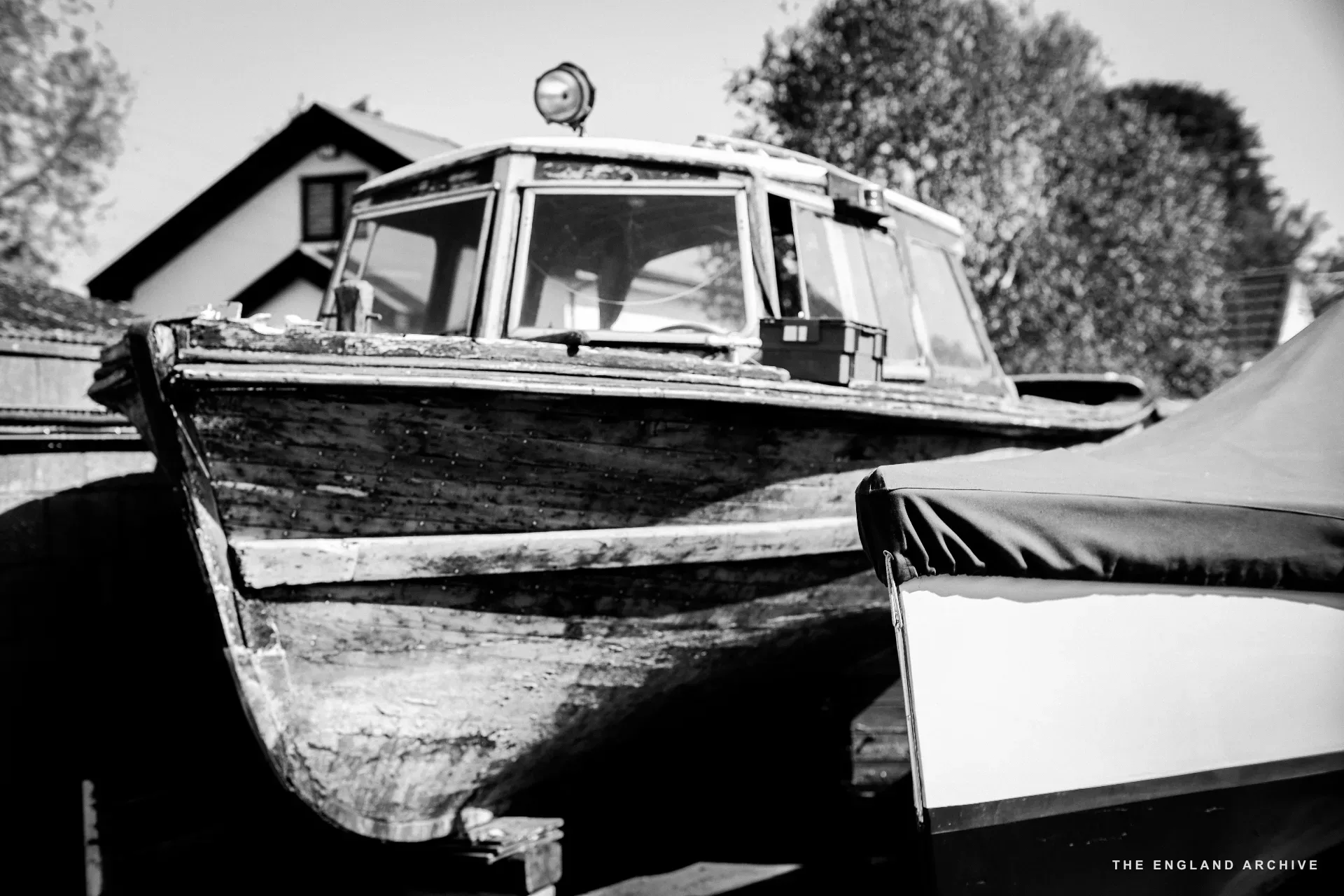
Upper Thames Boats
The Thames pleasure-craft tradition from the Edwardian slipper launch through the mid-century Surrey yards to the restoration workshops carrying the trade forward today. The Dennett yard at Laleham as the living lineage.
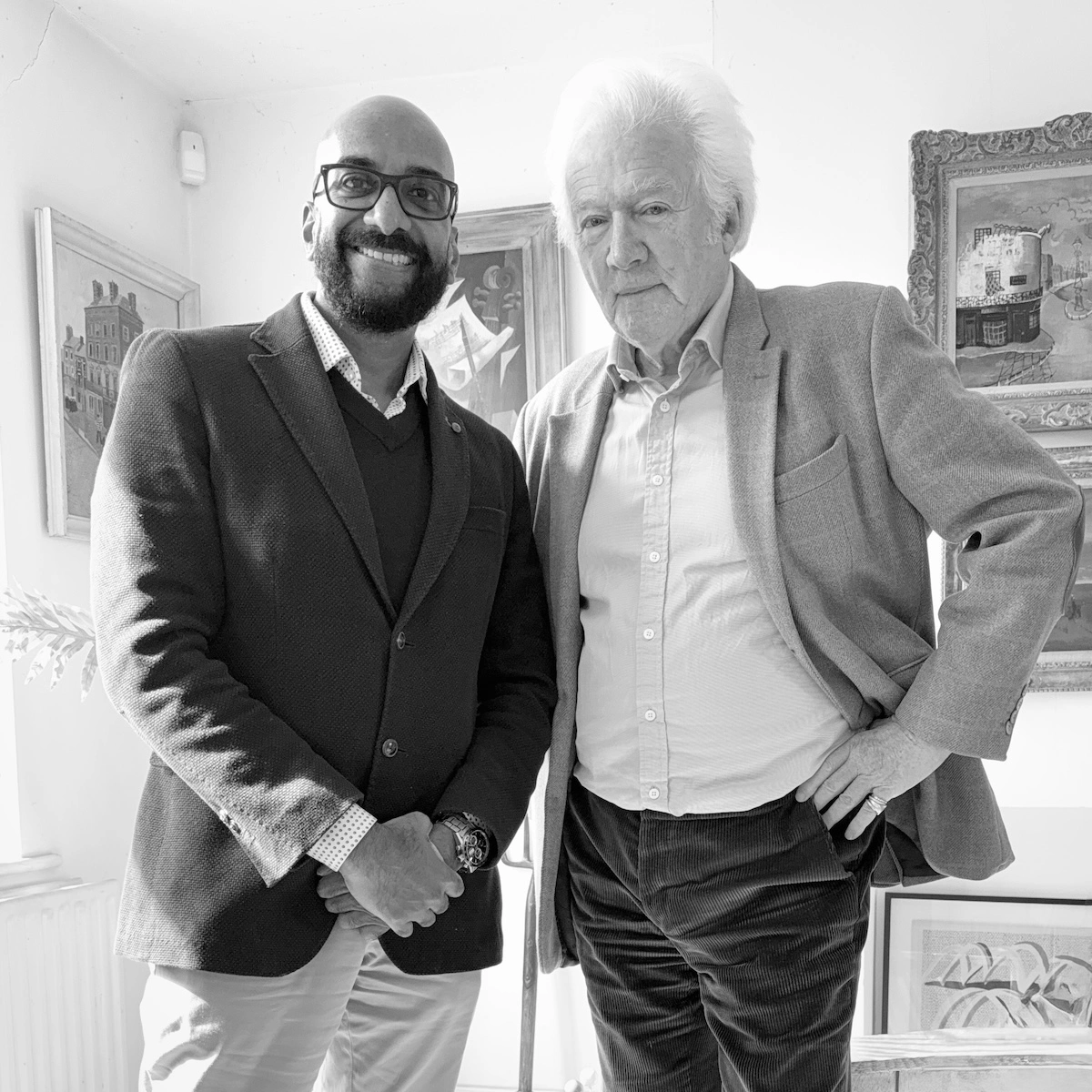
The Documentary Lineage
The England Archive sits inside an English documentary photography tradition that runs from Benjamin Stone in 1897 through Walker Evans, Simon Roberts and Homer Sykes into the present. An essay on the lineage, the editorial inheritance, and where this archive intends to diverge from it.
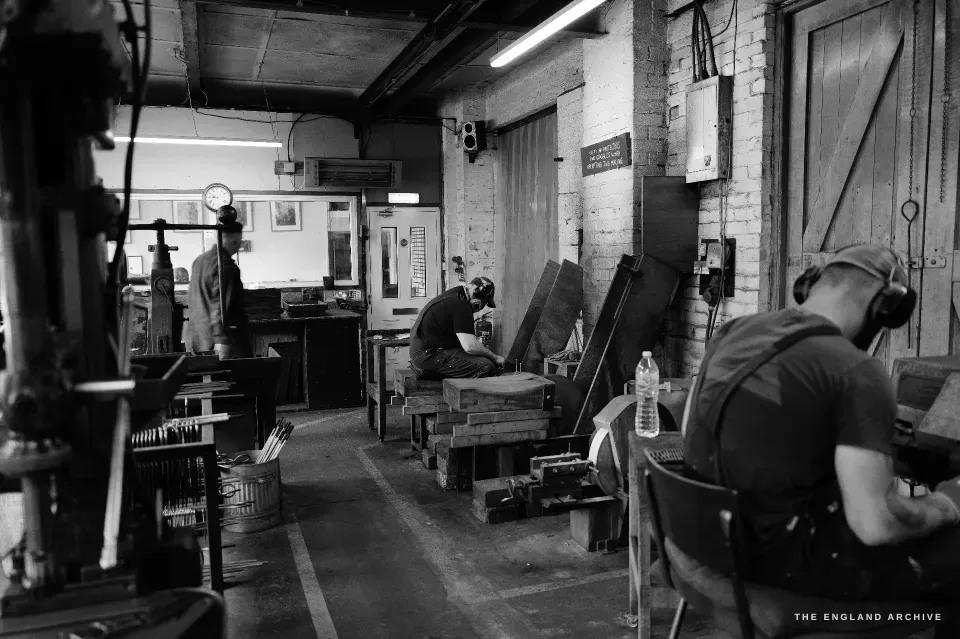
A Morning at Ernest Wright
Ernest Wright has made scissors by hand in Sheffield since 1902 - the last hand-scissor workshop in the centre of a city that once had a hundred. Founded by five generations of one family, brought to the edge of extinction, and rescued in 2018 by two men who would not let it die, it is now one of England's most quietly iconic workshops. A morning inside, from the red door on Broad Lane to the putter who marries the blades.
A Morning at William Wright
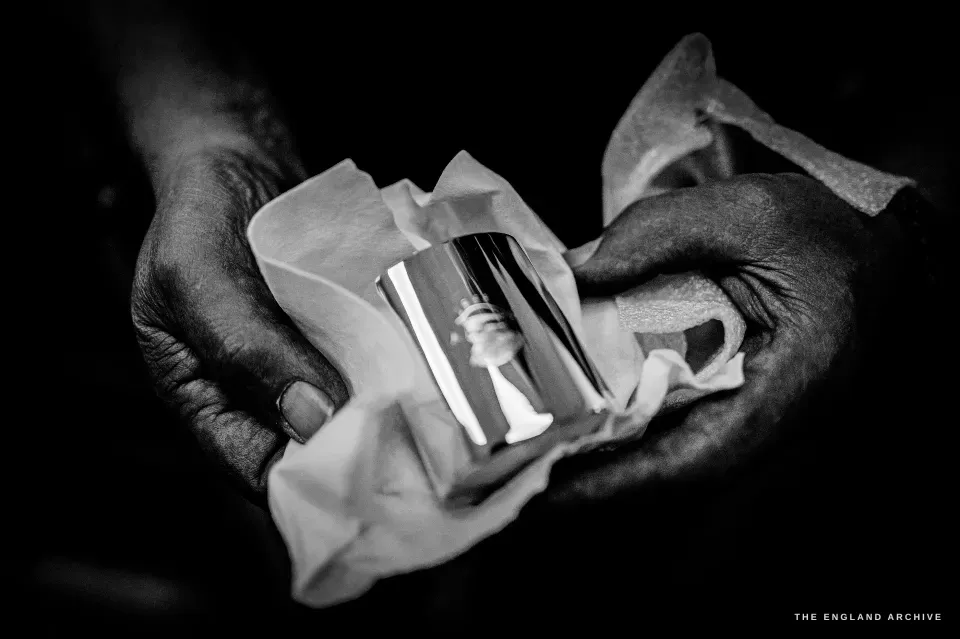
William Wright has made cutlery and silverware by hand in Sheffield for close to a century, the works named for the William Wright who came home from Burma into the trade. His youngest son Stephen runs it now and can do every job in the building. A morning on the floor, from the rolling mills and the drop-stamp presses to the plating tanks, the polishing spindles and the dispatch bench - forks, spoons, teapots and trays, a whole Sheffield table made under one roof.
The Craft of Bell Founding
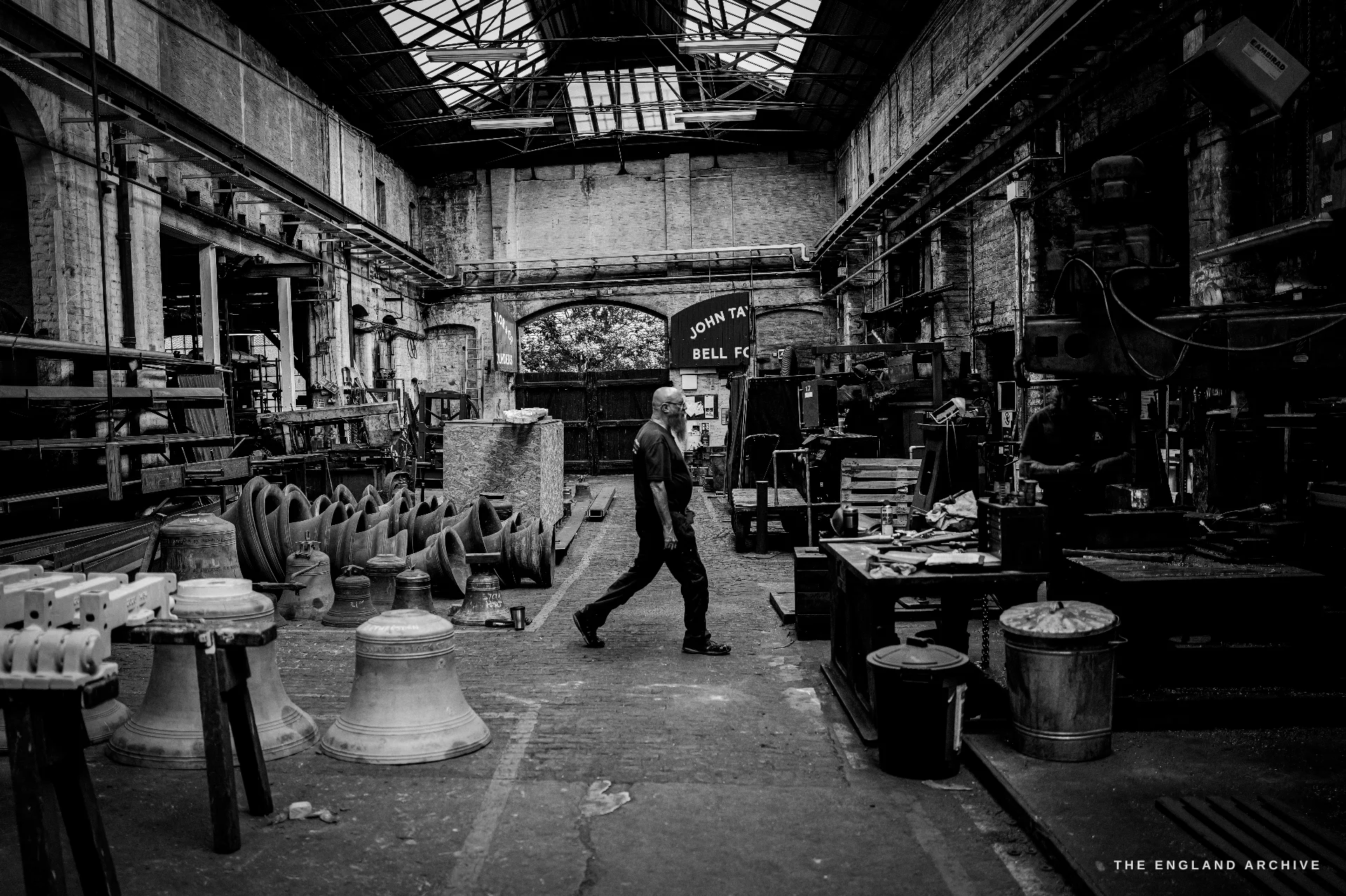
Bell founding is the casting and tuning of bells from bronze, an English trade unbroken since the fourteenth century and now held by a handful of foundries - chief among them John Taylor & Co in Loughborough, the last major bell foundry in Britain. How a bell is moulded, cast, and tuned to its five notes by hand, why the craft is on the Heritage Crafts Red List, and who is keeping it alive.
Cutlers' Hall
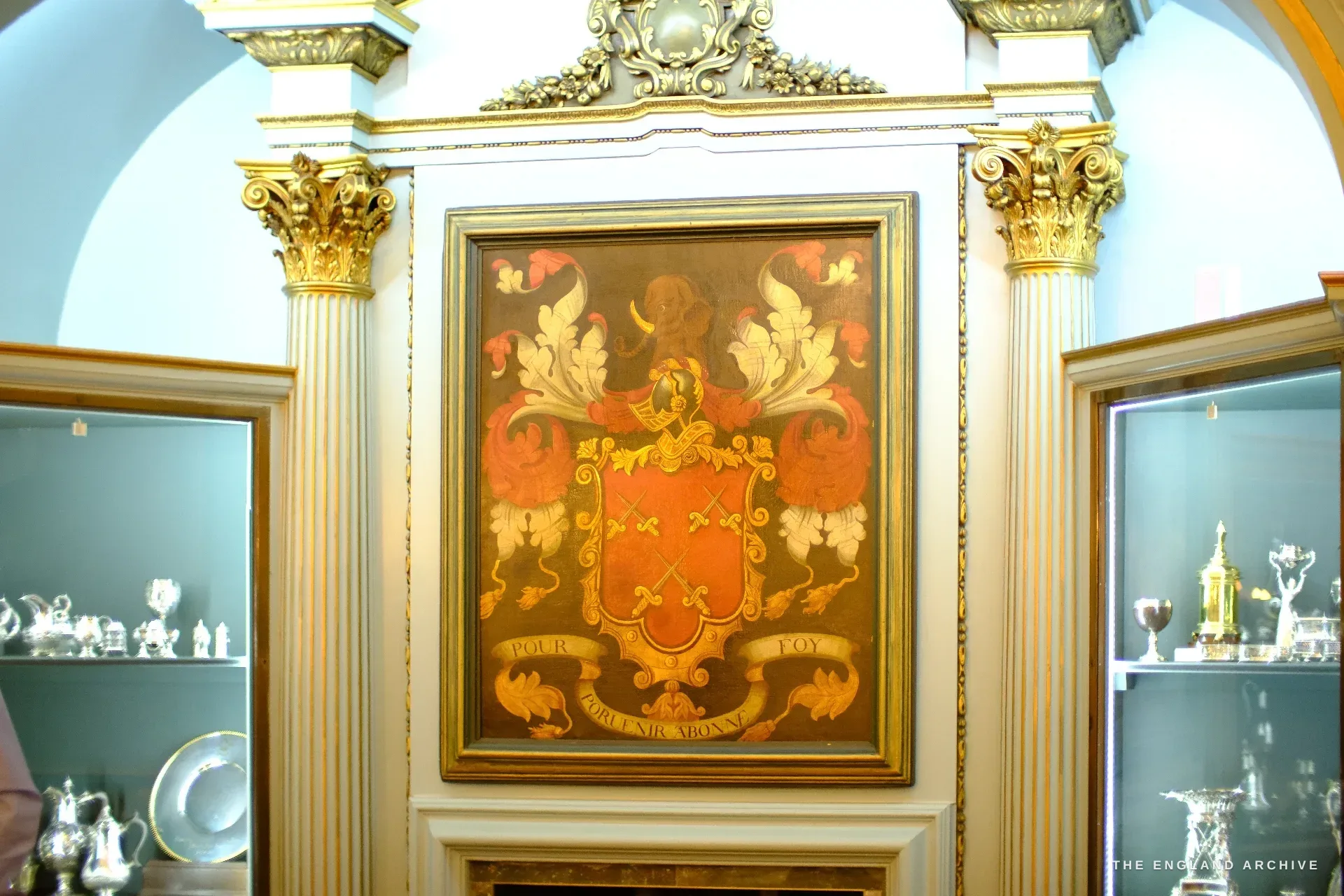
Cutlers' Hall on Church Street is the home of the Company of Cutlers in Hallamshire, the body that has governed the Sheffield metal trades and struck their marks since 1624. A private tour of the Hall - the silver, the painted arms, the Master Cutler nameplate - and the exhibition held under its roof where the archive first met the jeweller Yuyi Cheng.
A Morning at Westley Richards
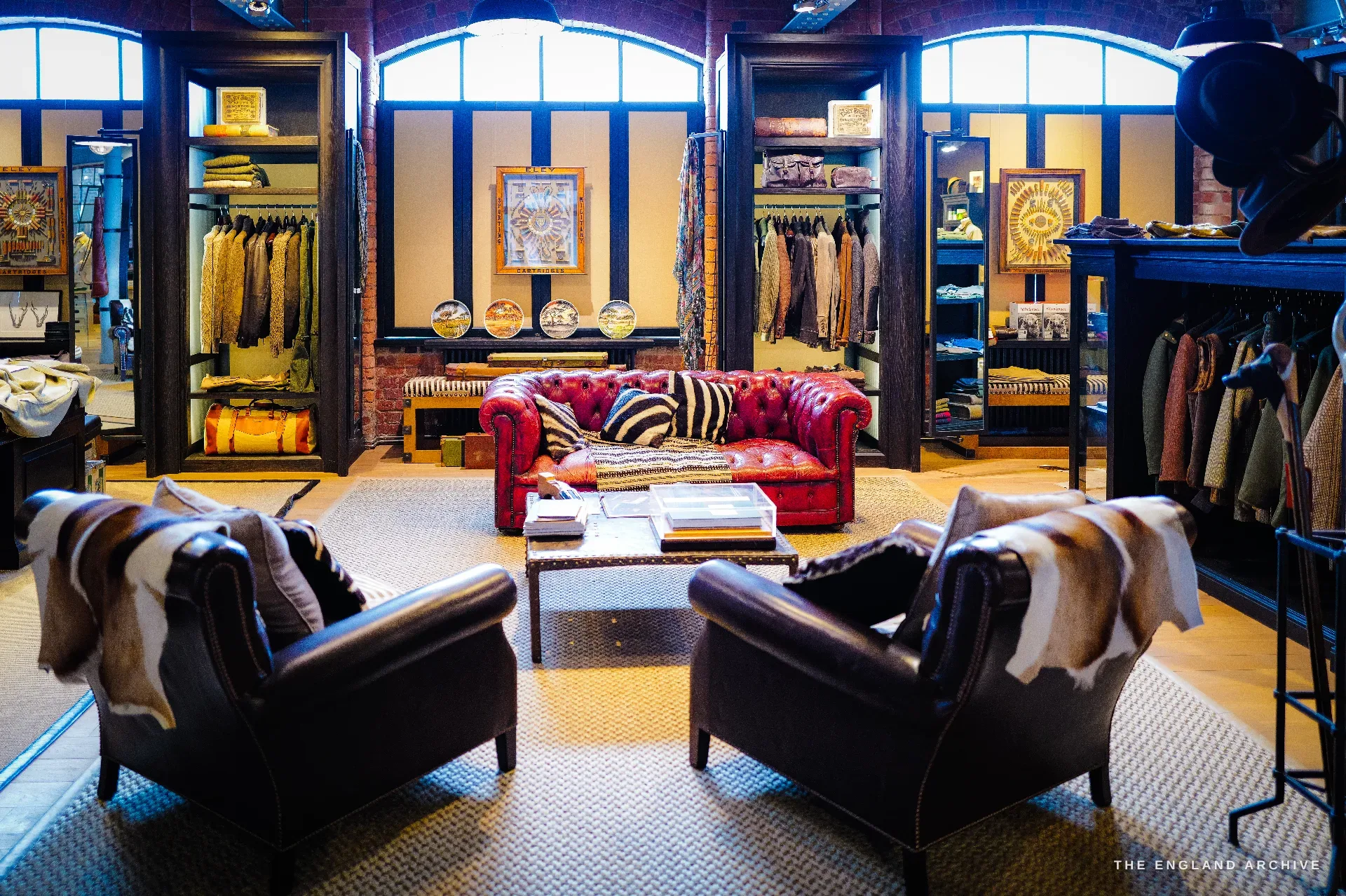
Westley Richards has built best guns and rifles in Birmingham since 1812, under royal warrants that run back to Queen Victoria. A morning inside the Pritchett Street manufactory - the sporting-luxury showroom, the strongroom of racked guns, the big-game and safari heritage the firm still carries - and up the stairs to the one craftsman I was able to document, the engraver Leo Lambert.
Cut in Steel and Gold
English gun engraving - the hand-cutting of scroll, game scenes, borders and lettering into the metal of a best gun, and the inlaying of gold into the cuts. What the craft is, the tradition it comes out of, the small number who still practise it, and the state of it in 2026, documented at the Westley Richards engraving studio with Léo Lambert.
A Best Gun, By Hand
How a best gun is made by hand: the specialist trades of the old Birmingham gun quarter, the setting-up trade that fits the parts into one working gun, and action filing at its heart. What the craft is, the tradition, the few who still work it, and the state of it in 2026, documented with the Birmingham action filer Haydn Hill.

Follow the Archive
Field dispatches and project updates. Published when there is something worth saying.
Read alongside
Two further argument pieces sit in the Resources register rather than under one of the six categories: On Being Cited on why a documentary archive needs a permanent citation grammar, and On Sources on why this archive maintains a permanent register of the people whose generosity has shaped it.