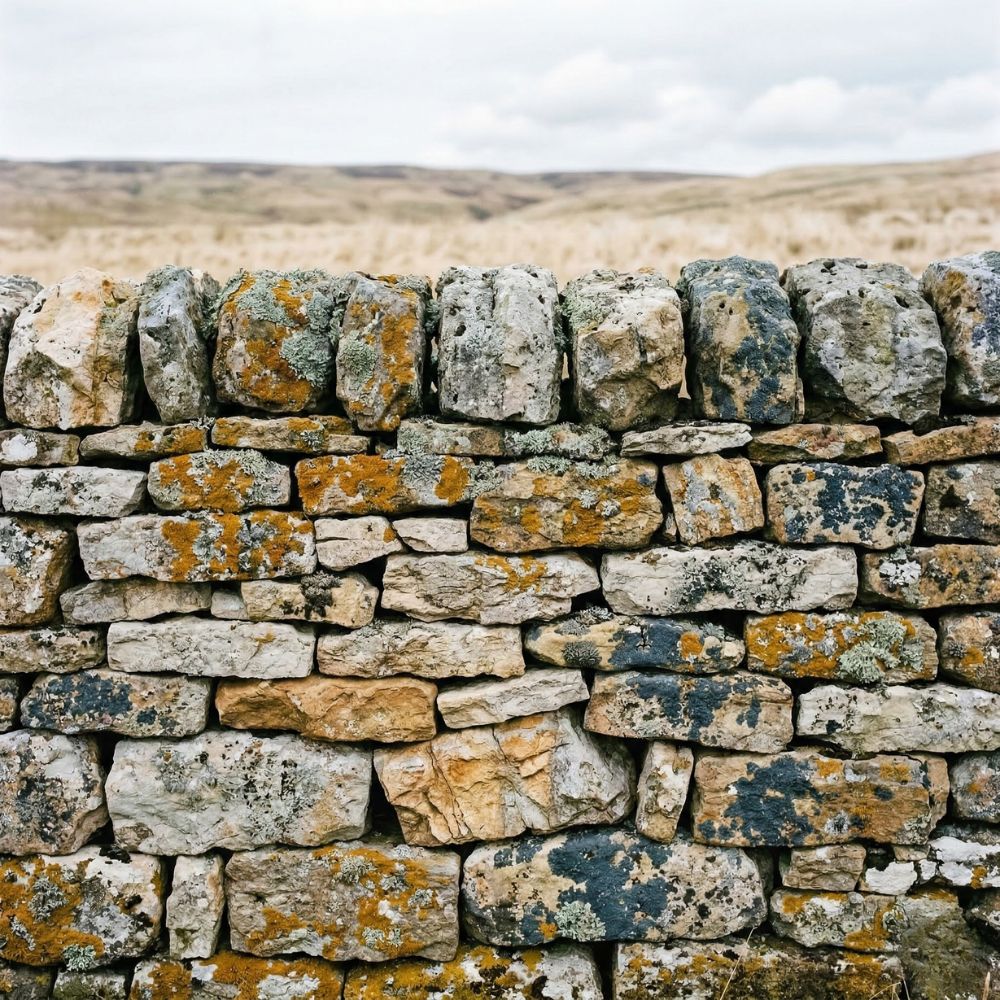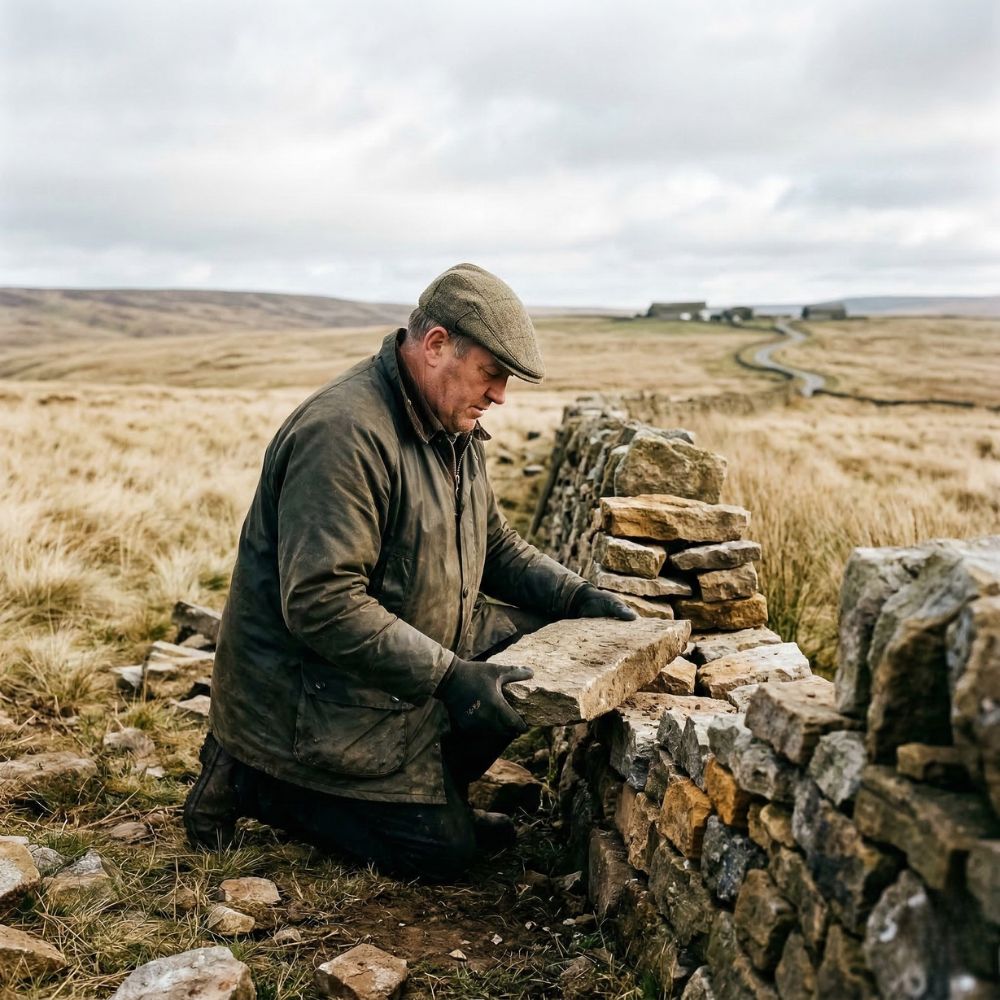
The people whose daily work maintains the physical English landscape
The English landscape is not wilderness. Every hedgerow, every meadow, every stretch of managed woodland exists because someone maintains it. Farmers managing ancient meadows. Chalk stream river keepers. Heritage orchardists. Coppice workers maintaining woodlands managed continuously for centuries. The Stewards are the maintenance.
Coming soon
The eel catchers of the Fens - the last practitioners of a trade that sustained the wetland communities for a thousand years.
The chalk downs were made by sheep. The shepherds who tend them are maintaining a landscape as much as a flock.
The Ridgeway has been walked for five thousand years. The people who maintain it are stewards of England's oldest continuous pathway.
The species-rich hay meadows of Swaledale are maintained by farmers who cut late and graze carefully - a rhythm that has sustained the landscape for eight hundred years.
The fell farmers of Upper Wharfedale work the marginal land above the dale - hefted flocks on open moor, a way of life older than the enclosures.
Coppicing is the oldest form of woodland management in England. The workers who still practise it are stewards of a landscape that dates to the Domesday Book.
Virtually nothing in the English landscape is natural. Every hedge, meadow, and woodland is a human artefact - and when the maintenance stops, England stops looking like England.
England has lost 97% of its wildflower meadows since 1945. What happened, why, and what the remaining 3% tells us about stewardship.
The steward's year is dictated by biology, not convenience. Every task has a window and the window cannot be moved.
Why stewardship doesn't pay - and the people who do it anyway, not because the market rewards them but because someone has to.
The English landscape is a text written by the people who maintain it. The signs of steward work are everywhere - if you know how to look.
England's chalk streams are among the rarest habitats on Earth. The keepers who manage them balance ecology, tradition, and an ancient responsibility.
A resource mapping the last remaining ancient meadows - the unimproved grasslands that have never been ploughed, fertilised, or reseeded.
East Anglia is a landscape perpetually fighting water. The Fens, the Broads, and the Suffolk coast exist only because someone maintains them daily - without stewards, they revert to swamp and sea within a generation.
The Somerset Levels are England's most precarious managed landscape - a vast wetland kept habitable by rhynes, pumping stations, and the withy growers and marshmen who maintain it against the water's constant return.
In the Yorkshire Dales, fell sheep learn their territory from their mothers across generations. The farmer, the flock, and the fell are a single system - and when one element is removed, the knowledge of centuries is lost.
“The English landscape is not wilderness. It is maintained. Every hedgerow, every meadow, every managed woodland exists because someone does the work. The Stewards are the maintenance.”