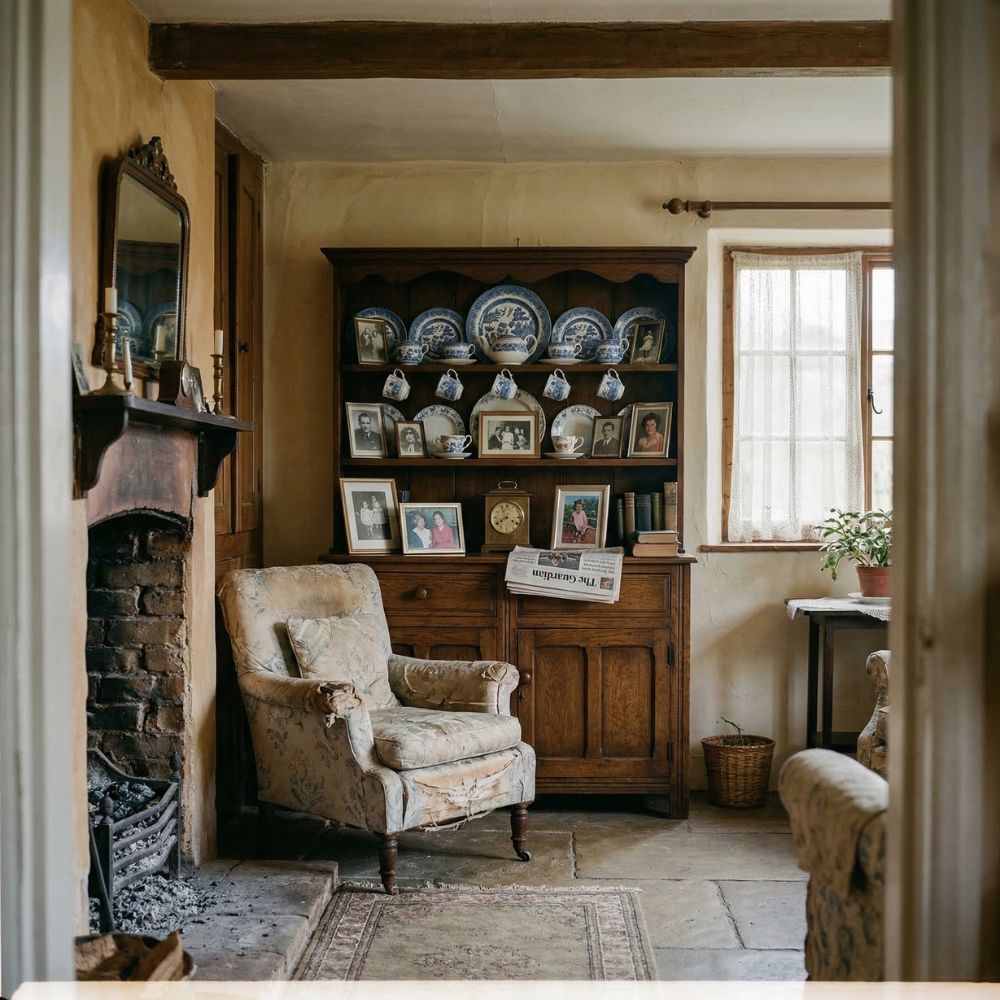
The people carrying irreplaceable local memory
There is a distinction that historians make between recorded history and living memory, and it matters more than it is usually given credit for, because the two things are not interchangeable. The Rememberers are the men and women who hold the living memory of an England that is now entirely historical to everyone younger than them.
Read the full post →
A foundational exploration of why living memory matters - what the Rememberers carry, why it cannot be found in any archive, and why this decade is the last window.
The people born in the 1930s and 1940s are the last direct witnesses to a fundamentally different England. This decade is the last window to reach them.
What farmers, shepherds, and rural people know about the land that maps cannot hold - and what happens when that knowledge dies with them.
The social geography of England before the car changed everything - how villages functioned as self-contained worlds when travel was bounded by walking distance.
The gap between official history and living memory - what the parish register never wrote down and what happens when the last person who knew it dies.
How the screen in the corner dissolved the social infrastructure of English village life and replaced local culture with national culture.
In every village there is someone who remembers. Not officially - there is no title, no role. But when the memory goes, something irreplaceable goes with it.
What happens when the last person who saw something dies? An archive of memory before it disappears.
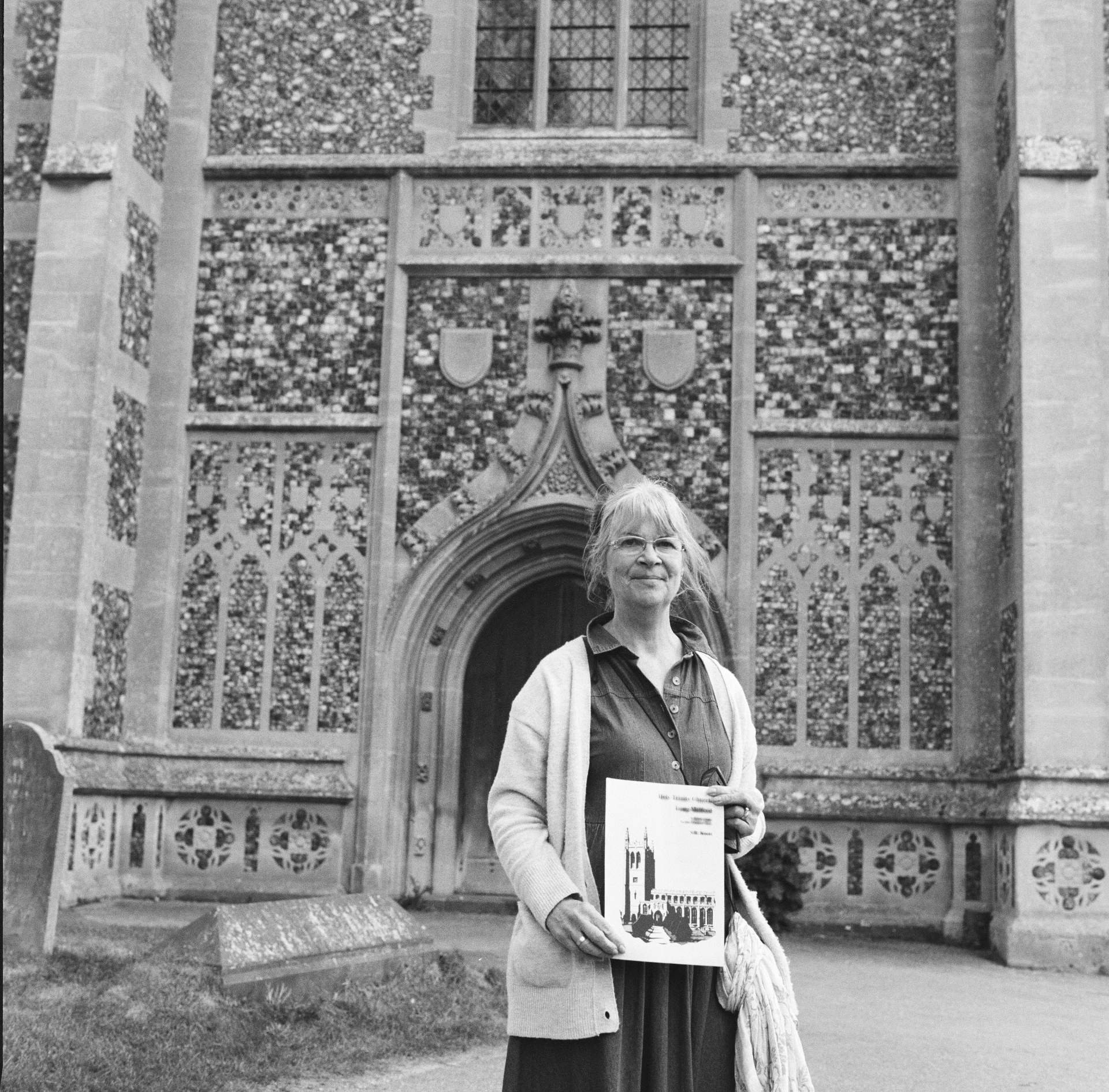
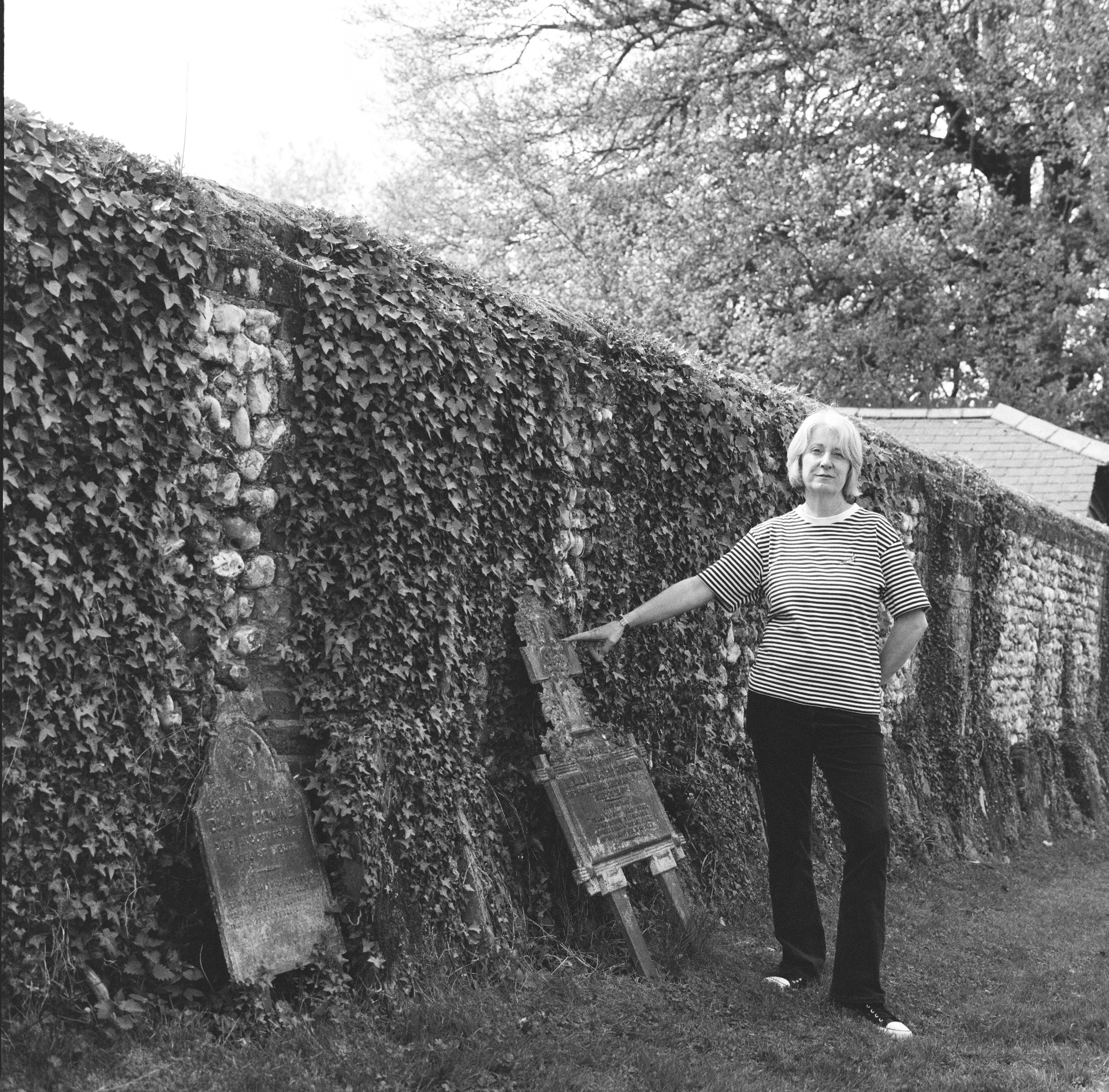
Lifelong resident of Long Melford and carrier of the lived texture of the village. Daughter of a founding member of the Long Melford Historical and Archaeological Society, she holds the grain of the place - what used to be where, who lived in which house, which trees stood on the Green before Dutch elm disease took them.
Historian and committee member of the Long Melford Historical and Archaeological Society. Keeper of the public record of the village - its dates, its buildings, its documents, and the order of events that made Long Melford what it is.
An essay on why oral memory - the unwritten, the unrecorded, the unrepeatable - deserves the same protection as a listed building.
The Thames Valley is England's most layered landscape of memory - Oxford's medieval ceremonies, the lock keepers' knowledge of the river, the farmers along the Ridgeway who know which tumuli are which.
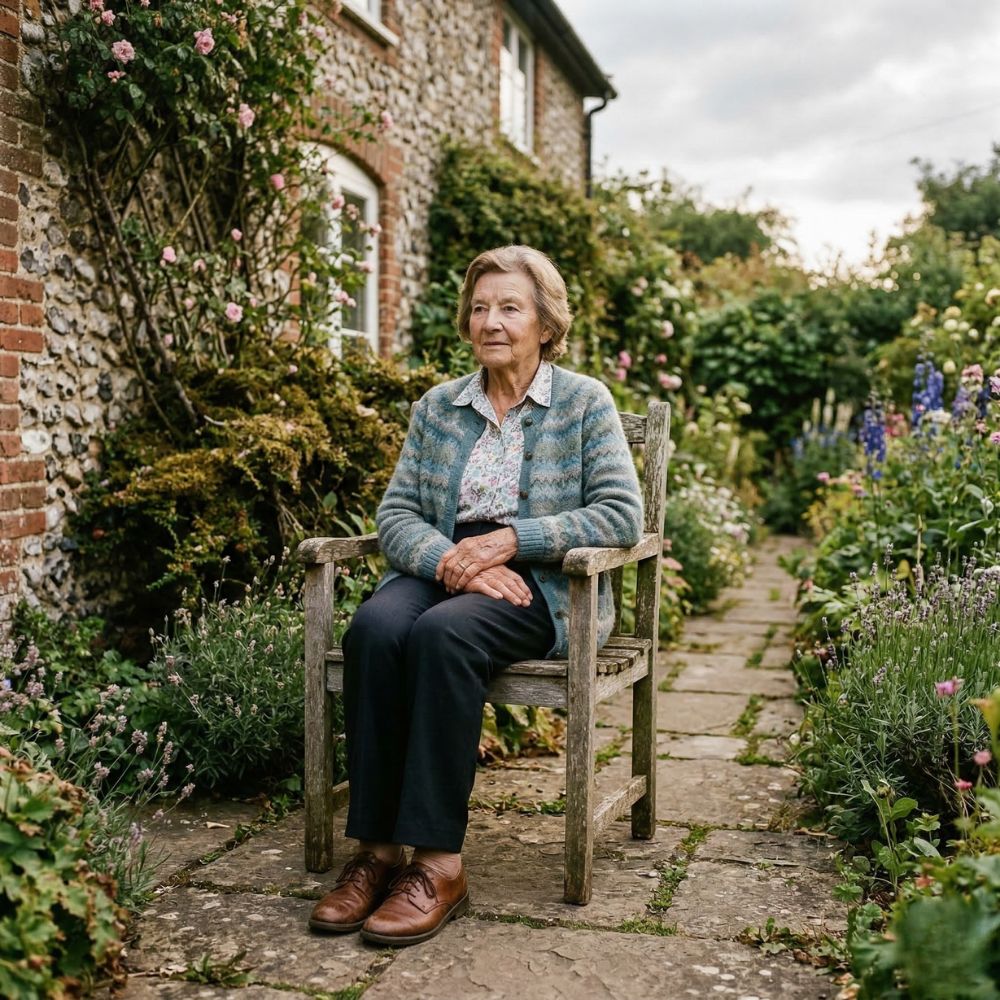
“She is the only person left who remembers the village before the bypass. When she goes, that village goes with her.”