The Calendar That Demands You Show Up
There is a particular kind of obligation that most modern life has quietly abolished, and England’s living traditions run entirely on it. Not the obligation of contract, which is enforced by law and dissolved by lawyers. The older kind. The kind where a thing needs doing and you are the person who does it.
Read the full post →
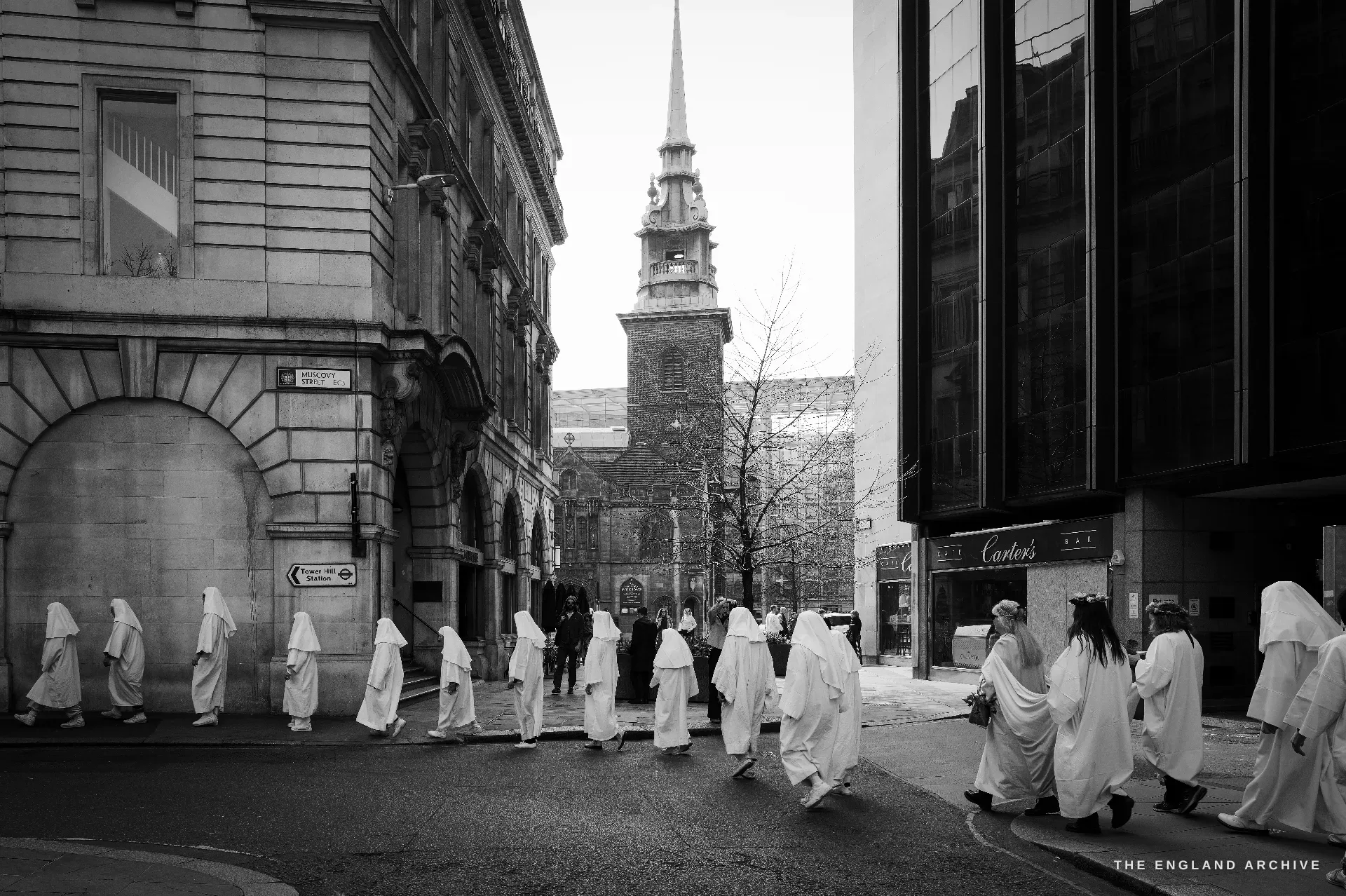
Carriers The Druid Order processes in silence through the City of London to Tower Hill, forms a circle, scatters seeds, and marks the turning of the year - as they have done since 1956.
A foundational exploration of what defines the Carriers - people whose annual personal commitment is the only thing between continuation and silence.
Why traditions are tied to specific dates, why moving them to convenient weekends would change them fundamentally, and how the calendar itself is part of the meaning.
The mechanics of how calendar traditions actually end - not dramatically but through thinning participation, skipped years, and the quiet accumulation of absence.
How carrier traditions recruit and fail to recruit their next generation - and why the person doing the work is always too busy to train a replacement.
What carriers know that cannot be written down - the embodied, performative knowledge that exists only in the doing and vanishes when the doing stops.
The spectrum of access in English carrier traditions - from open spectacles to closed ceremonies - and the ethics of documenting traditions that may not want to be documented.
A month-by-month guide to the annual customs, ceremonies, and calendar traditions that survive because one person keeps showing up.
The night workers of Smithfield - the last great wholesale market inside the City walls. A trade passed from father to son, now facing its final chapter.
On the fifth of November, Lewes burns. Six bonfire societies process through the streets with flaming torches. One person leads each society - and the weight of that role is heavier than it looks.
At six o'clock on the first of May, a choir sings from the top of Magdalen Tower. Below, thousands listen in silence. It has happened every year since the sixteenth century.
Every Spring Bank Holiday, they chase a wheel of Double Gloucester down Cooper's Hill. One person is responsible for making sure nobody dies. That person is the marshal.
The Cotswold Olimpick Games have been held above Chipping Campden since 1612. Shin-kicking, tug-of-war, championship of the hill. One person keeps it going.
Every September, six men carry reindeer antlers through the streets of Abbots Bromley. It is the oldest ritual dance in Europe - and it depends entirely on the people who show up.
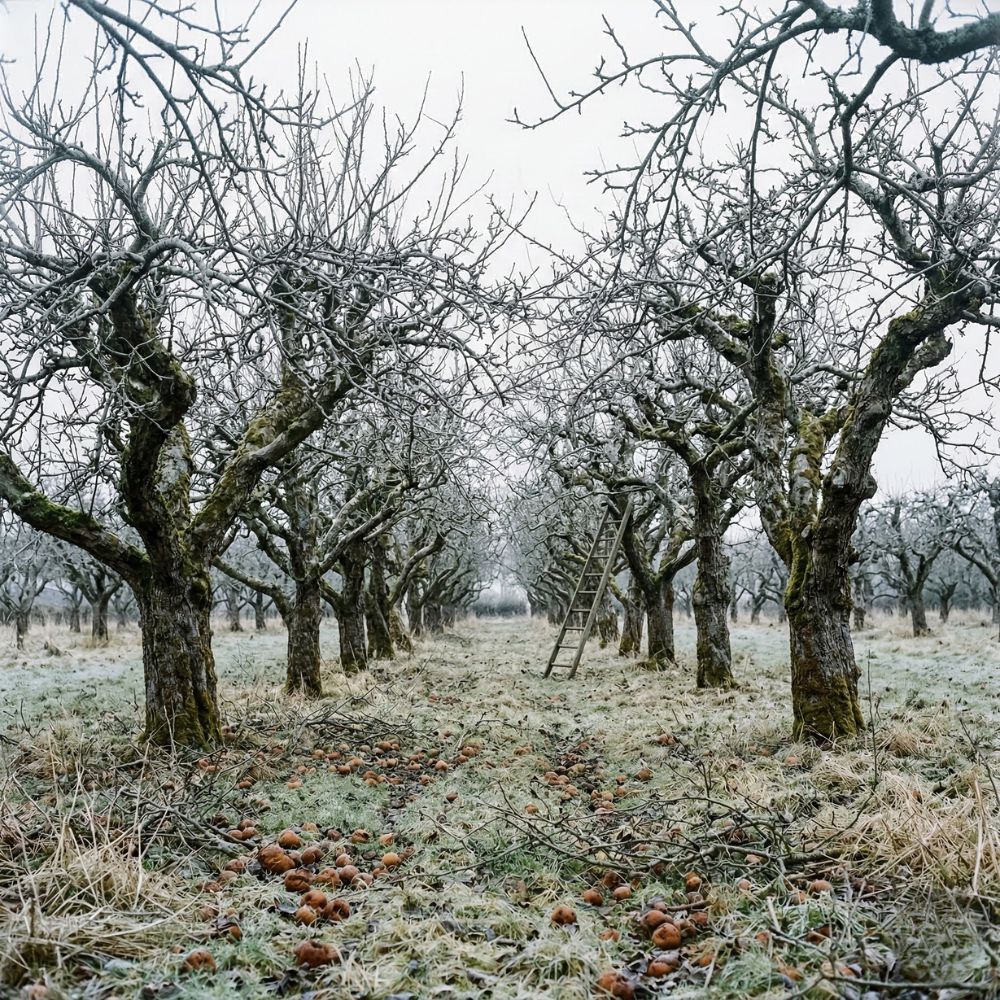
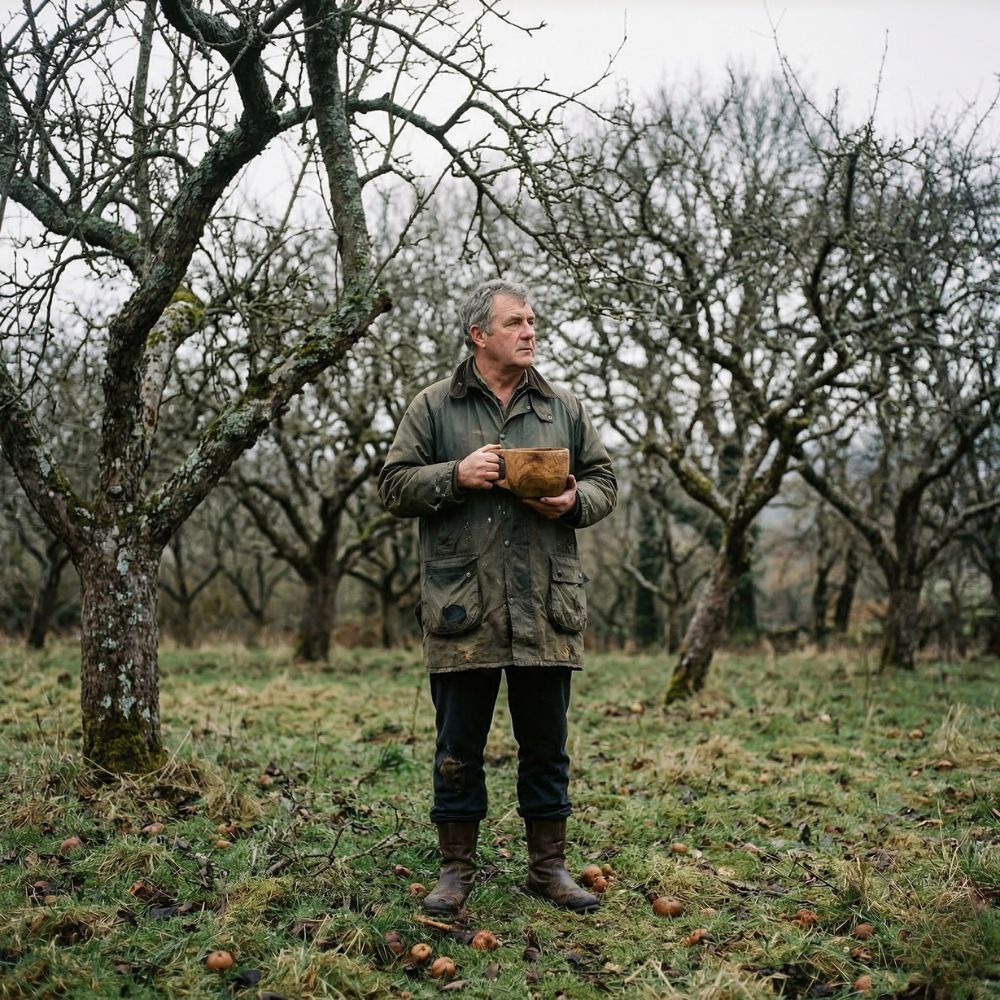
Every January, in a frozen Somerset orchard, one person leads the wassail. If they stopped, the tradition - centuries old - would end within a year.
Every tradition depends on volunteers. What happens when the volunteers stop coming? A look at the crisis facing England's living traditions.
The South Downs sustain an unusually dense concentration of carrier traditions - from Lewes Bonfire's six societies to the maintenance of chalk hill figures and the downland sheep fairs that have run since the Middle Ages.
The Welsh Marches created a unique carrier culture - the Abbots Bromley Horn Dance, border morris, wassailing, coracle racing - traditions born of a frontier that bred defiance, independence, and fierce local identity.
“Without their commitment - renewed every year, unpaid, uncelebrated - the tradition simply stops. Not next decade. Next January.”