The most concentrated Carrier region
More date-locked, annually-repeated traditions per square mile than anywhere else in England. Cheese rolling, the Olimpick Games, well dressing, morris dancing - each one survives because of specific individuals whose annual commitment keeps it alive.
The Cotswolds have an unusual density of date-locked, annually-repeated traditions. The cheese rolling at Cooper\'s Hill, the Olimpick Games at Chipping Campden, the well dressings across the stone villages, the morris gatherings that fill every summer weekend - each survives because specific individuals commit to organising it every year. This is the Archive\'s most concentrated Carrier region.
The material culture of the Cotswolds is equally significant. The dry stone walls that define the landscape, the stone-slate roofs, the well dressings - all are maintained by craftspeople working the local oolitic limestone in ways specific to this geology. A Cotswold waller works differently from a Yorkshire one because the stone is different. The skills are place-specific and non-transferable.
The cheese rolling. Among the steepest and most daredevil folk traditions in England.
Robert Dover's Cotswold Olimpick Games since 1612. The longest-running sporting event in England.
Dry stone wallers, well dressers, thatchers. The material culture of the limestone belt.
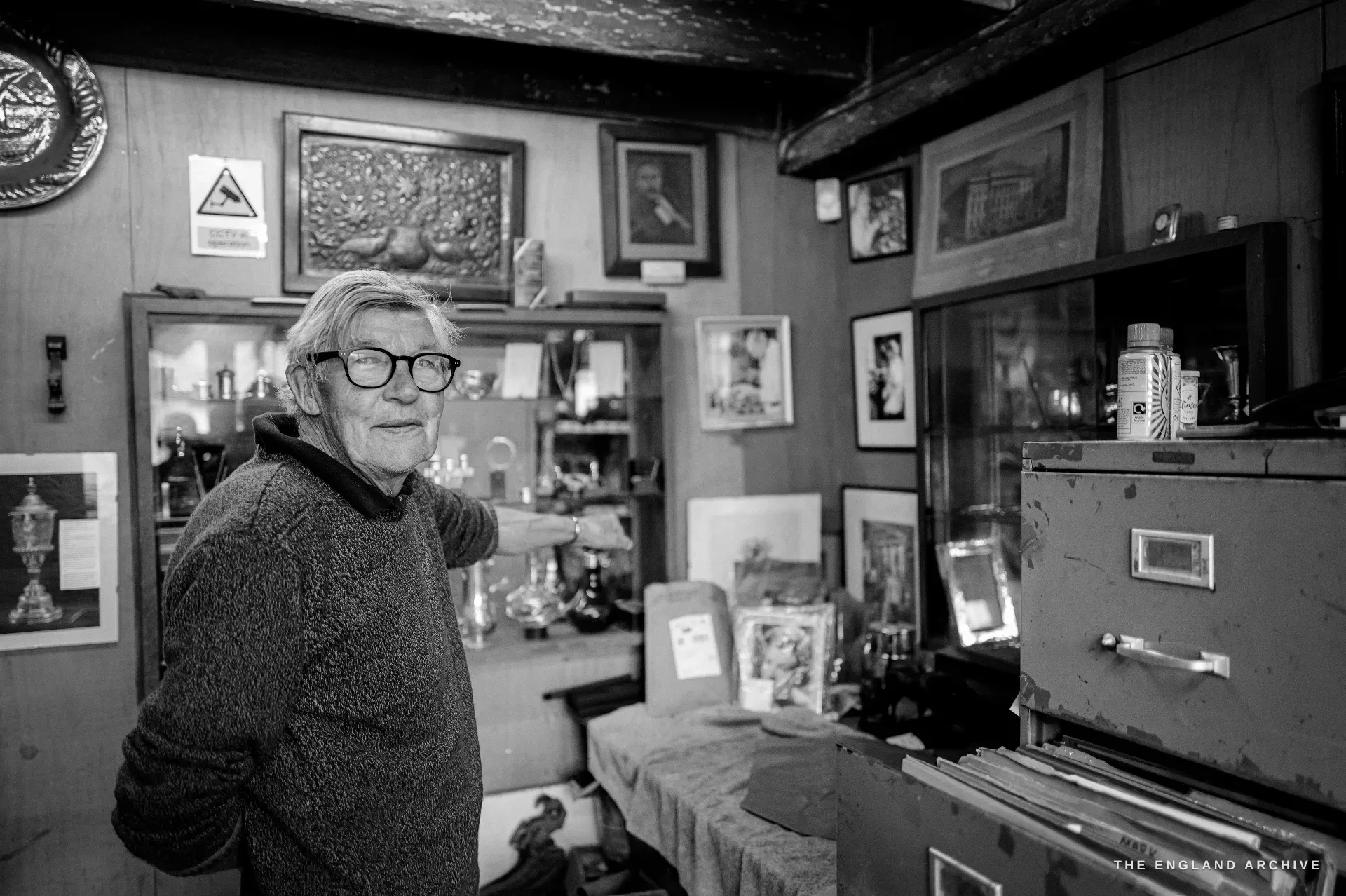
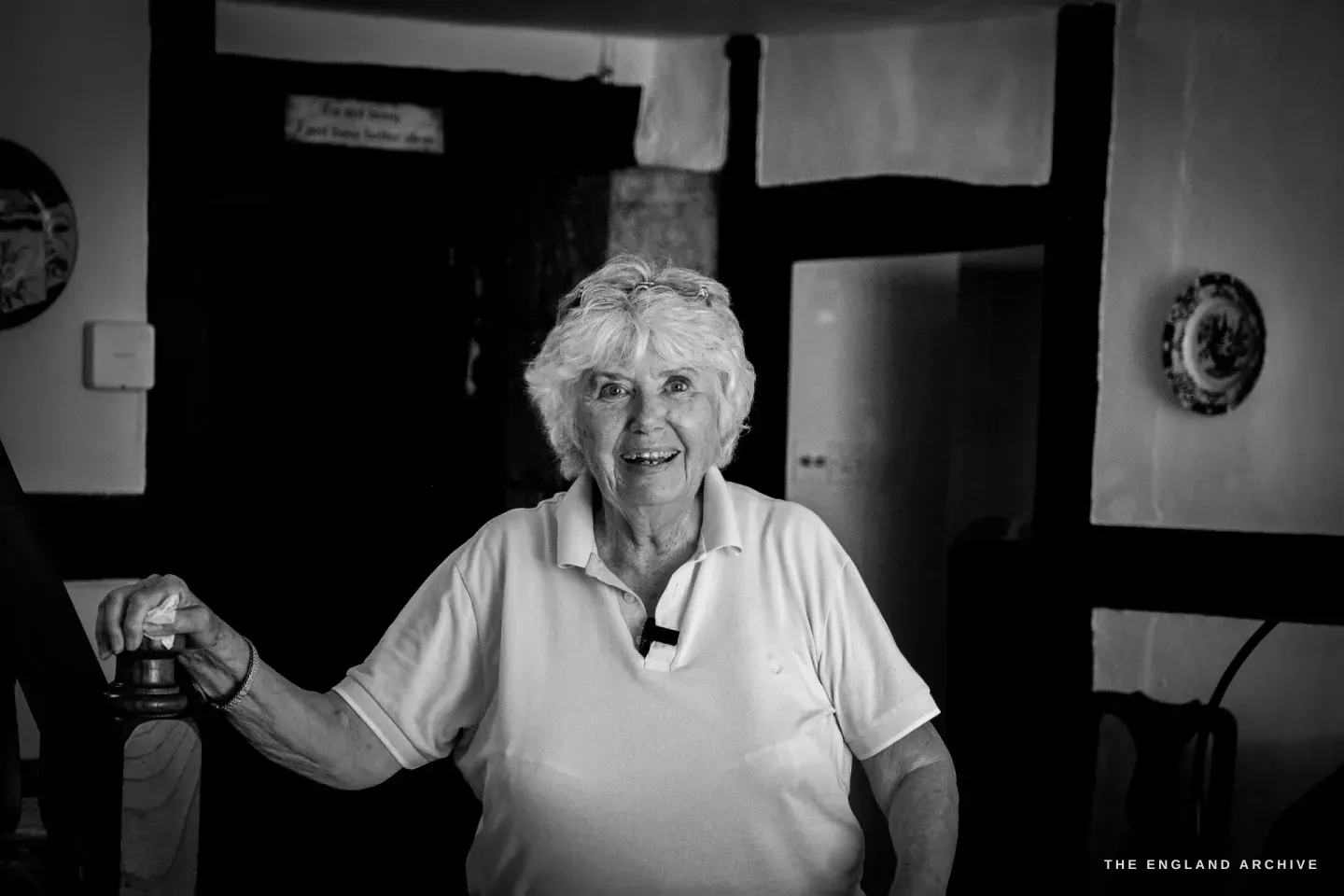
Makers Third-generation silversmith at Hart Gold & Silversmiths in the Old Silk Mill, Chipping Campden - the last working workshop of Ashbee's Guild of Handicraft. Grandson of George Hart, who came to Campden with the Guild in 1902; brought into the workshop by his father Henry in 1956. Eighty-seven at the time of the visit, and seventy years at the bench this July, still raising silver by hand.
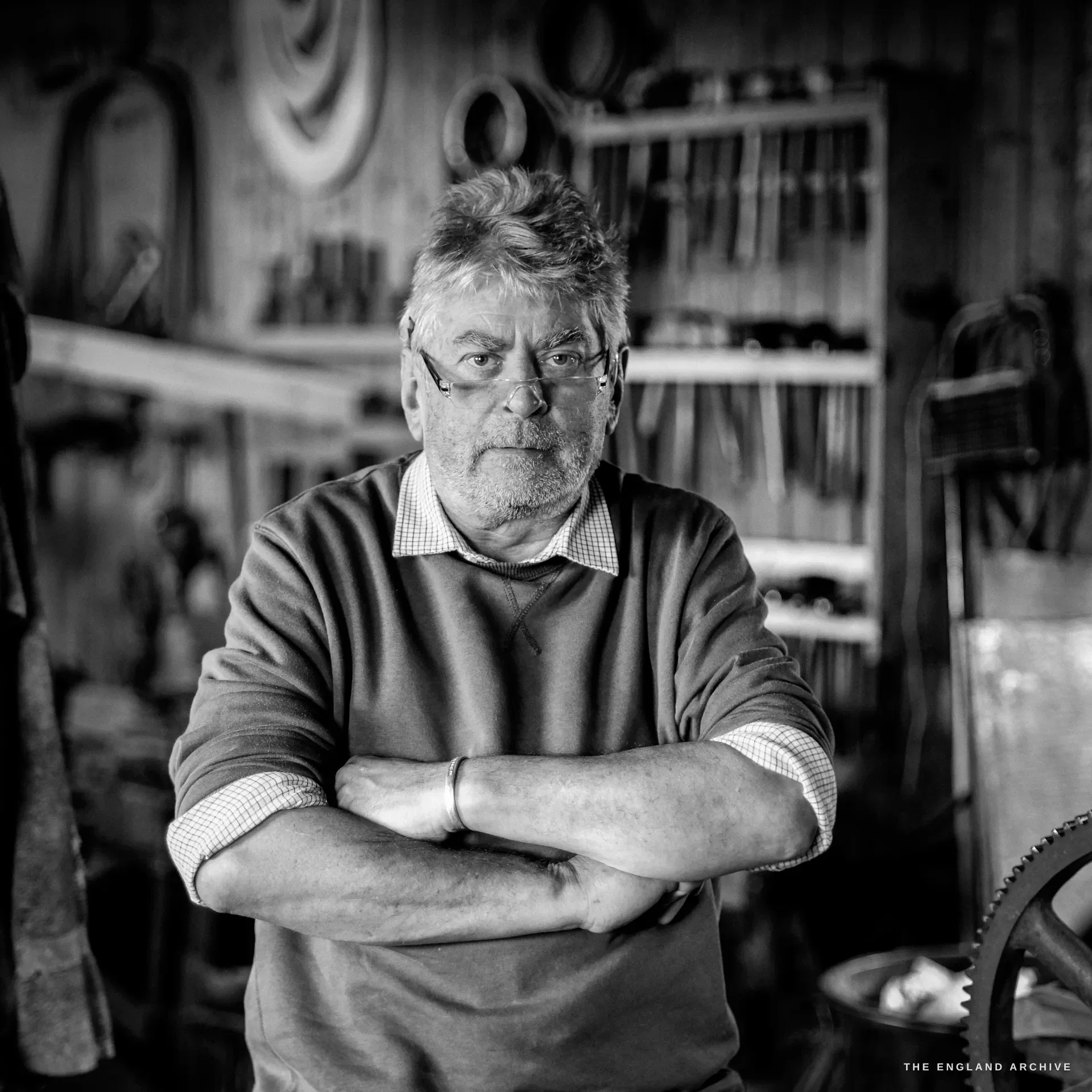
Makers Fourth-generation silversmith at Hart Gold & Silversmiths in the Old Silk Mill, Chipping Campden. Son of David Hart, great-grandson of George Hart of the Guild of Handicraft. Came to the bench from computer science, joining the workshop in 1990, the year his grandfather Henry died, and now carries the workshop forward.
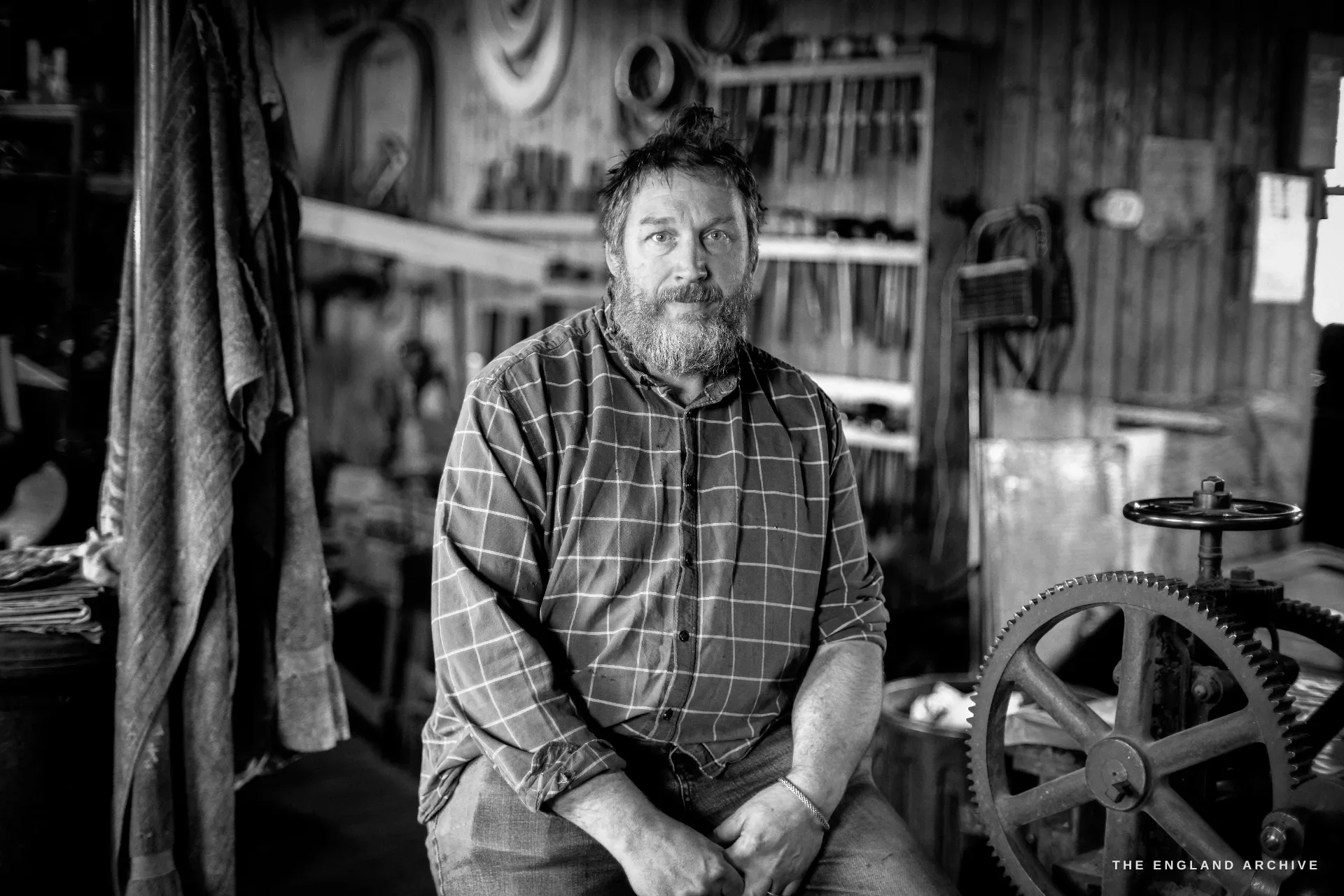
Makers Silversmith at Hart Gold & Silversmiths in the Old Silk Mill, Chipping Campden - the only one of the workshop's silversmiths not a Hart by blood. Recruited from Chipping Campden School in 1982 while sitting his A-levels, aged eighteen, and apprenticed to David Hart, taught by David and his father Henry. Forty-four years at the bench.
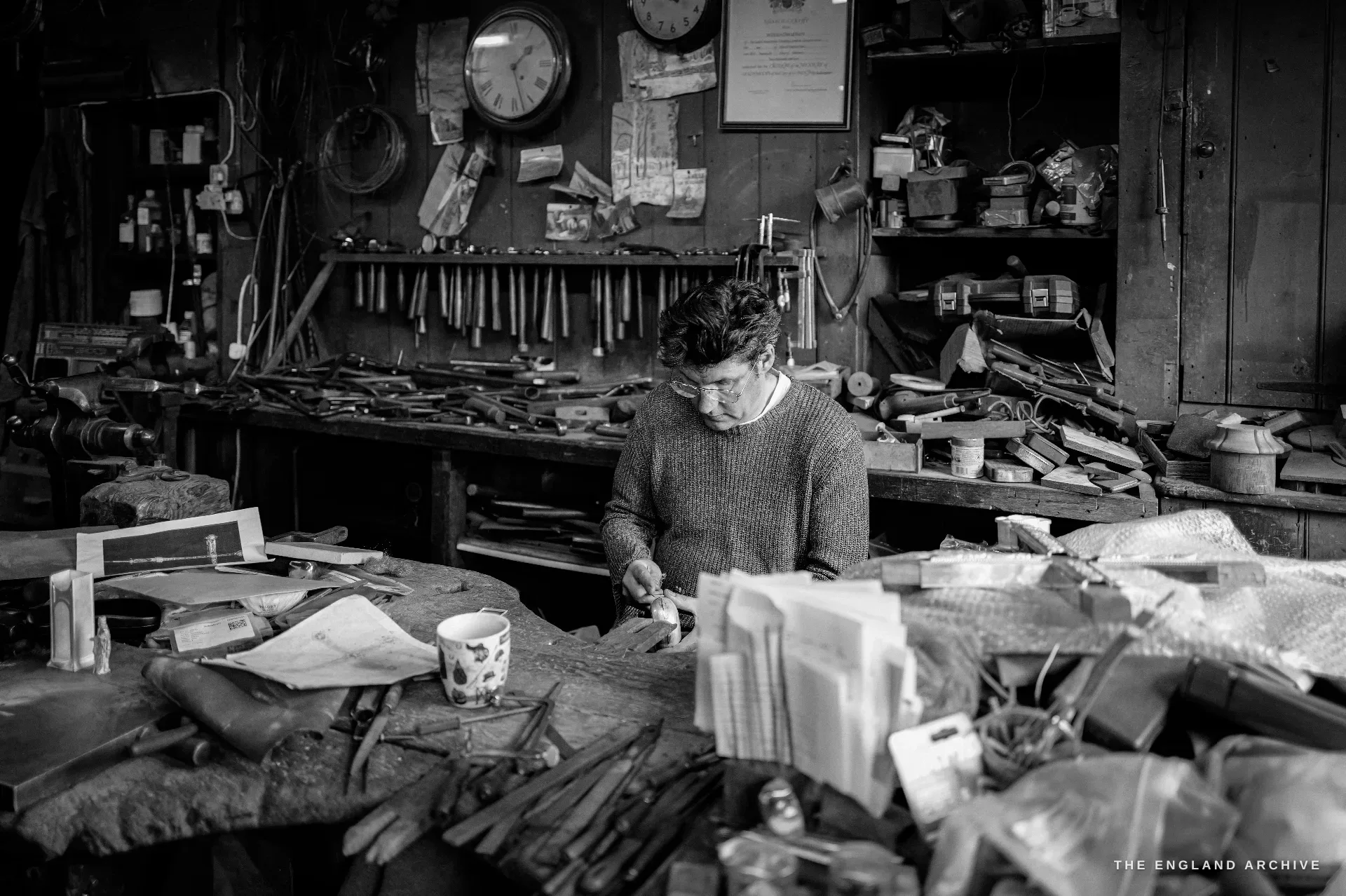
Makers Silversmith at Hart Gold & Silversmiths in the Old Silk Mill, Chipping Campden. David Hart's nephew and William's cousin, son of David's brother Basil. He joined the workshop in 1994, aged eighteen, after two years of motor-vehicle engineering at college - asked in to help with a busy order book while he looked for a job, and at the bench ever since.
Every Spring Bank Holiday, they chase a wheel of Double Gloucester down Cooper's Hill. One person is responsible for making sure nobody dies. That person is the marshal.
The Cotswold Olimpick Games have been held above Chipping Campden since 1612. Shin-kicking, tug-of-war, championship of the hill. One person keeps it going.
From the Cotswolds to the Yorkshire Dales, England's dry stone walls are built without mortar - stone on stone, shaped by hand, standing for centuries. The wallers who build and repair them carry knowledge that cannot be written down.
The thatchers of the Cotswolds - the craft of covering a roof with reed and straw, a skill that takes a decade to learn and a lifetime to master.
Coppicing is the oldest form of woodland management in England. The workers who still practise it are stewards of a landscape that dates to the Domesday Book.
The Cotswolds are defined by oolitic limestone - one material that creates dry stone walls, stone slate roofs, and ashlar buildings. The few remaining quarrymen, stone slate roofers, and masons speak a language the stone dictates.
The local historian whose house is the archive of a specific parish. Photographs, documents, oral histories, maps, and the connective knowledge that makes sense of all of it. Known by name at the county record office.
“The Cotswolds are where England\'s stubbornness is most visible. Every tradition here survives because someone refuses to let it die. Not next year. This year.”