Part One: The Weight of the Keys
A warden is not an owner. The distinction is precise and it matters enormously. An owner possesses something and may do with it as they please. A warden holds it. The building, the tradition, the accumulated significance of a place - these are not theirs to keep for themselves. They are theirs to pass on.
Read the full post →
One of the last active churchwardens in the City of London - keeping a Wren church alive in a parish with almost no parishioners.
The gatekeeper of one of England's four Inns of Court - a role that has existed since the fifteenth century, maintained through ceremony and quiet continuity.
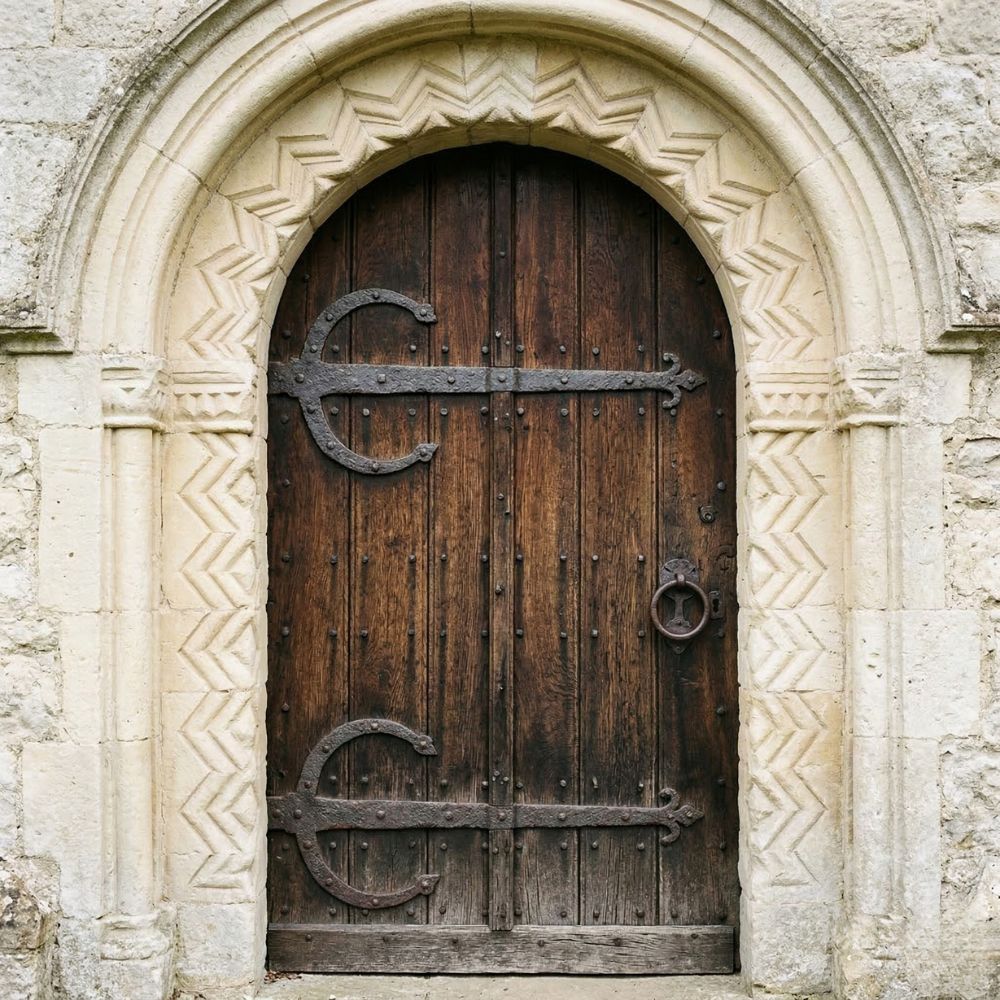
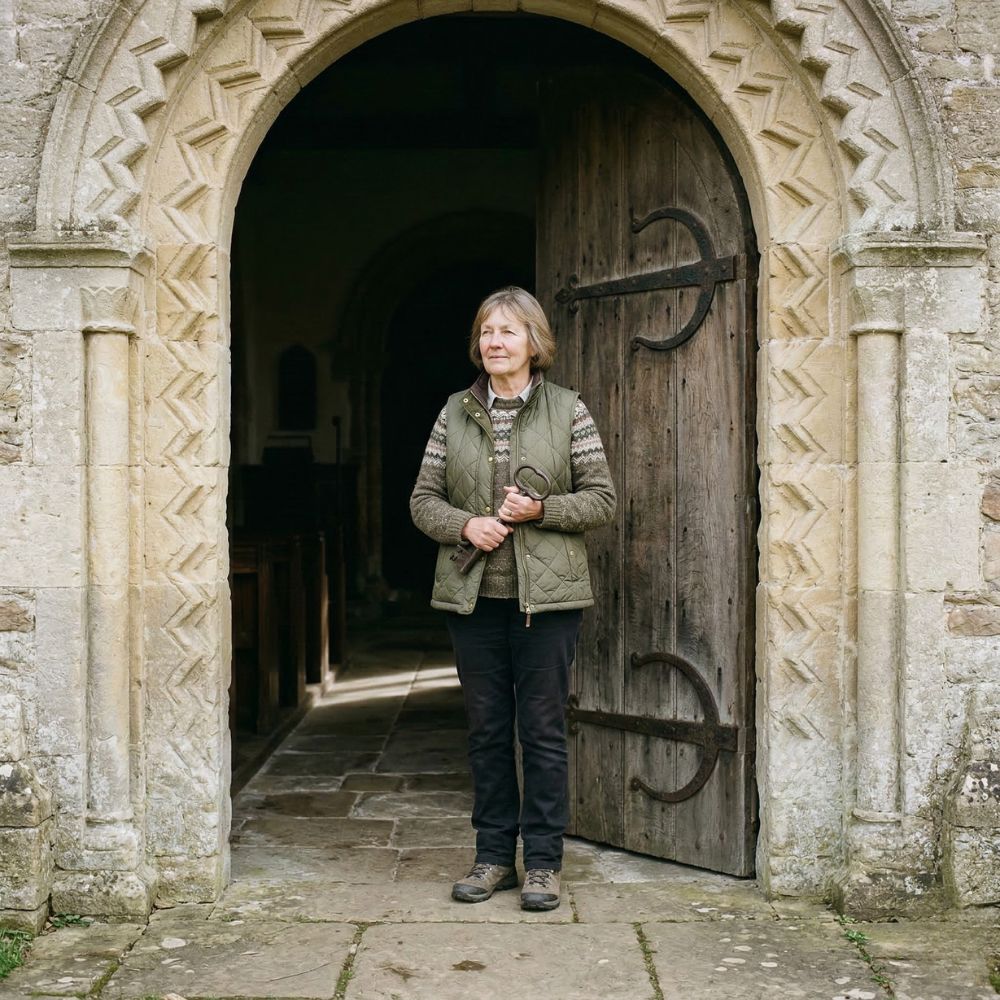
The churchwardens of rural England - the people who keep the doors open, the roof repaired, the registers maintained. A role that has existed since the Middle Ages.
The village pub is England's last secular gathering place. The landlords who keep them open are keepers of something more important than beer.
What happens to a tradition when its keeper dies, retires, or simply gives up? An essay on the fragility of institutional memory.
Why certain buildings demand human custodians - and what happens to the building, and to us, when the custodian is removed.
England's living traditions depend on people who show up. What happens when they stop? A look at the crisis facing the country's voluntary infrastructure.
On the physical objects that keepers carry - the keys, the ledgers, the seals, the registers - and what they represent about continuity and trust.
The parish is England's smallest unit of belonging. In the places where it still functions, one person holds it together. An essay on the edges of institutional survival.
London is not one city but a patchwork of medieval parishes, ancient guilds, and ceremonies maintained by individual keepers - churchwardens of empty City churches, clerks of Livery Companies, porters of the Inns of Court.
“The building and the person are a single subject. Neither makes full sense without the other. When one disappears, the other follows.”