The Blank Roll
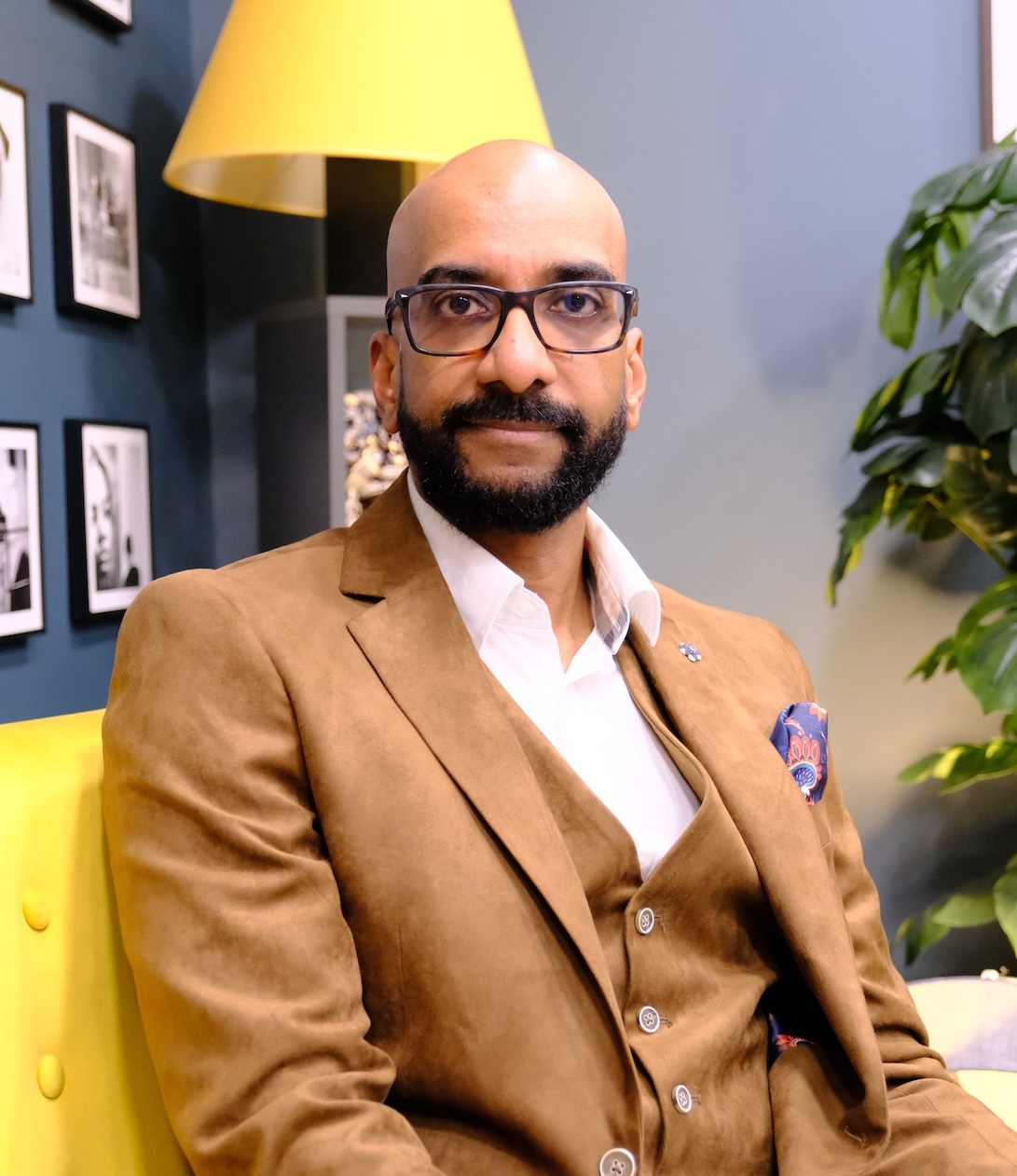
I ended one of my essays this spring with a sentence I meant completely: the first film goes in the camera next month. It did. This is what happened after.
In The Question of the Camera I argued that the choice of camera is an editorial decision before it is a technical one, and that the most considered work deserved the slowest, most deliberate tools I could bring to it. I said the archive would be shot on four systems. A Leica Q3 and a Fujifilm X-S20 for the documentary work, and two film cameras for the sittings that mattered most: a Bronica SQ-A in medium format, square and fully mechanical, and an Intrepid 4x5 for the portraits I imagined anchoring the permanent collection. I spent a full day learning the large format camera with Josh Redfearn, and another learning to develop and print at POST in Hove. I believed every word of the argument. I still think the argument is beautiful.
It was also wrong, and the field is where I found that out. The two film cameras are coming off the register. The archive will be shot on the Q3 and the X-S20, and that is the honest decision, arrived at the hard way. What follows is the working-out, because I think other documentary photographers are circling the same romance I was, and the romance is expensive in ways the gear forums do not tell you.
The focusing
The Bronica focuses on a ground glass you look down into from above. In a workshop, in the light you actually get rather than the light you wish you had, that glass is dim. You are hunting for the plane of sharpness on a small dark screen while the person in front of you holds a position they did not choose and cannot see the point of. With the Q3 the focus is found and confirmed before the subject has finished settling. With the Bronica it is a negotiation, and the subject is on the wrong side of it.
At Hart Silversmiths, David Hart is eighty-seven and has been at the bench seventy years. He held still with far more patience than I had earned while I rocked the focus back and forth on the ground glass and asked him, twice, to come back to where he had been. He did it kindly. That is the problem. The camera I had chosen to honour him with was the camera making me ask an old man to wait on my fumbling. The 4x5 is worse: the image on its screen is upside down and dimmer still, and you work under a dark cloth with your back to the room, which is precisely where a documentary photographer should never be. I had told myself the slowness was a kind of respect. In the room, the slowness was just me, fussing, while the subject's attention drained away.
And focus was only half of it. At the speeds the available light forced on me, the Bronica's shutter could not freeze a person at work. Michael Dennett is eighty-three and still comes in every day to work the masts at the boat-builder's yard. I photographed him running a sander down a long spar, and on the film the entire working half of him - the arms, the tool, the motion that was the whole reason to make the picture - smeared into nothing. The digital body, firing without ceremony, held the same action cold.
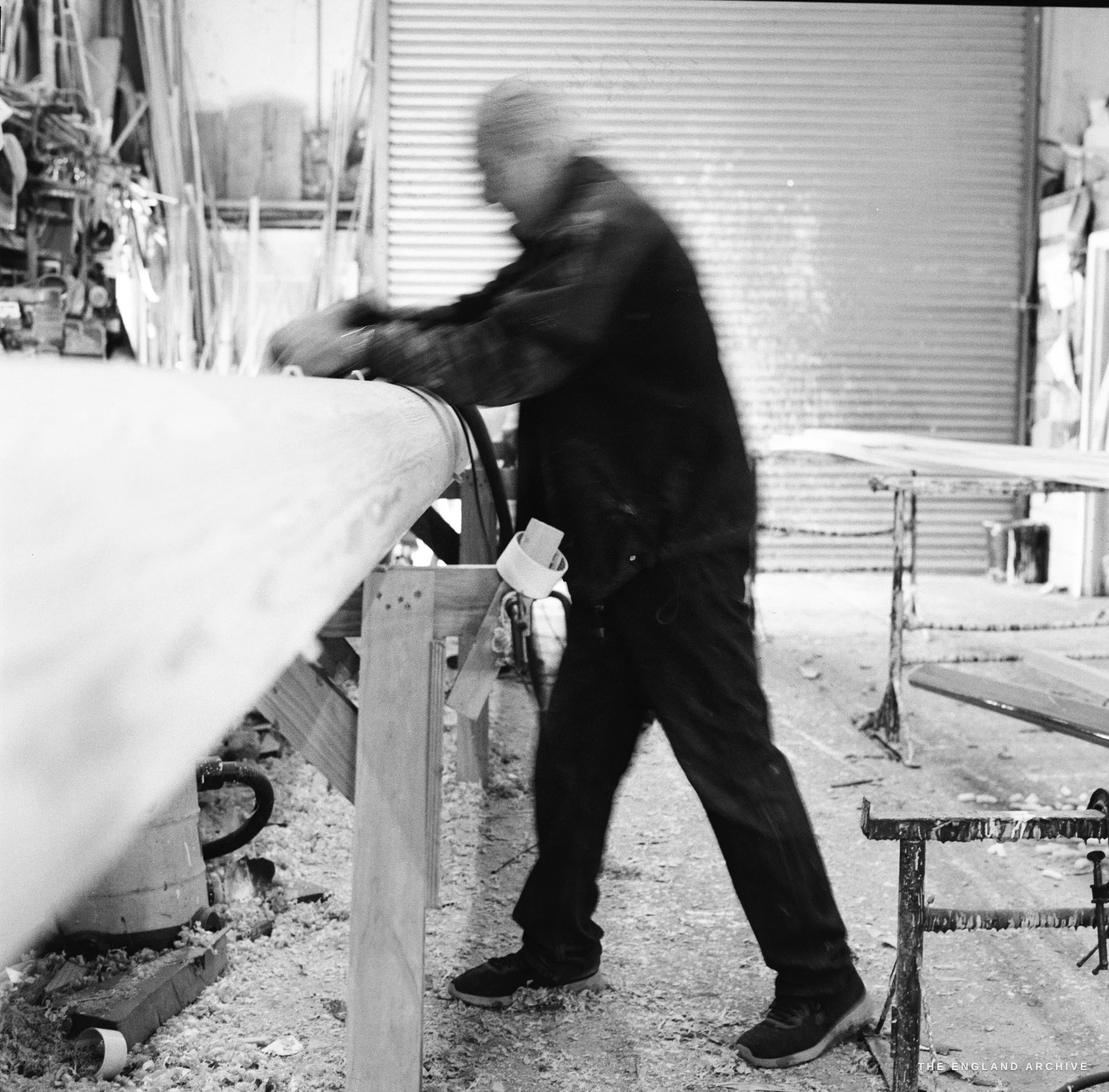 Film · Bronica SQ-A
 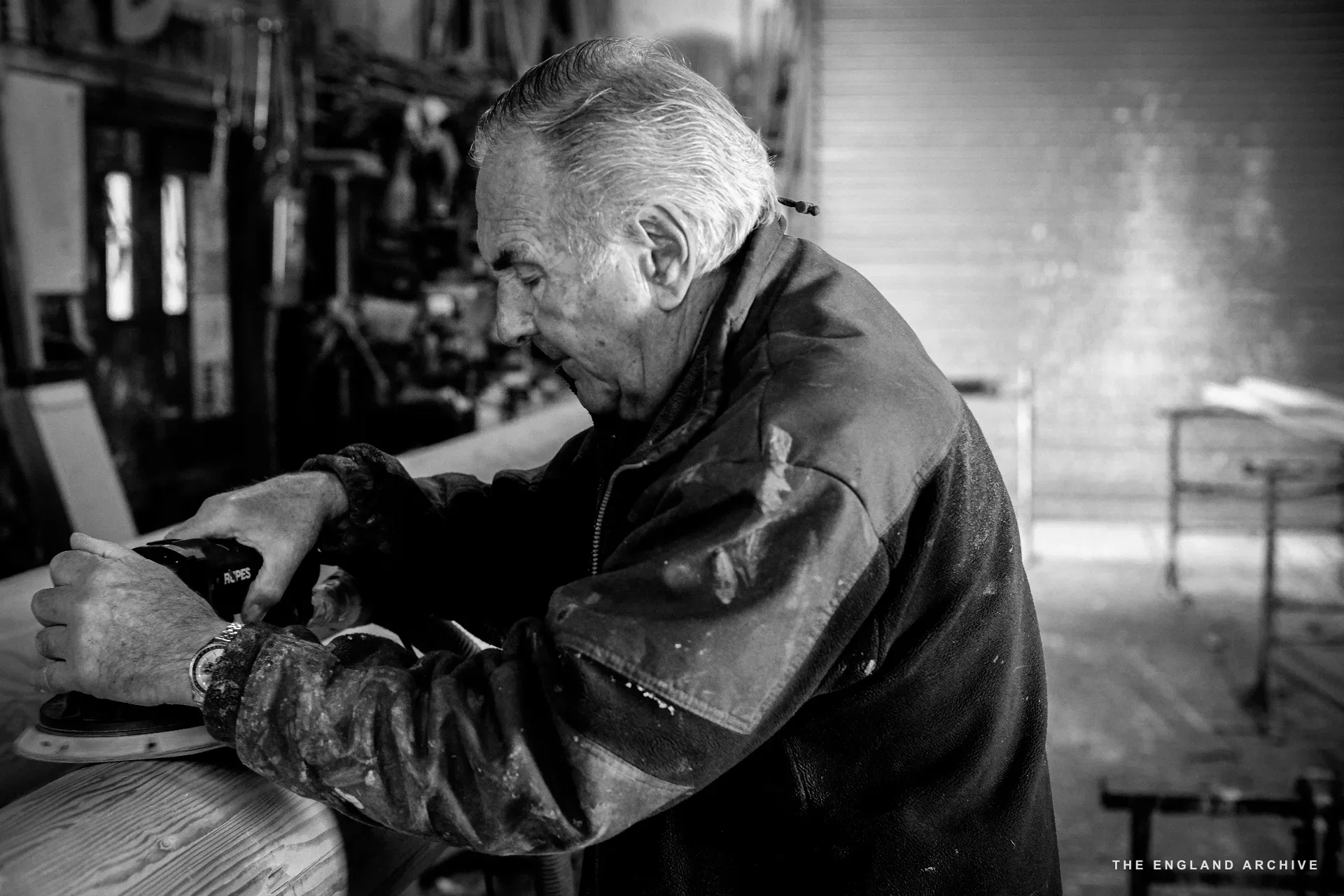 Digital · Fujifilm X-S20
 The metering
Neither film camera meters the way a modern digital body does. You read the light with a handheld meter, you make a judgement about where to place the shadows, and you commit. When it works it is a genuine craft. When it does not, you do not find out for a week. My readings were hit and miss in exactly the situations the archive lives in: mixed window light and bench lamps, a bright doorway behind a dark interior, the narrow latitude of a transparency stock punishing a half-stop error that the Q3 would have shrugged off and let me fix in a raw file that evening. I kept an exposure log like a diligent student. The log only told me, later, precisely how I had got it wrong.
The blank roll
Then there was the roll that came back blank.
A full sitting. Twelve frames of a person who had given me their morning and their trust and the particular stillness a formal portrait asks for. I had loaded the film, wound on, worked through the frames the slow and careful way the whole method is supposed to reward. The lab called to say there was nothing on it. A loading fault, most likely, or the film never properly engaging the take-up spool, or one of the small mechanical betrayals a fully manual camera reserves for the day it matters. The diagnosis does not really change anything. The pictures do not exist. There is no second take of a sitting like that. You cannot ring someone back and ask them to give you the same morning again because your equipment ate it.
With a digital body I would have seen, in the half-second after the first frame, that something was wrong, and fixed it before the subject had shifted. The whole argument for film is that its constraints make you more careful. A blank roll is the constraint making a fool of the care.
Slow, and expensive in the wrong way
I had defended the cost. In the earlier essay I called the price of film a discipline: twelve frames on a roll, four sheets in a holder, so you look and wait and make sure before you commit. That is true right up until the moment it stops being discipline and starts being hesitation. On a real visit, with the light moving and the subject's energy finite, I caught myself not making the frame because the frame was expensive. The Q3 has no opinion about whether I press the shutter. The Bronica, at the price of stock and processing and the lab turnaround, develops an opinion, and the opinion arrives at exactly the wrong second. Discipline that makes you miss the picture is not discipline. It is a tax on the work, and the work is the only thing that matters.
And it is slow in the literal sense too. A digital frame is reviewed that night and ready the next morning. A roll of film is a week of not knowing, a lab booking, a cost per visit that climbs every time another lab quietly closes. I am building an archive against a ten-year window. I cannot run the spine of it on a medium whose own supply chain is endangered and whose feedback loop is measured in days.
The scans
The last straw was the part nobody photographs for the gear forums: the scan. Unless you own and master a serious scanning setup, the digital file you actually use is made by someone else, on a machine you do not control, to a standard that varies from roll to roll. I had frames come back with dust I had not put there, colour casts that were not in the light, a softness that was the scanner and not the negative, and a resolution that did not justify the whole expensive ritual that produced it. I sent rolls back to be scanned again and got a different result the second time. The negative is the archival object, yes. But the archive does not ship negatives. It ships files, and the file was the least reliable link in the entire chain.
What the rolls gave back
The rolls that did not vanish gave back a stack of careful, competent frames, and looking at them is what finally settled it. They are not bad photographs. That is the point. Even when the film did everything right, it did it at a price the pictures could not pay back.
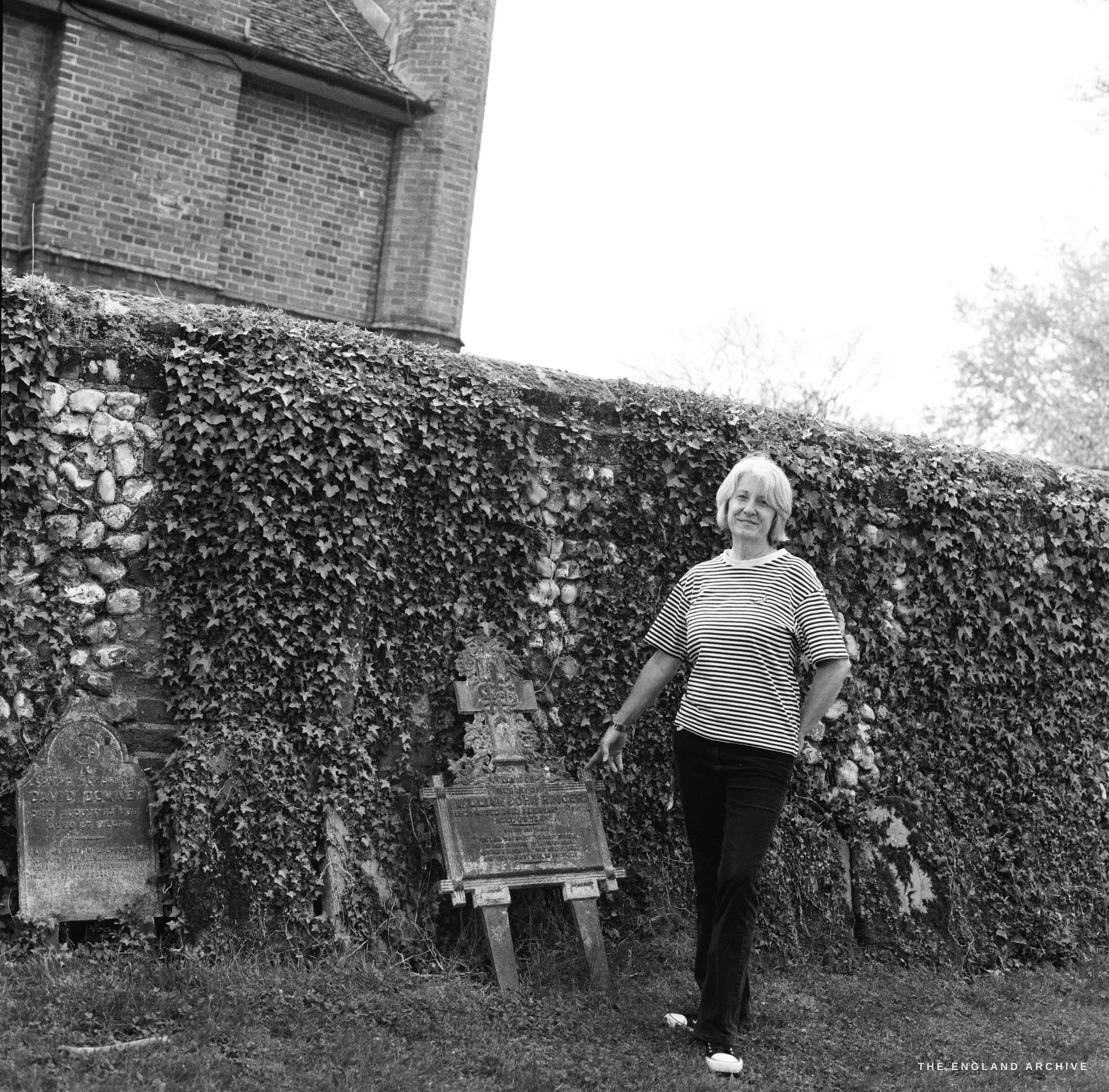
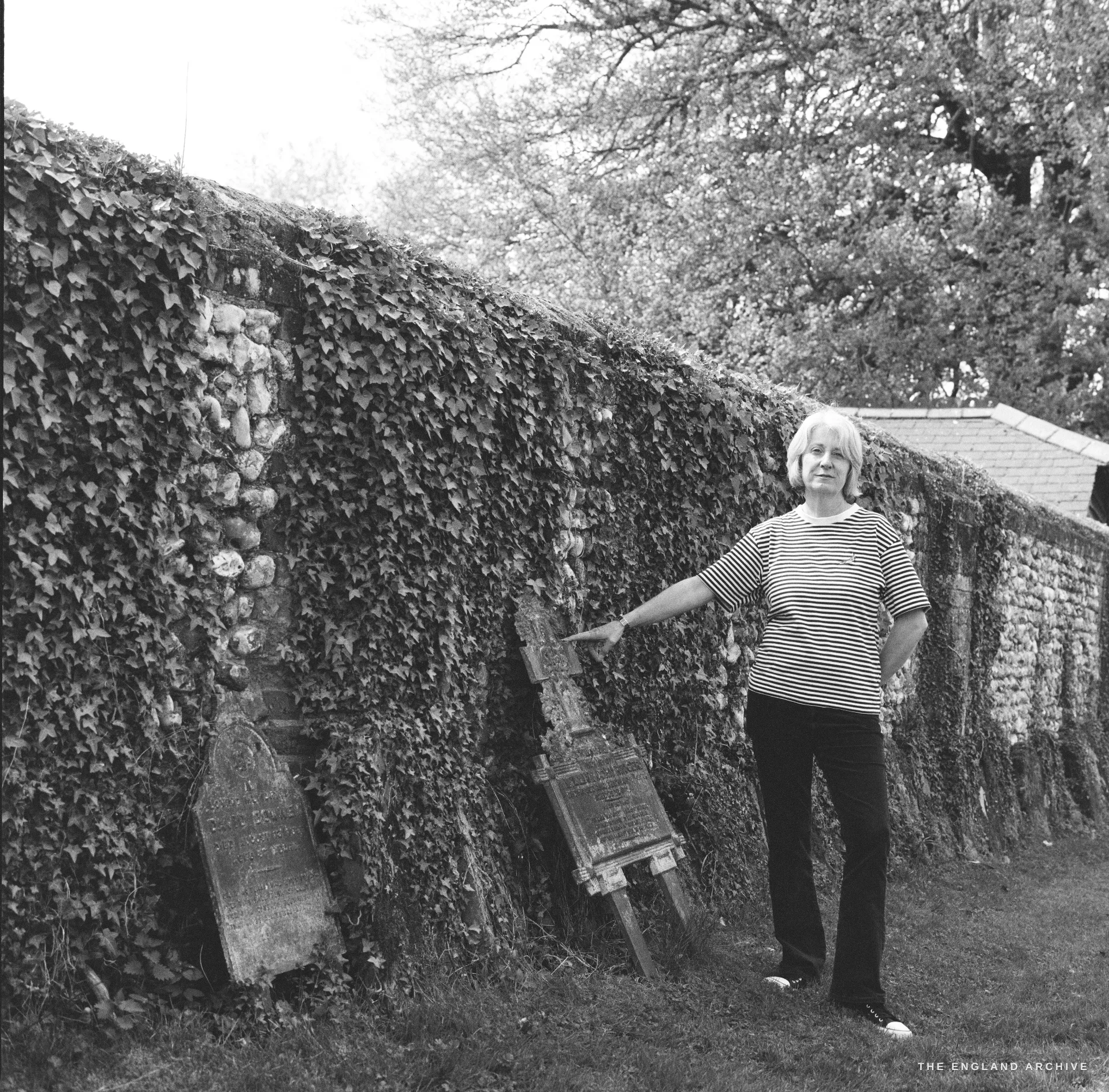
Some of them I am glad to have. Lida Kindersley at the Cardozo Kindersley Workshop, holding a slate cut with the workshop's own name. Paul Kemp at the foot of the mill he keeps at Toft Monks. Good frames, made slowly, on a camera that asks the subject to wait for them. I could have made every one of them on the Leica in a fraction of the time, with the picture in my hand before I left the room.
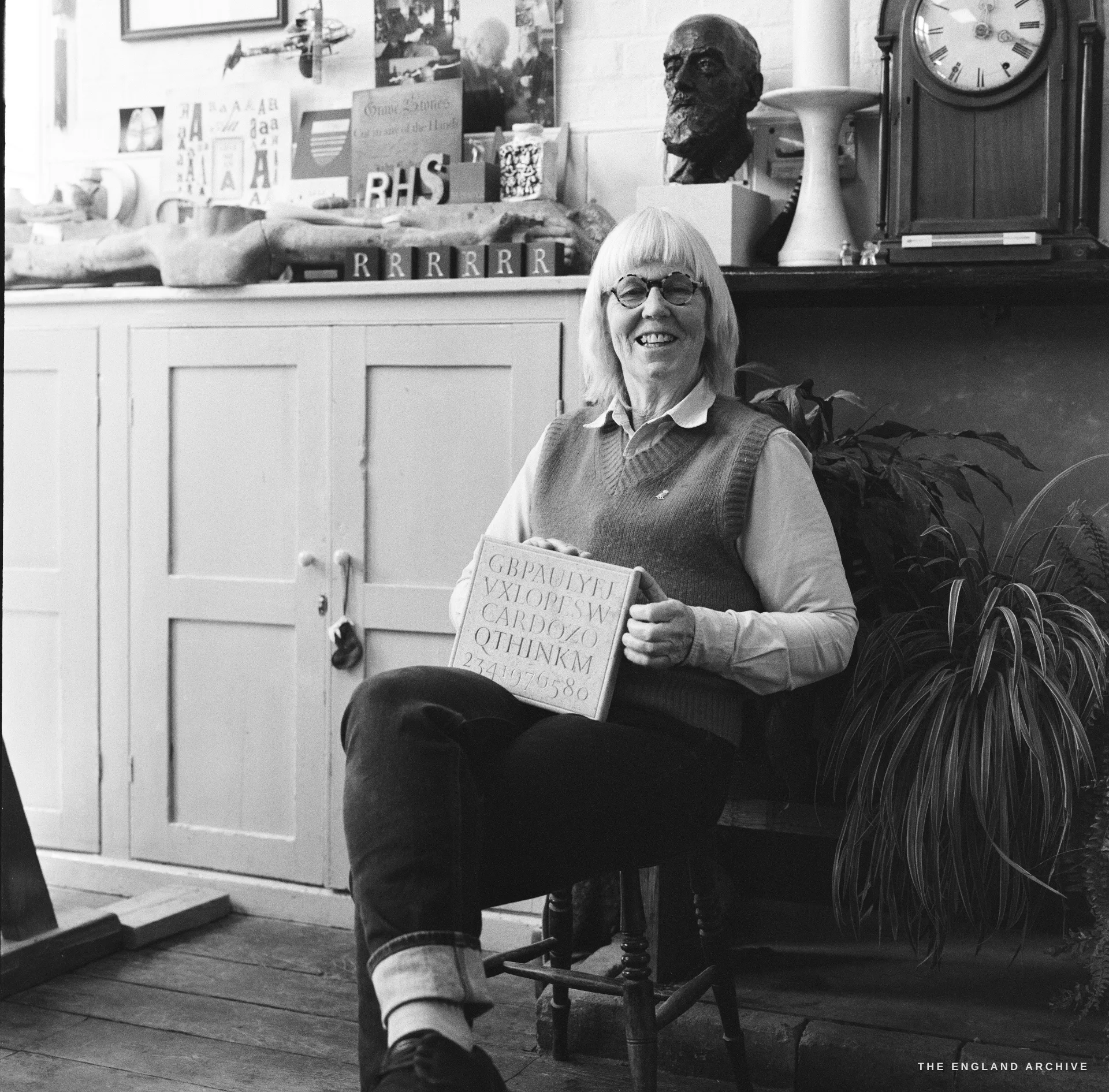
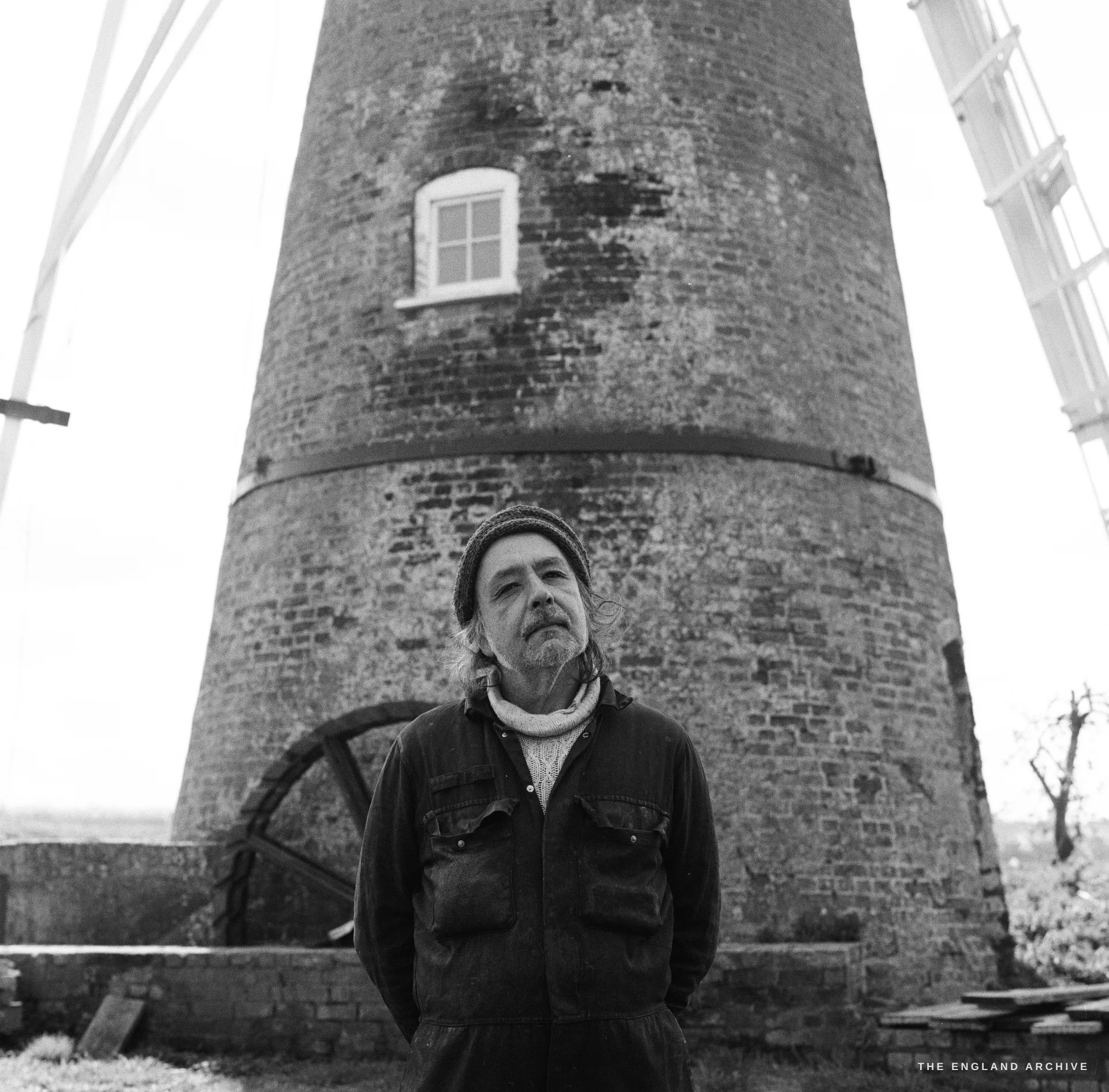
That is the whole ledger. A handful of frames I like, one roll that vanished, a week of waiting for each visit, a lab bill, and a scan I could not trust. Set against a camera that does the same job before the subject has shifted in the chair, the film loses. Not on beauty. On everything else.
The register
So the register changes. The four systems become two. The Leica Q3 does the documentary work and now the portraits as well. The Fujifilm X-S20 carries the video, the behind-the-scenes coverage, the second angle. The Bronica SQ-A and the Intrepid 4x5 come off the working kit. I am not selling them in anger and I am not declaring film dead. I am saying they cannot be the spine of this particular archive, made on this timeline, by these hands, in these rooms.
Here is the part I got most wrong. I argued that film was how you give the subject the seriousness they deserve. I had the direction of the gift backwards. What the subject deserves is my whole attention pointed at them, and the film cameras kept turning my attention back onto myself - my focus, my meter, my dwindling frame count, my dark cloth. The camera that disappears does not cheapen the portrait. It clears the room of everything that is not the person. Homer Sykes made his life's work on cameras that got out of the way of the people in front of them; the reverence was in his looking, not in his kit. I confused the ritual of the tool for respect for the subject. They are not the same thing, and when they pull against each other, the subject wins.
I may keep one film camera for the rare frame that genuinely earns it - a single sitting, planned, lit, with the time and the safety net to do it properly and a digital frame made alongside as insurance. That is a deliberate exception, not a working method. The working method is the camera that never makes an eighty-seven-year-old man hold a pose while I chase focus on dim glass.
If you are a documentary photographer being pulled toward the same romance, I am not here to talk you out of film. I am here to say the part the romance hides: the gear is not the reverence. The attention is. Buy the camera that lets you forget the camera, and spend everything you saved on getting in the room with the person while they are still here to photograph. That is the whole job. I learned it the expensive way, on a roll that came back blank.