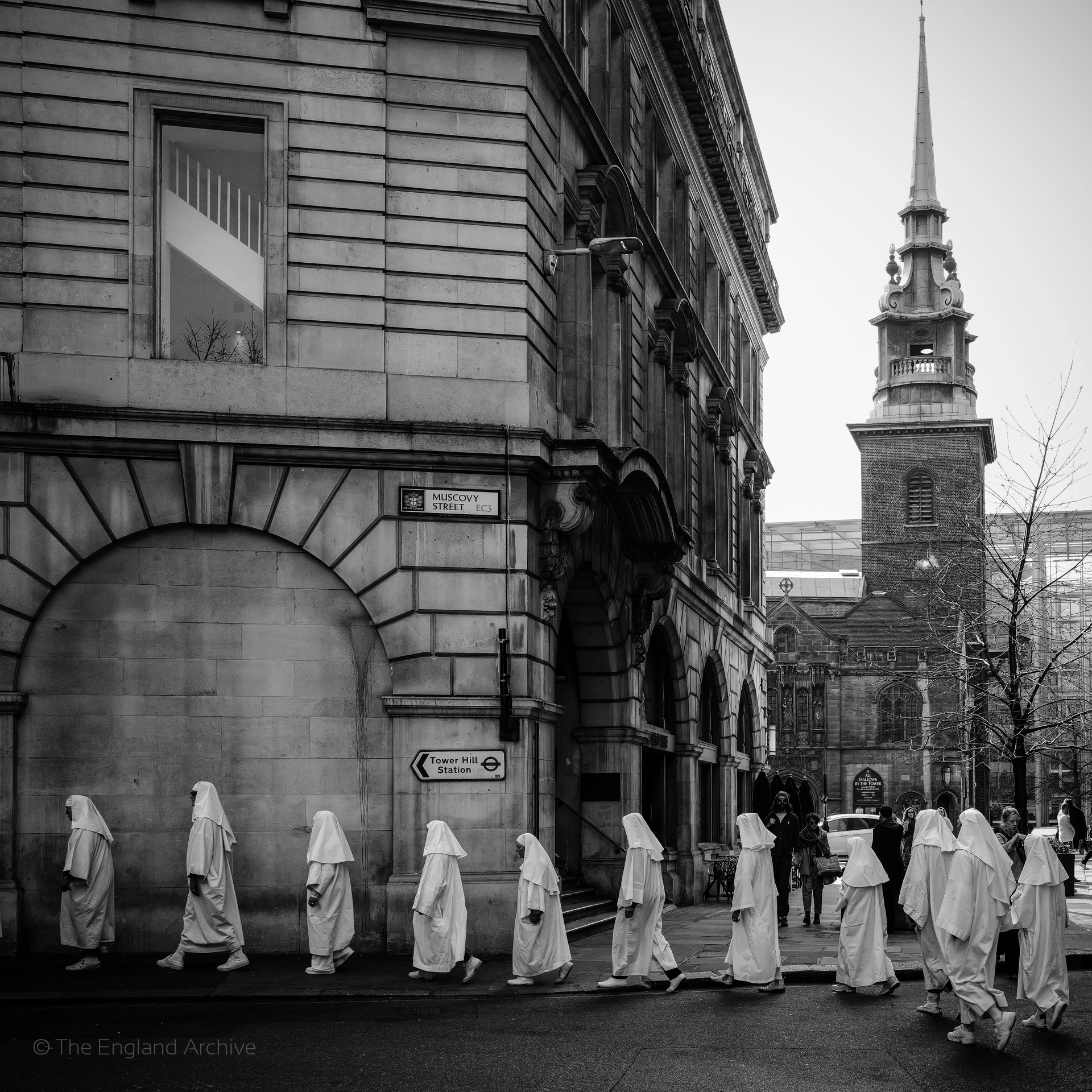
Before the First Frame
Nobody told me the hardest part would be before the camera came out.
I have spent the last several months doing something I have never done on any project in thirty years of building things. I sat with a question long enough to actually understand it. Not answer it. Not pitch it. Just understand what it was really asking.
The question is this: who is keeping England alive, and what happens when they stop?
It sounds simple. It isn’t. Every time I thought I had it pinned down, it opened into something larger. What does “keeping alive” actually mean? Is the wassail leader keeping a tradition alive, or is she keeping a community alive, or both, and does the distinction matter? Is the churchwarden who has held the same keys for forty years preserving a building or preserving a way of understanding place? These are not rhetorical questions. They are the questions that determine what you photograph, who you approach, and whether the whole thing holds together as something coherent rather than just a large collection of portraits of interesting people.
So before anything else, we built the architecture. Eight regions. Six subject categories - Makers, Keepers, Carriers, Rememberers, Stewards, Gatherers. Three years. A subject pipeline of over seventy contacts. Seasonal schedules for every category because the orchard in January is not the orchard in October, and the Bonfire Society captain in March has nothing to tell you that he won’t tell you better in October when the pressure is actually on.
That work took longer than I expected and was more valuable than I anticipated. Most projects rush past it to get to the thing that feels like the real work. The photographs, the fieldwork, the subjects. I understand that impulse. But when you sit down to write an outreach email to someone who has been leading the same parish wassail for nineteen years, and you genuinely cannot explain in one clear sentence why their work matters and why you are the person who should document it, you are not ready to send that email. The architecture forces the clarity.
The outreach has been running for a few weeks now. Seventy-four contacts across all eight regions and all six categories. I was prepared for silence. I was prepared for polite deflections and a handful of cautious yeses that would take months to convert into actual access.
What I was not prepared for was how quickly people said yes, and how much some of them had been waiting for exactly this question to be asked.
The first response came from the Secretary of the British Artist Blacksmiths Association. He offered an introduction to the National School of Blacksmithing in Hereford and a slot in their newsletter before I had even replied to his email. That is not a normal response to a cold outreach from a photographer. It tells you something about how rarely this community gets approached by someone who is interested in the work rather than the aesthetic. A blacksmith is very good-looking in a photograph. The fire, the hammer, the anvil. Most photographers want that image. Very few want to understand what it took to learn the craft, what it means that there are fewer than forty practitioners left who can do what this particular blacksmith can do, and what disappears from England when the last one stops.
We have also had a conversation with Dan Milnor, a photographer whose work I have respected for a long time. He is visiting London in October and we will spend time together then. His advice, given generously on a Zoom call that went longer than either of us planned, was simple and uncomfortable in the best way. Stop thinking of this as a three-year project with a book at the end. You are committing to something that will take ten years, minimum. The book matters less than the living record you build along the way. Museums want process. They want journals and field notes and the evidence that someone was paying close enough attention to document not just the subjects but the making of the documentation.
That note is partly why this journal exists.
The England Archive CIC was registered this week. A Community Interest Company limited by guarantee. It exists on paper now, which makes it feel different than it did as a vision document and a Notion database of contacts.
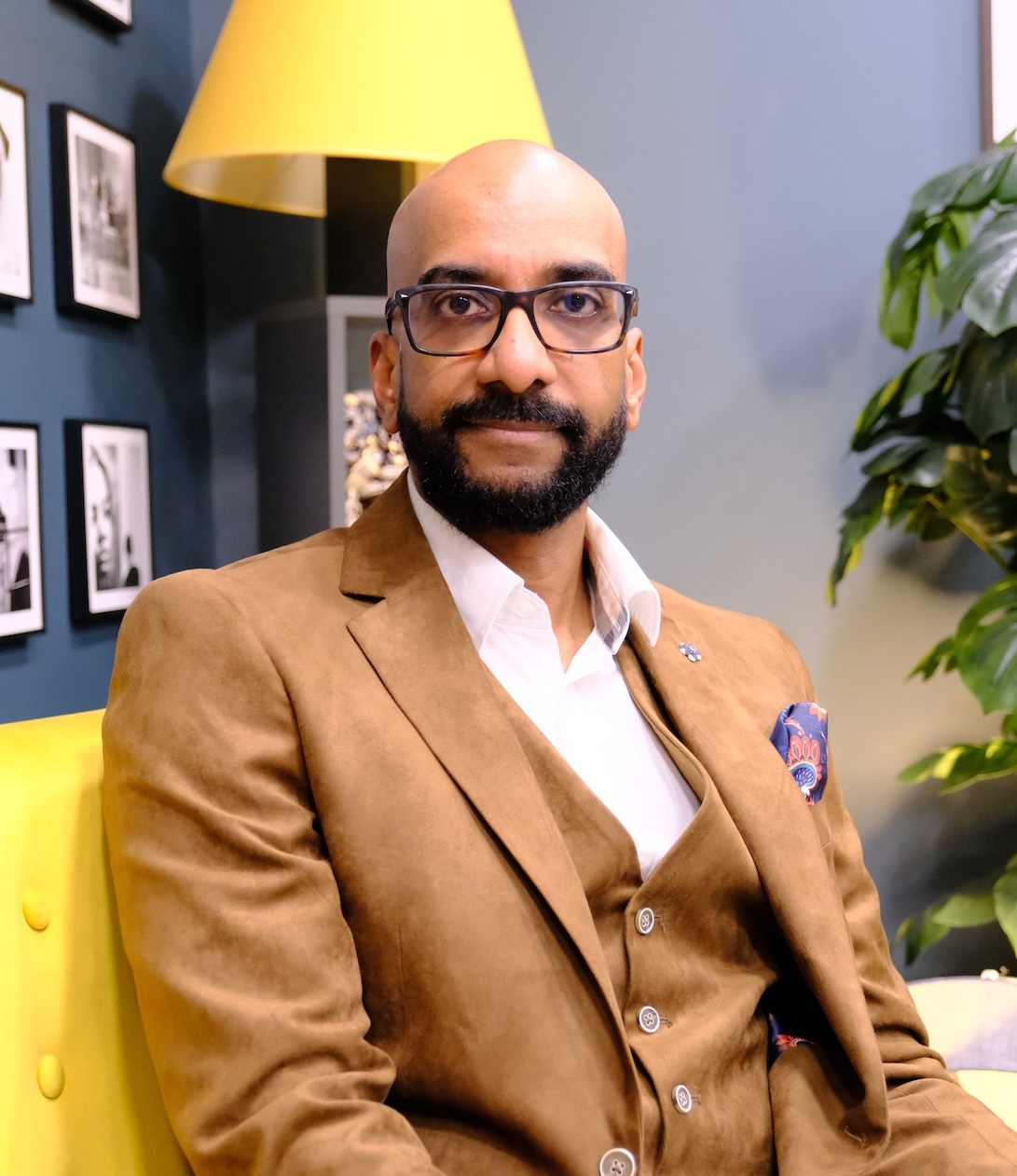
I am the sole director. My wife Bhavani, who is the project’s Field Producer, will be added as co-director once her identity verification clears. She has been planning the logistics of the first shoots while recovering from surgery, which tells you something about how seriously she takes this. The first fieldwork window opens in May.
There is something clarifying about registering a legal entity for a project. It means the project has to be the thing you said it was going to be, not the easier version of it that you might quietly substitute if no one was watching. The CIC structure means the project’s assets, the photographs, the archive, the eventual exhibition, exist for public benefit. Not for us. That felt like the right constraint to build in at the start, before the first frame is made and before anyone has any reason to be precious about the work.
I want to be honest about what I do not know yet.
I do not know if the access I have built on paper will hold when I show up in person. An email yes and an in-person yes are different things, and I have done enough outreach in thirty years to know that some of the warmest initial responses come from people who, when you actually arrive, are more guarded than they sounded. That is not deception. It is just the natural caution of people who have been photographed before and found the result either wrong or indifferent to who they actually are.
I do not know which of the six categories will be the hardest to crack. My instinct is the Carriers, the people who keep annual traditions alive. They are community-embedded in a way that makes an outsider’s presence complicated. The Lewes Bonfire Society does not need a photographer. The Padstow Obby Oss has been written about so many times that the community has developed a justified wariness of outside attention. The access question there is not whether I can get in. It is whether I can get in in a way that makes the photographs worth making.
I do not know how long it will take before a subject trusts me enough to stop performing for the camera and just be. That is always the actual work of portrait photography, and it cannot be scheduled.
What I do know is that the project is real now in a way it was not six months ago. The question is good. The architecture is solid. The outreach is open. The CIC is registered. Bhavani is already planning May.
The camera comes out soon.