Stewards
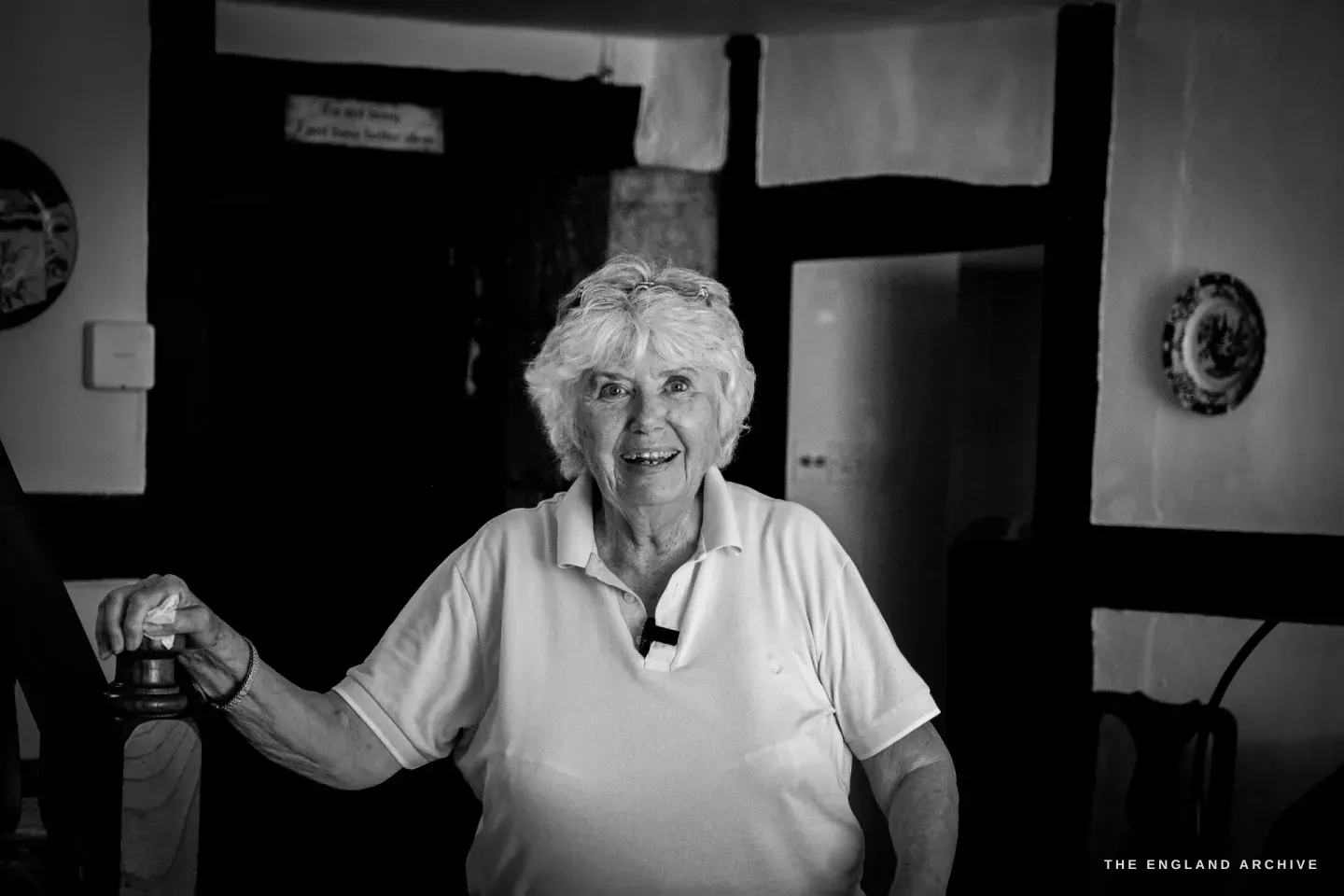
Carol Jackson
A Steward of Chipping Campden
Chipping Campden, Gloucestershire
A Steward of Chipping Campden
Chipping Campden, Gloucestershire
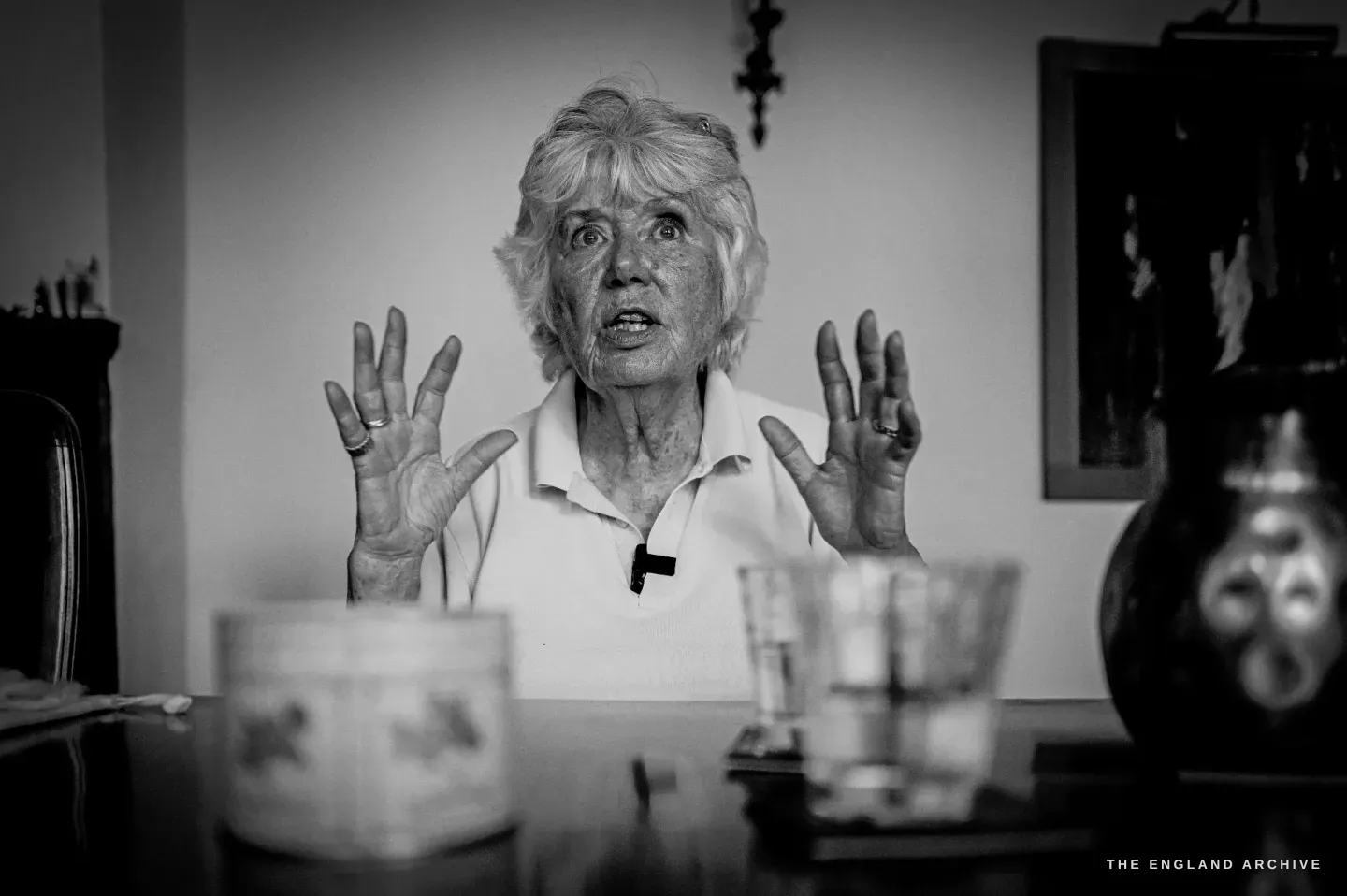
Sit down at Carol Jackson's kitchen table and she will give you the whole history of Chipping Campden, from the Romans to the present, without once reaching for a note.
It is a three-hour drive to Chipping Campden. I got there about nine, had a coffee and one of the town’s famous sausage rolls at Tokes, just off the High Street, before going on to Carol Jackson’s door.
Carol met me there - warm, quick, and, it turned out, every bit as excited about the day as I was. She offered me coffee; I had had mine, so it was a glass of water, and then we sat down. With Carol, sitting down means the history of Chipping Campden, and she does not start it gently. This morning was the real beginning of the archive’s record of the town, the place we are setting out to document in full with the History Society - and Carol, who carries so much of its history in her head, was the right person to begin with.
She would stop me there, before I get carried away. The knowledge, she is quick to say, is not hers by right. She came to Campden as an incomer thirty-eight years ago, and what she has learned she owes to the people who were here before her - the founder members of the History Society, local people, and other researchers who took her in and encouraged her. She is one of the town’s stewards, she would insist, and there are many: locals, History Society members, and others doing the same quiet work of keeping the place and its story.
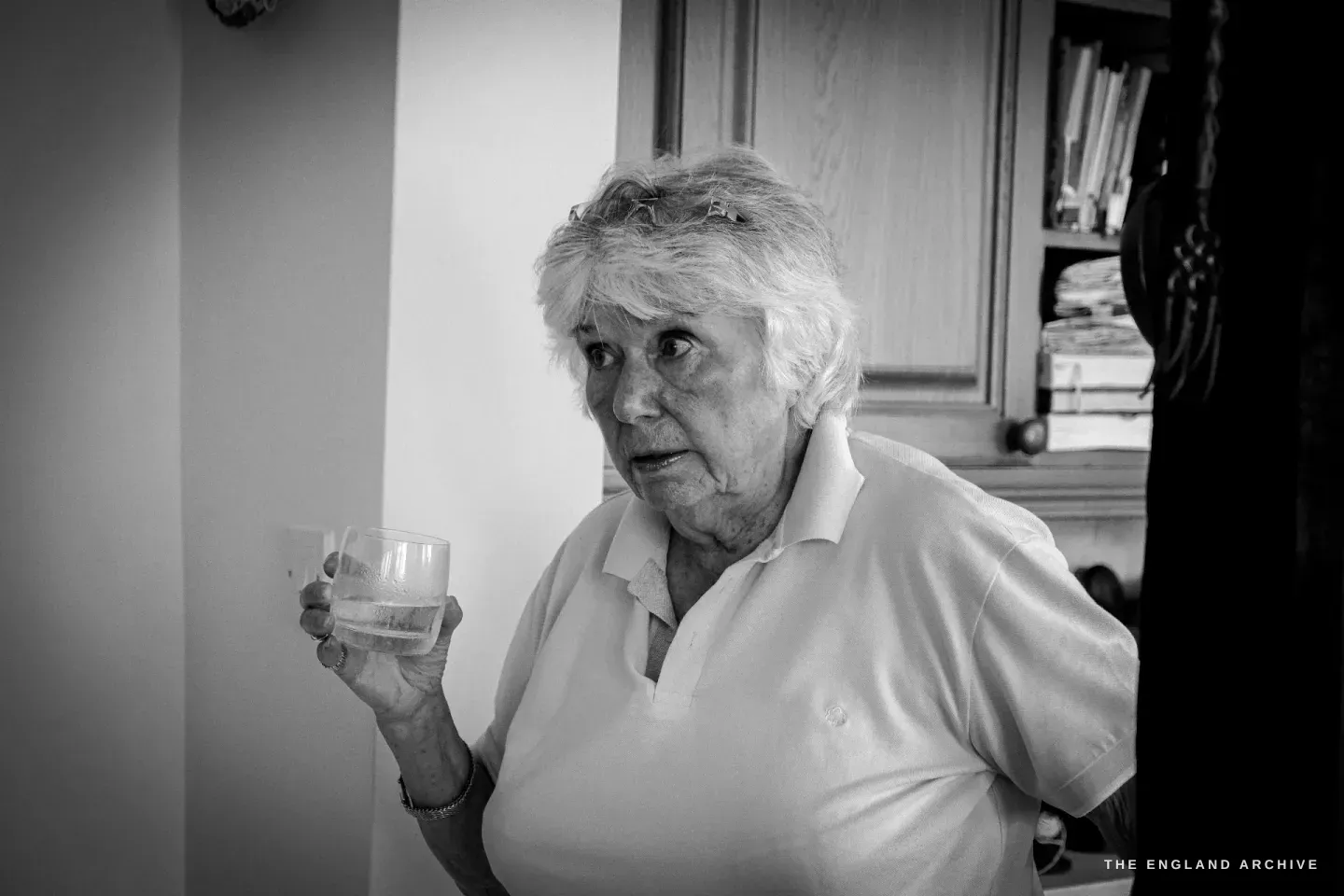
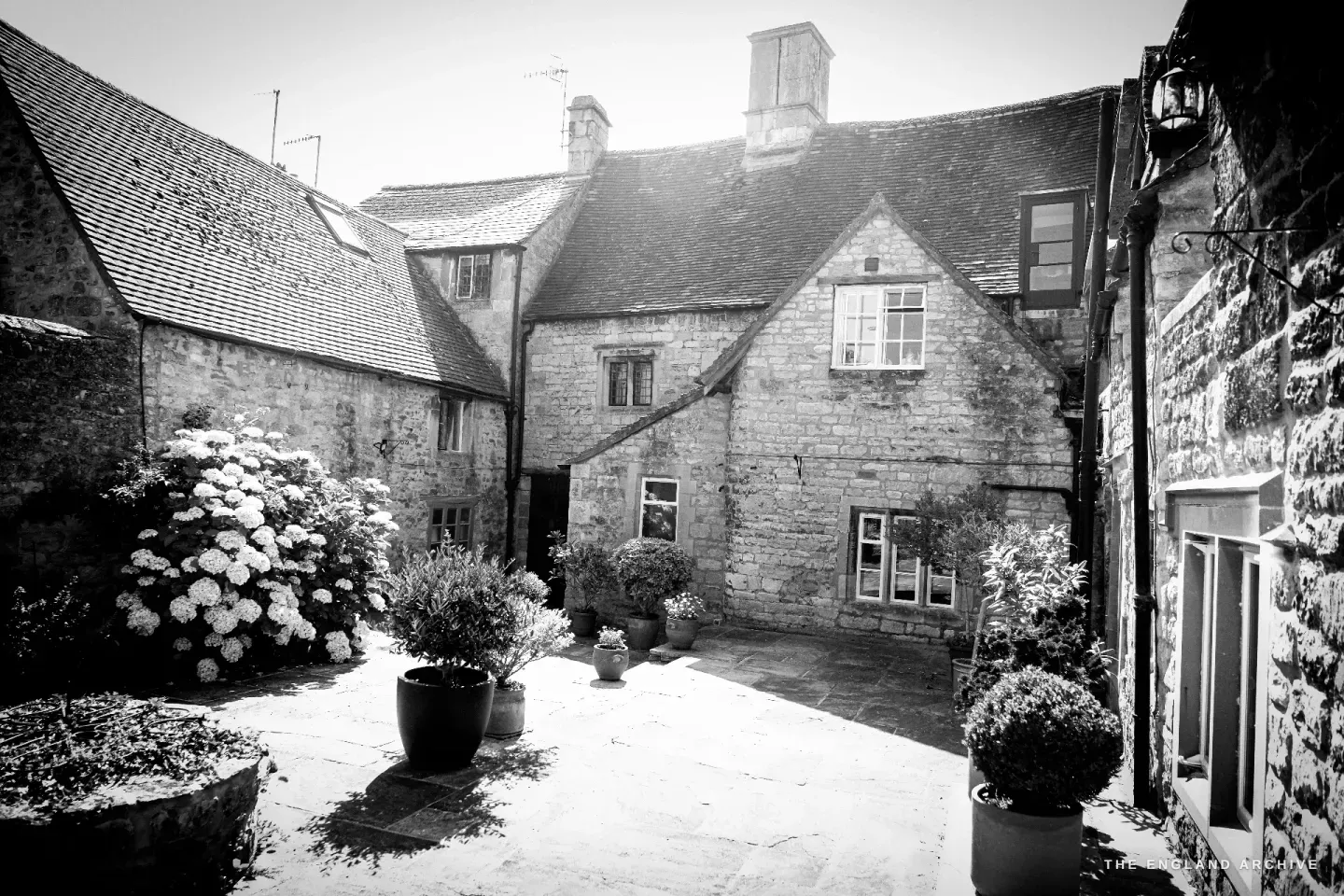
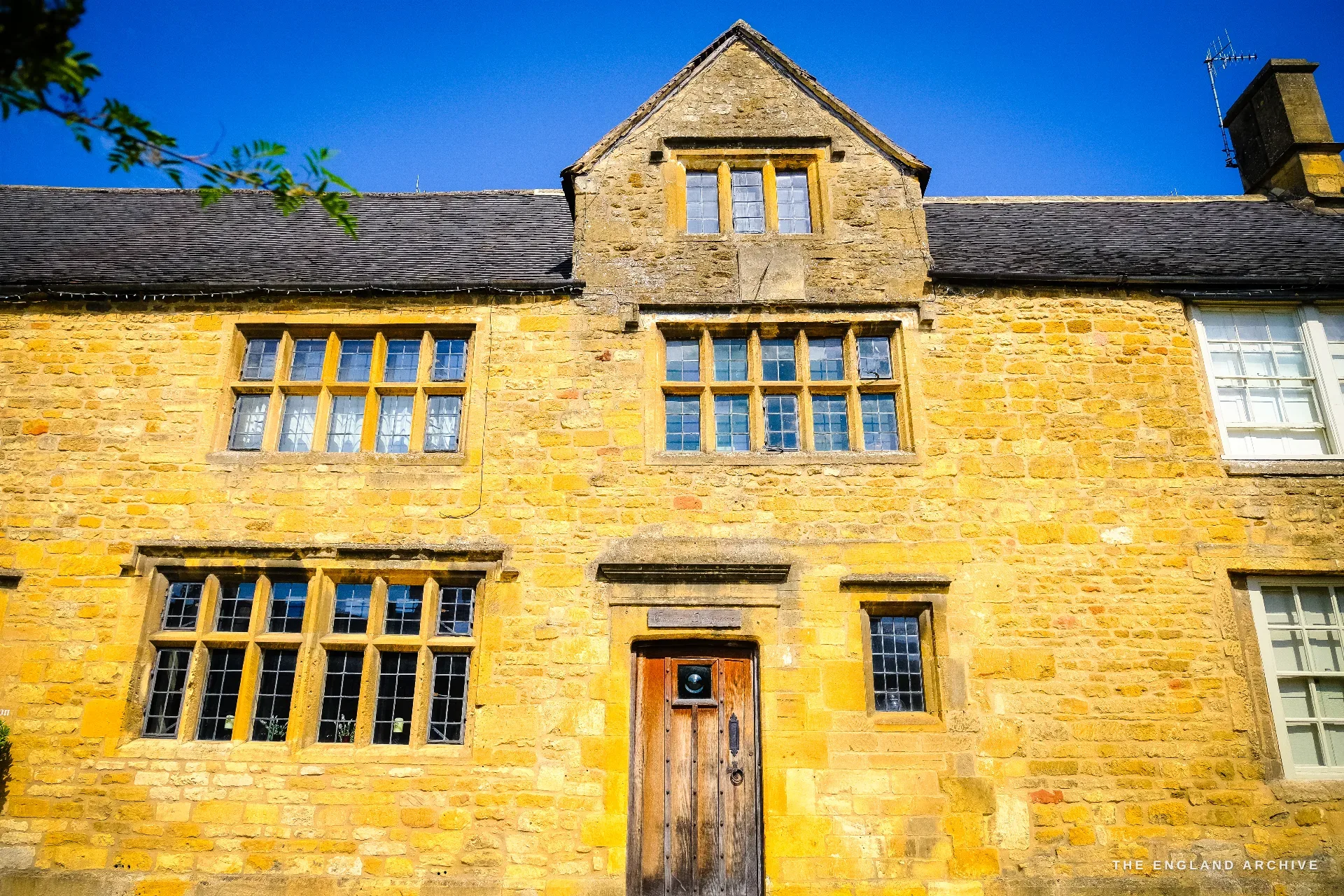
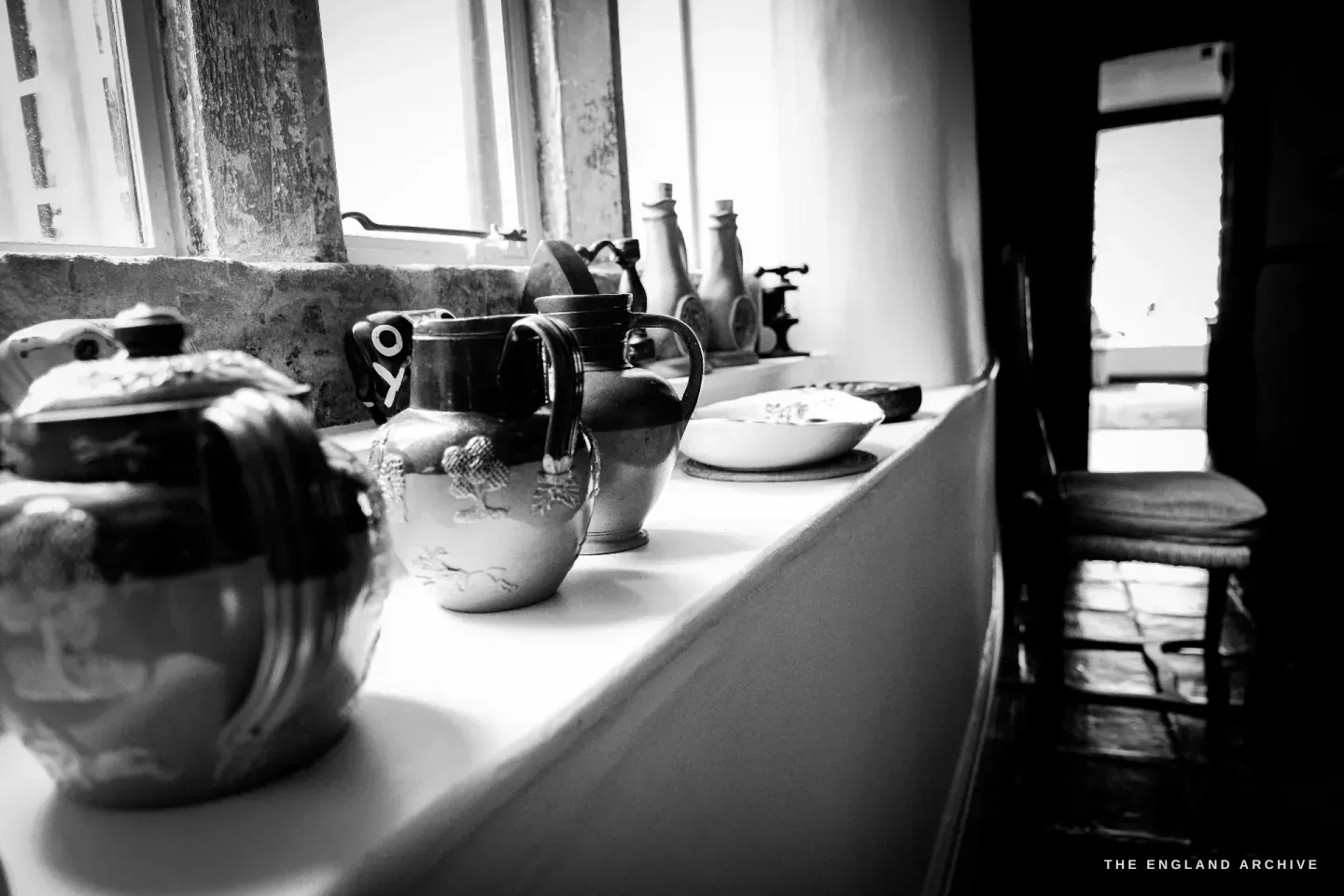
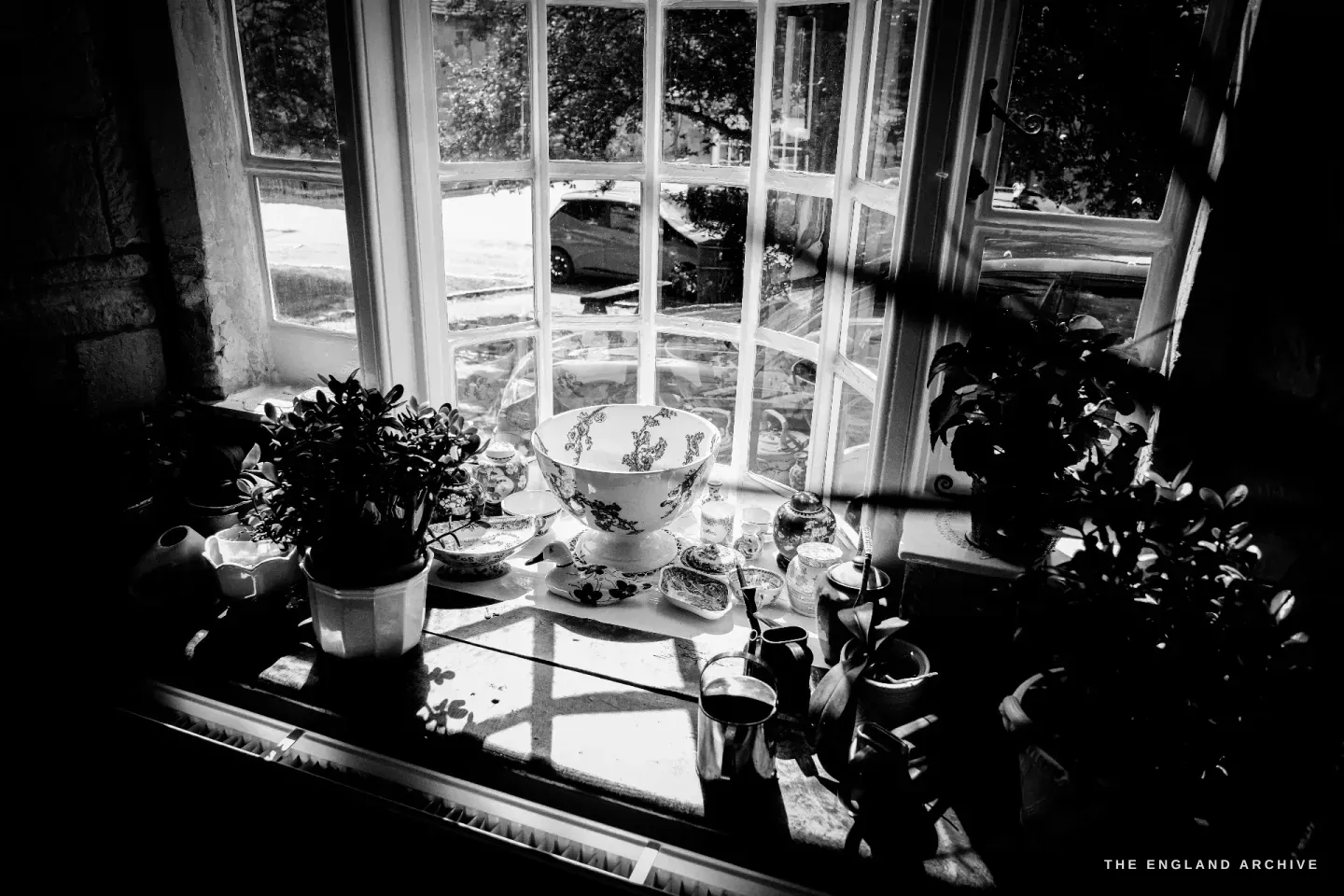
The house is part of the story too. It was built in the 1600s, and Carol told me of the distinguished Campden names who had lived in it down the centuries - figures, she said, woven into the town’s own history. She and her husband, Geoffrey, took this house on and have kept it ever since - not a wreck to rescue but a place to look after, made liveable and maintained, the old layout left much as it was. It shows. The rooms are beamed and low and full of light, and every surface holds something kept for a reason: transferware plates ranged on the walls, salt-glaze jugs along a windowsill, small bronzes and a cast-iron Robert Welch nutcracker on a dark oak ledge, silver on the sideboard, and small Danish and Norwegian flags among the framed prints - from her Danish mother's side, the cousins she still visits and is visited by.
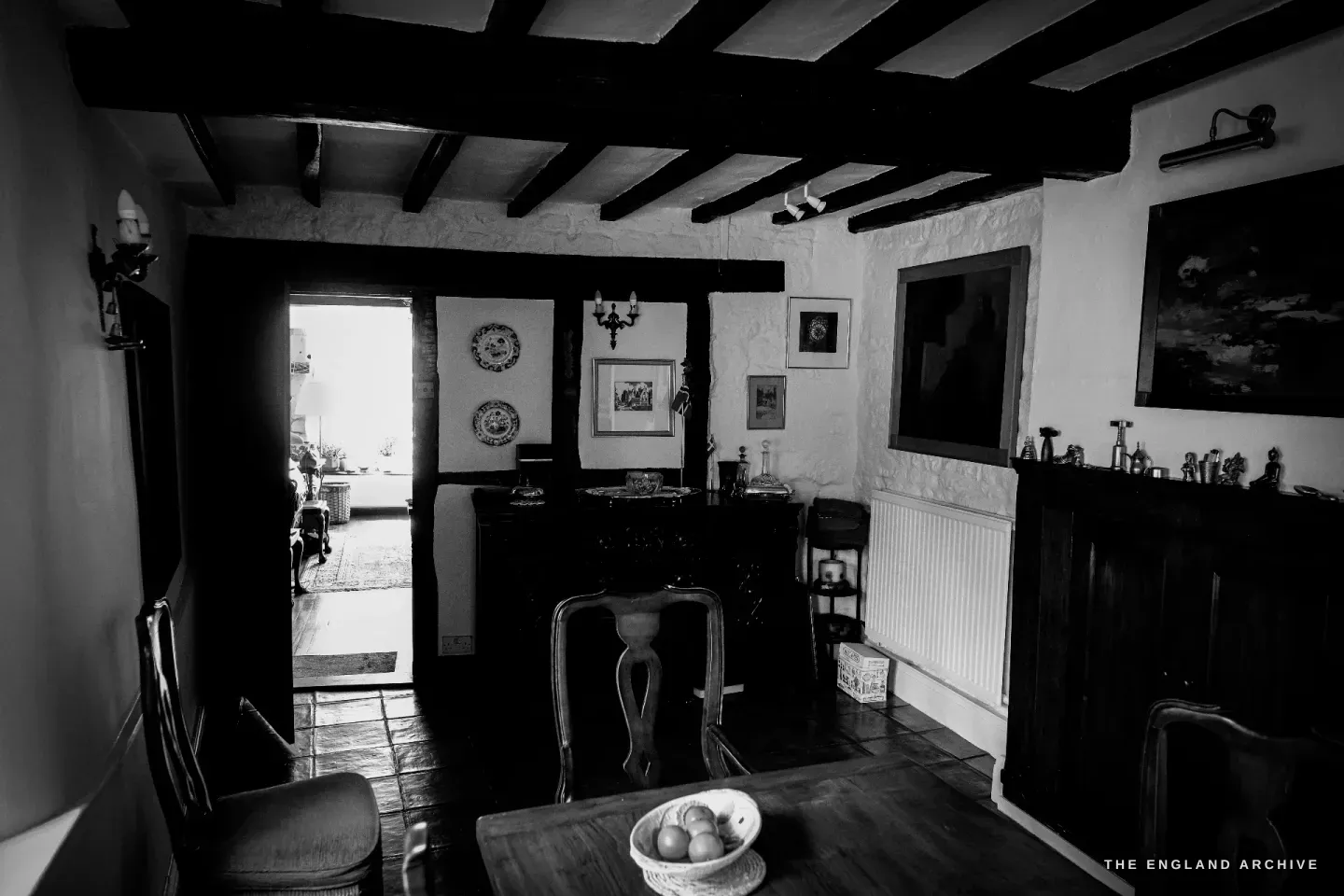
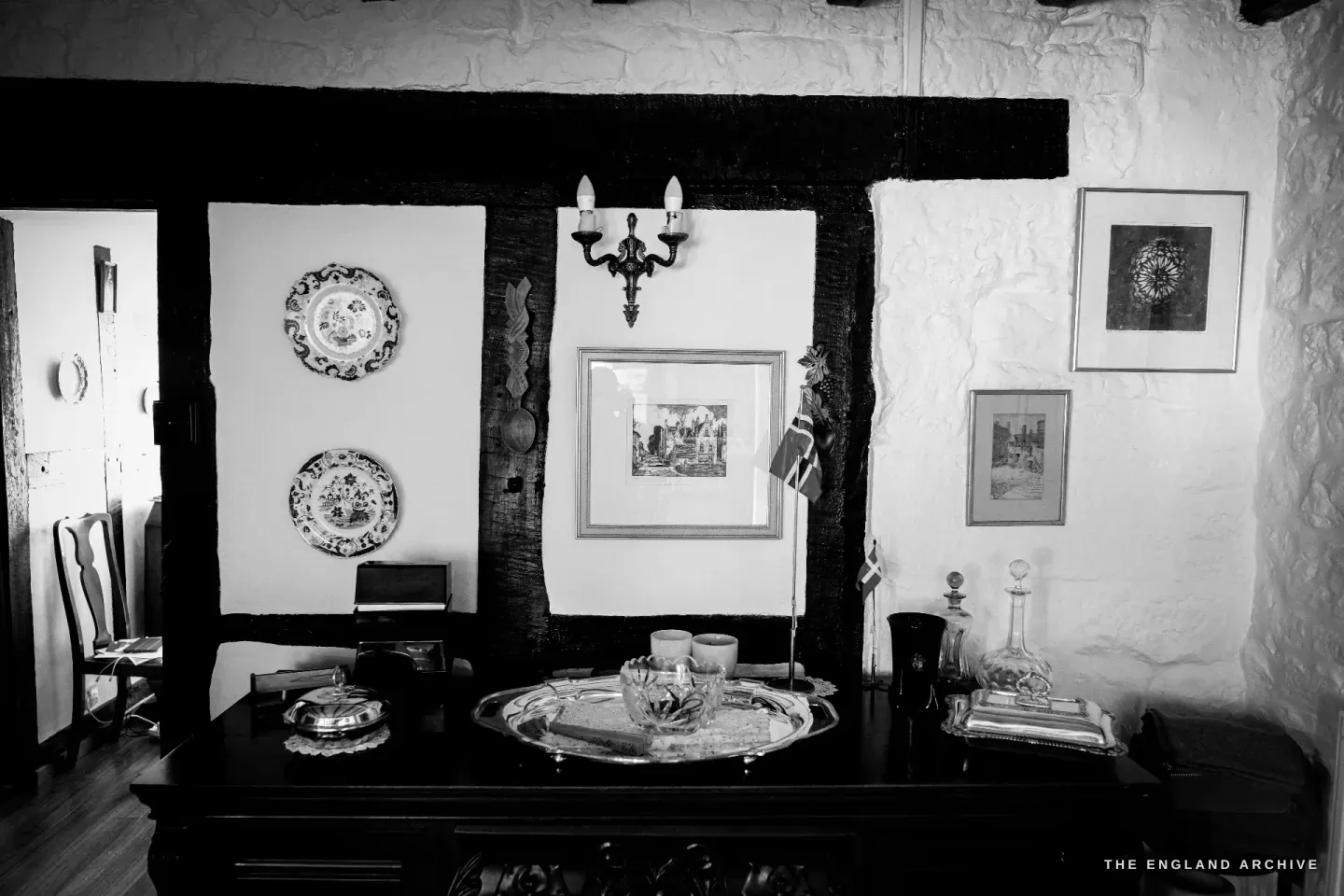
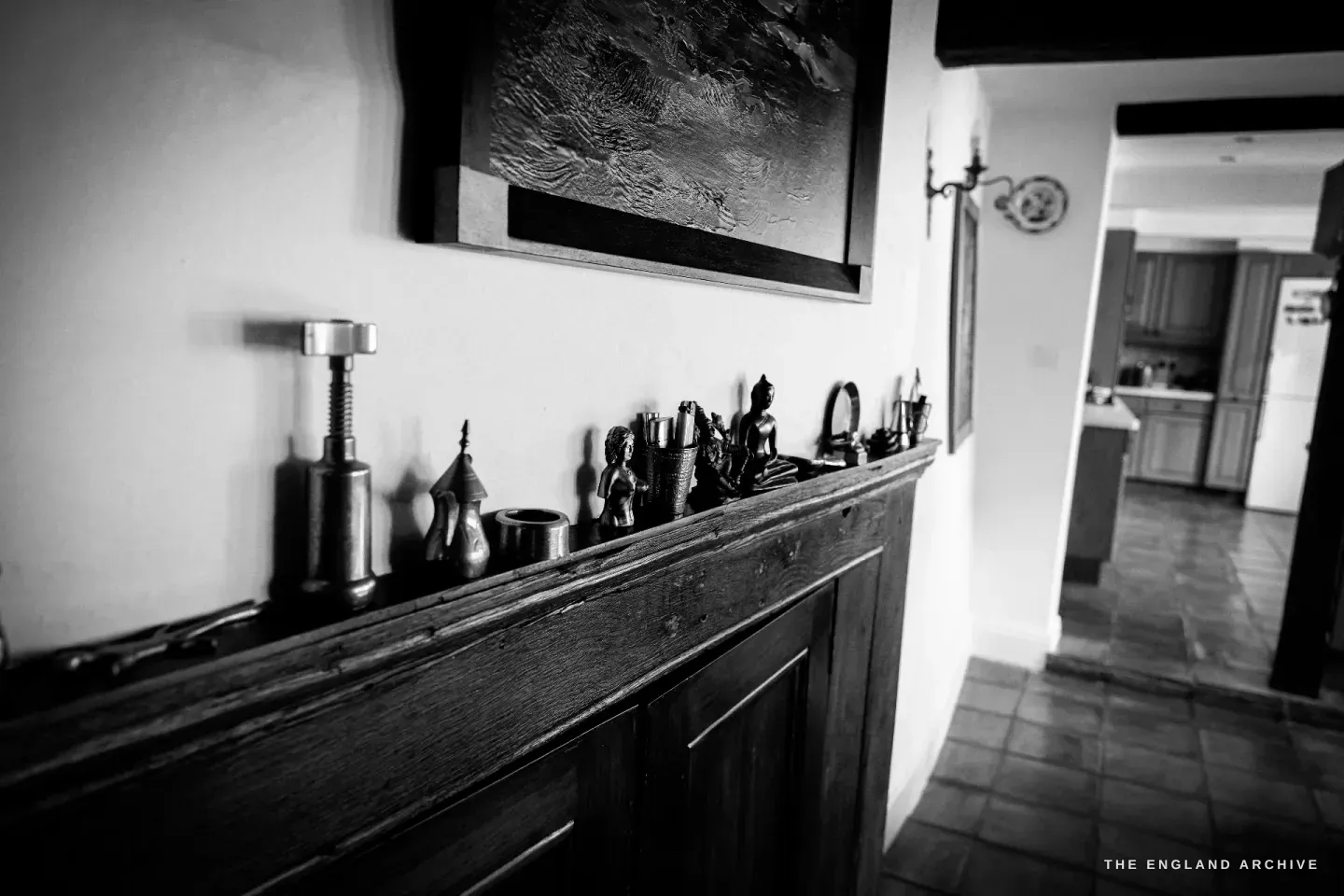
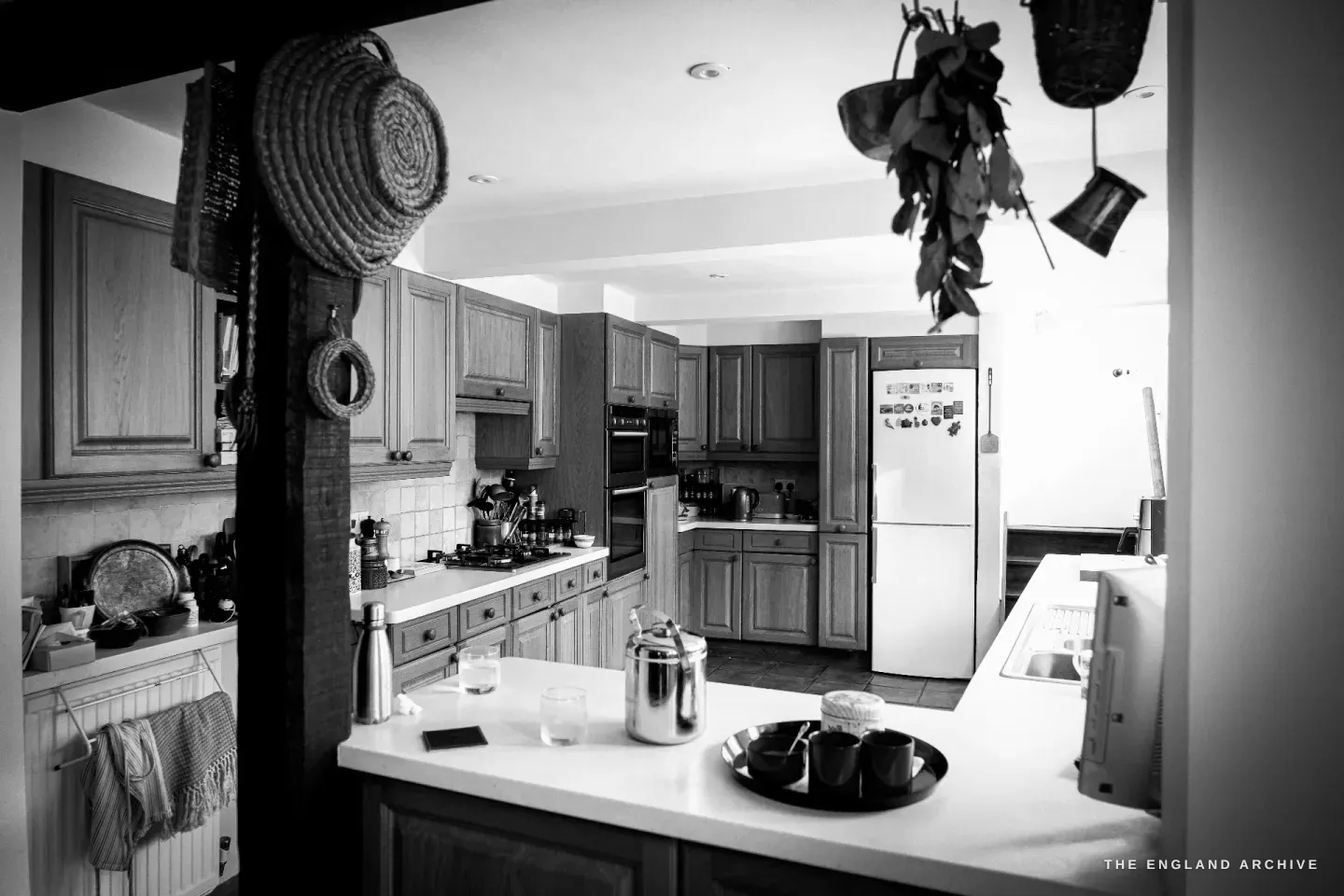
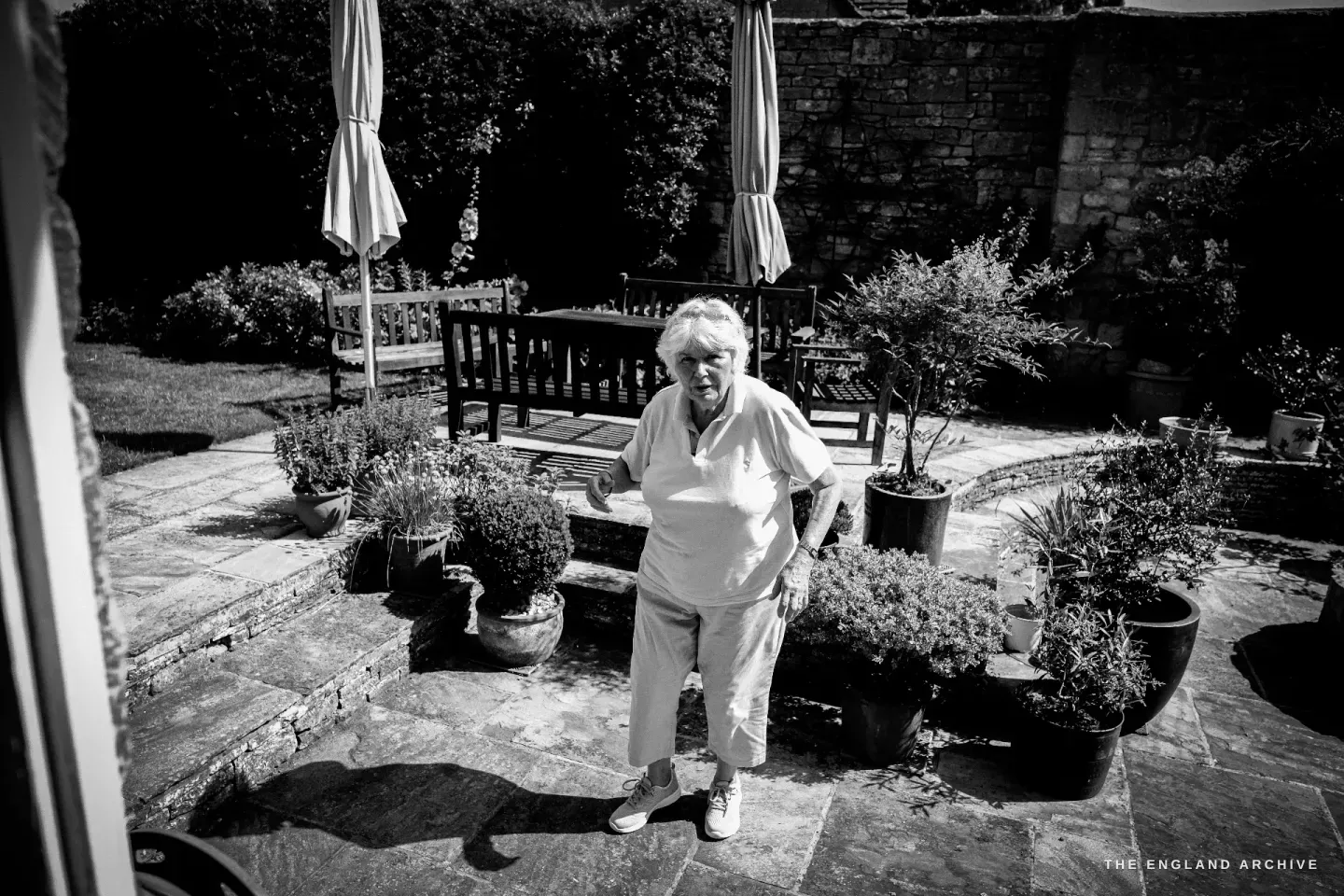
The kitchen is the heart of it - oak units, a fridge worn with magnets, baskets and dried bunches hung from a post, a coffee pot on the island - and out the back there is a stone terrace she keeps in pots, box clipped into balls and lavender and an olive. None of it is arranged to be admired. It is a house that has been thoroughly lived in and thoroughly loved, by someone rooted in the place she gives her mornings to.
What followed was one of the best history lessons I have ever been given, and it was given across a table by a woman with no notes. Carol took me through the whole of Chipping Campden, Roman times to the present, and she did it the way a great teacher does - one thing leading to the next, every date hung on a story, never once losing the thread.
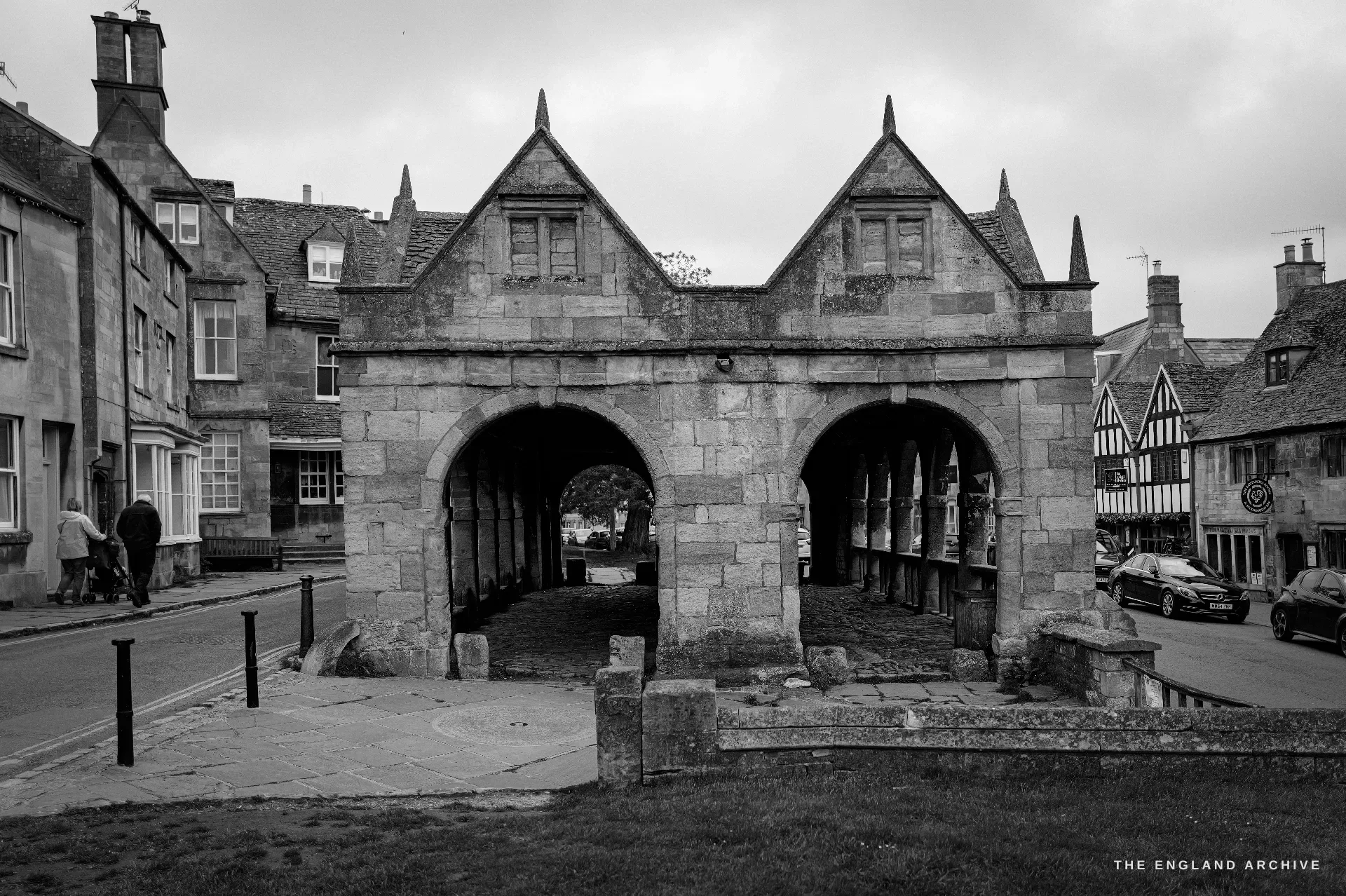
She started with the name. Camp, she said - from the Roman, an enclosed settlement - and dene, a valley: the settlement in the valley, which is exactly what you see when you come at the town down the hill from the Oxford side, Campden laid out below you in the fold of the land. Then how it became a market town, which is where the Chipping comes from - ceping, a market, the same root as Chipping Norton - and how they laid out the High Street itself, probably along an old track, with a wide bulge in the middle where the market could be held. She explained the burgage plots running back from the street, each with its shop or cart-entry at the front, animals behind, ground at the back, all of them feeding into the lane that for that very reason is still called the Back Ends.
From there the wool: the Cotswold fleece that made the town rich, the market charter of 1185, and the names of the merchants who mattered, and then the turn - the law that said fleece could no longer be sold raw but had to be woven first, and how, when the cloth trade needed water the town did not have, the industry simply moved away. Then silk in its place, and into the 1600s, where the history stops being only about trade and becomes about politics and religion too. Then the railway and the Industrial Revolution changing everything again, and at last the names a visitor half-knows - Baptist Hicks, the Noels, F. L. Griggs, and Ashbee bringing his craftsmen up from London, among them Alec Miller and Paul Woodroffe. She had the whole arc in her head, and she clearly loves every century of it.
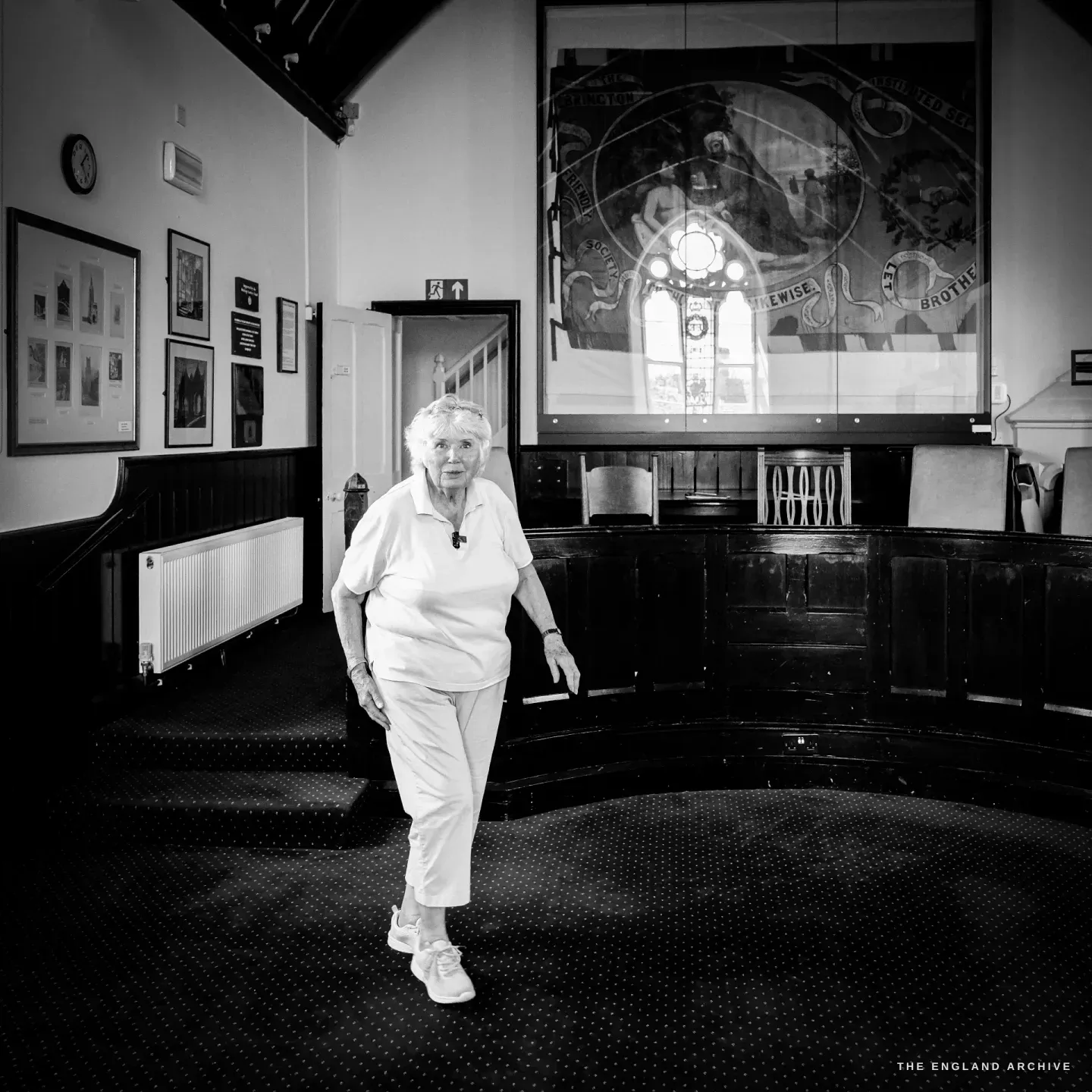
The full version of all this - laid out era by era - is the history of Chipping Campden the archive has built with the History Society, and a good deal of it began at Carol’s table that morning.
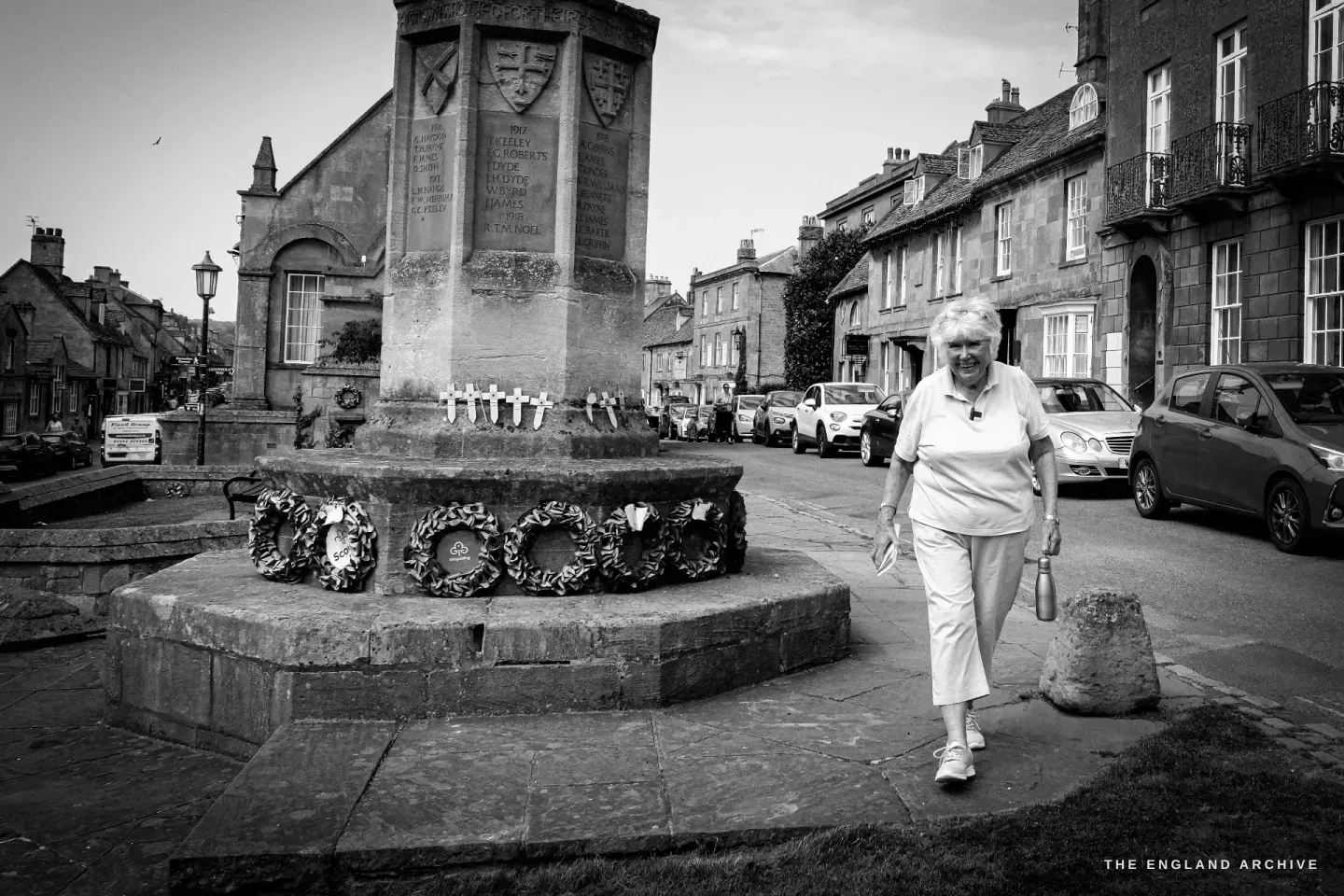
After the history at the table, we went out to see it. It was one of the hottest days of the year, the kind that empties a Cotswold high street by noon, and Carol walked me the length of the town anyway, in no particular hurry and missing nothing. She stops at everything - the old grammar school and the headmaster’s house, the great church, Dover’s House where F. L. Griggs lived, one doorway after another - and she stops not to fill the time but because she cannot quite bear to let you pass a thing without knowing what it is. There was a story ready for each one. What stayed with me was the generosity of it: she was giving a stranger with a camera her whole morning, and her whole town, and plainly enjoying every minute.
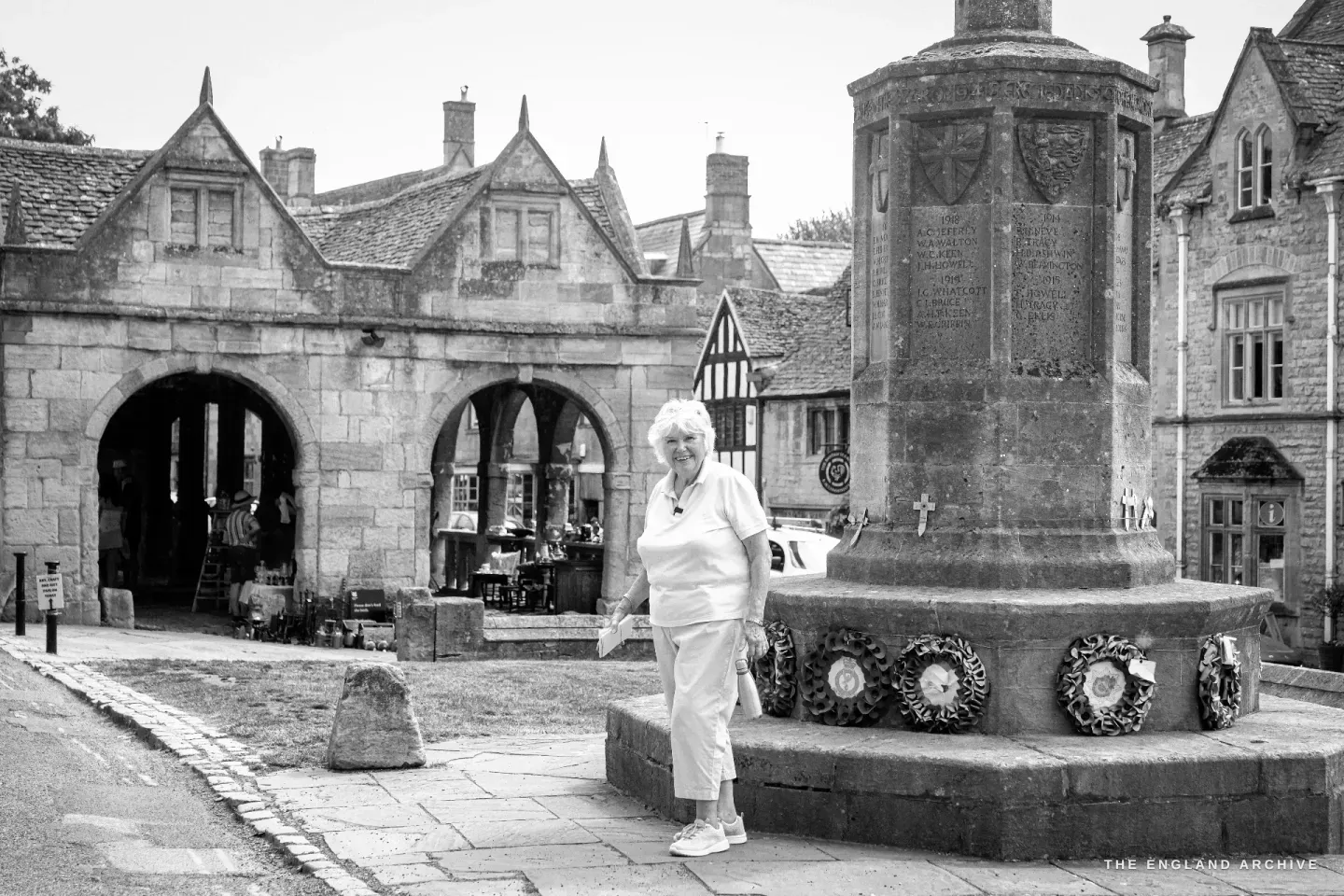
In the church of St James she went straight to what matters - the canopied Hicks monument, the standing Noel monument beside it, the medieval Campden Cope - the embroidered vestment of around 1400 that is the oldest of its kind still kept in the church it was made for - and the altar cloths beside it. She knew the rules for the cope without looking: curtains back to see it, closed after, never a flash. She told me about Burnt Norton, the ruined house out past the town that gave T. S. Eliot the first of his Four Quartets, and the story behind the name. By the time we were done she had walked me through the whole of it, building by building, and I had the strong sense of being handed something she has spent years getting right.
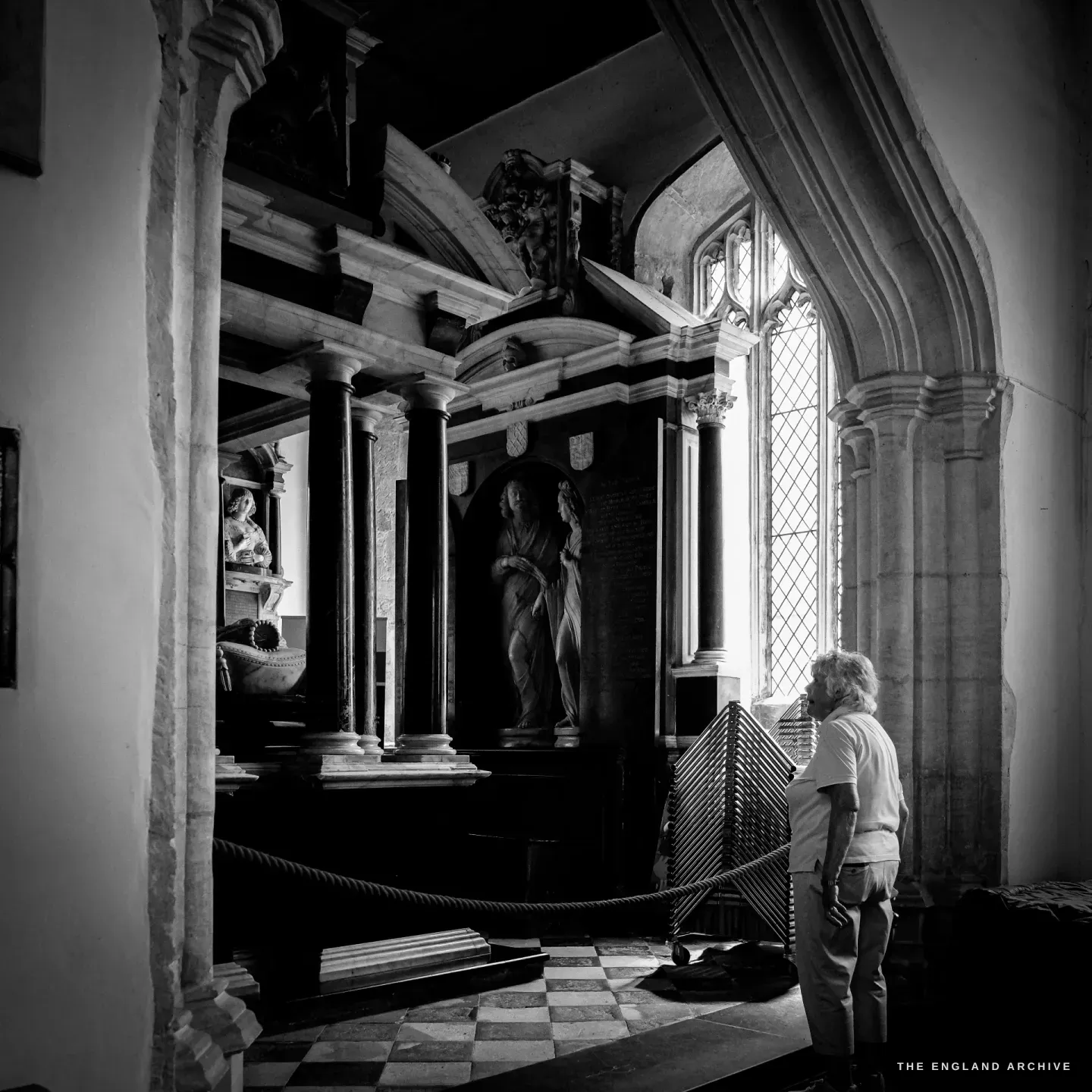
The walk has its own full account, with the colour photographs of the town, in A Morning in Chipping Campden. This page is about the person who made that morning what it was.
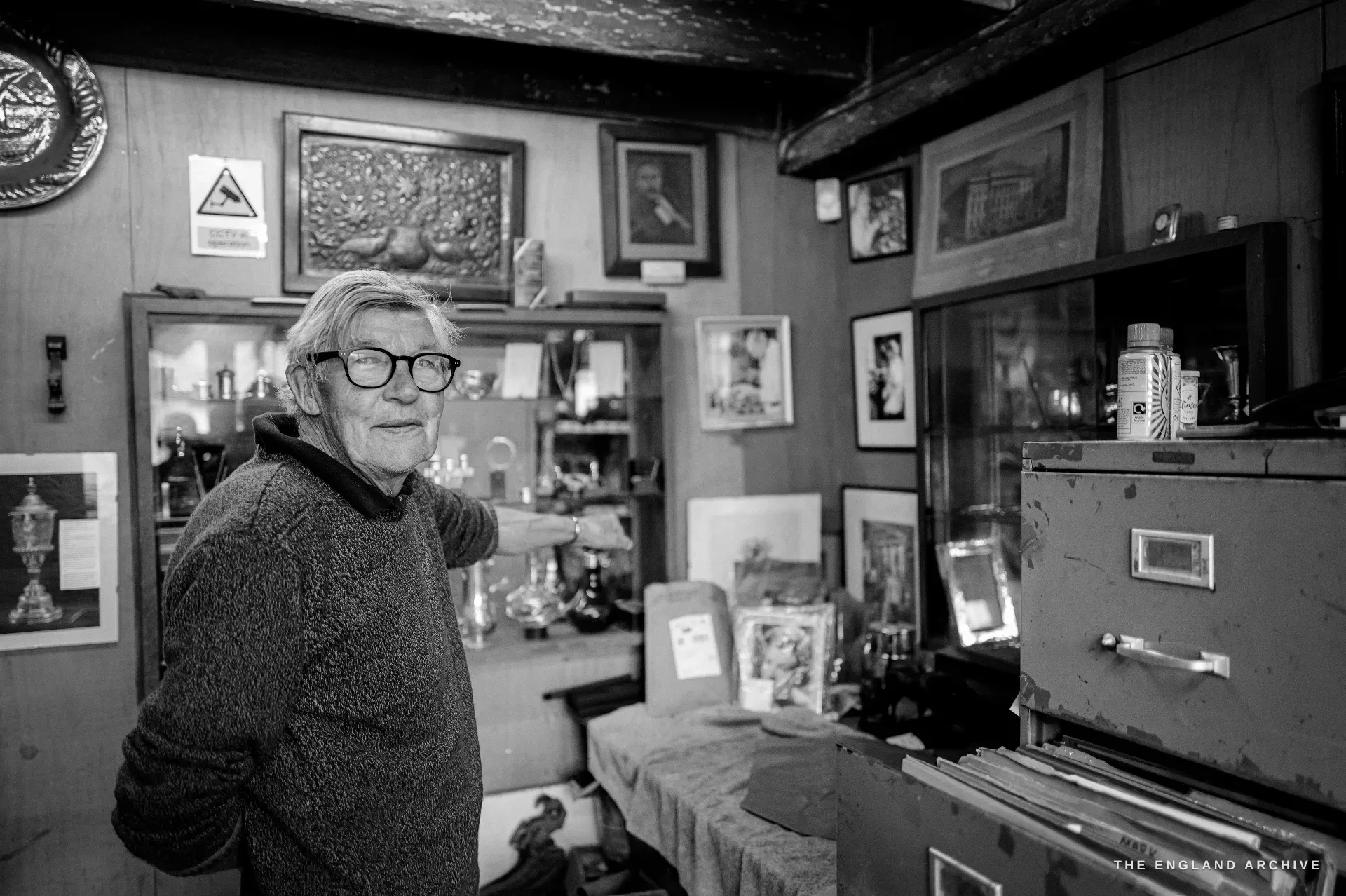
At the end I sat Carol down and asked her about herself, and the surprise is that a woman so completely of Chipping Campden is not, in fact, from here at all. Before the town she had a whole London life: she was, she told me, the very first employee at Miss Selfridge, and one of the people who helped turn it into the brand it became. She and Geoffrey decided on a different sort of life and left London for Campden, and in the thirty-eight years since she has done far more than settle in. She has taken the town’s history on as her own subject, learned it from the people who knew it, and become one of those others now come to for it. That is what the archive means by a steward, and Carol is the first it has documented.
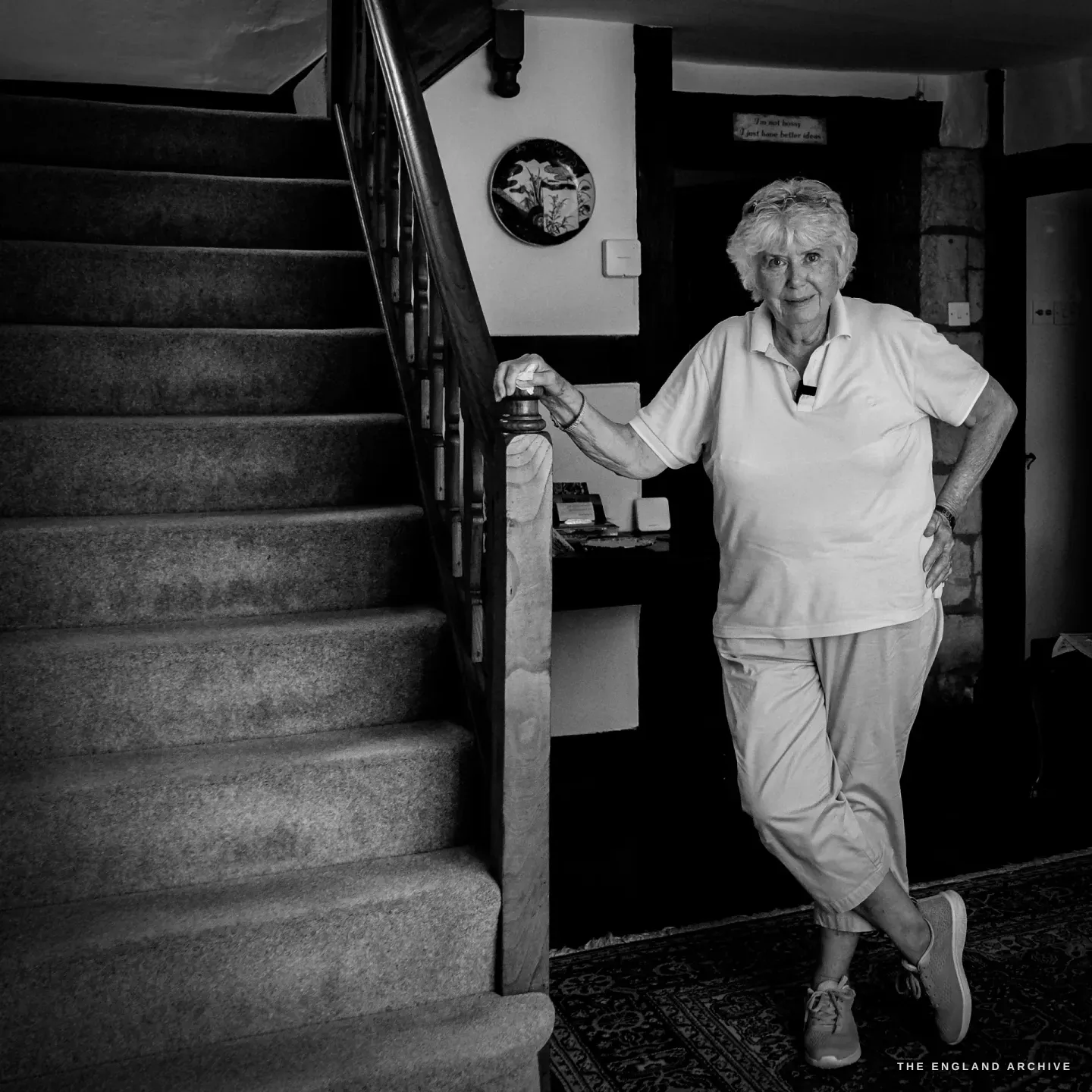
This is the archive’s first record of Carol Jackson, made in Chipping Campden in June 2026: the morning at her table, eight centuries told without a note, the walk round the town on the hottest day of the year, and the London life she left to become one of the town’s stewards. What is still to come is Carol in her own voice. The whole history lesson was recorded, and once the audio is edited her own words will be added here, so this account can sit beside hers rather than stand in for it. She is the first steward the archive has documented - one of many in the town doing the same quiet work - and exactly the sort of person it was built to record: someone who has taken on the keeping of a place, and gives what she knows freely to anyone who asks.