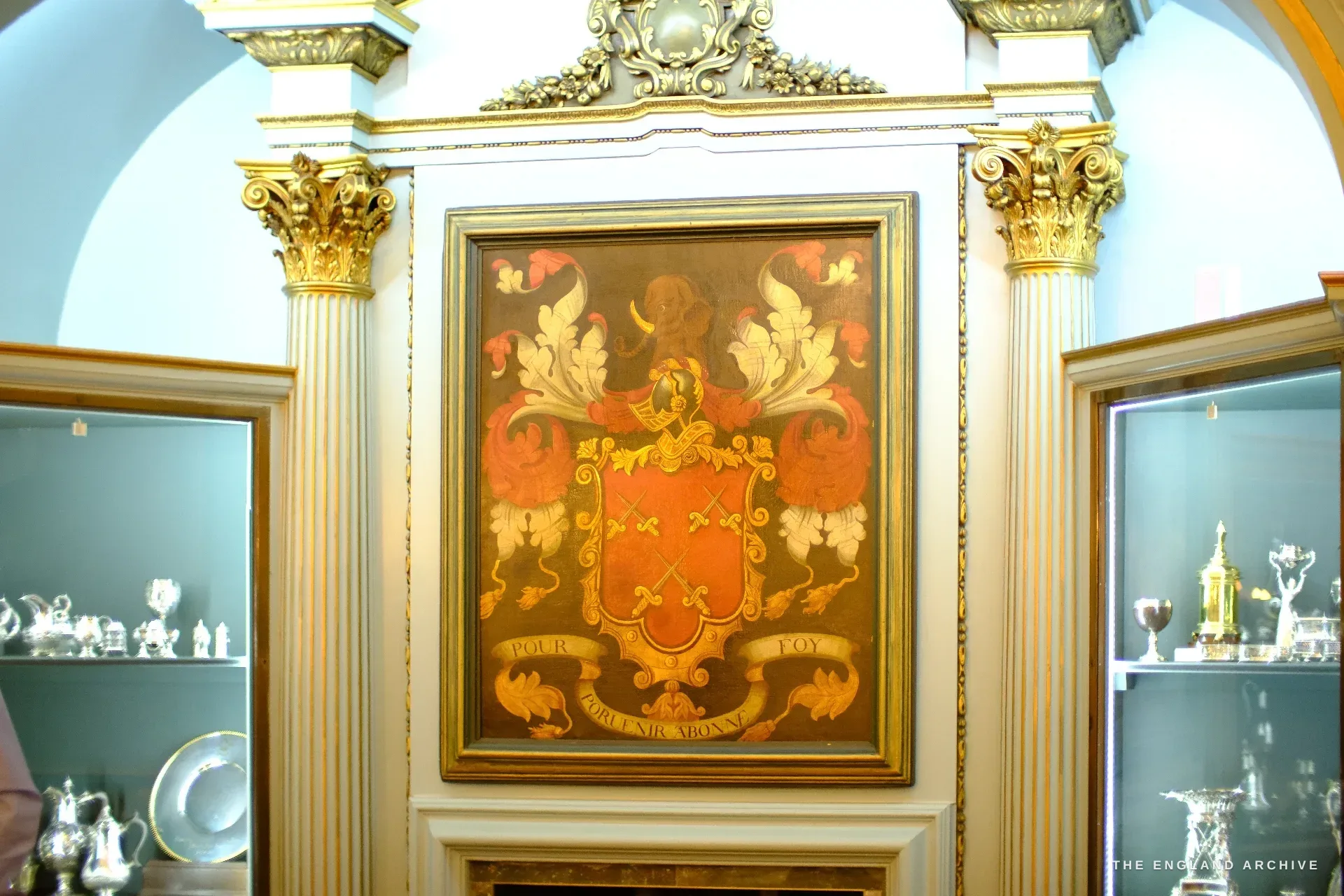
Sheffield has made cutlery for at least seven hundred years. The trade grew up in the old district of Hallamshire, where four fast rivers - the Don, Sheaf, Porter and Rivelin - dropping off the Pennines gave the water power to drive grinding wheels, and the surrounding hills gave the ironstone, the millstone grit for the wheels, and the coal and charcoal for the forges. By the time Chaucer wrote, around 1387, a Sheffield knife was a thing worth naming: his miller in The Reeve’s Tale carries “a Sheffeld thwitel” in his hose. In 1624 an Act of Parliament gave the trade its governing body, the Company of Cutlers in Hallamshire, which still meets, still grants the marks struck into Sheffield steel, and still holds the Cutlers’ Feast.
What set Sheffield apart was not just volume but invention. Benjamin Huntsman’s crucible process in the 1740s gave the world its first reliable cast steel; Henry Bessemer built his converter works here in the 1850s; and in 1913 Harry Brearley, looking for a rust-resistant gun-barrel steel, cast the first stainless steel and changed the cutlery of the world. For a century the city ran on it - the Little Mesters in their workshops, the great melting shops in the East End, the buffer girls who polished the finished blades.
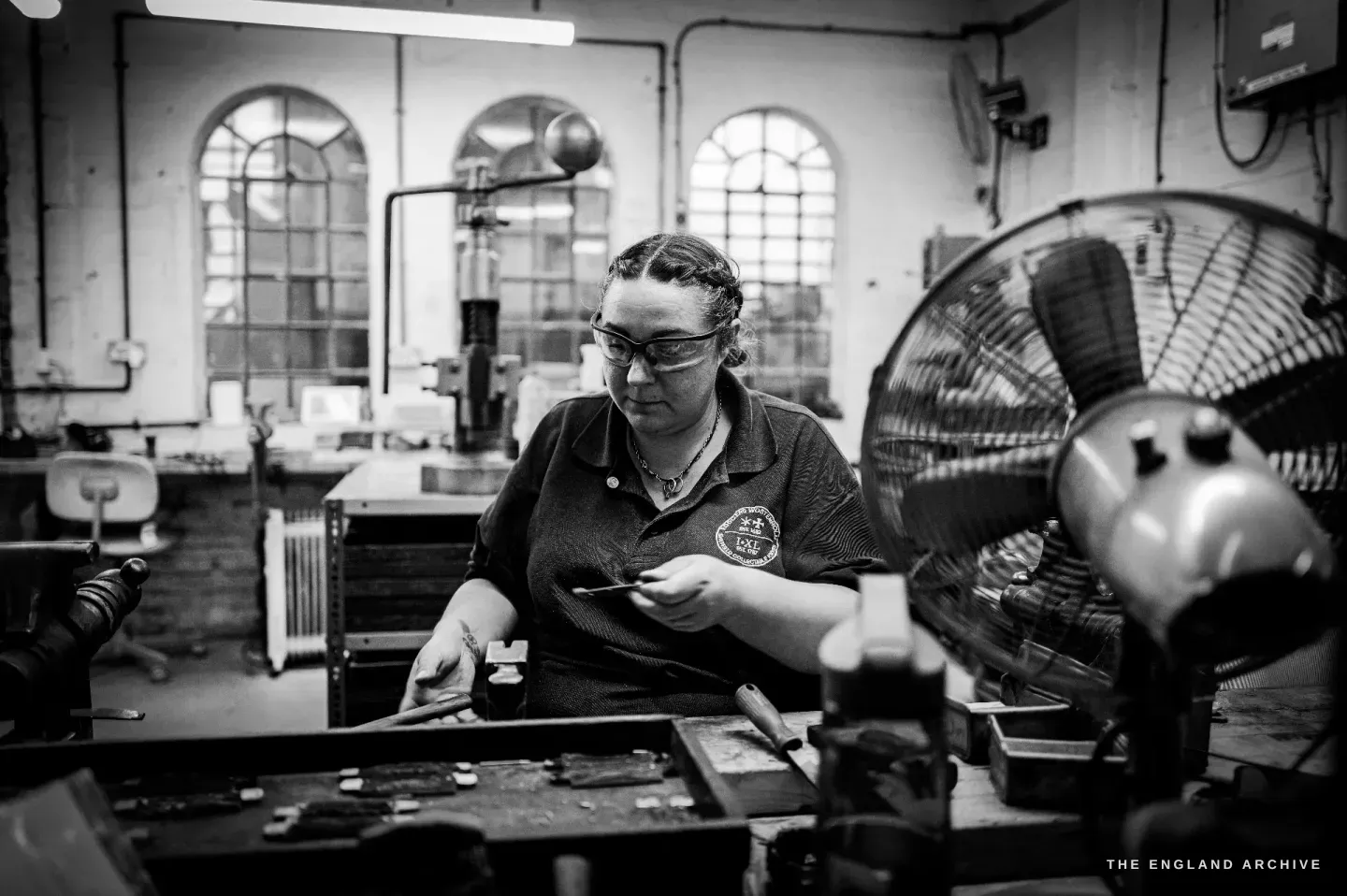
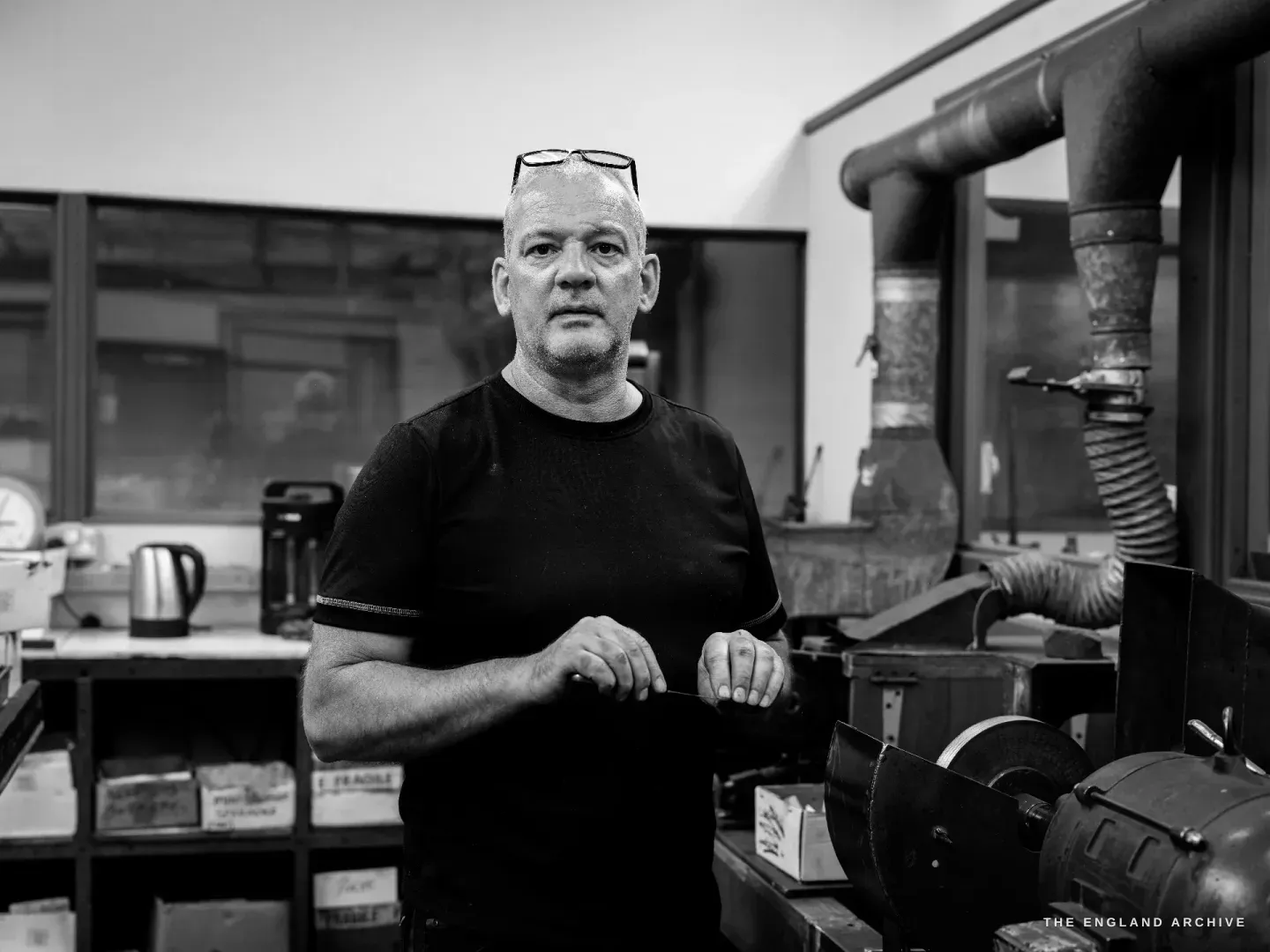
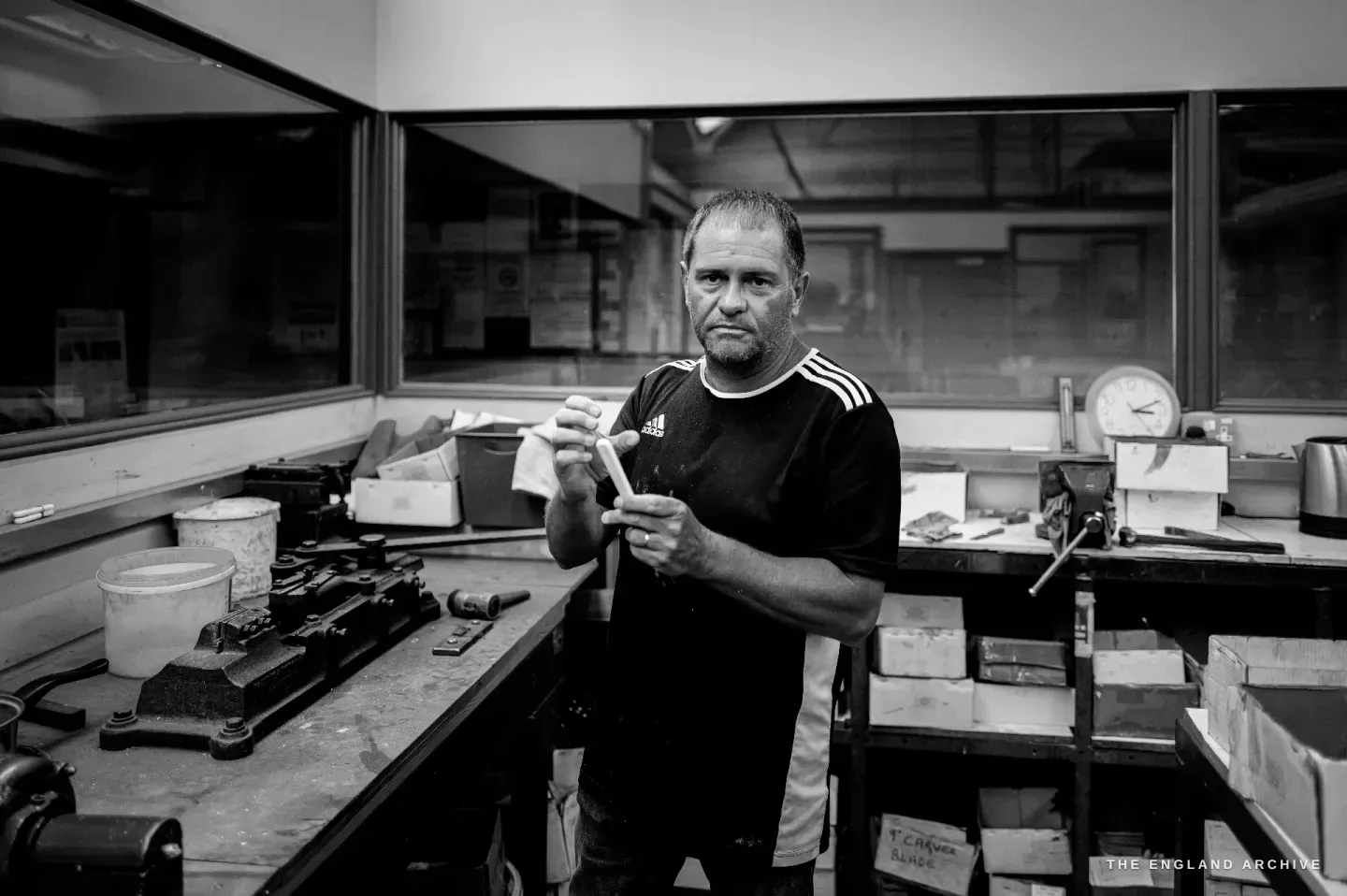
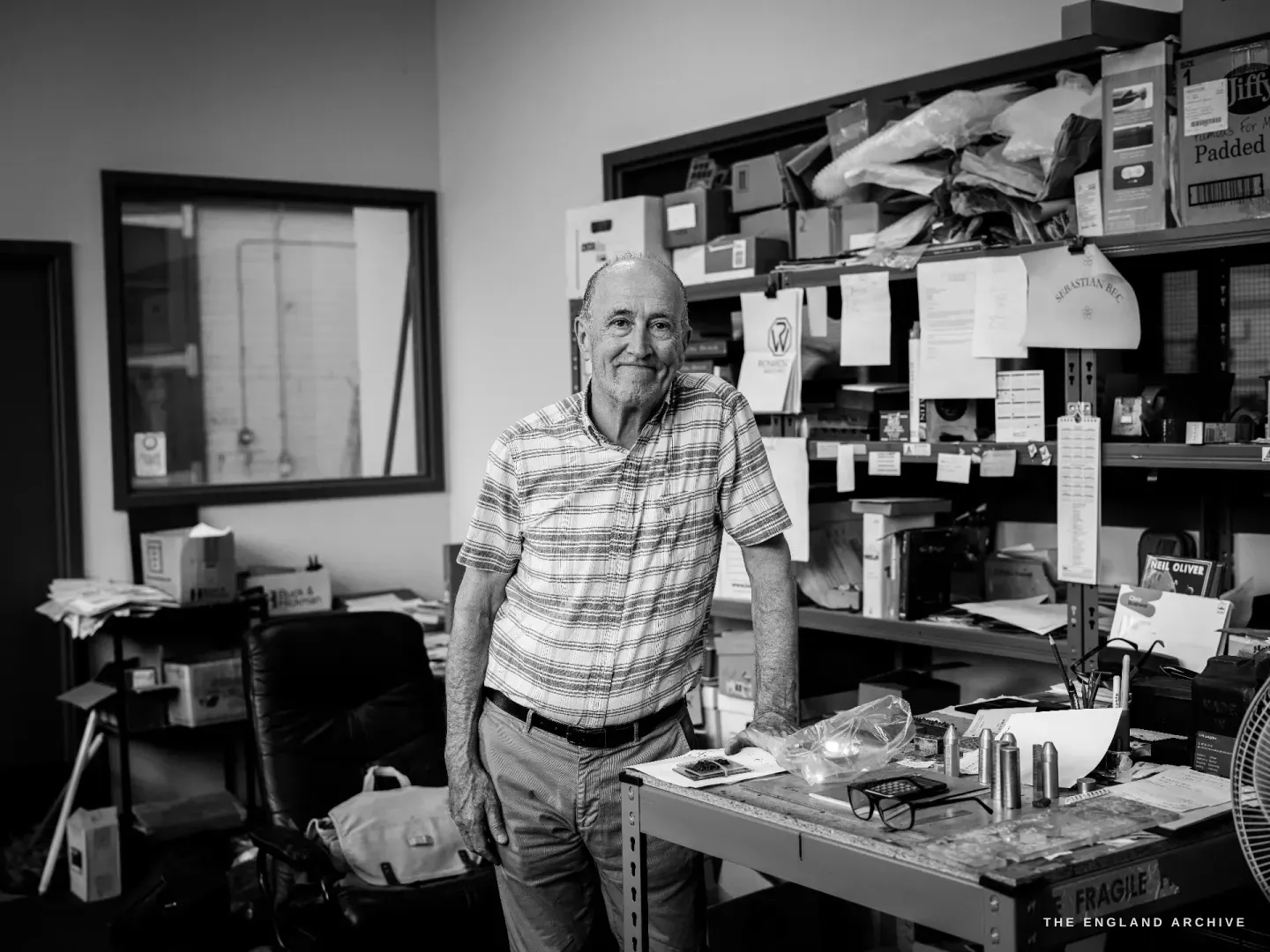
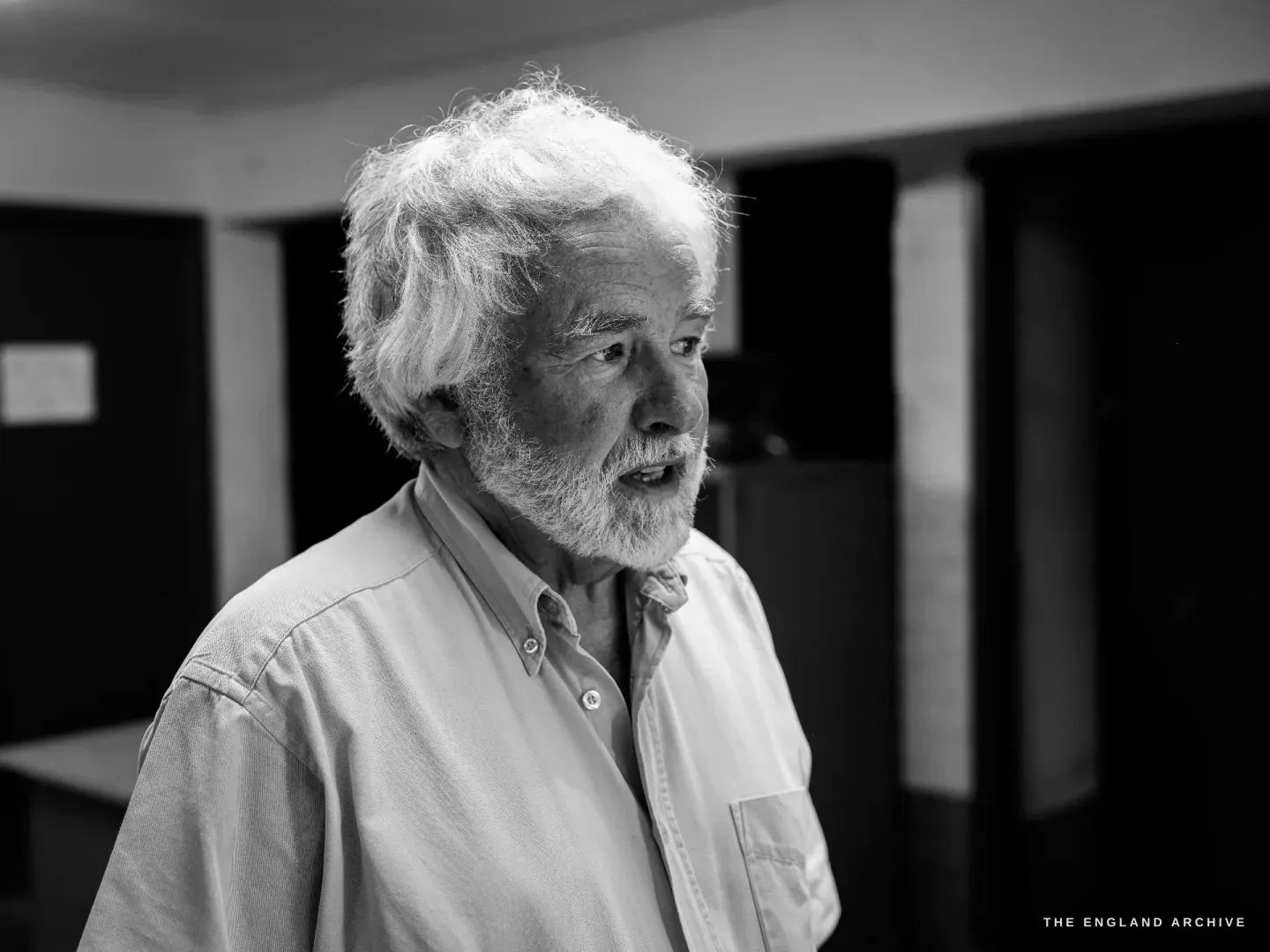
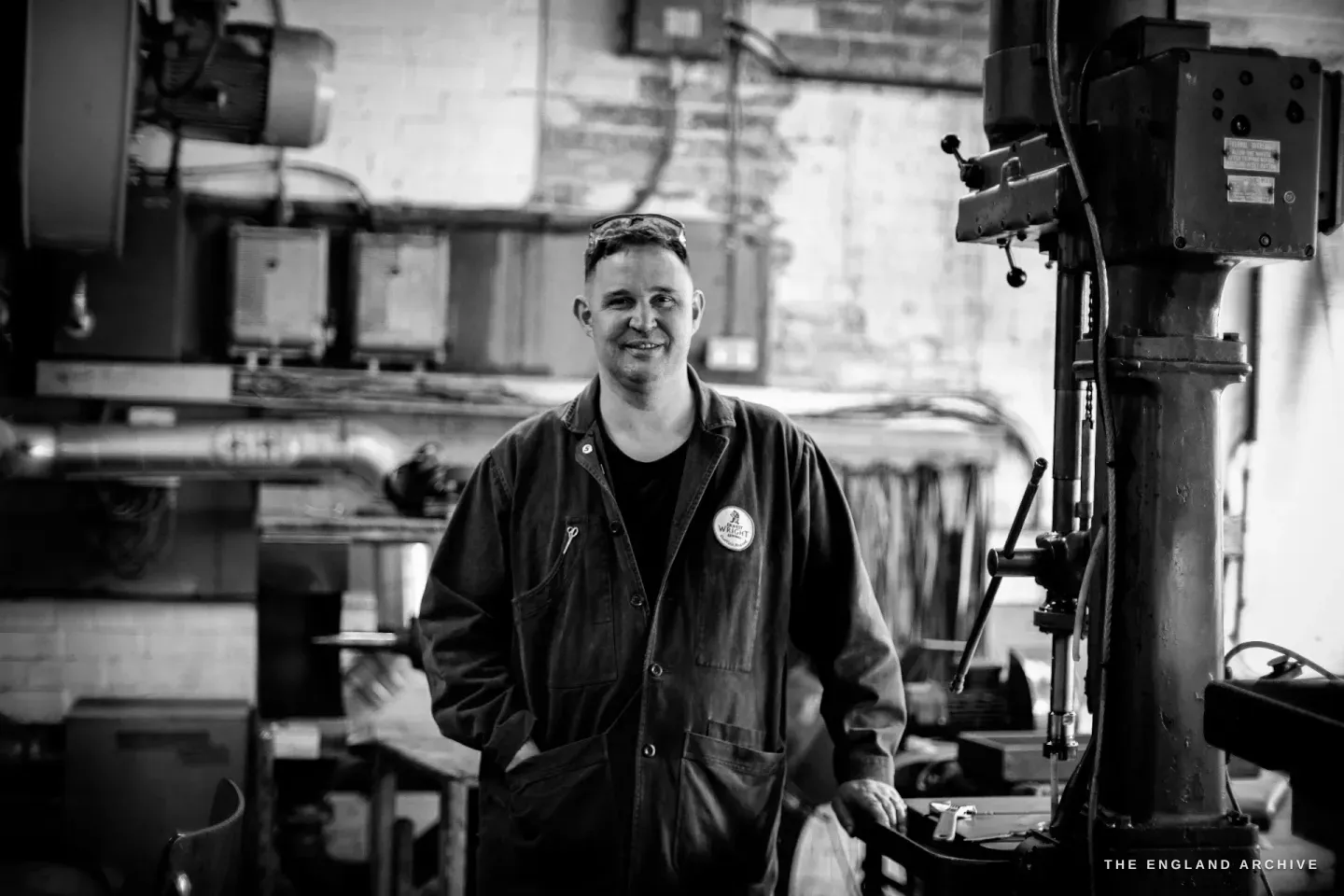
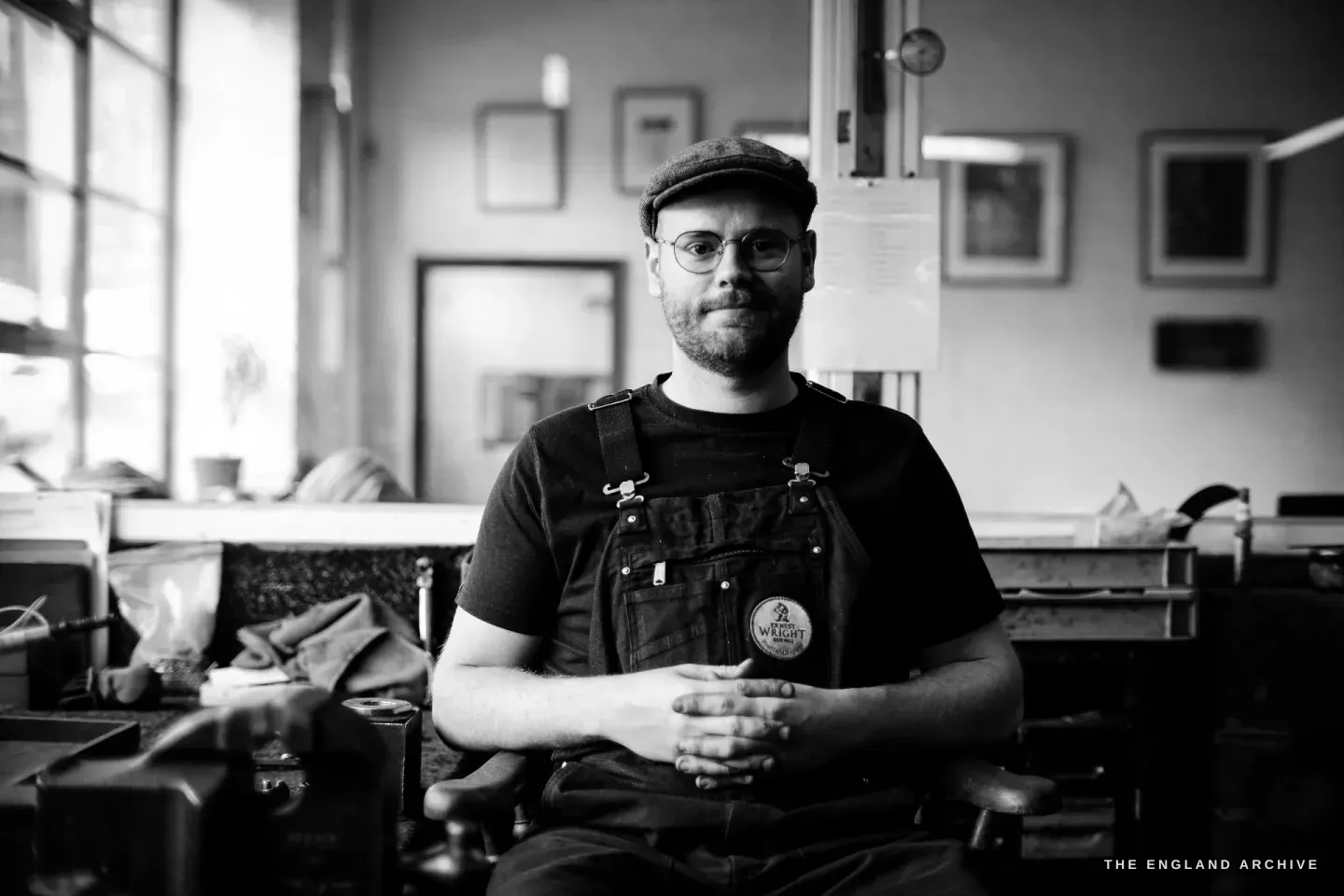
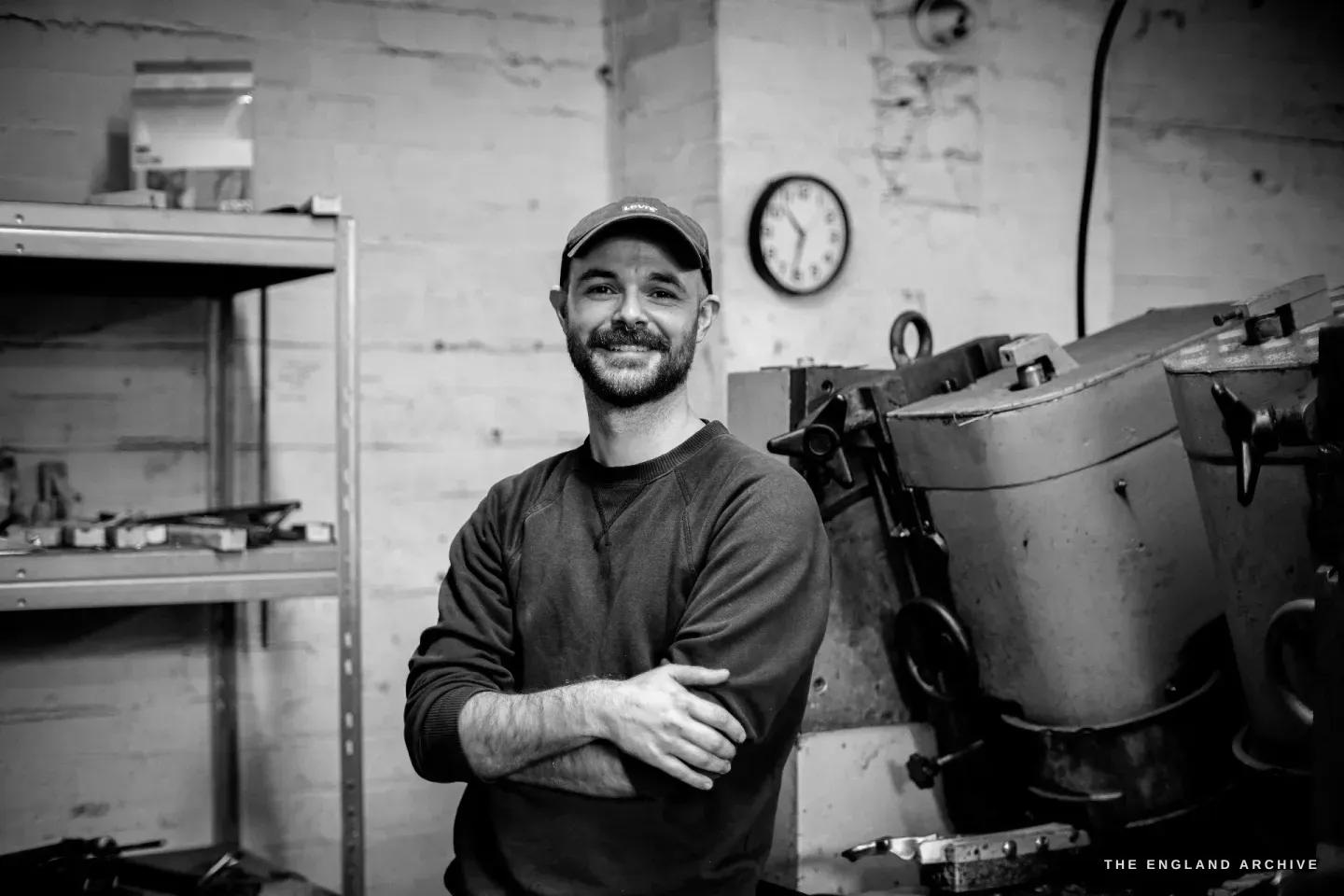
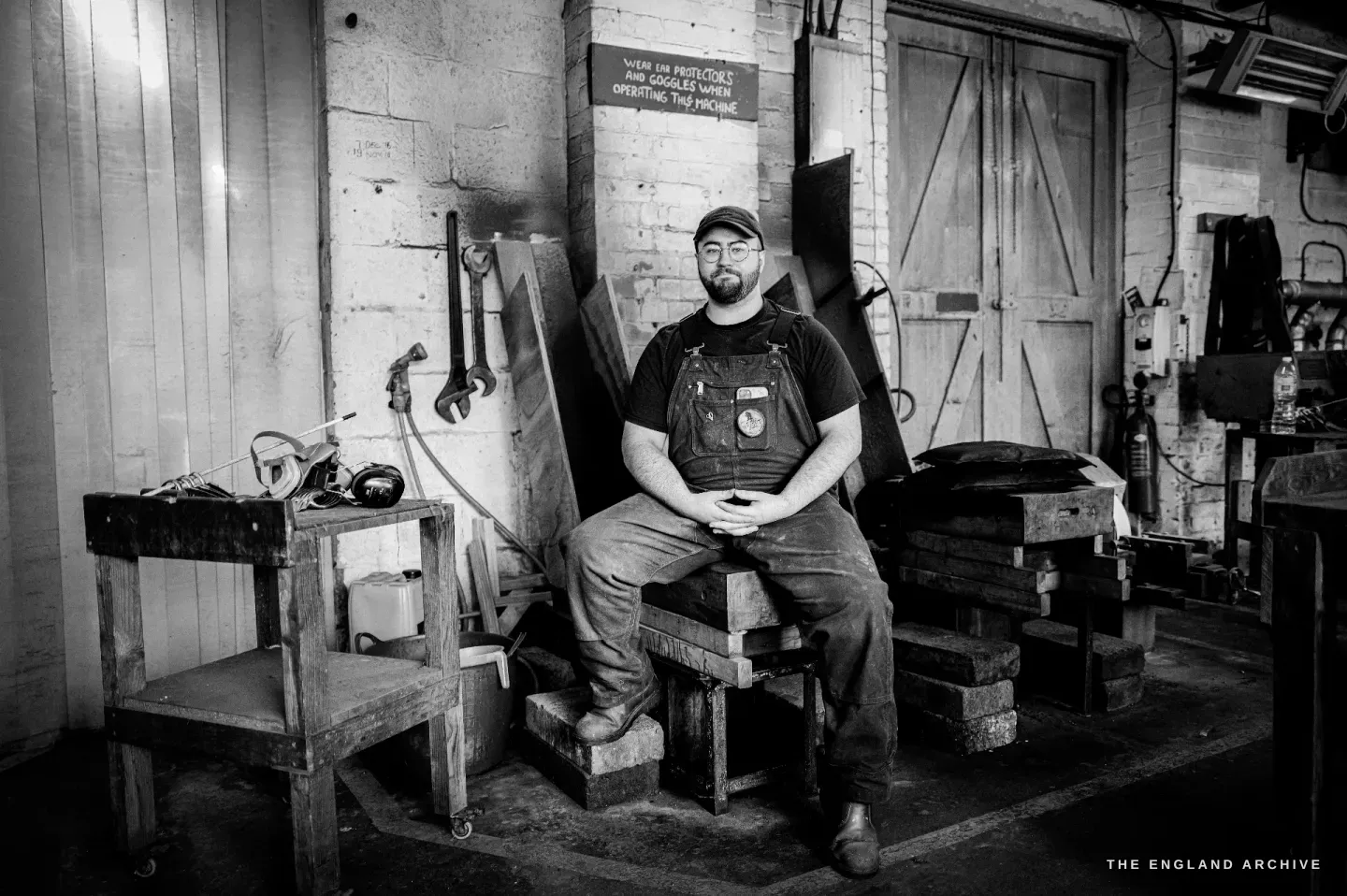
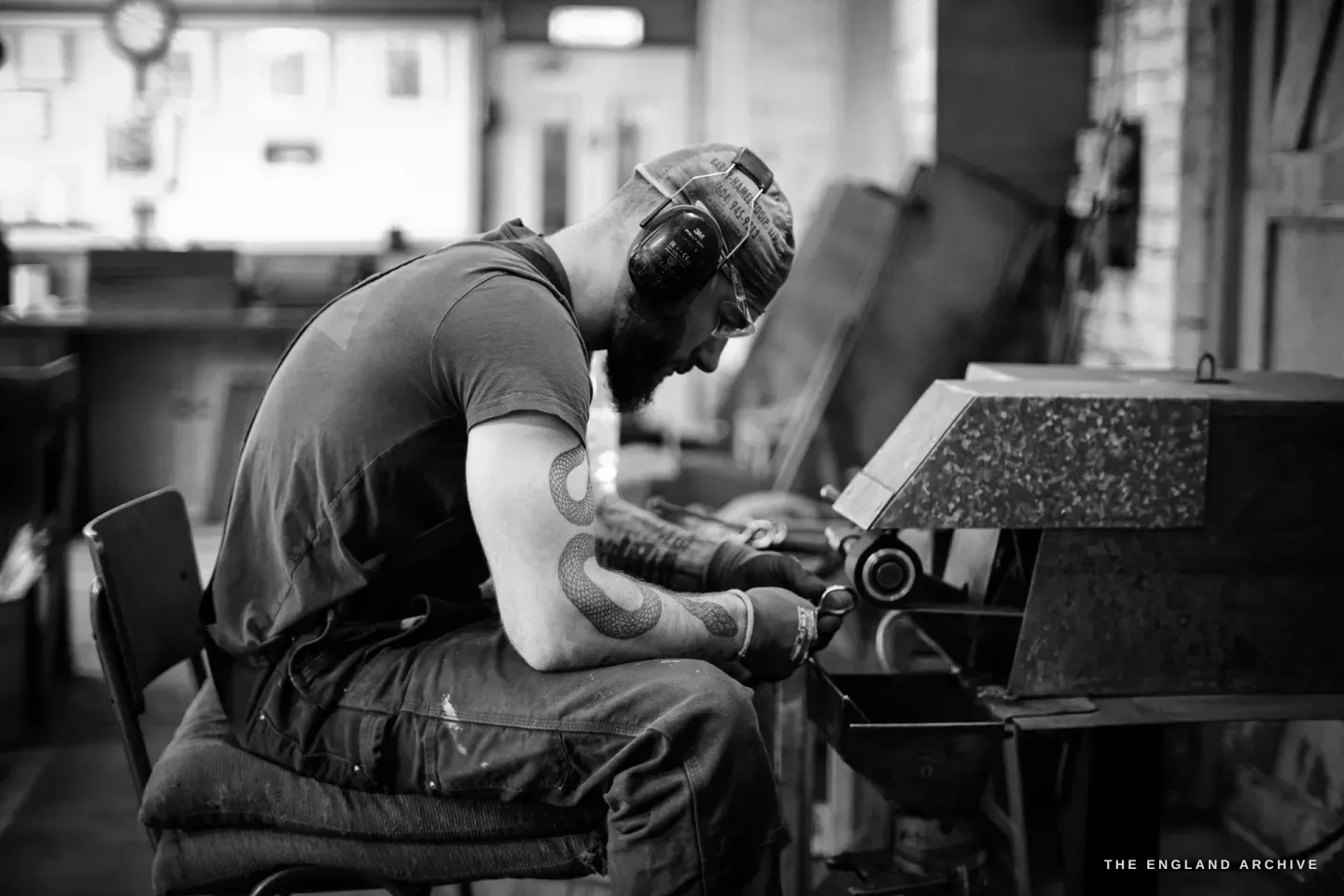
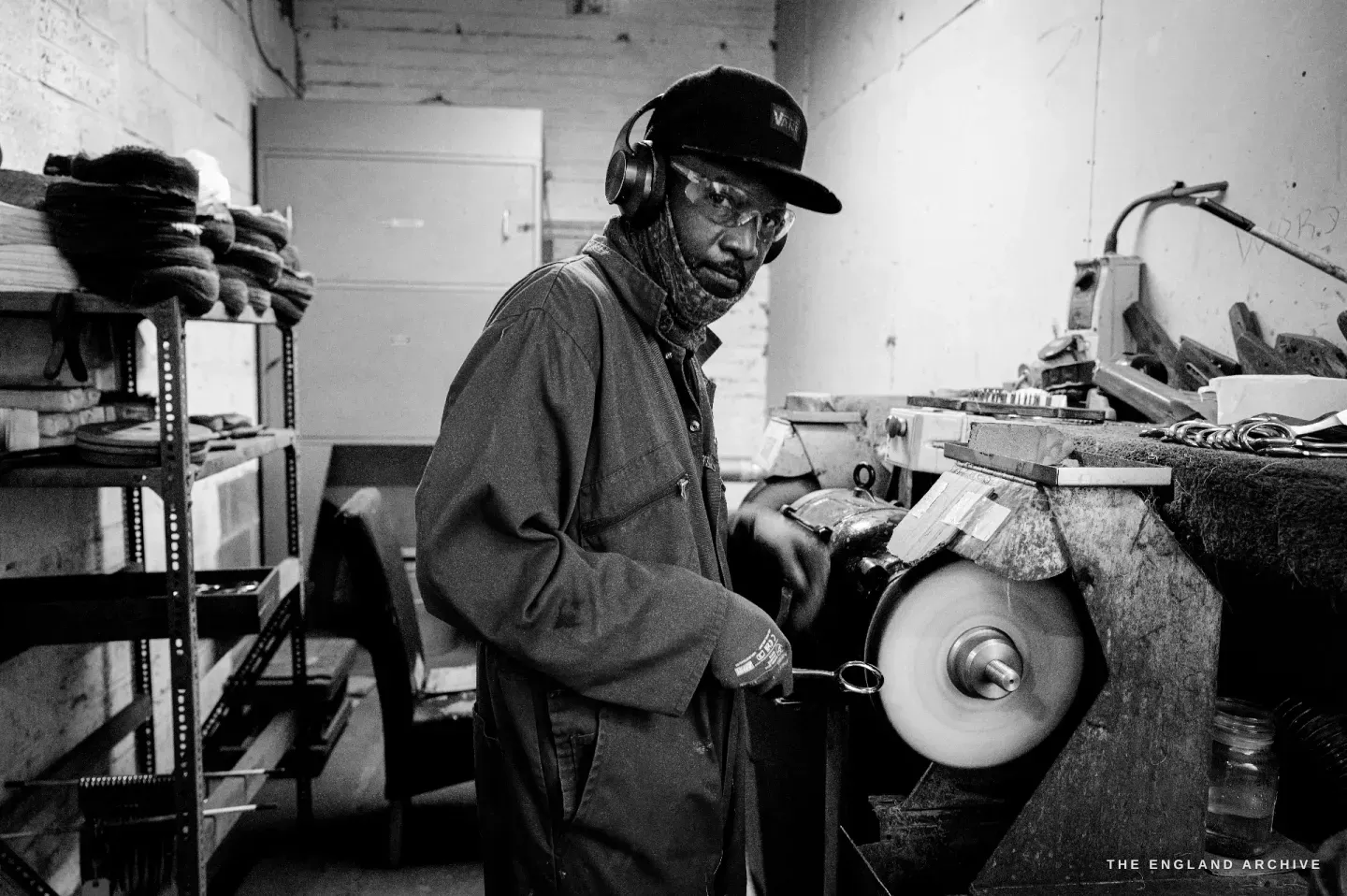
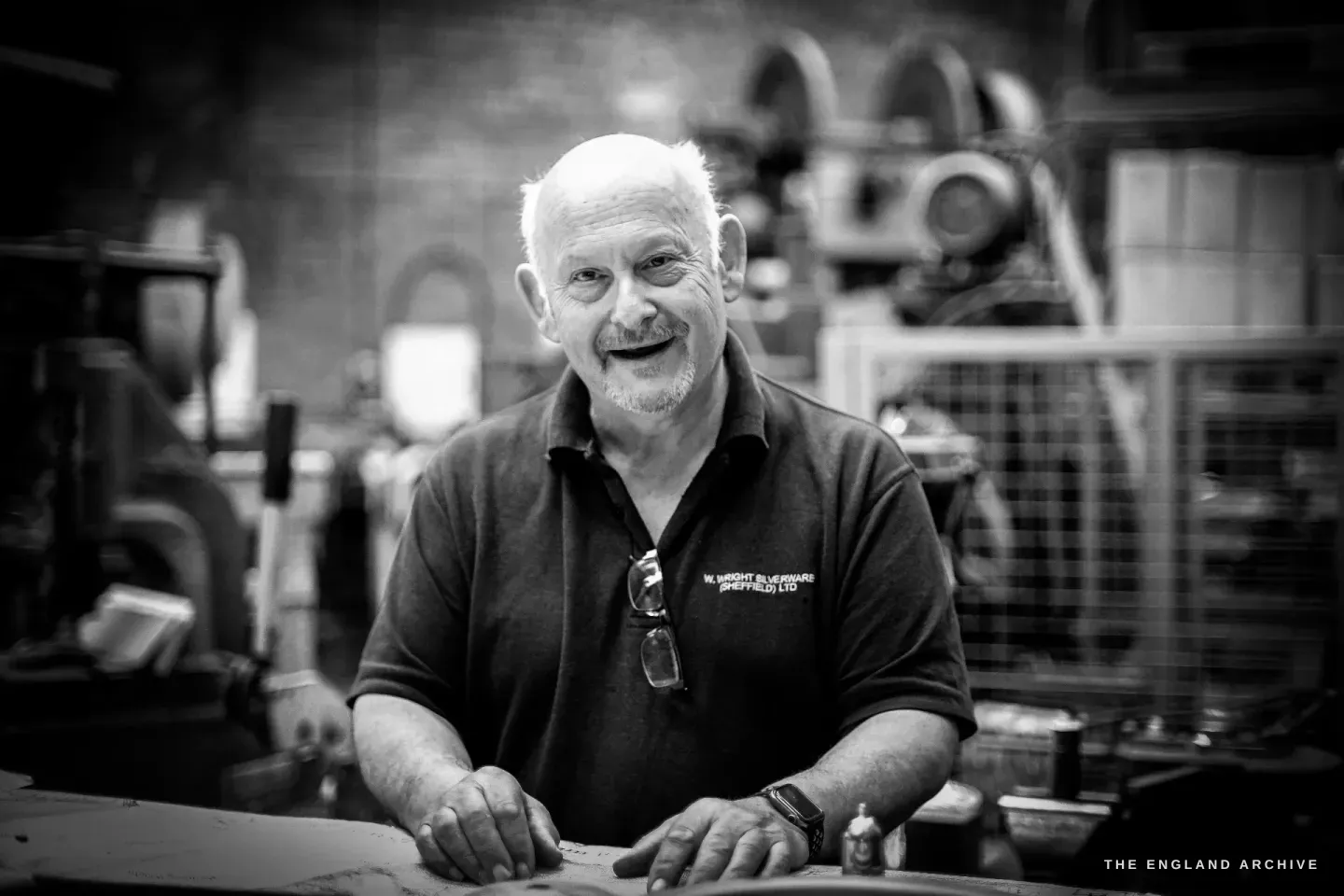
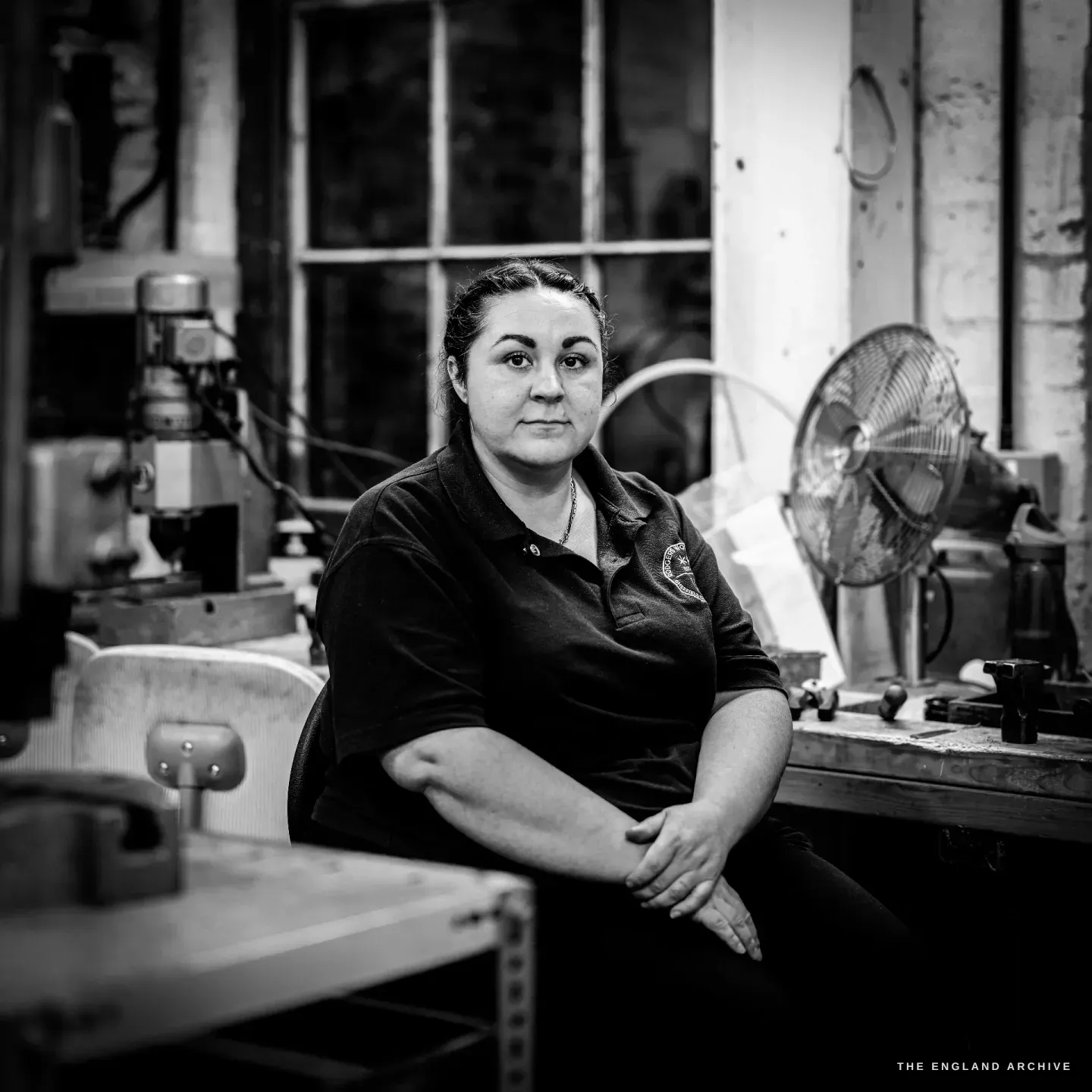
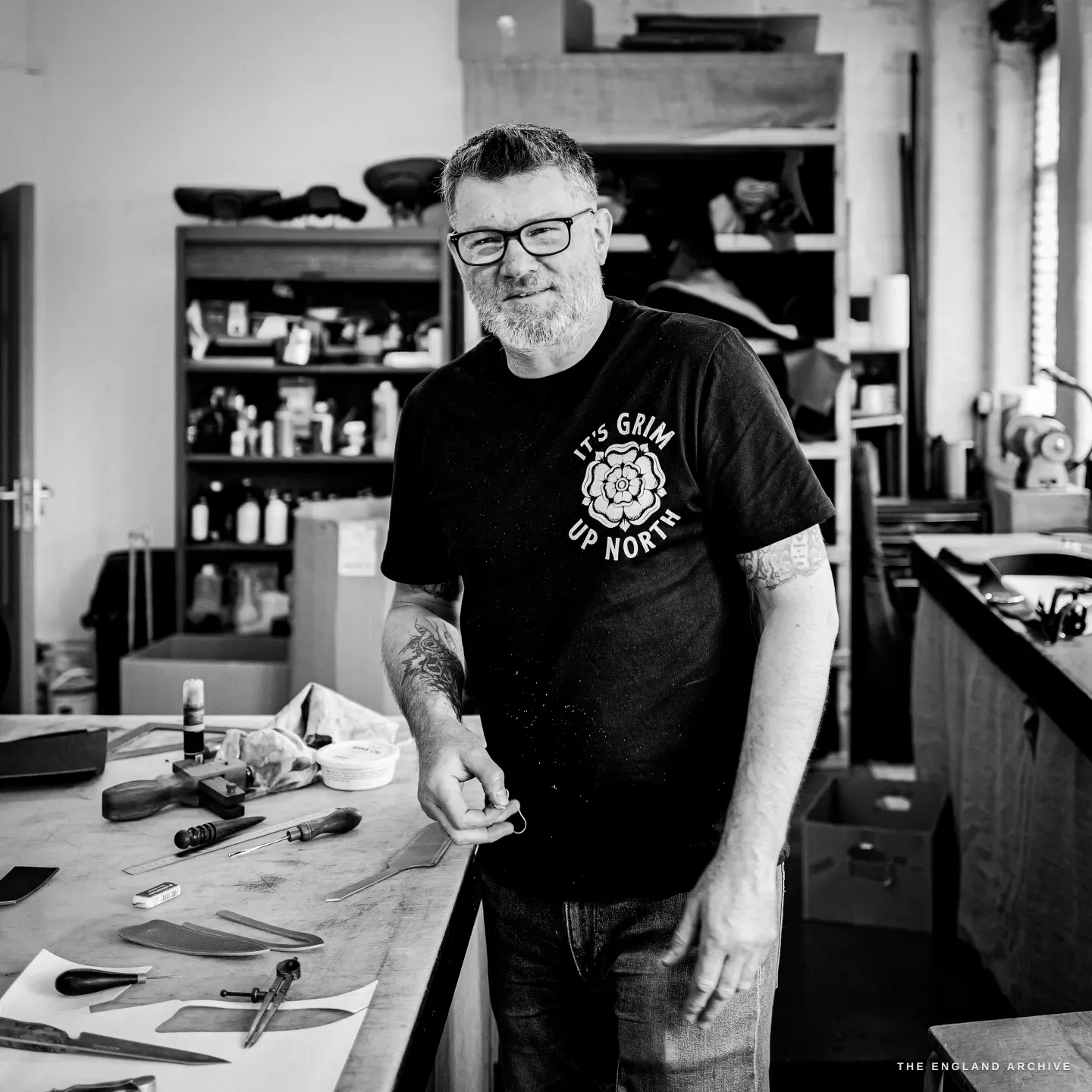
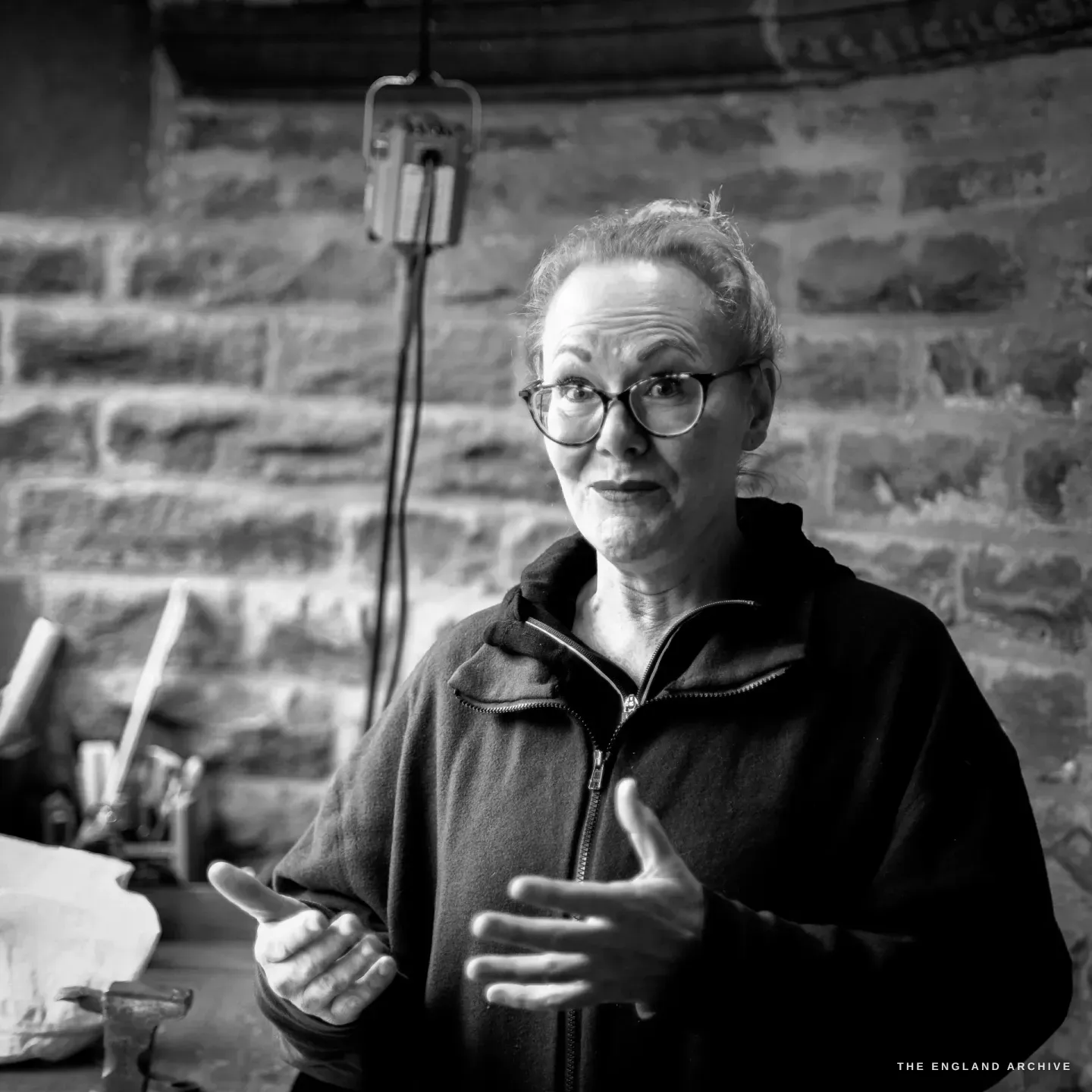
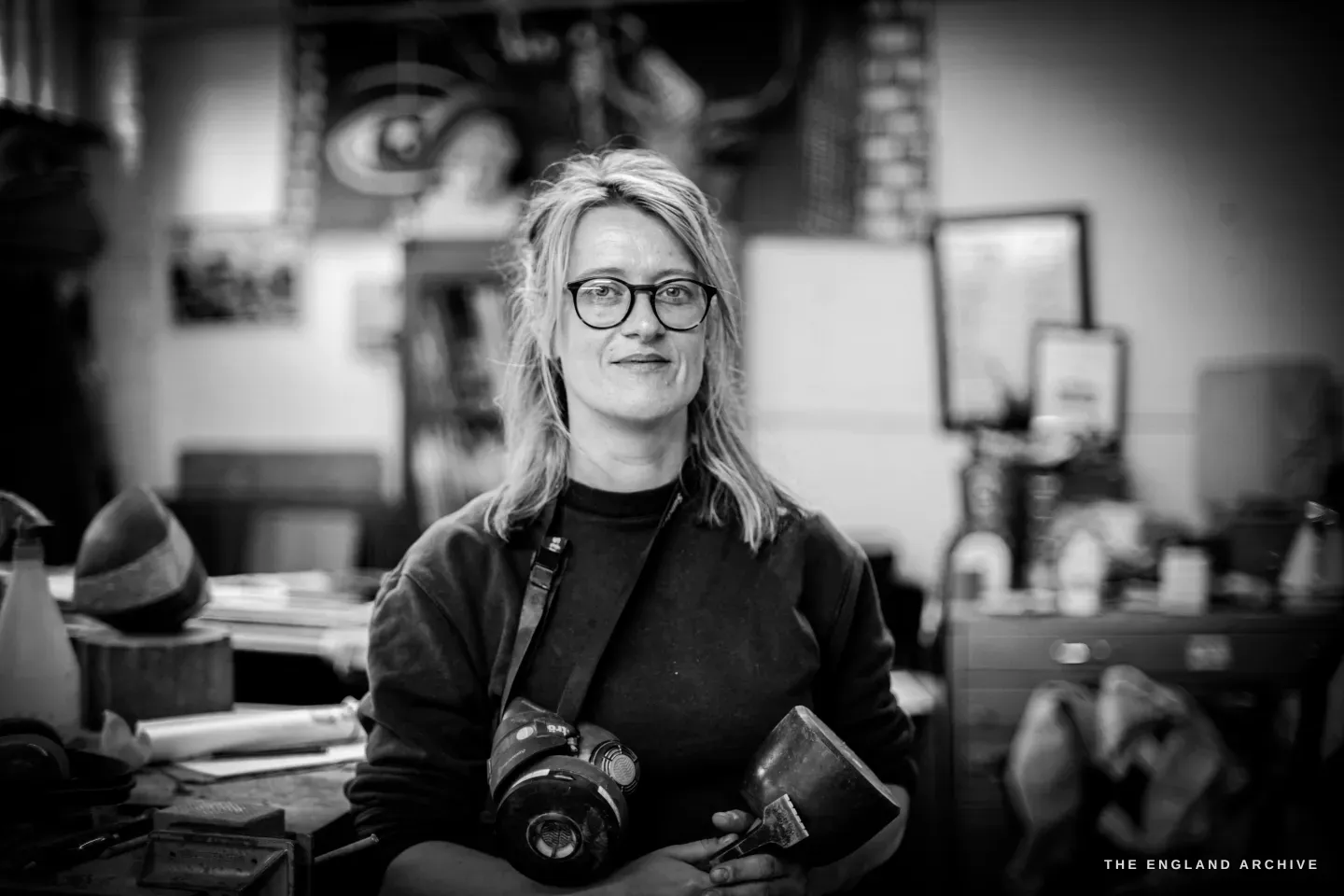
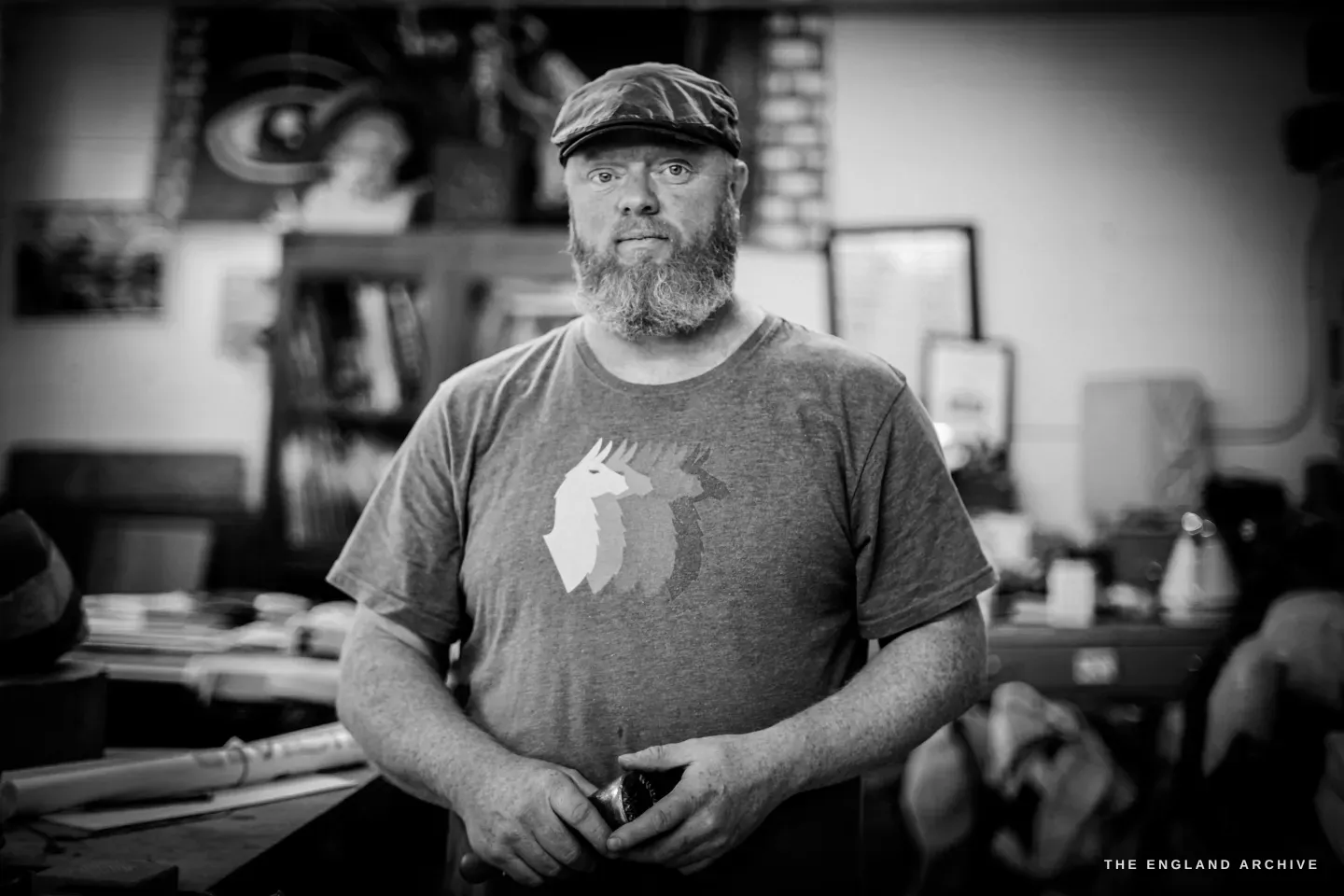
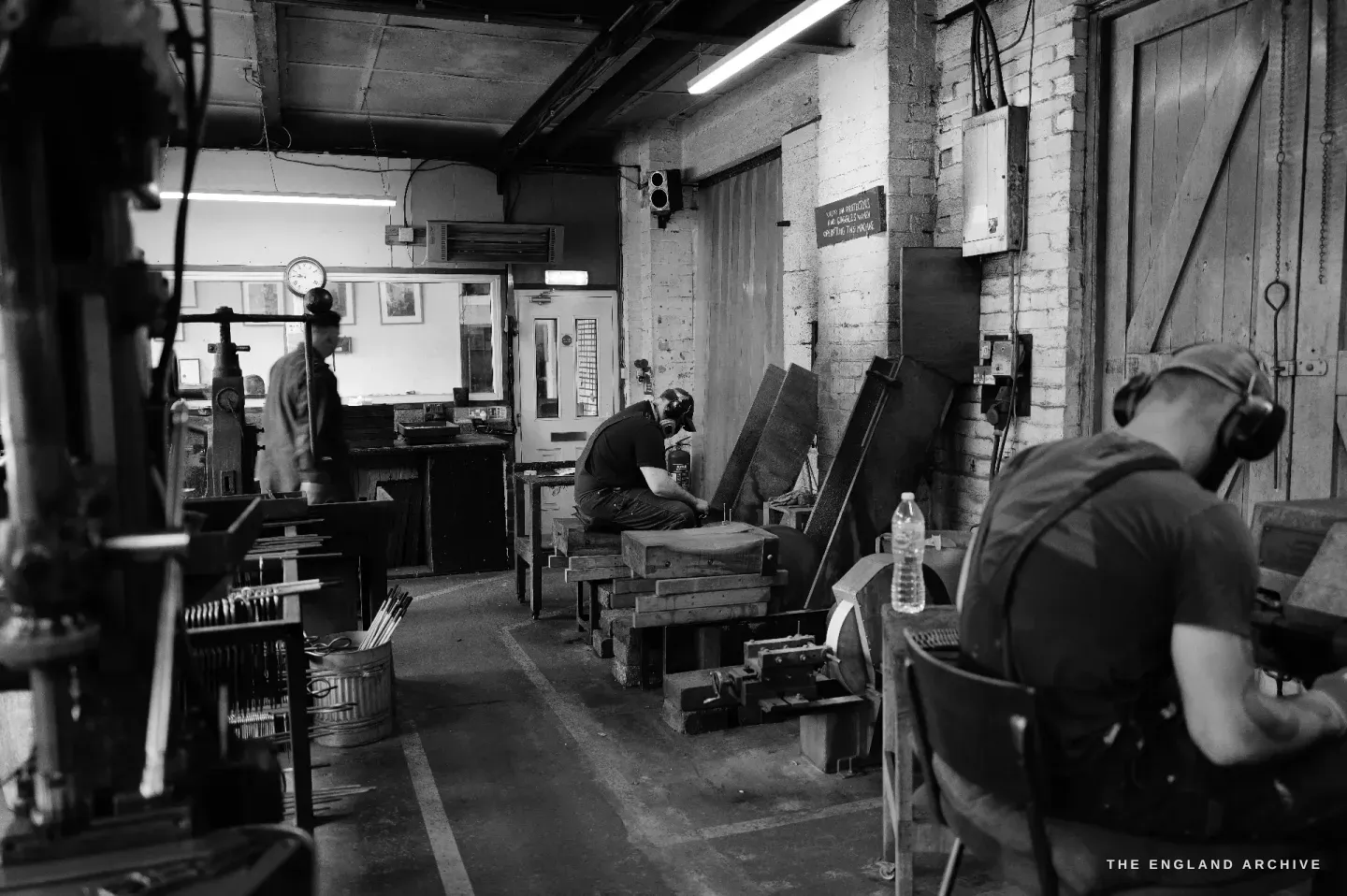
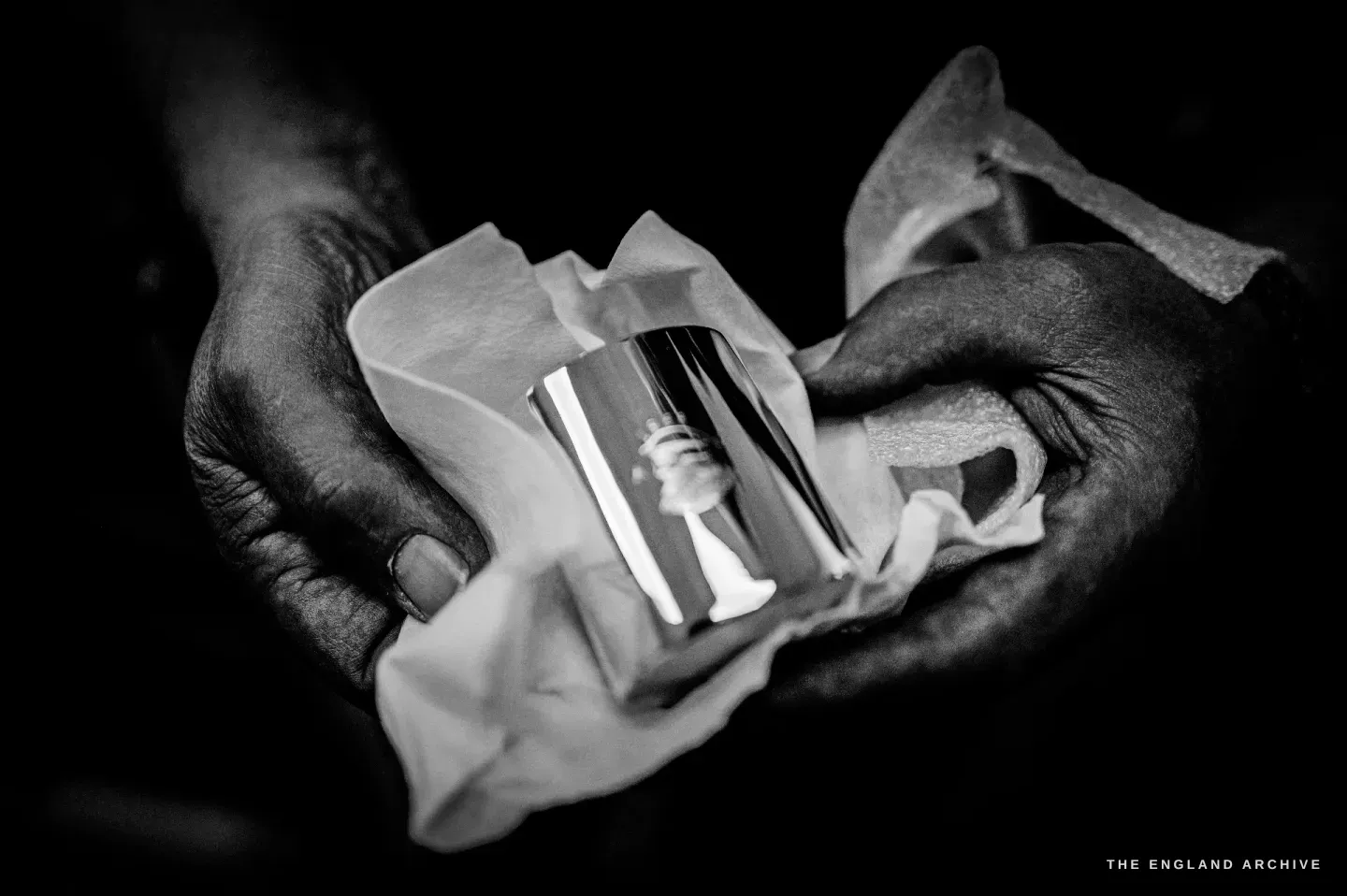
Most of that is gone. The mass trade collapsed in the late twentieth century, and many of the hand crafts that made Sheffield famous now sit on the Heritage Crafts Red List of endangered crafts. But not all of it. In a scatter of workshops across the city - Kelham Island, Portland Works, Broad Lane, a converted Victorian toilet on a back street - people are still making knives, scissors, silver and edge tools by hand. This is the archive’s record of them: sixteen makers, five firms, one city that still cuts.