The steel city
Sheffield is the densest cluster of craft in the whole archive - knife, scissor, silver and edge-tool makers working by hand in a city that has made cutlery for seven hundred years and invented the steel the world cuts with. The Archive documents the people keeping it alive.
No English city is so completely the product of one thing it makes. Four fast rivers off the Pennines gave Sheffield the water power to grind blades; the hills gave it the ironstone, the grit and the coal. By Chaucer's day a Sheffield knife was already worth naming. The Company of Cutlers in Hallamshire has governed the trade since 1624, and in 1913 the city gave the world stainless steel.
The mass trade collapsed in the late twentieth century, and many of the hand crafts now sit on the Heritage Crafts Red List. But the thread did not break. The Archive's South Yorkshire work documents the workshops where people still make knives, scissors, silver and edge tools by hand - at Kelham Island, Portland Works, Broad Lane, and a converted Victorian toilet on a back street.
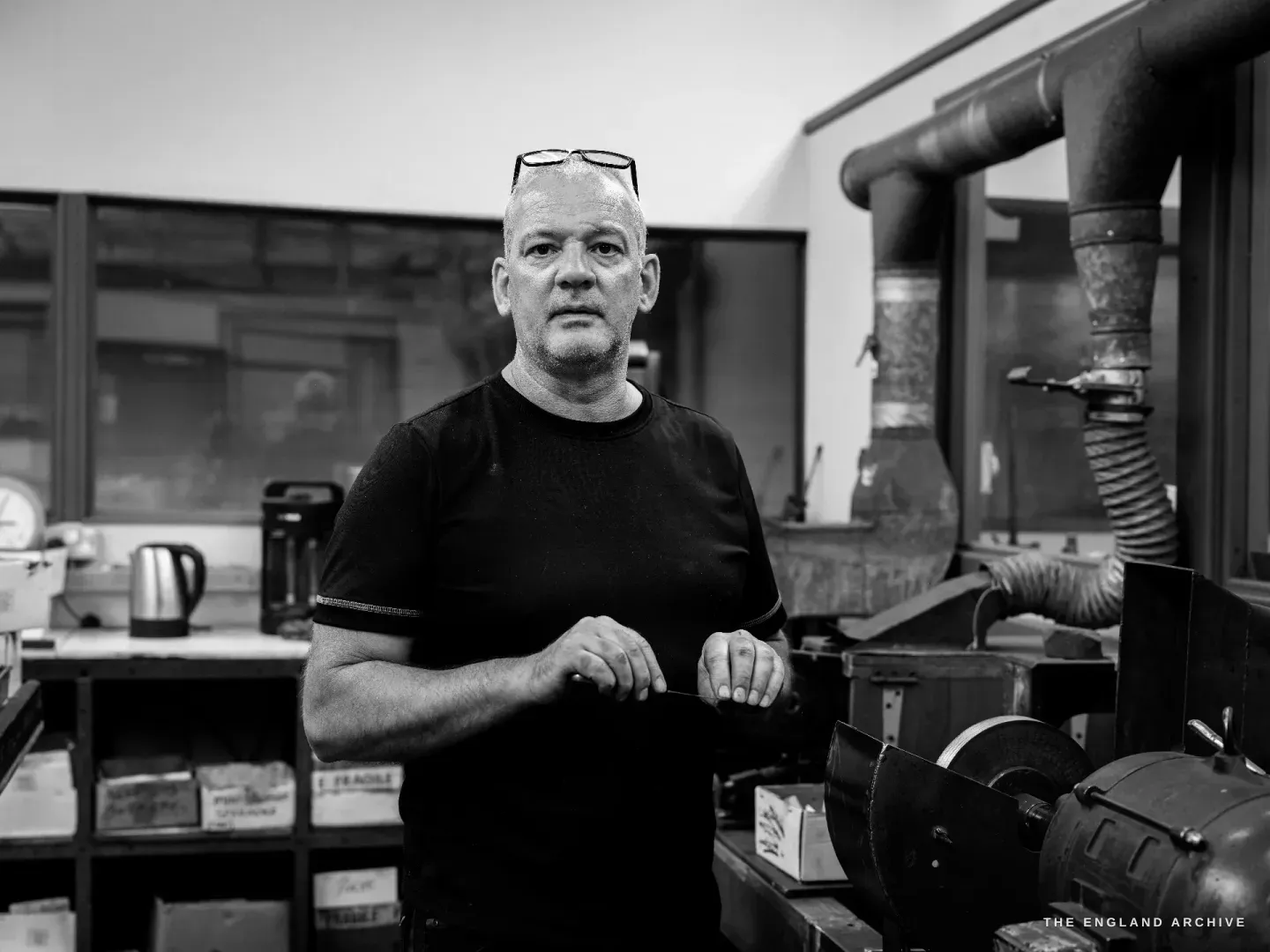
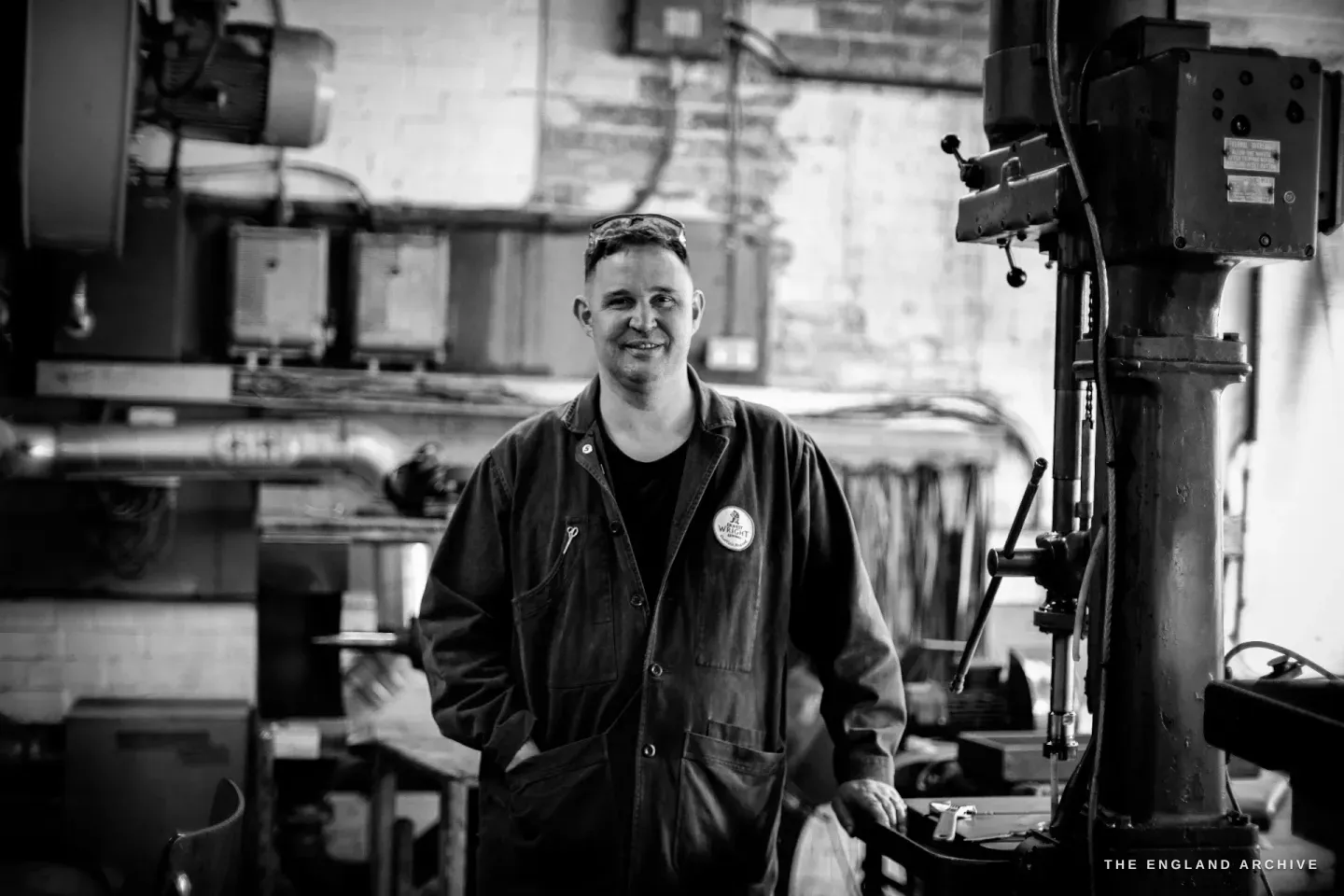
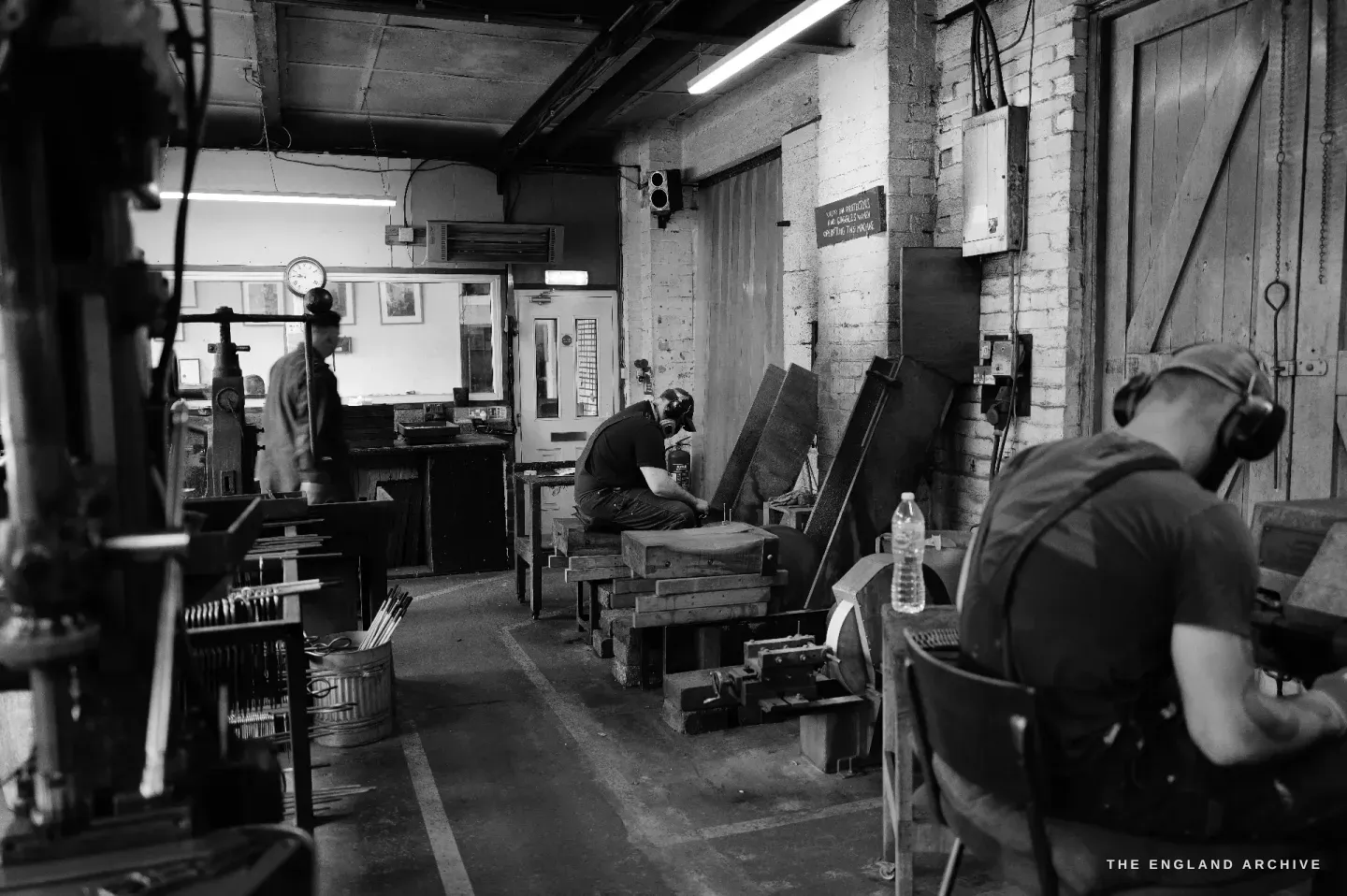
Makers A master cutler of more than forty years in the trade, at Chimo Sheffield Manufacturing. The son of a Sheffield cutlery man, he resisted the factory as a young man and then spent a working life in it - taking a knife from a blank through stamping, grinding, serrating, hafting, sharpening and polishing, and now passing the whole sequence on to the next pair of hands.
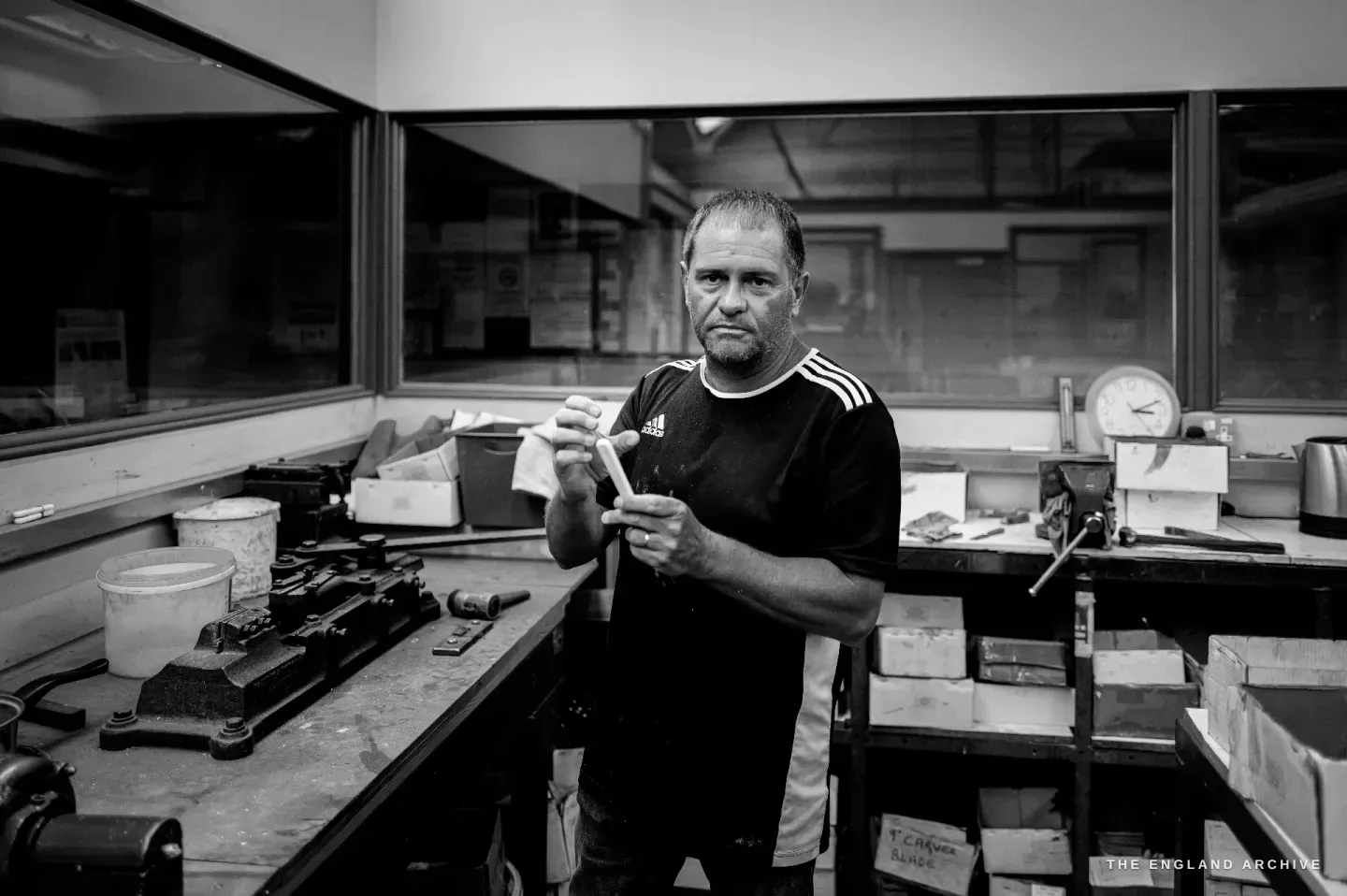
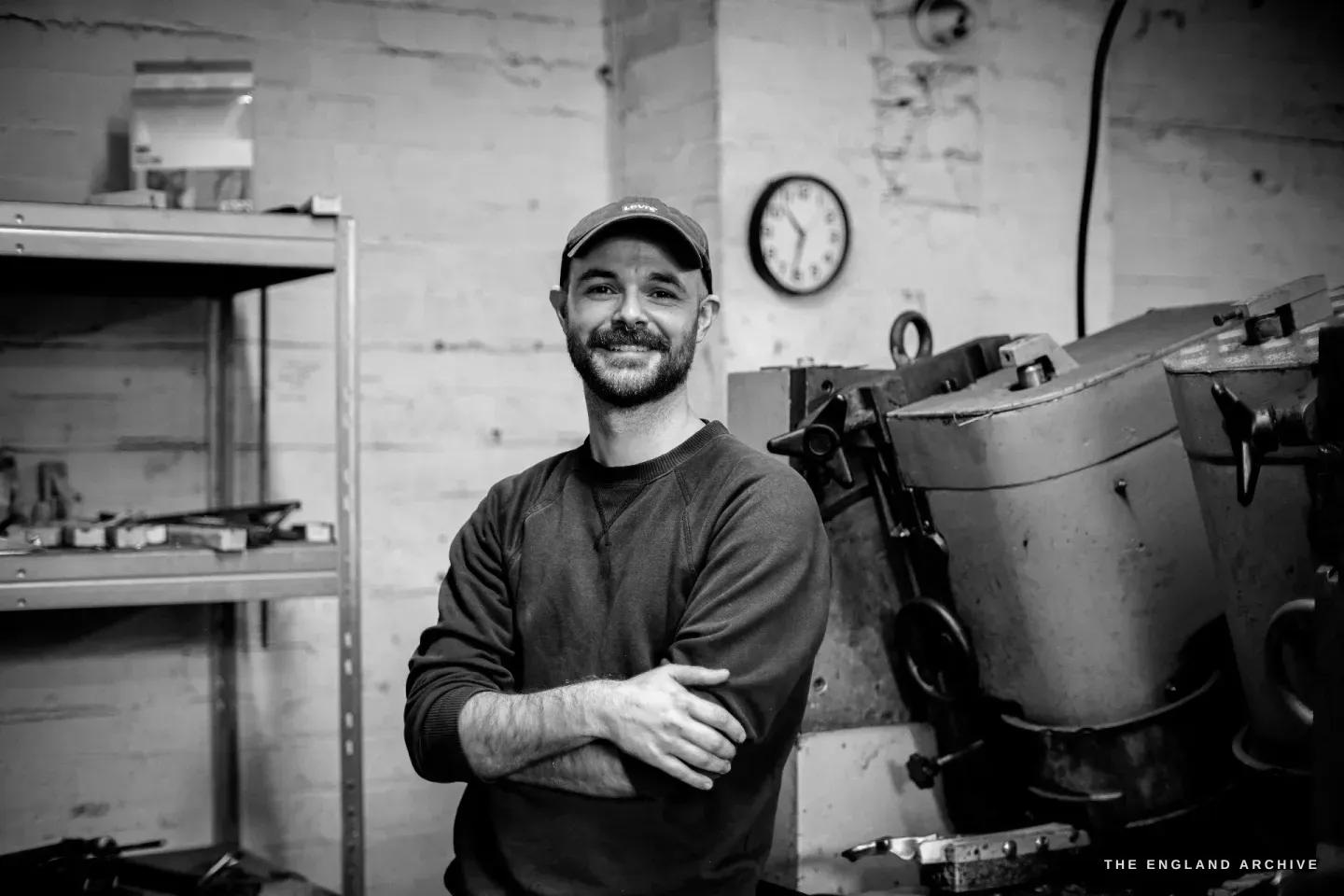
Makers A cutler at Chimo Sheffield Manufacturing for fifteen years, running the knife-finishing section - drilling and heat-setting the tang into the handle, then grinding, edging and polishing the finished knife. He came to the trade from dye printing and other work, apprenticed for four months, and stayed. He now leads apprenticeships at Chimo, and the larger part of that job, he says, is keeping a young person interested in a repetitive craft long enough to be good at it.
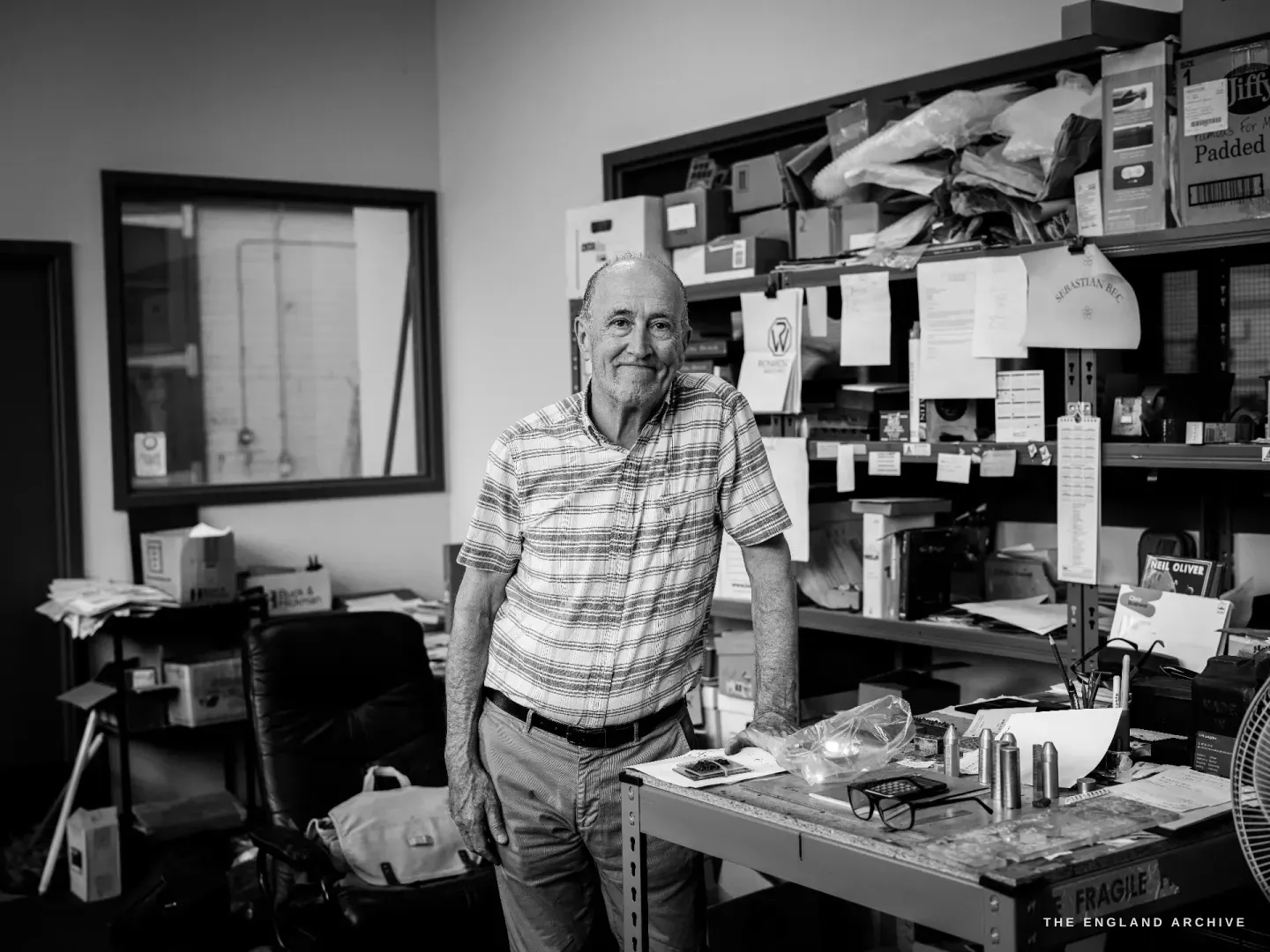
Makers A die engraver at Chimo Sheffield Manufacturing who has cut steel dies for forty-five years - the only trade he has ever worked. A customer's artwork is worked up into a master pattern, traced on a pantograph die-sinking machine that cuts it into steel at size, and hand-finished; the finished die is the master tool that stamps a crest, a monogram or a mark into the cutlery and silverware the rest of the works makes. Hand engraving sits on the Heritage Crafts Red List.
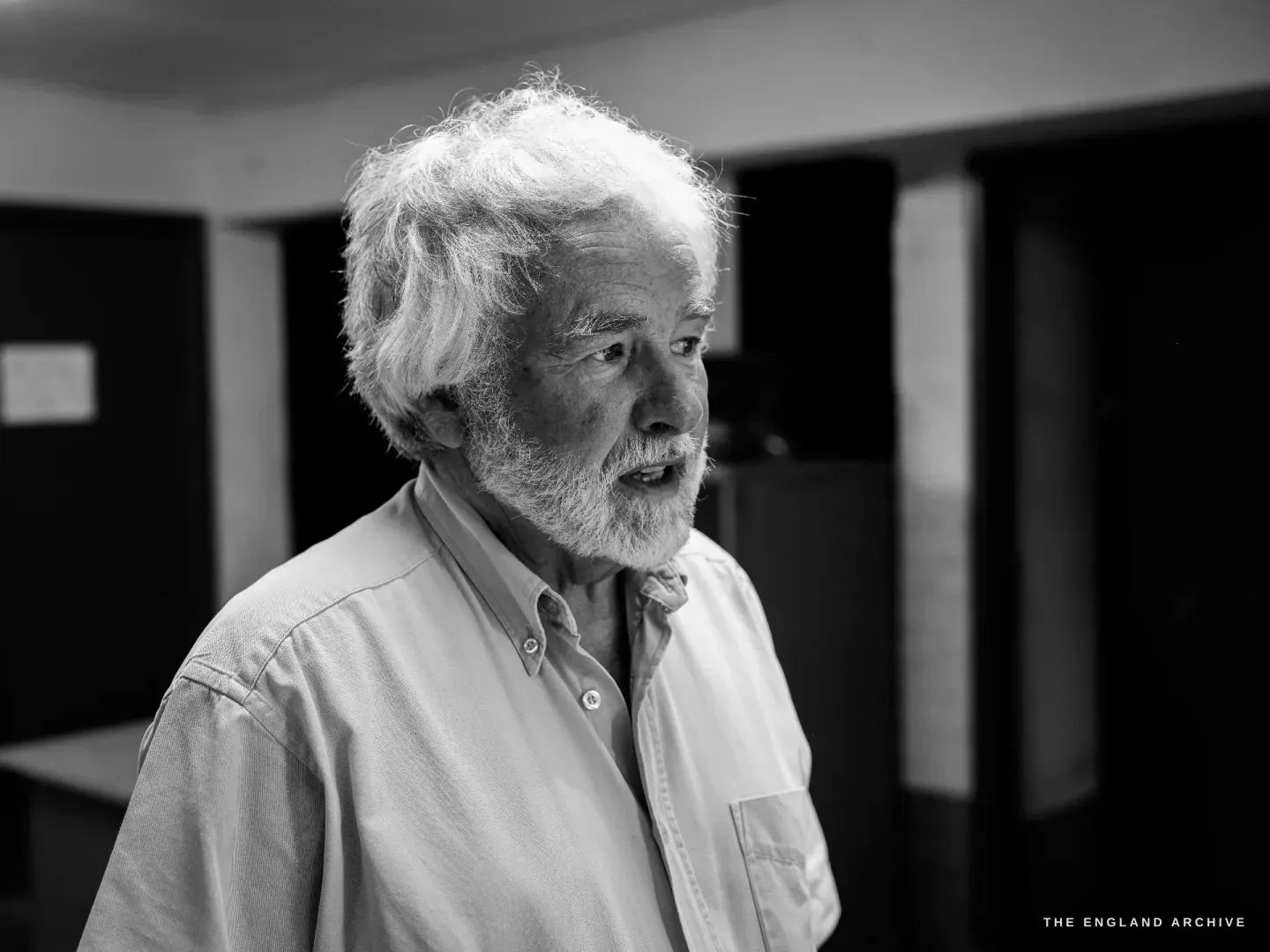
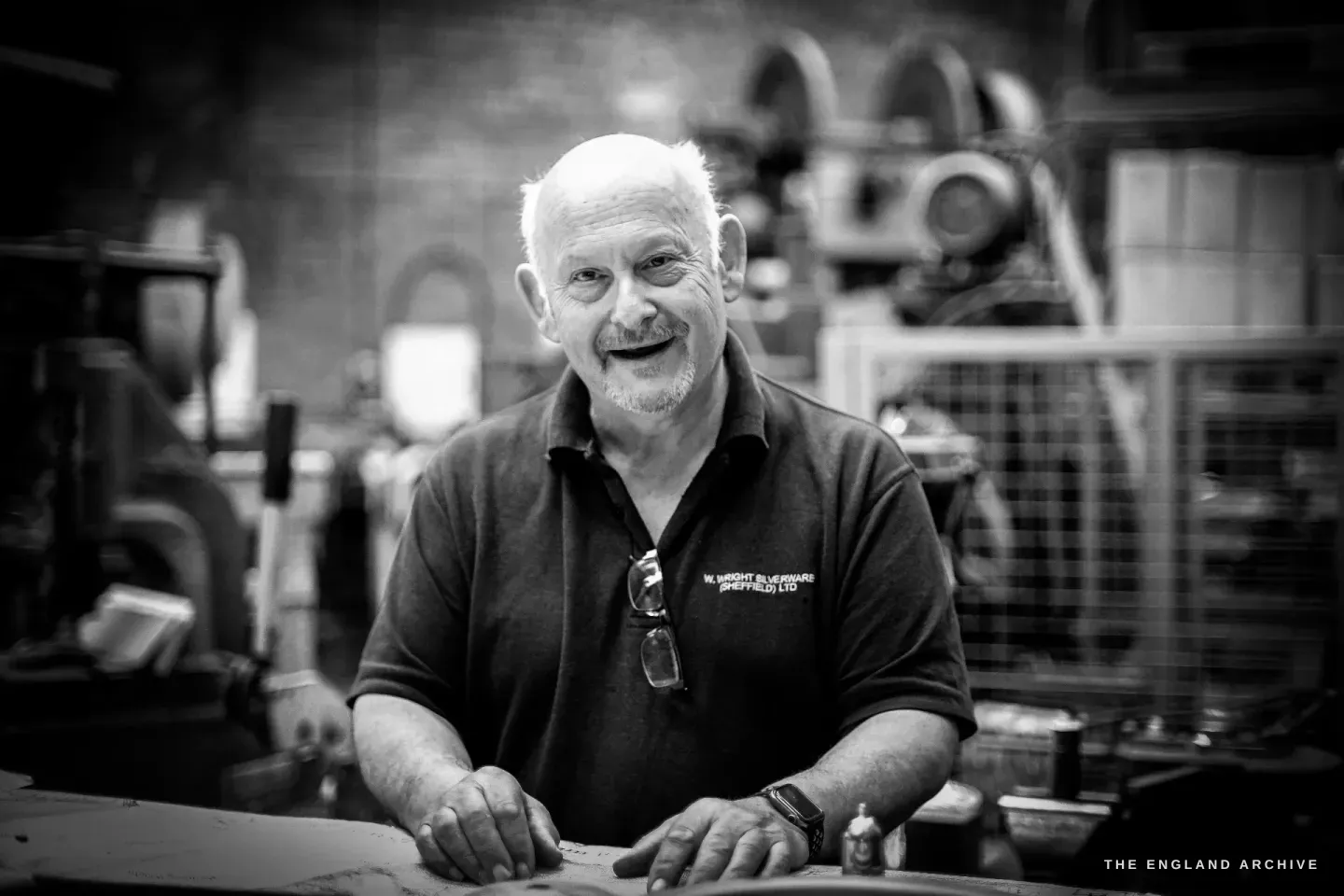
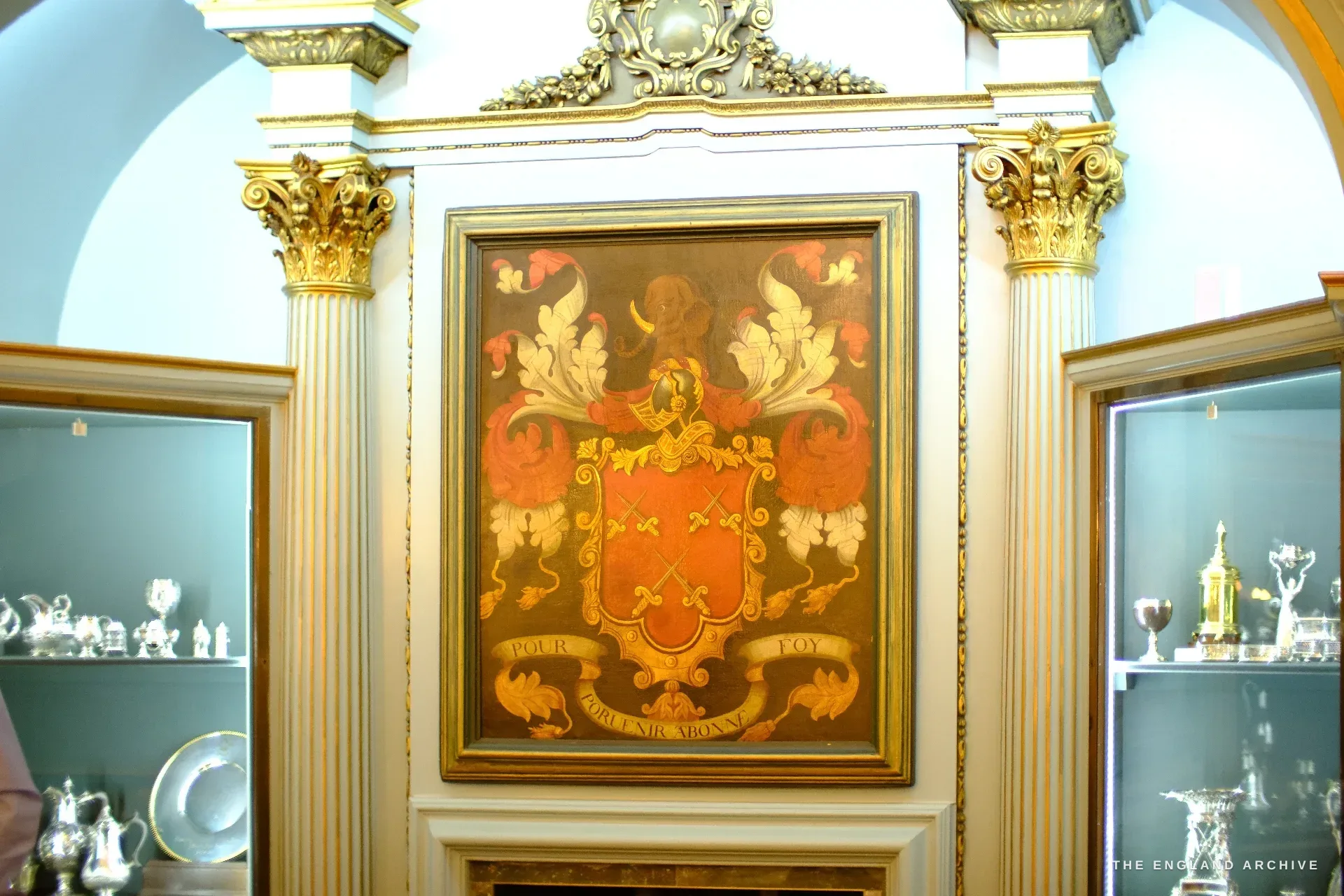
Makers The man who built Chimo. A Yorkshire-born Merchant Navy officer who came home to take over his family's Sheffield silverware business, in 1989 he gathered a set of independent cutlery, silver and pewter trades under one roof at the White Rose Works and kept their historic names alive. Appointed MBE in 2018 for services to exports and investment in Sheffield, Master of the Worshipful Company of Pewterers in 2020, and chair of the Work-wise Foundation - he is one of the last custodians of a Sheffield trade running short of the next generation.
Makers The senior maker at Ernest Wright, the Sheffield scissor makers founded in 1902. A putter-togetherer trained under Eric Stones and Cliff Denton, Neil now runs the floor and has trained the rest of the makers in the workshop. He took the archive through the whole craft - the grinding of the blade's hollow and twist, the hardening, the rumbling, and the marriage of the two blades, where the gap between them is the secret of a clean cut.
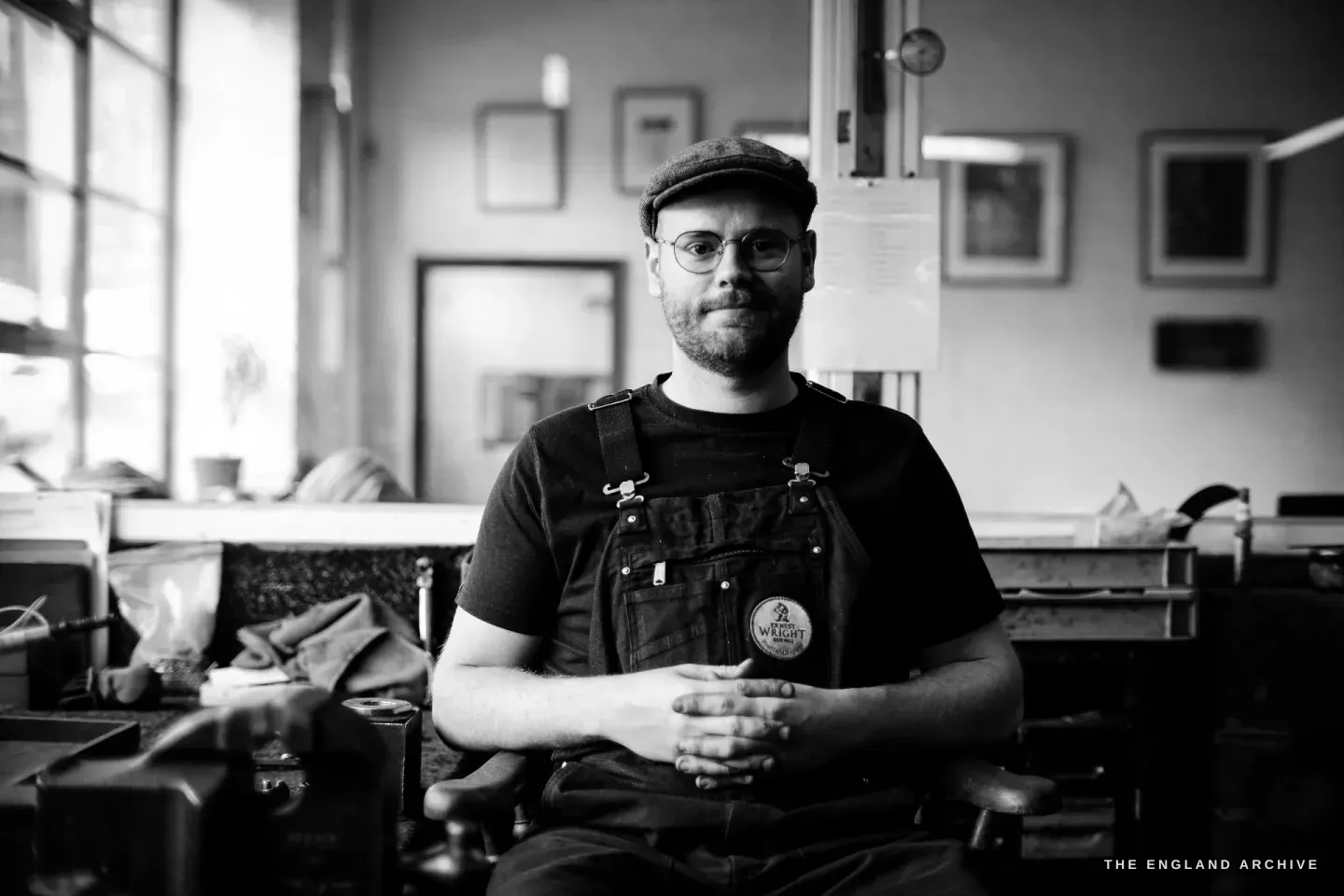
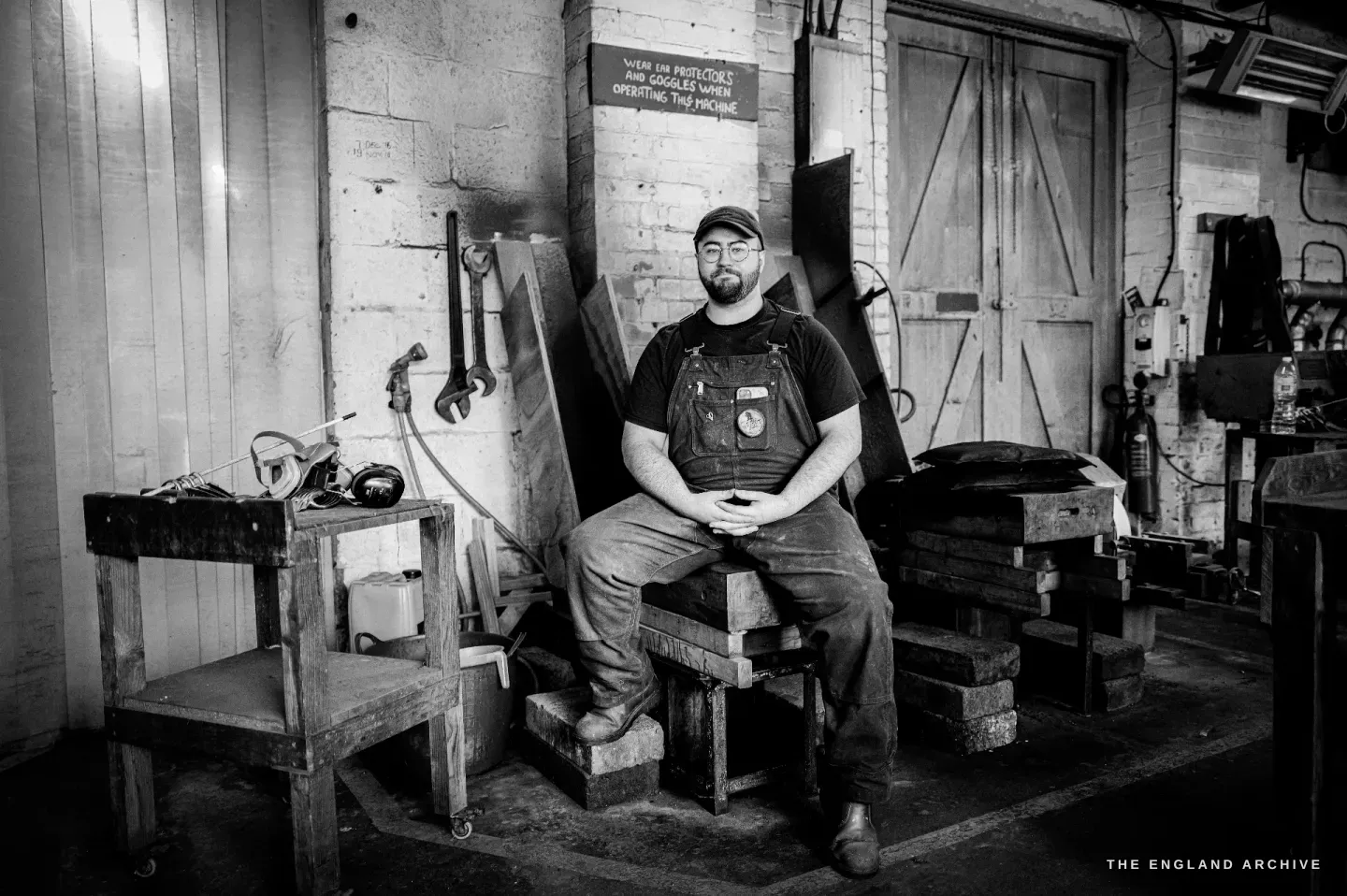
Makers A putter-togetherer at Ernest Wright, the Sheffield scissor makers founded in 1902 - and the first trainee of the firm's current era to qualify fully as a putter, the five-year-apprenticed craftsman who marries the two blades of a pair of scissors so they cut. About ten years at the workshop, he does the defining job of the trade: hammering the curve onto each blade and setting the two together by hand and eye until the pair rides true.
Makers Production manager and a putter at Ernest Wright, the Sheffield scissor makers founded in 1902. Trained by two of the country's last master-putters, Jonathan is also the workshop's public voice - the one who gives the talks and interviews about a craft Heritage Crafts classes as critically endangered. About seven years at the bench.
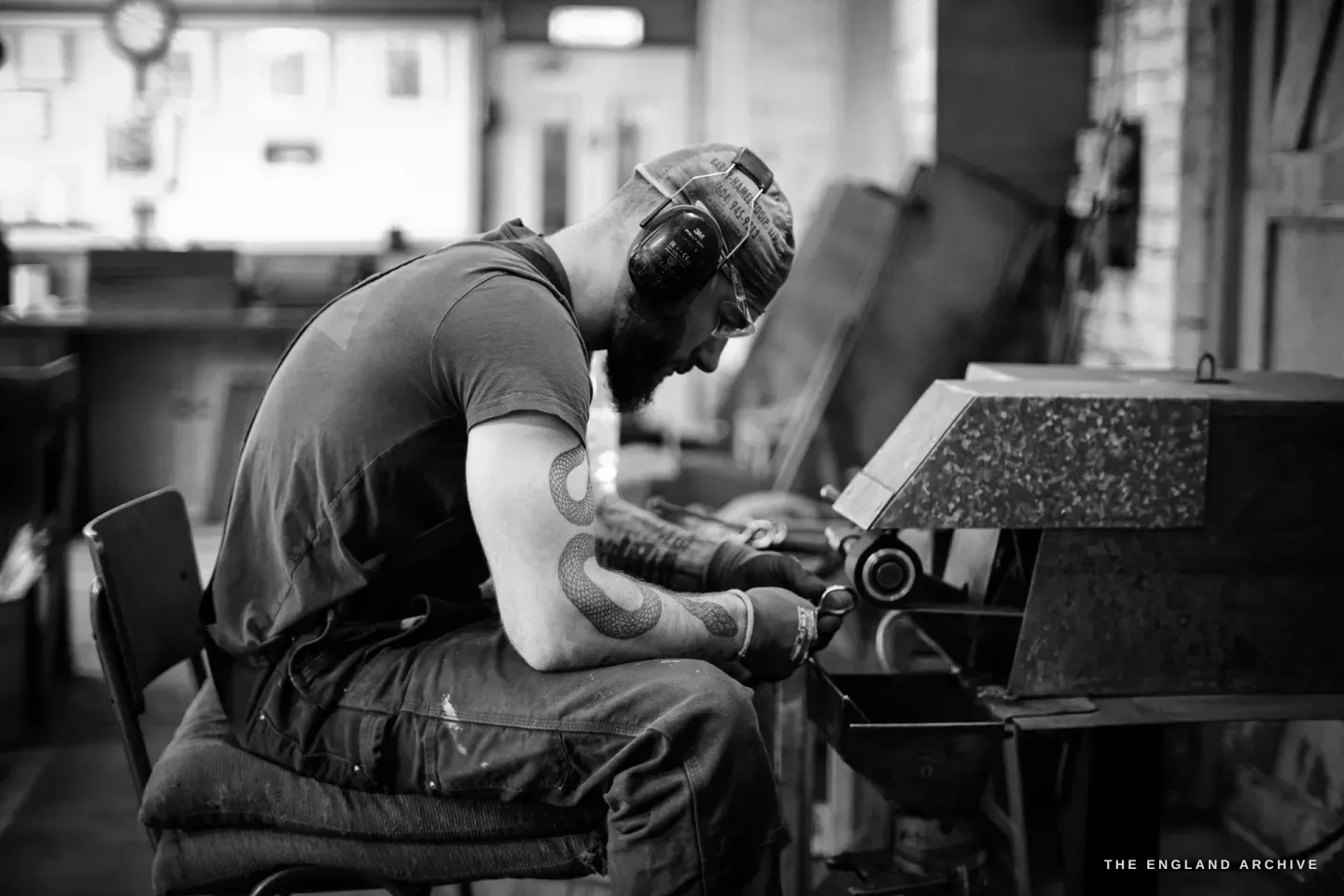
Makers Apprentice One of the newer makers at Ernest Wright, the Sheffield scissor makers founded in 1902, and the workshop's grinder - about eighteen months in. His station is the grinding wheel, where a forged blade is taken down to its hollow and its edge, the spark-throwing stage that turns a rough forging into a blade that will cut. Scissor making is on the Heritage Crafts Red List.
Makers A scissor maker at Ernest Wright, the Sheffield scissor makers founded in 1902, about six years into the trade. His station is the grinding and finishing machines - the wheel and the abrasive belt that bring a forged blade up to its edge - and the work is the same exacting, spark-and-steel routine the firm has run for over a century. Scissor making is on the Heritage Crafts Red List.
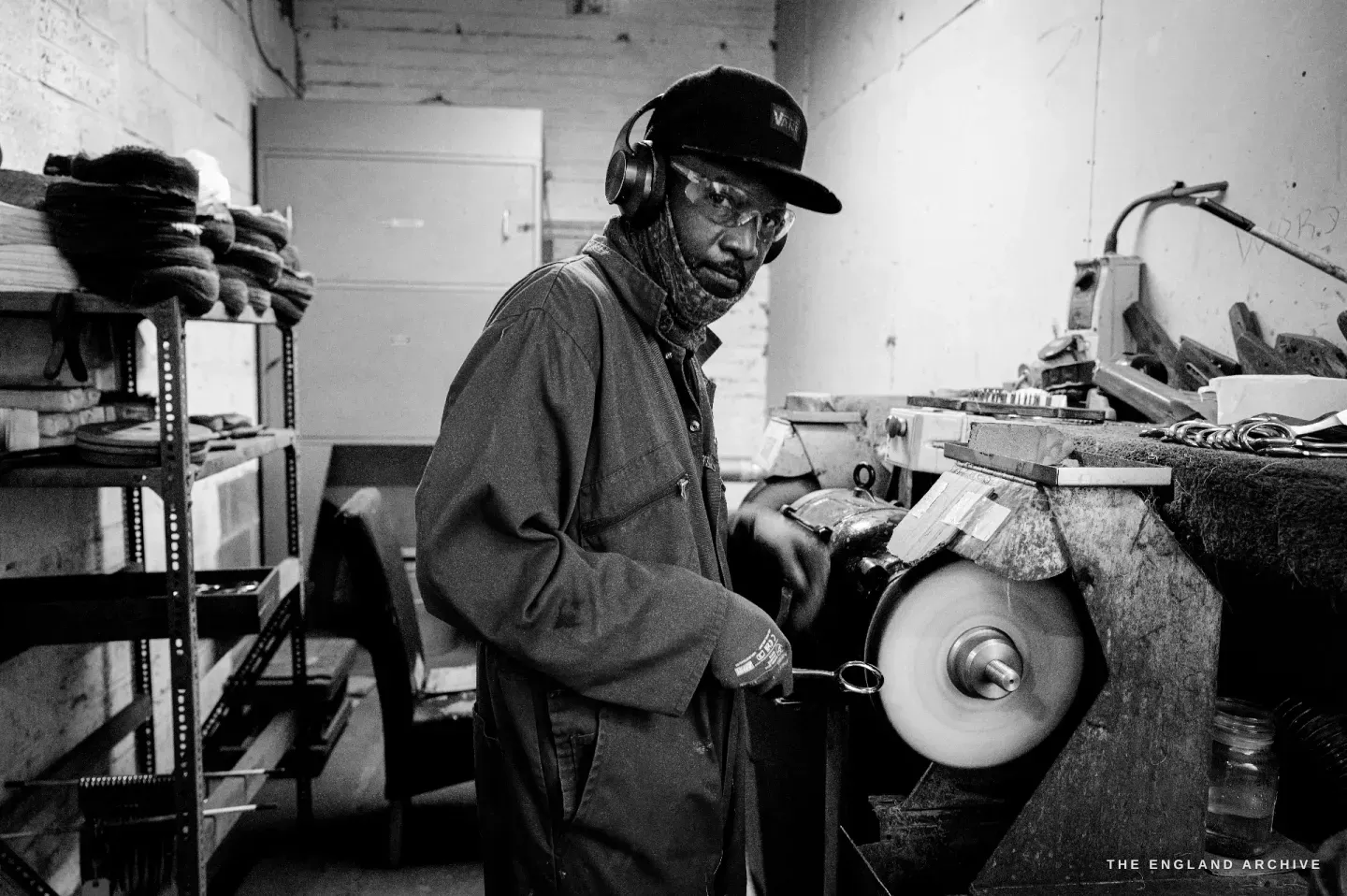
Makers The polisher at Ernest Wright, the Sheffield scissor makers founded in 1902, with thirteen years on the wheel. Sabino works the polishing machine - buffing mops on a spinning spindle that take a finished pair of scissors to its bright final shine. It is dusty, exacting work, the last skilled hand a pair passes through before the maker's mark. Scissor making is on the Heritage Crafts Red List.
Makers Kylie Cocker hand-makes pocket and pen knives as a mester at Joseph Rodgers, in the workshop inside Kelham Island Museum, Sheffield. Folding knife making is on the Heritage Crafts Red List.
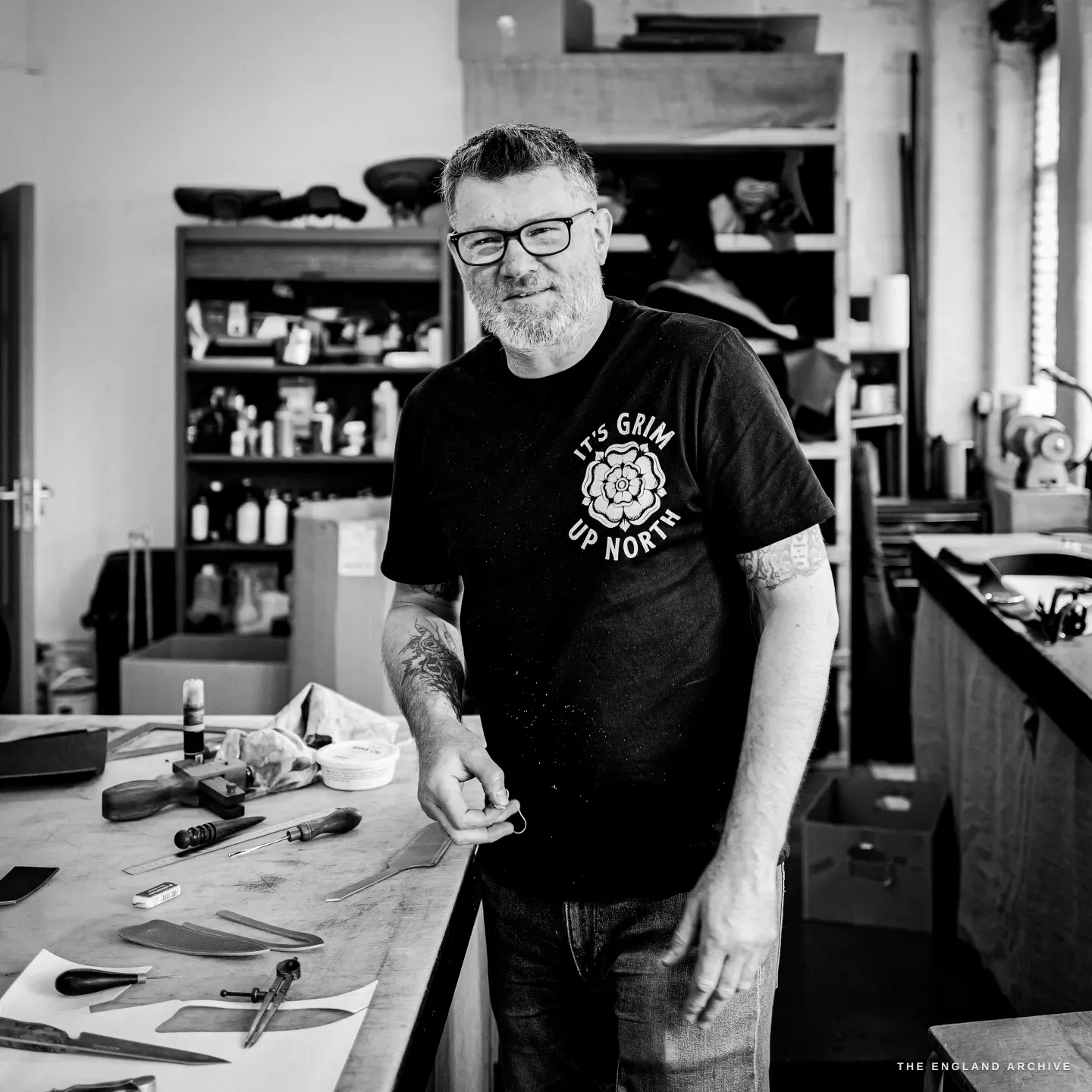
Makers Kevin Wilebore hand-makes leather bags, belts and sheaths - and the pouches for Ernest Wright's scissors - at Portland Works in Sheffield, the birthplace of stainless steel.
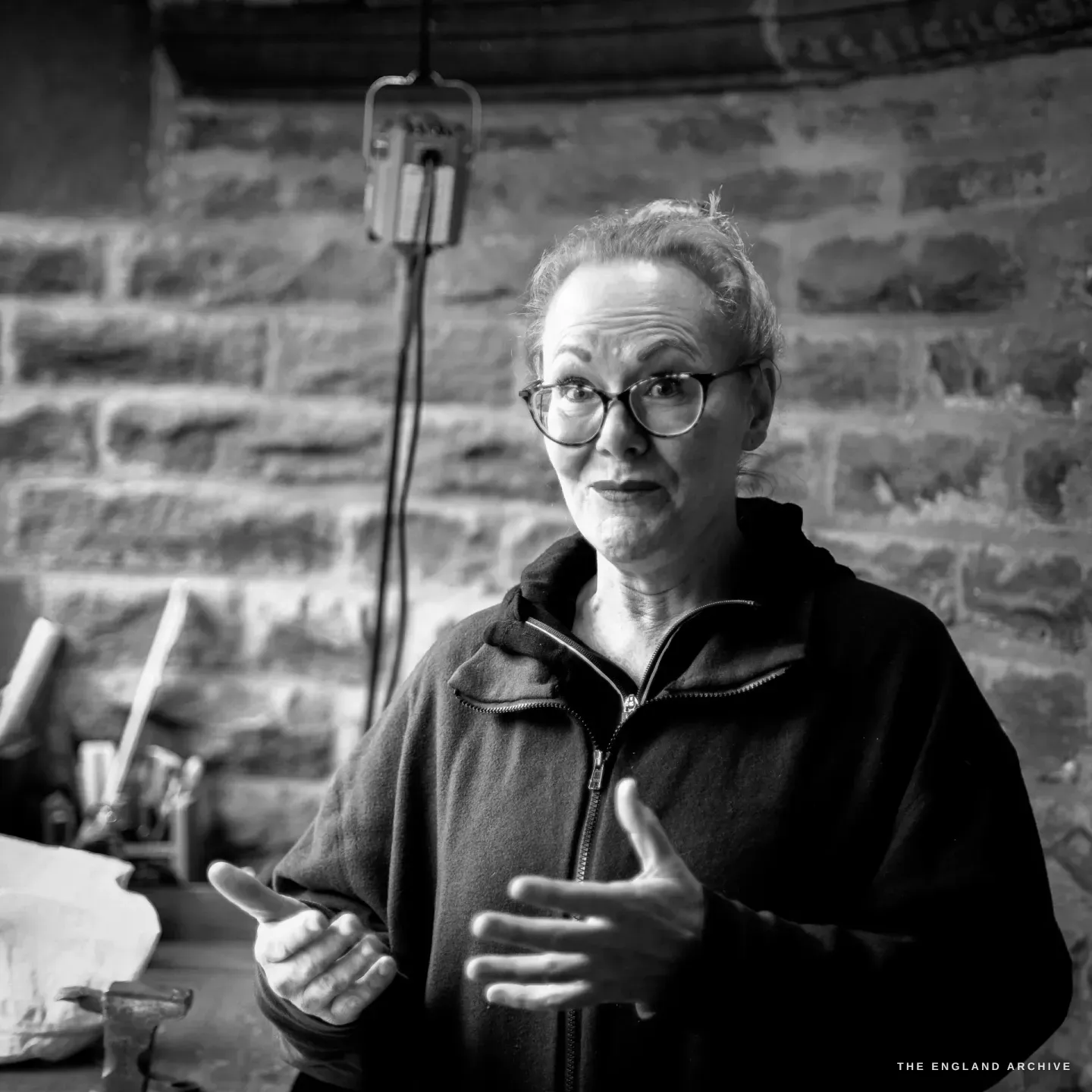
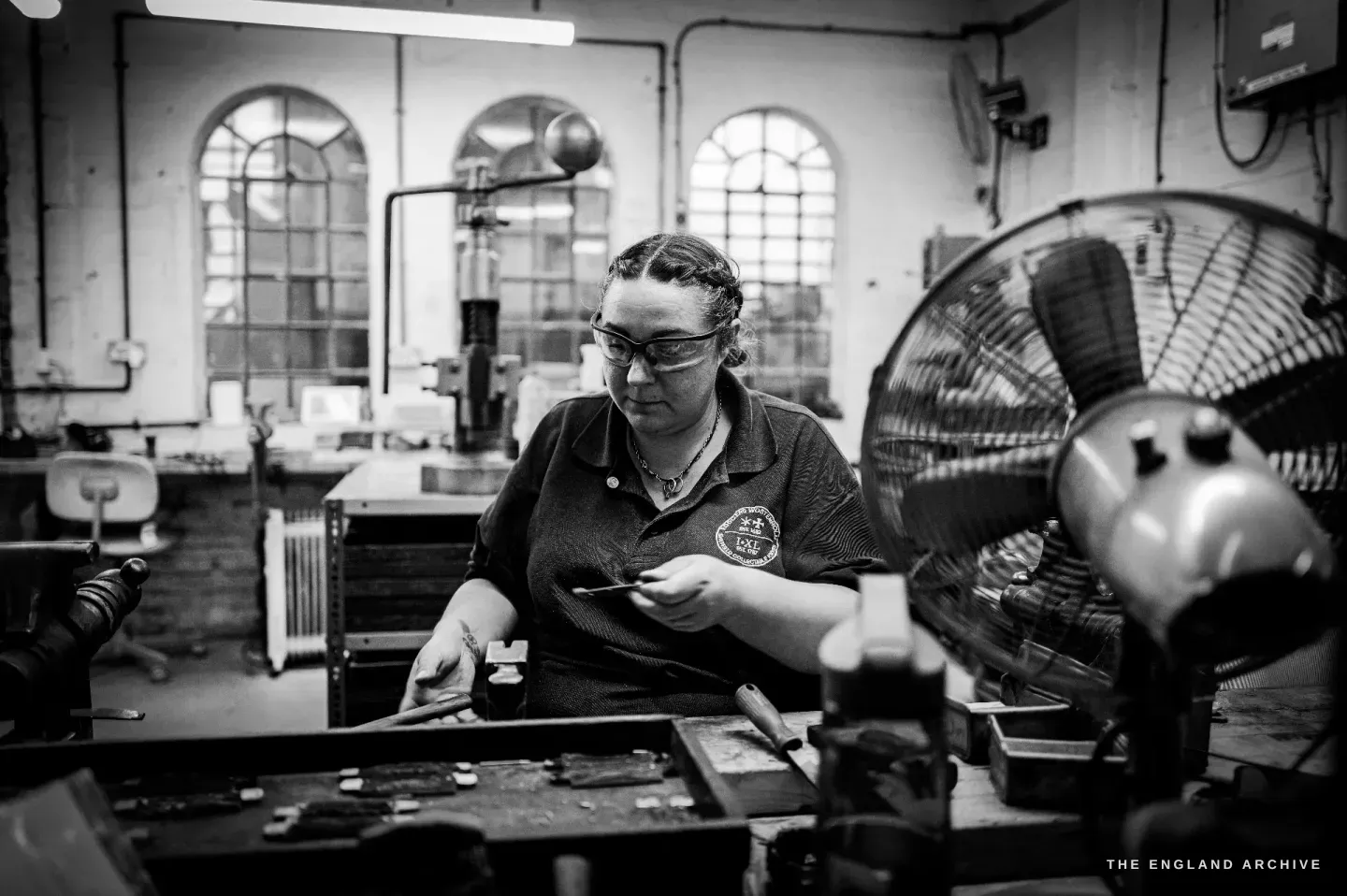
Makers Grace Horne hand-makes scissors in a former Victorian public toilet in Sheffield - a cutler, corsetiere and PhD who learned the trade at Ernest Wright and works without the old industrial machines. Scissor making is on the Heritage Crafts Red List.
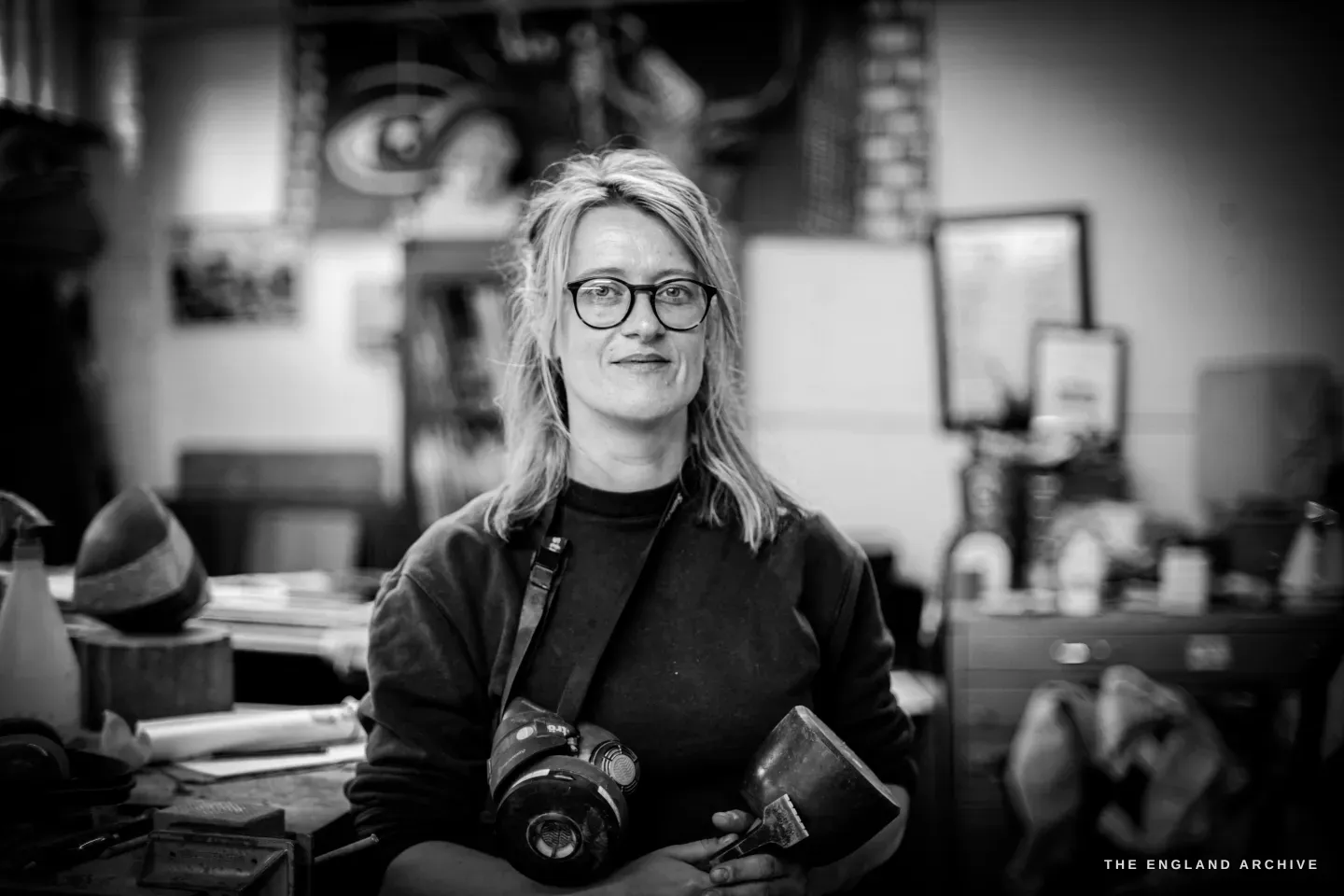
Makers Lily Marsh carves stone in a shared studio at Stag Works in Sheffield - a sculptor who came to the trade after a psychology degree and a spell working in a prison, and who works alongside the letter cutter and stonemason Steve in the room they share.
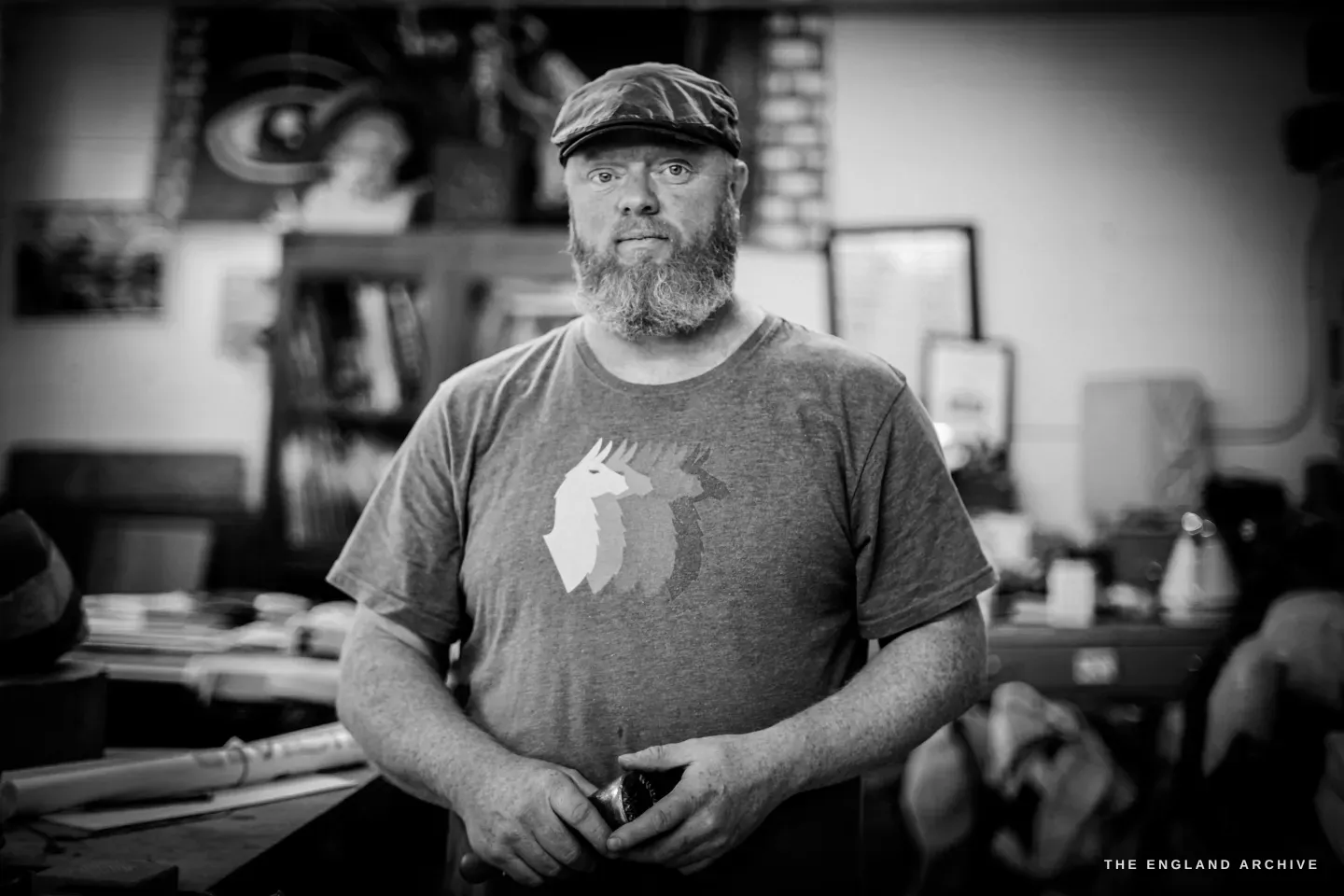
Makers Steve Roche cuts letters and carves stone at Stag Works in Sheffield, the studio he runs and shares with the sculptor Lily Marsh. He came to the trade after a single month in 2008 cost him his job and a broken leg, retrained on a craft bursary, and now works on public lettering and stone commissions across the city.
Makers Ernest Wright has made scissors by hand in Sheffield since 1902 - the last hand-scissor workshop in the centre of a city that once had a hundred. Founded by five generations of one family, brought to the edge of extinction, and rescued in 2018 by two men who would not let it die, it is now one of England's most quietly iconic workshops. A morning inside, from the red door on Broad Lane to the putter who marries the blades.