Chapter 2 of 6 · c.1180 - 1500
The Wool Town
A market charter, a wide street laid out for trade, and the wool that made Campden one of the richest small towns in medieval England.
HS-0002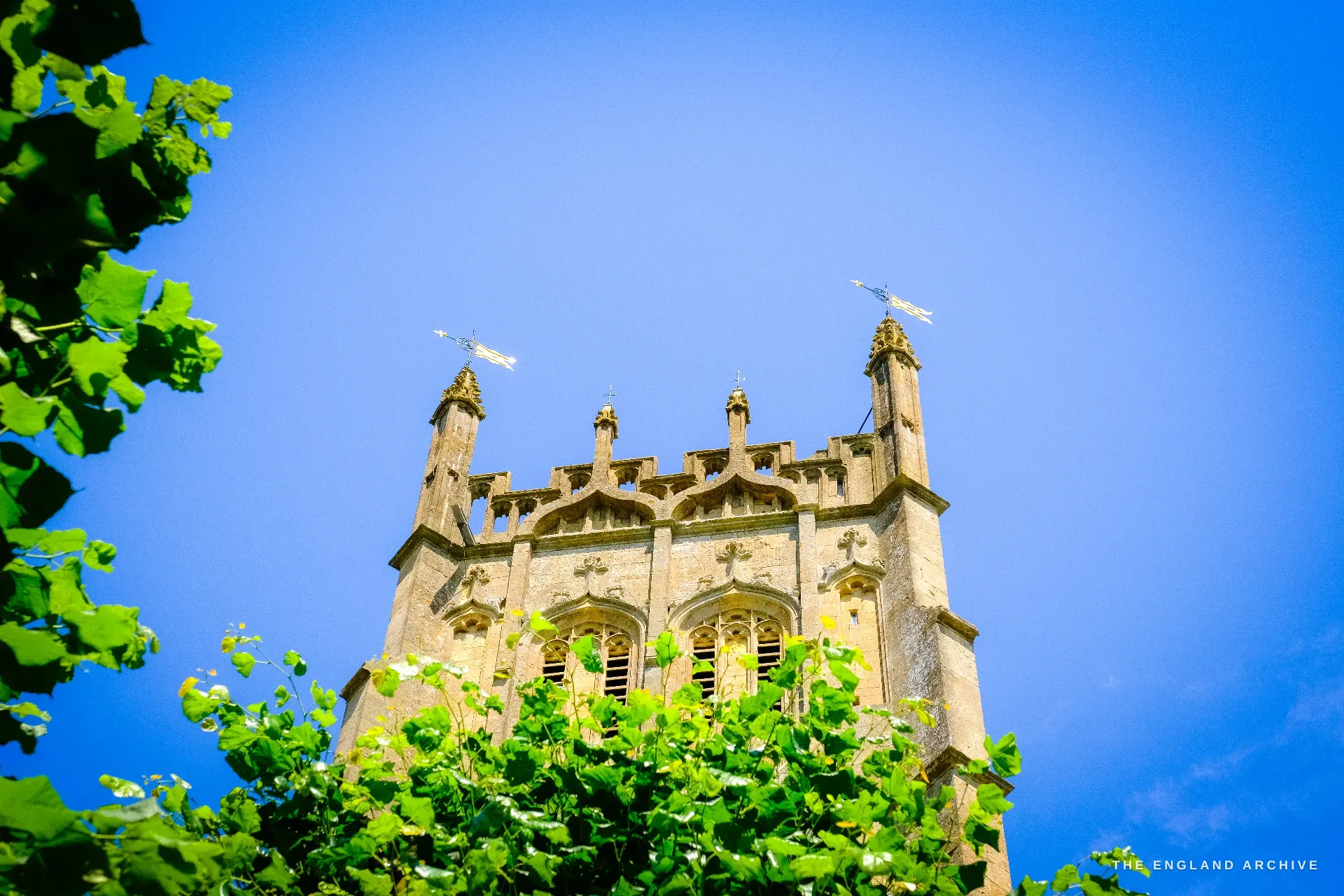
"Chipping" is the Old English ceping - a market. It is the same word that names Chipping Norton and Chipping Sodbury, and it marks Campden out as what it became in the Middle Ages: a chartered market town. In 1185 the lord of the manor, Hugh de Gondeville, obtained a market charter from Henry II - and the king himself came to Campden that year, the Pipe Rolls noting two casks of wine sent up from Bristol for him. Plain Campden became market Campden, ceping Campden, with the right to hold a regular market and draw trade off the surrounding country.
You can still read that decision in the street. The High Street was deliberately widened into a long bulge at the centre of the town, an open space where the market could be held. Running back from the street on either side were the burgage plots - long, narrow strips of land let to the town's traders. At the street end stood the house and shop, or room for a cart to be driven in; behind it a yard and outbuildings, then animals, then a strip of ground running back to a service lane. That lane is still there, and still called the Back Ends. The whole medieval town plan survives, legible, under the buildings of today.
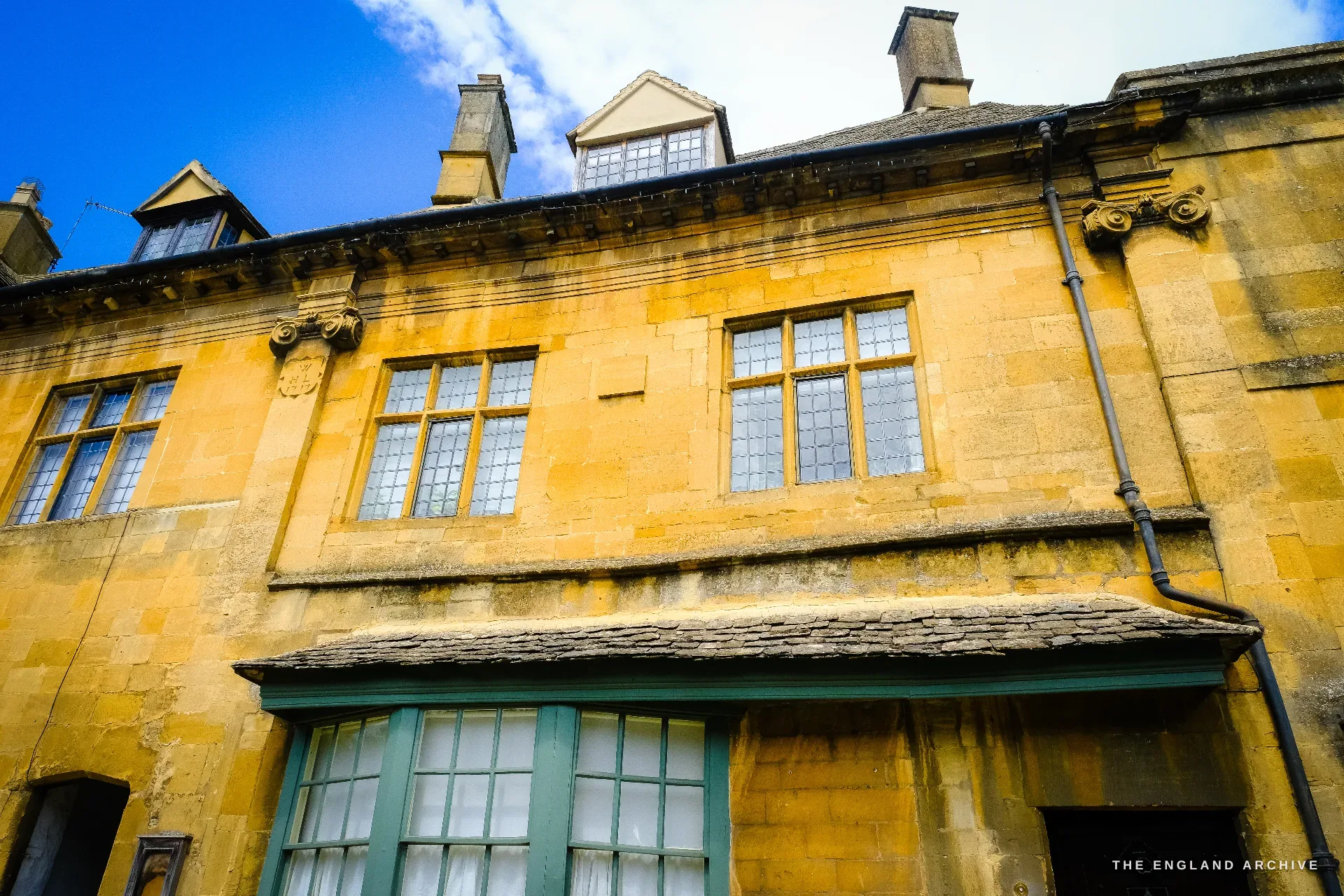
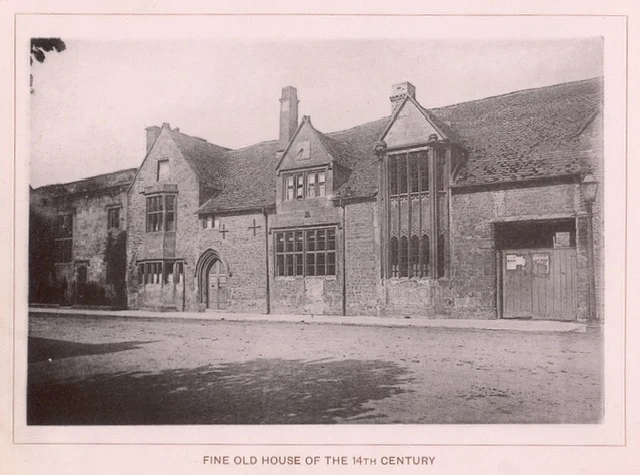
What made Campden rich was wool. The Cotswold sheep - the "Cotswold Lion", long-fleeced and heavy - grew some of the most sought-after wool in Europe, and Campden became one of the great collecting and trading points for it, its merchants shipping fleece to the weavers of Flanders and Italy. The greatest of them was William Grevel, described on his memorial brass in the church as "the flower of the wool merchants of all England". His house, Grevel House, still stands on the High Street - one of the oldest in the town, its core reckoned to date from around 1380. Like almost every building of its age it has been altered down the centuries to suit its occupiers and the fashions of the day: the fine two-storey bay window that catches the eye is thought to be a later, sixteenth-century addition, and the building may not even have begun as a house. The medieval core survives inside a much-changed front.
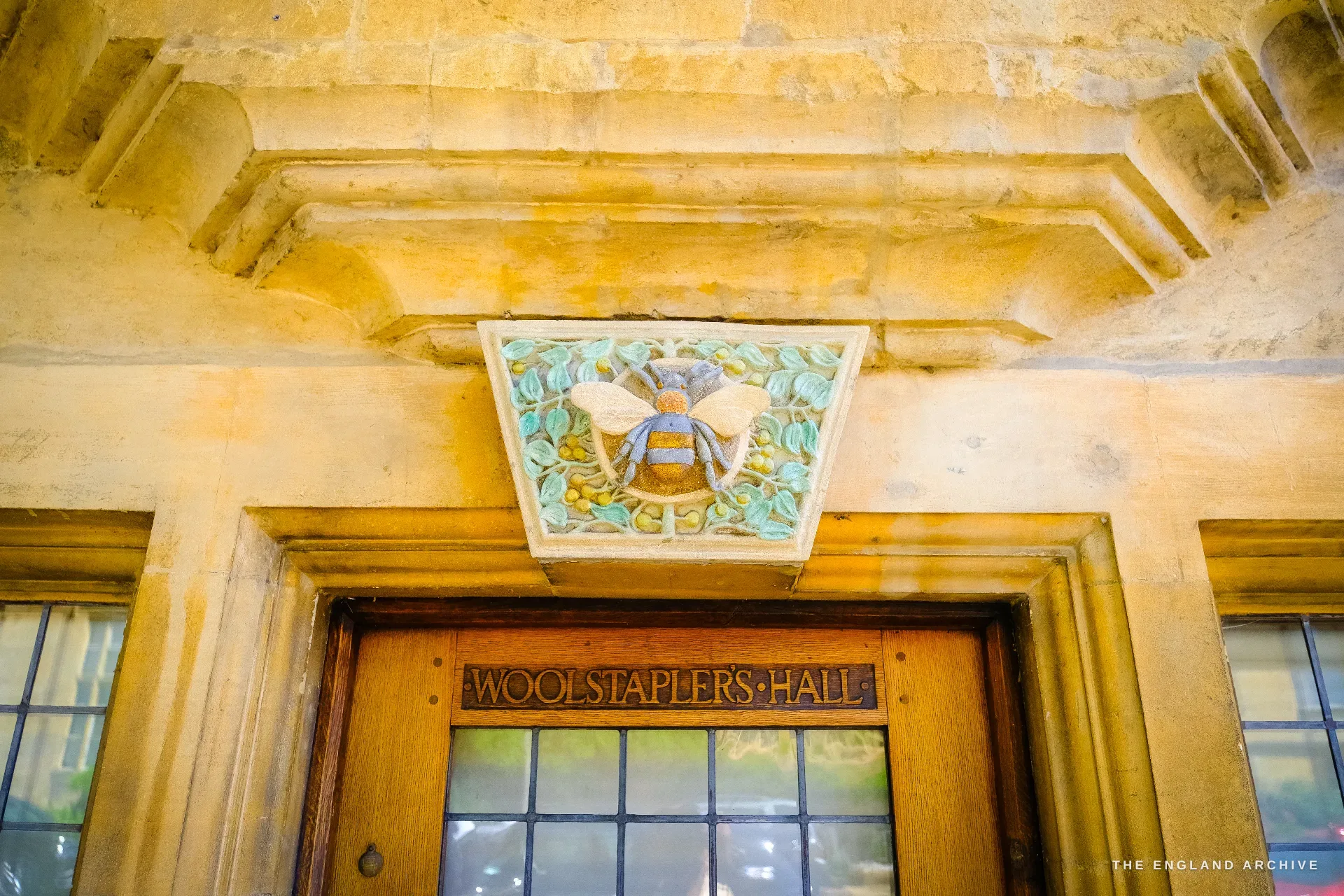
The wool money built the church. St James' was rebuilt grandly in the Perpendicular style in the fifteenth century - one of the great "wool churches" of the Cotswolds, its tall pinnacled tower a statement of the town's wealth. Inside are Grevel's brass and, later, the monuments of the Hicks family. The Woolstaplers' Hall, where the wool was weighed and traded, survives too. For three centuries the fleece trade was the town; then the law and the economy moved, raw-wool export gave way to cloth and later to silk, and Campden began a long change.
Key dates
- 1185Granted a market charter by Henry II - Campden becomes a market town
- c.1380The core of Grevel House built on the High Street (much altered since)
- 1401Death of William Grevel, "flower of the wool merchants of all England"
- 1440The Grammar School founded by John Fereby
- 15th c.St James' Church rebuilt as a great wool church
Compiled with the Chipping Campden History Society and from the published record. Corrections welcome - this is a living reference.