Chapter 4 of 6 · 1660 - 1900
After the Wool: Silk and the Railway
The wool wealth gone, Campden spent two centuries adapting to whatever the wider world sent it - silk, enclosure, a branch line - while the shape of the medieval town held. Not quiet so much as never rebuilt.
HS-0004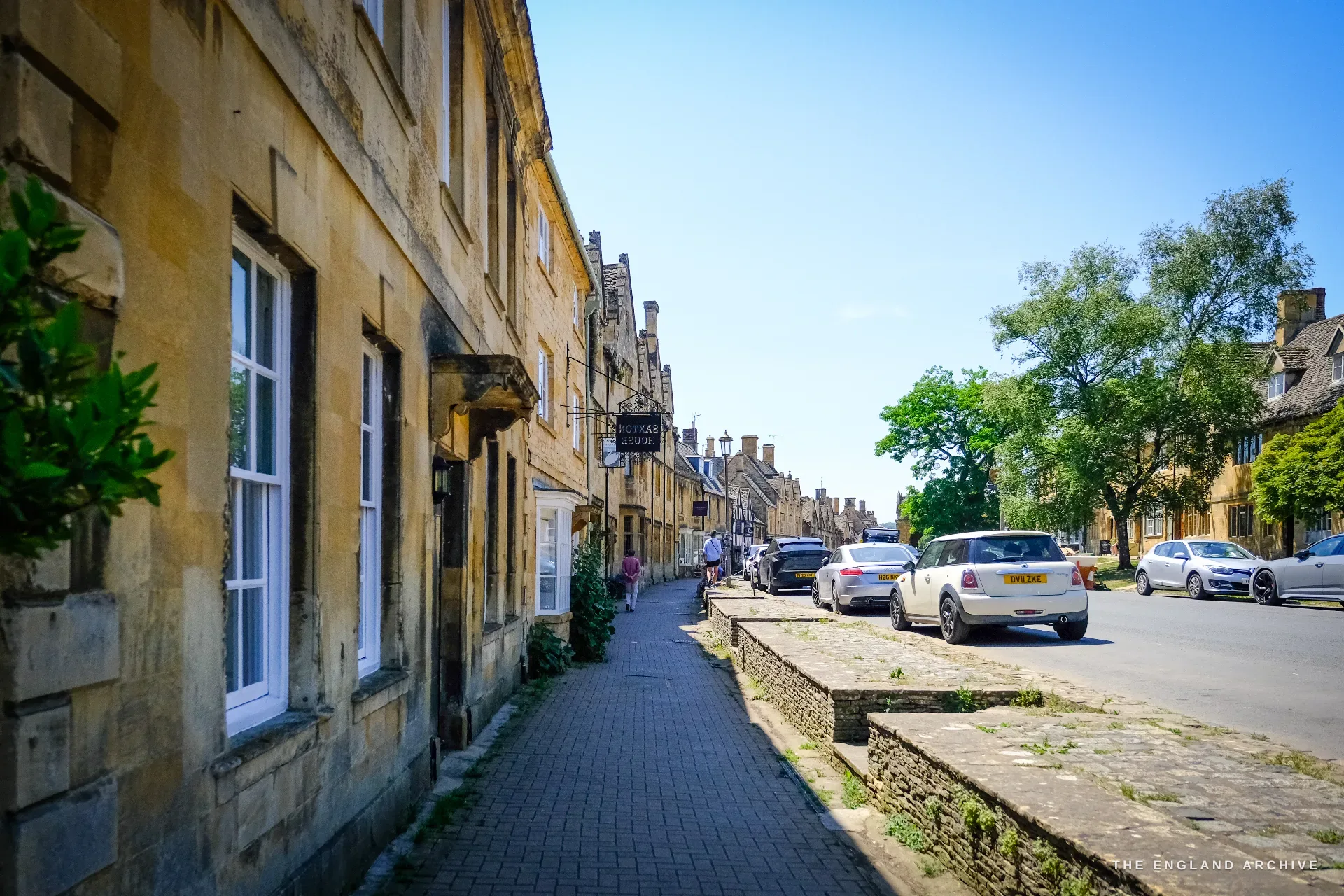
When the great wool money drained away, Campden did not boom into anything else - but nor did it fall still. For the best part of two hundred years it took in whatever the wider world sent: silk-throwing in place of the fleece trade, the enclosure of its open fields in 1799, the navvies and then the railway. Frontages were re-faced and fashions followed. What the town never had was a Victorian fortune big enough to knock the old houses down and start again, and so the medieval street plan, the Jacobean hall and the seventeenth-century houses stayed where they were, looked after rather than replaced. Campden changed steadily on the surface and kept its shape underneath, and that is the reason it is so complete today.
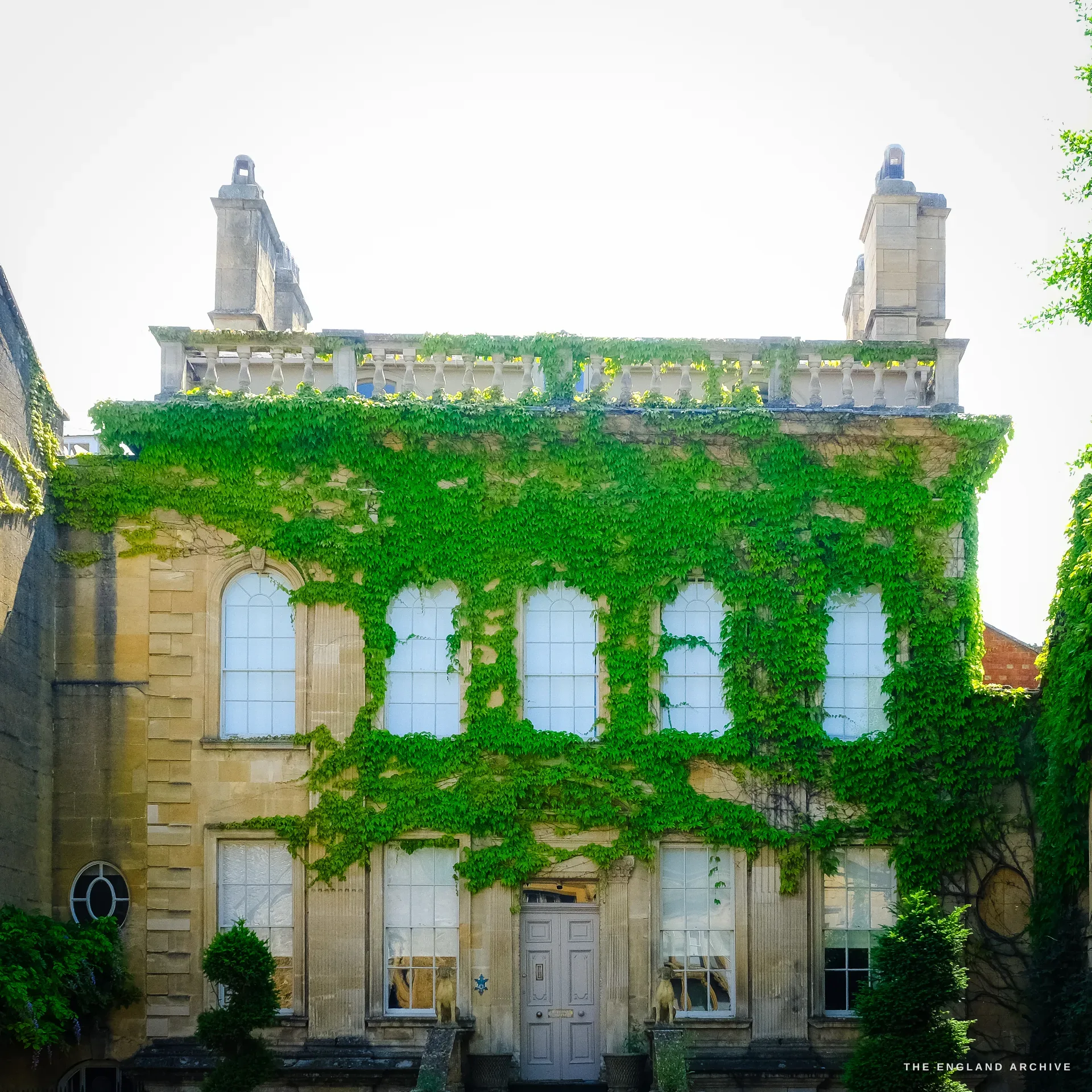
There was still industry of a kind. Silk-throwing came to the town, and a silk mill was built on Sheep Street - a plain, handsome industrial building that would, in the next century, become the unlikely home of a famous experiment in craft. For now it span silk.
Just outside the town, at Aston-subEdge, stood a house that would lend English poetry one of its titles. Sir William Keyt built an extravagant new mansion there, ruined himself doing it, and in 1741, in drink and despair, set the house on fire and died in the flames. It was rebuilt, but the name stuck: Burnt Norton. Almost two centuries later, in 1934, T. S. Eliot walked in its abandoned rose-garden and wrote the poem "Burnt Norton", the first of the Four Quartets - "Footfalls echo in the memory / Down the passage which we did not take."
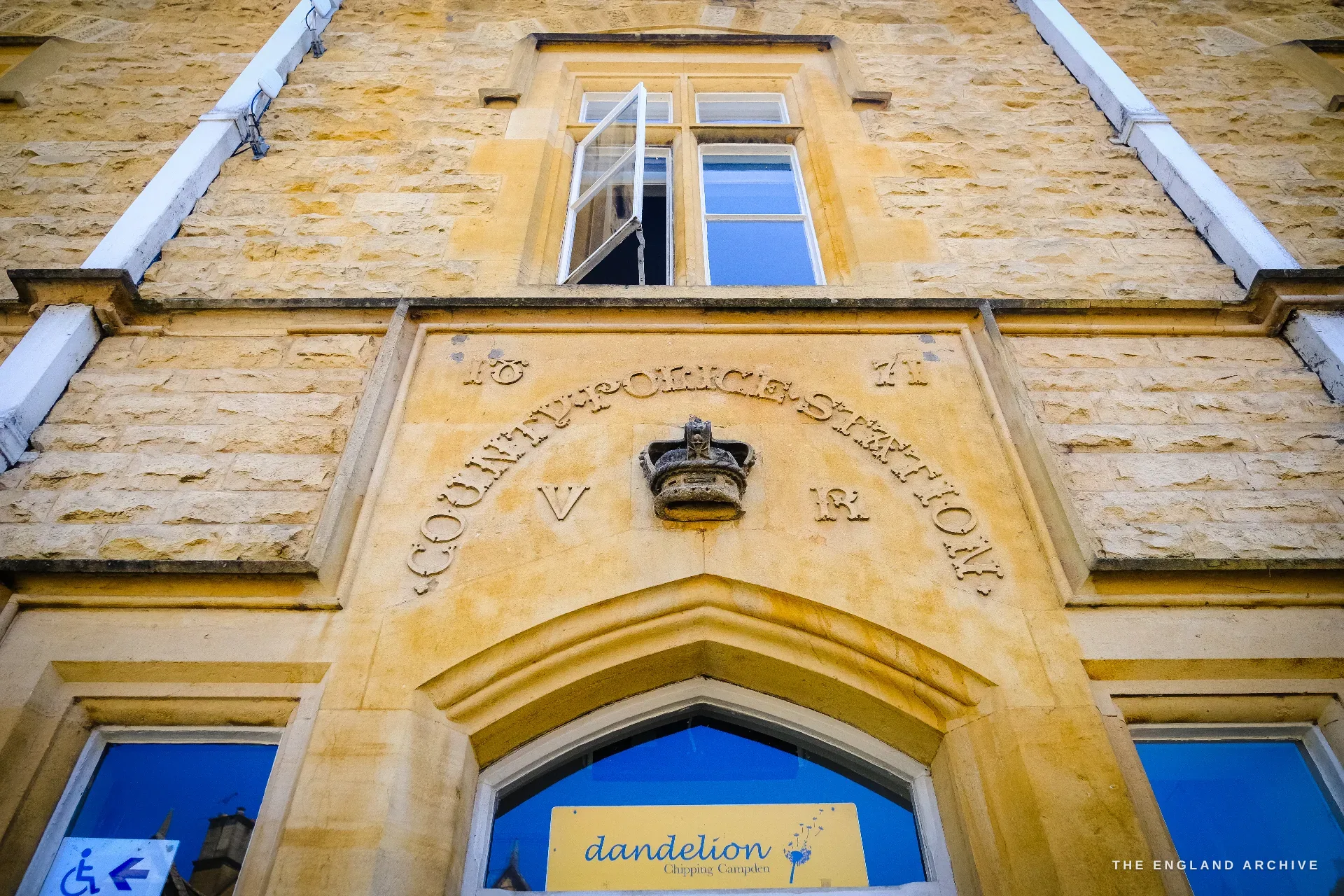
The modern world arrived in 1853, when the Oxford, Worcester and Wolverhampton Railway opened its line through the valley and gave Campden a station (first named Mickleton, later Campden, and from 1952 Chipping Campden). The railway connected the town, carried its goods and its visitors, and bored the long Mickleton tunnel through the hill. The station closed in 1966 under the Beeching cuts; the line through still runs, and there are recurring hopes of reopening a stop.
Key dates
- 1741Burnt Norton destroyed by fire; the name endures
- 1799Enclosure of the open fields reshapes the land; the dry-stone walls go up
- 1853The railway and Campden station open
- 1934T. S. Eliot writes "Burnt Norton" (Four Quartets)
- 1966The station closes under the Beeching cuts
Compiled with the Chipping Campden History Society and from the published record. Corrections welcome - this is a living reference.