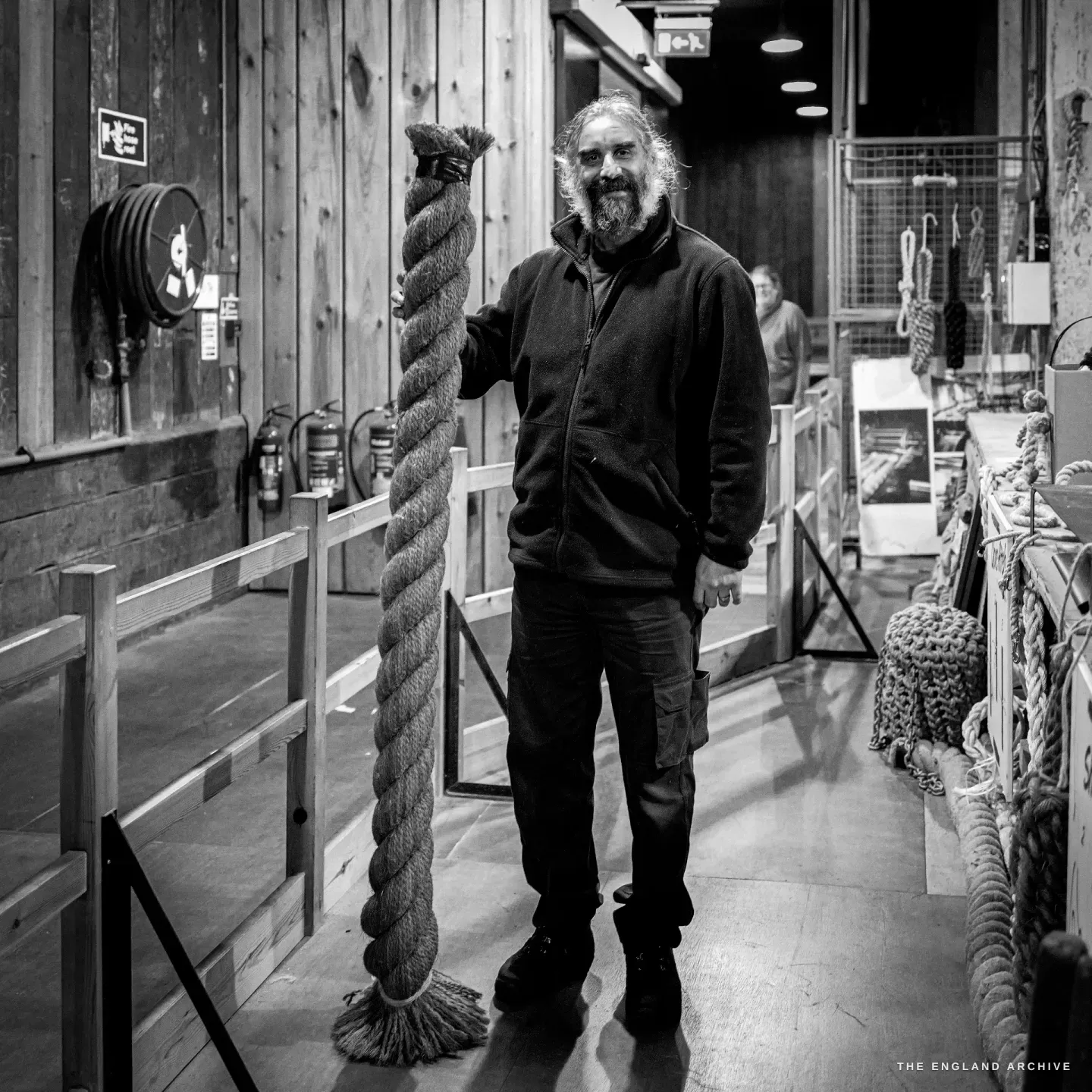
Makers
David Cheer
Master Ropemaker
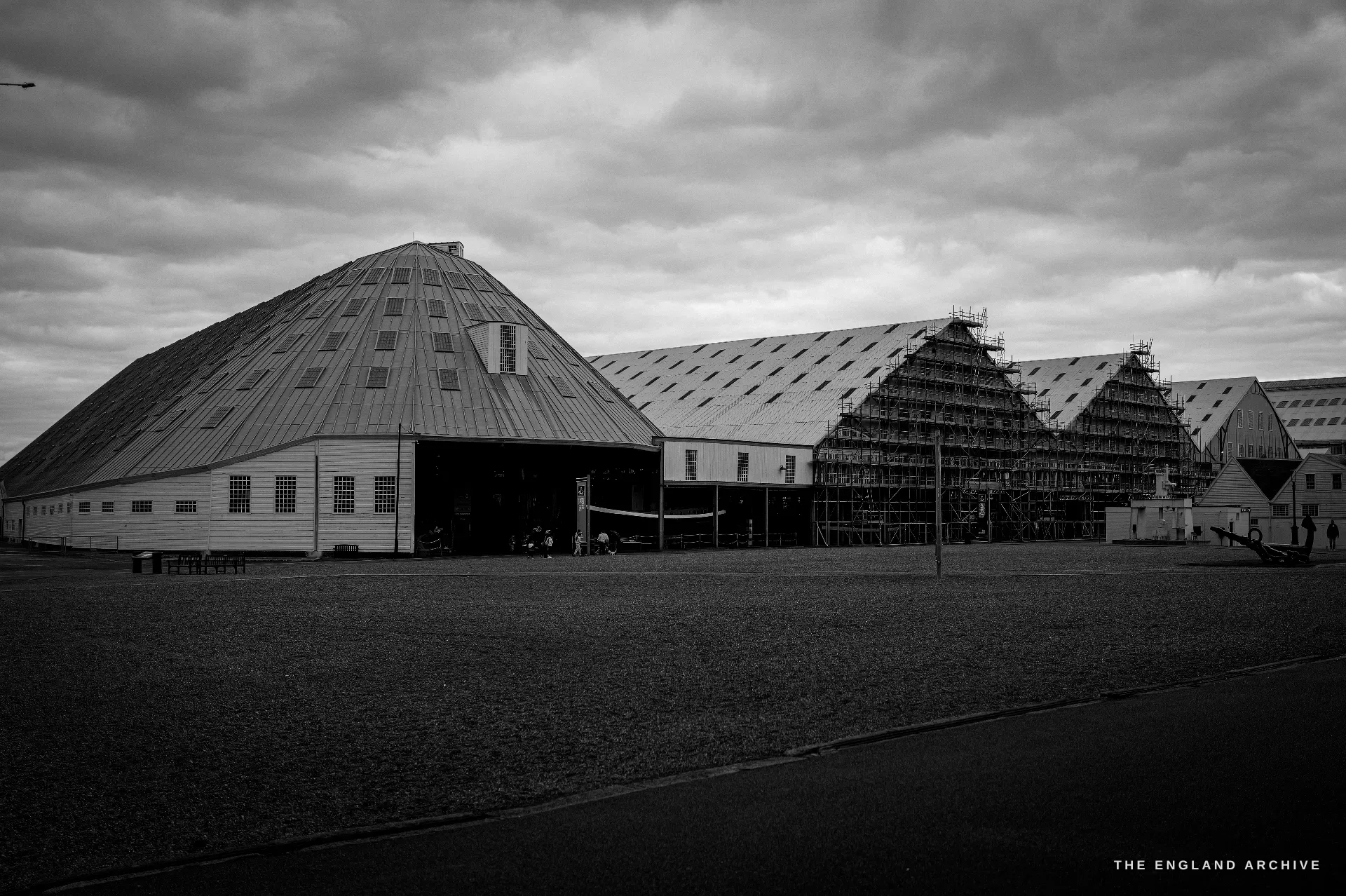
The Ropery, Chatham Historic Dockyard, Kent
Master Ropemaker
The Ropery, Chatham Historic Dockyard, Kent
He came for a three-month job and stayed twenty-seven years. After a year, he decided rope-making was the only thing he wanted to do - and he has been the master here ever since.
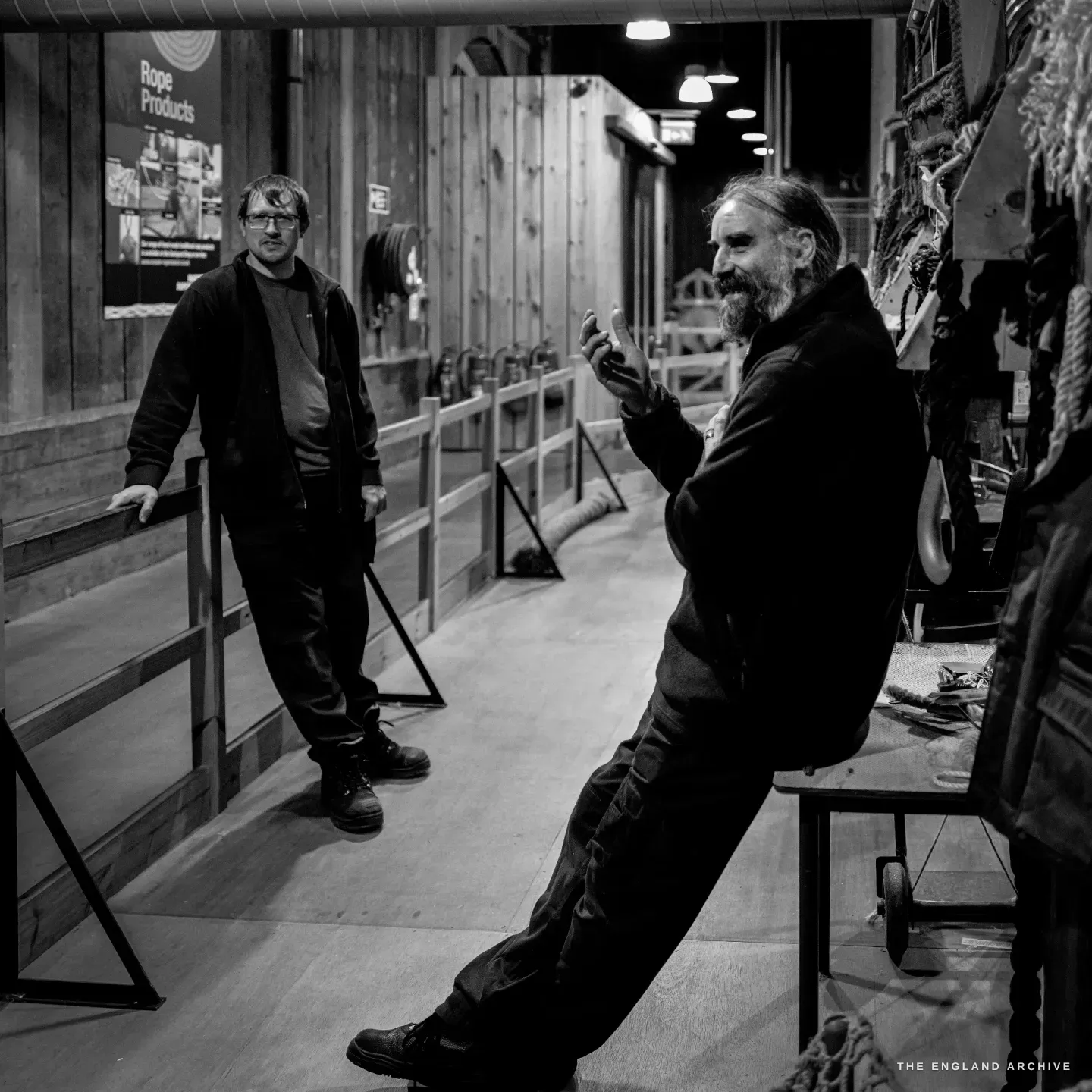
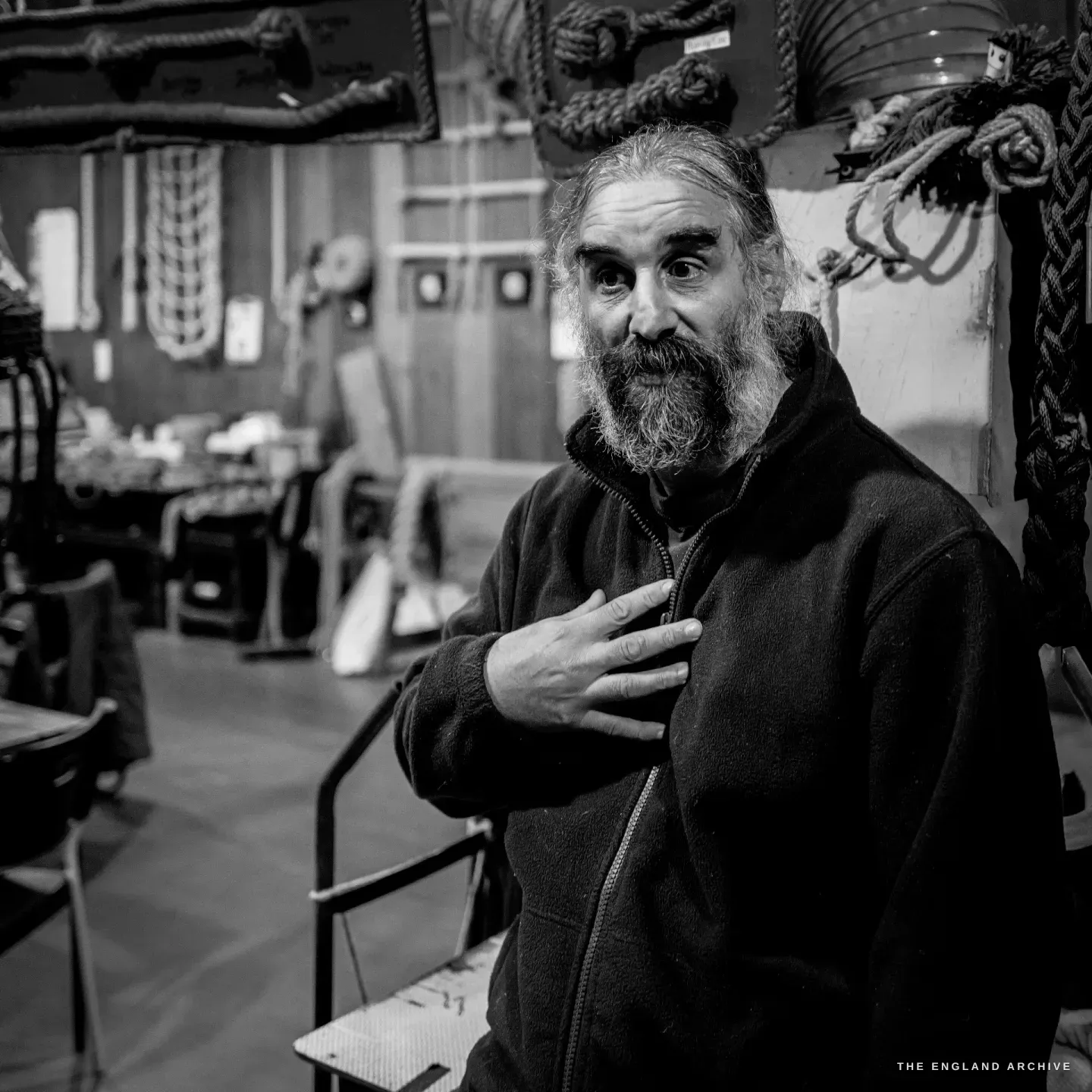
Alex, the managing director, walked me down the rope walk to meet David, and from the first handshake he talked at about a thousand miles an hour - cheerful, generous, full to the brim with the thing he does. I have met a few people this far into a craft who have gone quiet and particular about it. David is the opposite. He is still delighted by rope.
His story is one I keep hearing in this archive and never tire of. He came to the Ropery for a three-month job, twenty-seven years ago. The three months turned into a year, and even then he was not sure - not sure whether rope-making was a job or a life, whether he would stay or move on. Somebody asked him once when he decided to become a ropemaker, and his honest answer was that it took him more than a year to decide at all. And then he did decide. He decided there was nothing else he wanted to do. Twenty-seven years later he is the master ropemaker here, and the man they send you to when they want the craft explained.
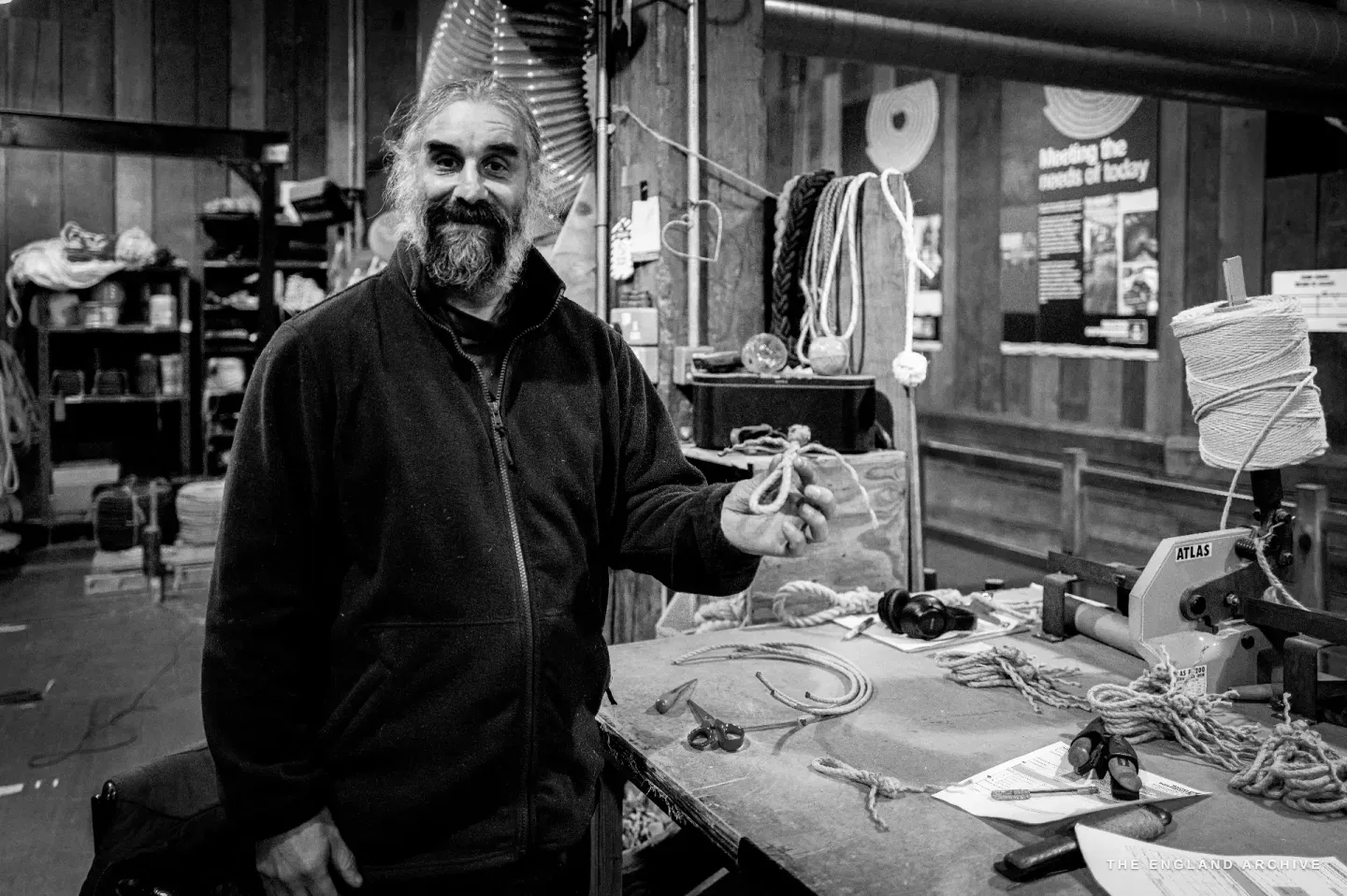
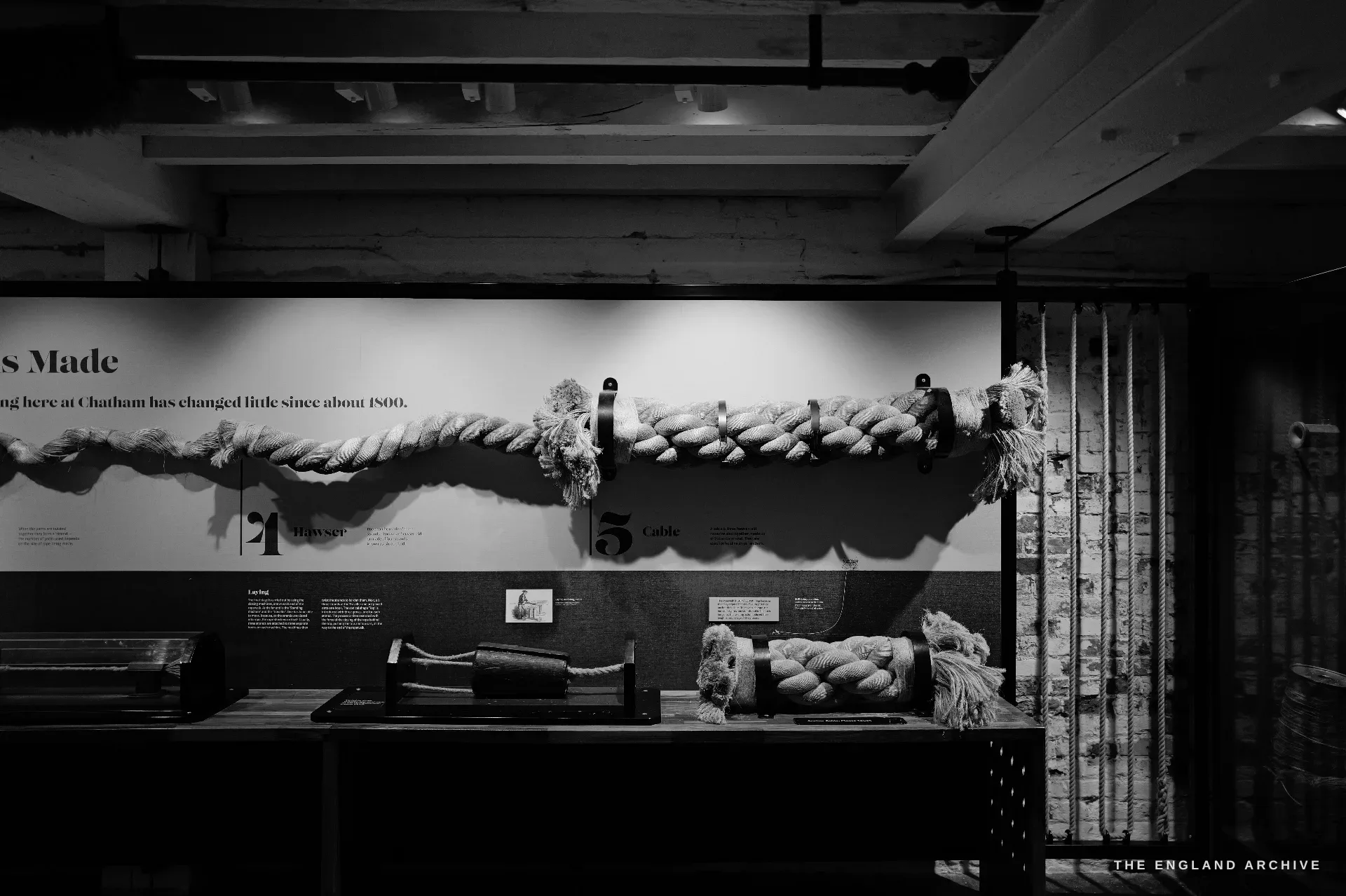
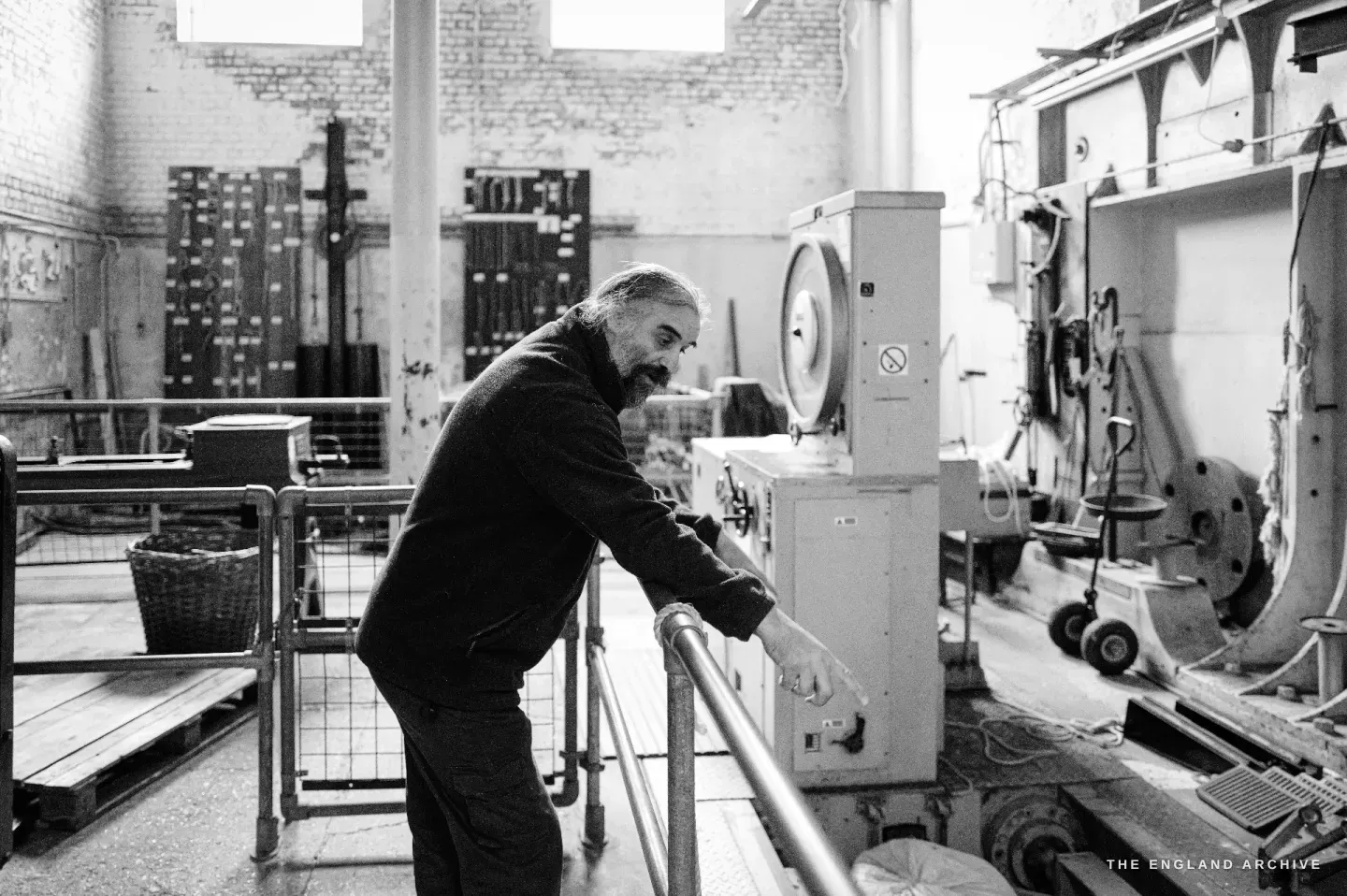
Rope is made by twist. Fibres are spun one way into yarn, the yarns are twisted the other way into strands, and the strands are twisted back again into rope, each stage fighting the last so the whole thing holds itself together and will not come undone. Most of that, at Chatham, now happens on a machine from the 1980s that does in one pass what used to take a walk full of people hauling and winding along a quarter of a mile. David showed me the machine and was entirely unsentimental about it: it is a good machine, it makes good rope, and it means two people can do what once took twenty.
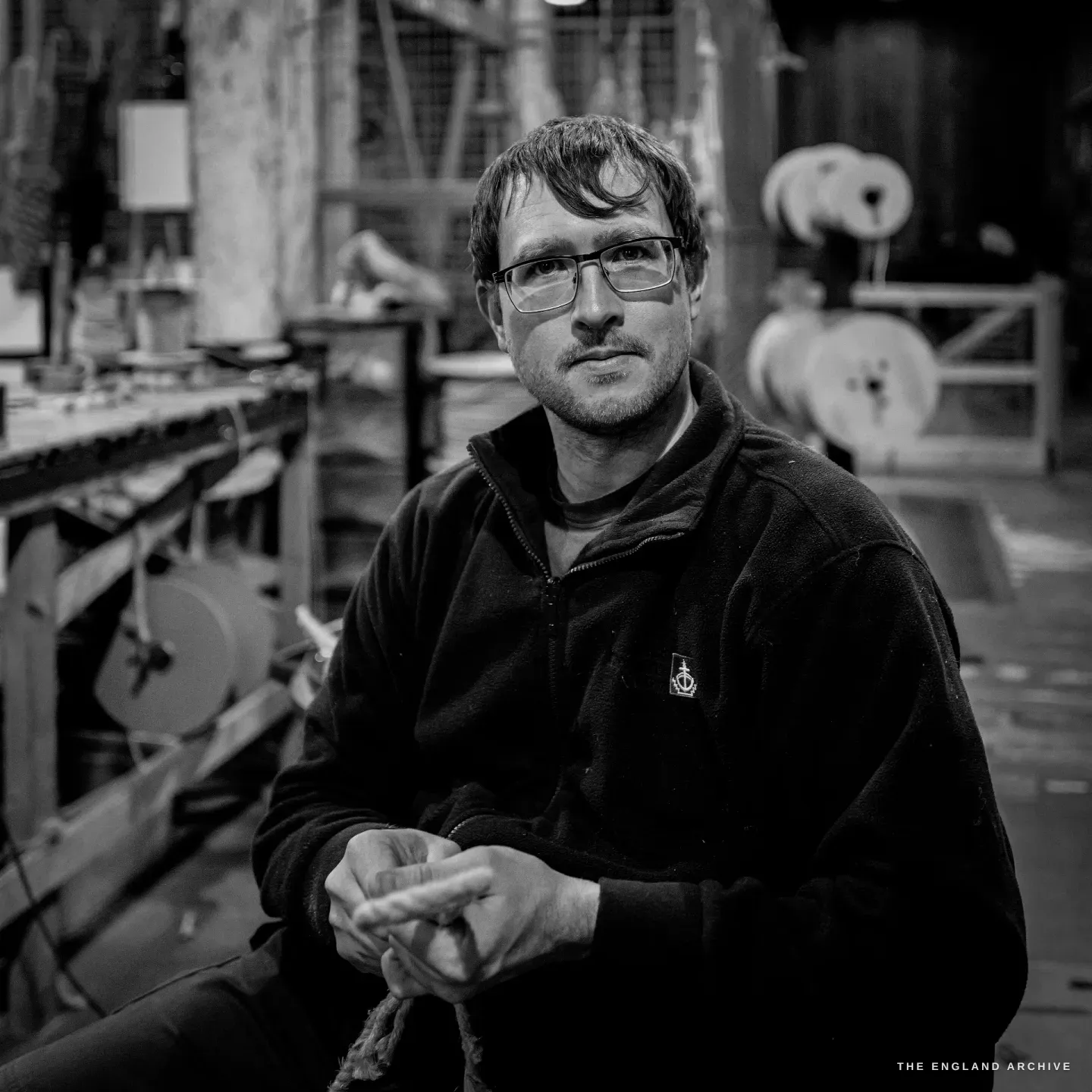
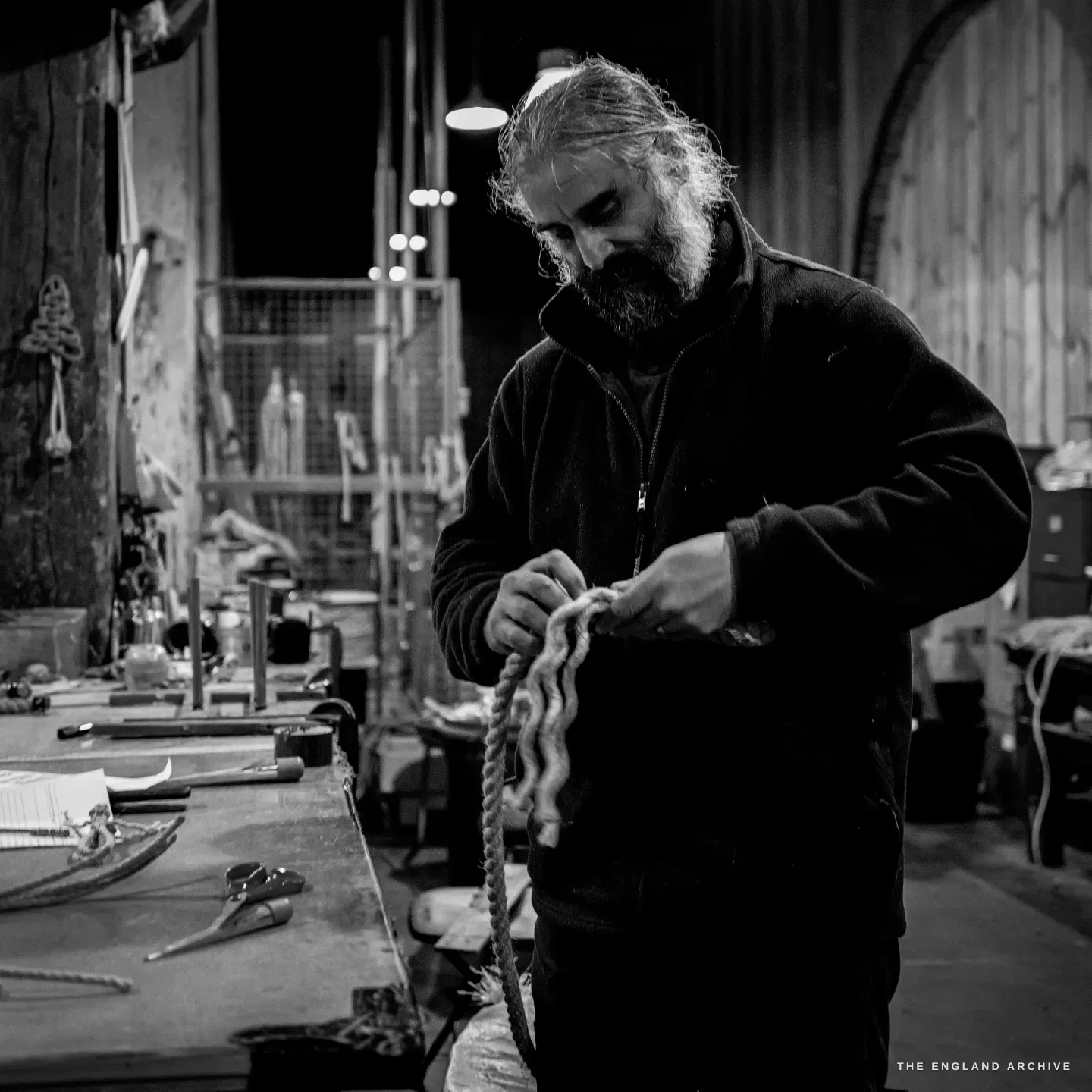
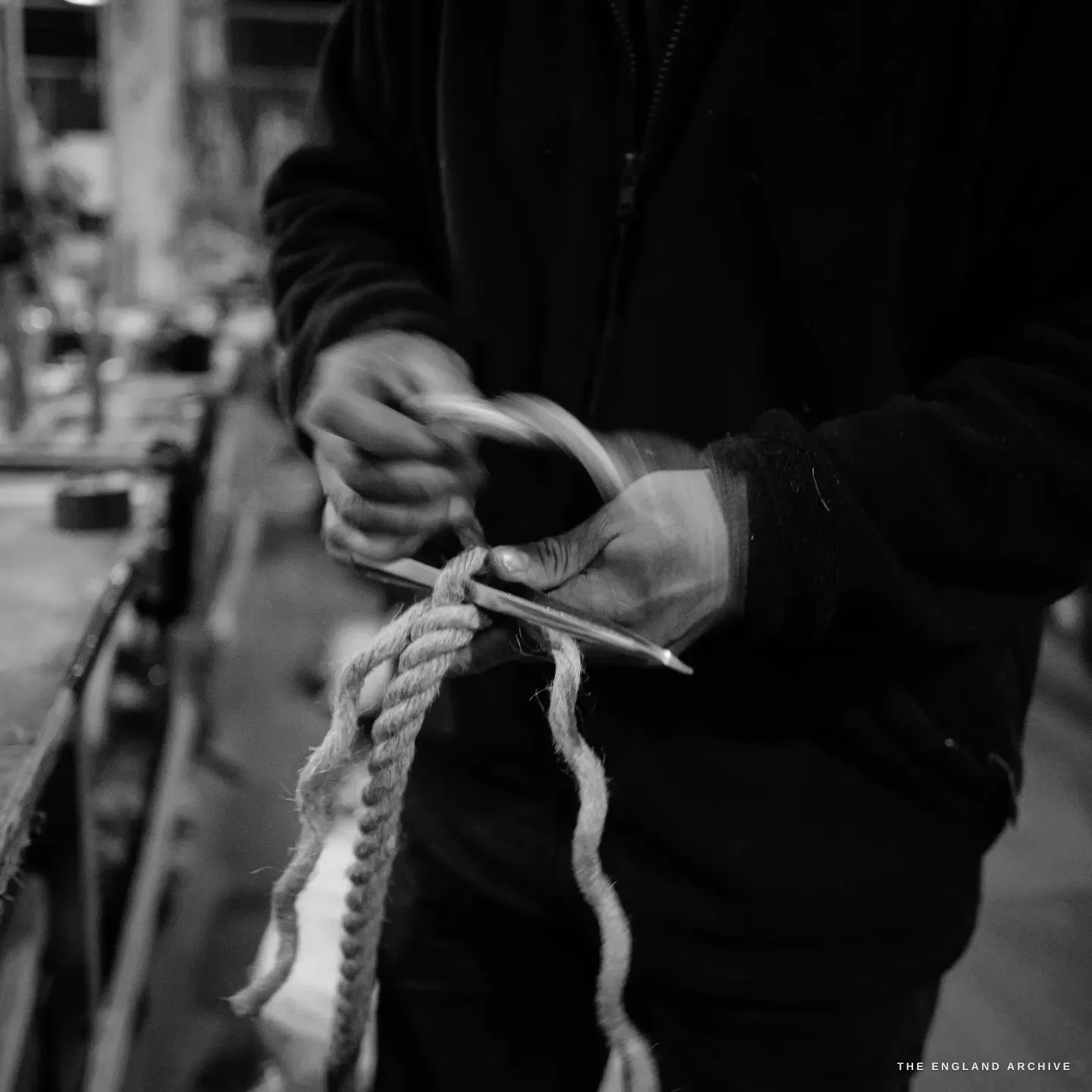
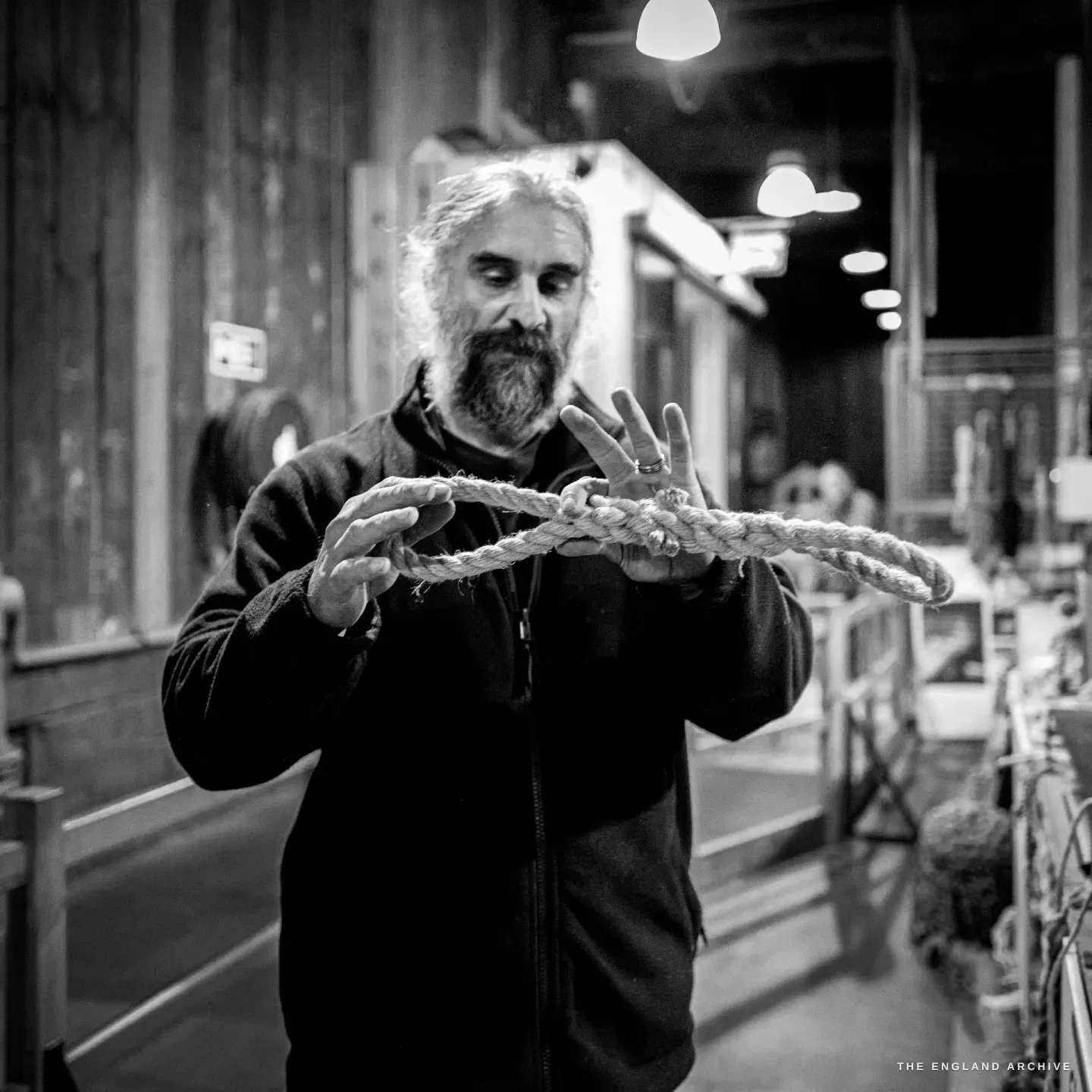
But the hand skills are still his, and they are the part no machine touches. He took a rope end and unlaid it, teasing the strands apart with his fingers, then fed one back through the others with a steel spike called a fid to form an eye-splice - a loop worked into the rope itself, stronger than any knot, invisible once it is done. He read the lay of a finished rope by eye and by feel, the way you would check the grain of a plank. It is close, patient work, done at a bench under a strip light with the long dark of the walk running away behind him, and he clearly loves it.
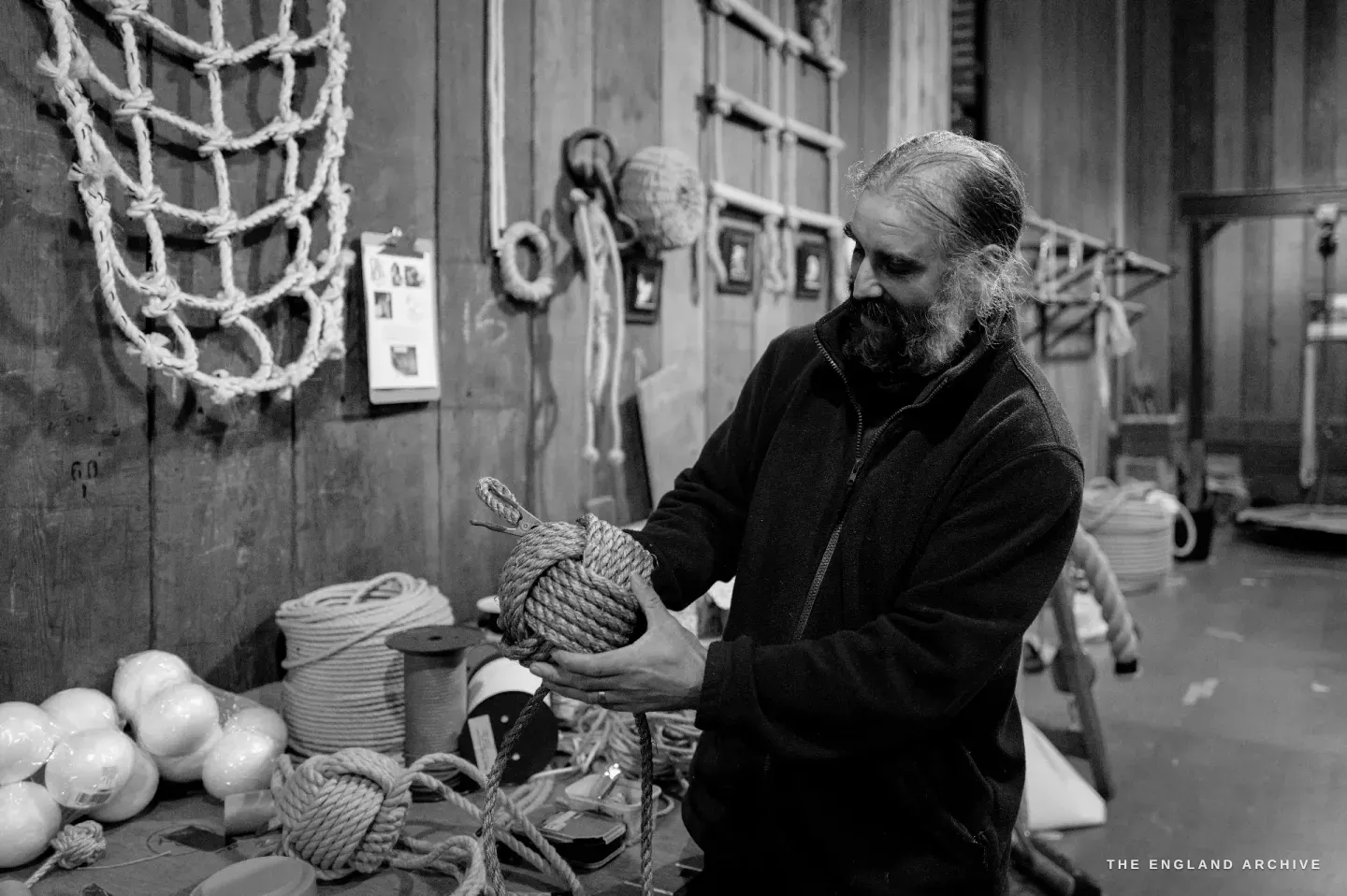
The Ropery is a museum that funds itself. Nobody writes it a cheque; it lives on what the shop sells and what the works makes, which means David and the team make a surprising range of things. Heavy cordage still, and bespoke rope for jobs you would not expect. But also dog leads and rope dog toys in every colour, climbing line, leads plaited from wool - rope sold to zoos, to pet shops, to cricket clubs, to anyone who needs a length of something made properly. It is the old trade keeping the lights on by turning its hand to the new one, and David rattled through the catalogue with obvious pleasure.
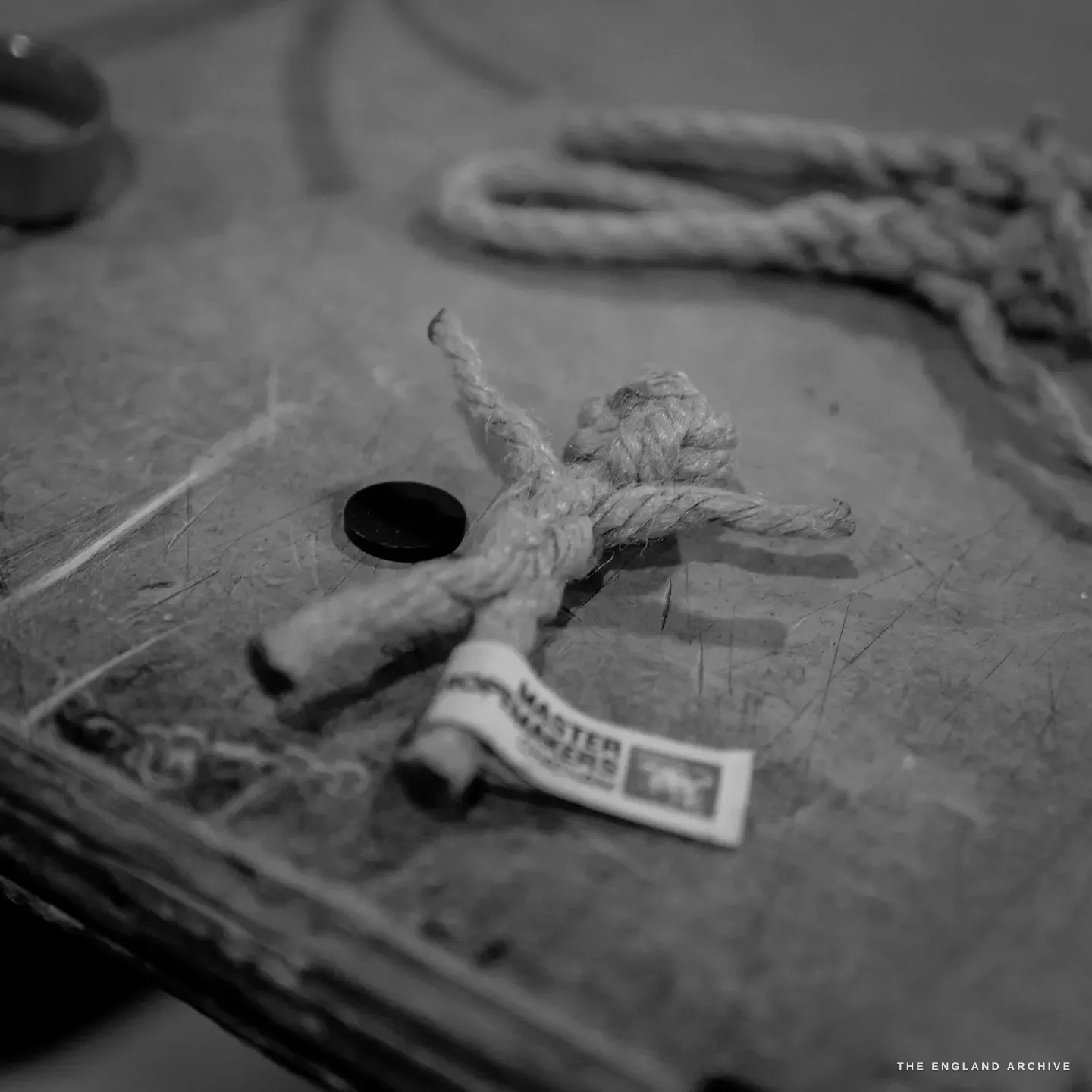
And then, because the three of us had by now fallen into the happy state of two nerds and a camera, David went and fetched the thing he most wanted to show me: a length of rope made from sealskin. He held it out as the only piece of sealskin rope left in England, as far as he knows - a survival from a way of making rope that has otherwise gone entirely. I have no way to verify the claim and no wish to; what mattered was watching a master ropemaker light up at a strange old length of rope, twenty-seven years in, still collecting the odd and the rare because the subject genuinely delights him.
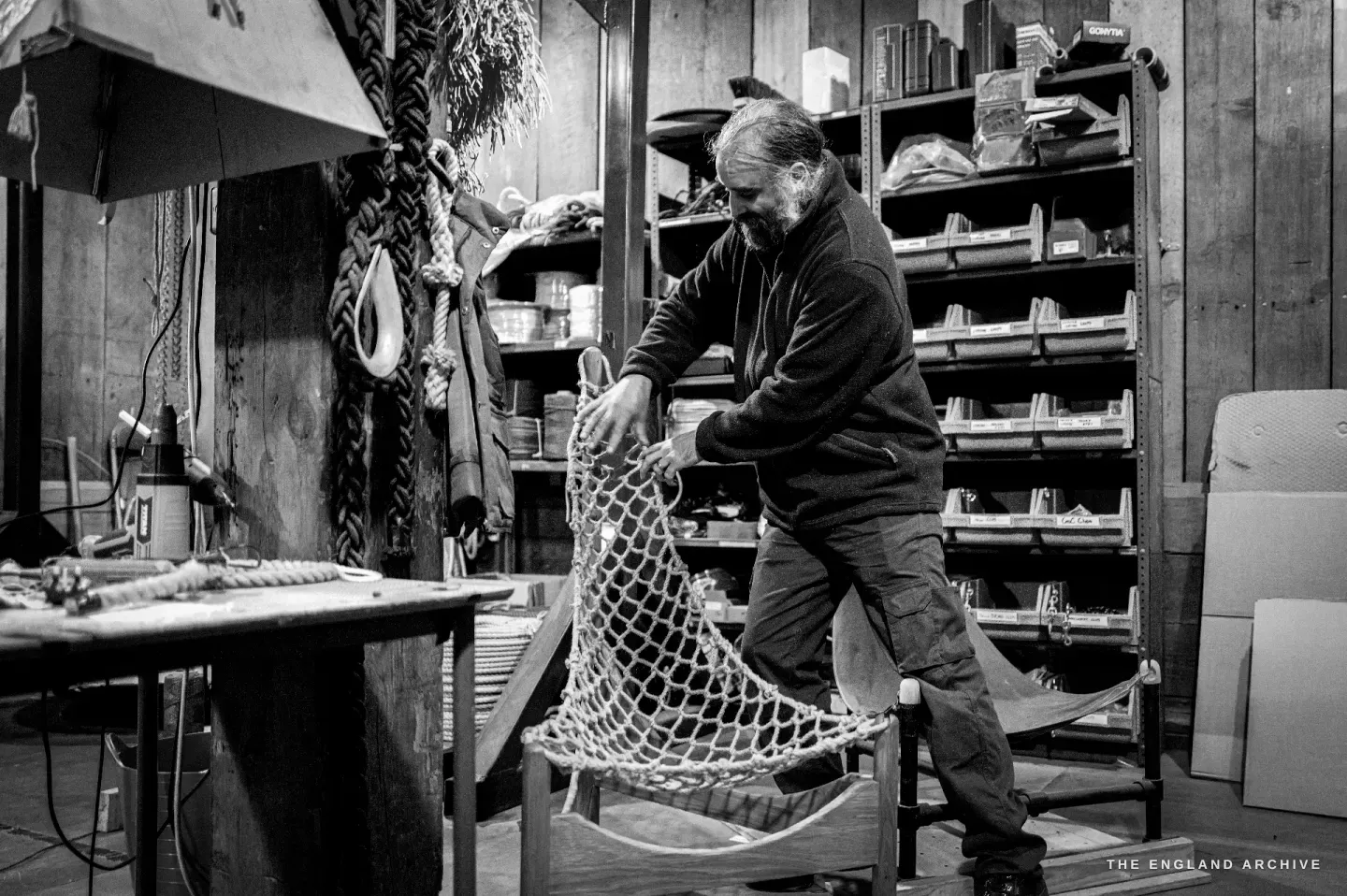
This is the archive's record of David Cheer, master ropemaker, made at the Ropery in Chatham Historic Dockyard in autumn 2026: the three-month job that became a life, the hand-work the machines cannot do, and a man still plainly in love with his trade after twenty-seven years. He works alongside his apprentice, Rob Lane-Shaw, who is three years into learning exactly this. The morning in full, the Ropery and its machines, is in the journal entry A Morning at the Ropery.