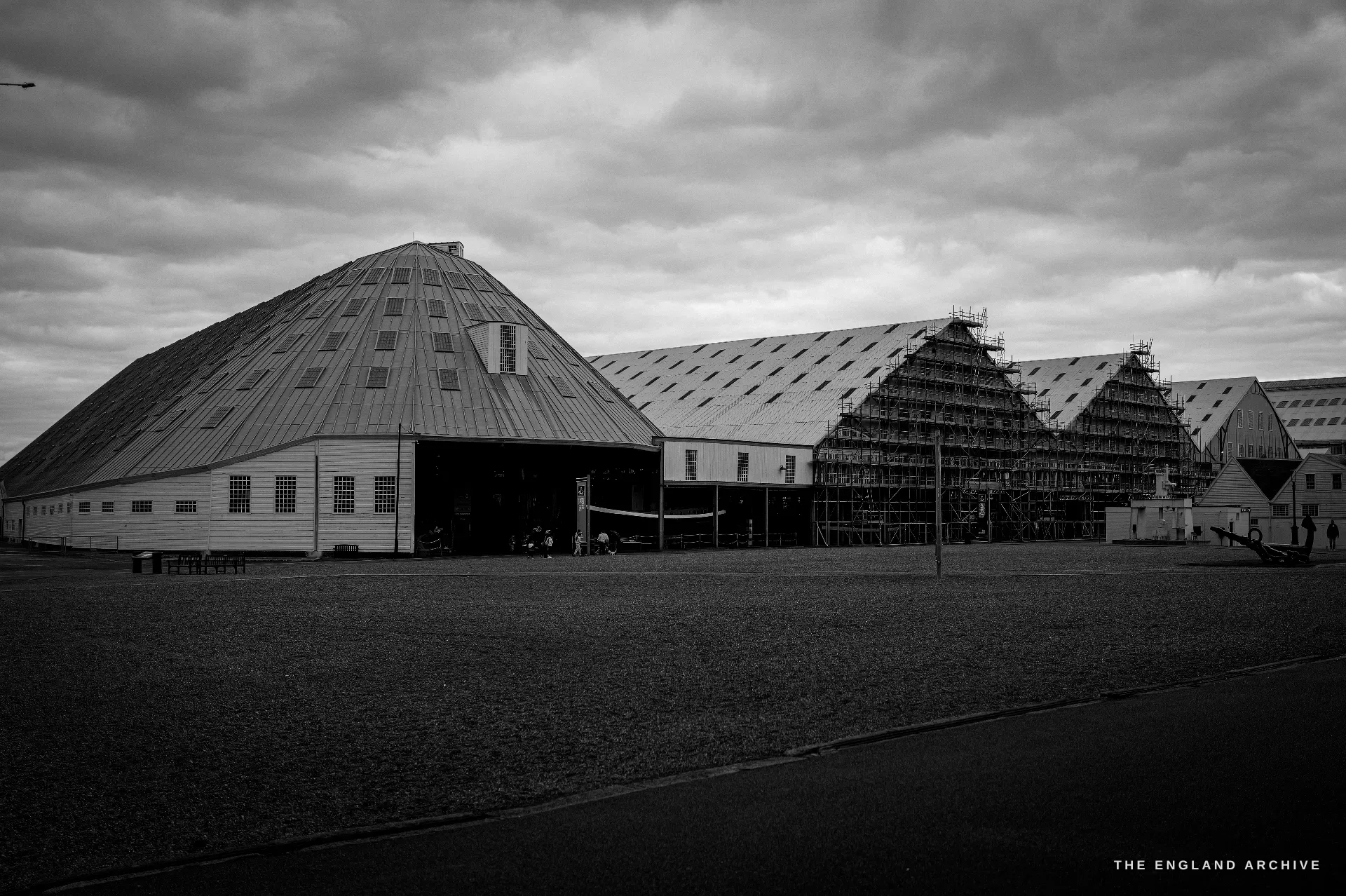
I had come to Chatham to photograph rope. I had walked in through the Historic Dockyard, time-travelling past warships and dry docks, and finally reached the Ropery - a huge building with smaller ones hung off it, the whole thing a quarter of a mile long. I was there to meet Alex Rowling, the managing director, but I had come early and she was still in a meeting, so Hillary in the shop pointed me at the museum and told me to go and lose myself for a while. I did, and it was the best possible way to begin.
The museum, first
You think you know what rope is until you stand in a room that explains it. Rope is simply fibre twisted so that it holds together under load, and it is one of the oldest and most consequential things people have ever made. There is rope in ancient Egypt and in Babylon; there is rope wherever anyone put to sea. Without it there is no rigging, no sail, no anchor cable, no way to move a ship by wind - which means, for an island, no navigation, no trade, no Navy, very little of what followed. England became a seafaring nation on a mile of twisted hemp. Standing in the Ropery’s gallery, with the whole story laid out on the walls, you feel the weight of a thing most people never think about once.
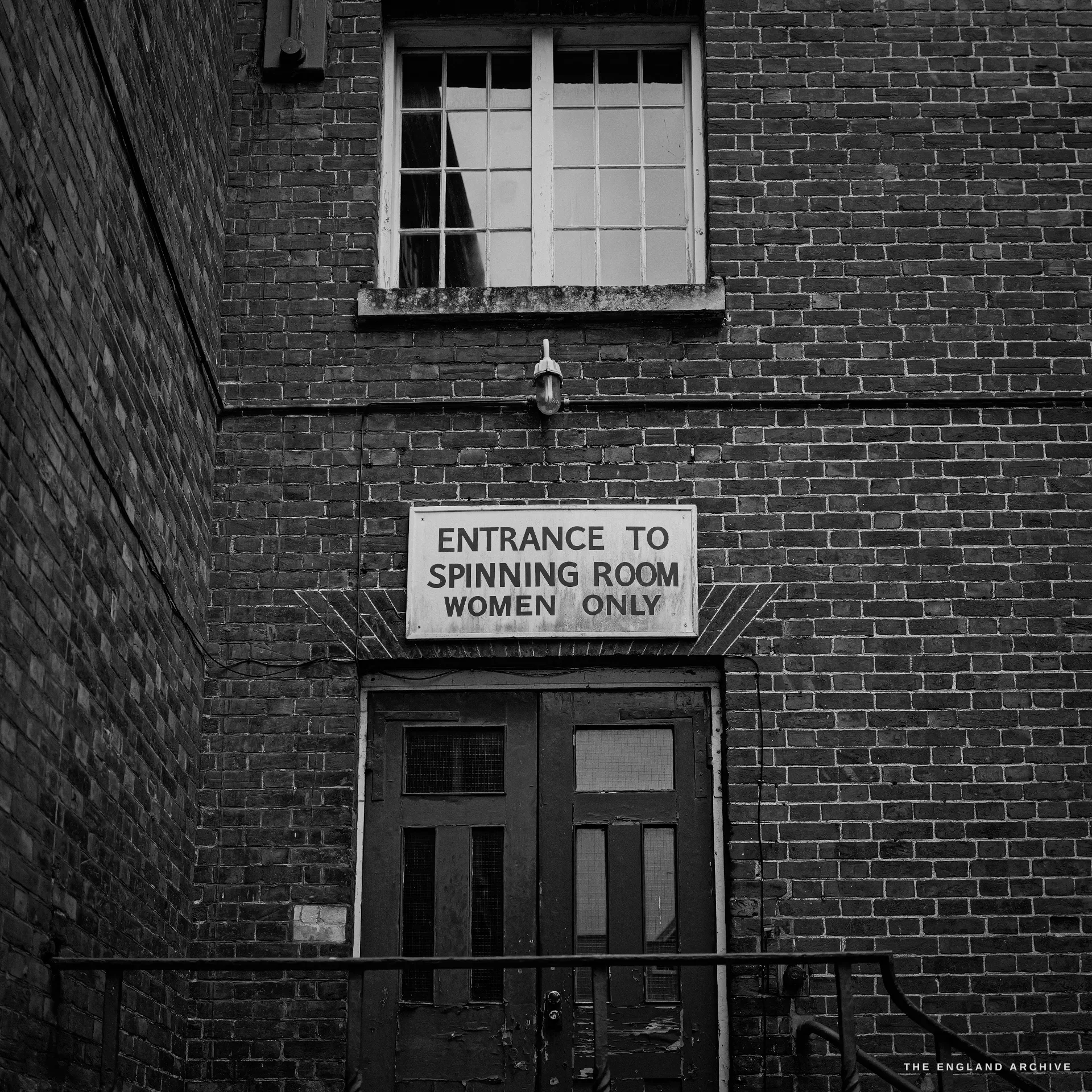
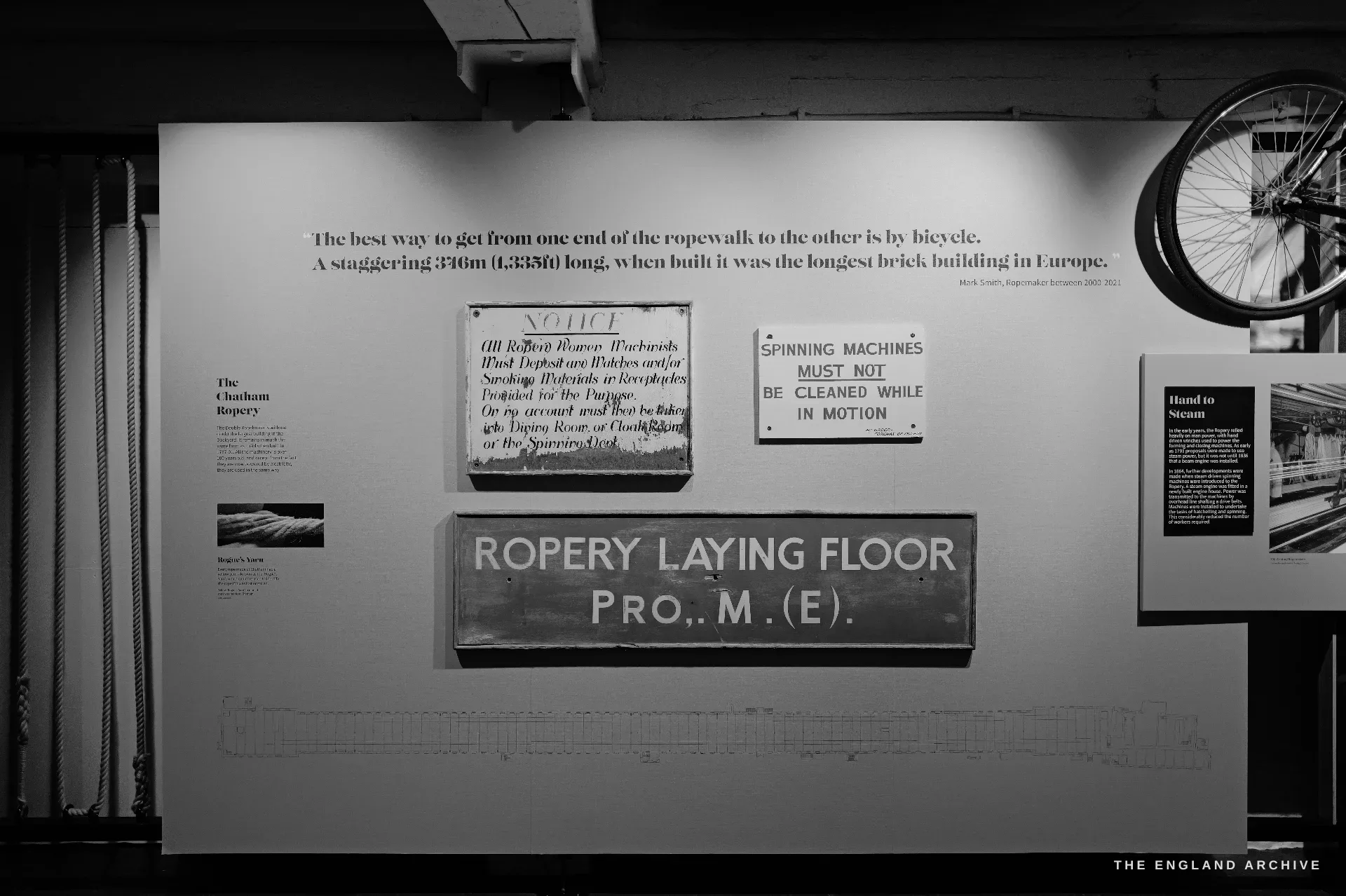
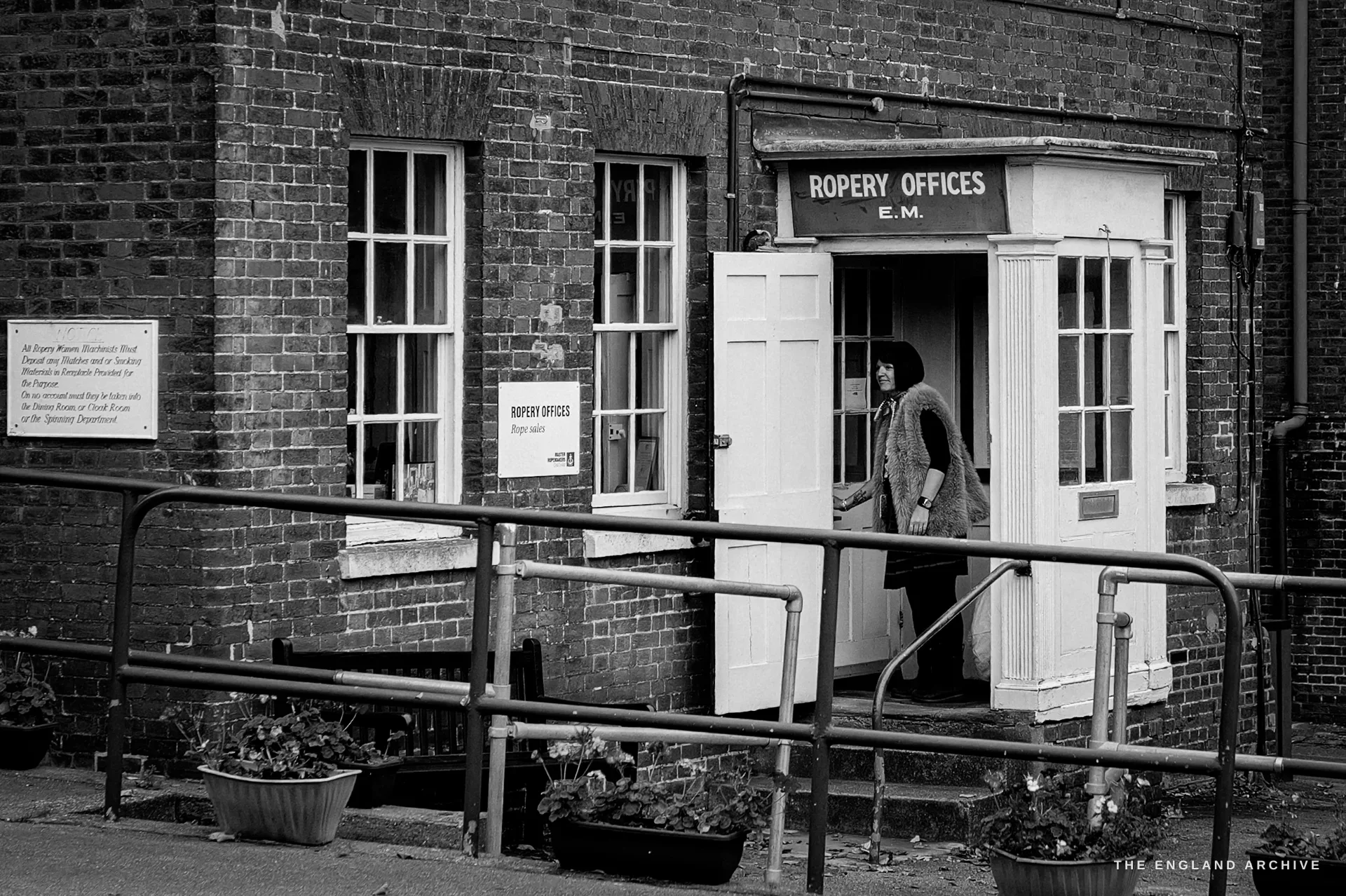
The museum does not flinch from who actually made the rope. The spinning floor was women’s work - there is still an enamel sign over a door reading ENTRANCE TO SPINNING ROOM, WOMEN ONLY - and the walls carry the hard edges of that history: a notice forbidding the women machinists from bringing watches or smoking materials onto the floor, and, most of all, a line from a 1915 debate in Parliament, kept on the wall word for word, that in taking on women the Roperies gave preference to widows “whose husbands have died in the Service.” A rope works was not a gentle place. It is to the museum’s credit that it says so.
The walk
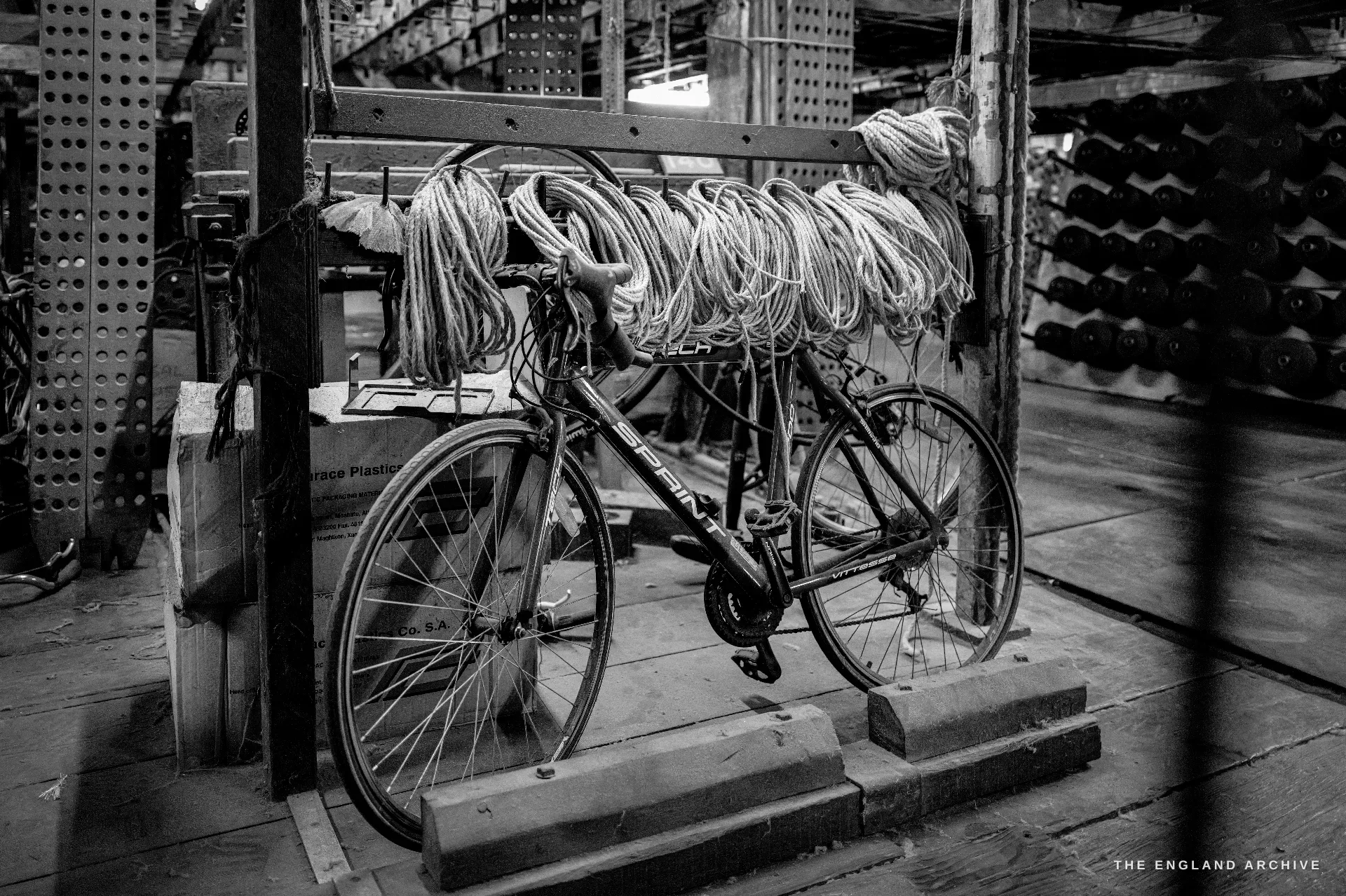
Then I stepped into the walk itself, and it took my breath. A single straight room a quarter of a mile long - a hundred and fifteen fathoms, eleven hundred feet, call it what you like, it runs away from you to a vanishing point you can barely see. When it was built it was the longest brick building in Europe, and the museum cheerfully records that the best way to get from one end to the other is by bicycle; there are bicycles parked among the rope to prove it. This is the last original naval ropeyard in Britain still working, and rope has been made in a line on this spot for over four hundred years.
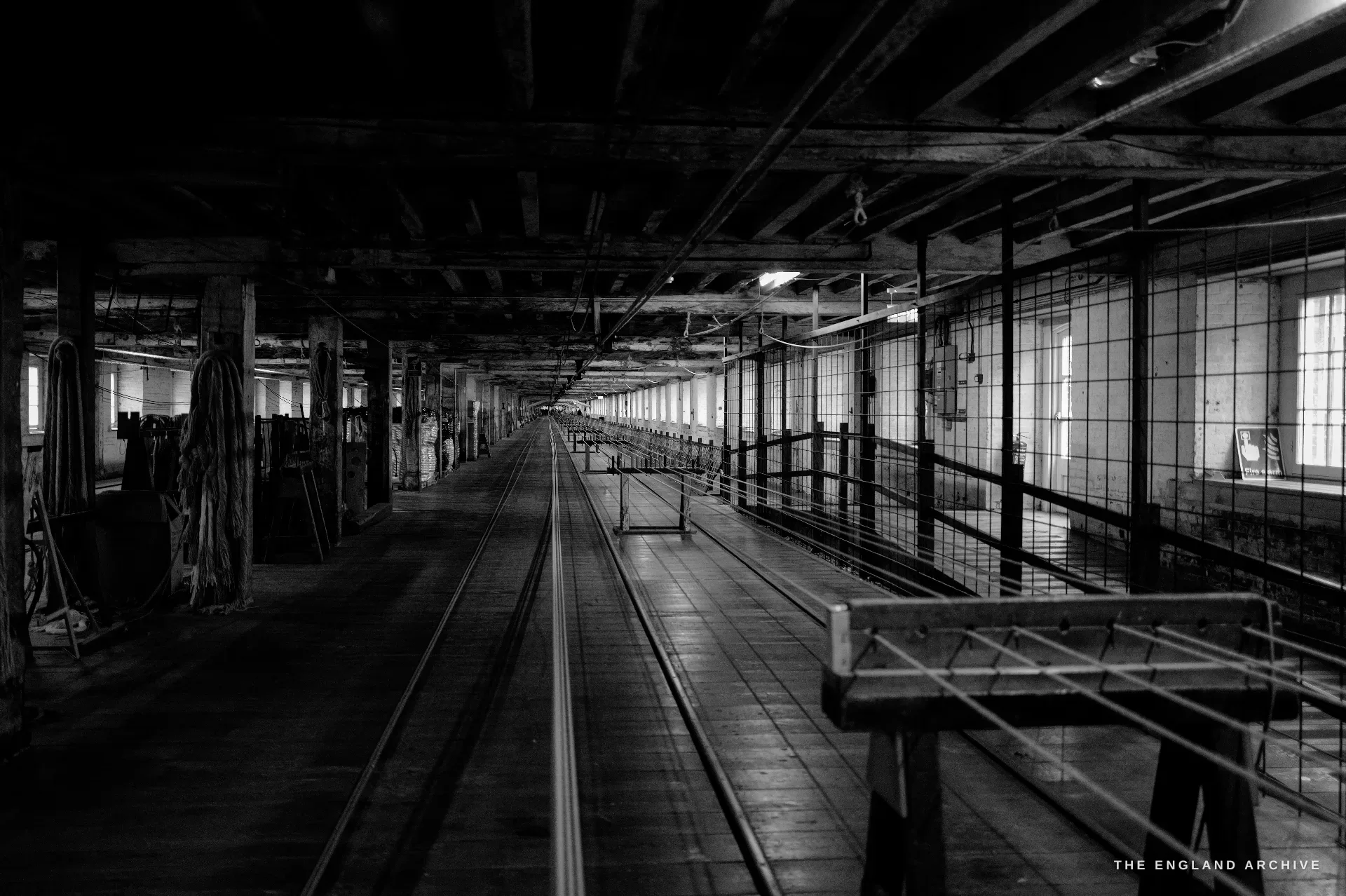
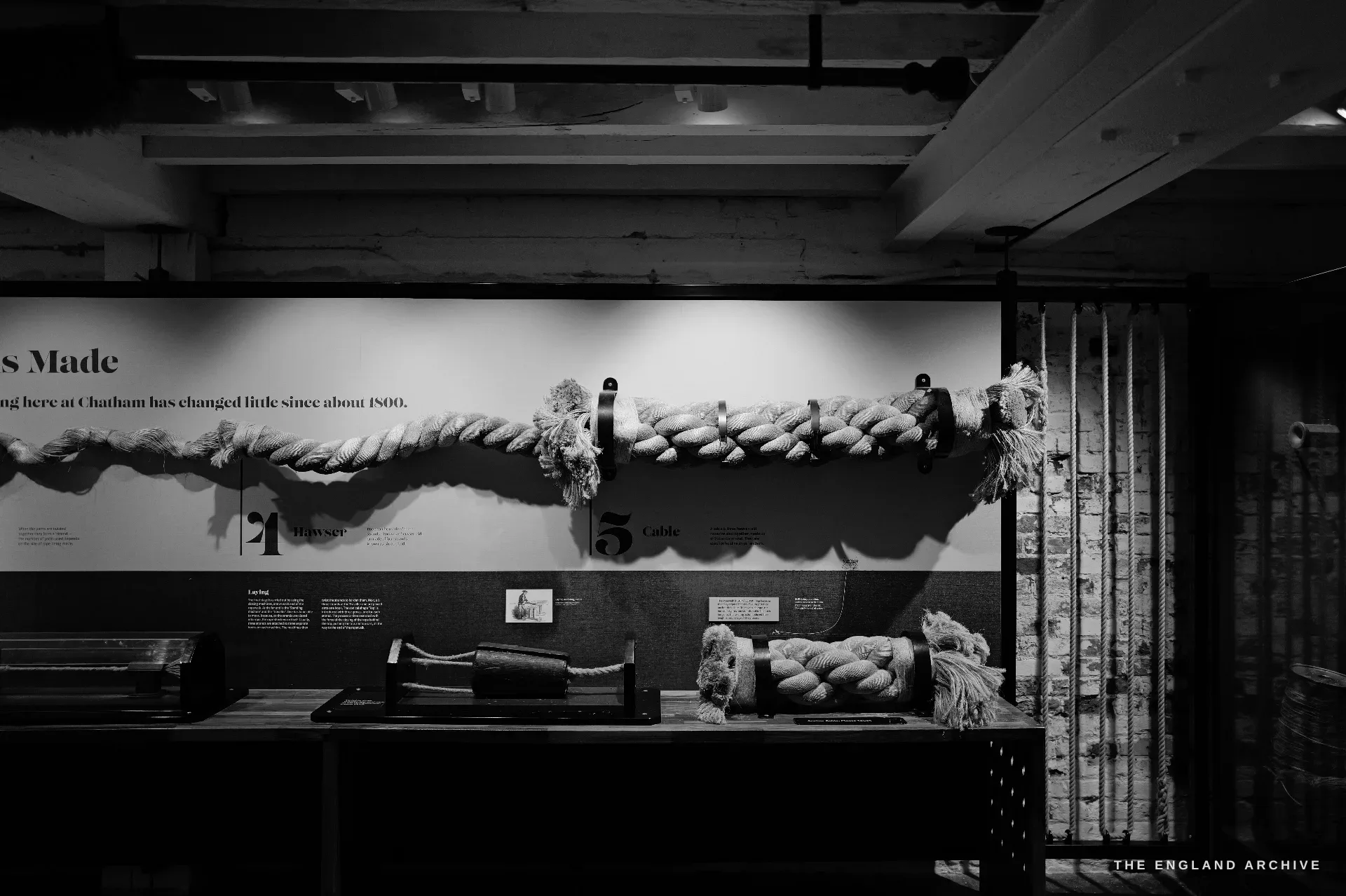
The craft has four stages and they have barely changed here since about 1800. The raw fibre is combed straight (hatchelling), spun into yarn, the yarns twisted the one way into strands (forming), and the strands twisted back the other way into rope (closing, or laying) - each twist fighting the last, which is the whole trick of rope: it holds itself together by being wound against itself. The walk is long because the rope is formed and closed along its length, the machine travelling the floor as the rope grows.
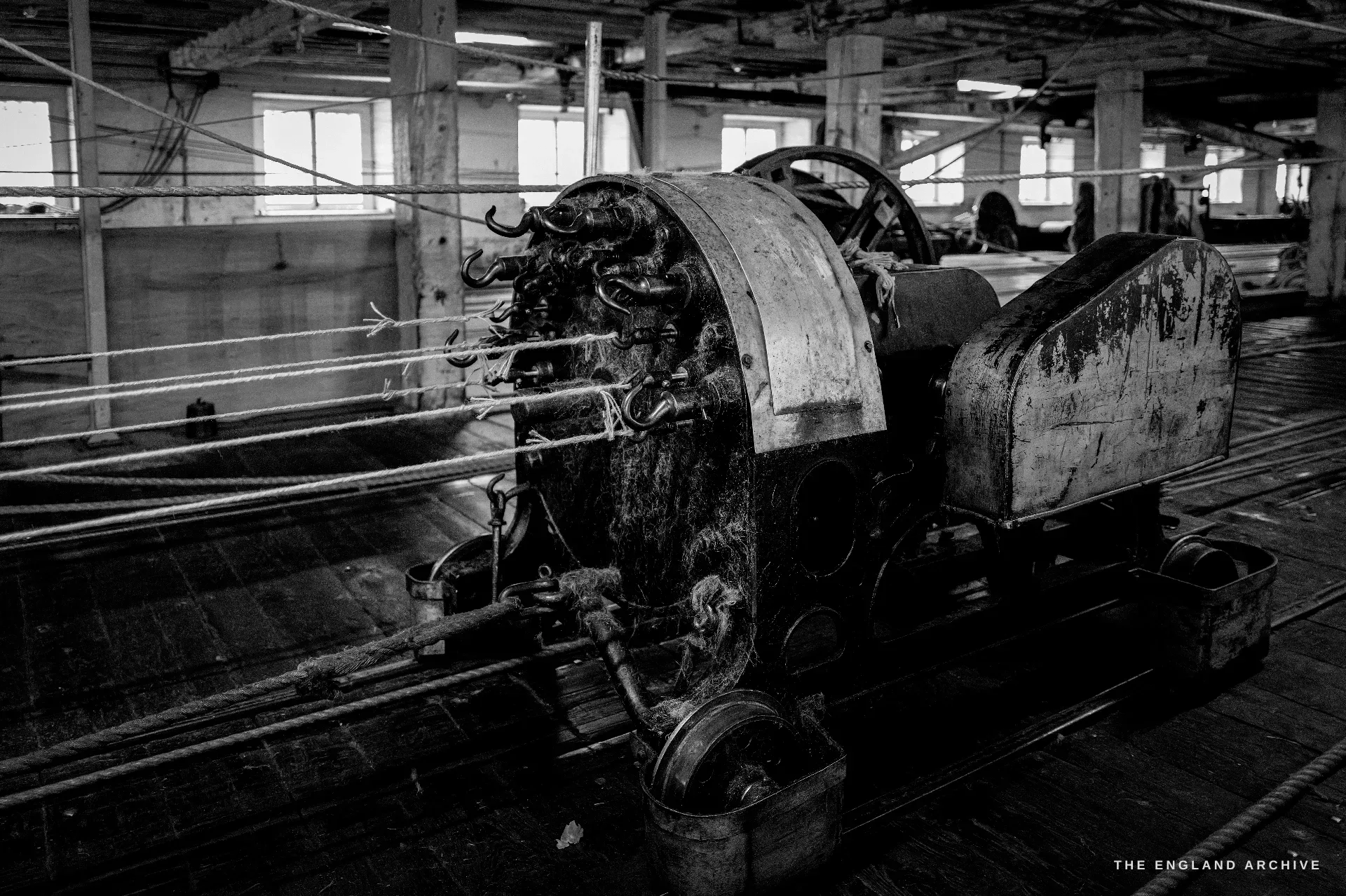
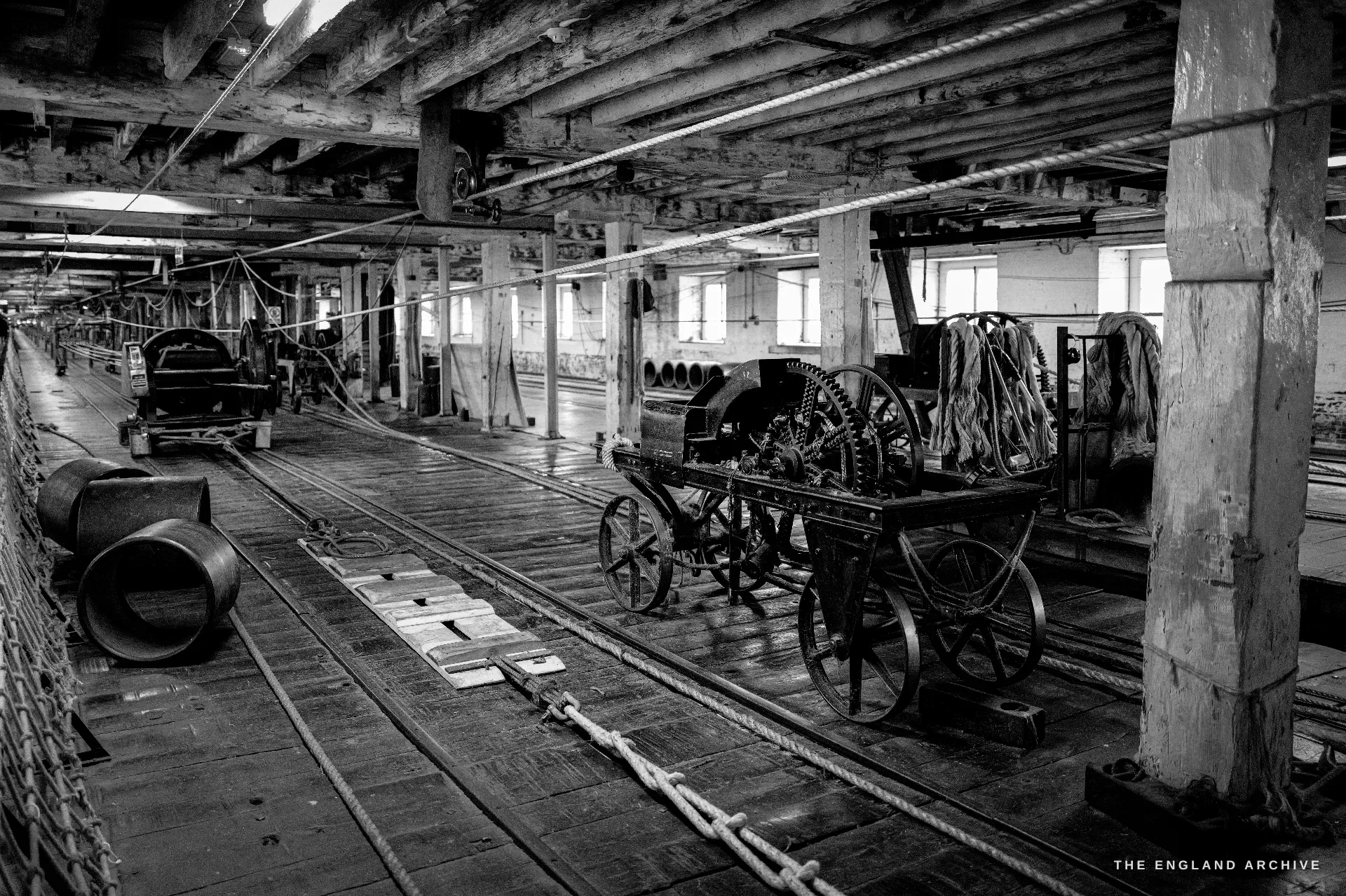
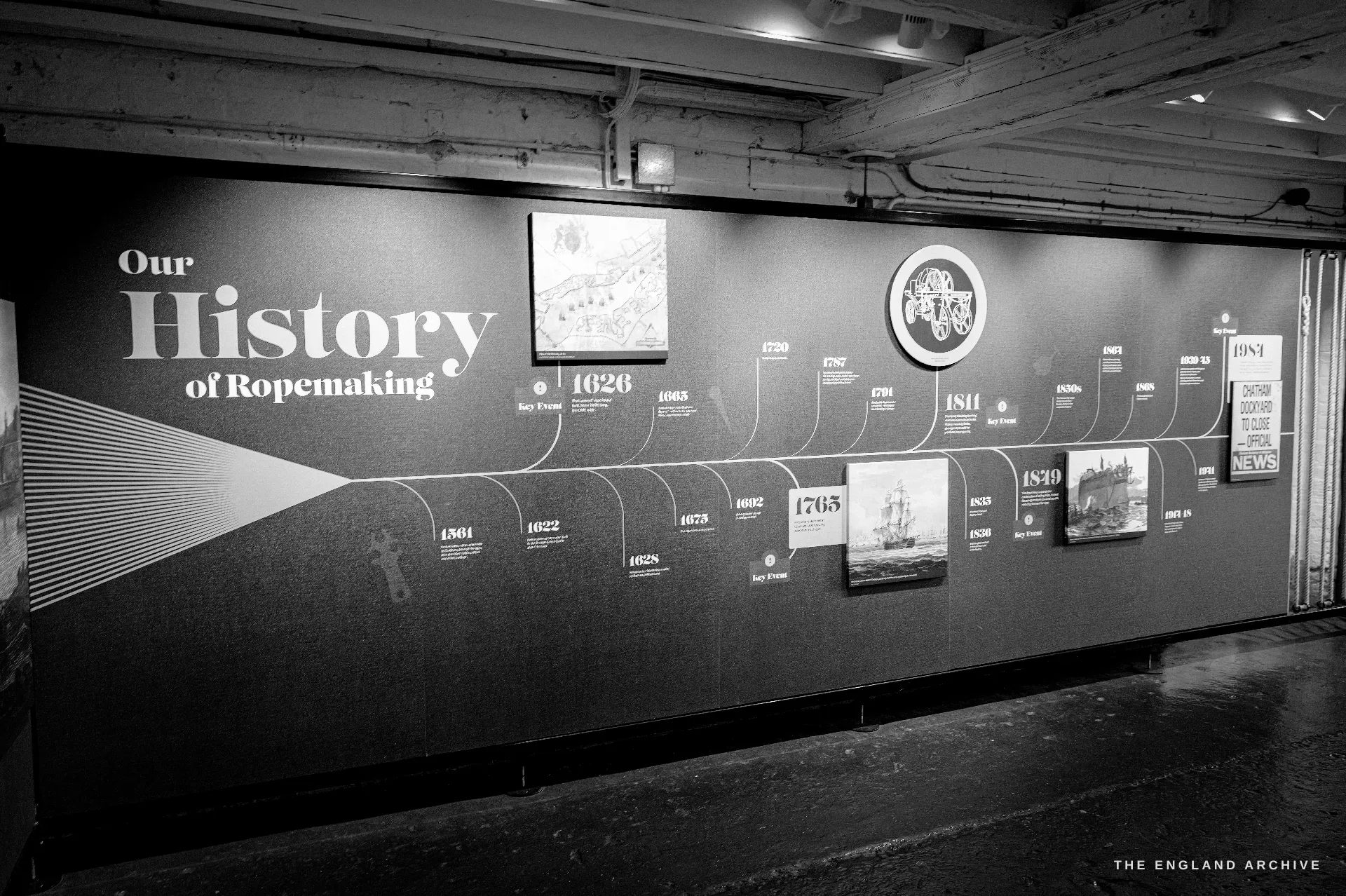
The machines are the other kind of time travel. The earliest surviving mechanical rope-forming machine in Britain is here and still in use - built by Henry Maudslay in 1811, part of the leap from hand-spinning to steam that Simon Goodrich and Maudslay drove at Chatham in those years. And at the far end is the closing machine, a great caged drive wheel that lays three strands into one. Alex would later show me the modern equivalent, a machine from the 1980s that does in one pass what once took a walk full of people. Two hundred years of rope-making engineering, all under one very long roof.
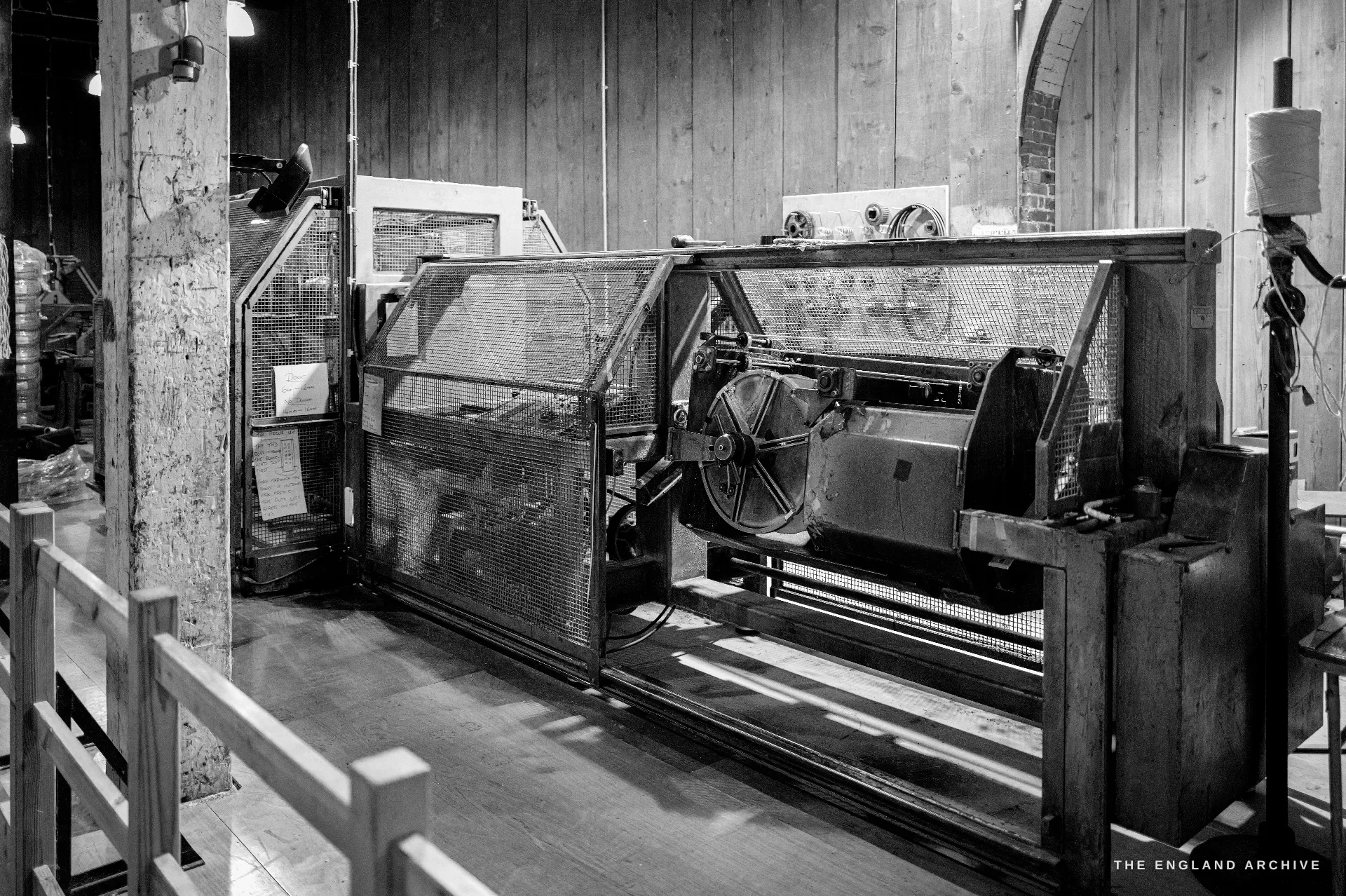
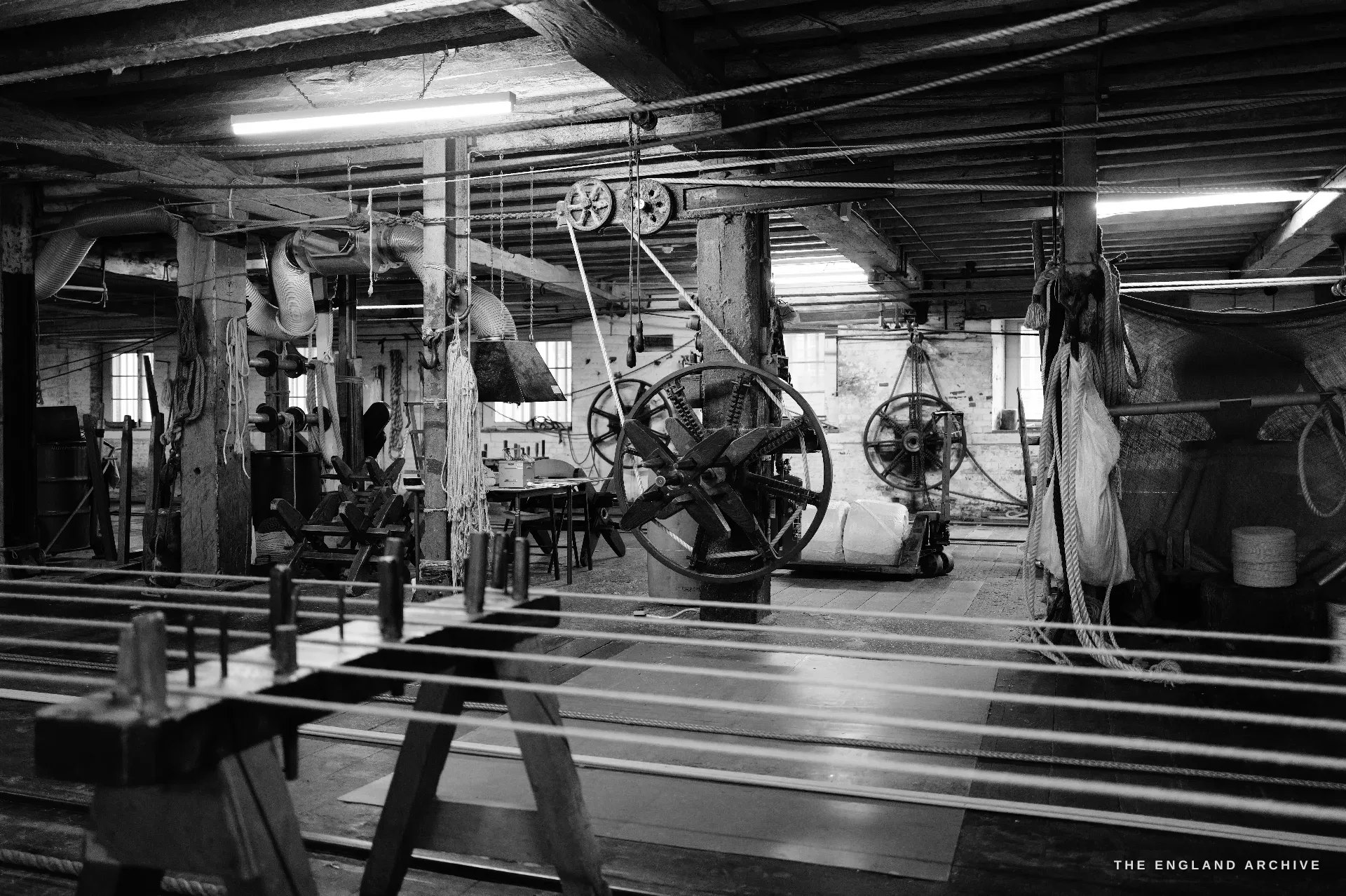
What rope is made of
Alex, once she was out of her meeting, walked me through the materials, and this is a history in itself. For most of the age of sail, British rope was hemp, and most of that hemp came from Russia - grown around the Baltic and shipped through Riga, so that the Navy’s rigging depended on a supply line from a foreign power. During the Napoleonic wars the fear of losing it was real enough that England pushed to grow its own, and towns like Bridport built a whole industry on home hemp. Then, from the later nineteenth century, came the hard fibres: manila, which is not hemp at all but the fibre of a banana relative, abaca, named for the Philippine port it shipped from; and sisal alongside it. Coir, from coconut husk, for rope that had to float. Each fibre has its own character - its strength, its stretch, whether it will rot wet or ride light on the water - and a ropemaker chooses accordingly.
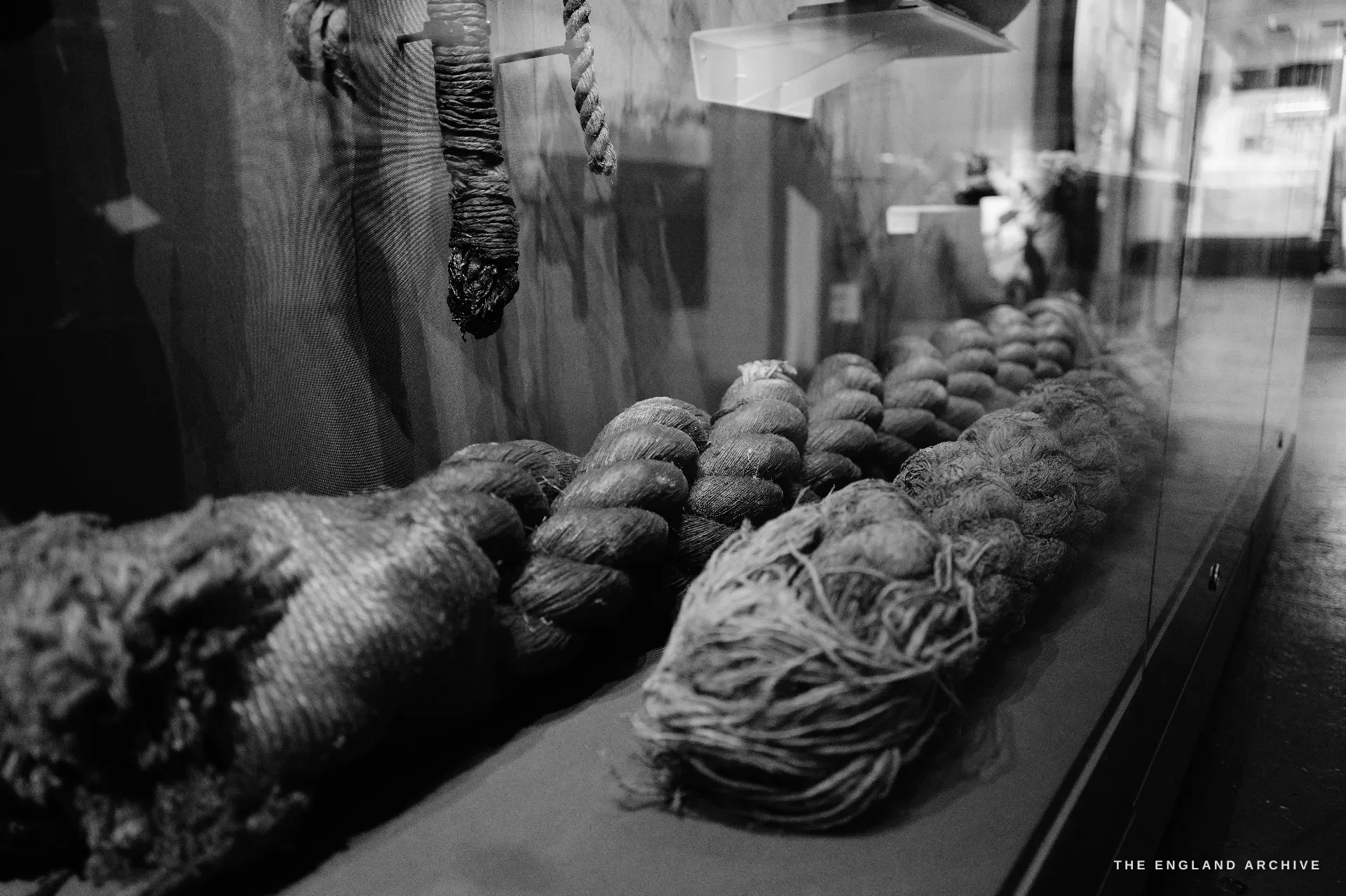
Naval rope was valuable enough to steal, so each yard laid a coloured thread - a “rogue’s yarn” - into its rope, a different colour for each dockyard, so a stolen length could always be traced back. The detail says everything about how much this stuff mattered: rope was strategic material, guarded like ammunition, because a fleet without it was just a lot of wood that could not move.
Alex Rowling
The person who holds all of this together is Alex Rowling, the managing director of Master Ropemakers - the business, wholly owned by the dockyard trust, that still makes and sells rope all over the world from inside a Georgian ropeyard. She found me in the museum, took me in hand, and gave me the kind of tour you only get from someone who runs the place and loves it: the materials, the machines, the difference between the 1800s forming machine and the 1980s one, and then, best of all, the people. She runs a four-hundred-year-old craft as a going concern with no outside funding, which is a harder job than making the rope, and she does it with obvious warmth.
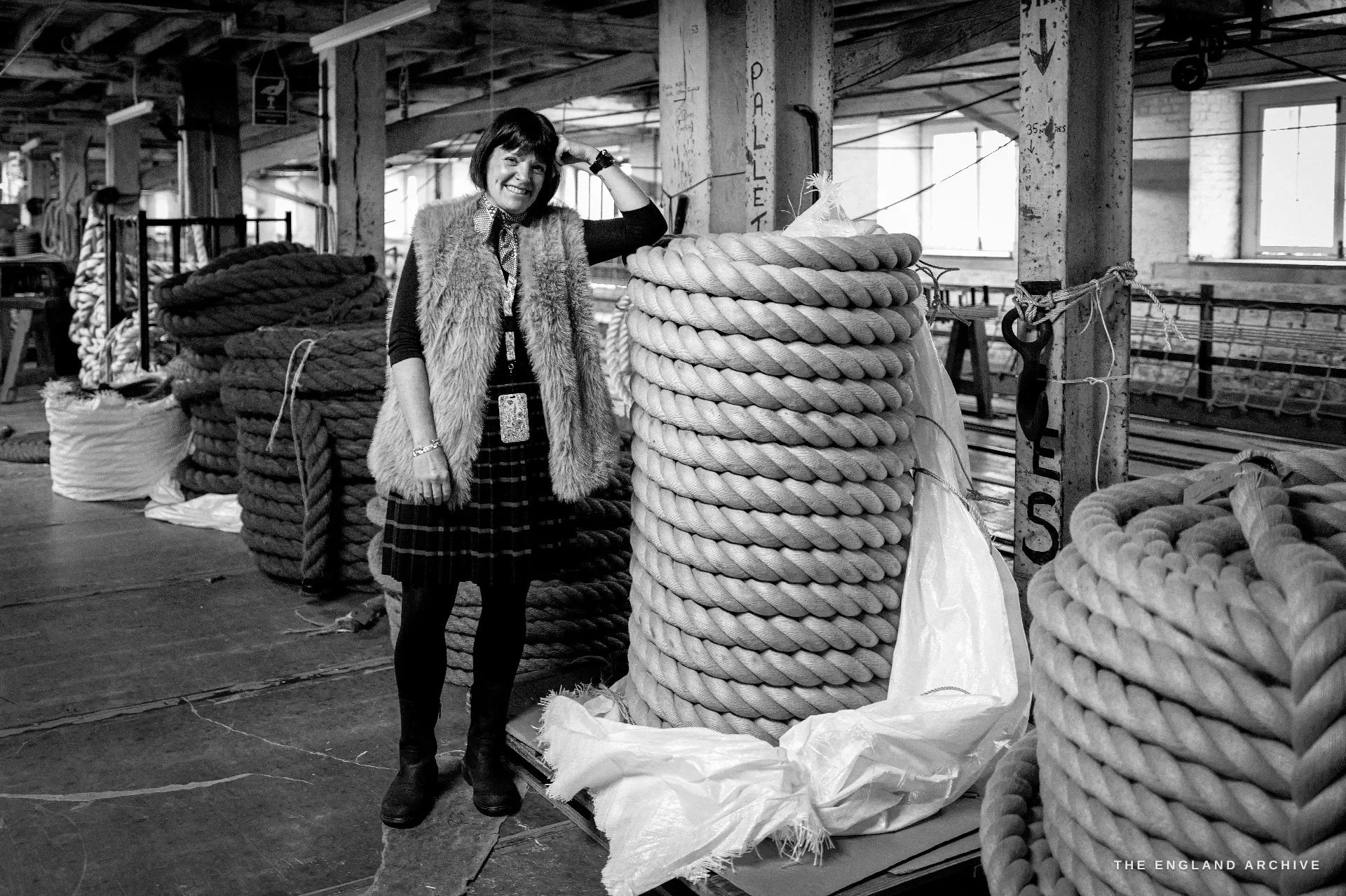
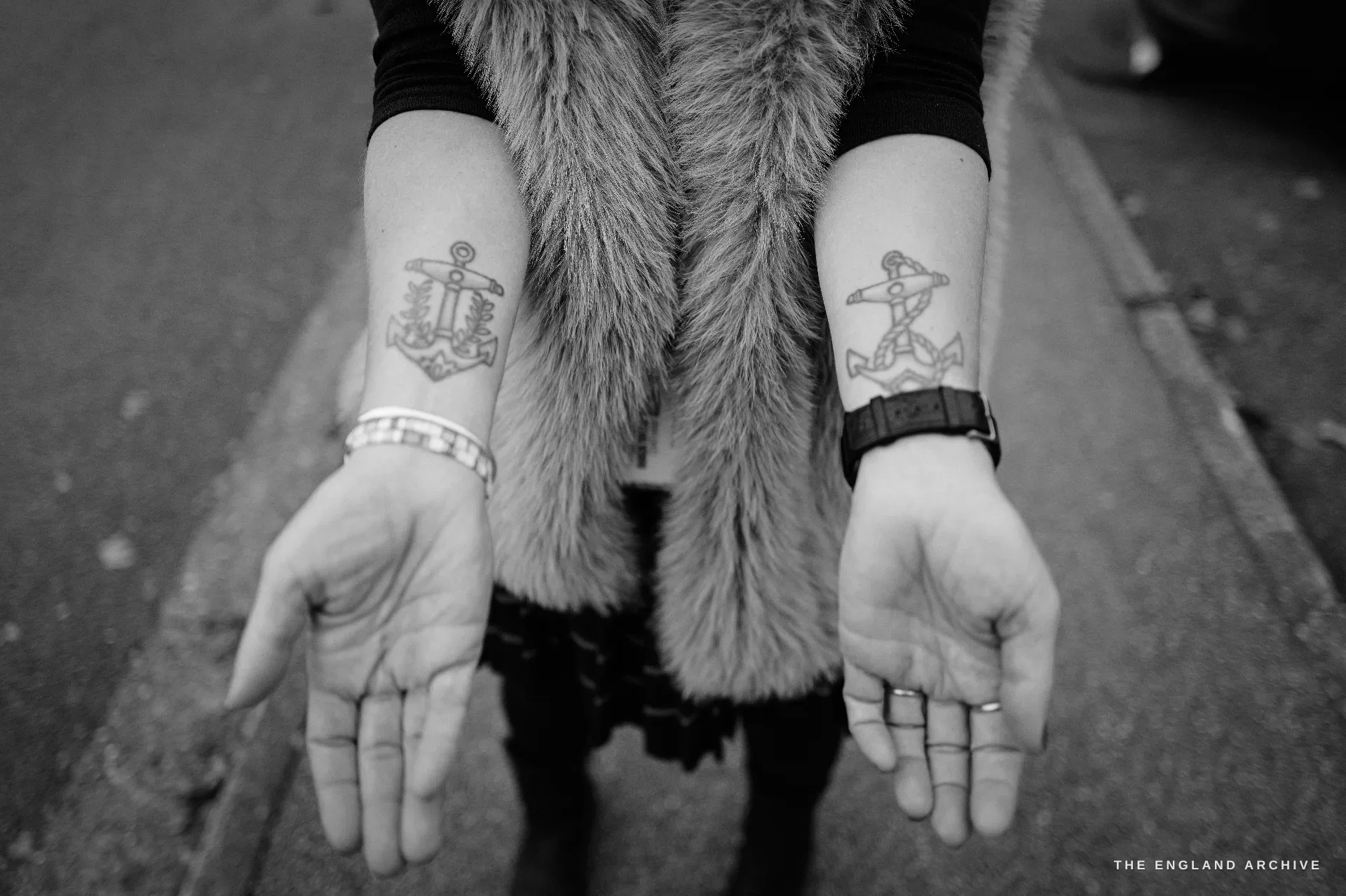
At some point she turned her forearms over to show me her tattoos: a matching pair of anchors, the Ropery worn on the skin. You do not ink your trade onto your arms unless it has become part of you, and that single gesture told me more about what this place means to the people who run it than any amount of interpretation panel could. She clearly thinks of the Ropery not as a job but as a thing in her care.
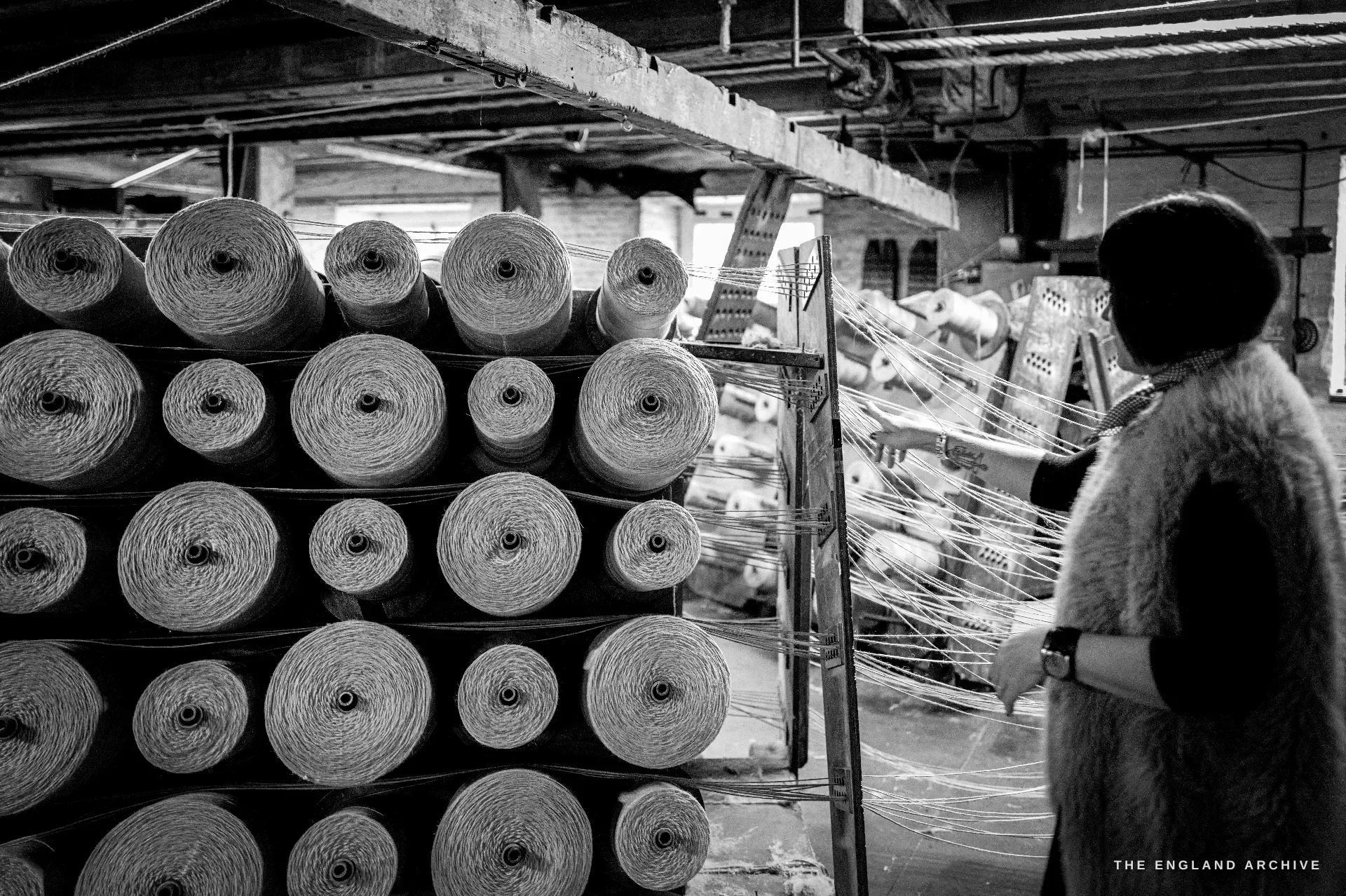
More on Alex Rowling and the works she runs: Master Ropemakers, the business inside the dockyard; the Trust’s account of the record-breaking rope her team made; and the KentOnline feature on the ropery keeping the tradition alive.
The two ropemakers
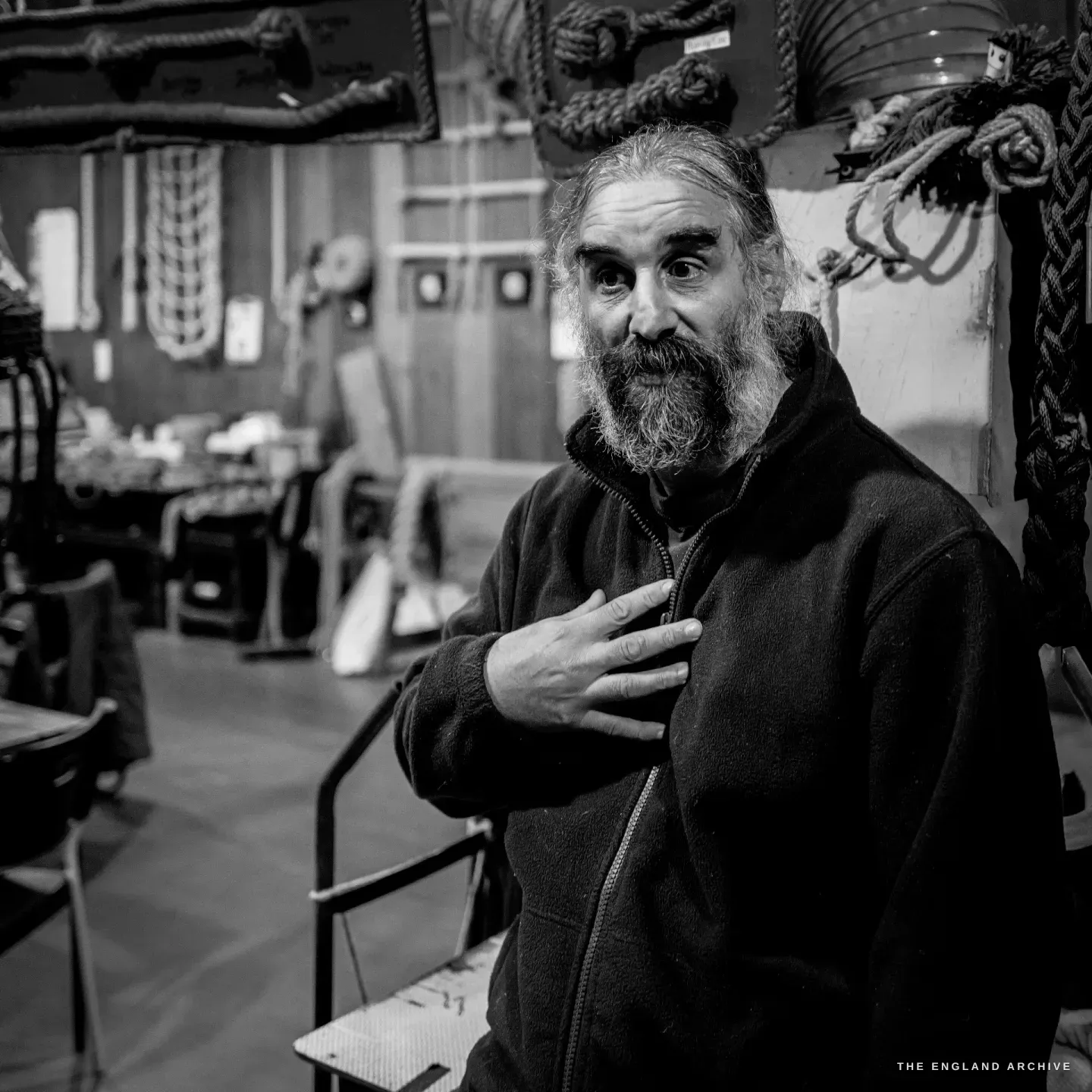
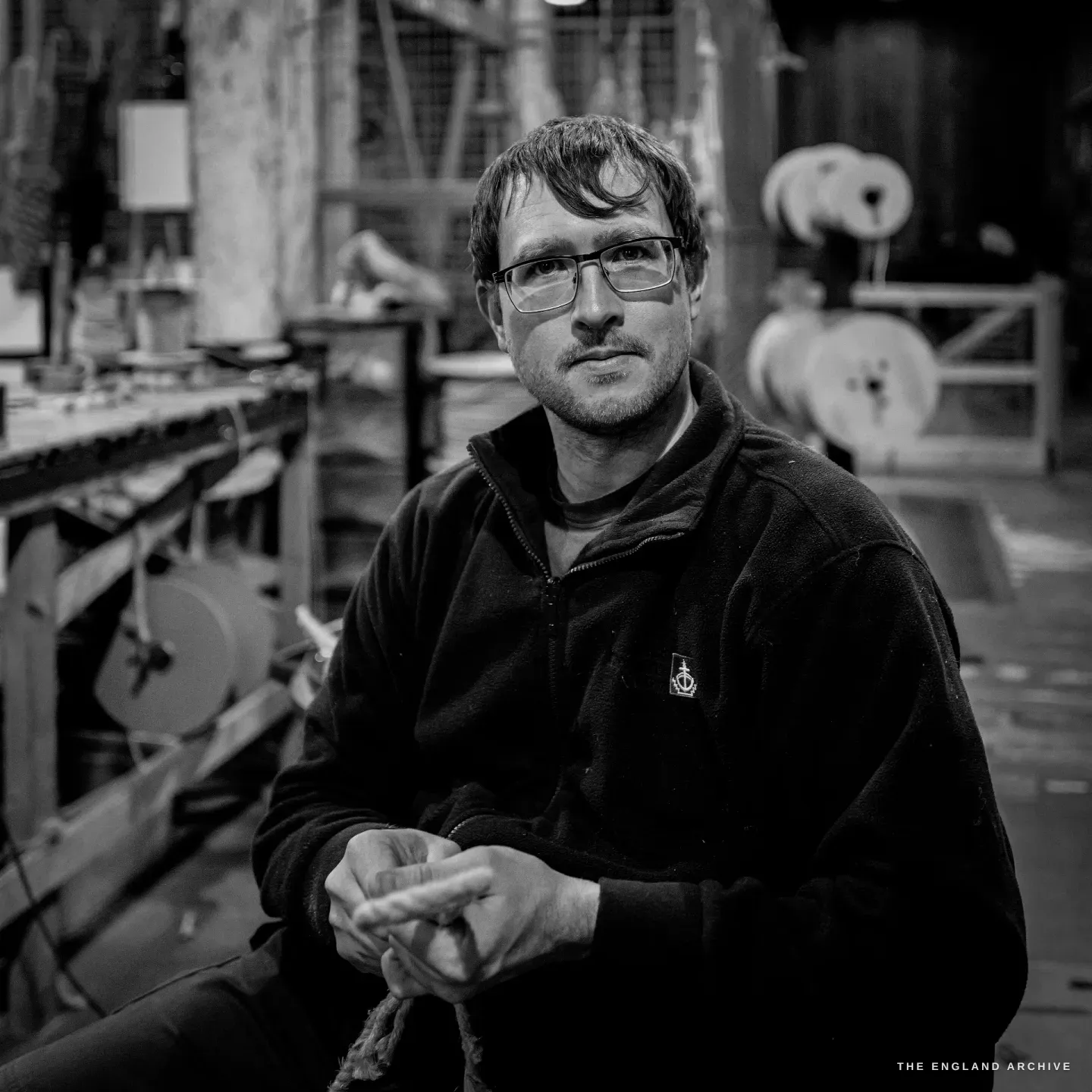
Then Alex introduced me to the two people this visit will be remembered for, and both have their own pages in this archive. David Cheer is the master ropemaker - twenty-seven years here, cheerful, talking a mile a minute, so full of the subject that the three of us quickly became what we plainly were, two nerds and a camera geeking out about rope. He showed me how a rope is spliced and read by hand, the products the works makes now to pay its way - dog leads, climbing line, rope toys sold to zoos and pet shops and cricket clubs - and then, with real delight, a length of sealskin rope he keeps, which he says is the only piece left in England.
And Rob Lane-Shaw is his apprentice, about three years in, who both makes the rope and takes the visitors round - the hopeful end of the story in a craft that now rests on very few hands. Their full accounts are on their own pages; this is where they work.
I drove home thinking that I had spent a morning at the foundation of a seafaring country and most people will never give it a thought. The Ropery is not a reconstruction and not a heritage display; it is a working rope business, four hundred years deep, kept alive by a managing director with anchors on her arms, a master who took a three-month job and never left, and an apprentice young enough to carry it on. That is exactly the kind of thing the archive exists to put on the record while it is still being done.
Mash Bonigala visited the Ropery at Chatham Historic Dockyard in autumn 2026 as part of Year 1 of The England Archive, a three-year documentary photography project recording the people keeping England’s heritage crafts, traditions, landscapes and buildings alive.