
The first thing Ernest Wright does is make you doubt the address. I parked in front of it and sat looking at a building that seemed to belong to another time and, somehow, to be brand new at the same time. A clean brick facade. A name set into the brickwork in raised lettering, subtle and weighted, the kind of sign that does not need to raise its voice. No banners. No marketing. No second sign anywhere. A red door, freshly painted, with a bell beside it, and a row of windows giving nothing away. It was so still it looked like a postcard, and for a moment I wondered whether anyone worked here at all, or whether I had come to the wrong place entirely.
I rang the bell. Paul Jacobs opened the door himself.
We had spoken on the phone and traded emails back and forth - a few jokes among them - so when he greeted me it was less like meeting a stranger than picking up a conversation already underway. He brought me inside, introduced me round the office, and then handed me to Neil Wilson, the senior maker, whose own profile the archive had already made. What follows is a record of the morning Neil walked me through, set inside the longer story of the building it happened in - because the quiet of the Kutrite Works on Broad Lane is the quiet of a firm that came very close to not existing at all.
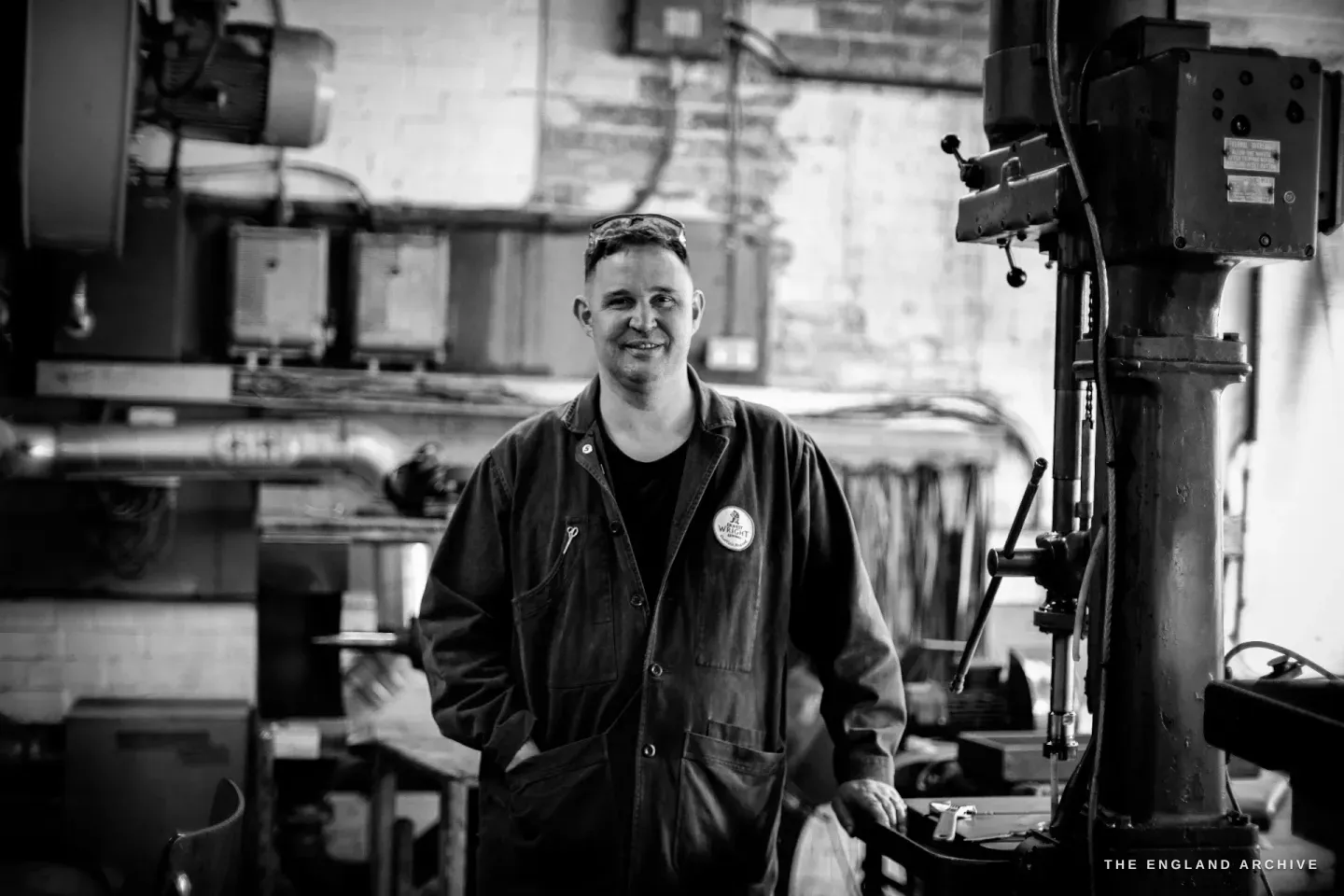
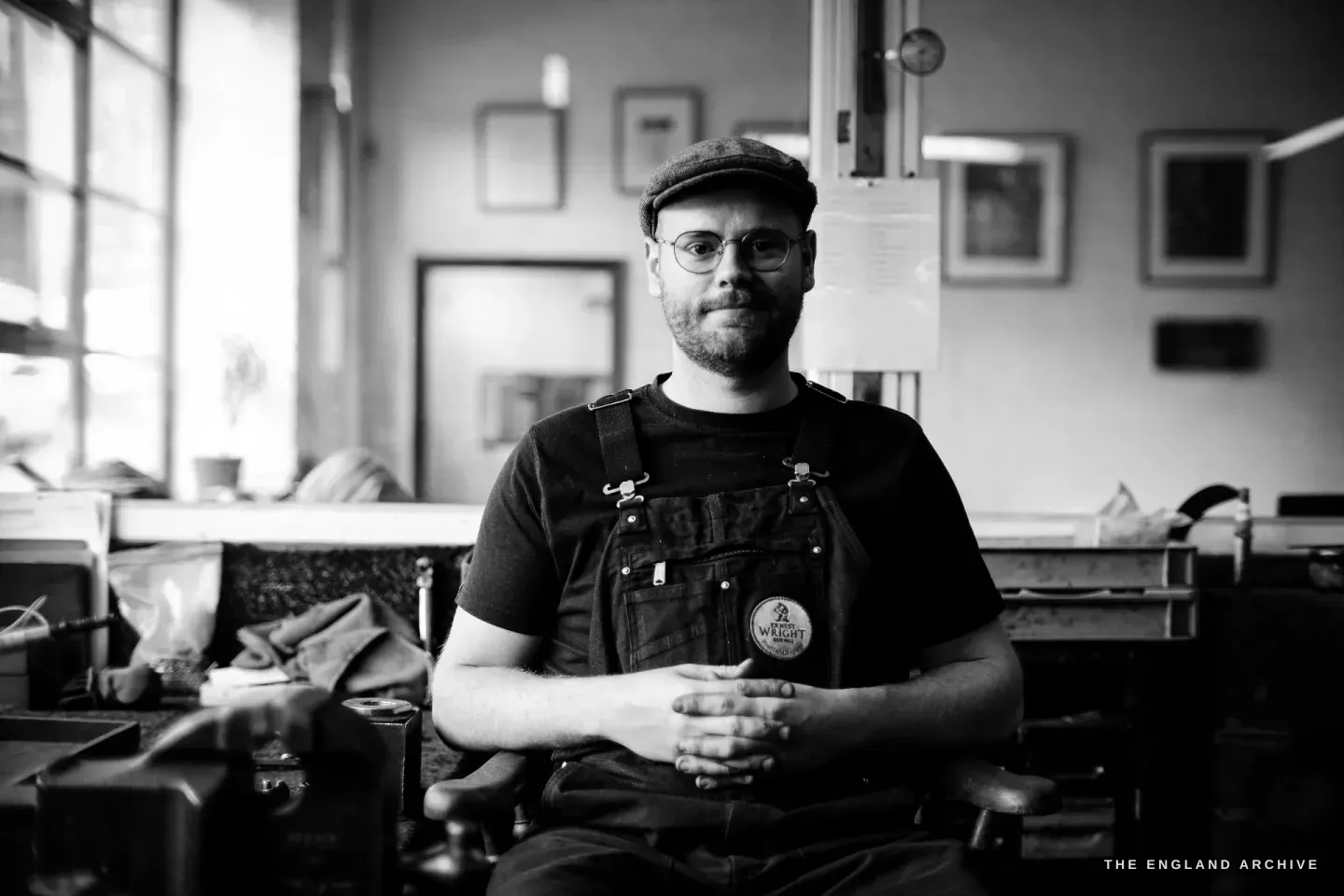
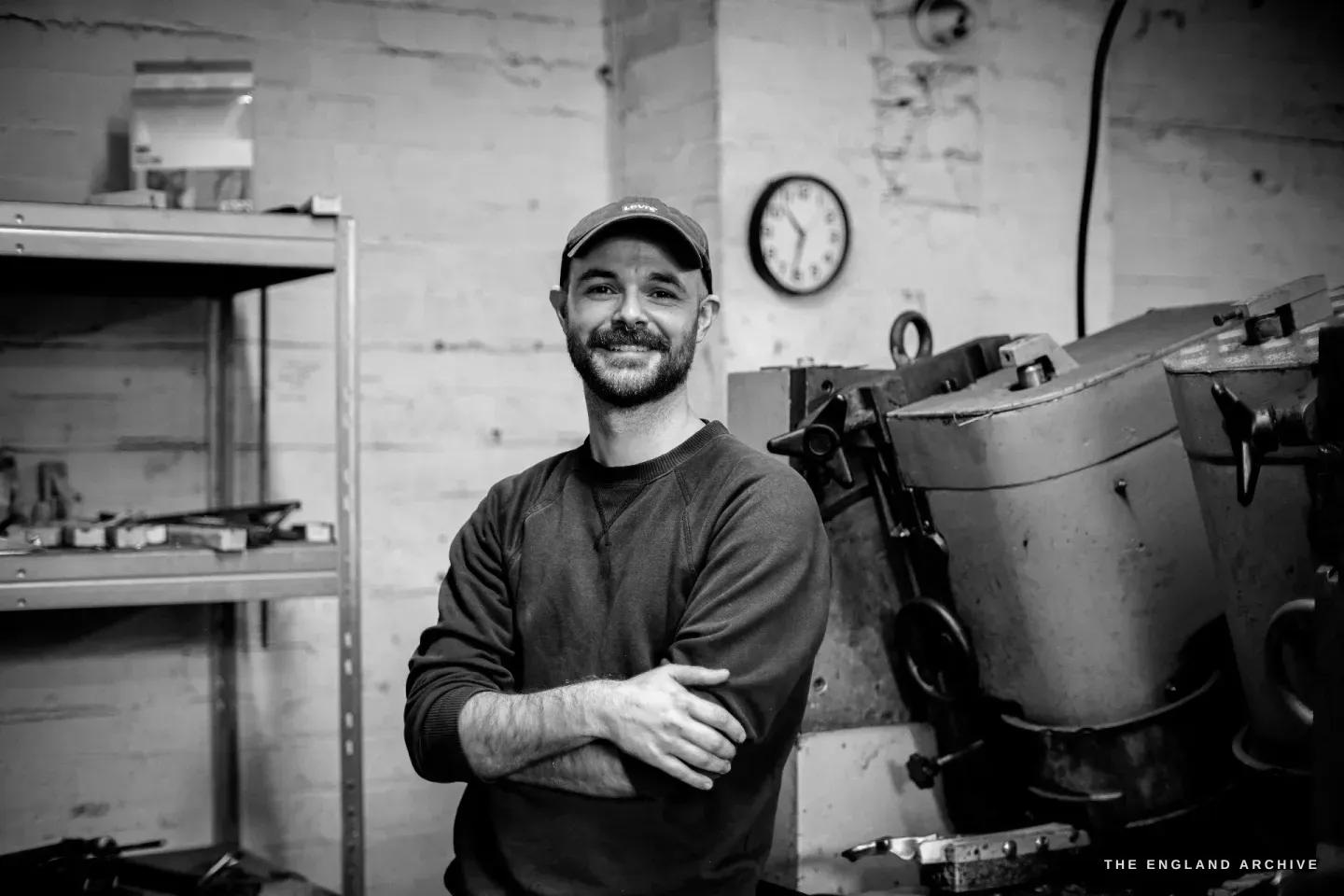
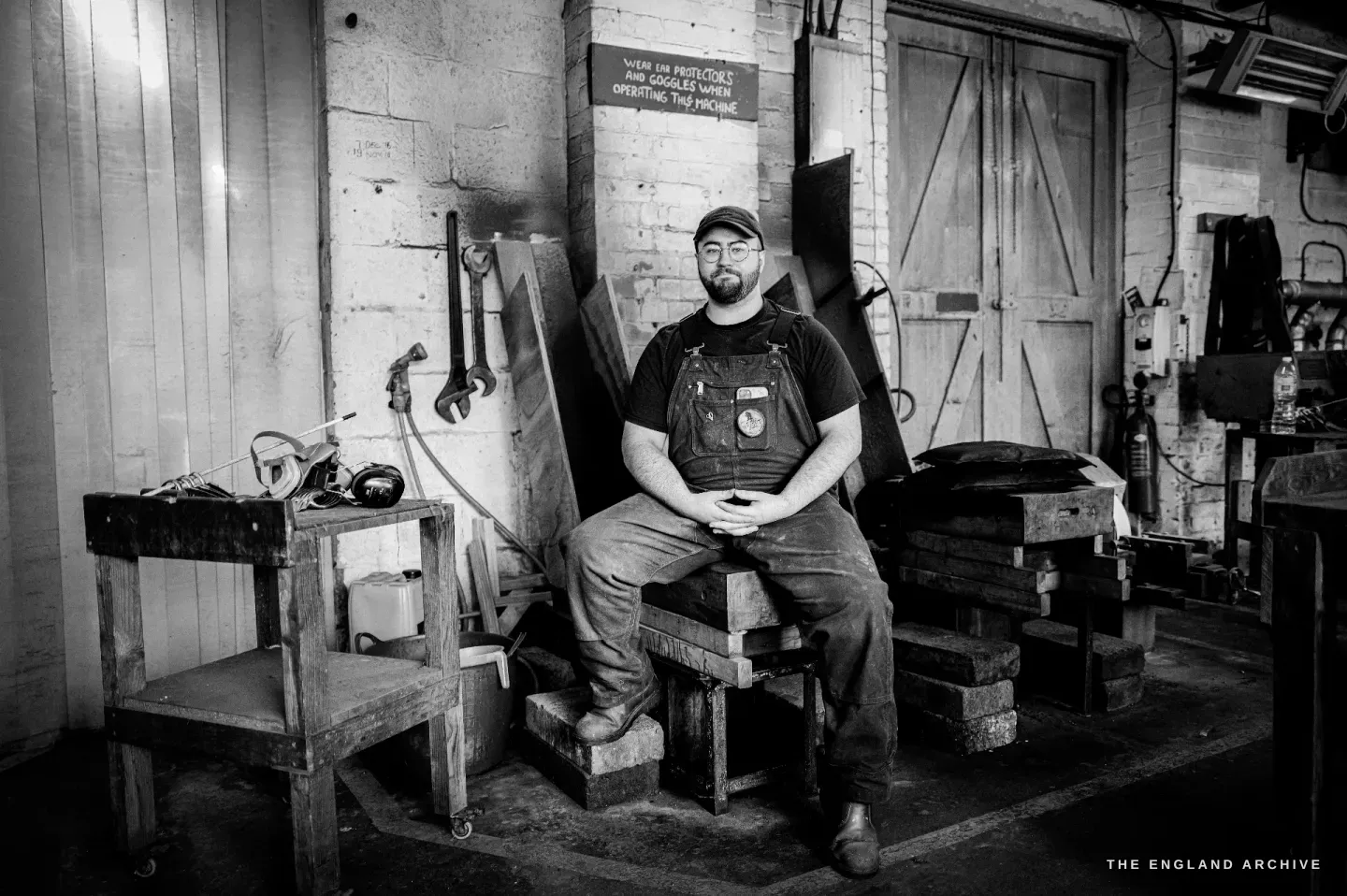
This is the cast - the makers of Ernest Wright, in the order the morning met them, each with a full record of their own. The senior putters who hold the five-year skill, the grinder and the belt hands who bring each blade to its edge, the polisher who gives it its shine.
Inside the door
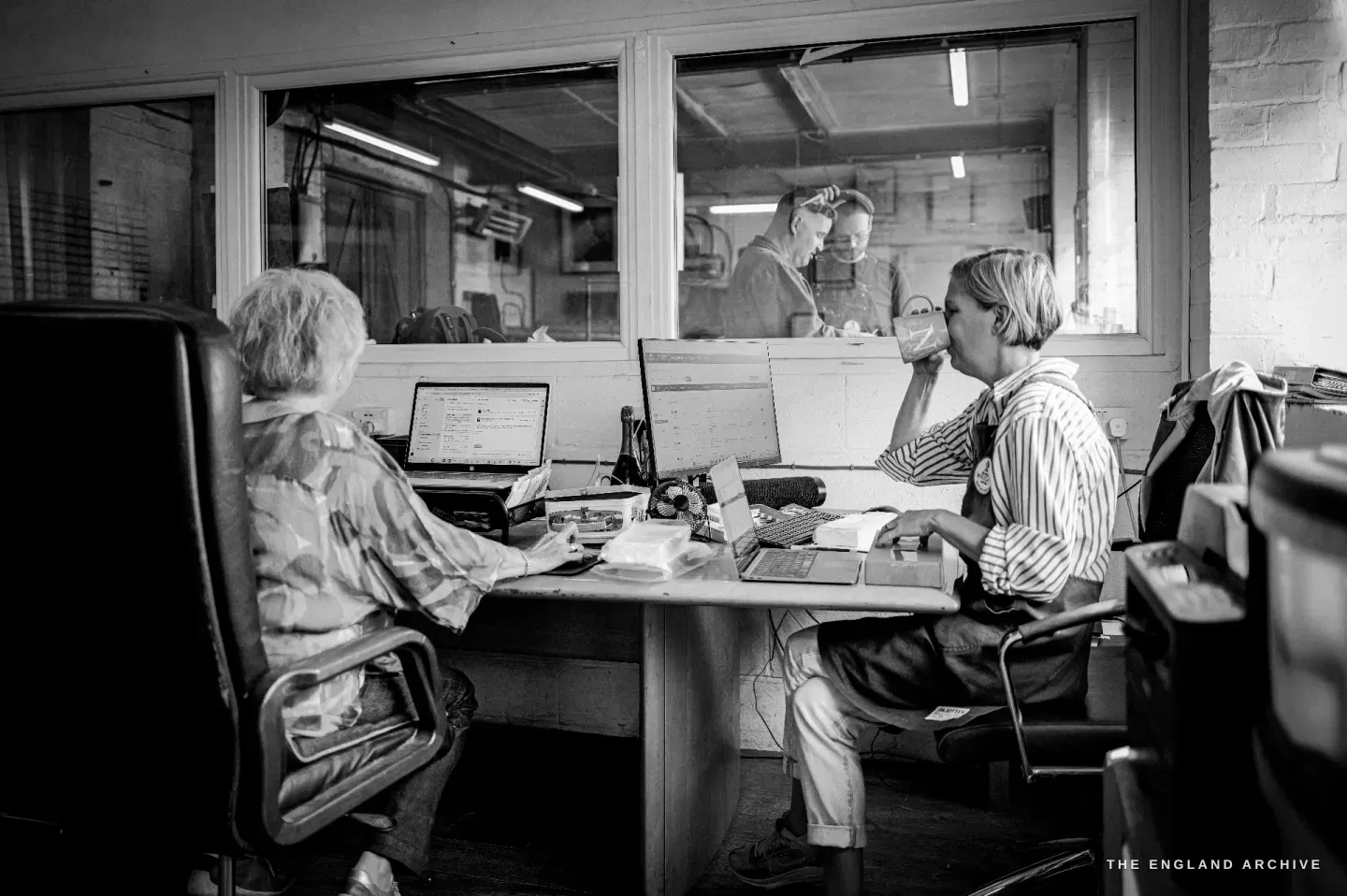
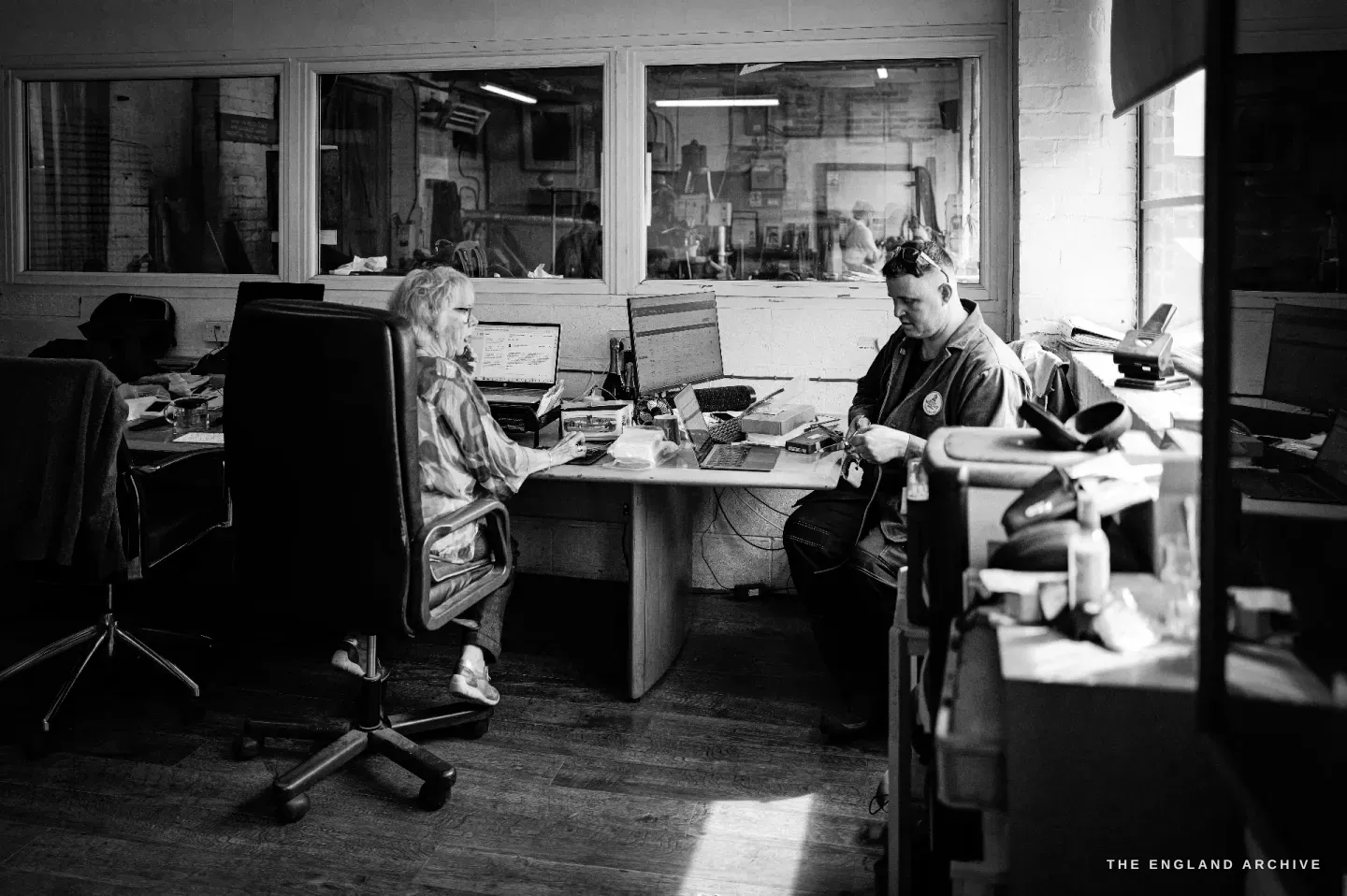
Inside the door the building is not quiet at all. The office is a working front of house: desks, screens, the orders going through, and a long-serving member of staff, Pam, back at the front of the firm where she has been for years. Through an internal window you can see straight onto the workshop floor, so that the people answering the emails and the people grinding the steel are only a pane of glass apart. It is a small thing, that window, but it tells you how the place is organised. There is no division here between the trade and the business of the trade. They happen in the same building, within sight of each other.
The warmth was the first thing I noticed and the thing that stayed with me longest. Paul made sure I felt comfortable before anything else - a little small talk, introductions, no hurry - and that tone carried through the whole morning. It is not a manner you can fake across a workshop of a dozen people. It is the temperature a place runs at when the person who runs it has decided, deliberately, that it will run warm.
When Sheffield made the world's scissors
I had not understood, until that morning, quite how alone this firm now is. Sheffield made the world's scissors once - by the early twentieth century the city was the cutlery capital of the world, and scissor making was one of its defining trades. It was organised, characteristically, not into great factories but into a dense web of small independent men, the famous Little Mesters: specialists who rented bench or wheel space, worked under their own name, and passed a single skill down by apprenticeship. A pair of Sheffield scissors might go through four sets of independent hands - forger, grinder, putter, finisher - before it was done. When Ernest Wright set up in 1902, he was one of well over a hundred firms making scissors and shears in the city. I kept that number with me all morning, because by the end of the day it had quietly become the point of everything I was looking at.
The firm stayed in the family, and you can still follow the line: from Ernest Wright to his son, Ernest junior, and then to a third generation, Ernest junior's sons Graham and Philip, who came in around the opening of the new Kutrite Works in 1963 - a fresh factory the firm built after its older premises were marked for demolition. Five generations of Wrights, in the trade's own reckoning. What stayed with me, though, was not the longevity but the loneliness of it. The hundred firms became dozens, then a handful, then fewer than that, as cheaper foreign manufacture hollowed the trade out across the second half of the century. Ernest Wright kept its lights on while, one by one, almost every neighbour went dark.
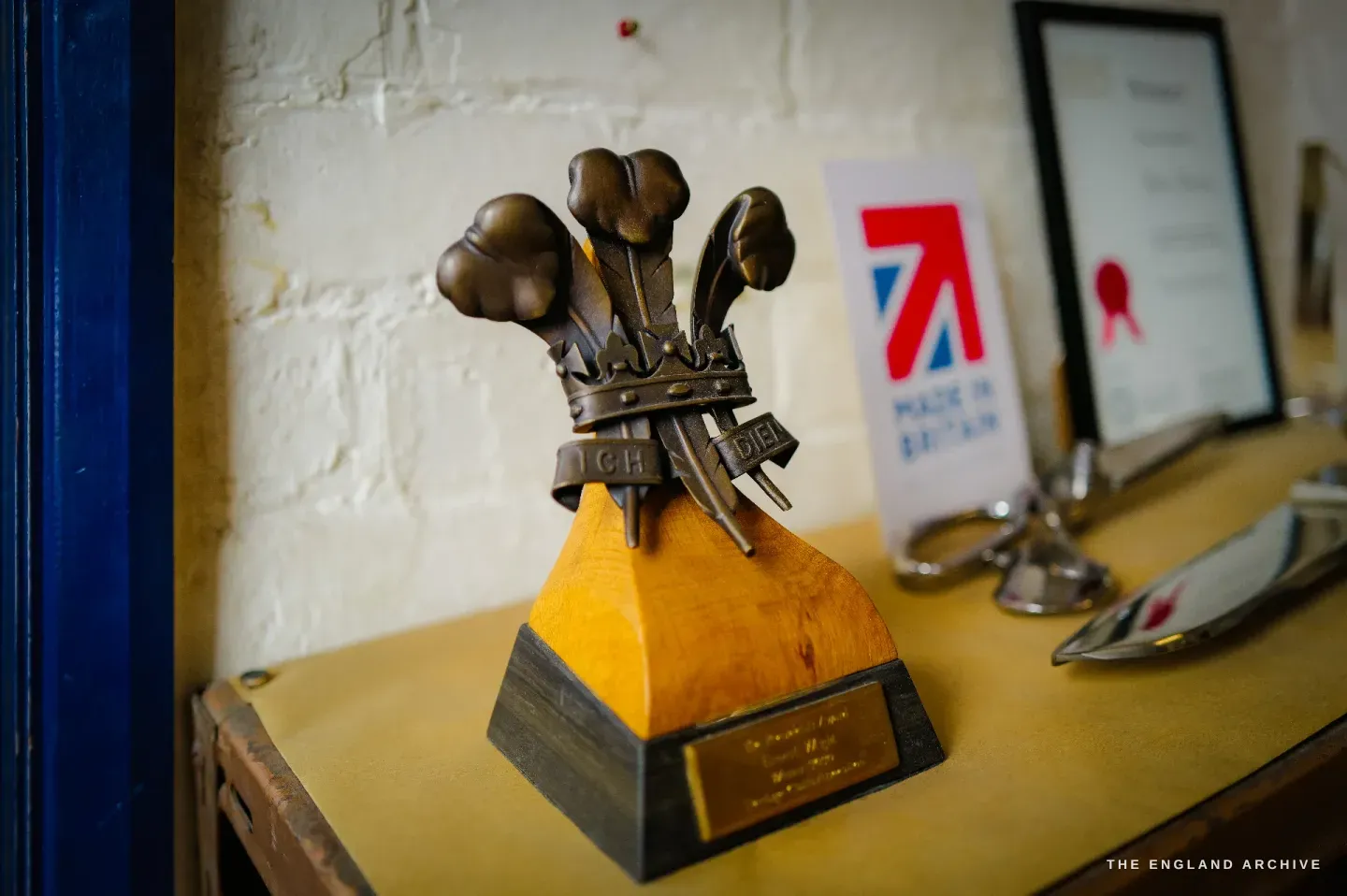
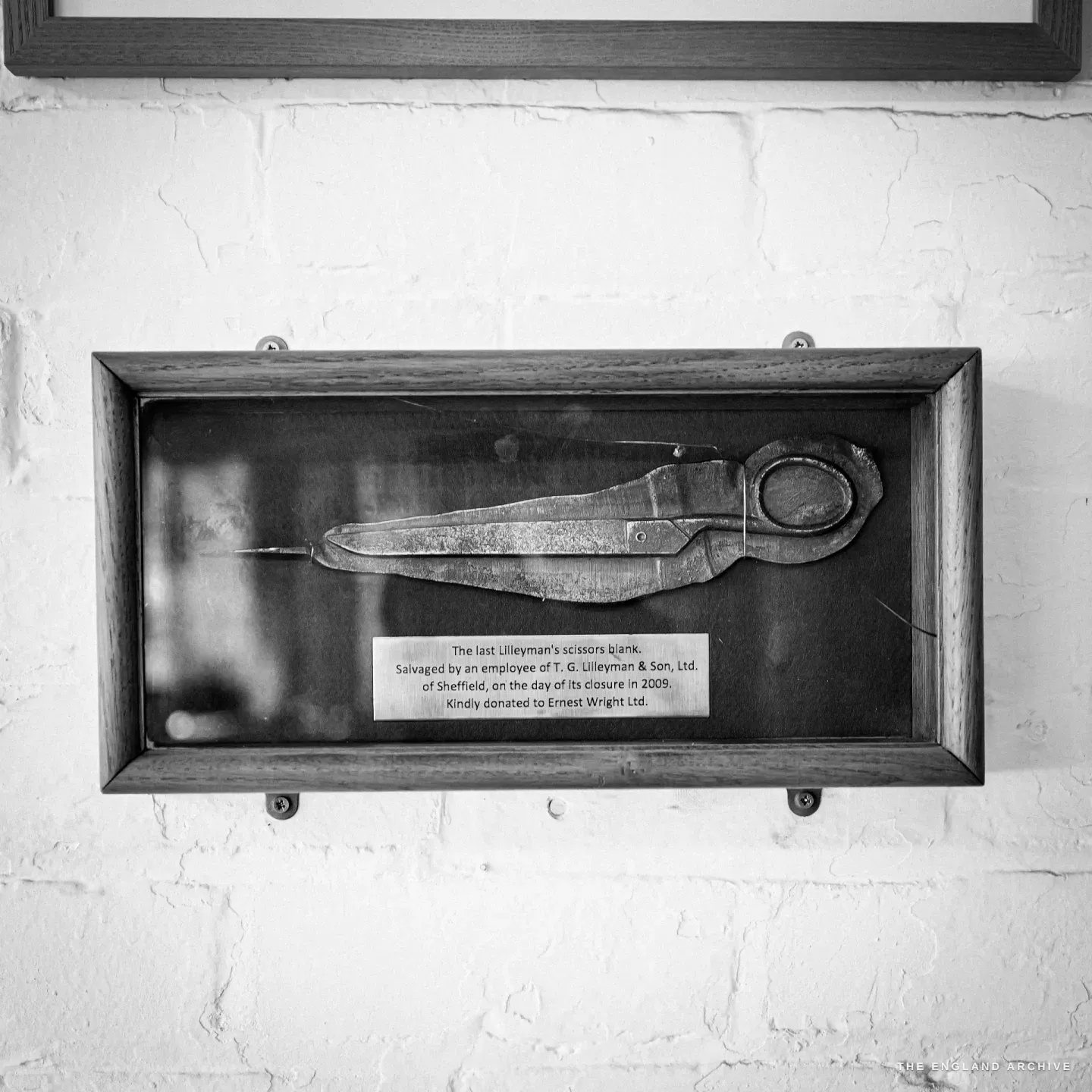
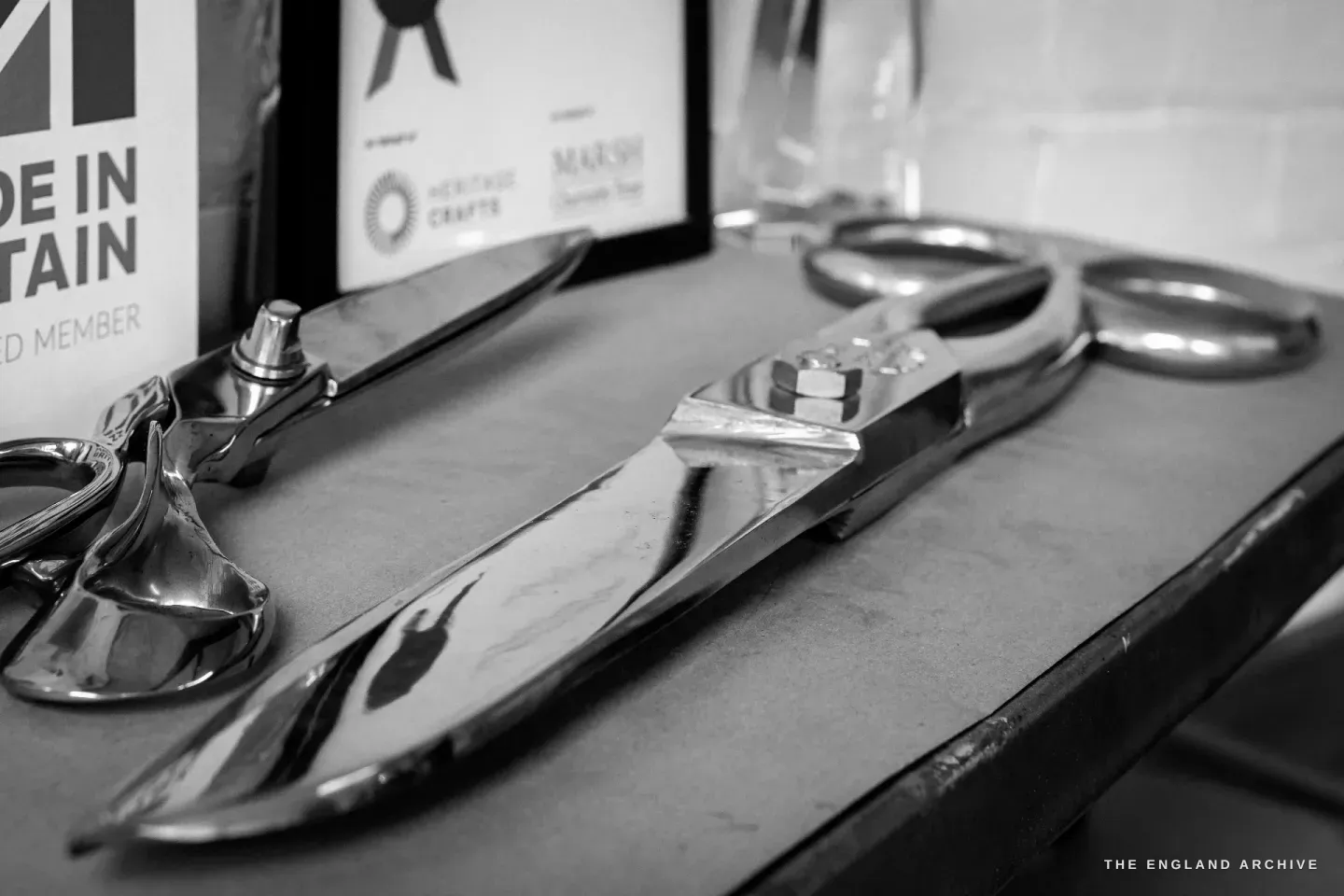
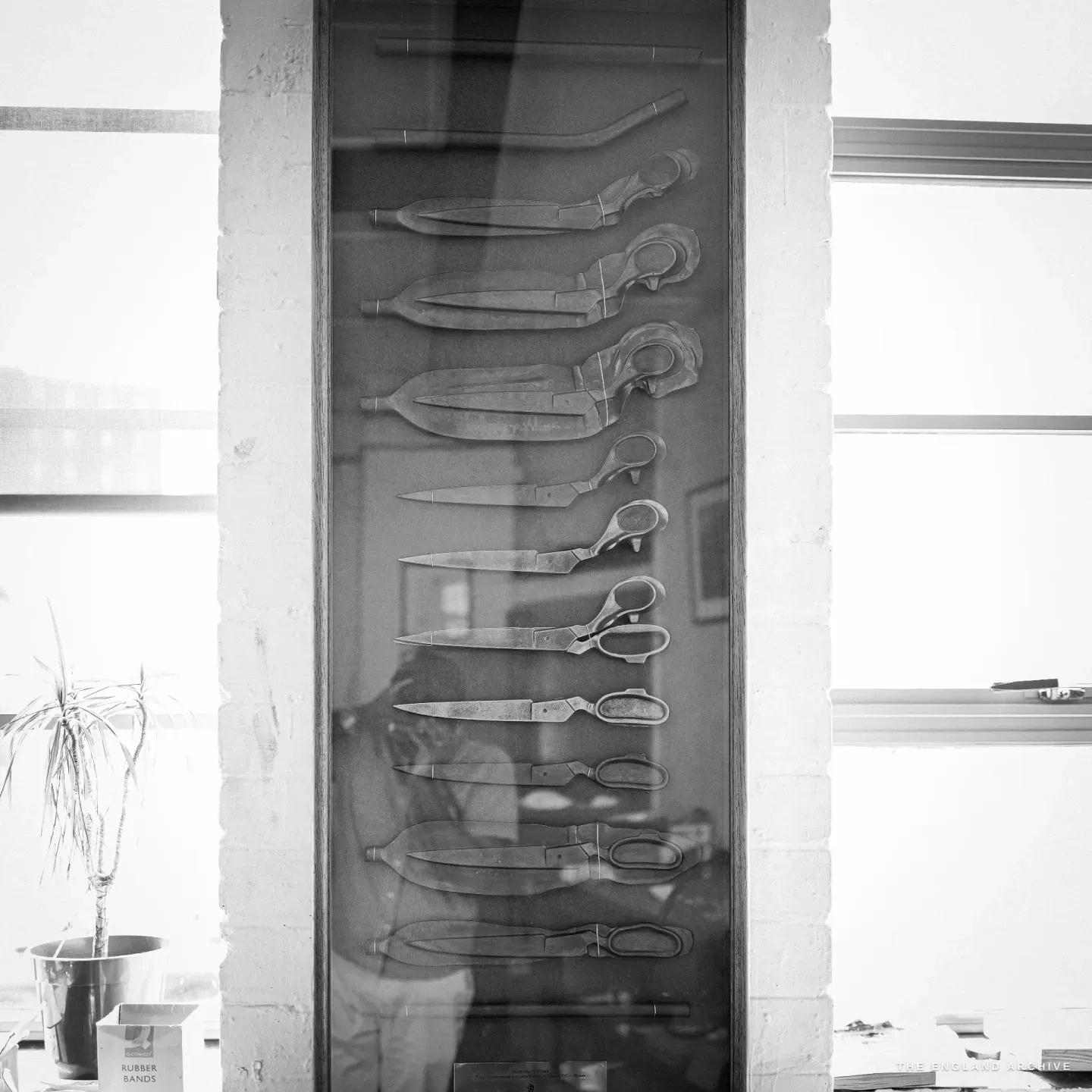
You feel that history on the walls. The office shelf carries the firm's credentials - a Made in Britain membership, framed certificates, awards - the marks of a trade that is still formally recognised and not merely remembered. And on a whitewashed brick wall hangs the most quietly devastating object in the building: a single scissor blank in a glazed frame, with a typed card beneath it. It is the last blank from T. G. Lilleyman & Son, Ltd., another Sheffield scissor firm - salvaged by one of Lilleyman’s own employees on the day the firm closed, in 2009, and donated to Ernest Wright. That detail matters: it was not simply retrieved, it was carried out of a dying firm by a person who could not let it vanish, and given into the keeping of one still working. It is a relic of one death, kept by a survivor.
Shut for two months
Most people who know Ernest Wright at all know it because of a film, and I was one of them long before I stood on Broad Lane. In 2014 a filmmaker named Shaun Bloodworth shot a short, wordless piece at the workshop called The Putter: one craftsman, one pair of scissors, start to finish, no narration and no music beyond the sounds of the bench. It runs four minutes and it is one of the most-watched films about a craft ever made. What it does not tell you is that when it was shot, the firm was so short of work the makers were down to two days a week. When it went round the world, Ernest Wright took something like two years of orders in a single day.
You would think that the saving of it. Instead it began the hardest chapter, and this is the part of the story I find hard to tell quickly. In 2016 the firm ran a Kickstarter to bring back the Kutrite, the all-purpose kitchen scissors that had been one of its great twentieth-century patterns. More than three and a half thousand people backed it, several times the target. But the design and machining of the new model proved harder than anyone had reckoned, production slipped by a year, two key craftsmen fell ill, and only a fraction of the promised pairs were ever delivered. The flood of orders the film had brought in had become a weight the firm could no longer carry. In 2018, after the death of its owner, Nick Wright, Ernest Wright and Son went into receivership. Production stopped on Broad Lane that June. After a hundred and sixteen years, and five generations, the last scissor firm in the centre of Sheffield shut its doors. It is an odd thing to grieve a closure you only read about afterwards, but standing in the rebuilt workshop, I found that I did.
It was shut for less than two months. Two of the Kutrite backers - Paul Jacobs and Jan-Bart Fanoy, who had come to the firm as customers from the Netherlands and could not accept that the craft would simply vanish - bought the assets from the receiver and re-formed the firm as Ernest Wright Ltd, carrying the name forward. They rehired the master-putters. They brought Pam back. They later bought the Kutrite Works, the firm’s building on Broad Lane, outright from the landlord, renovated it, and brought in historic machinery to replace what had been lost. The red door and the clean brick I had sat in front of were not the survival of the old firm. They were the deliberate rebuilding of it by two people who refused to let it die. Paul's own story belongs on his own page; what matters here is the result of it, which is that the building was open at all for me to walk into.
Onto the floor
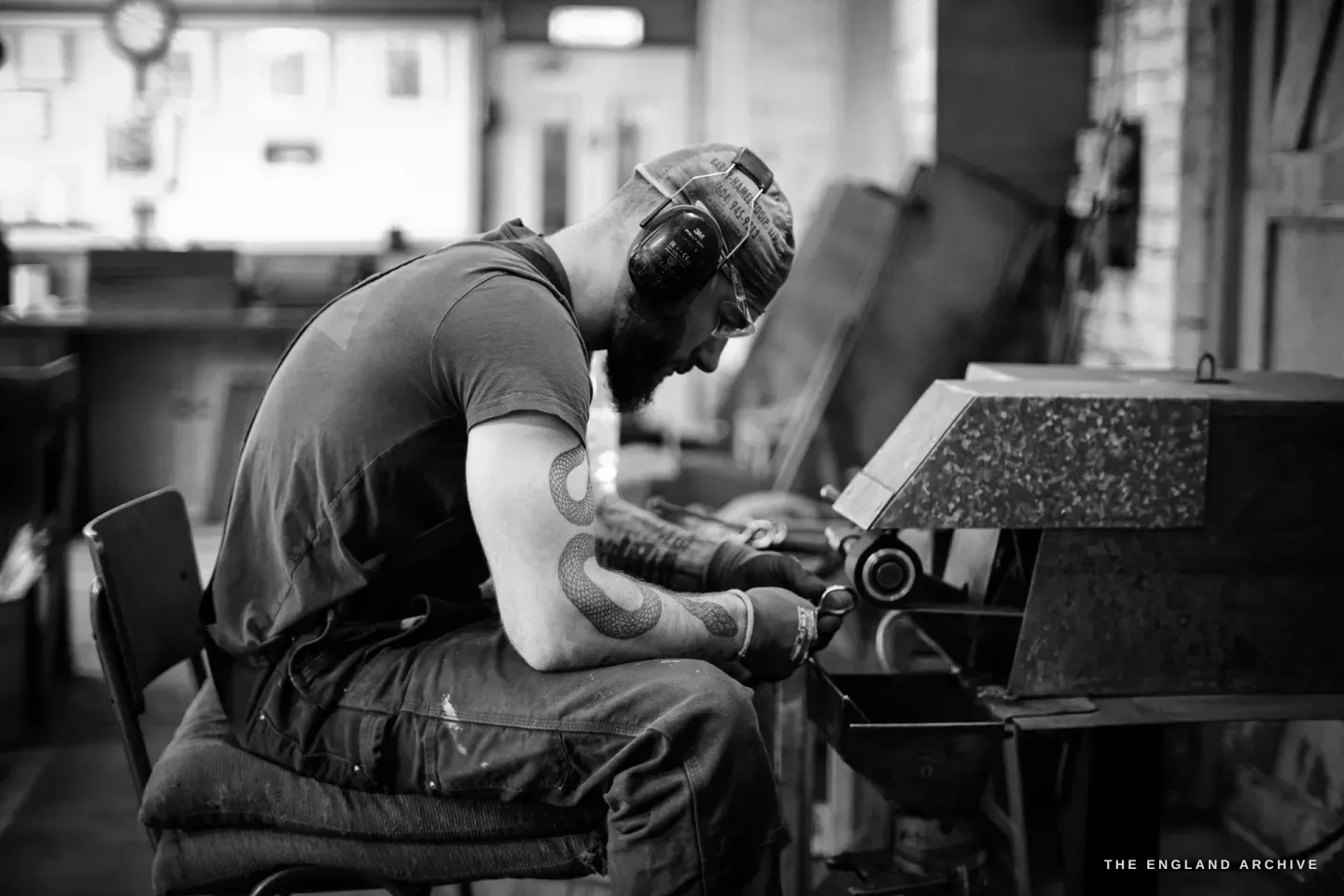
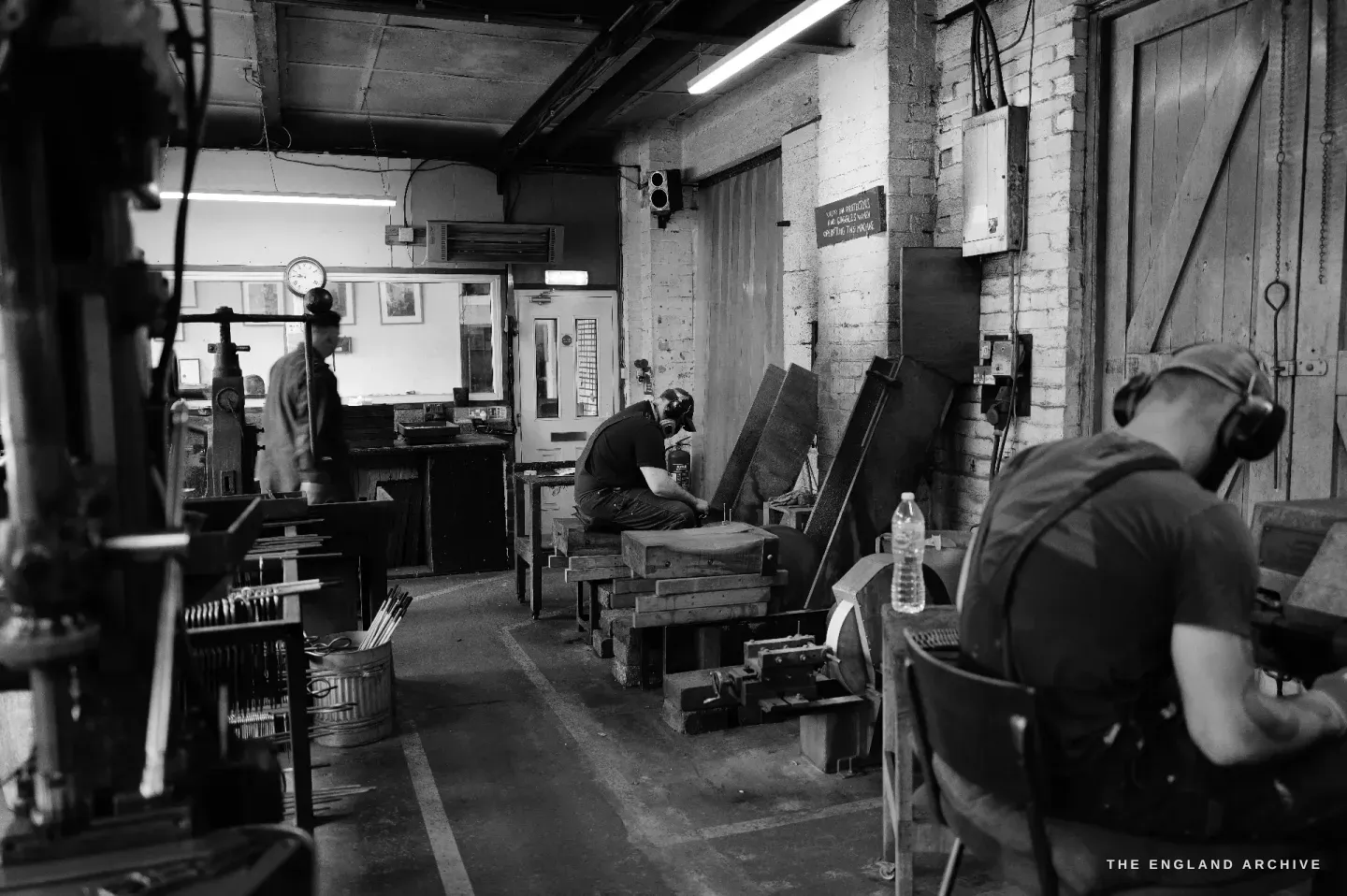
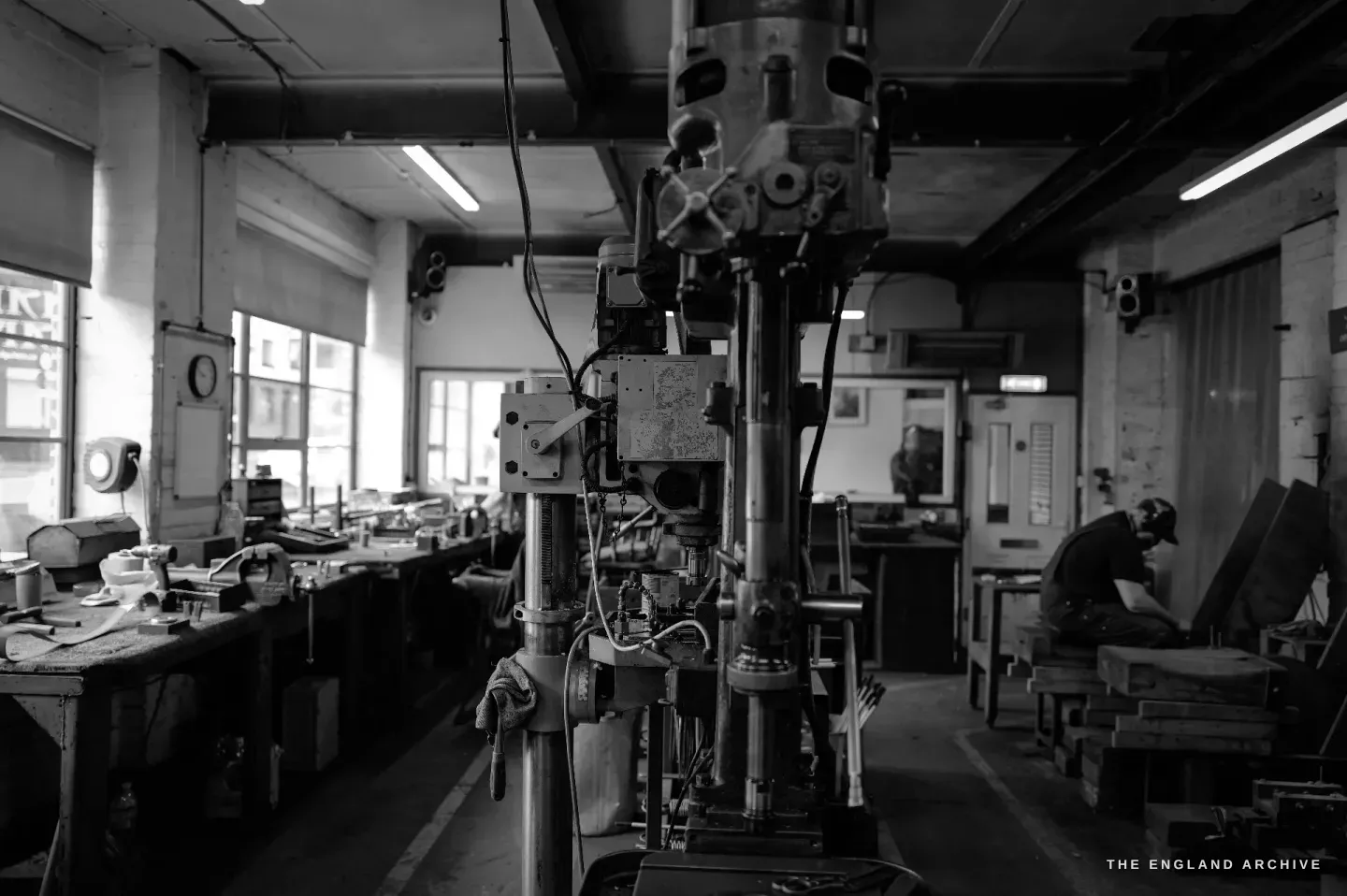
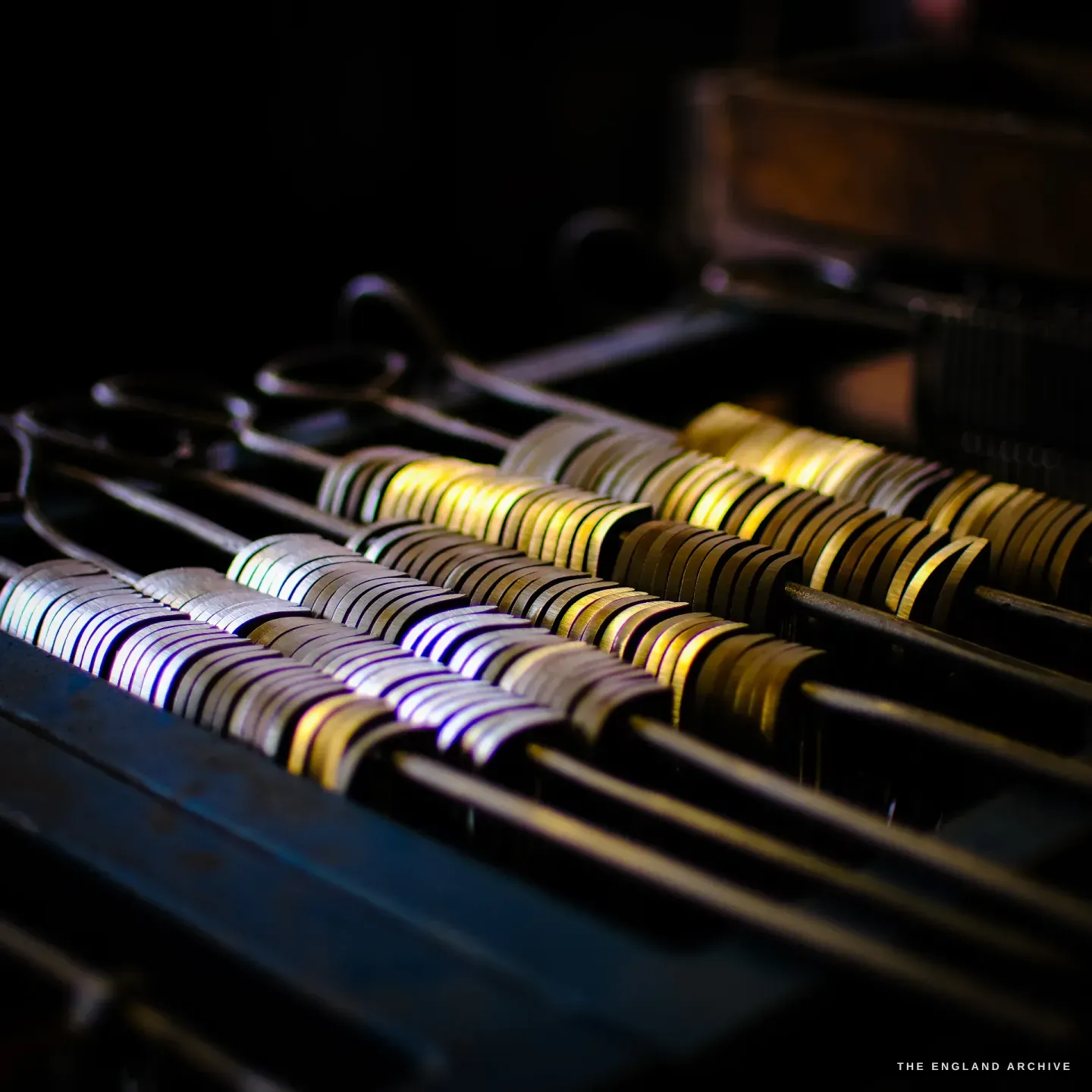
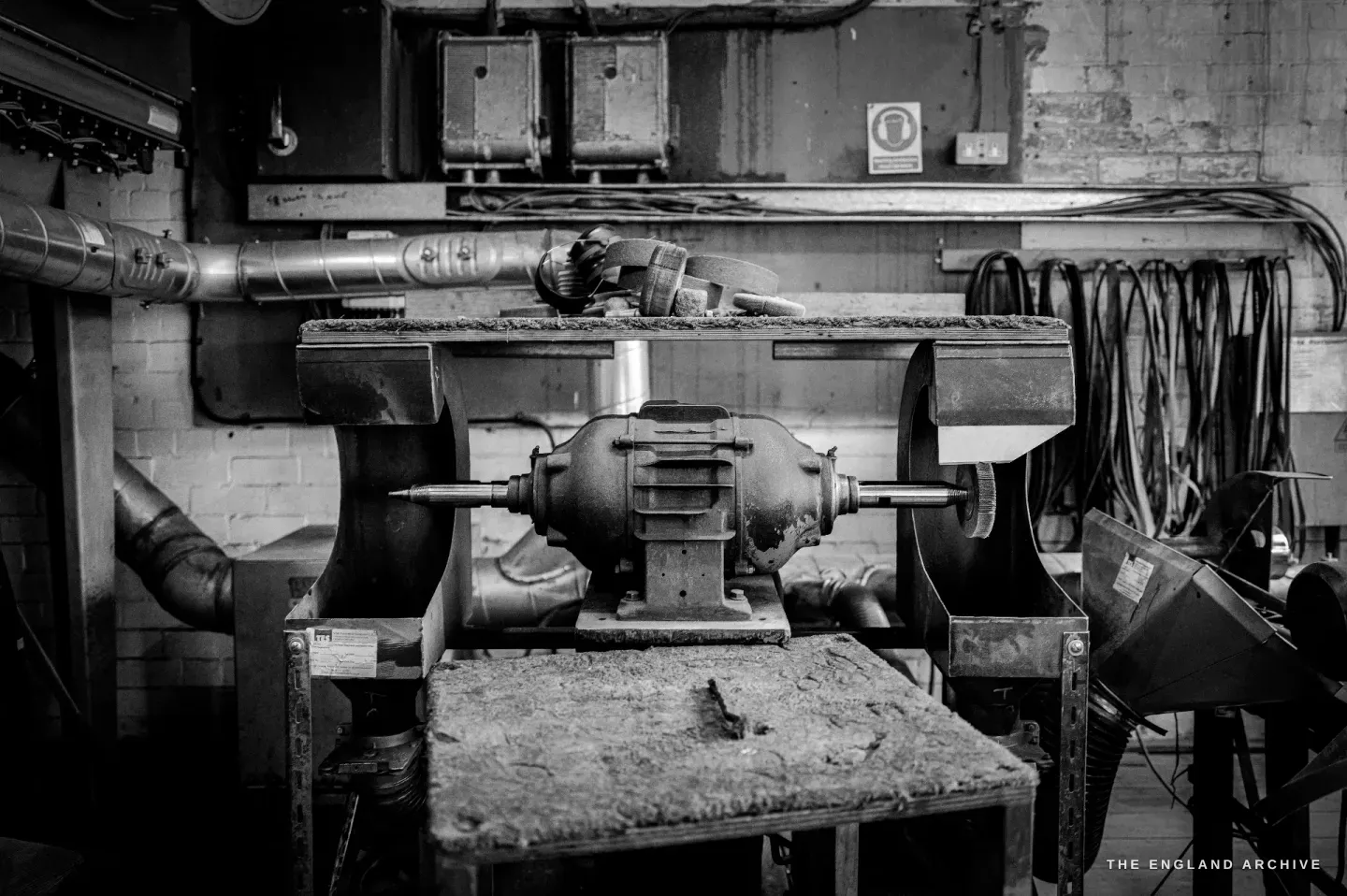
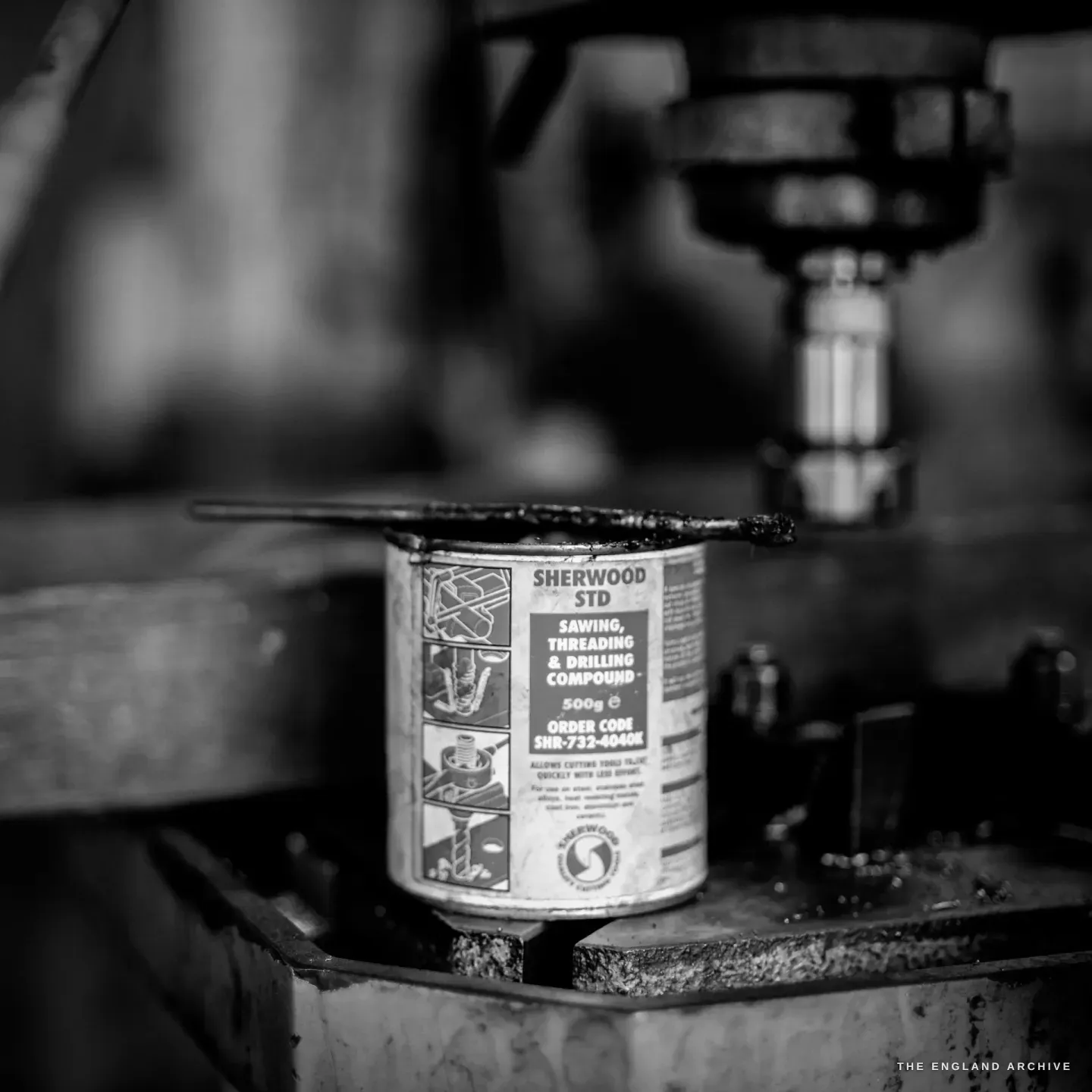
Neil took me through to the workshop, and it confounded an expectation I had not known I was carrying. I have been in a good many workshops, and the ones with machinery in them tend to wear their chaos openly - oil, swarf, the accumulated disorder of work. This one I could hear before I reached it, grinding and polishing going somewhere out of sight, and yet it was immaculately clean. It was large, and it was full of light. Tall windows ran along the wall and the daylight came in across the benches, so that instead of the usual cave-dark machine shop the room felt open and airy. Tools and machines lined every wall, but in order. There was, unmistakably, a good mood in the place.
Four makers were working in the main shop as we came in, and every one of them turned and gave me a friendly wave before going back to the bench. It is a small thing to write down and it set the tone of the entire morning. You can tell a great deal about how a workshop is run by what the people in it do when a stranger walks in. Here they looked up, smiled, waved, and carried on. Nobody had told them to. It was simply the temperature of the room.
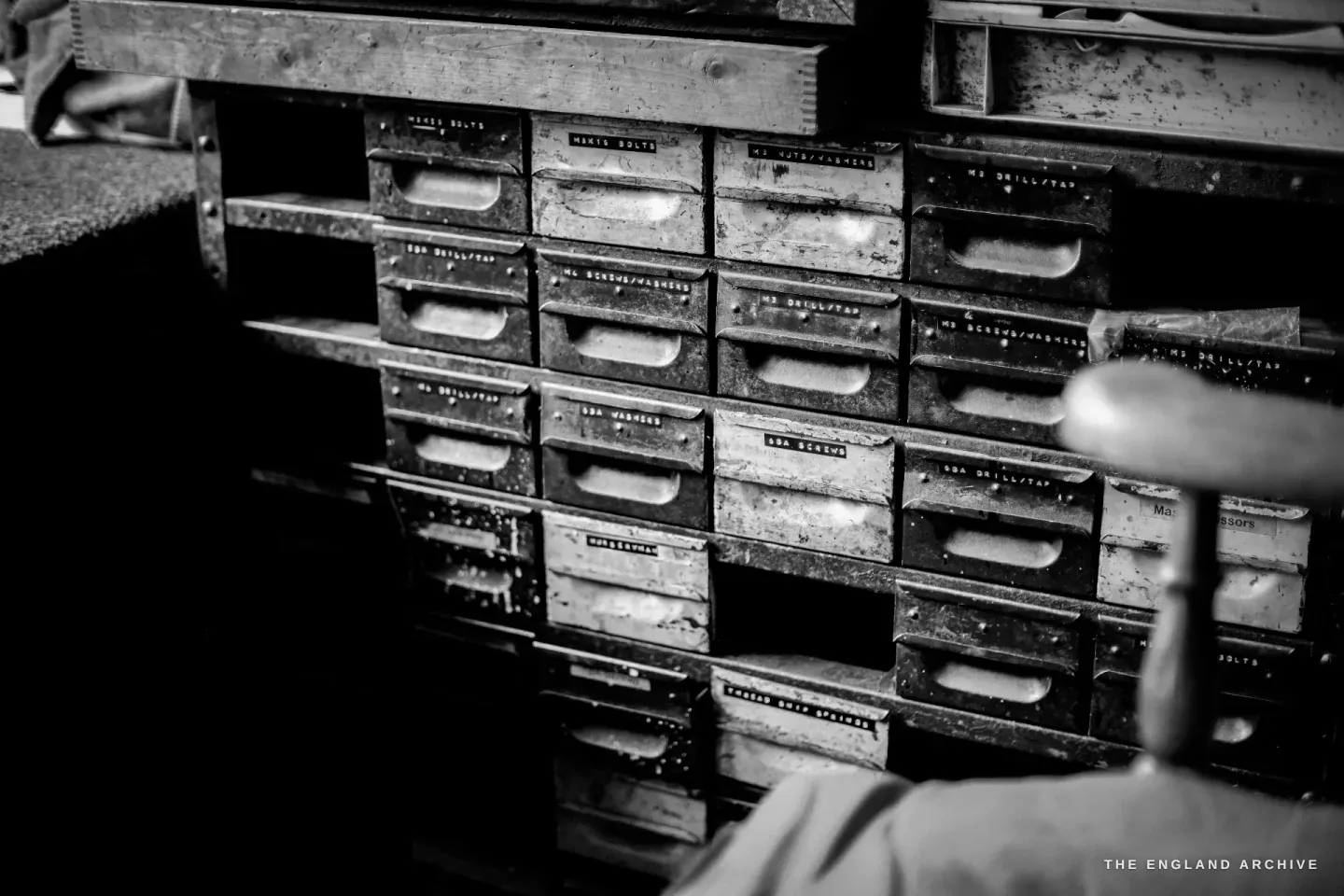
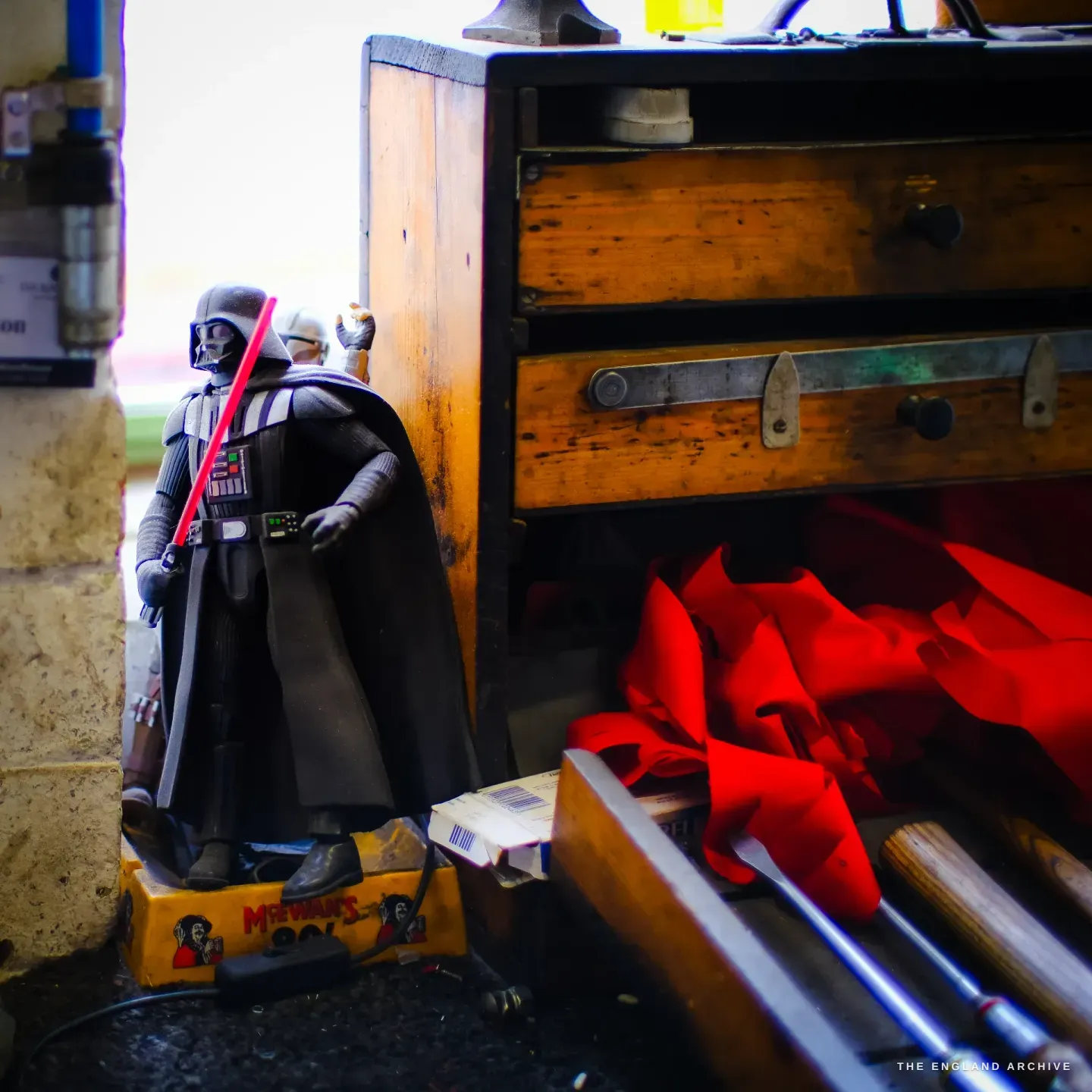
The order is real and it is everywhere. A bank of small metal drawers along one bench is hand-labelled to the last detail - this size of bolt, that size of washer, drill and tap and spring each in its named place - so that a craftsman never has to hunt for a fastening. And the order has room in it for character. On top of an old wooden tool chest, a hundred years of use written into its grain, a small Darth Vader stands guard over a drawer with a red rag in it. A workshop that is only disciplined feels like a factory. A workshop that is disciplined and still keeps its sense of humour feels like a good place to spend your working life. This one feels like the second kind.
How a pair is made
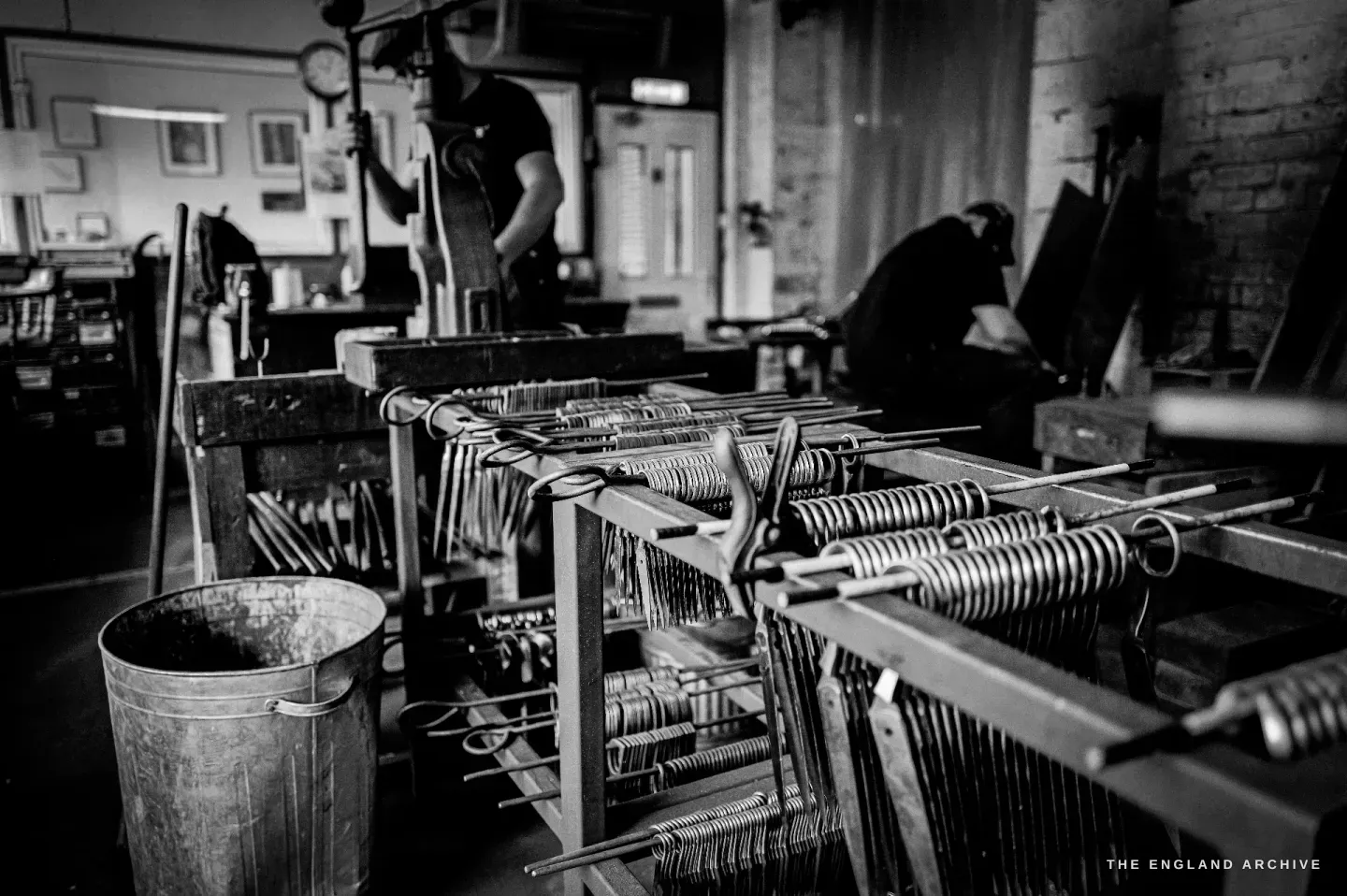
What Neil walked me through is the same sequence the firm has run since 1902. A pair of hand-made scissors is not stamped out in one operation. It is assembled, stage by stage, from steel that starts as a rough forged blank and passes through a series of separate skilled hands before it will cut.
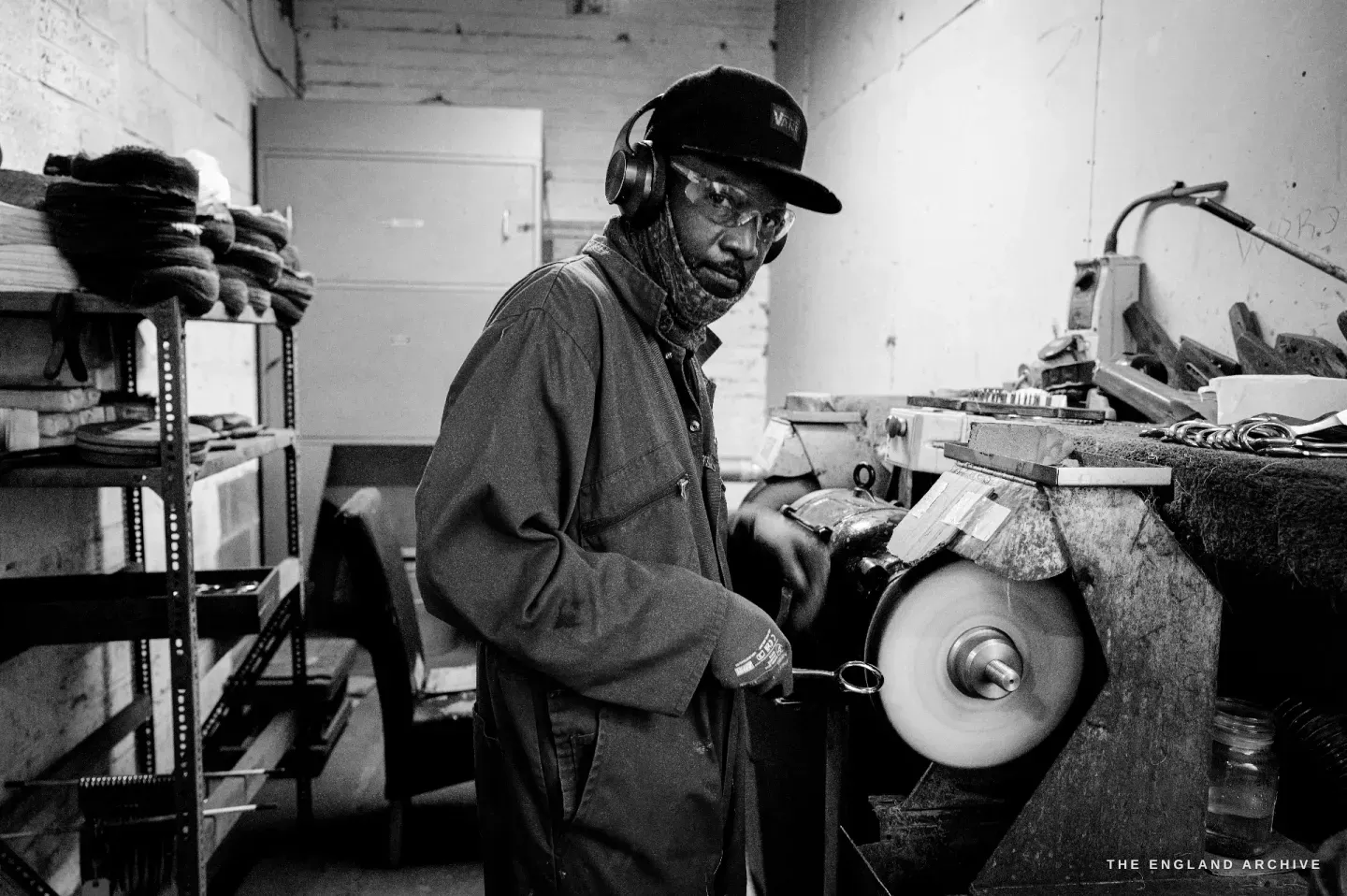
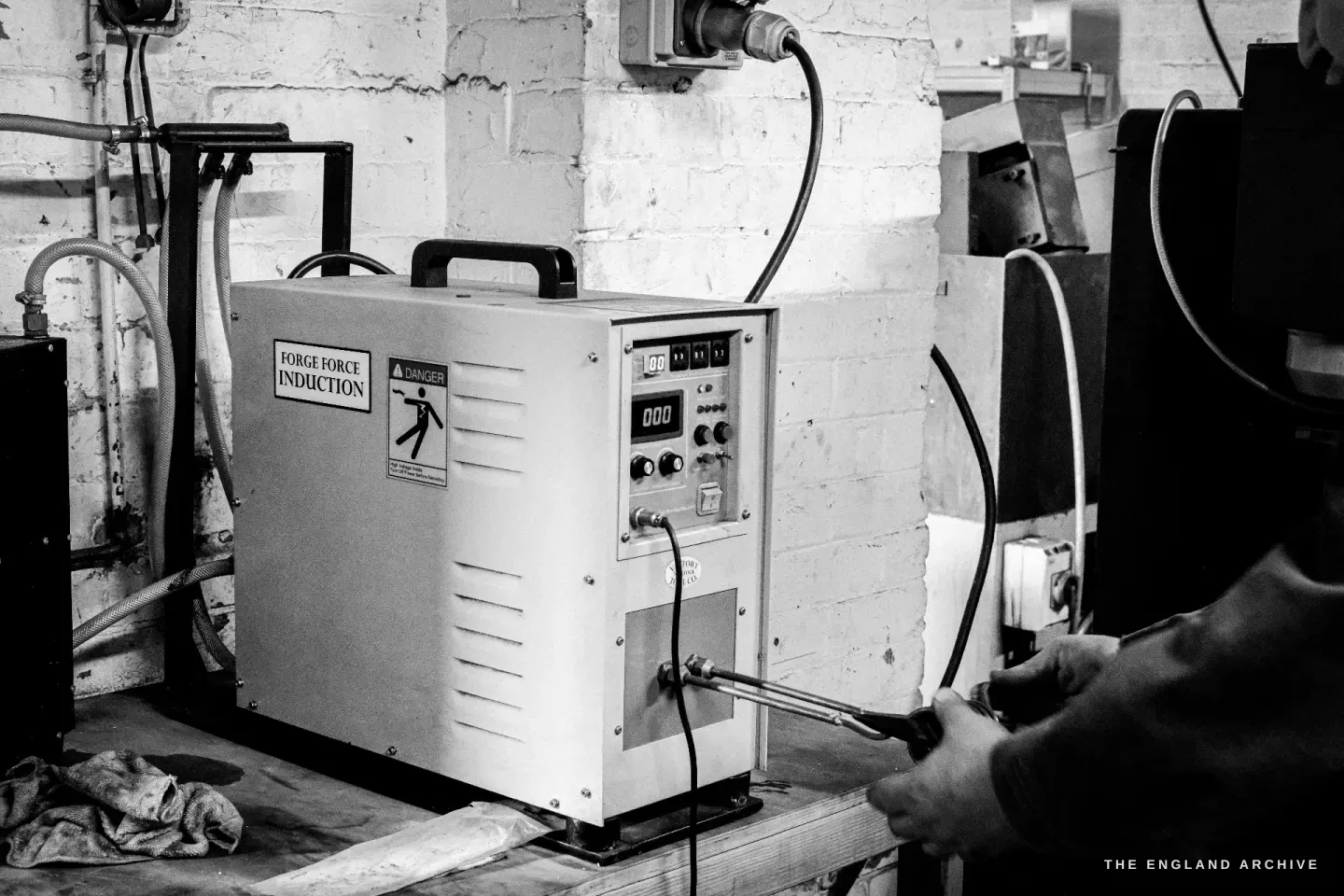
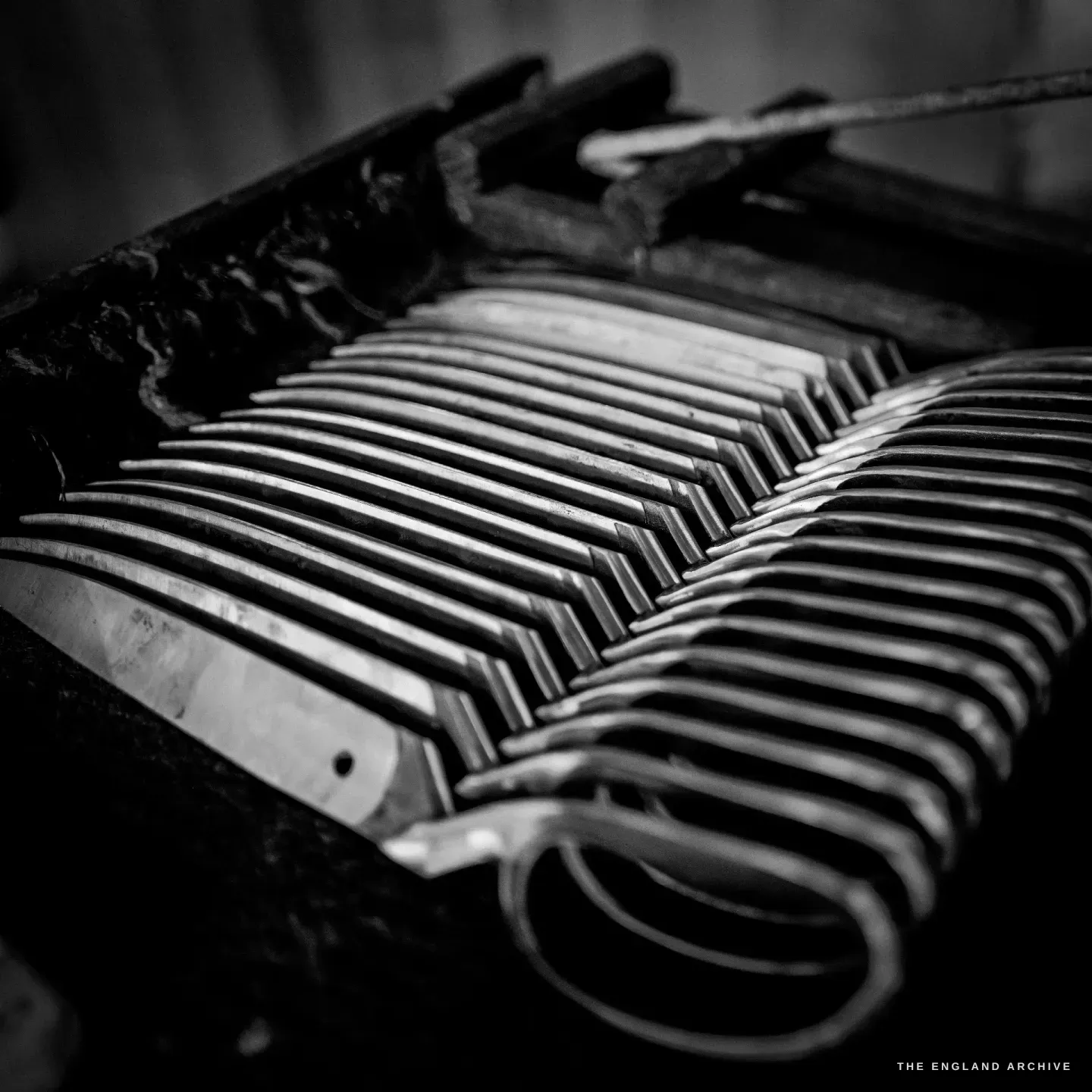
The blade is first ground to shape - the long taper from the thick back down to the edge, and the slight hollow worked into the inner face, so that the two halves will eventually meet at a single travelling point rather than along their whole length. Evan James works the grinding wheel; the flexible grinding on the abrasive belt, the stage that brings each blade up to its edge, is the work of makers like James Morton at the belt machines. The steel is annealed at the induction machine on the floor - heated and then cooled to soften it where it has to be worked - and the rough parts are deburred and brought up in the rumbler.
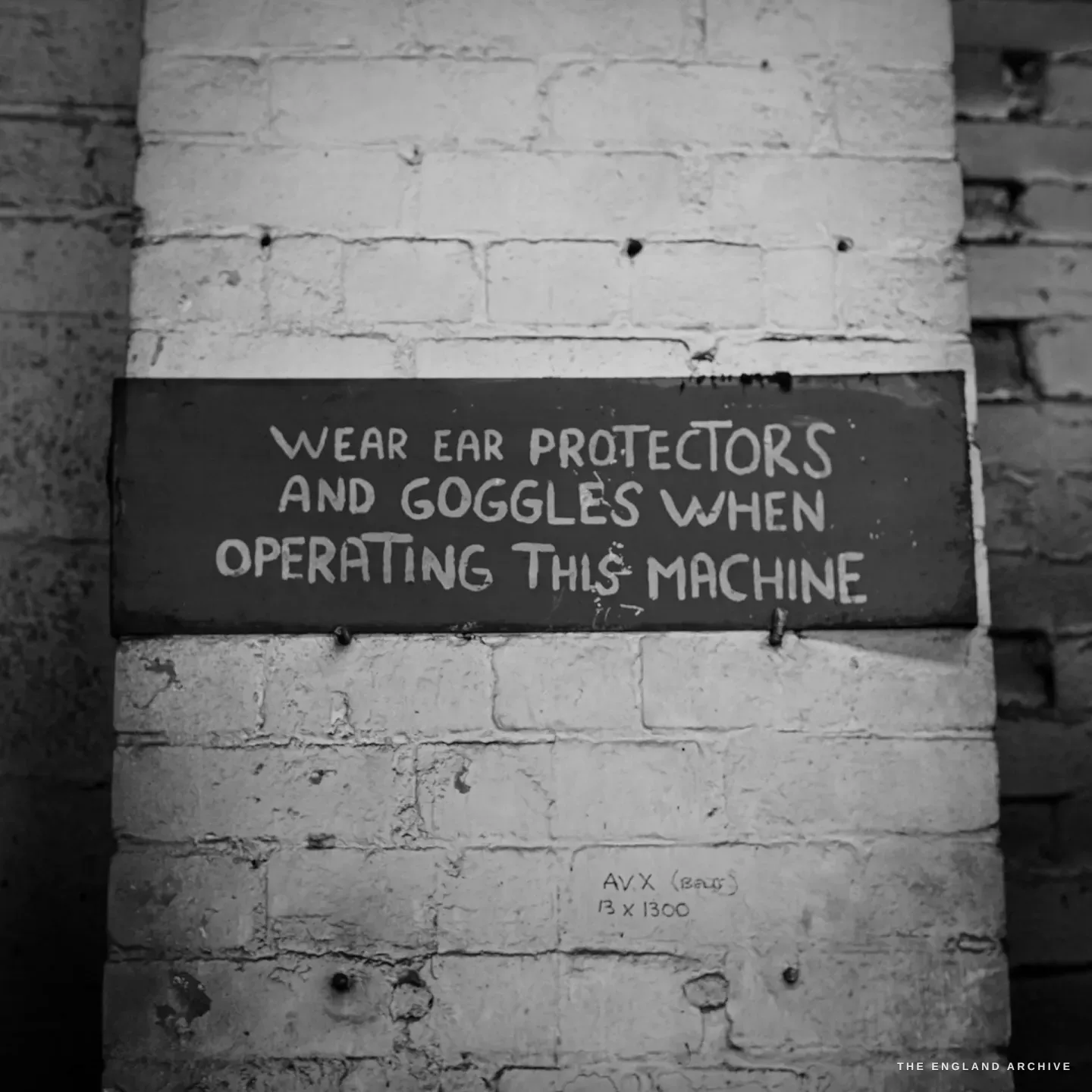
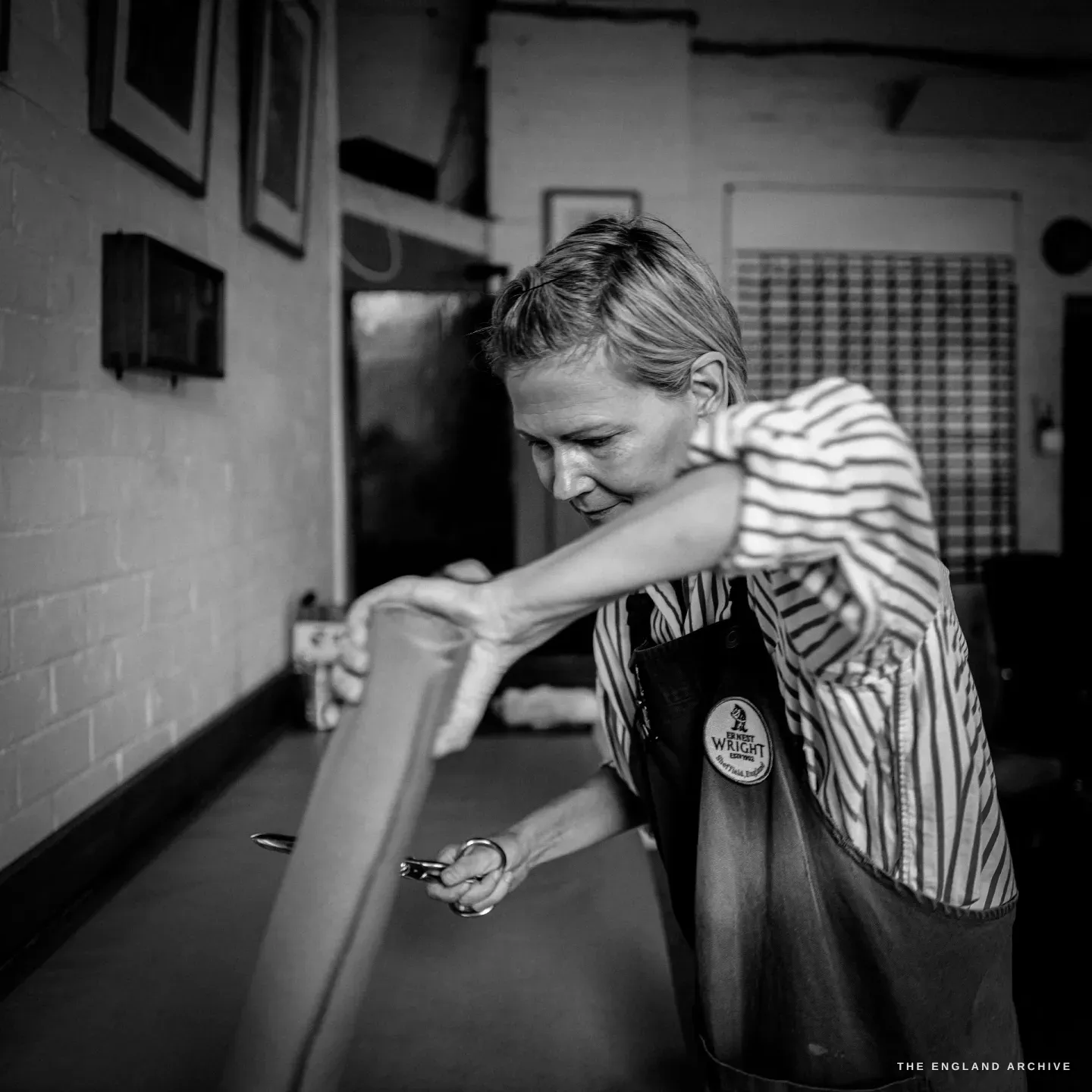
The rumbler is the loudest room in the building. Neil took me into it: a great barrel turning with a deep continuous rumble, scissors tumbling inside it against a media that knocks the burrs off and works the surface. He opened it up and told me what it was doing, shouting a little over the noise of it, and then we went back out to the quieter rooms. In one, Sabino Henda was at the polishing wheel, taking finished pairs to their bright final shine - dusty, exacting work, the last surface the steel passes through. In another, Jonathan Reid was working at a large finishing machine. Neil narrated each stage as we went, the way only someone who can do all of them himself can.
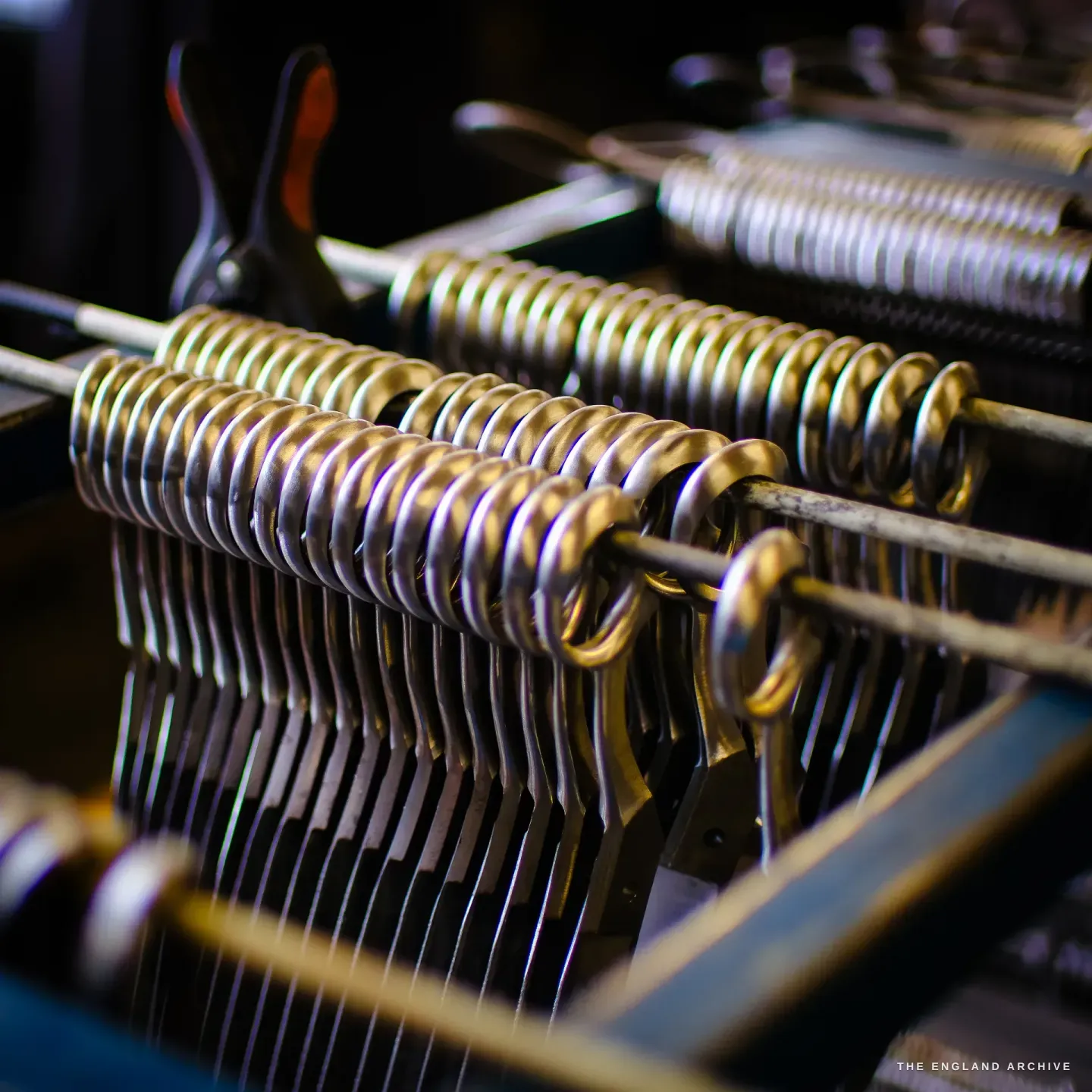
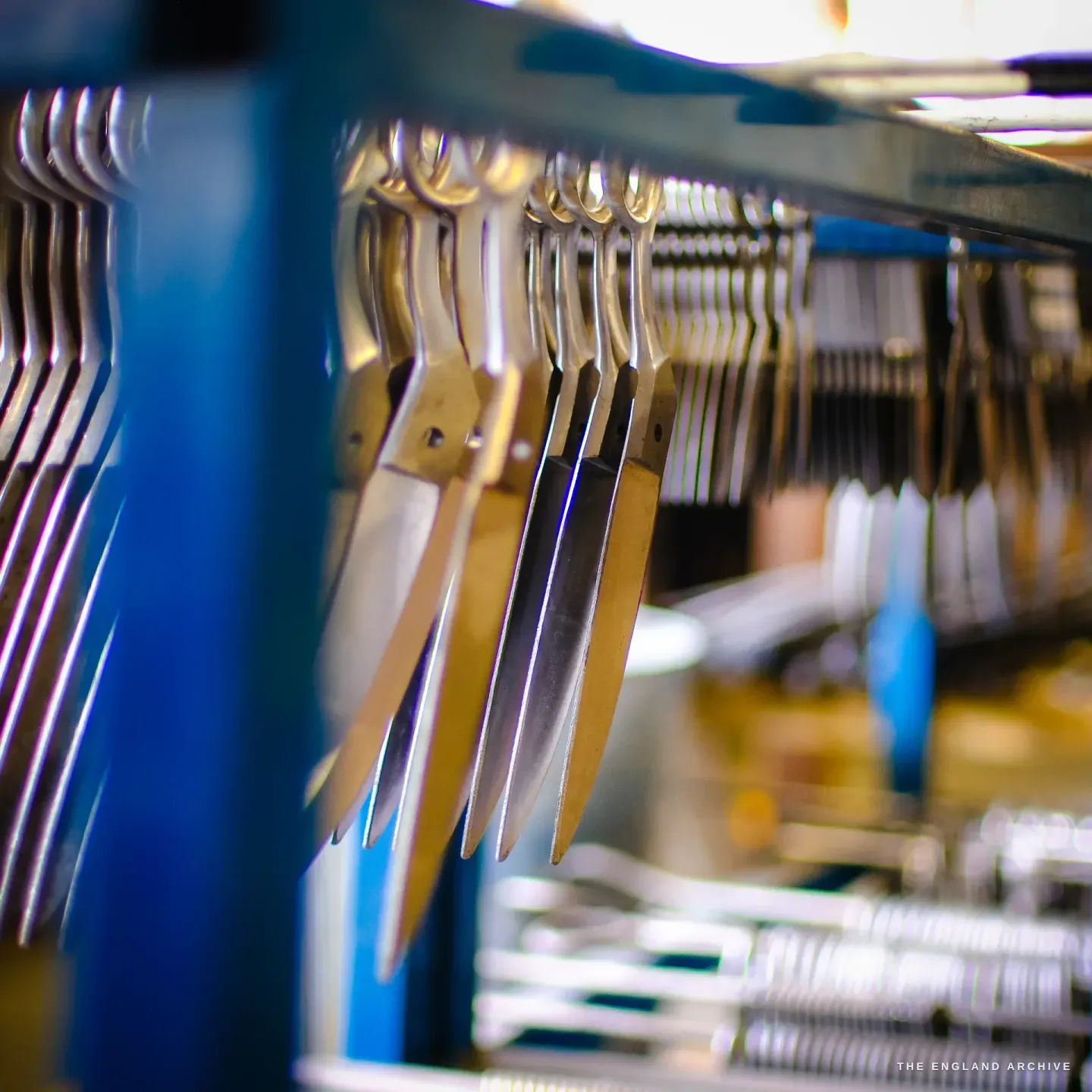
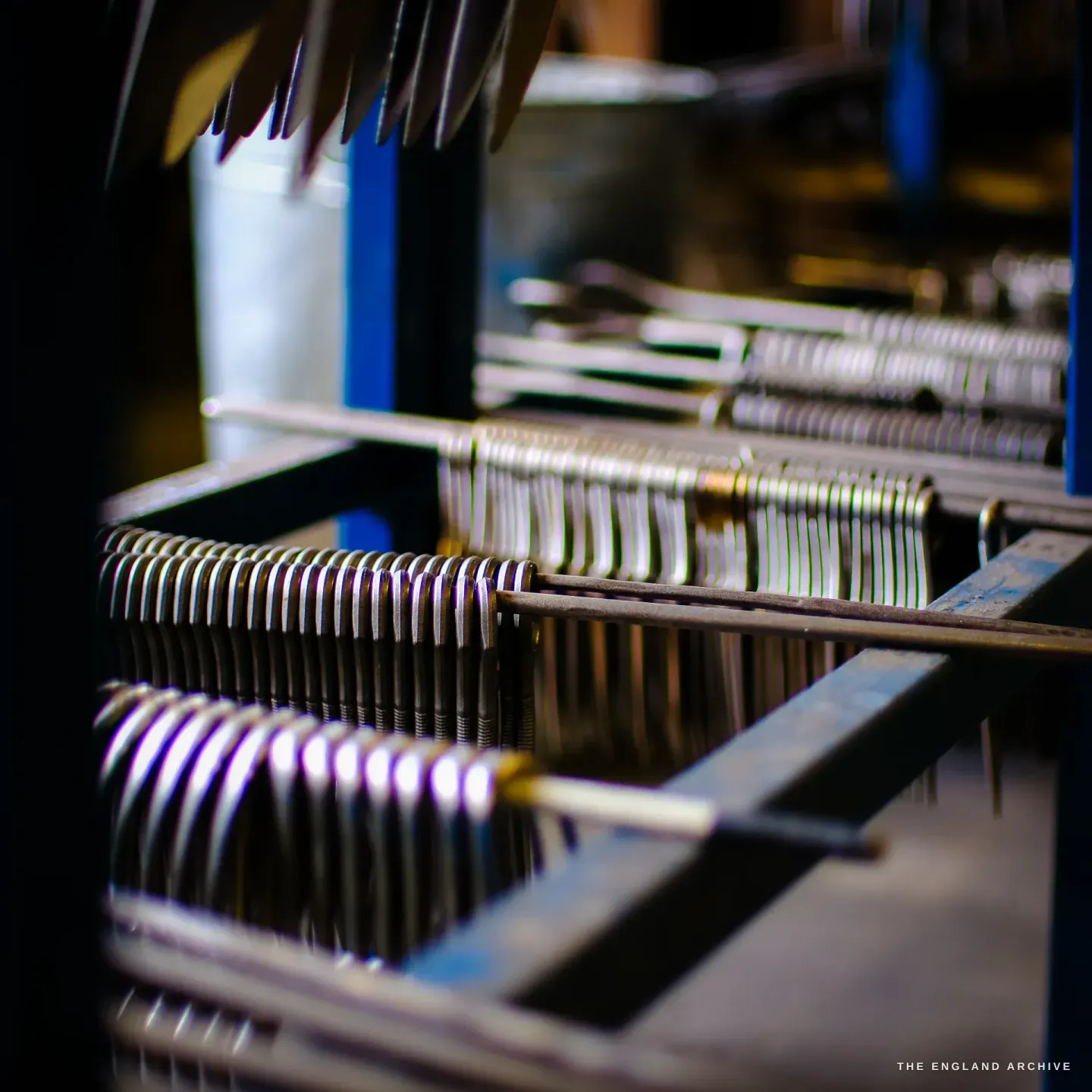
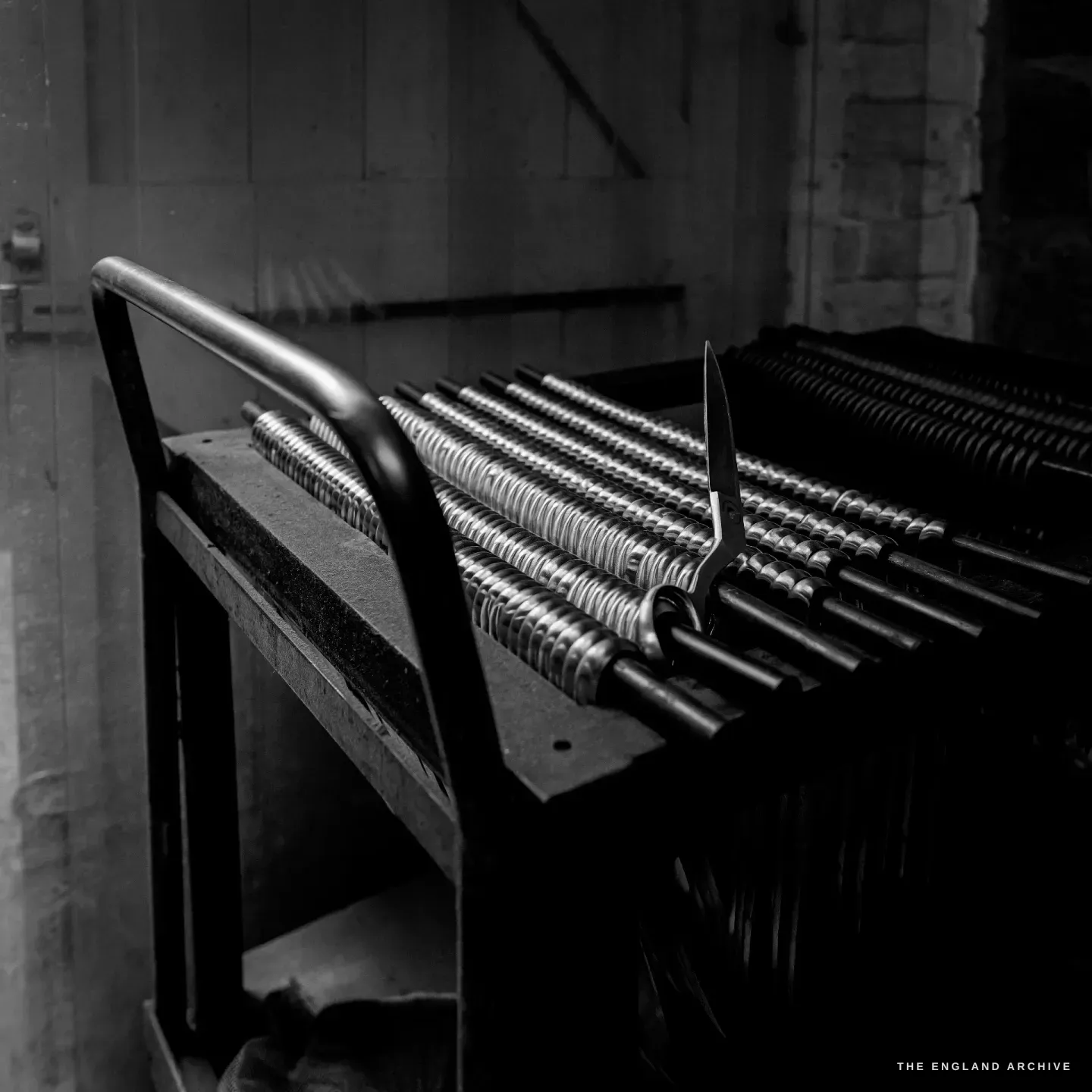
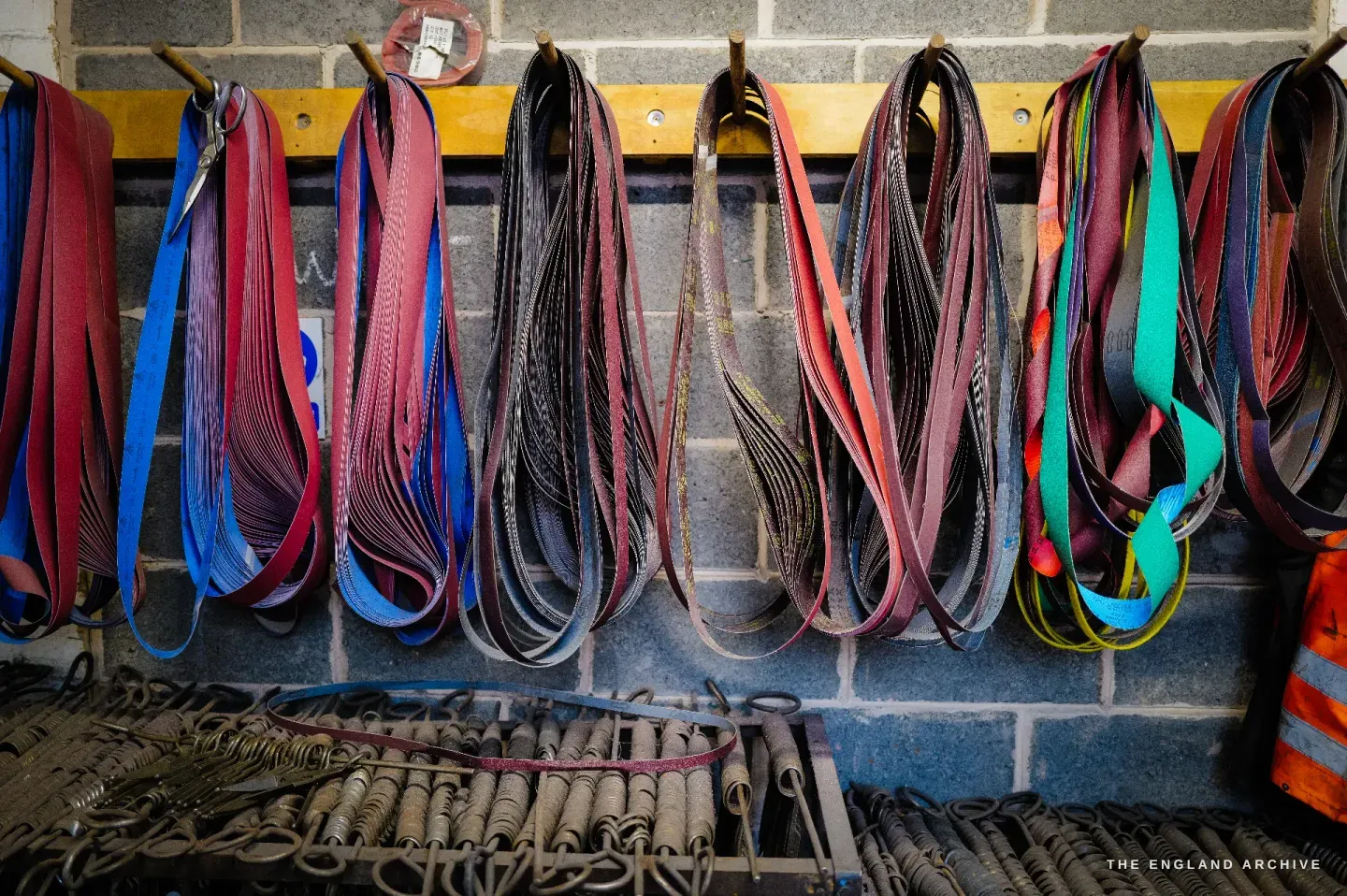
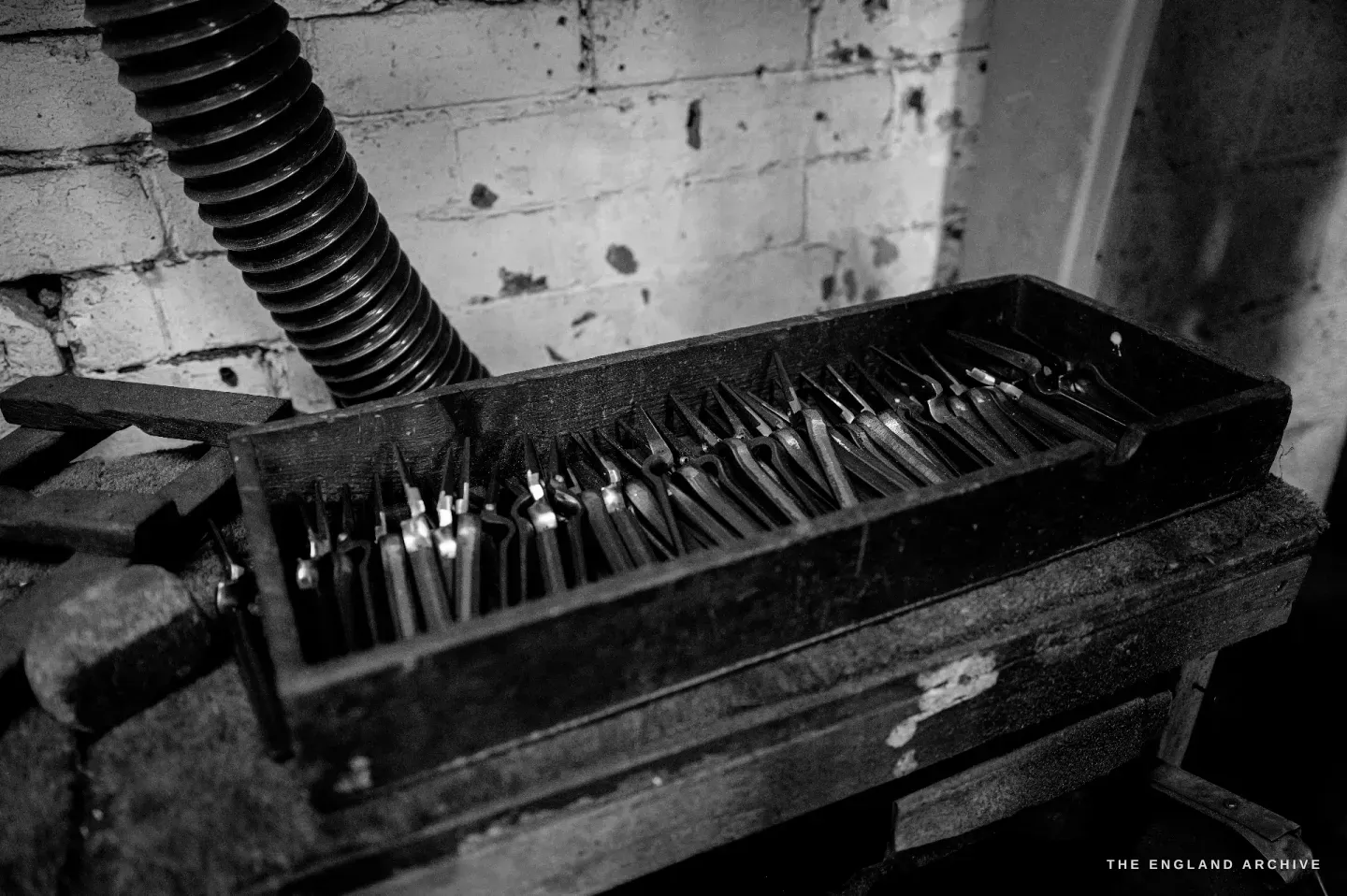
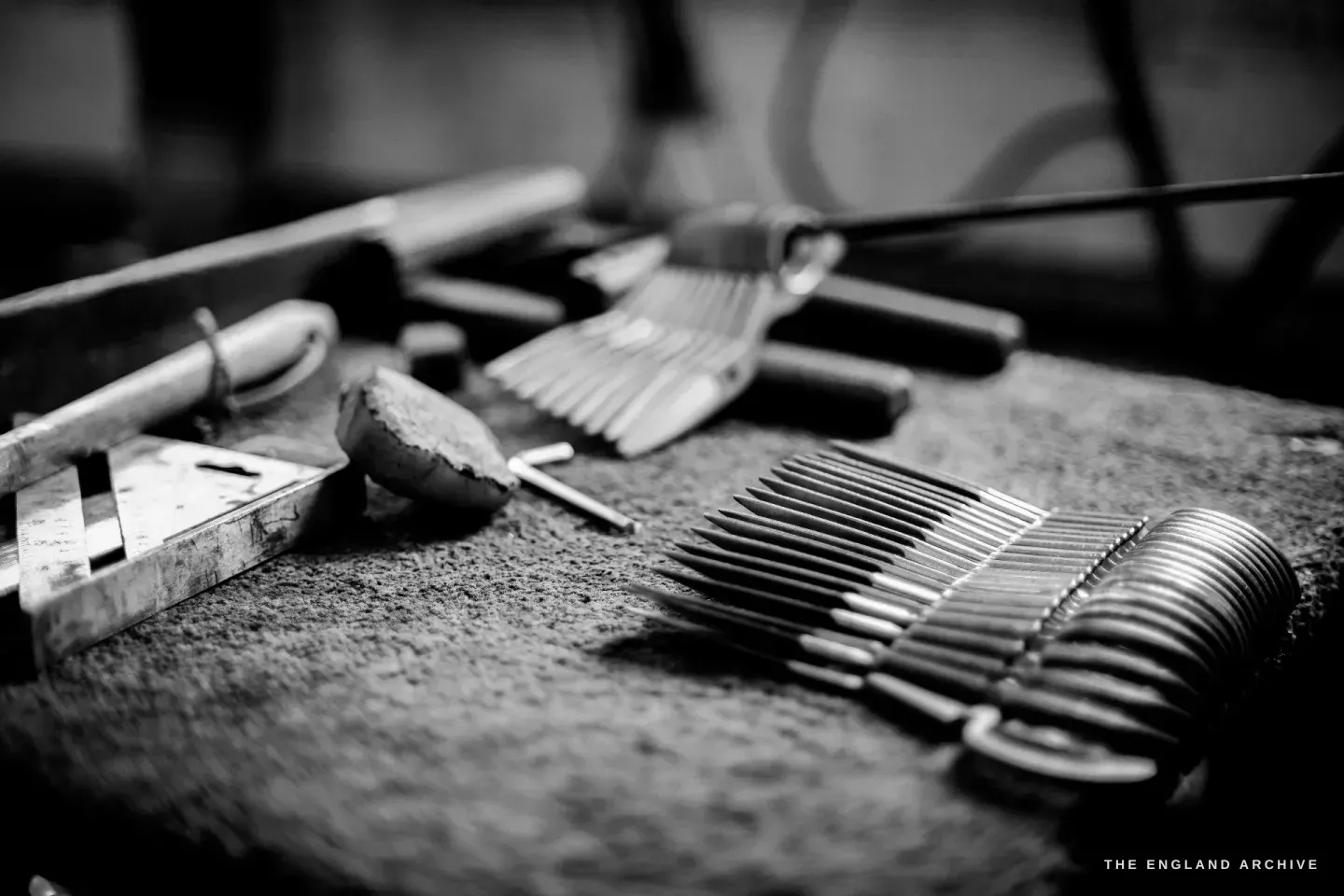
And then the stage the whole trade turns on: putting. A scissor is two blades, and the secret of it is the gap between them. A putter takes the two finished halves and marries them - hammering the precise curve onto each blade and setting them together by hand and by eye, adjusting until the pair rides true and shears cleanly along its whole length rather than crushing or chewing. It is the defining skill of a Sheffield scissor maker, the one that takes a five-year apprenticeship to learn, and it is what Sam Aston-Clark, Neil and the other putters do at the benches by the windows. Neil set a finished pair cutting for me, and it closed the way a good pair of scissors closes - a single clean run from heel to tip, almost soundless. That run is the point of everything that comes before it.
The range
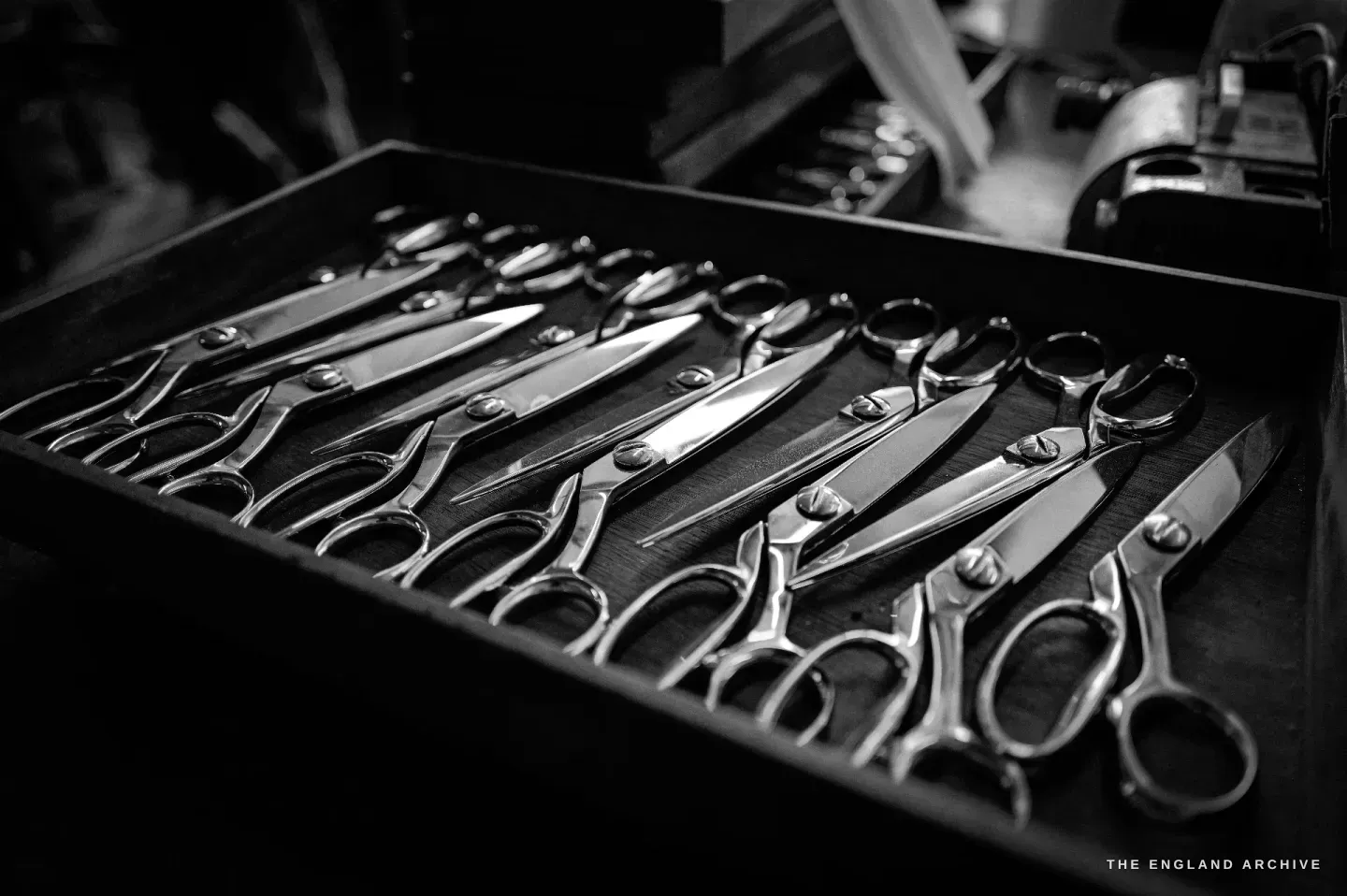
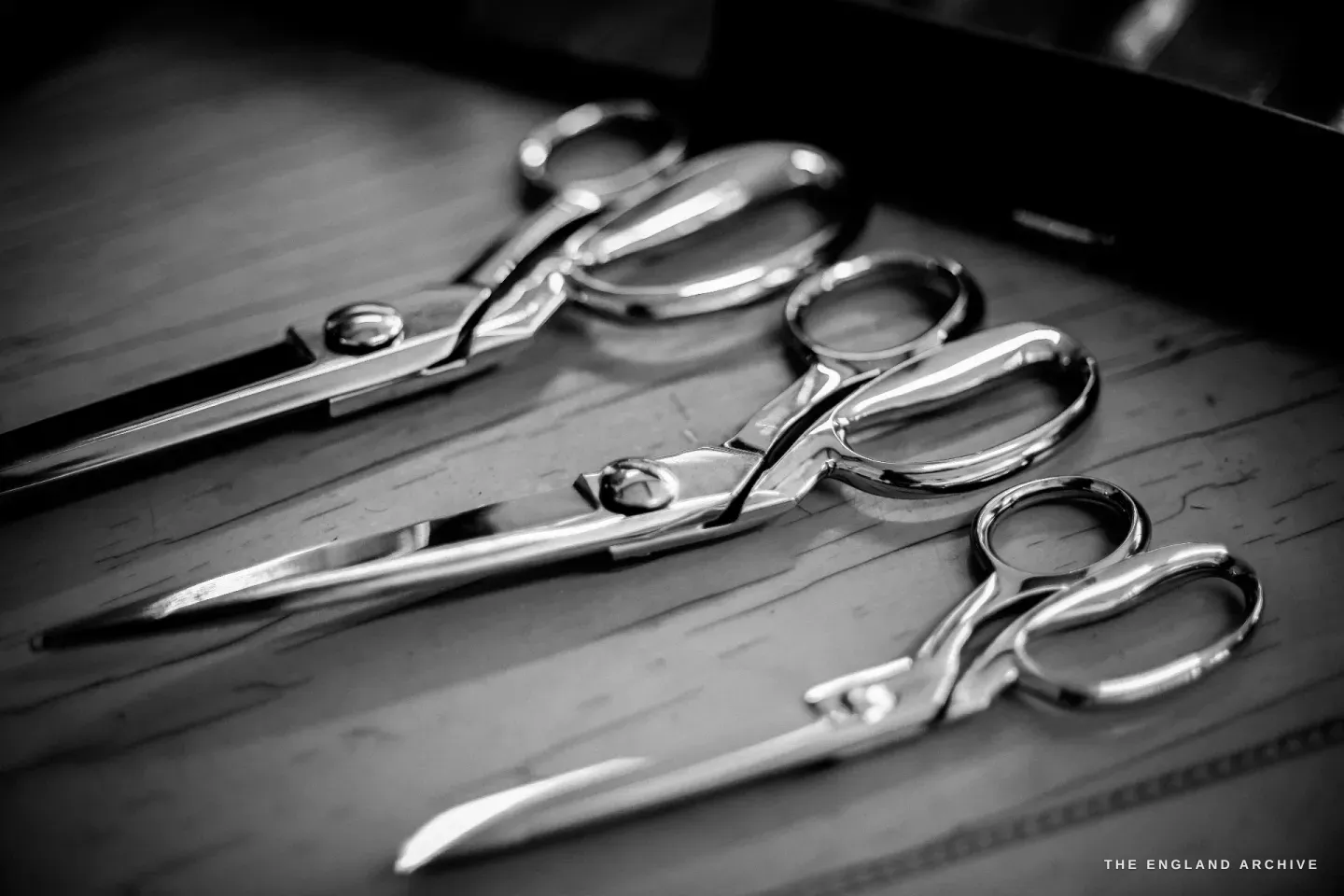
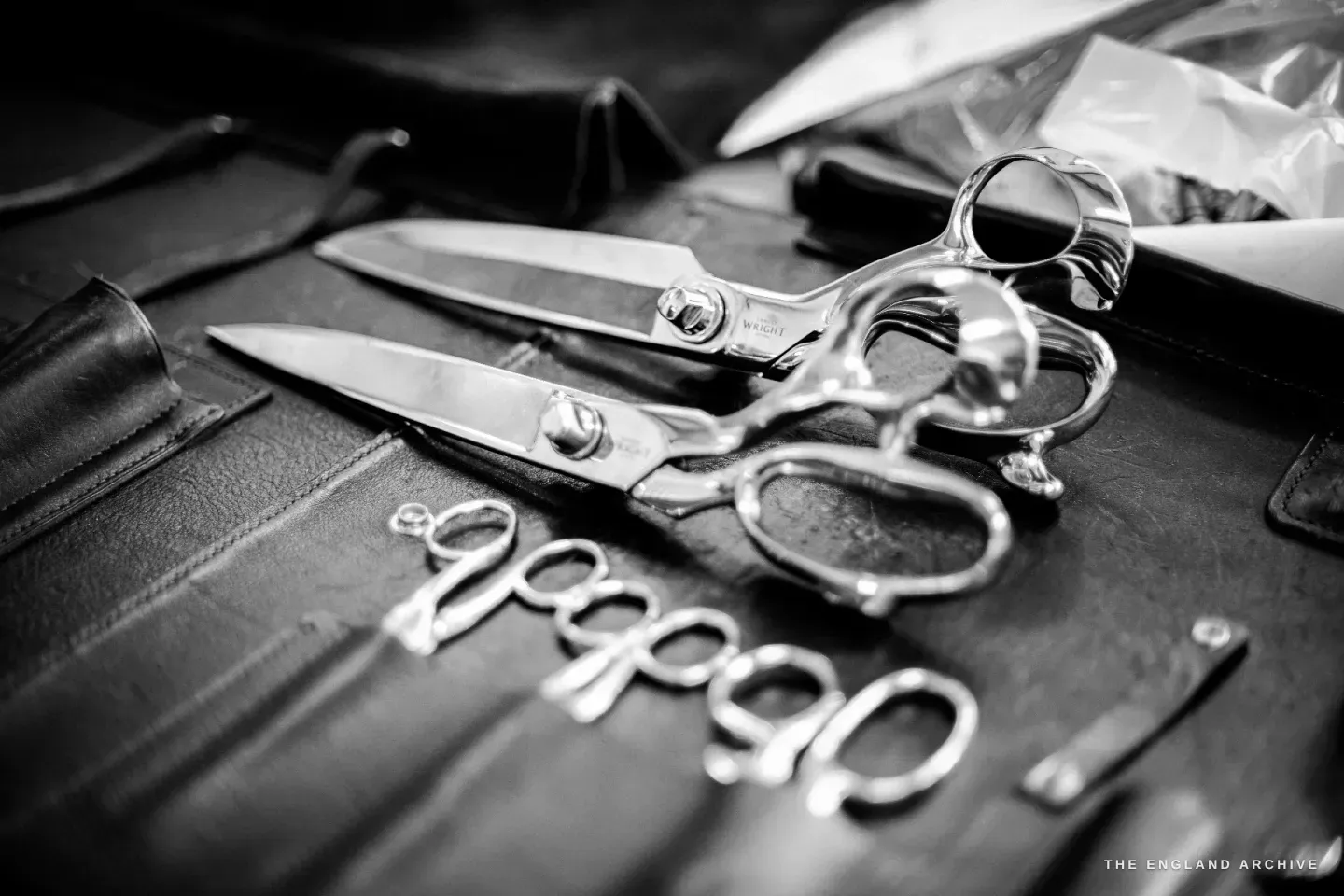
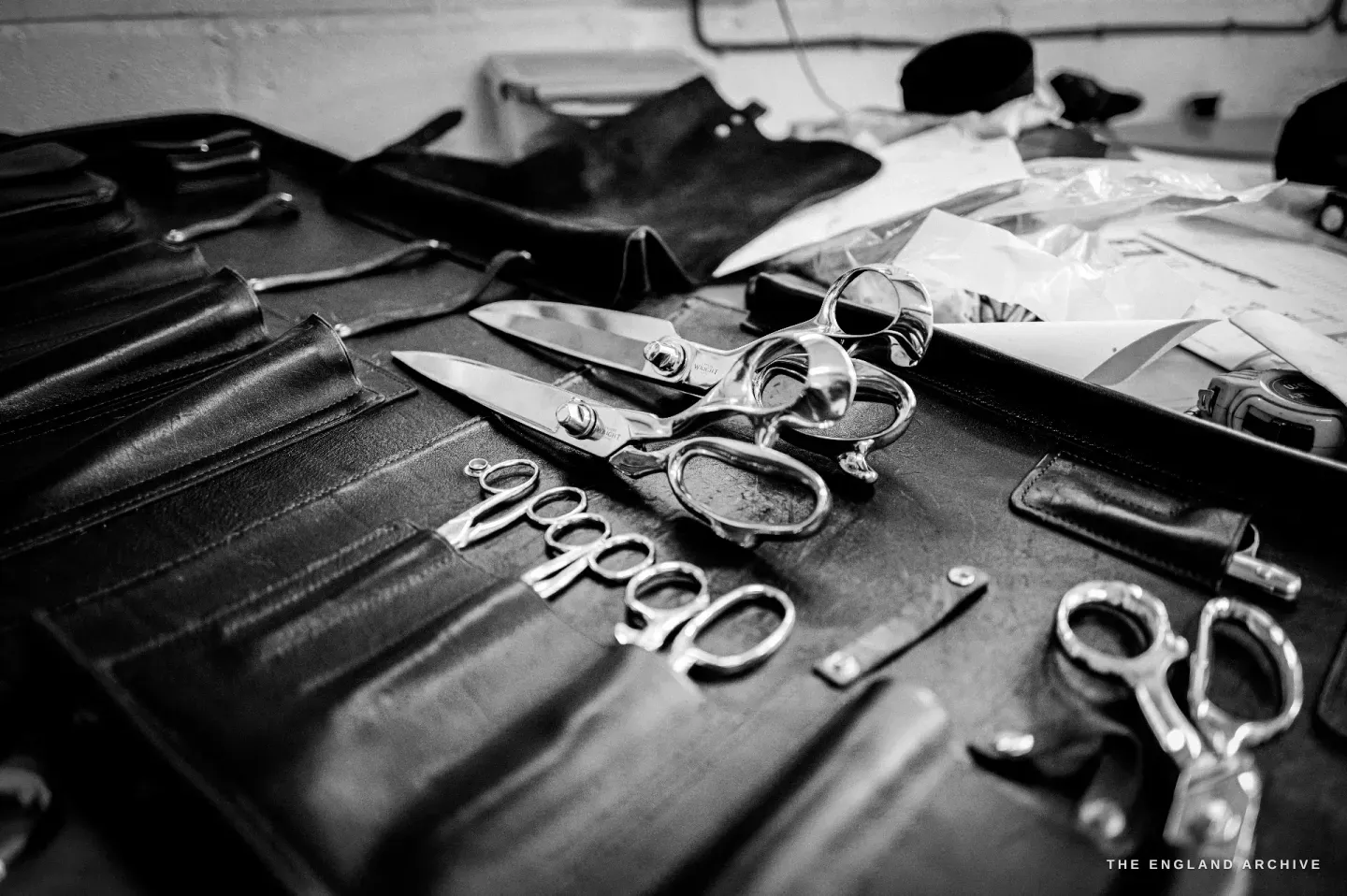
What comes off these benches is a whole range, and one of the pleasures of the morning was being shown it pair by pair, each one held up in a maker's hand. On the office wall a tall glass case sets out the stages a blade passes through on its way to becoming a pair of scissors - the diverse forging stages, a step at a time, from rough blank to finished bow. The finished range itself - the models the workshop sells - travels in a leather case, laid out from the smallest embroidery scissors to the longest tailor's shears, and it reads like a family: the same logic of blade and bow worked out at every scale and for every purpose.
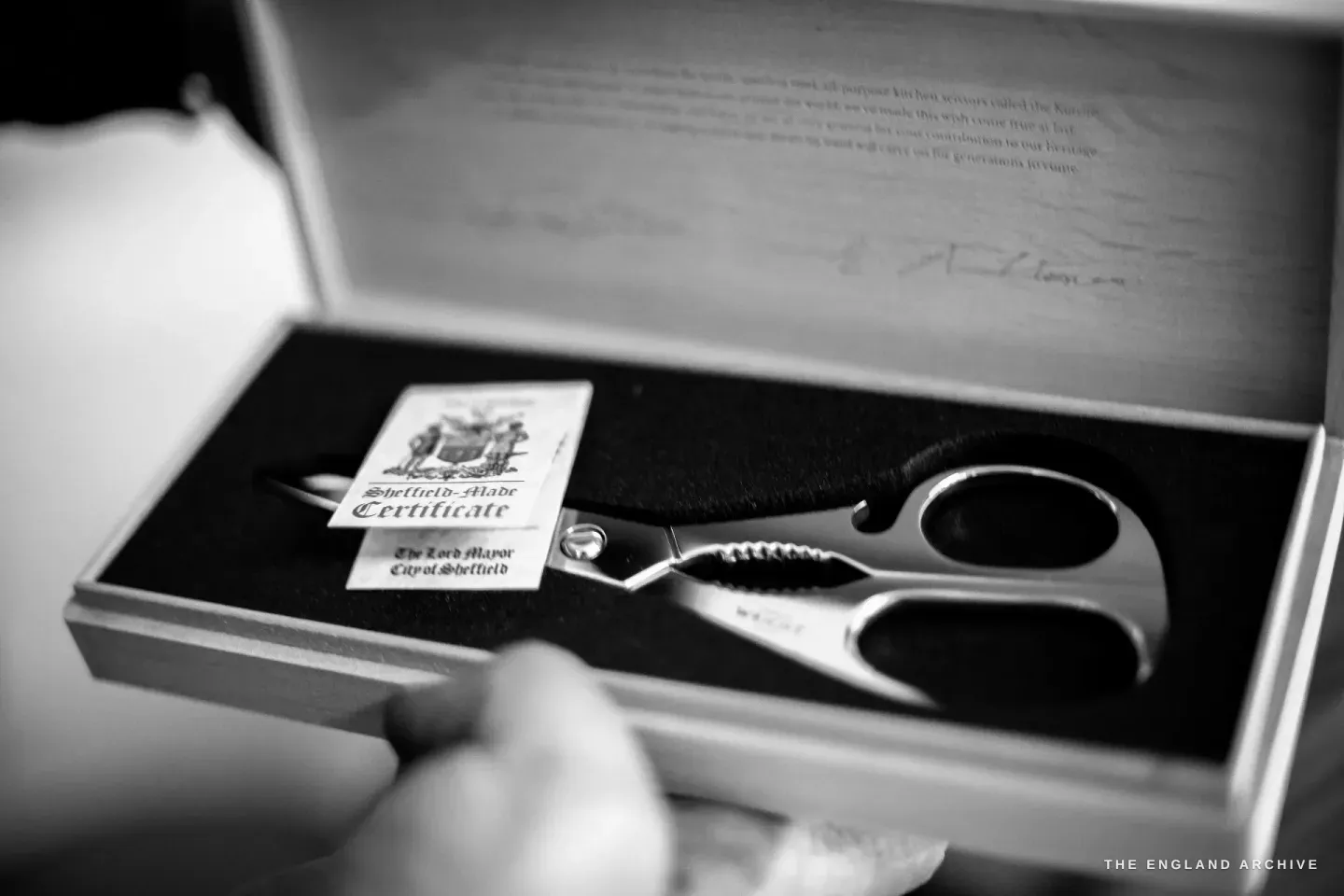
Two of the patterns carry the firm's own history. The Turton, an all-purpose kitchen scissors with a serrated cracker section and a bottle-opener cut into the bow, descends from a design by Frank Turton that came out of Sheffield in the 1920s and has been in kitchens ever since. The Kutrite, the flat kitchen scissors that Philip Wright designed in the early 1960s as a homage to the Turton, is the very pattern whose attempted revival nearly sank the firm in 2016 - and which it still makes today, boxed with a Sheffield-Made certificate. The catalogue is not a museum of dead designs. Every model below is in production, made by hand, on Broad Lane, now.
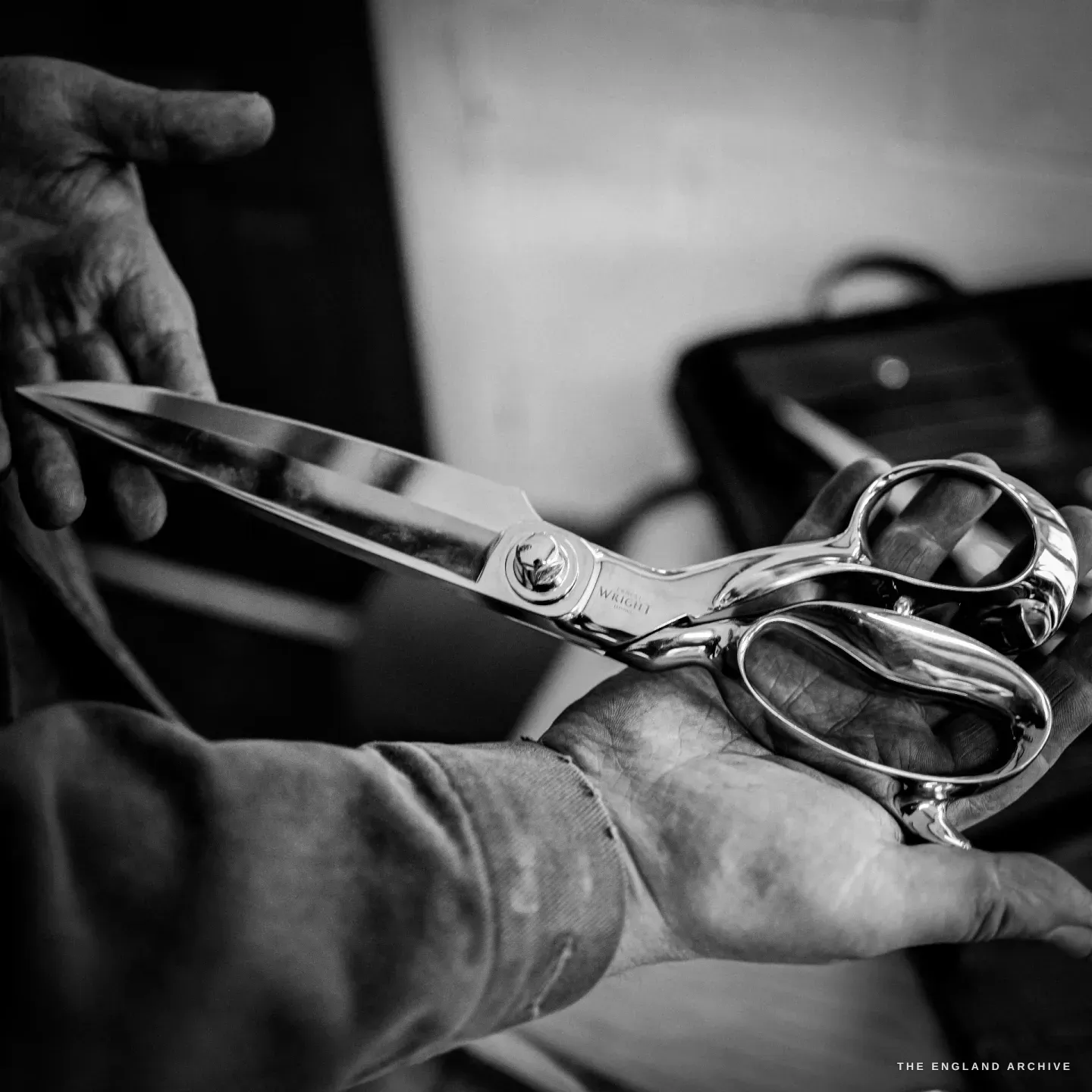
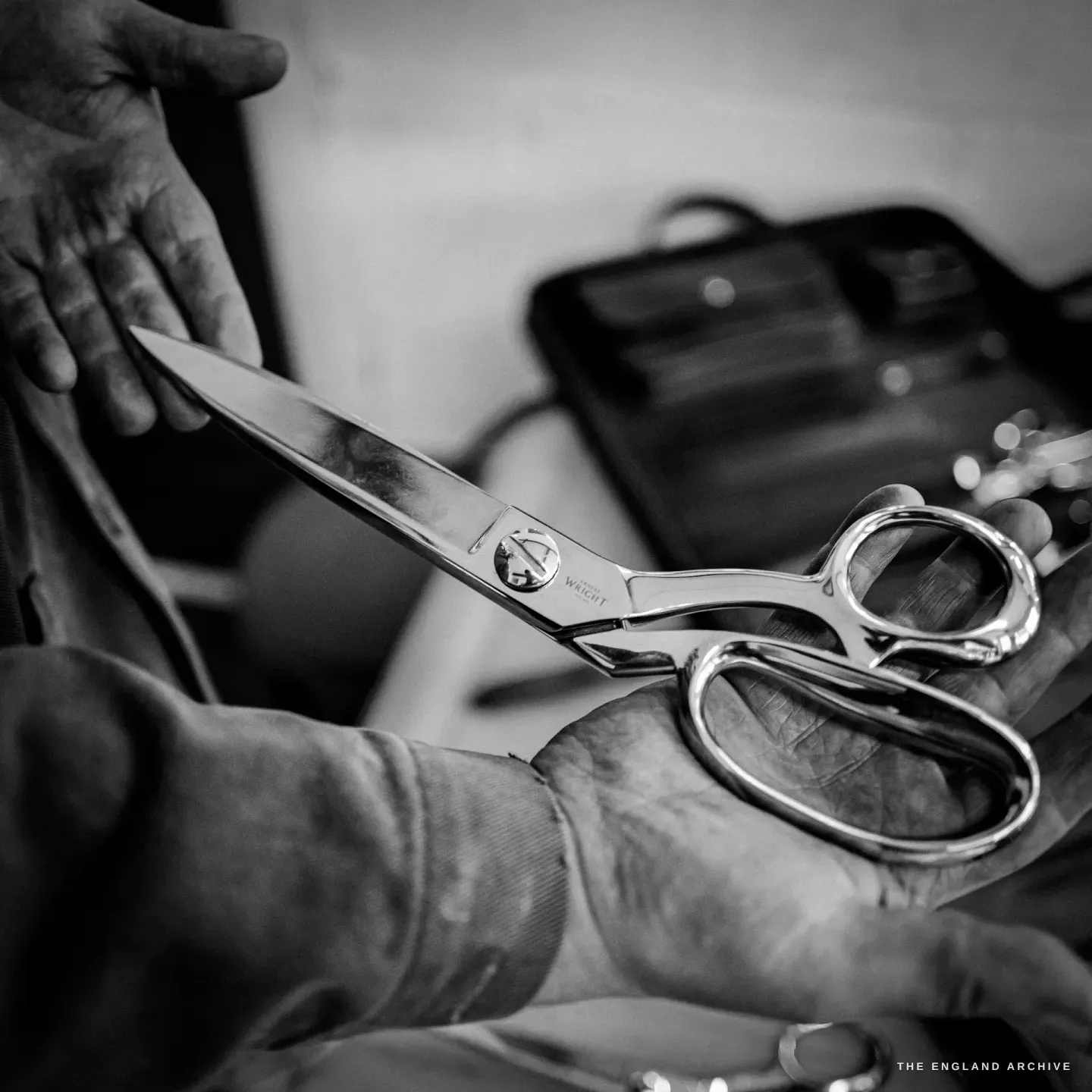
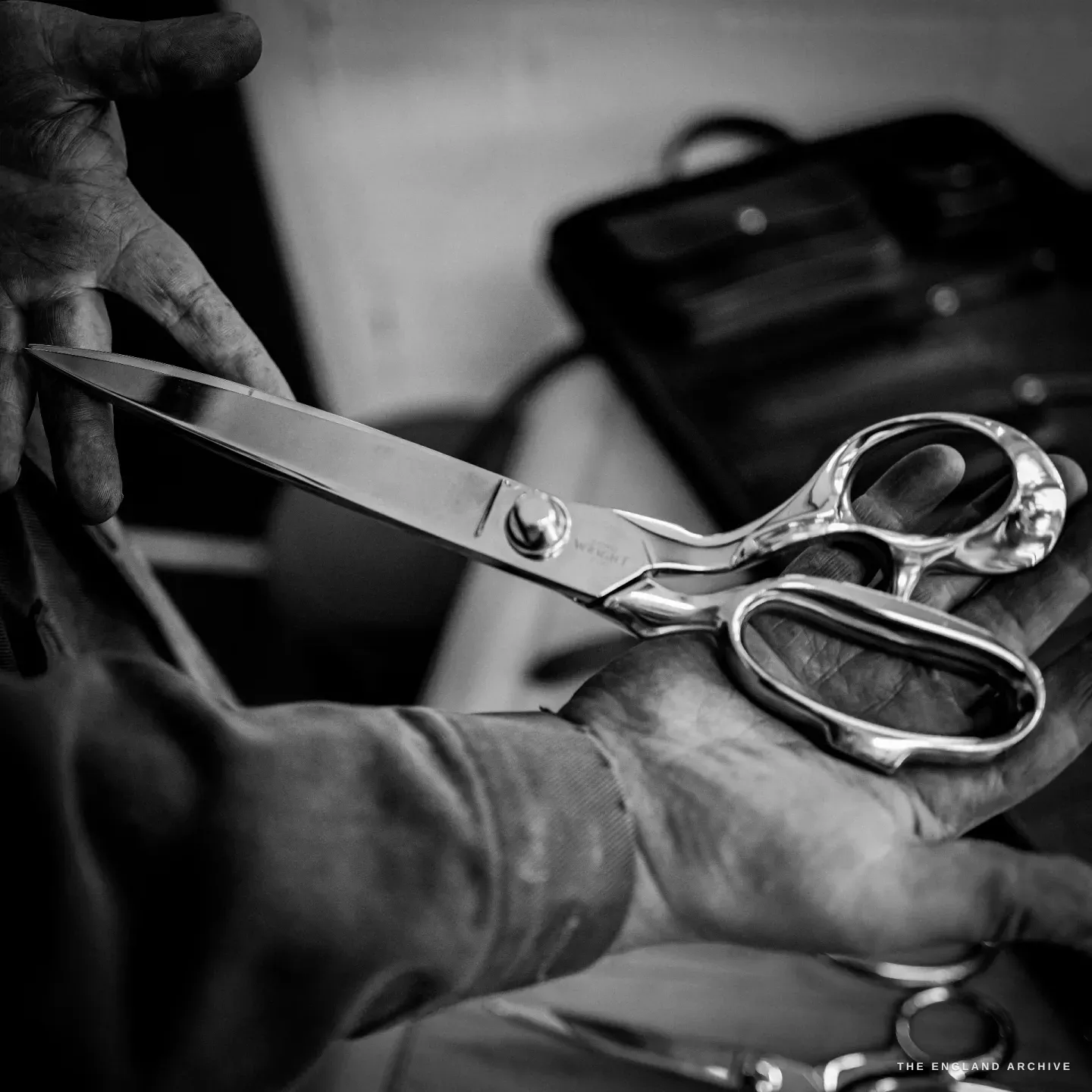
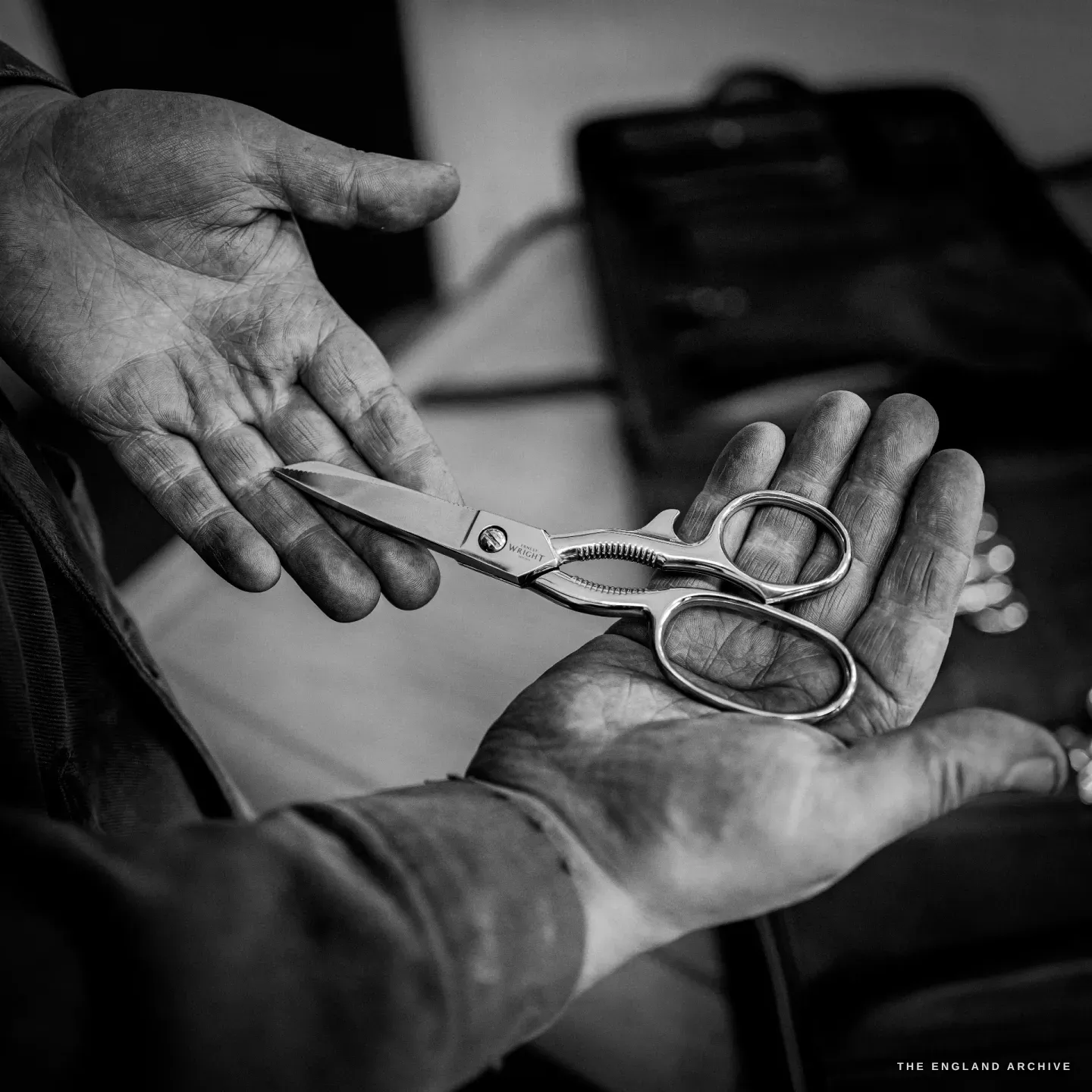
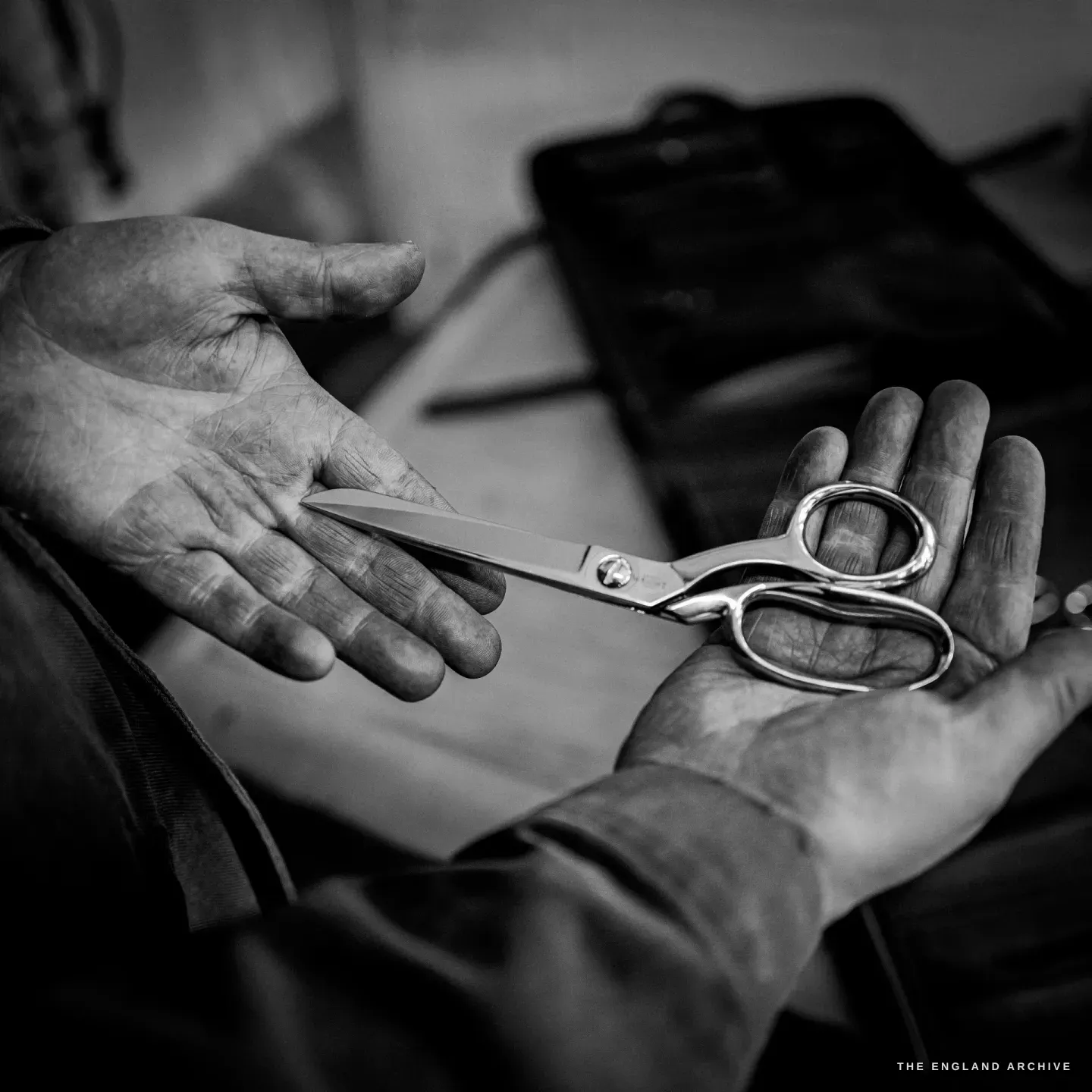
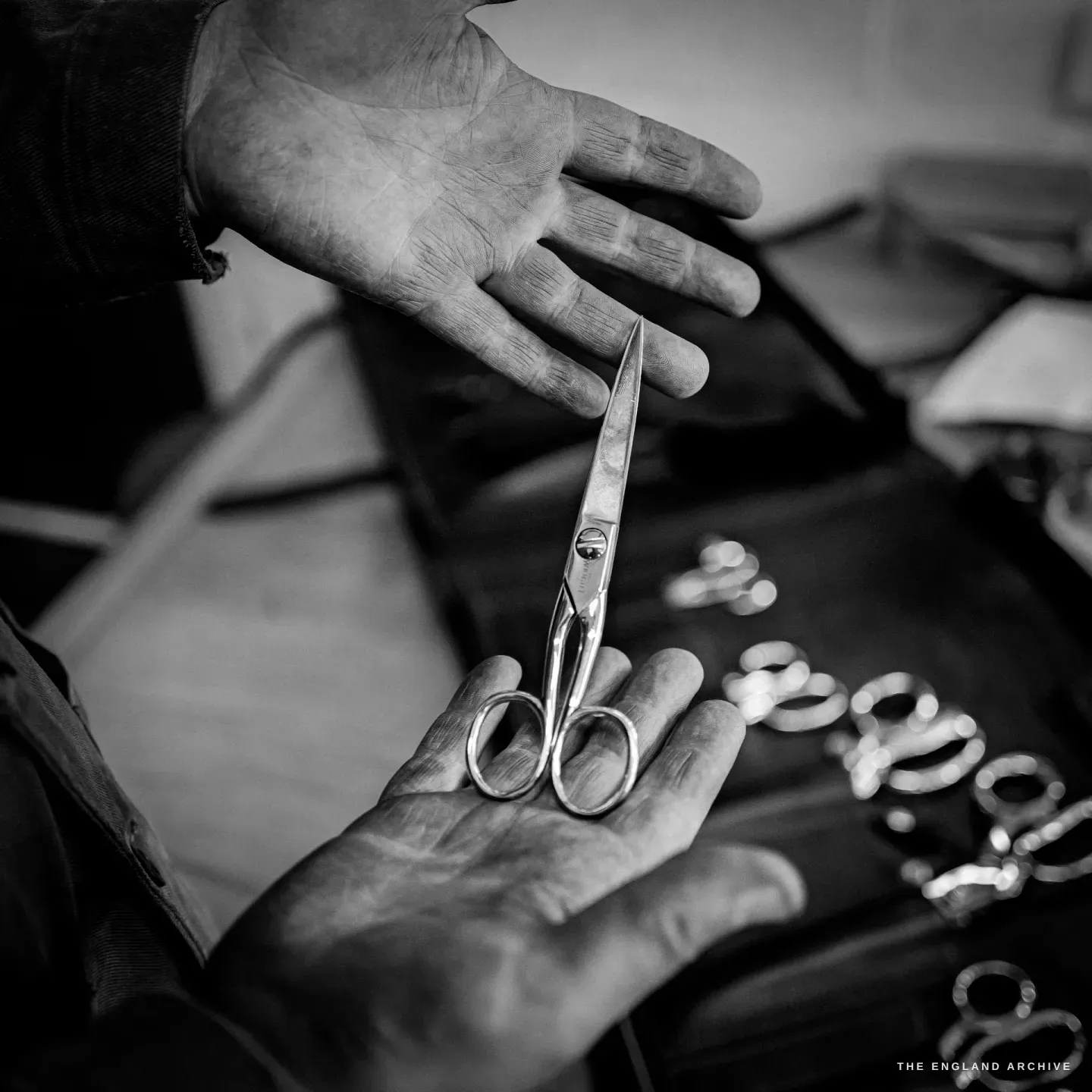
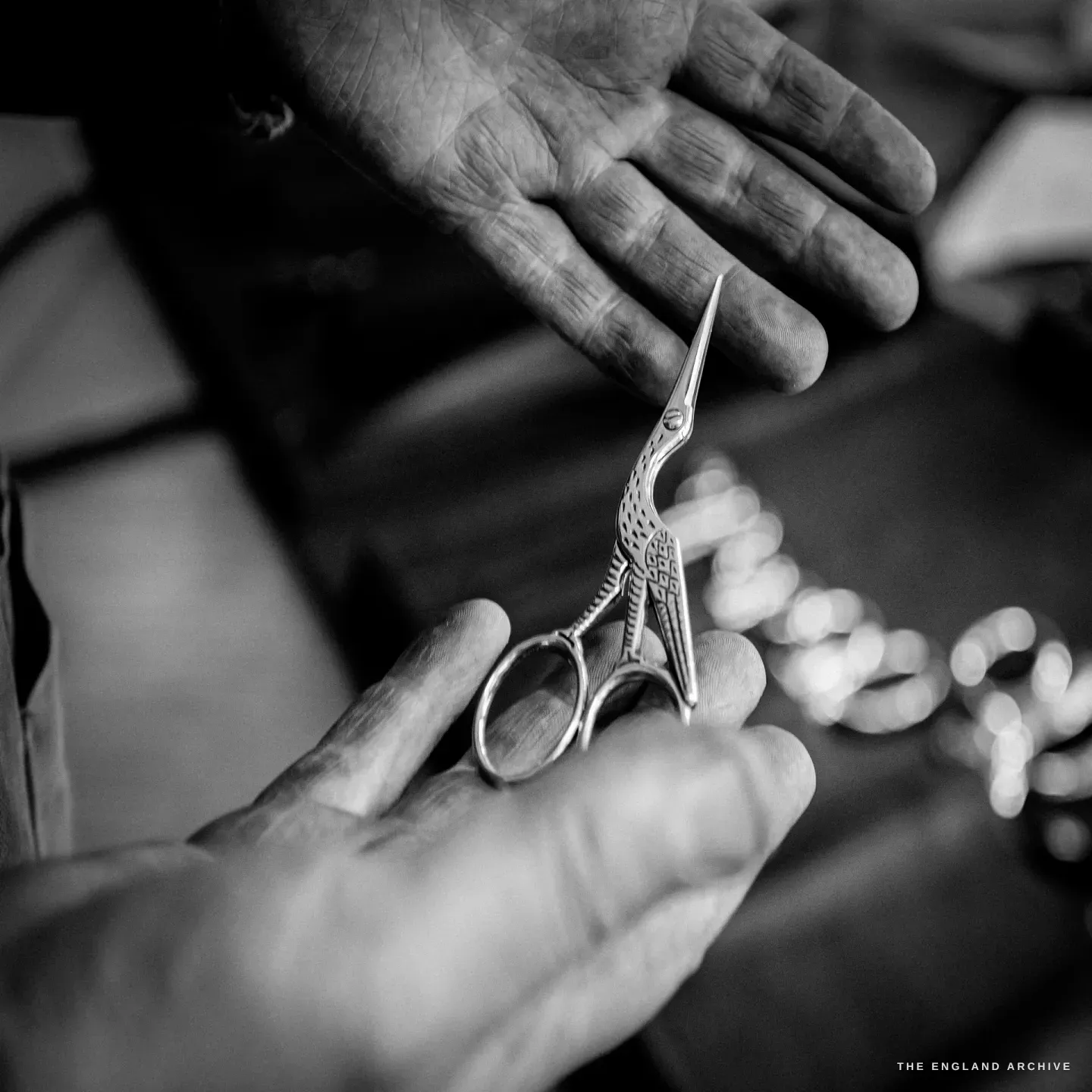
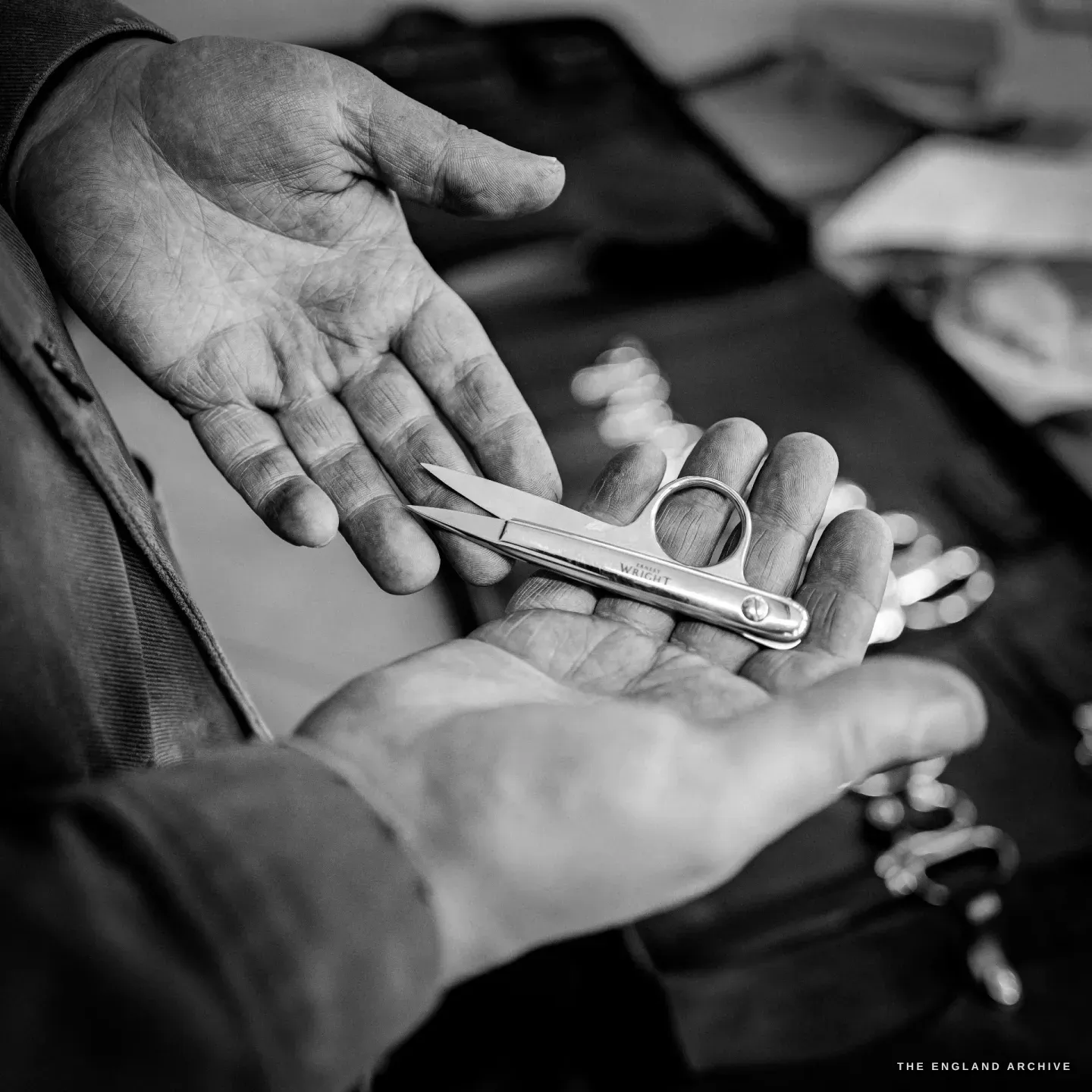
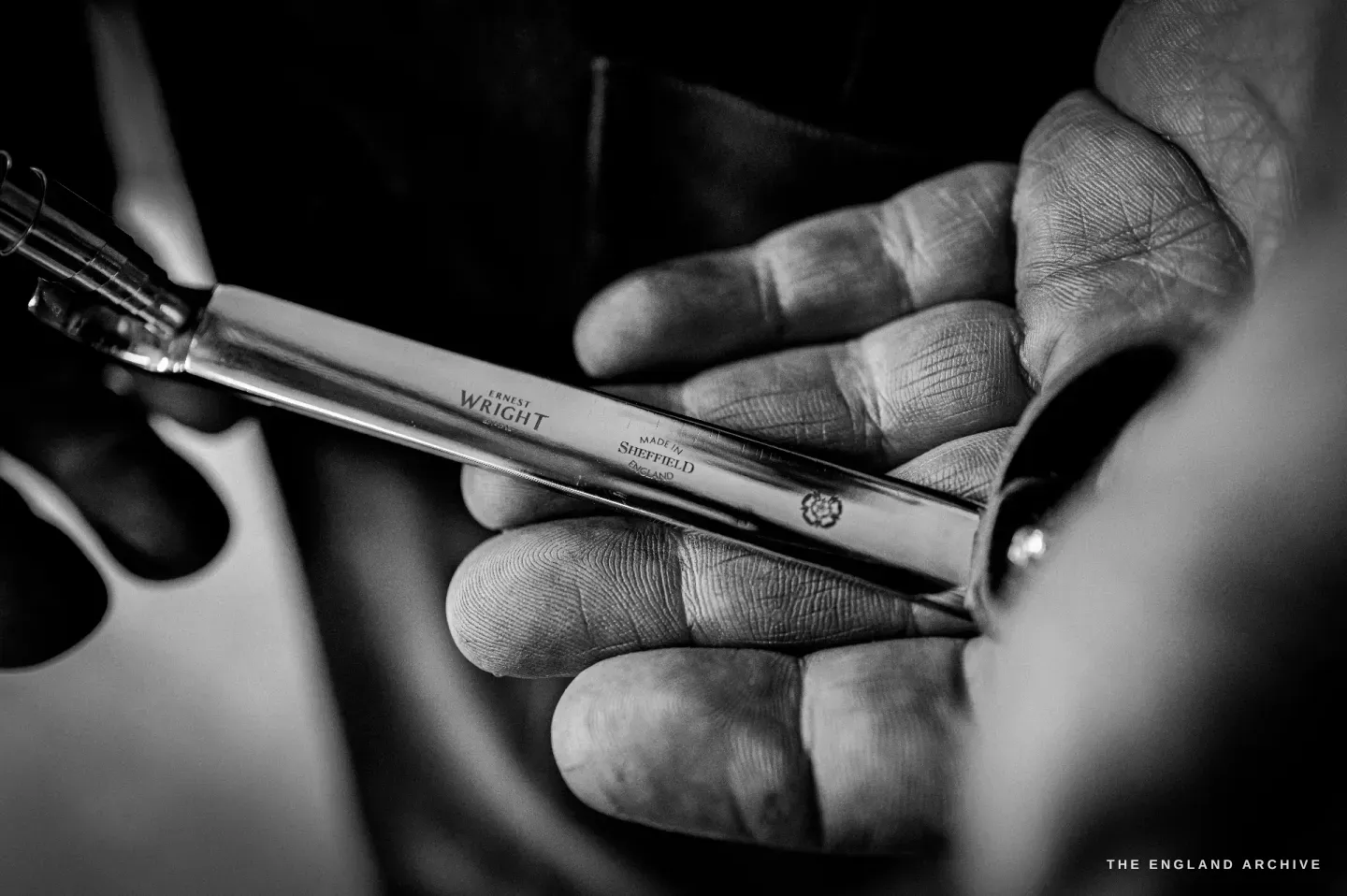
Where a model is unmistakable I have named it; where the exact pattern was not certain I have described it by its use. The stork embroidery scissors are the one nobody forgets - the slim curved blades make the bird's beak, the engraved body its folded wings, a design that has been made in Sheffield and on the Continent for well over a century and serves, still, as a perfectly good pair of small scissors. Beside the WRIGHT name etched into each blade, that range is the firm's argument in physical form: that a thing made by hand, to last, is worth more than a thing made fast, to be replaced.
The man who rebuilt it
It would have been easy for Ernest Wright to end in 2018 as a sad footnote - another Sheffield name lost, the machinery sold off, the skills dispersed. That it did not is largely down to Paul Jacobs. He did not come from Sheffield and he did not come from the trade; he came to it as a customer who could not stand to see the craft disappear, and then he did the unglamorous, sustained work of putting a workshop back together piece by piece - buying the assets, buying the building, finding the machinery, and, most importantly, bringing the people back.
That last part is the real achievement, and it is the one you feel the moment you walk in. A workshop is not its machines; it is its people, and the knowledge those people carry. Paul rehired the master-putters whose hands hold the five-year skill, brought back staff like Pam who hold the firm's memory, and built the conditions in which a new generation could be taken on and taught. The training itself is done at the bench by senior makers like Neil, in the oldest way there is - but it only happens because someone rebuilt the place for it to happen in. The archive has documented that new generation one by one: the putters and the grinders and the polishers who are, between them, the future of the trade. The warmth I kept noticing all morning is not incidental to that work. It is the work. You cannot nurture craftsmen in a cold room.
Paul's own story - how a customer from the Netherlands came to own one of the last scissor firms in England, and what it cost him to do it - deserves its own page, and will have one. Here it is enough to say that the iconic, postcard-quiet building I sat in front of is a thing he made, deliberately, out of something that had stopped.
The last in the city centre
Scissor making is on the Heritage Crafts Red List as a critically endangered craft. The phrase is bureaucratic and the reality is not: it means that the number of people who can do this work to this standard is small enough that the skill could be lost inside a generation. Sheffield went from over a hundred scissor firms to, in the centre of the city, one. Ernest Wright is that one. Everything that is made on Broad Lane is made against that fact.
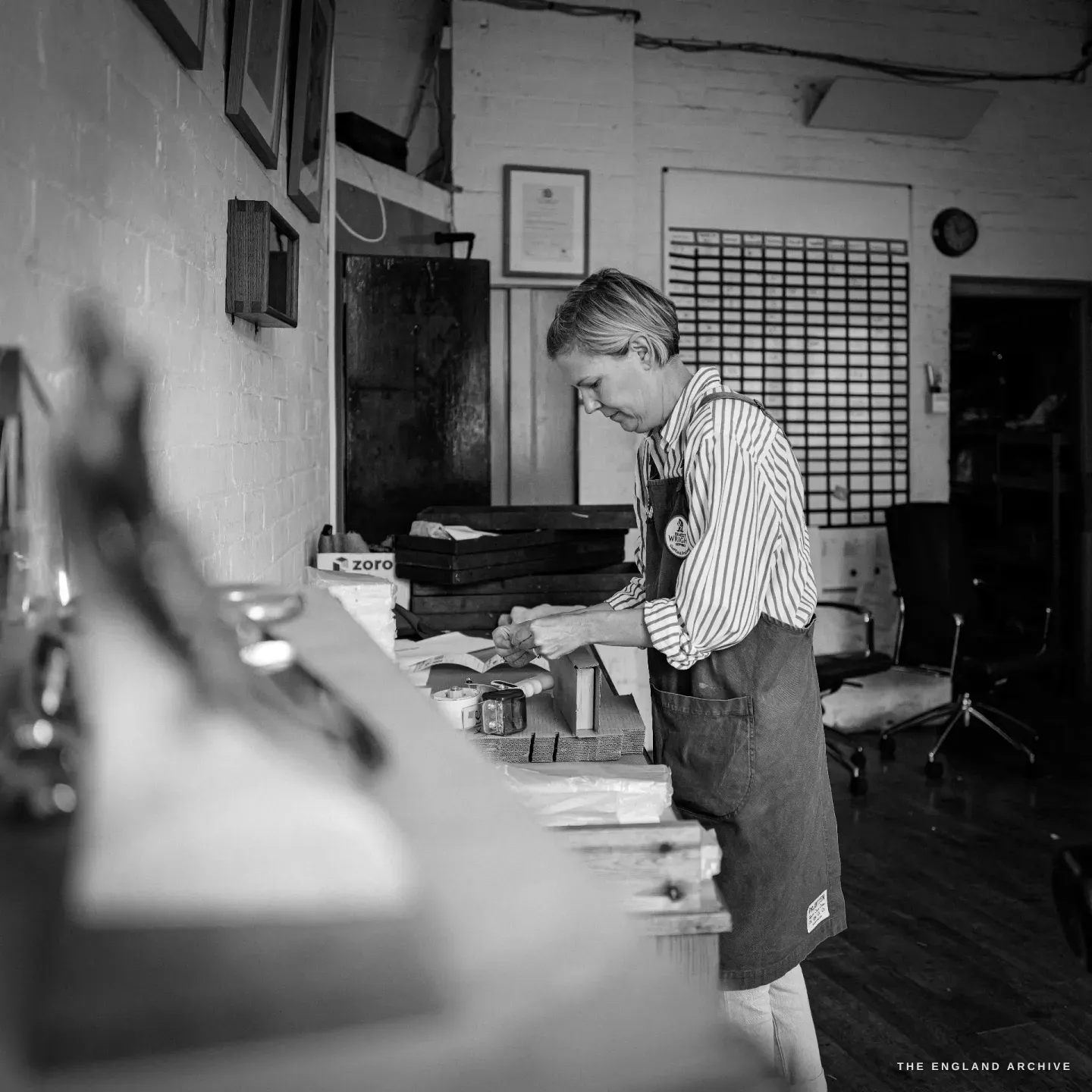
What lifts the place above mere survival is that it is plainly not just hanging on. It is busy, it is light, it is full of people who wave at strangers and keep a Darth Vader on the tool chest, and it is taking on and training the next generation rather than running down the last of the old one. A craft on the Red List survives one new pair of hands at a time, and this is one of the few workshops in the country actually adding them. That is why Ernest Wright is the archive's flagship documentation in Sheffield. The work is among the finest of its kind in England, and the place is a working answer to the question the whole Red List poses: can an endangered craft be carried forward, in good heart, by people who chose it? On the evidence of one morning, the answer here is yes.
I am, for what it is worth, proud that this is a Sheffield story. The city made the tools that the world cut with, and it very nearly stopped. That it has not entirely stopped - that there is still a red door on Broad Lane with a bell beside it, and behind it a room full of light and grinding and finished steel - is something worth recording in full. This essay is that record.
Sources and notes
The morning itself - the arrival, the welcome, the tour of the floor and the side rooms and the rumbler, and the run of a finished pair - is first-hand documentation from the archive's visit to Ernest Wright in June 2026. The portraits and working records of the individual makers are held on their own pages: Neil Wilson (MK-0023), Sam Aston-Clark (MK-0024), Jonathan Reid (MK-0025) Evan James (MK-0026), the polisher Sabino Henda (MK-0029), and the grinder-finisher James Morton (MK-0027), with the firm's owner Paul Jacobs to follow as his page is published.
The firm's history is drawn from published accounts and corroborated across them: the founding in 1902 and the five Wright generations; the new Kutrite Works of 1963; the 2014 film The Putter, directed by Shaun Bloodworth, and the surge of orders that followed it; the 2016 Kutrite Kickstarter and the production troubles that overtook it; the 2018 receivership following the death of the owner Nick Wright; and the rescue of the firm, weeks later, by two Kickstarter backers, Paul Jacobs and Jan-Bart Fanoy, who bought the assets, re-formed the firm as Ernest Wright Ltd, rehired the master-putters, brought back long-serving staff, and subsequently bought and renovated the Kutrite Works on Broad Lane. Standard sources for this account include the Ernest Wright company history, the Sheffield Star's reporting on the closure and relaunch, the firm's Wikipedia entry, and the contemporaneous coverage collected on kottke.org. The Turton pattern is attributed to Frank Turton and dates from the 1920s; the Kutrite pattern was designed by Philip Wright in the early 1960s.
The model names in the catalogue grid are given where the pattern is unmistakable and described by use where it is not; any correction from the workshop will be incorporated. Scissor making's status as a critically endangered craft is per the Heritage Crafts Red List of Endangered Crafts.