Makers
Stephen Wright
Silverware Maker · William Wright
Sheffield, South Yorkshire
Silverware Maker · William Wright
Sheffield, South Yorkshire
Fifty years in, from sixteen to sixty-five, and he can still do every job in the building - and would teach you each one tomorrow.
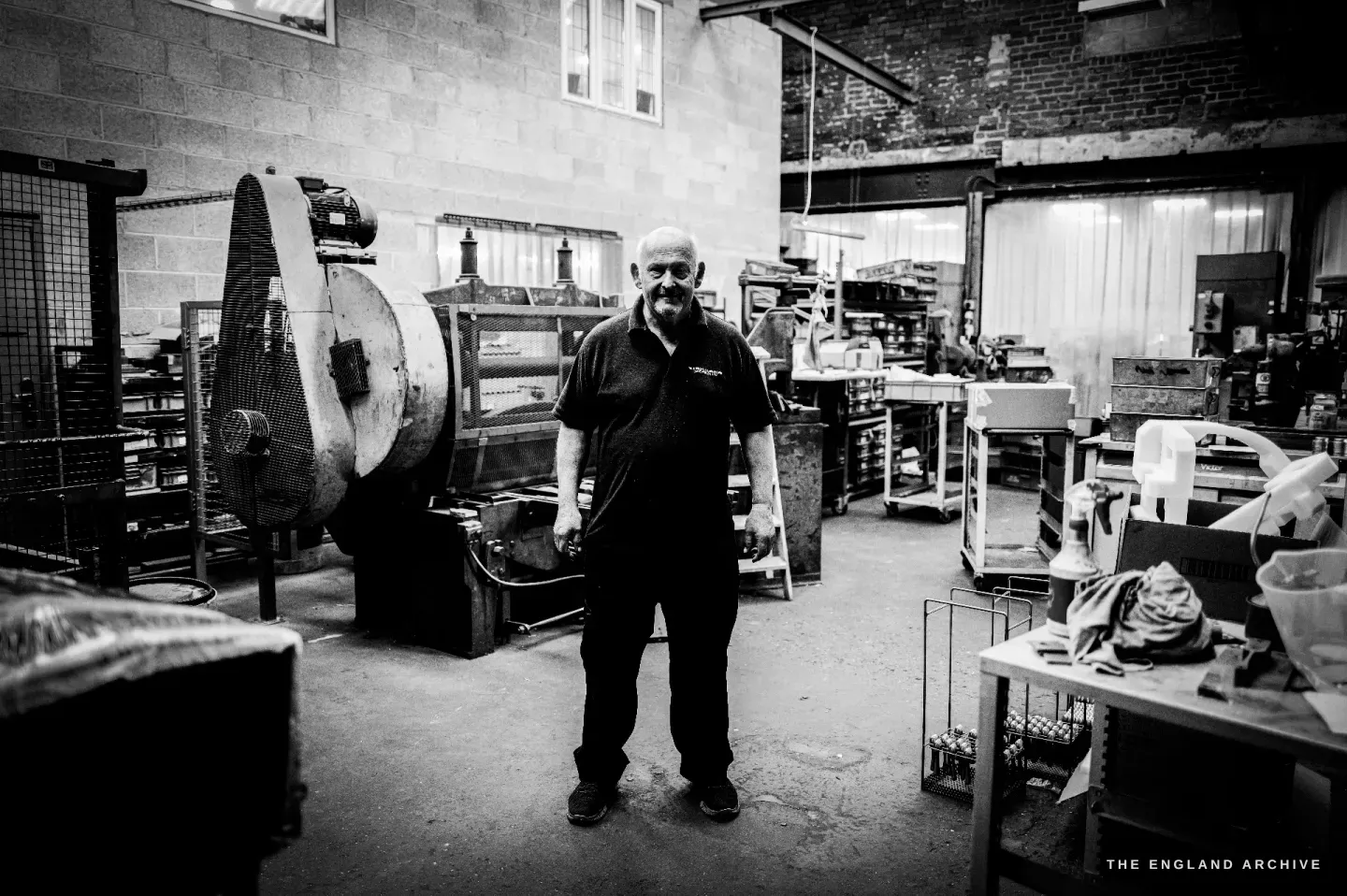
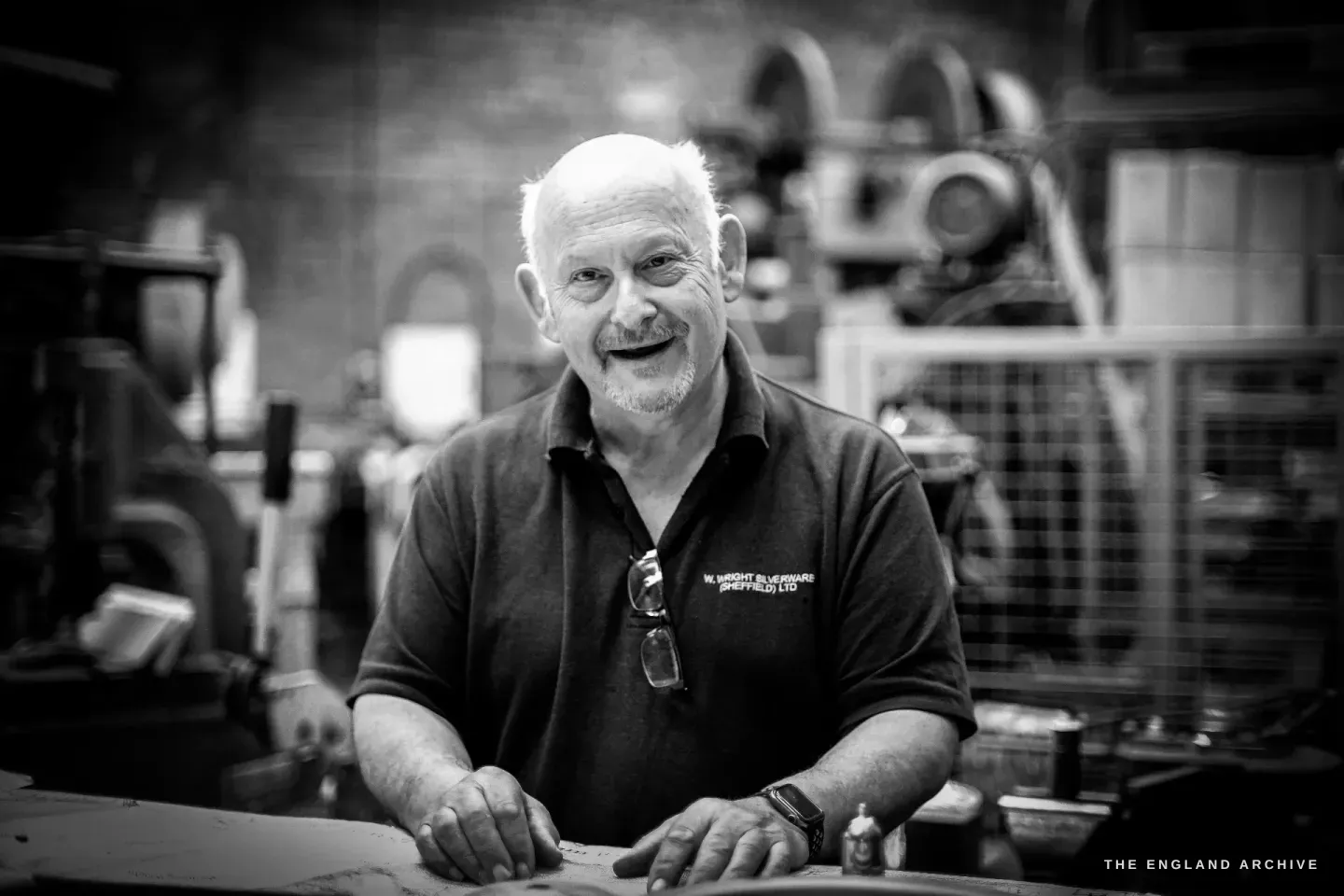
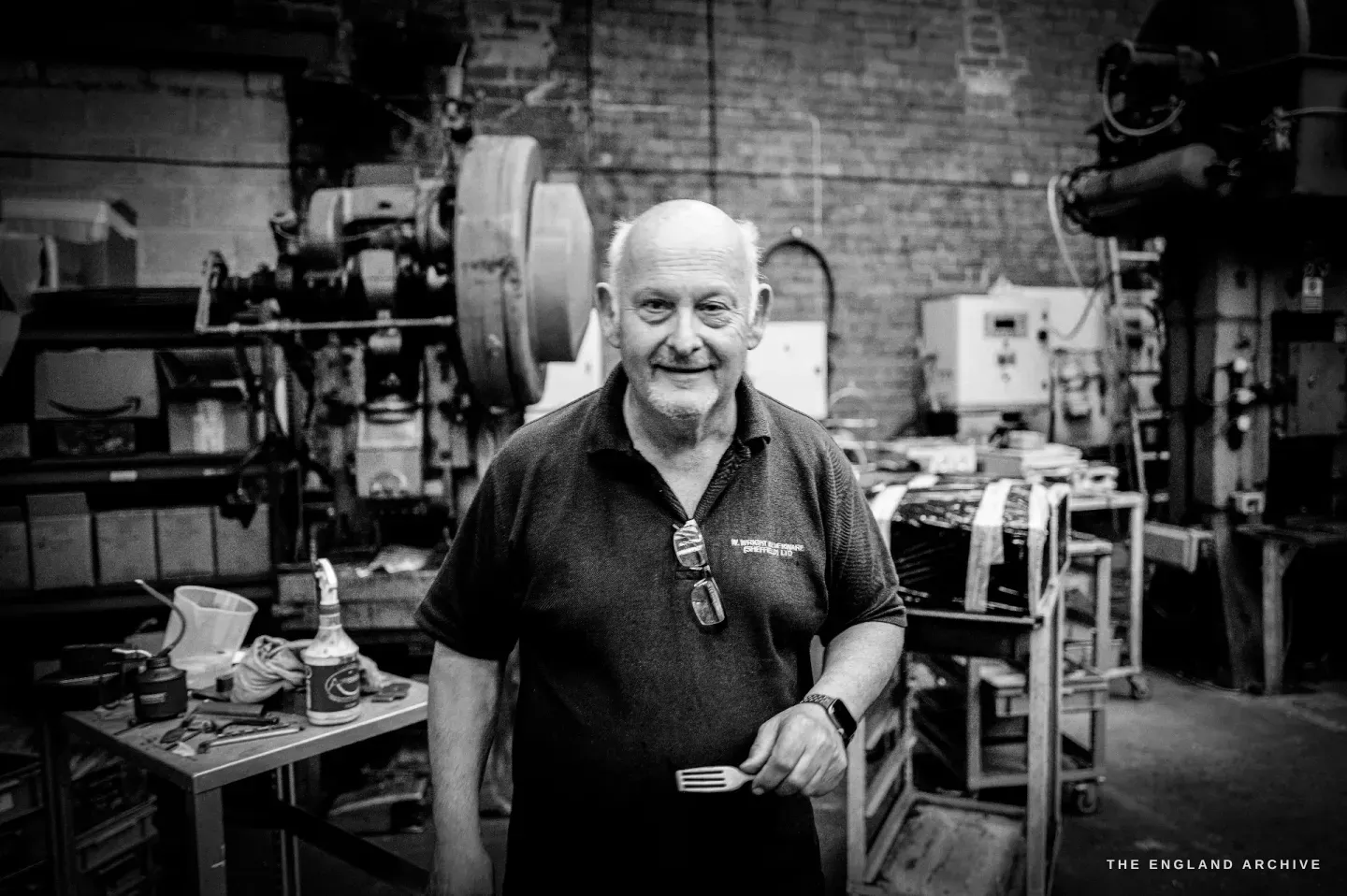
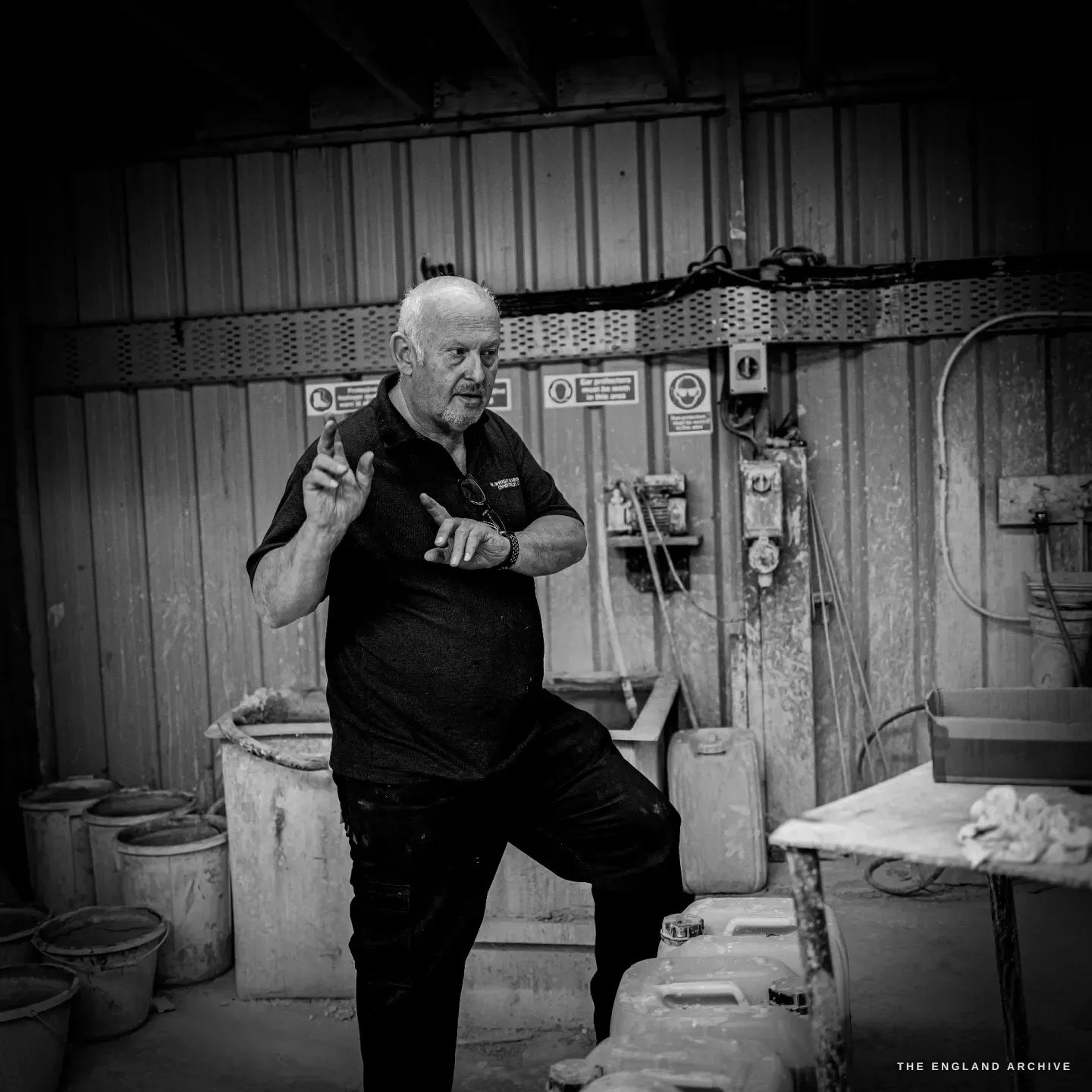
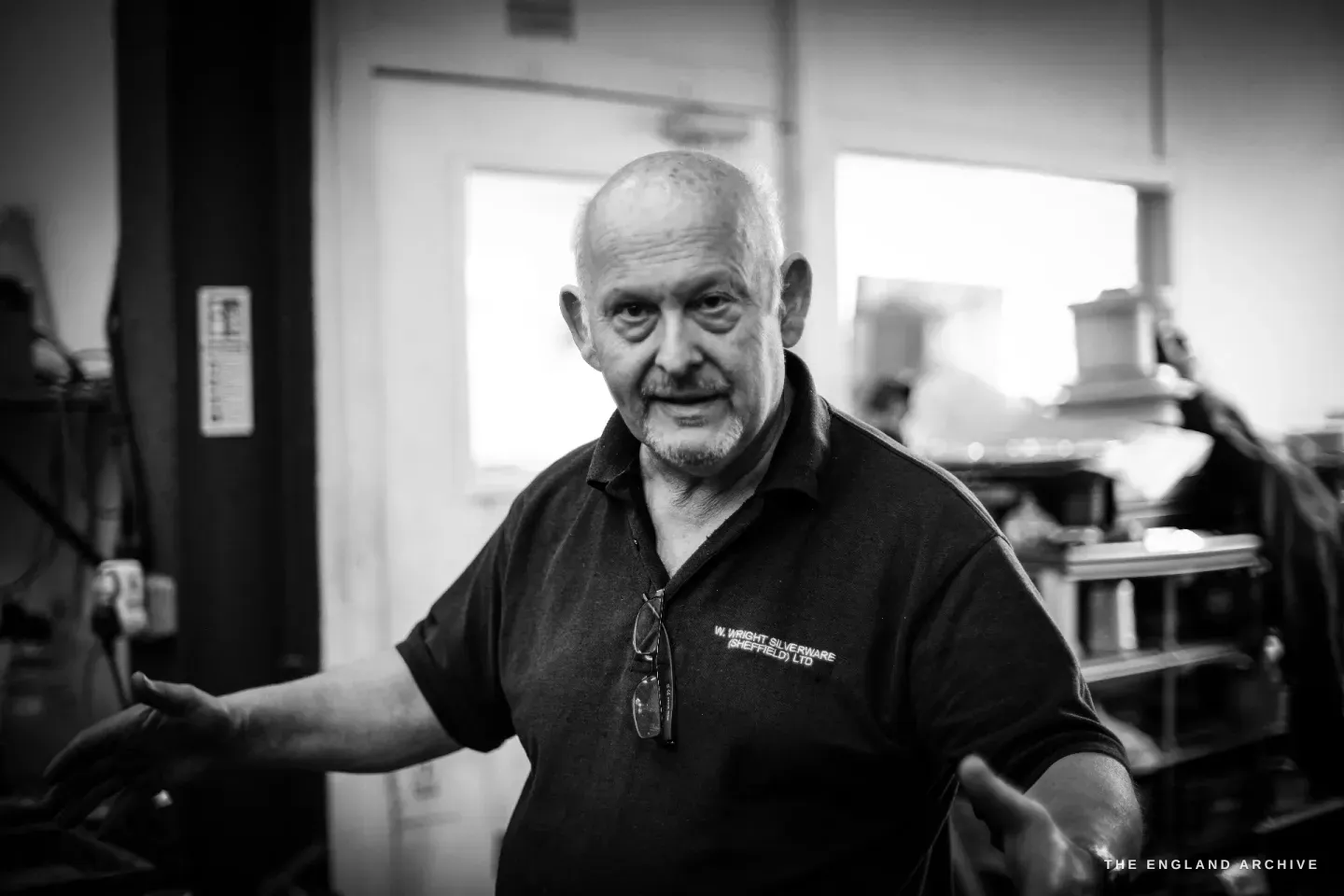
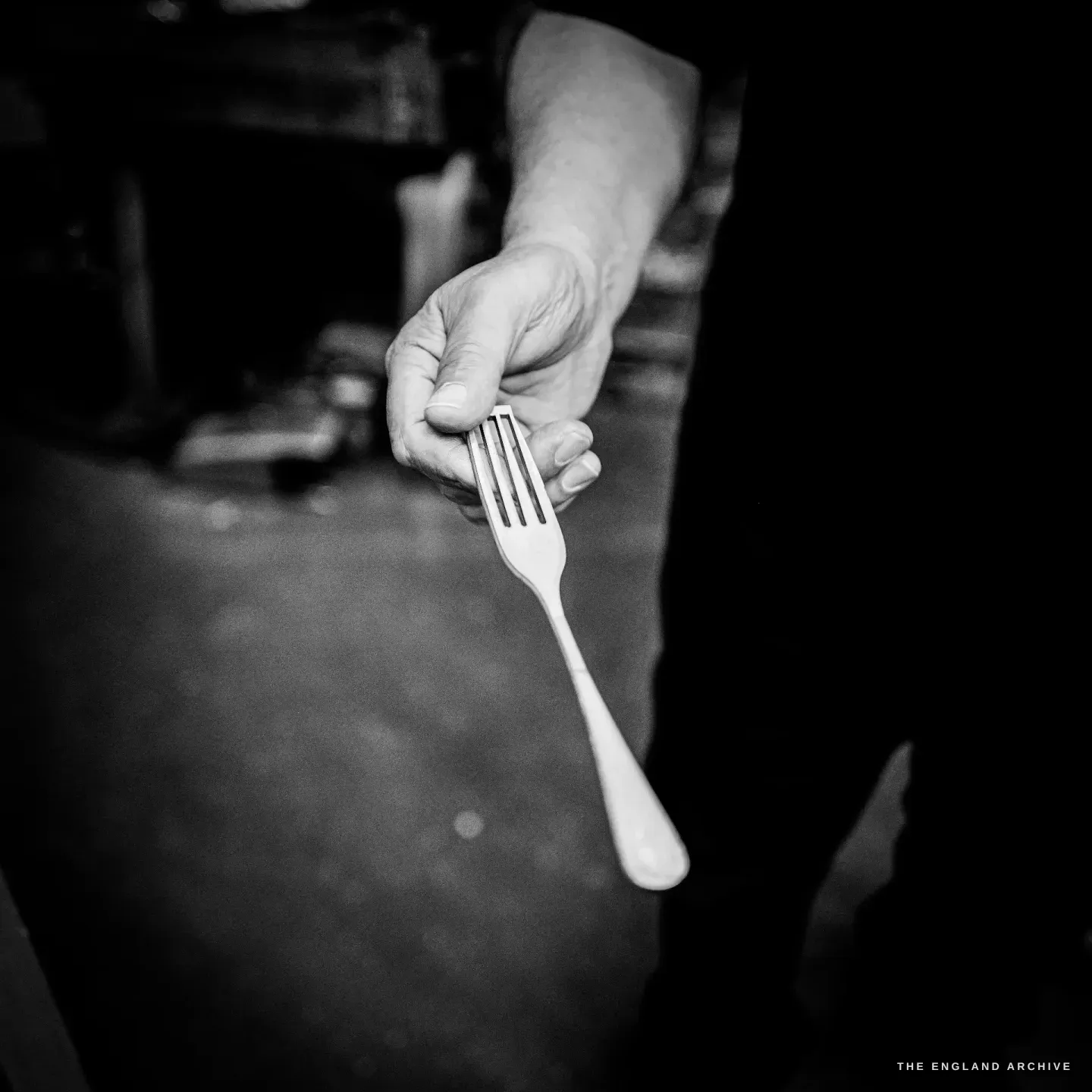
Stephen Wright started in this trade at sixteen. He is sixty-five now, which makes it fifty years, almost all of them in the same firm - the one that carries his father’s name. He met me at the door, spelled his name out (Stephen, with a p-h), and was showing me how a fork is made before I had my coat off. From there he barely stopped. He moves through the works at a pace that left me, camera up, permanently half a step behind, and he talks as fast as he walks, the affection for the place coming off him in waves.
What makes him rare is range. A Sheffield firm has always split its work between specialists - one hand rolls, another presses, another plates, another polishes, another builds the holloware - and most people give a working life to becoming very good at one of those. Stephen can do all of them. Fifty years carried him through every stage of the business, and he moves between the rolling mill, the press, the plating room and the polishing spindle like a man who has never been a stranger to any of them. He has people he leans on for particular jobs, and says so plainly. But there is nothing on that floor he cannot do himself, and that is a thing you can say of fewer and fewer people anywhere.
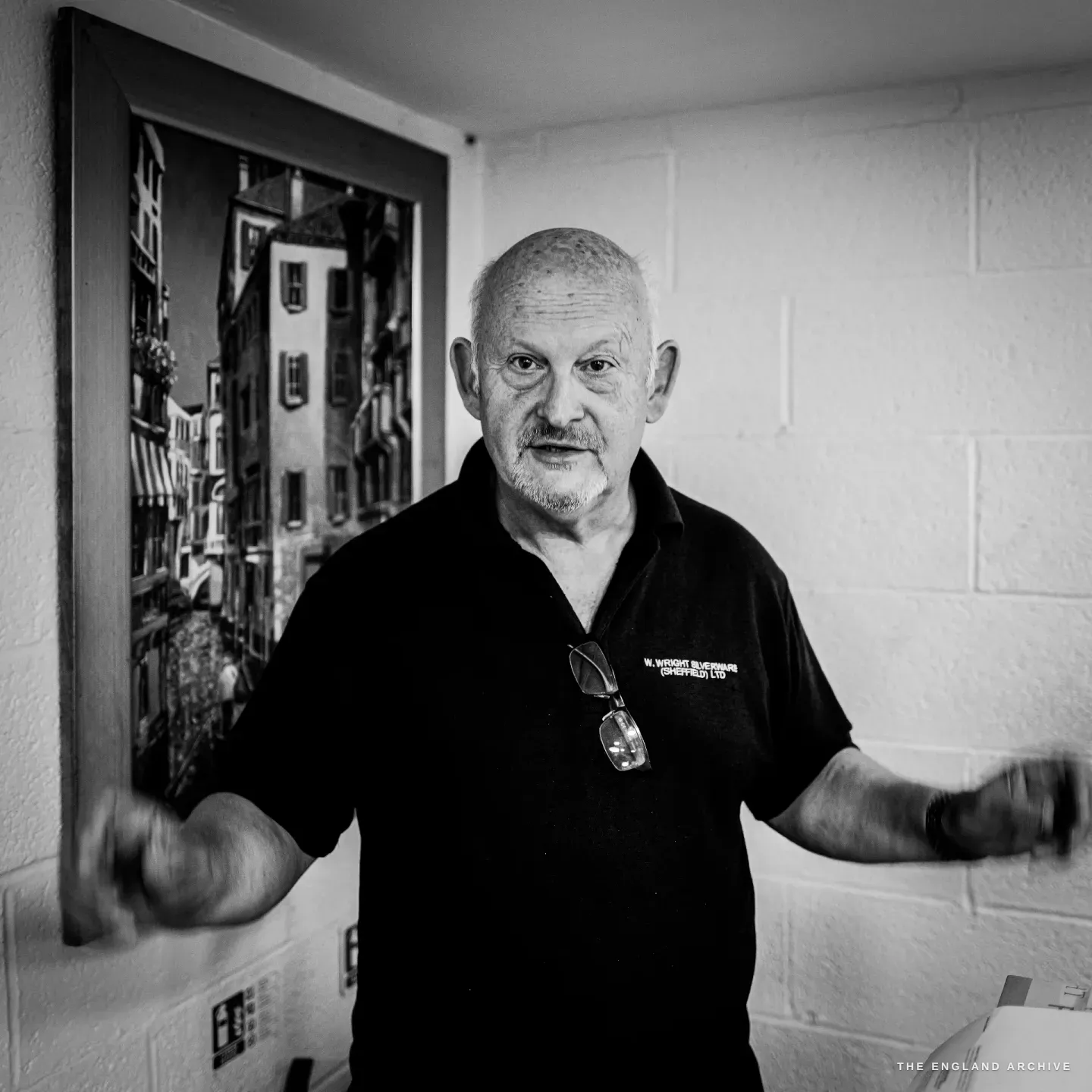
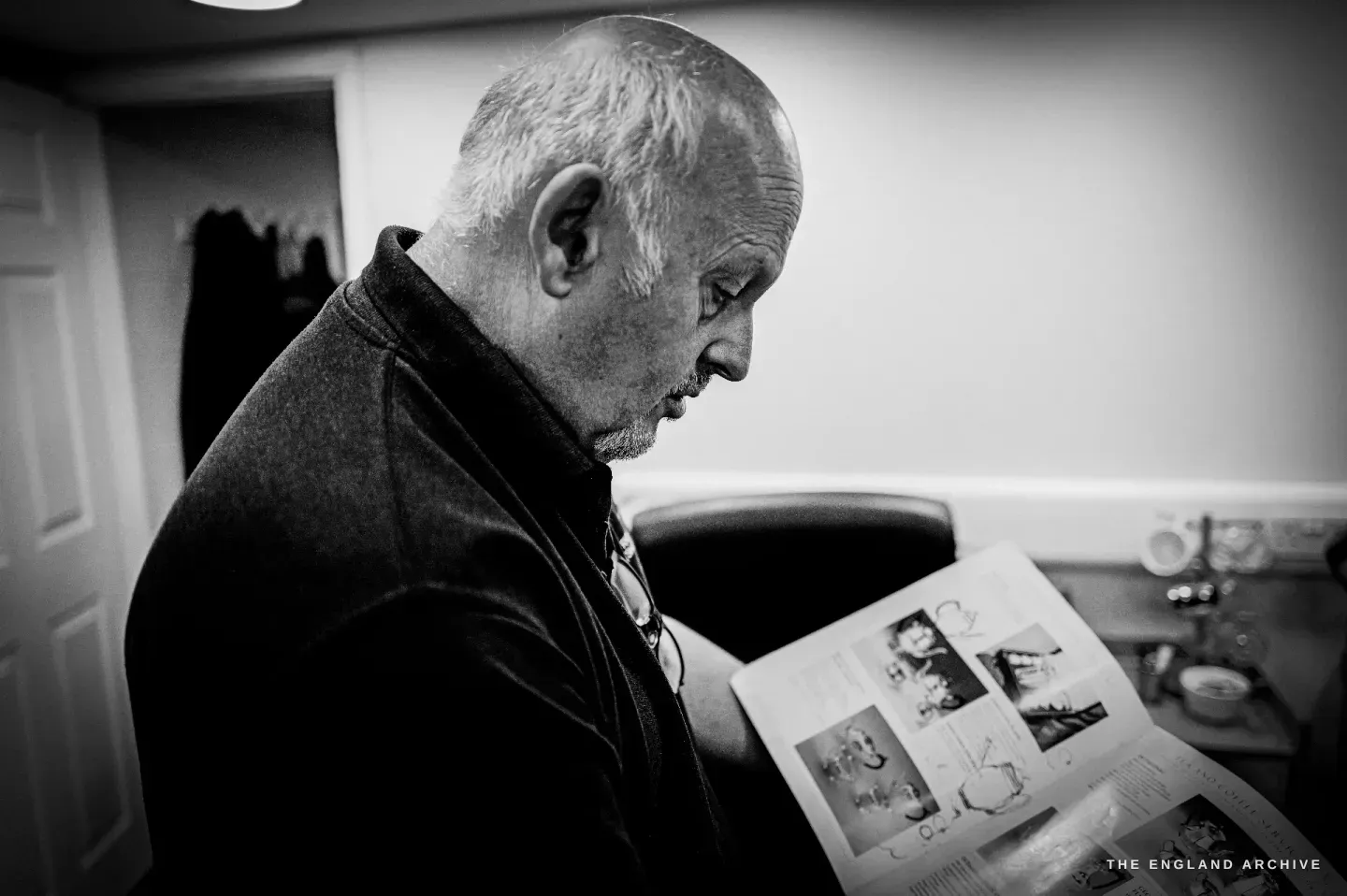
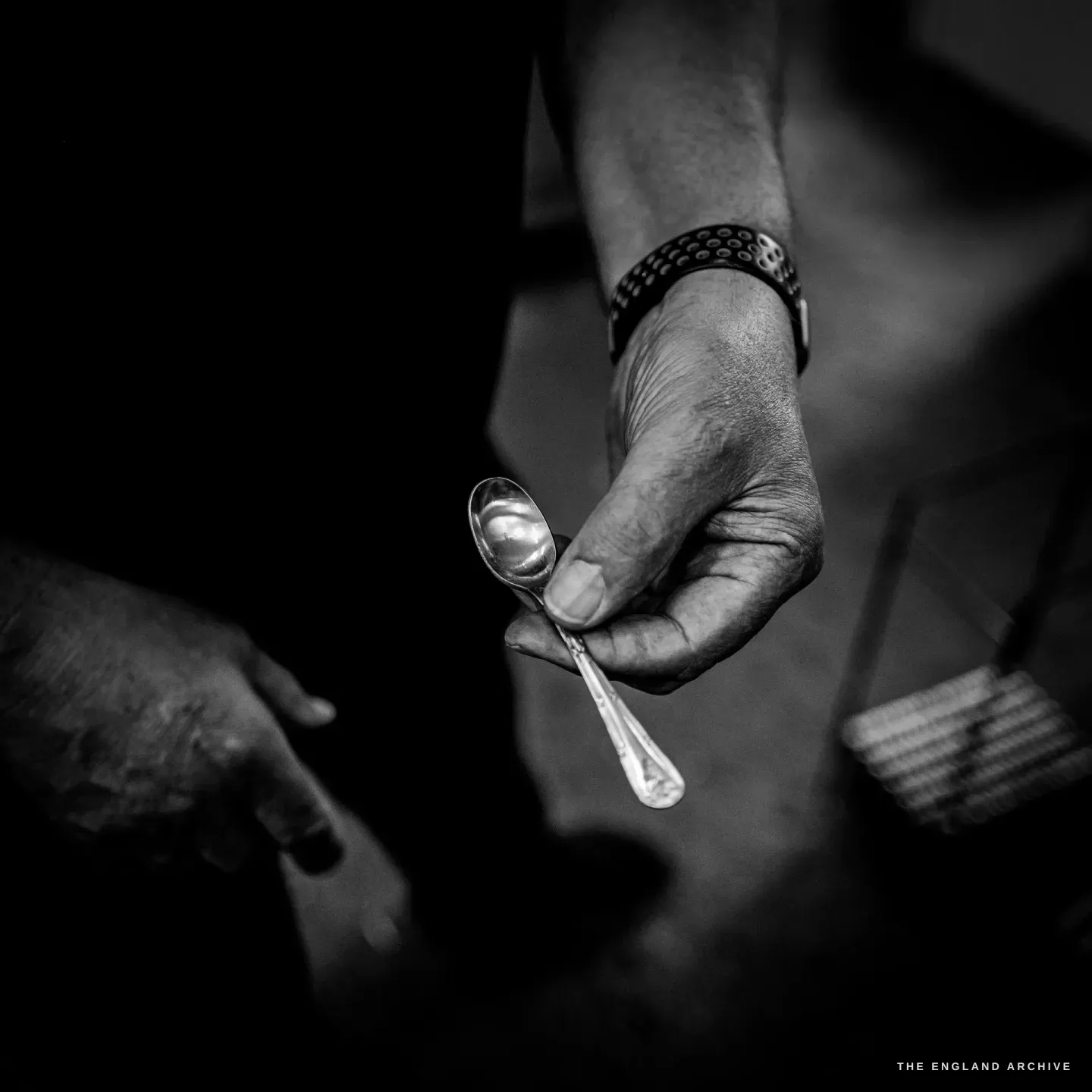
Partway through the morning Stephen put a book in my hands. It was old - Victorian - a trade catalogue of cutlery and silverware, page after page of close-engraved designs: spoons for every conceivable use, fish eaters, trays, little sauce pans for sauces no one serves any more. He handed it over the way some people show you a photograph of their children. The Victorians, he said, were the high-water mark of English ingenuity, and he means it as a working belief rather than nostalgia - several of the machines on his own floor are Victorian, and still earning their keep. This is the pride the England Archive exists to record: not a museum’s pride in dead things, but a maker’s pride in a living inheritance he is still adding to.
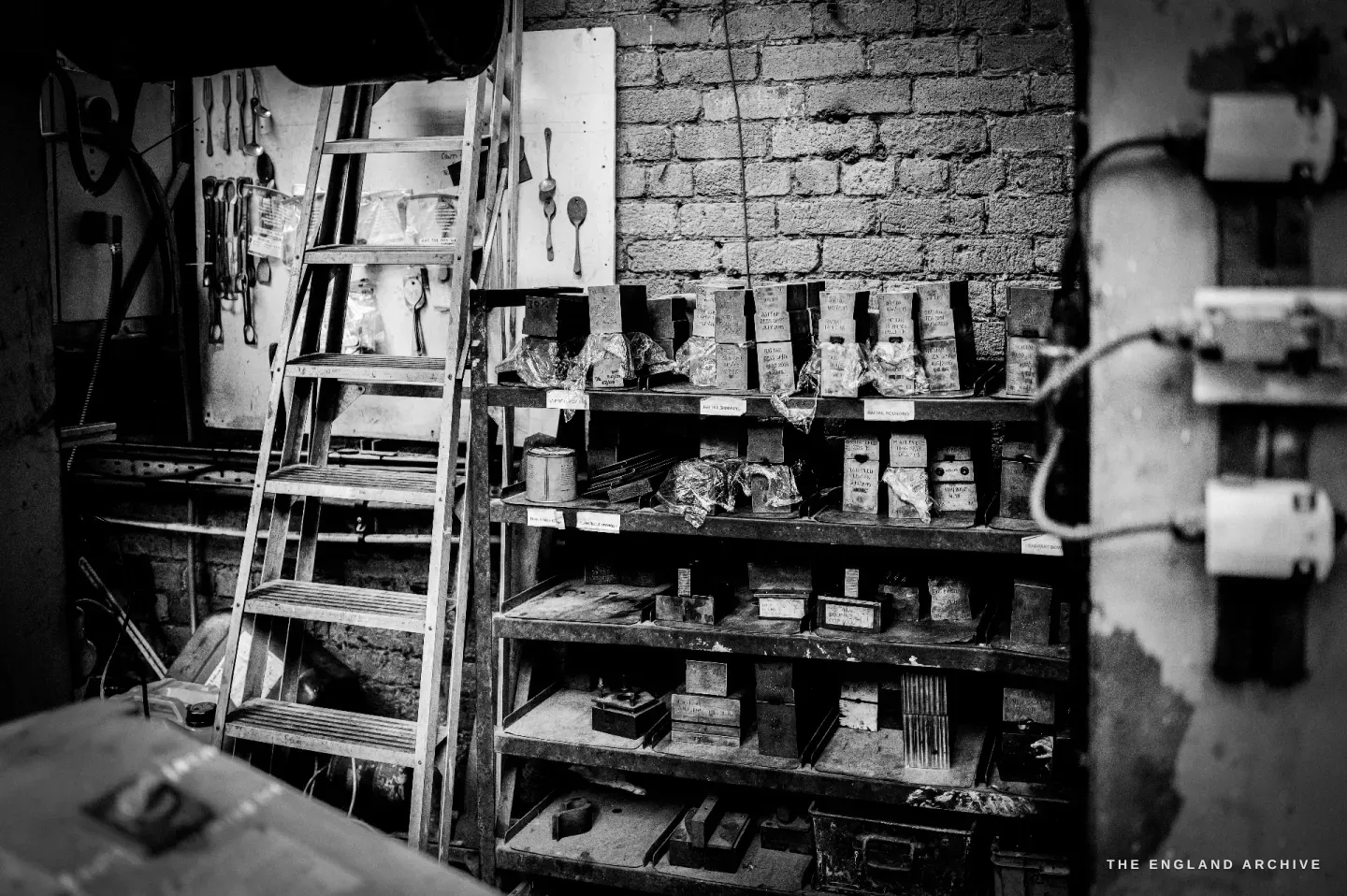
That inheritance runs through his own family. The firm grew from a Sheffield workshop on Sidney Street, and from his grandmother, Beatrice, who was a buffer girl - one of the women who polished the city’s cutlery - for seventy-two years. Her son, Stephen’s father William, came home from the war and into the trade beside her. The patterns they made are still here, cut into the steel dies racked along the walls and hung as templates on the brick: every shape the firm has ever made, kept ready to make again.
William Wright was born in 1916 and went to the war - Burma, among other places - and did, by every account, a great deal there. His children grew up barely knowing any of it, because he almost never spoke of it, and Stephen plainly thinks that silence was the right way to raise a family. There is one thing he told me I have not been able to set down since. When William died, his widow gave away every one of his medals, without a second thought - not from carelessness, but from conviction. The medals, the way they both saw it, were not the achievement. The achievement was the family, the stable home, the firm handed on. Those were the things that made a hero, and beside them a drawer of ribbons was not worth keeping.
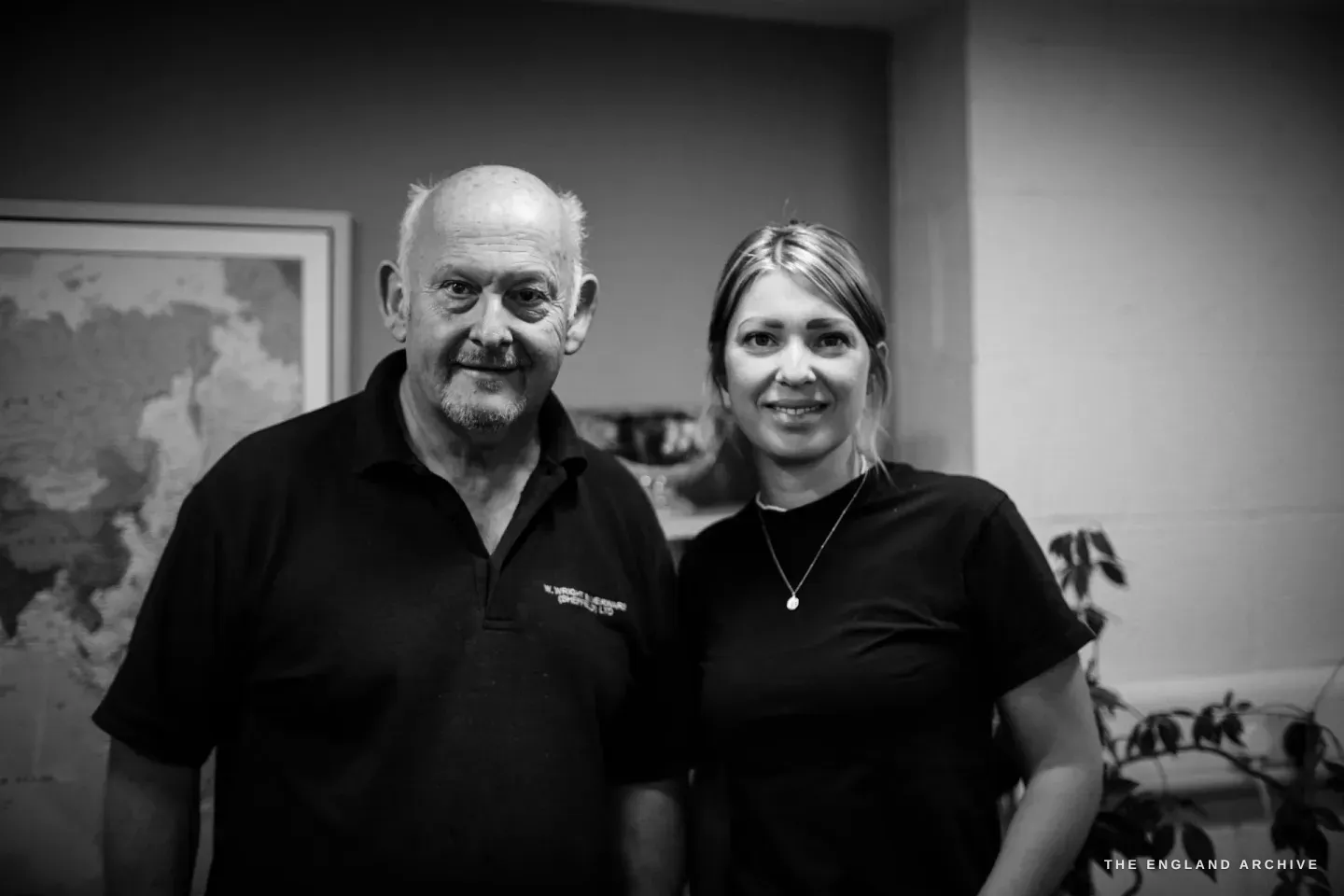
You can feel that idea running under everything Stephen does. The firm is in the present tense, not the past: his daughter, Samantha, works in the office at the front, under a map of the world the firm’s silver reaches further into than most of its neighbours ever will - more than sixty countries, out of a building you would walk past without a glance.
For all his energy, Stephen carries a worry, and he names it readily. He is amazed by what a skilled pair of hands can do - he showed me a phone video of one of his retired makers taking a deep dent out of a trophy, patiently beating the metal back until it was as good as the day it was made - and he is frightened by how fast that knowledge is leaving. He reeled off examples: this one retired and took the last of a particular skill with them; that one died, and no one had learned it. It is the famine behind the feast of his order book, and it is what the whole Sheffield trade is living through.
He is not fatalistic about it. The point he kept returning to is that none of this is magic. It is hard, learnable craft, and it can be passed on, the way it was passed to him. This can be taught, he said, if there are people willing to learn. He is a member of the Company of Cutlers in Hallamshire, the body that has governed and championed the Sheffield trades since an Act of Parliament in 1624, and which still grants each maker the mark they strike into their steel - so his standing in the craft is formal as well as earned. Sheffield cutlery and silversmithing are both on the Heritage Crafts Red List. Stephen is one of the people that list is about, and one of the few still placed to do something against it.
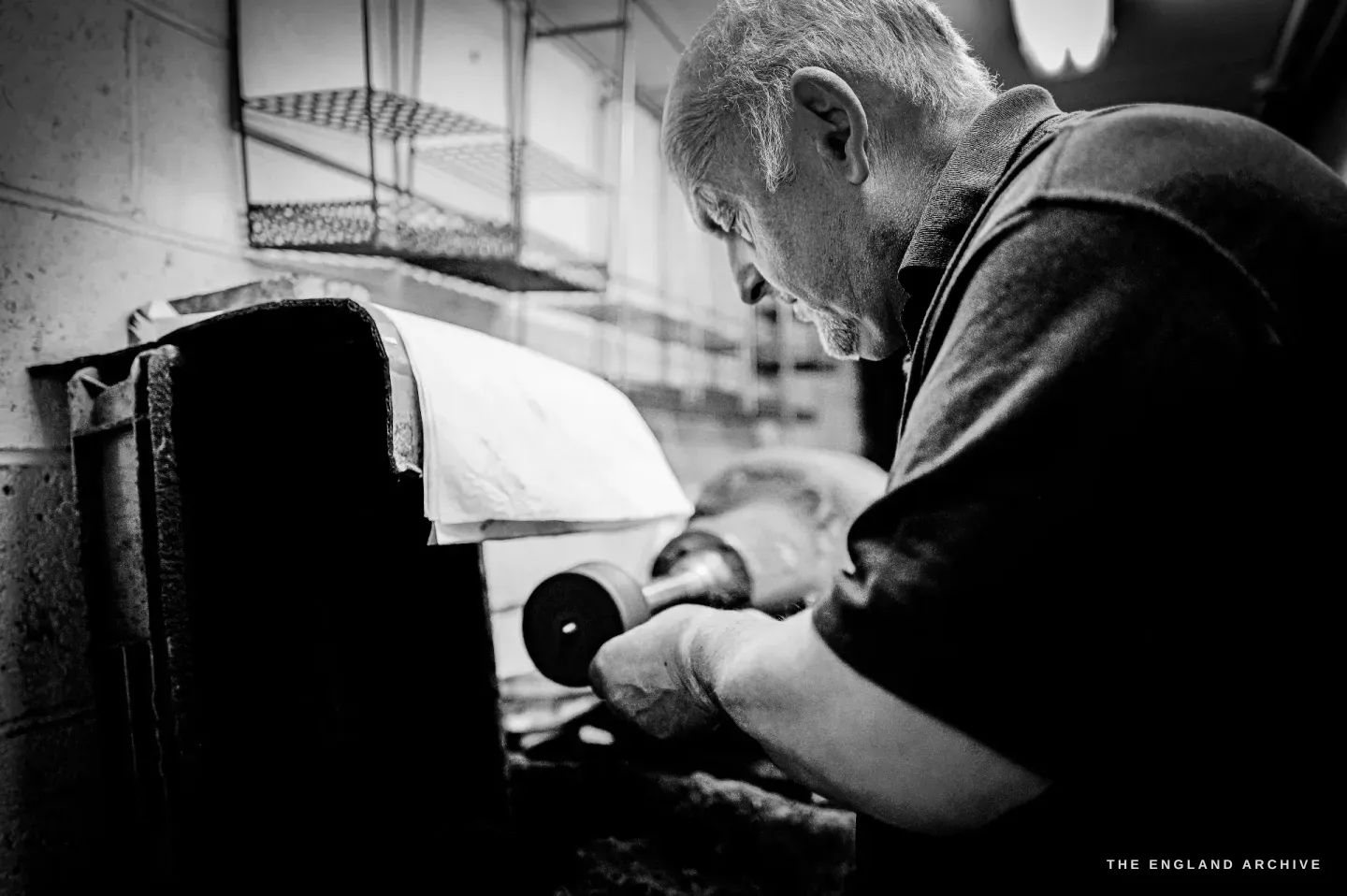
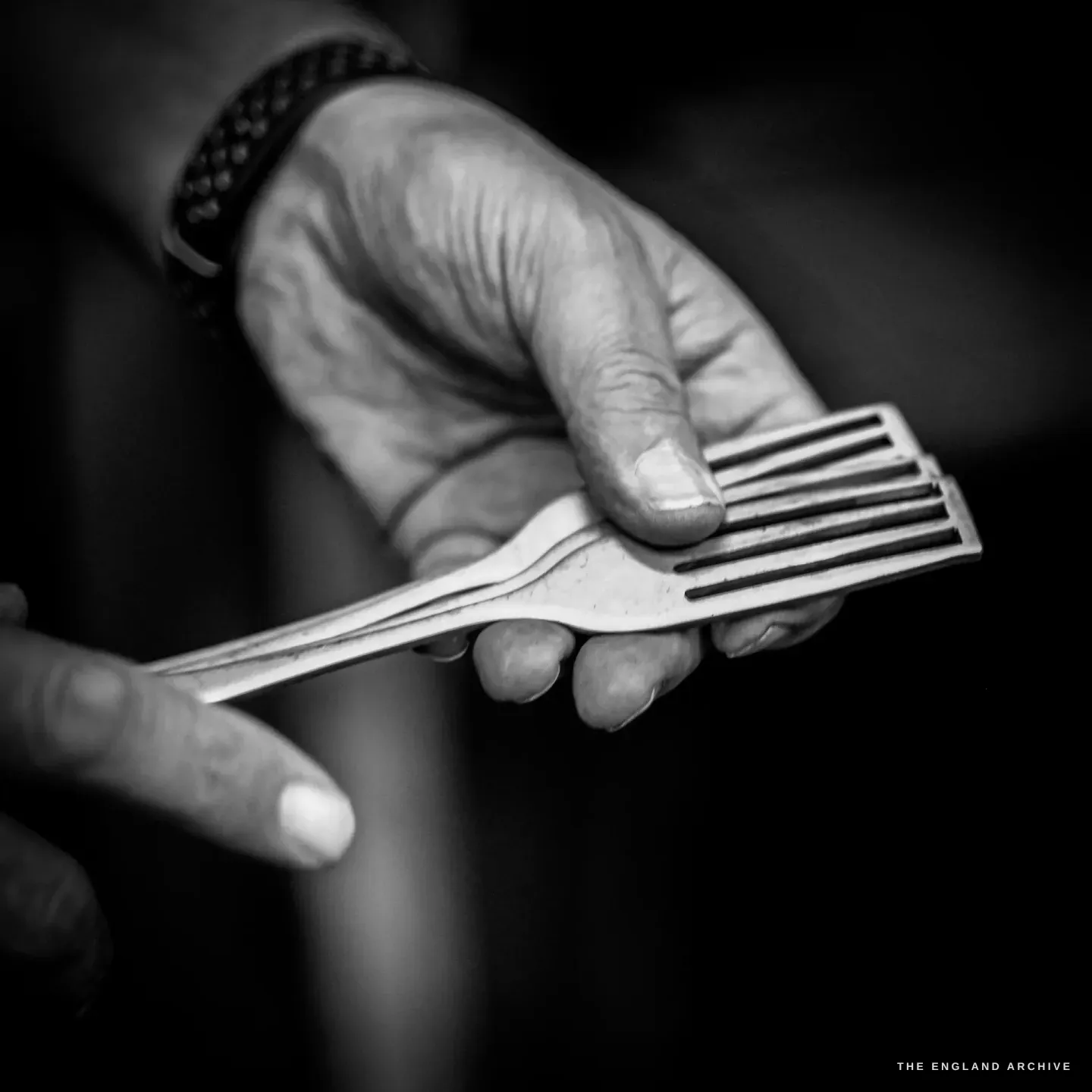
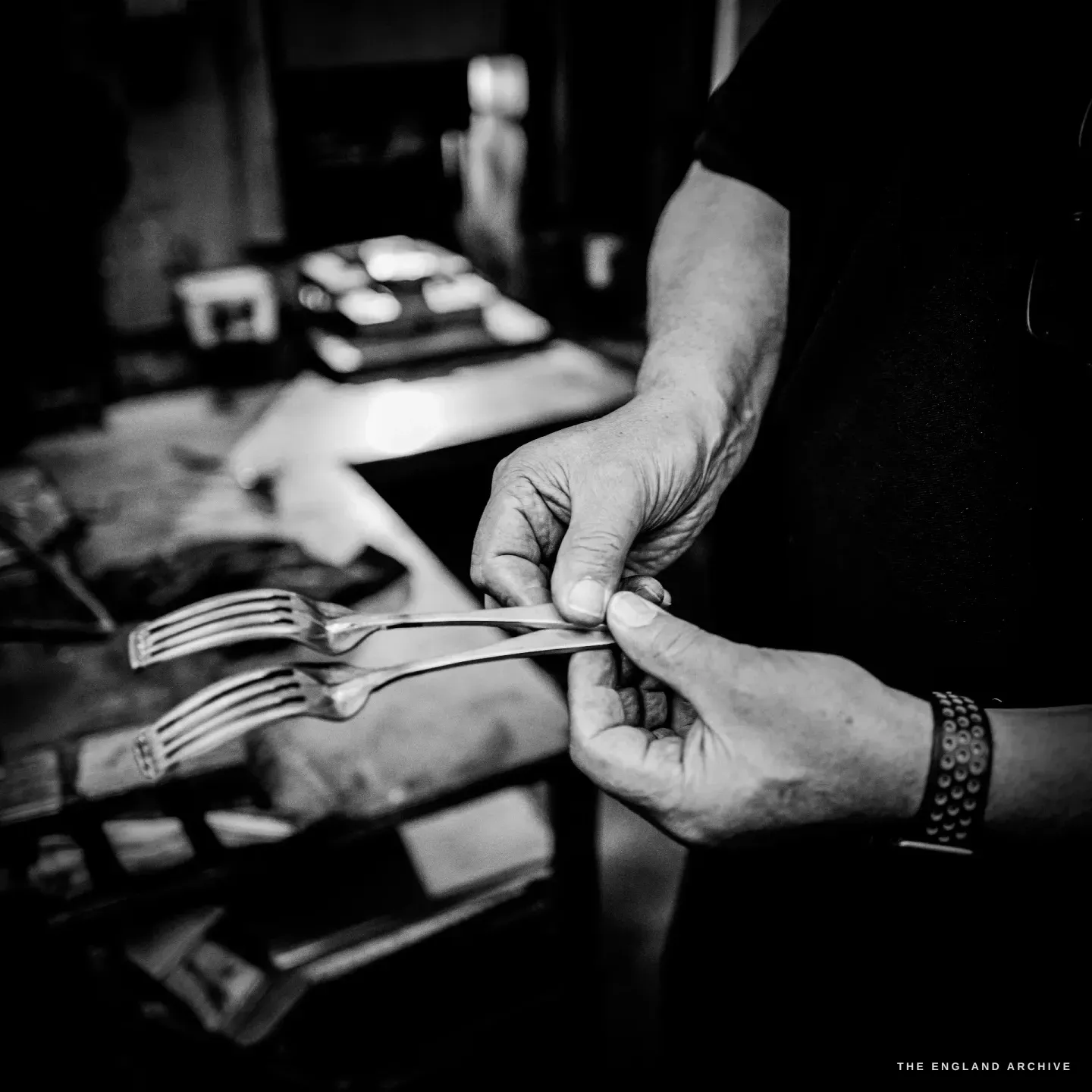
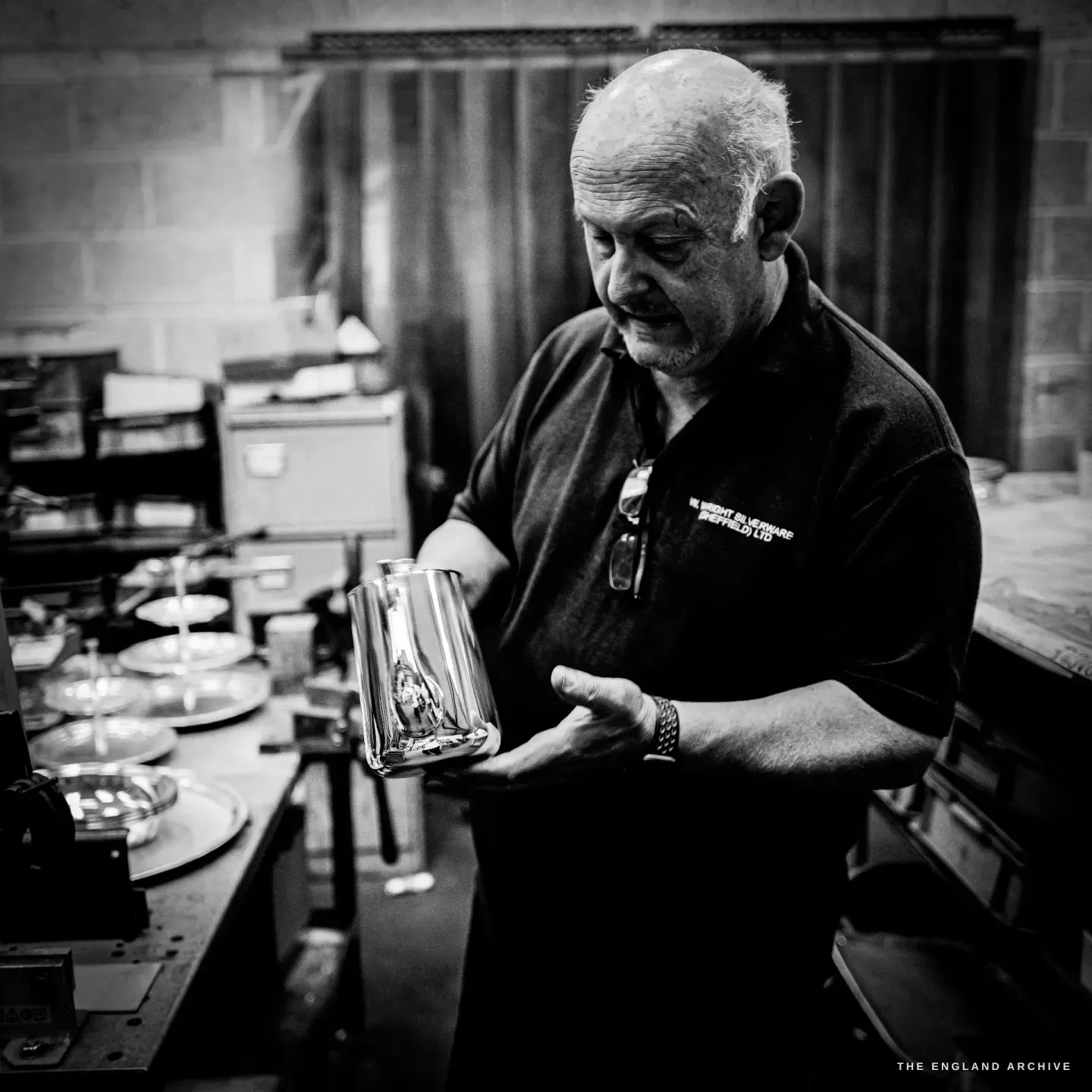
This is the archive’s record of Stephen Wright, made at William Wright in Sheffield in June 2026: fifty years in the trade, from sixteen to sixty-five; a maker who can work every stage of cutlery and silverware by hand, in a firm born of a buffer girl’s seventy-two years and a son’s return from the war; a man who reads Victorian pattern books for pleasure and worries, out loud, about who will do this when he no longer can. The fuller account of the works and its making is held in the essay A Morning at William Wright. Whether the next pair of hands arrives in time is the question the Red List puts to every workshop like his - and on the evidence of a morning, this is one well worth keeping, and learning from.