Makers
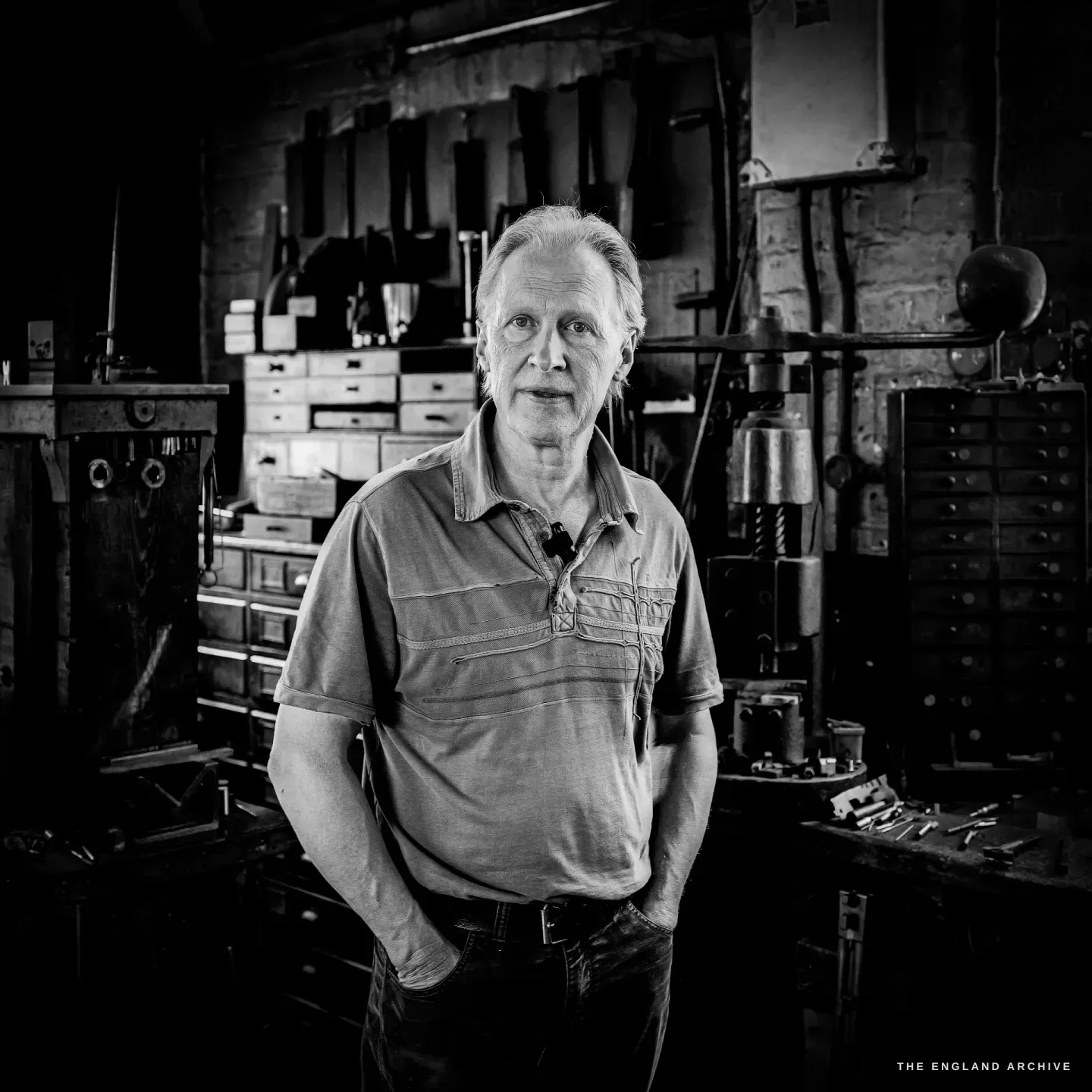
Haydn Hill
Gunmaker
Birmingham
Gunmaker
Birmingham
I stepped aside on the pavement to let a distinguished white-haired man go past me into the building. He turned in at the door, and I understood that I had just given way to the man I had driven to Birmingham to meet.
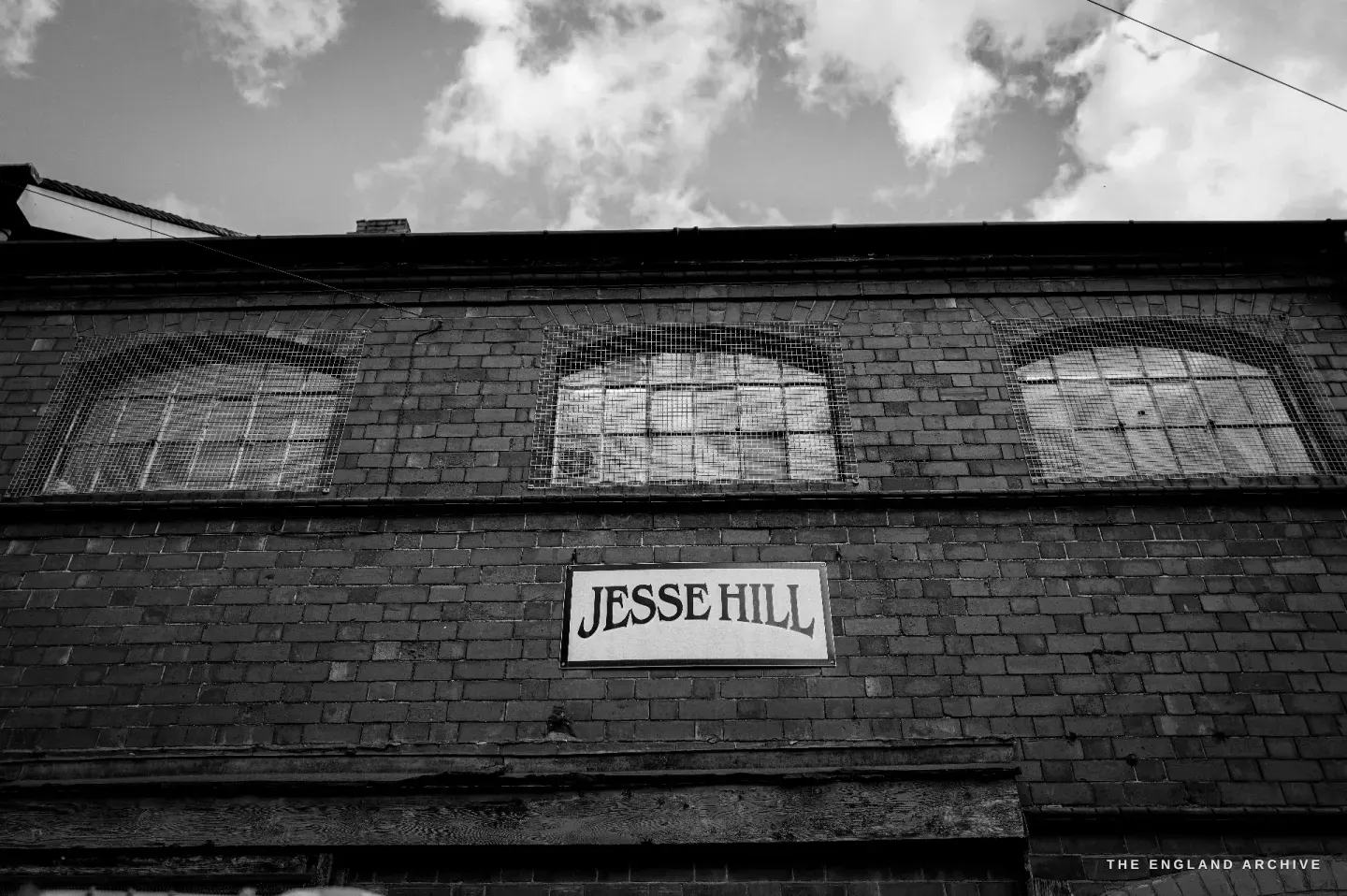
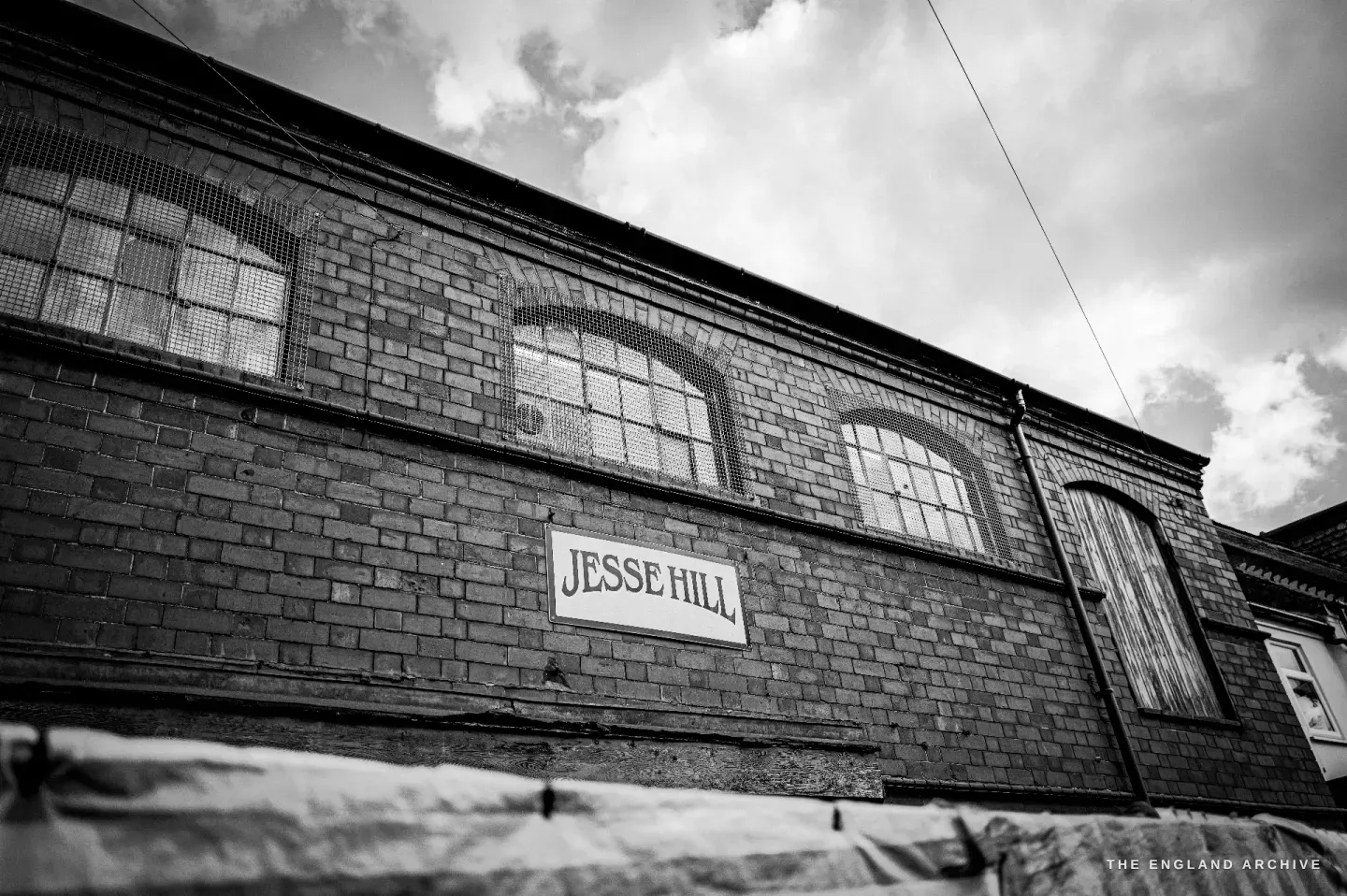
The address I had been given was a name rather than a street: Jesse Hill. It turned out to be a red-brick building two storeys high on a side road in Stirchley, south of the city centre, the name painted on a board high on the wall and an old loading door boarded over beneath it. Finding it was easier than parking near it. I gave up in the end, left the car in a lot that plainly belonged to an office, and walked back towards the door.
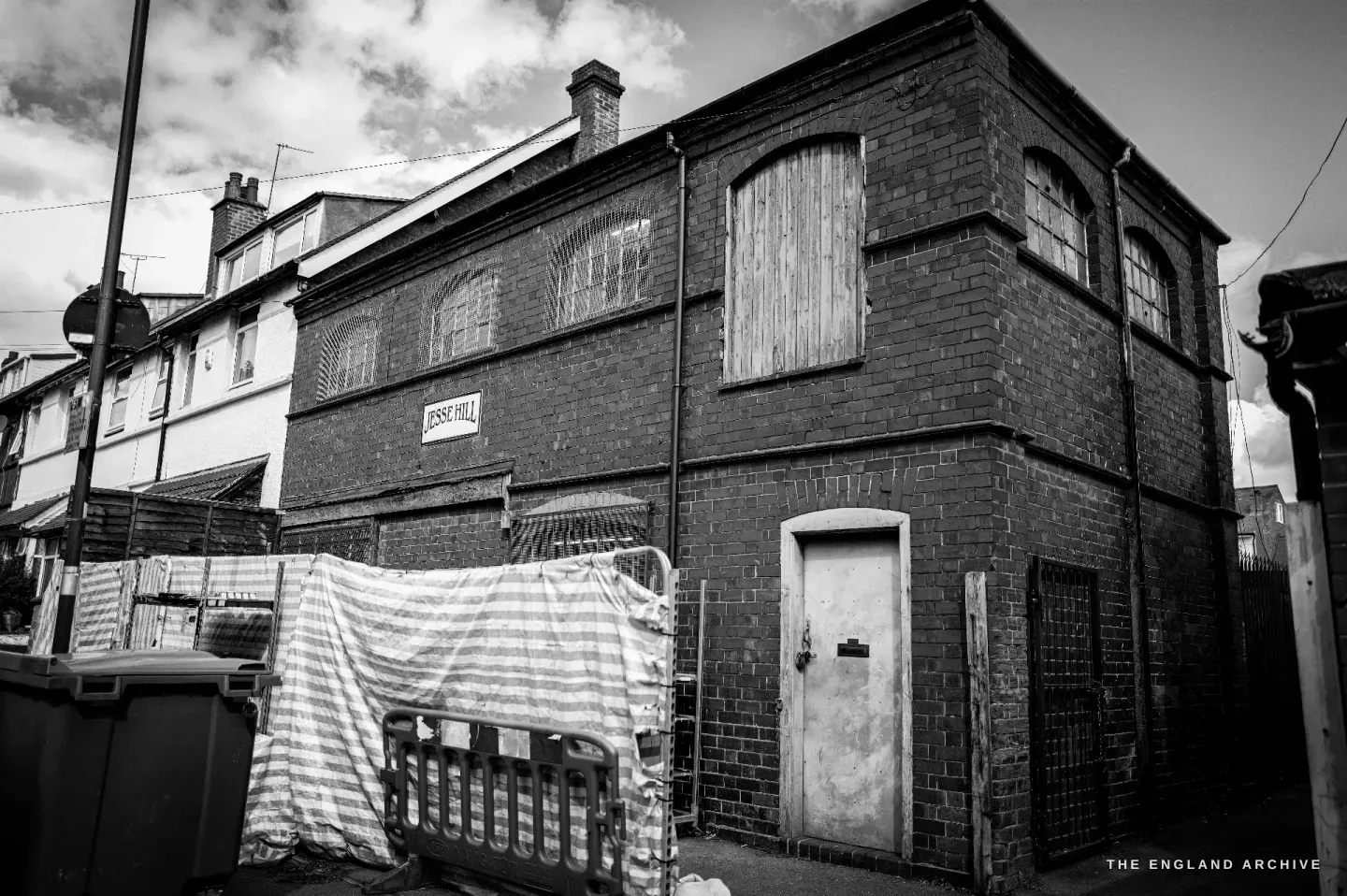
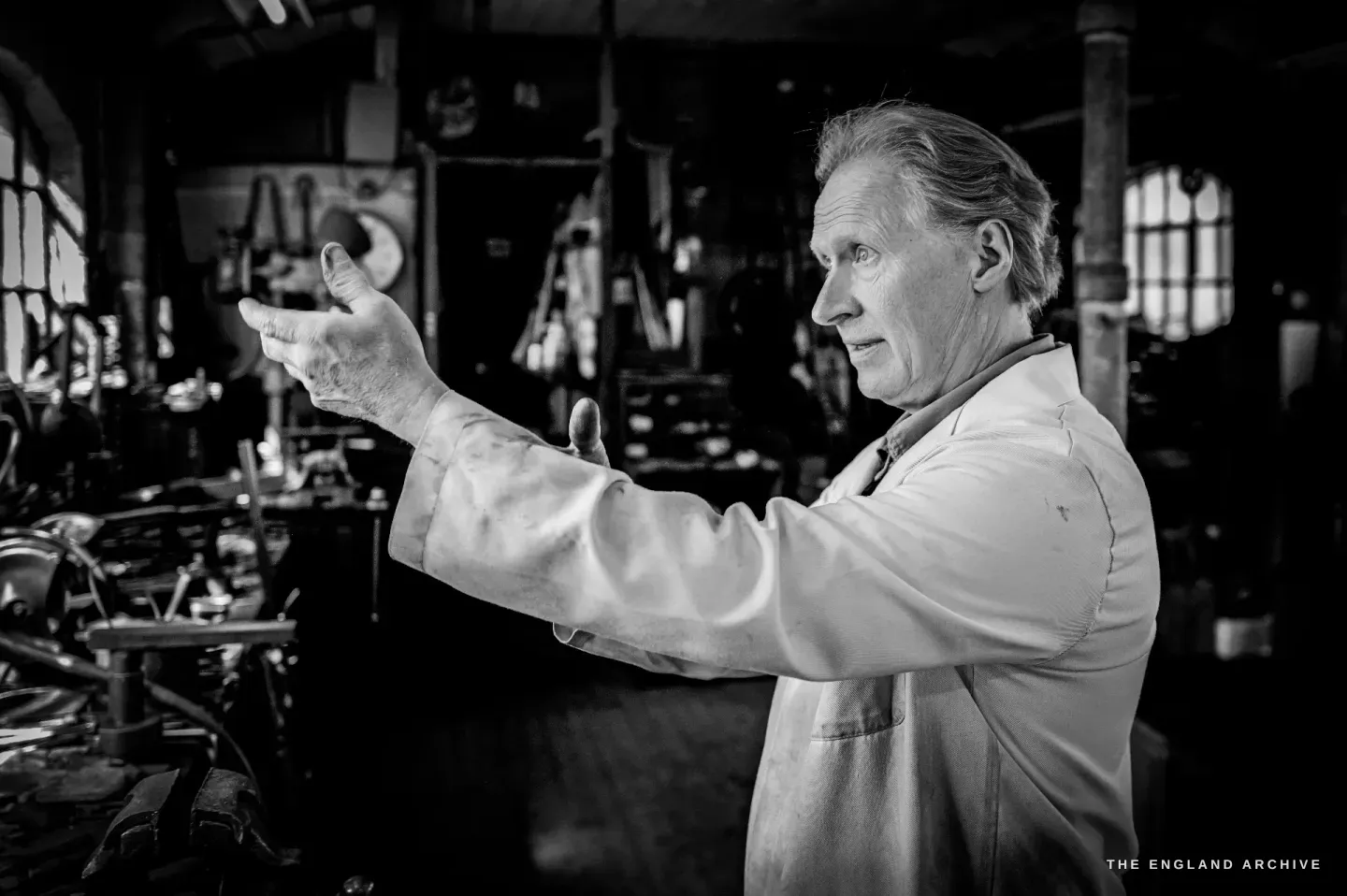
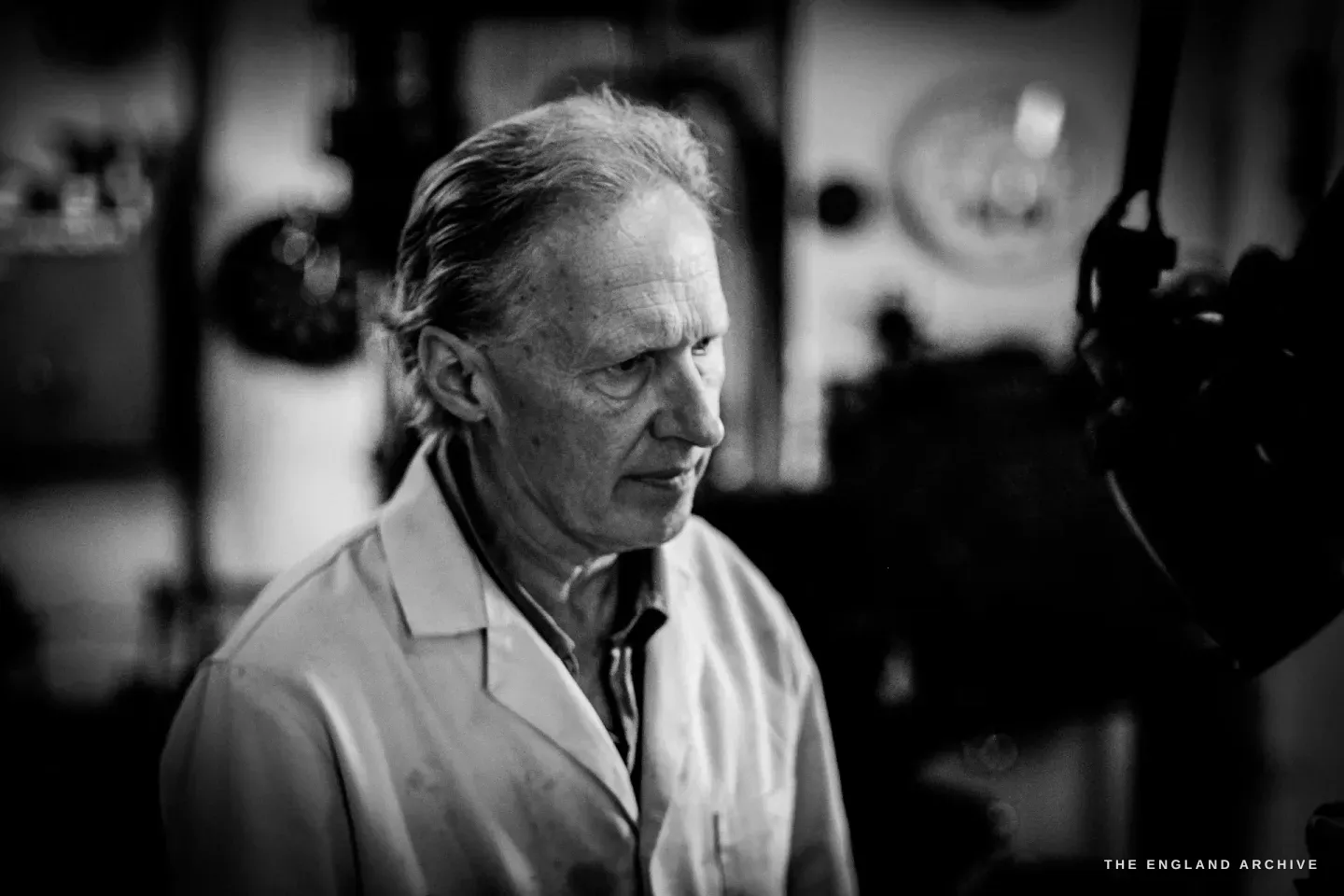
There was a man walking a little way behind me: white-haired, well-dressed, distinguished, with a bag tucked under his arm. I still was not sure I was ready to go in, so as we came up to the building I stepped aside on the pavement to let him pass. He turned in at the door. That was the moment I realised who he was. Is that Haydn, I said. Mash, he said - which answered the question and settled the introduction in a single word. I asked him where I should have parked; he told me a better spot, waited while I went and moved the car, and welcomed me in. It was one of the best mornings I have had for this archive.
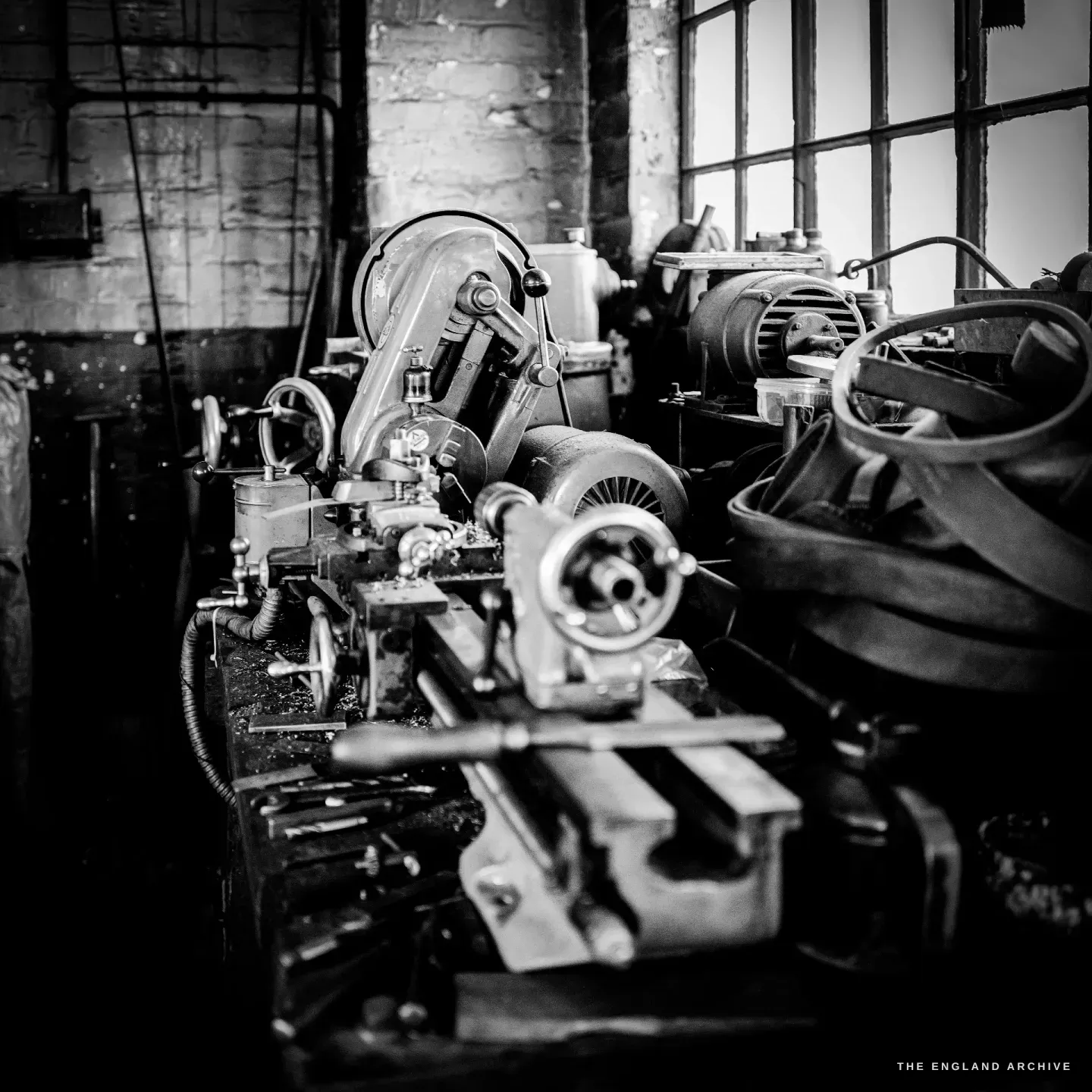
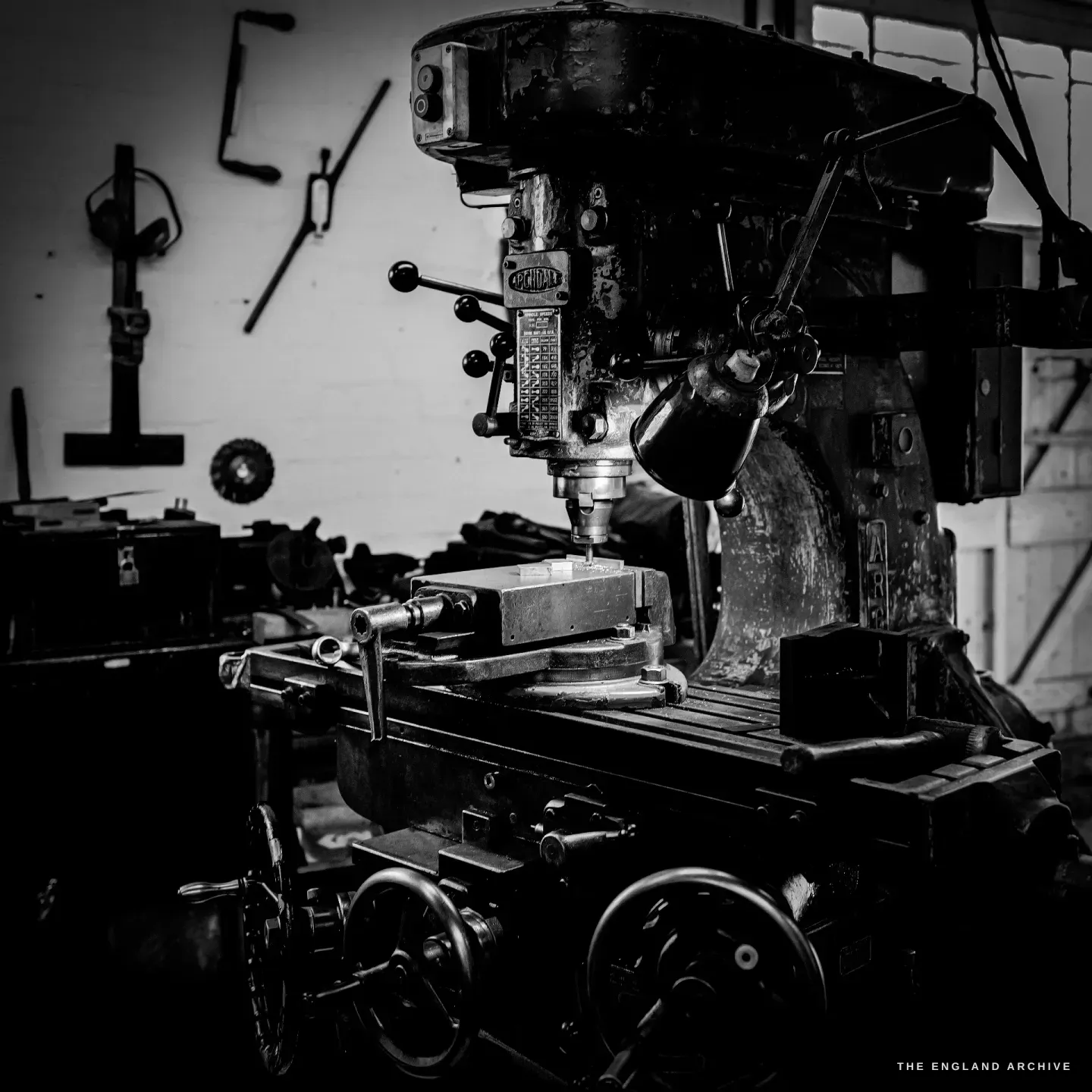
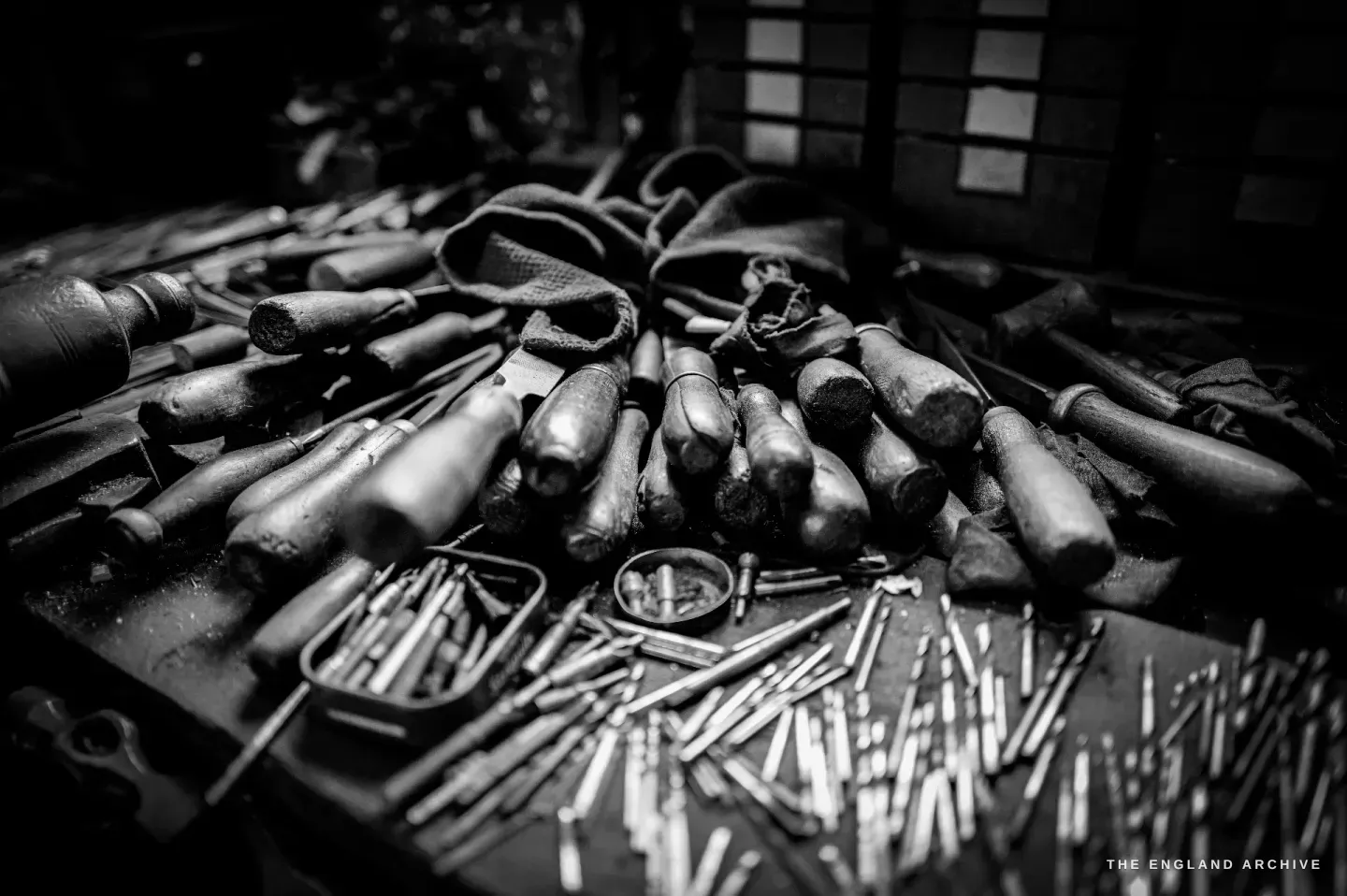
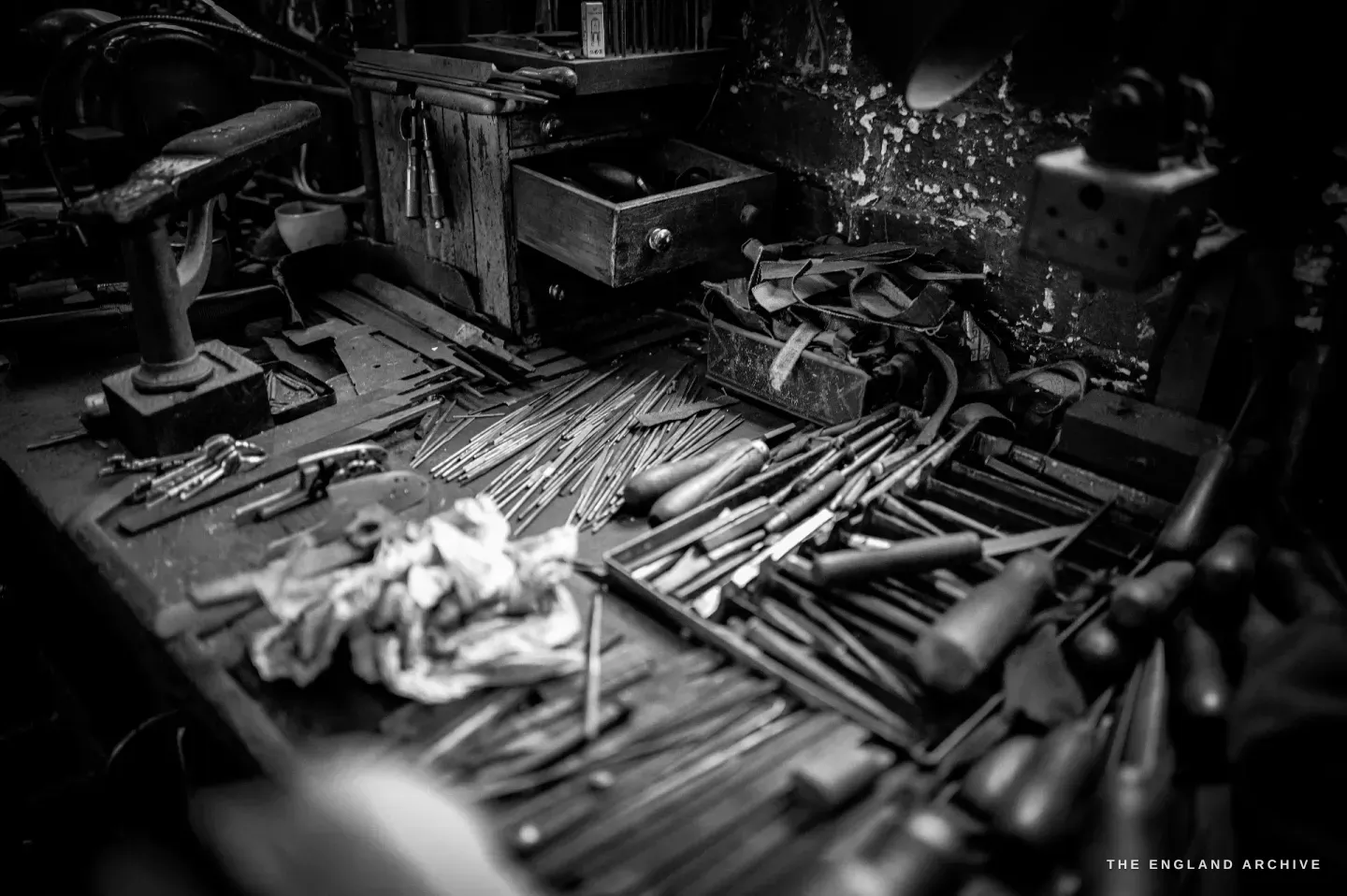
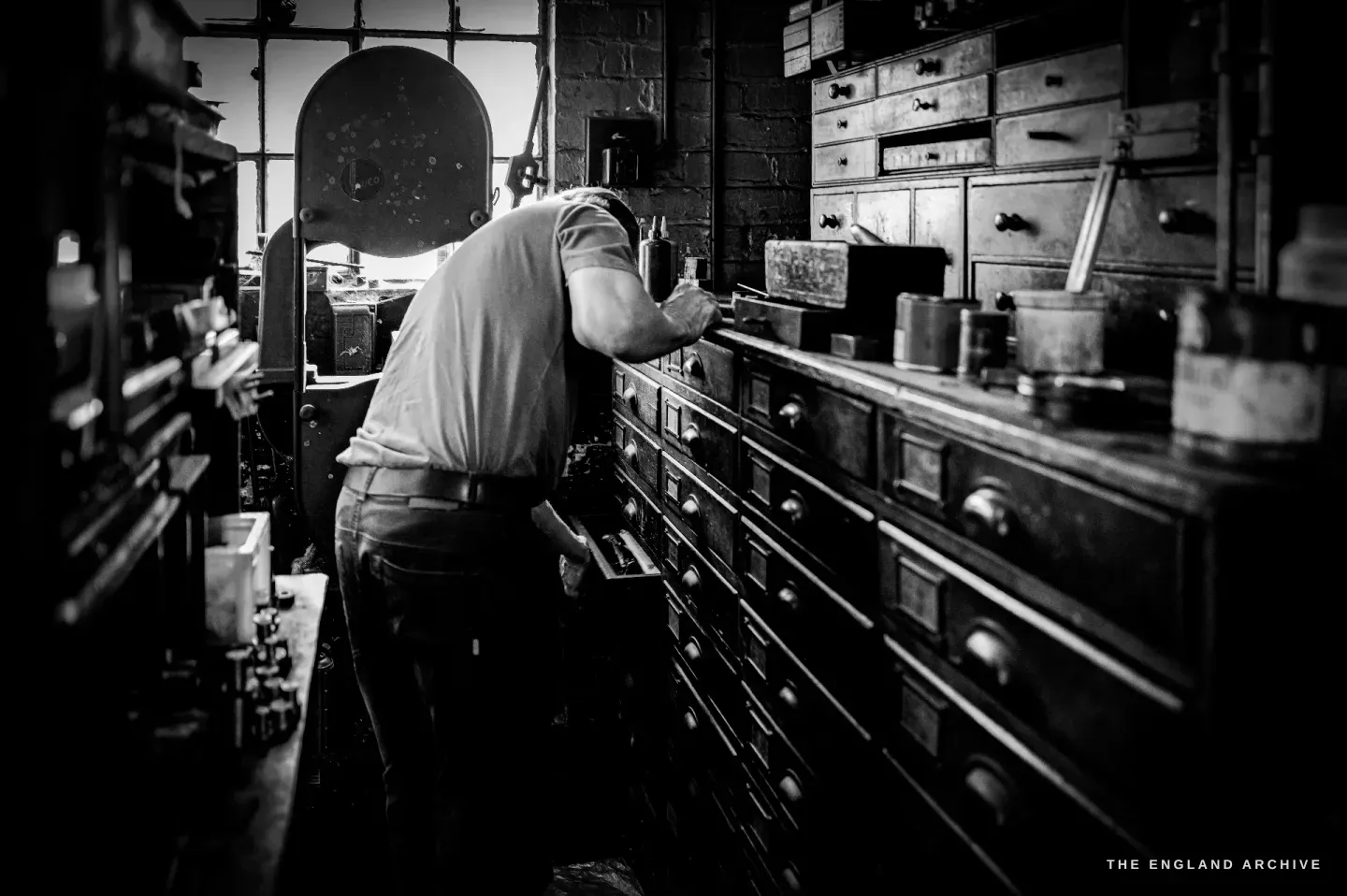
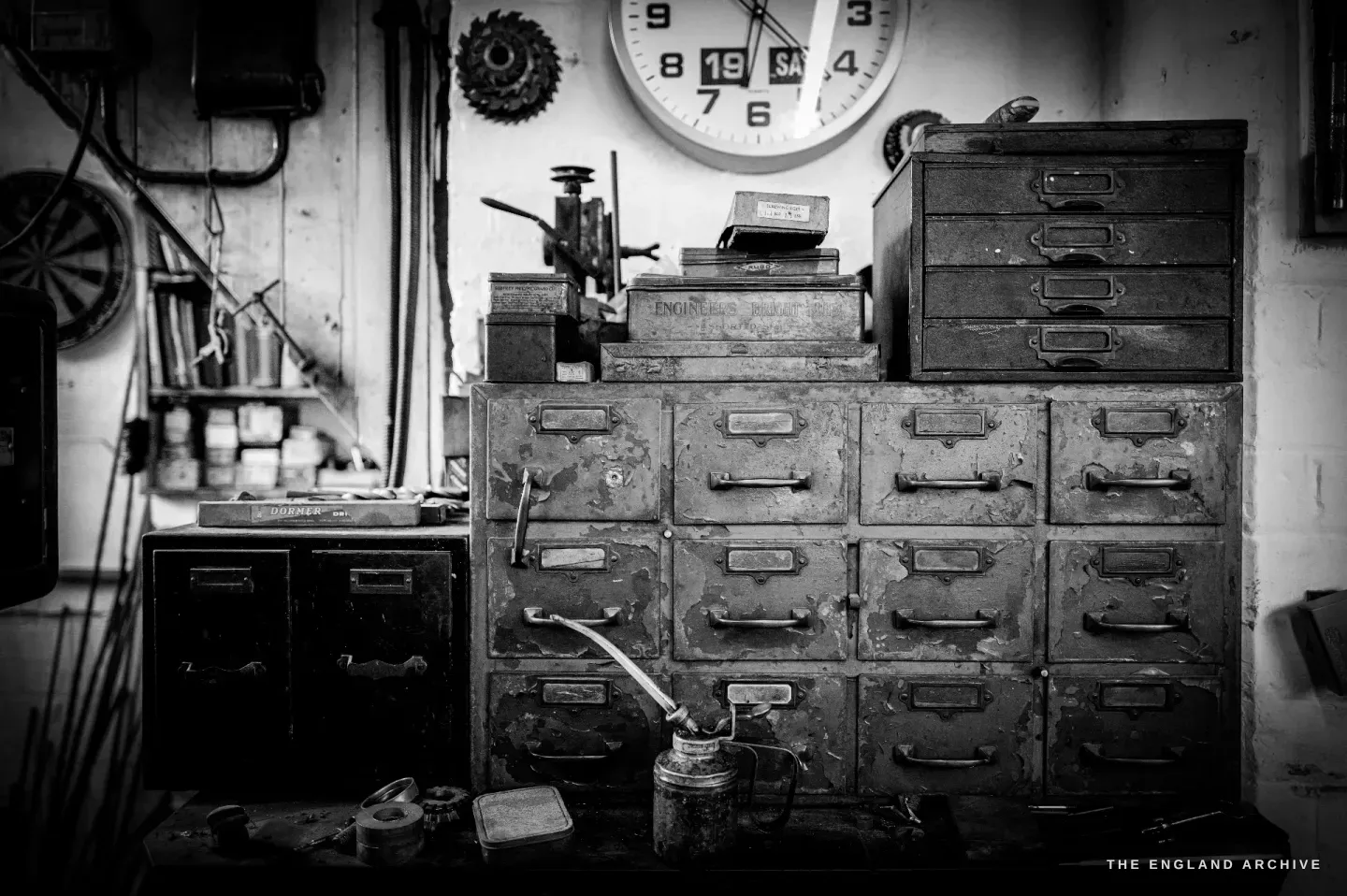
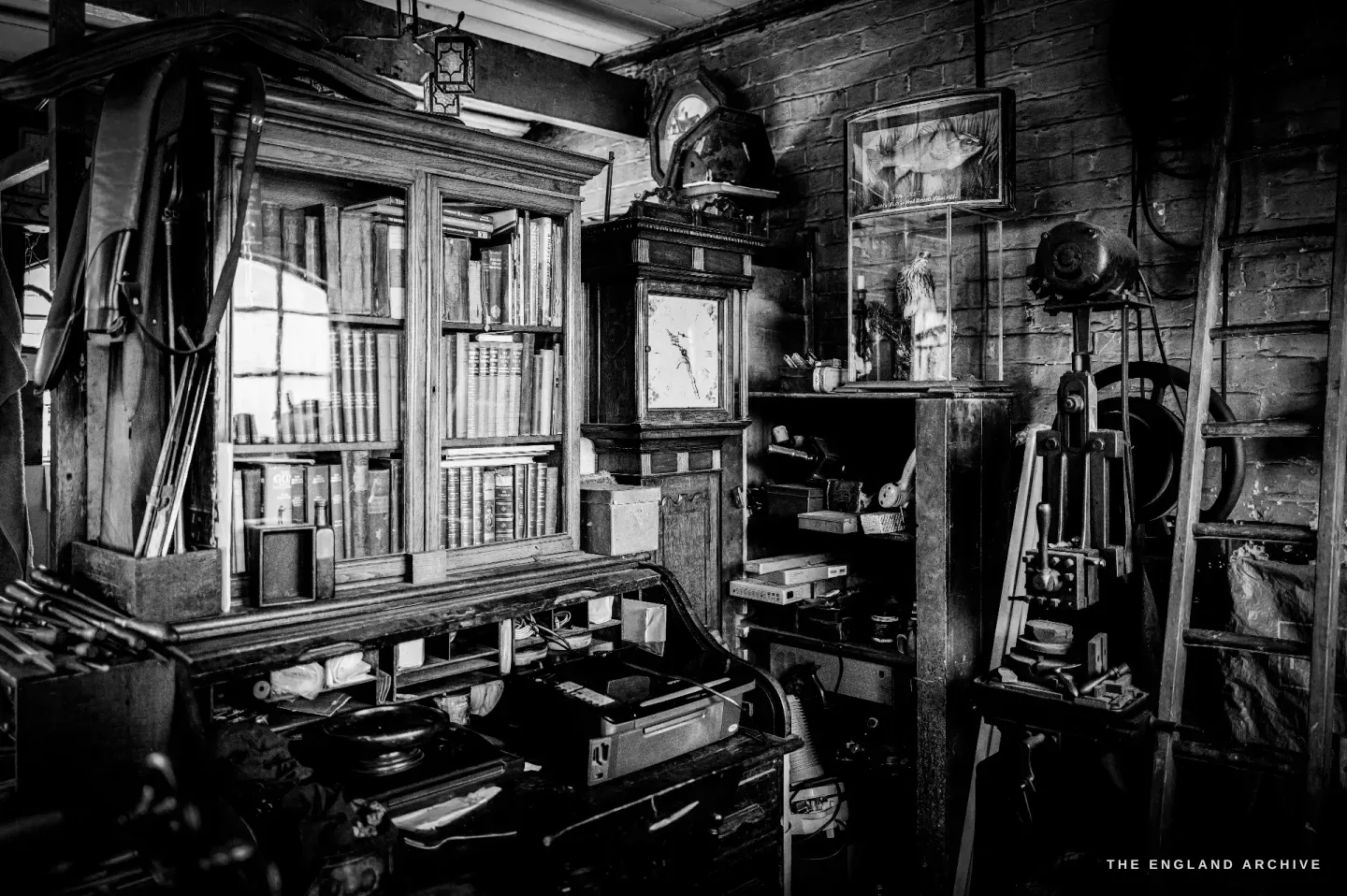
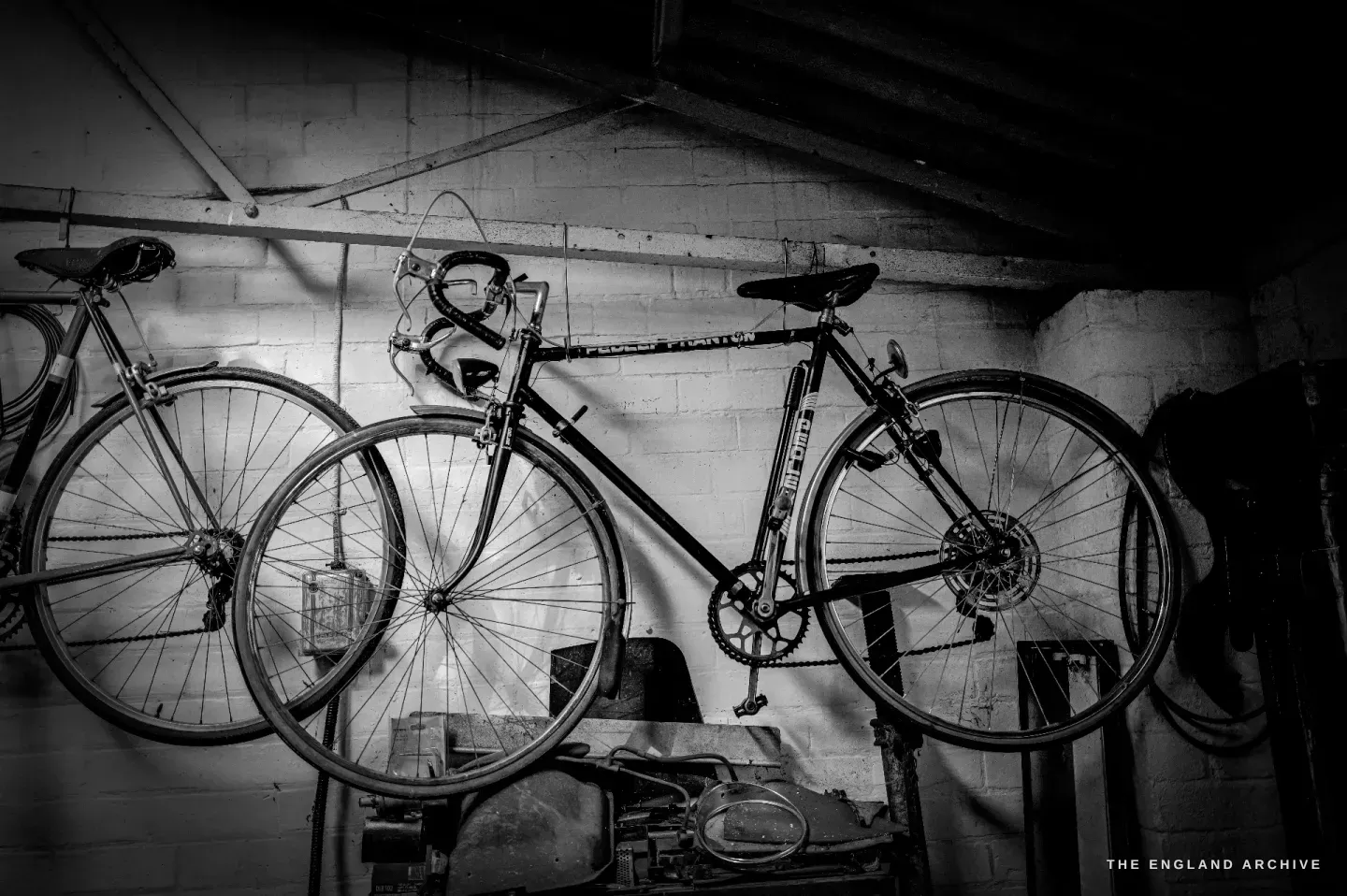
He took me in through the door I had hesitated over, and I stopped a step inside it. This is a working gunmaker's shop of a kind that has almost entirely gone. Old machine tools stand where they have always stood, a green centre lathe among them, run by hand and eye rather than by a computer. The walls carry files and drills in their hundreds; there are banks of small wooden drawers; and, oddly and wonderfully, longcase clocks keeping time in the corners. Nothing here has been tidied for a visitor. It is a room that has not been asked to change, and it goes on working because it was built to.
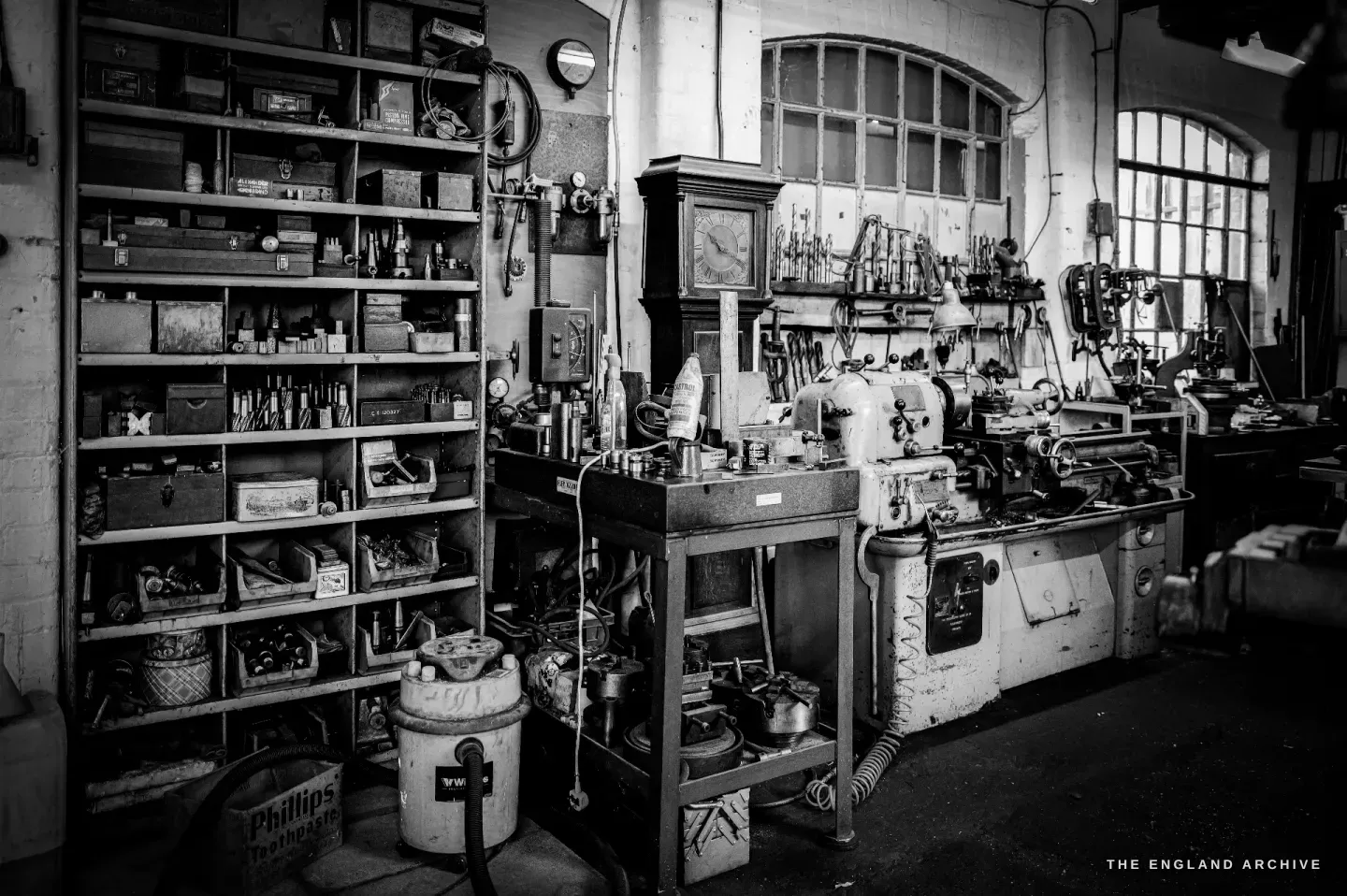
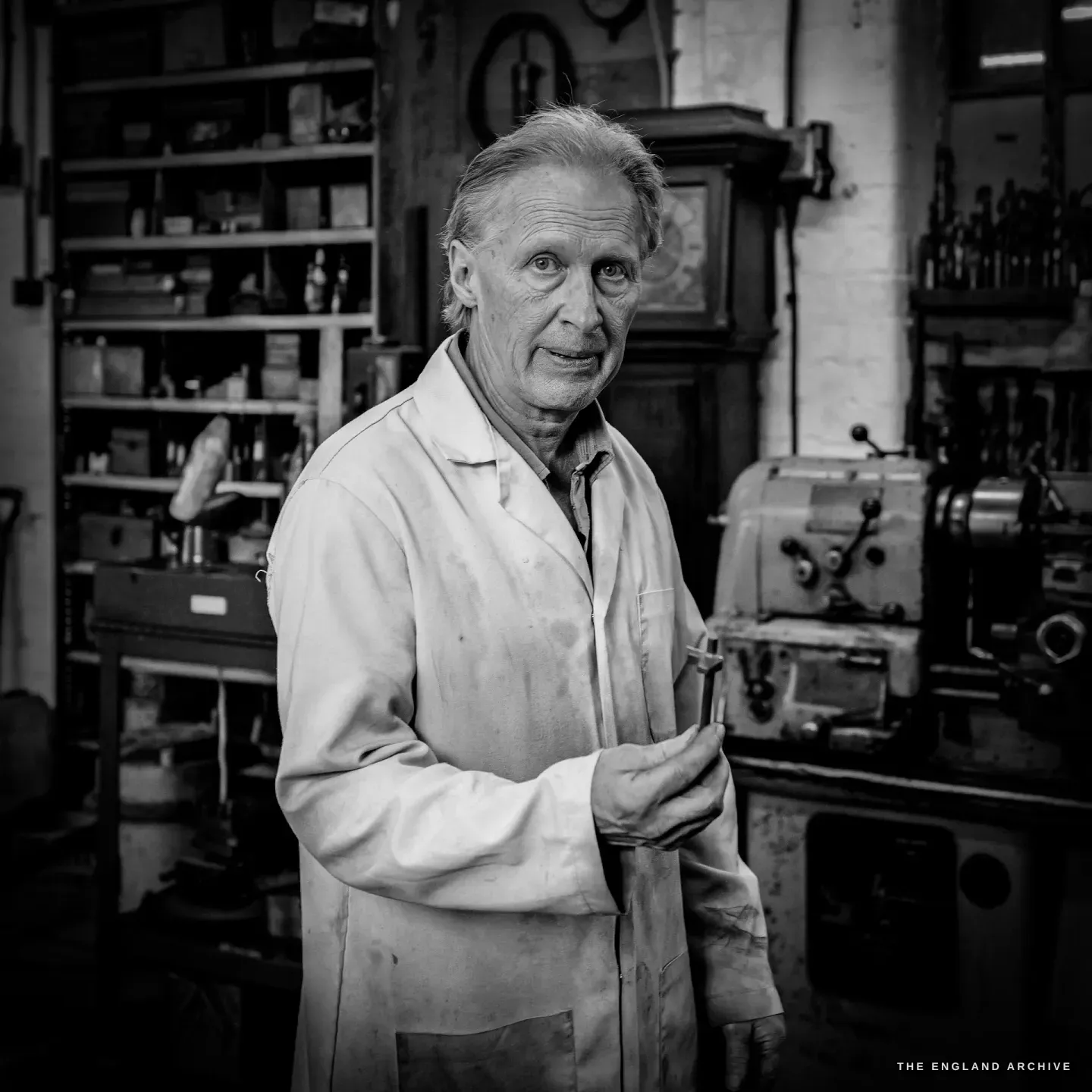
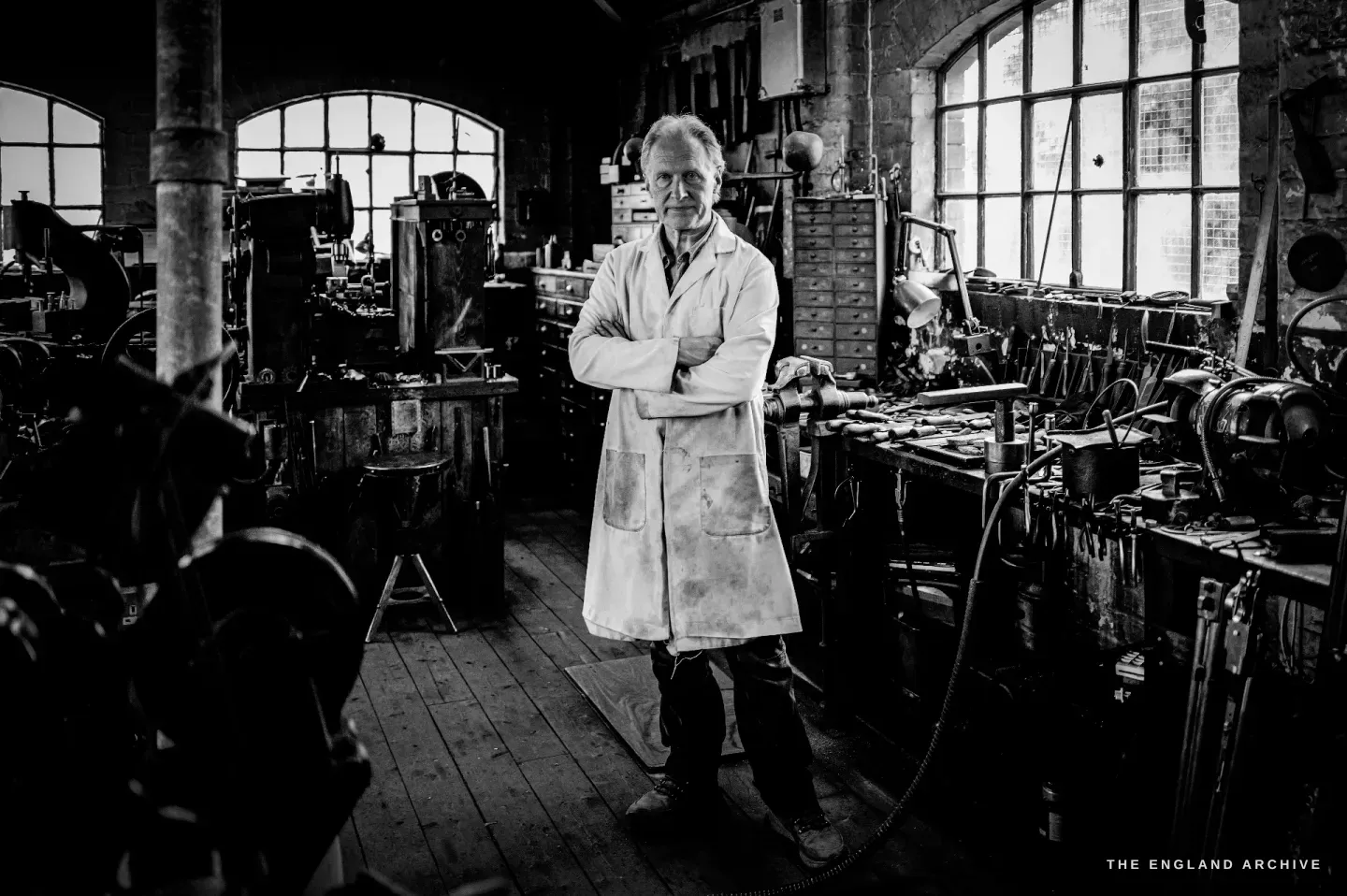
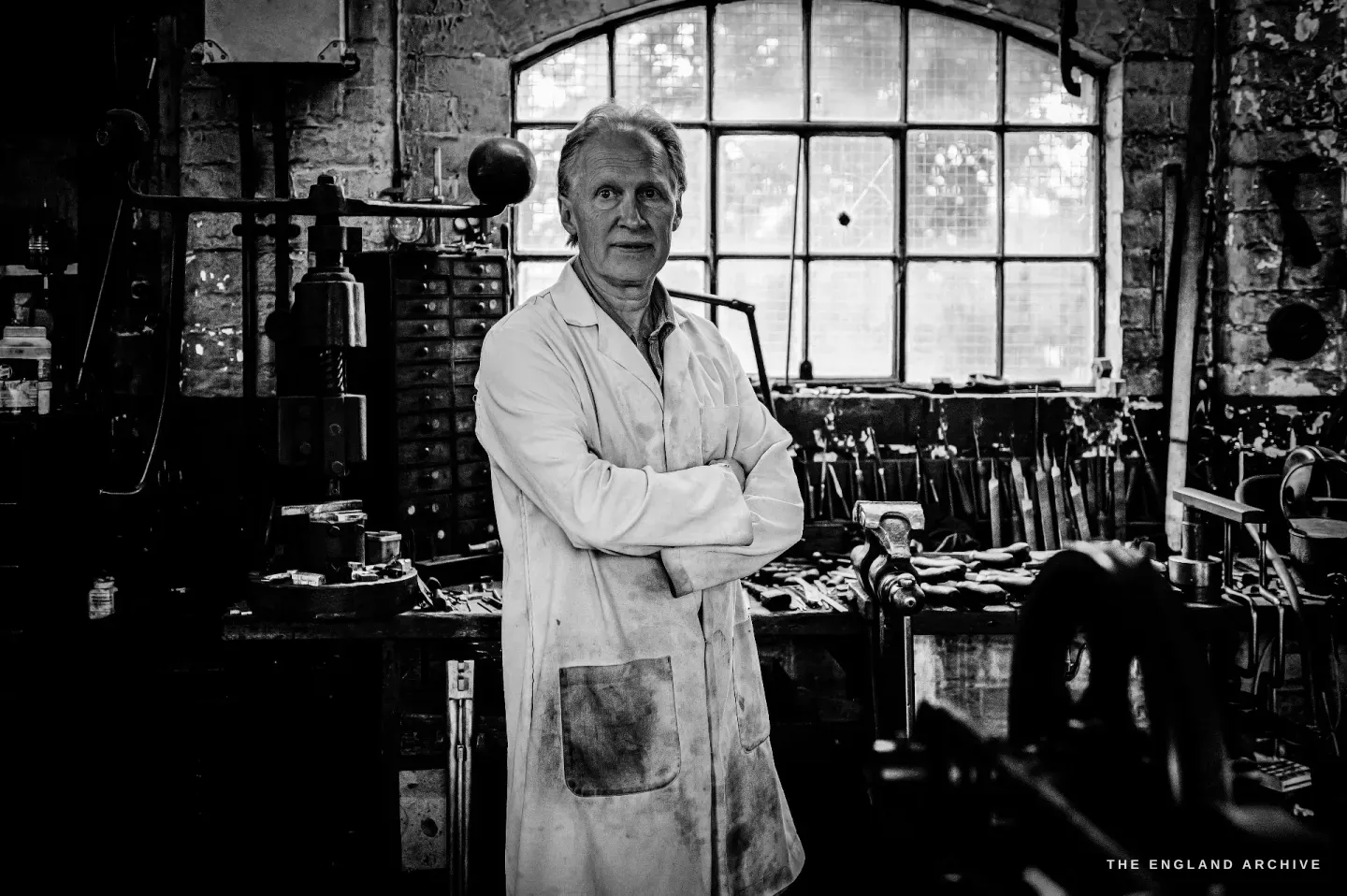
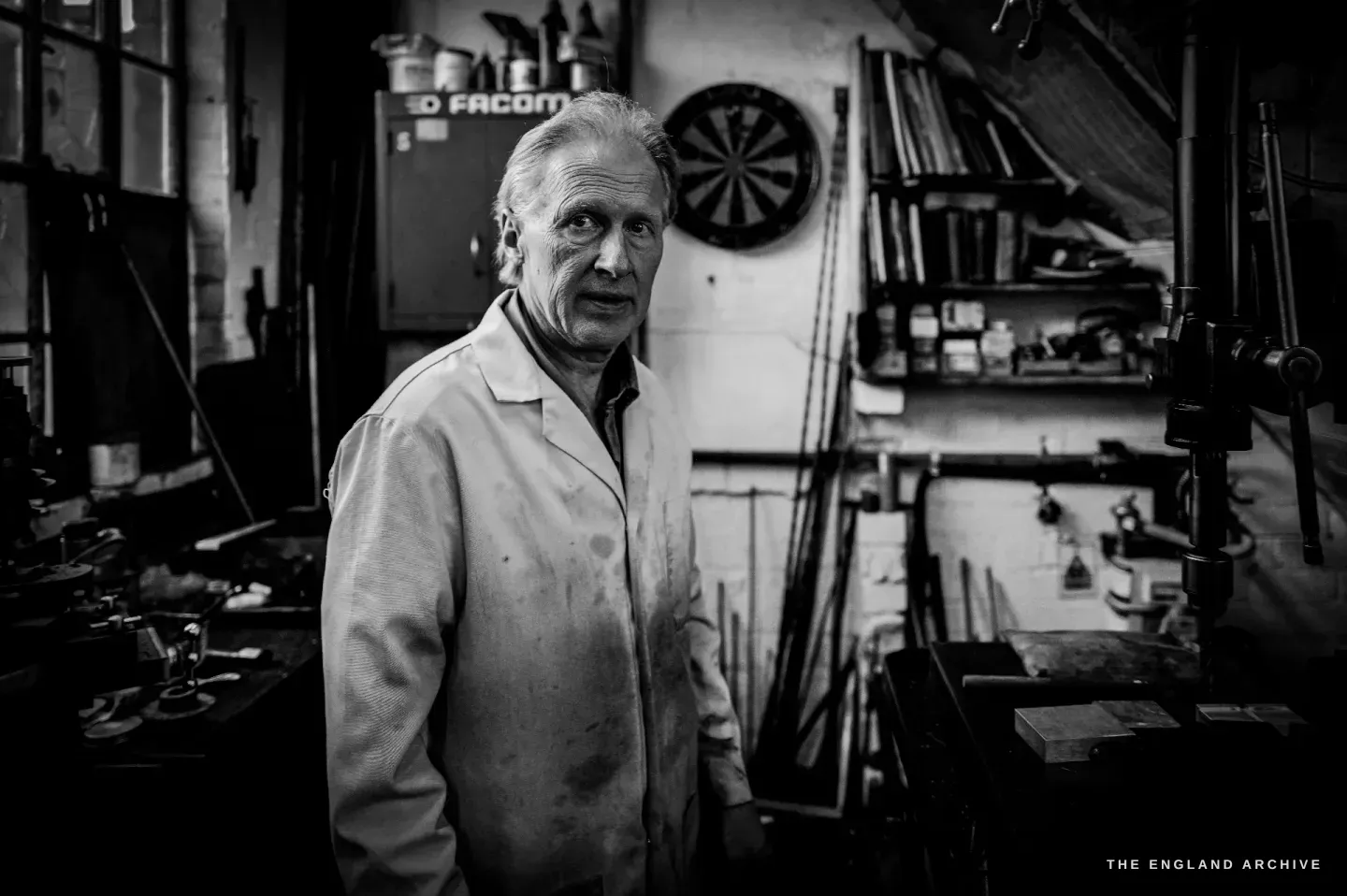
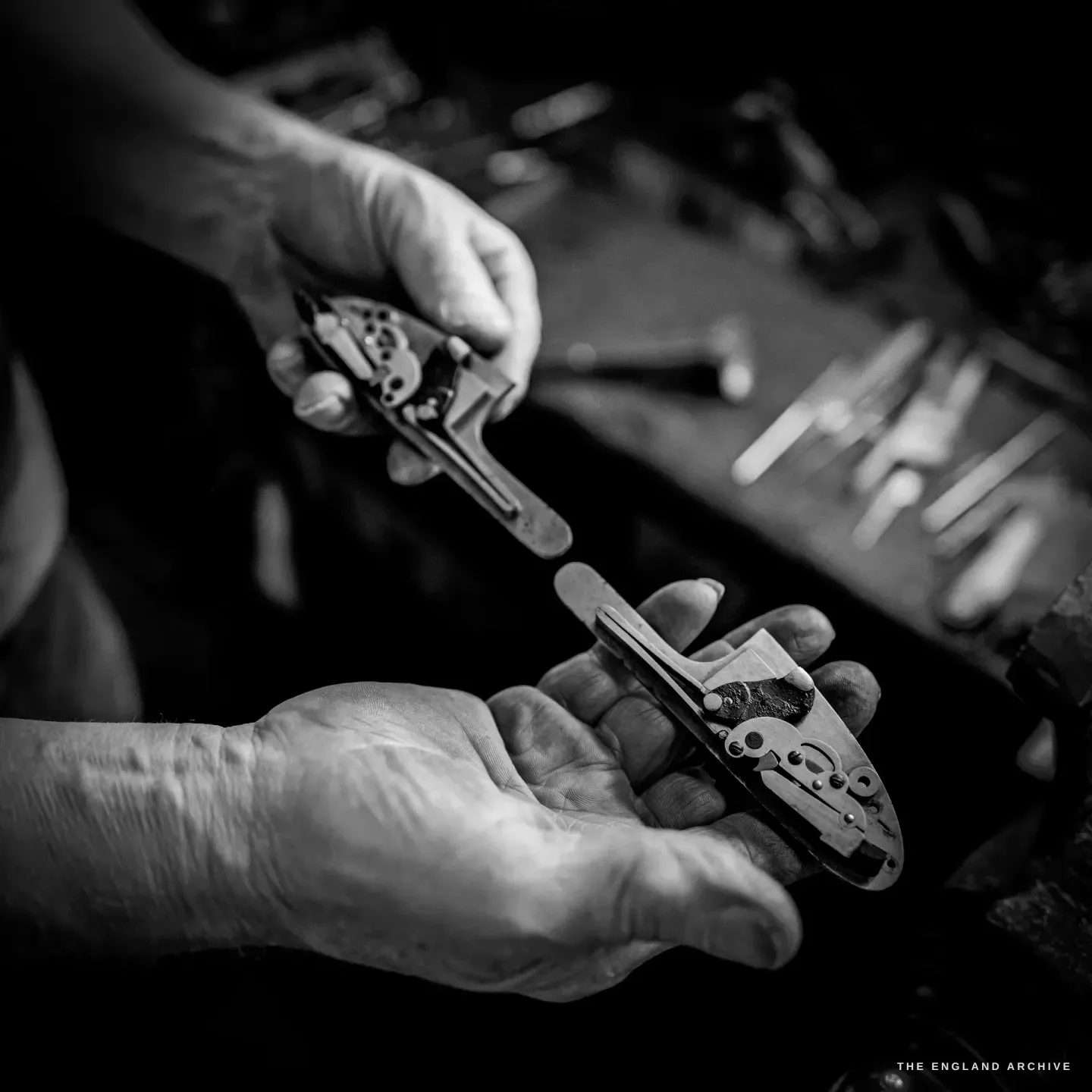
Haydn's trade is action filing. In the old Birmingham way of making a gun the work was split among specialists - barrel makers, stockers, lock makers, engravers - and the action filer is the one who fits the action: the body of the gun where the barrels hinge and the whole thing locks shut. It is the fitting that makes a good gun good. A barrel, a body and a set of locks have to be worked until they close and open as if they were one piece of metal, with no play and no gap, and that is done by hand, by eye, by taking metal off a thousandth of an inch at a time, trying it, and taking a little more.
Haydn talked me through how the trade used to be organised, and it is worth knowing how old and how strange that division of labour is. Birmingham made its guns not in one factory but across a whole quarter of small workshops, the trade broken into more than fifty separate crafts - barrel forgers and borers, filers, stockers, lock makers, engravers, hardeners, browners - so that a single gun could pass through fifty pairs of hands before it was finished. The man who gathered all those bought-in parts and made them close as one gun was the setter-up, and action filing is the heart of setting up. Haydn is doing, by himself in one room, the job that once sat at the centre of a whole city's worth of out-workers.
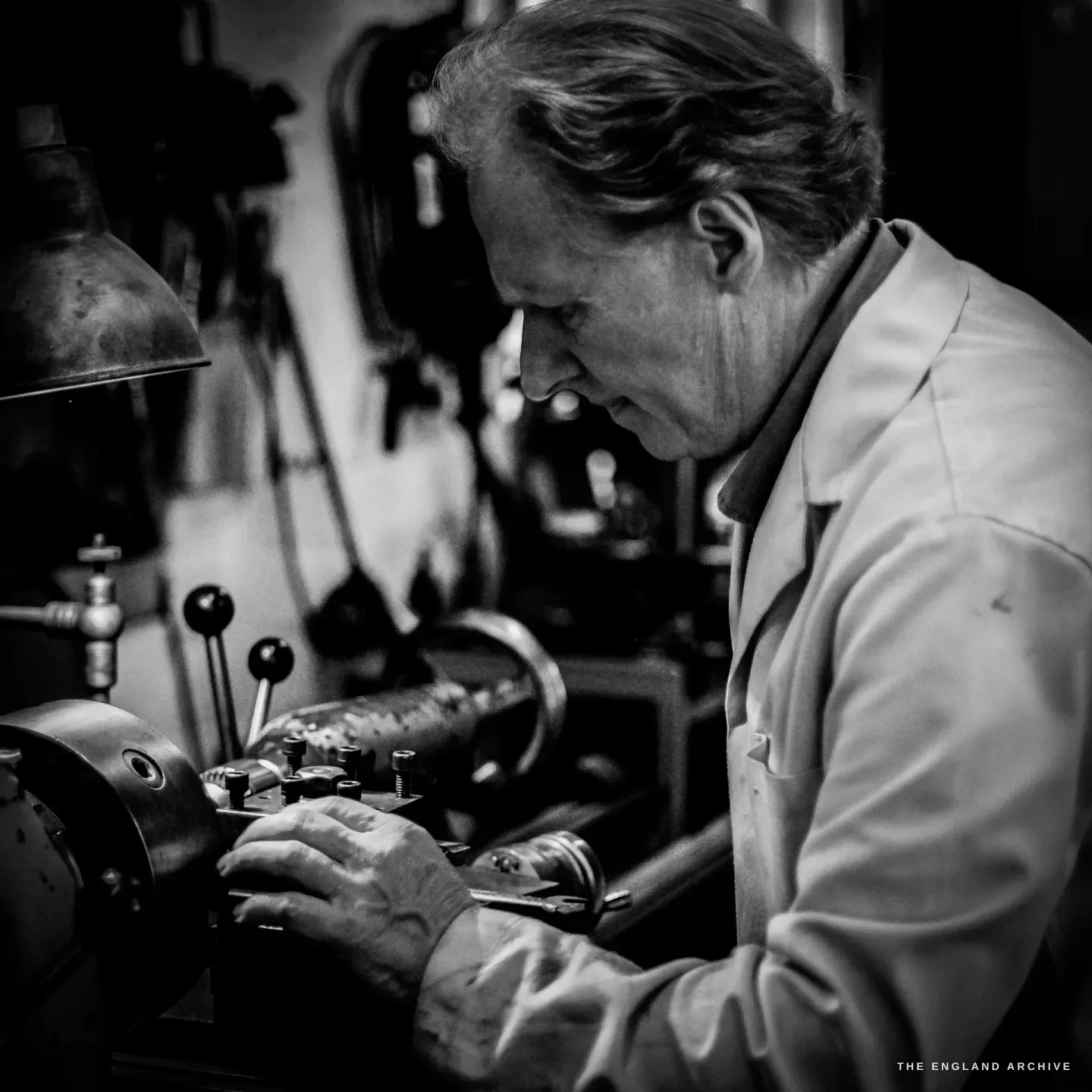
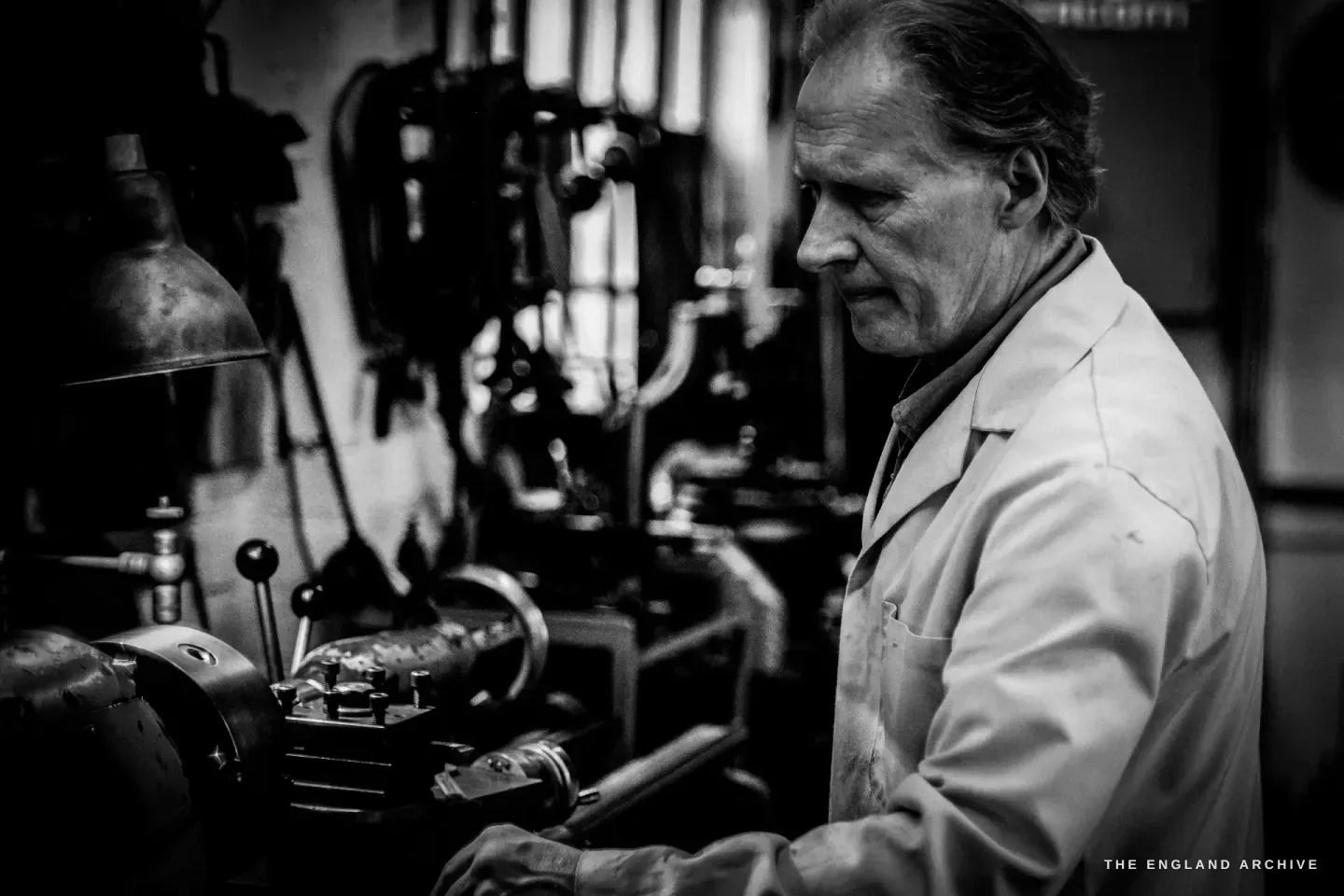
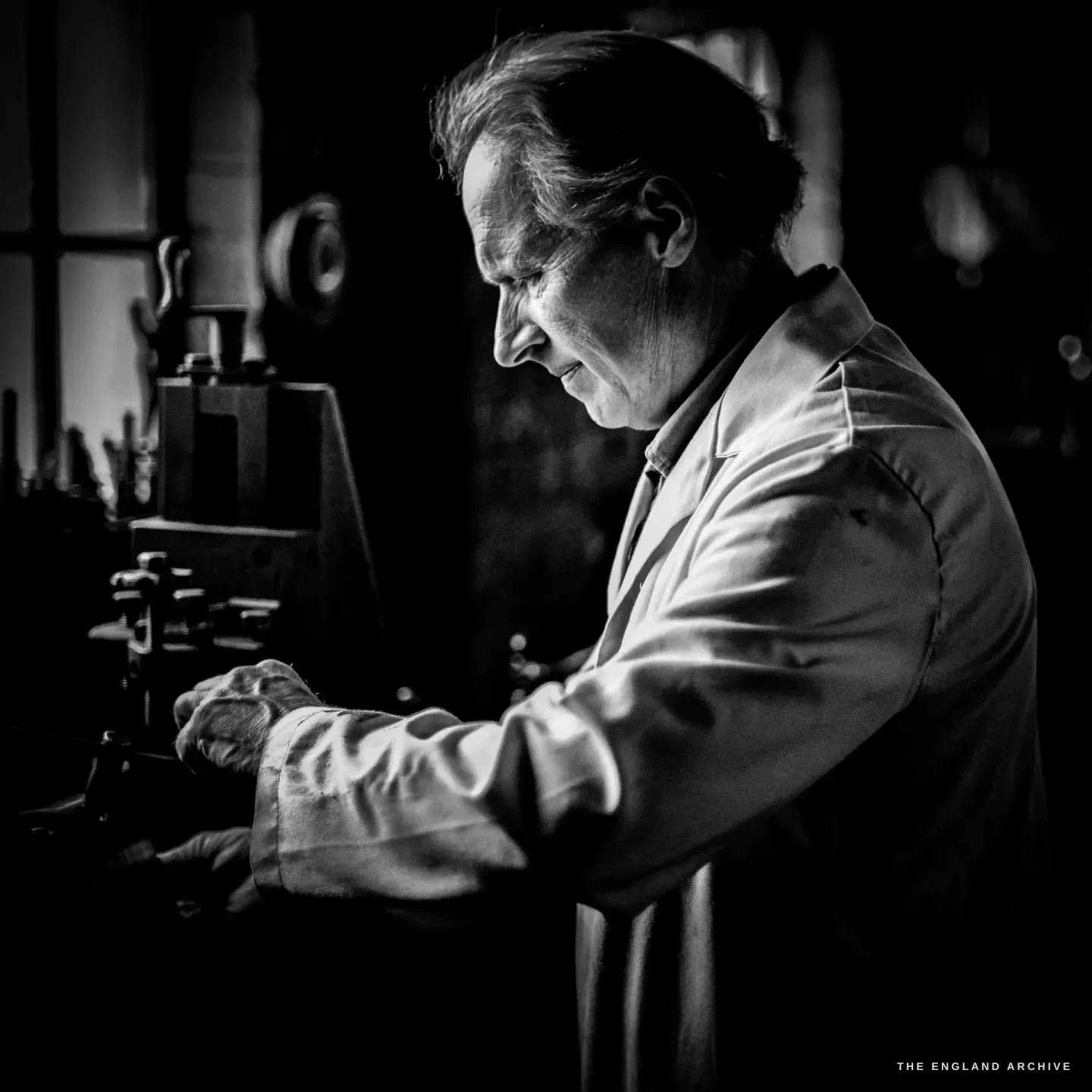
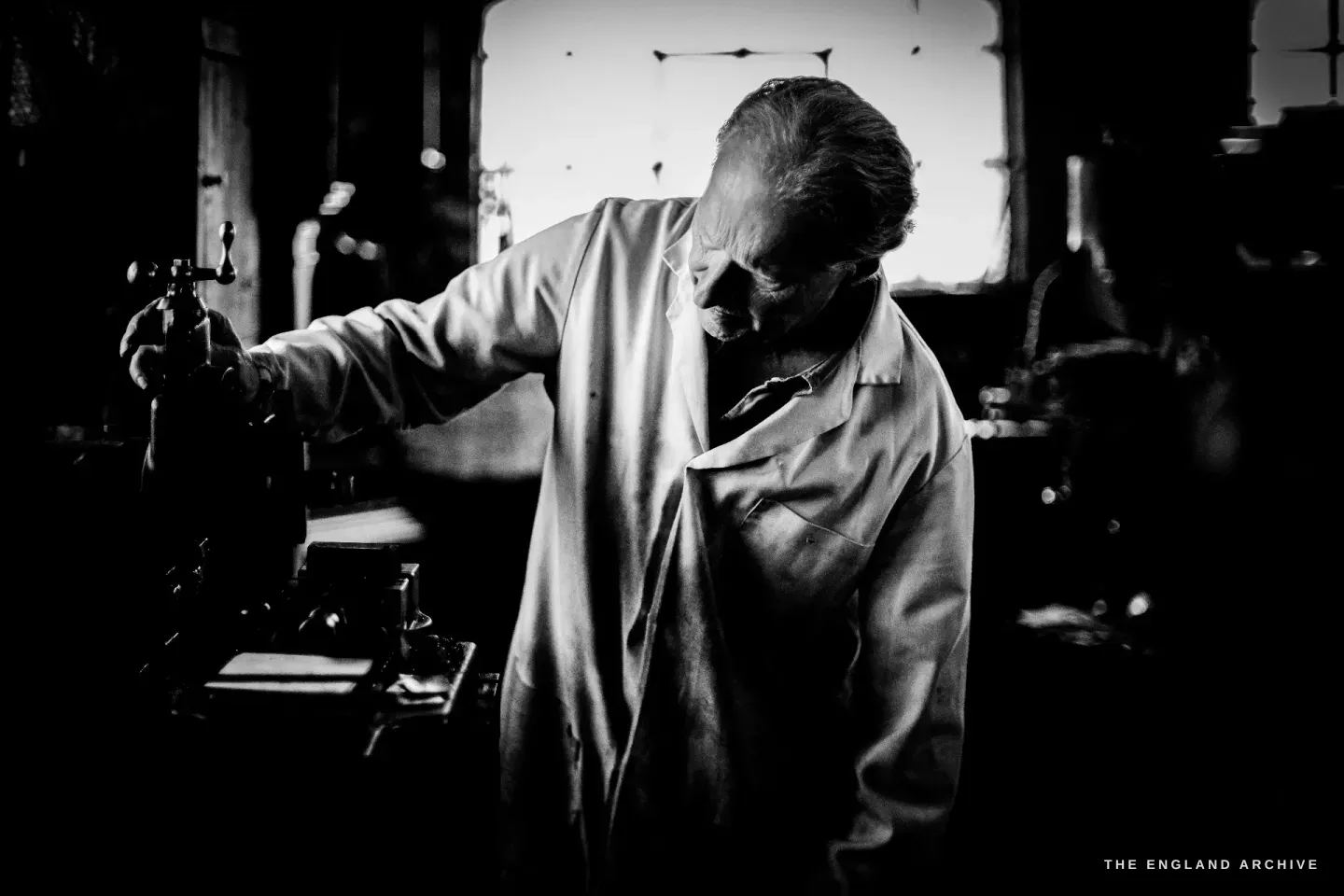
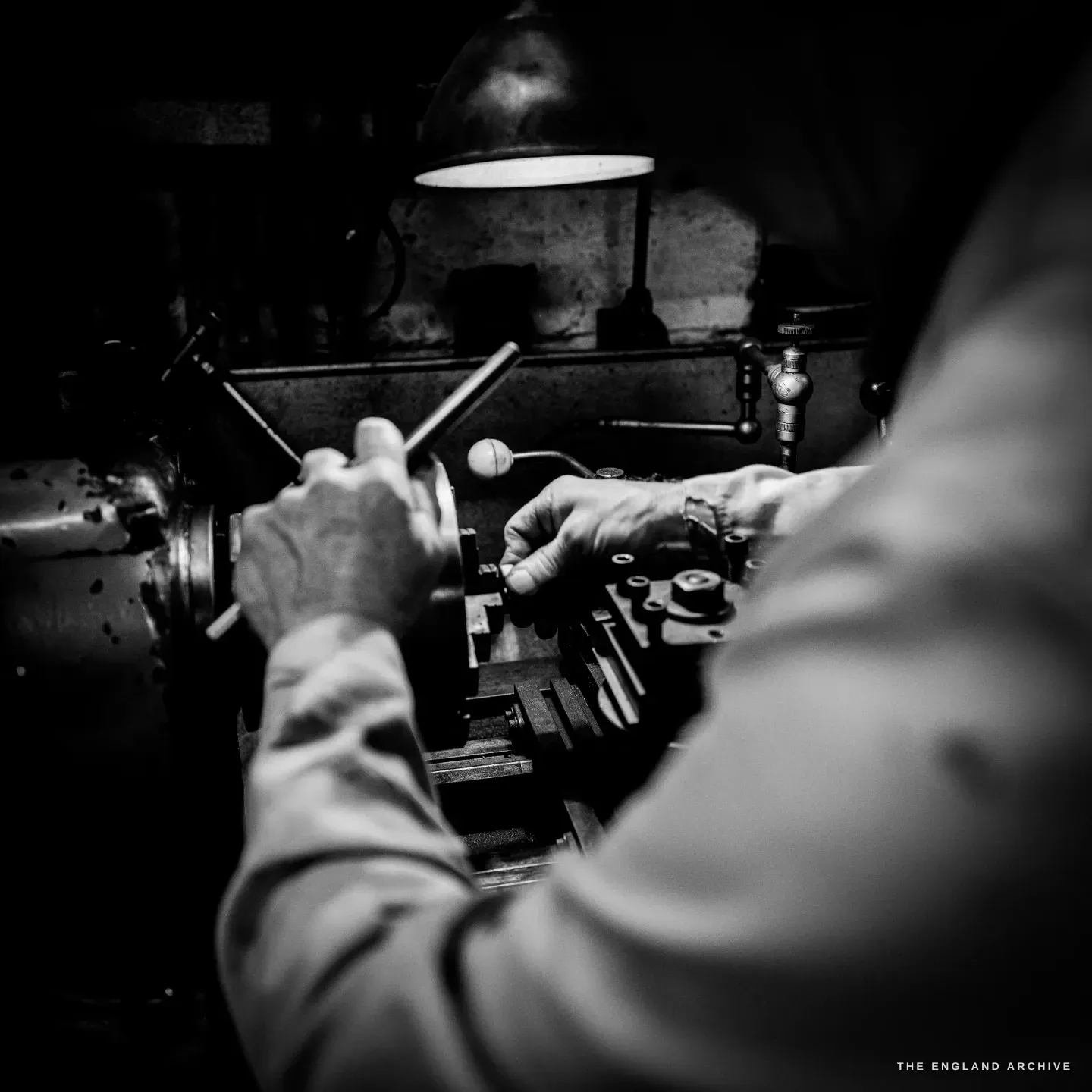
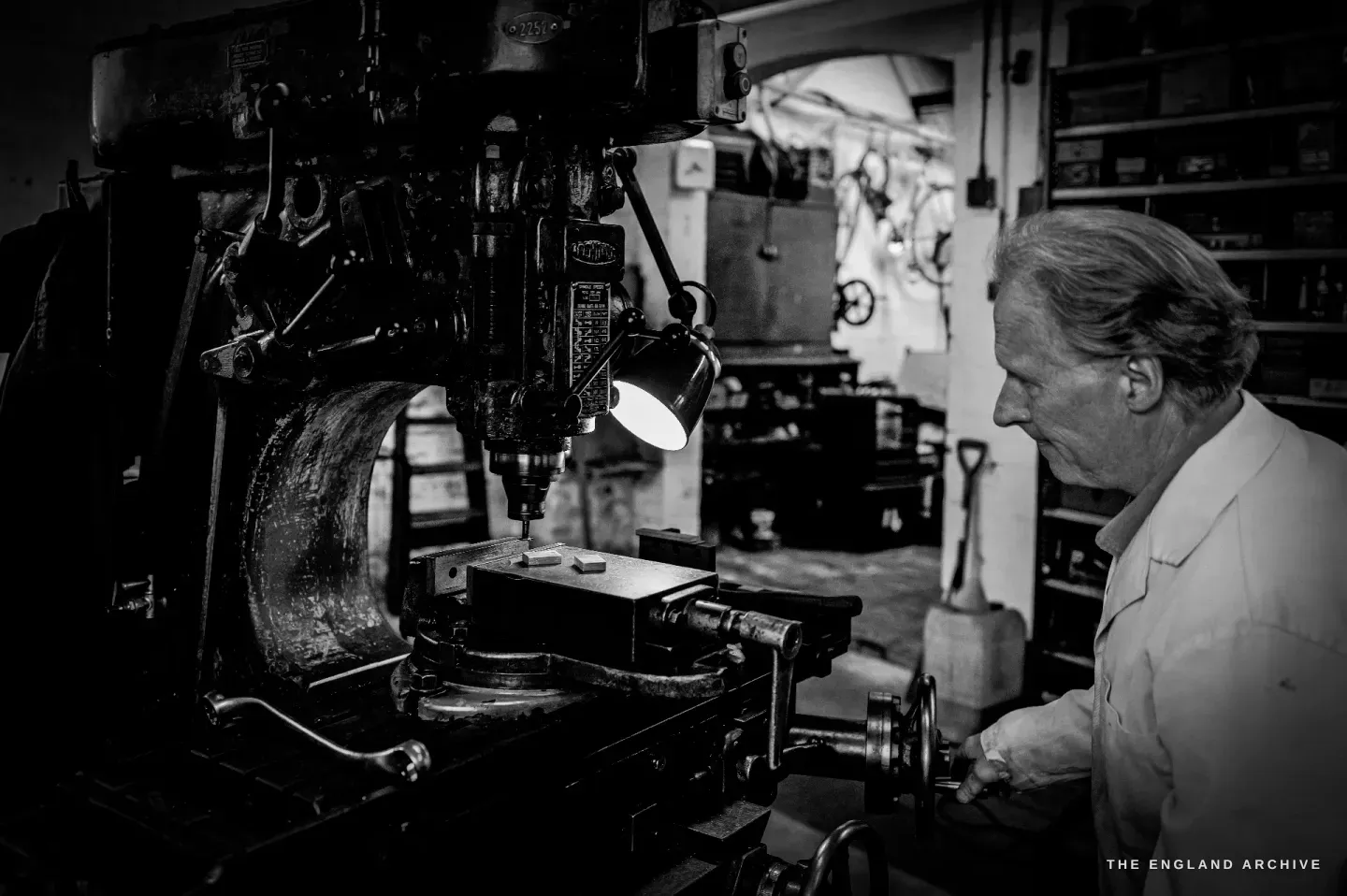
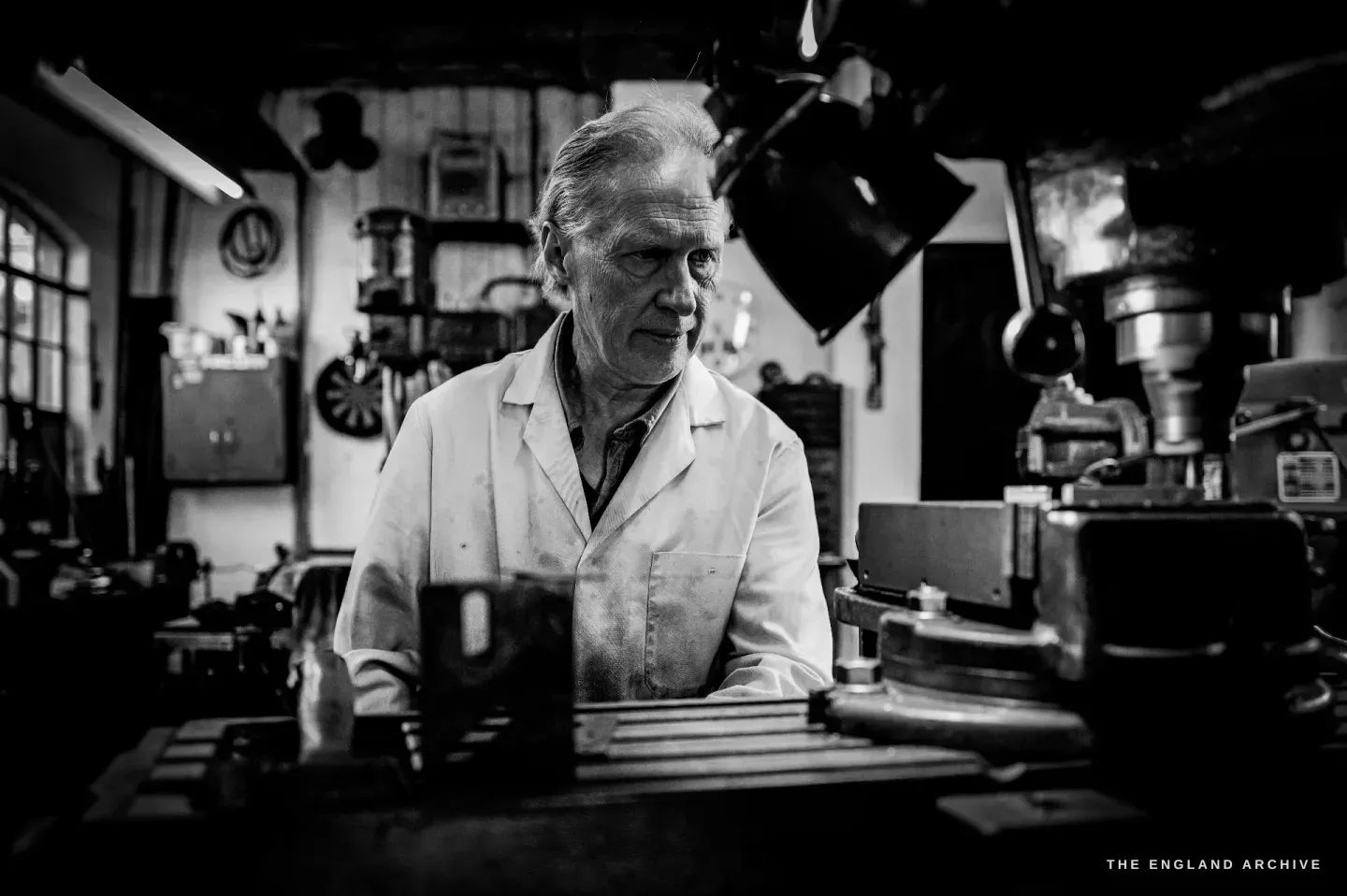
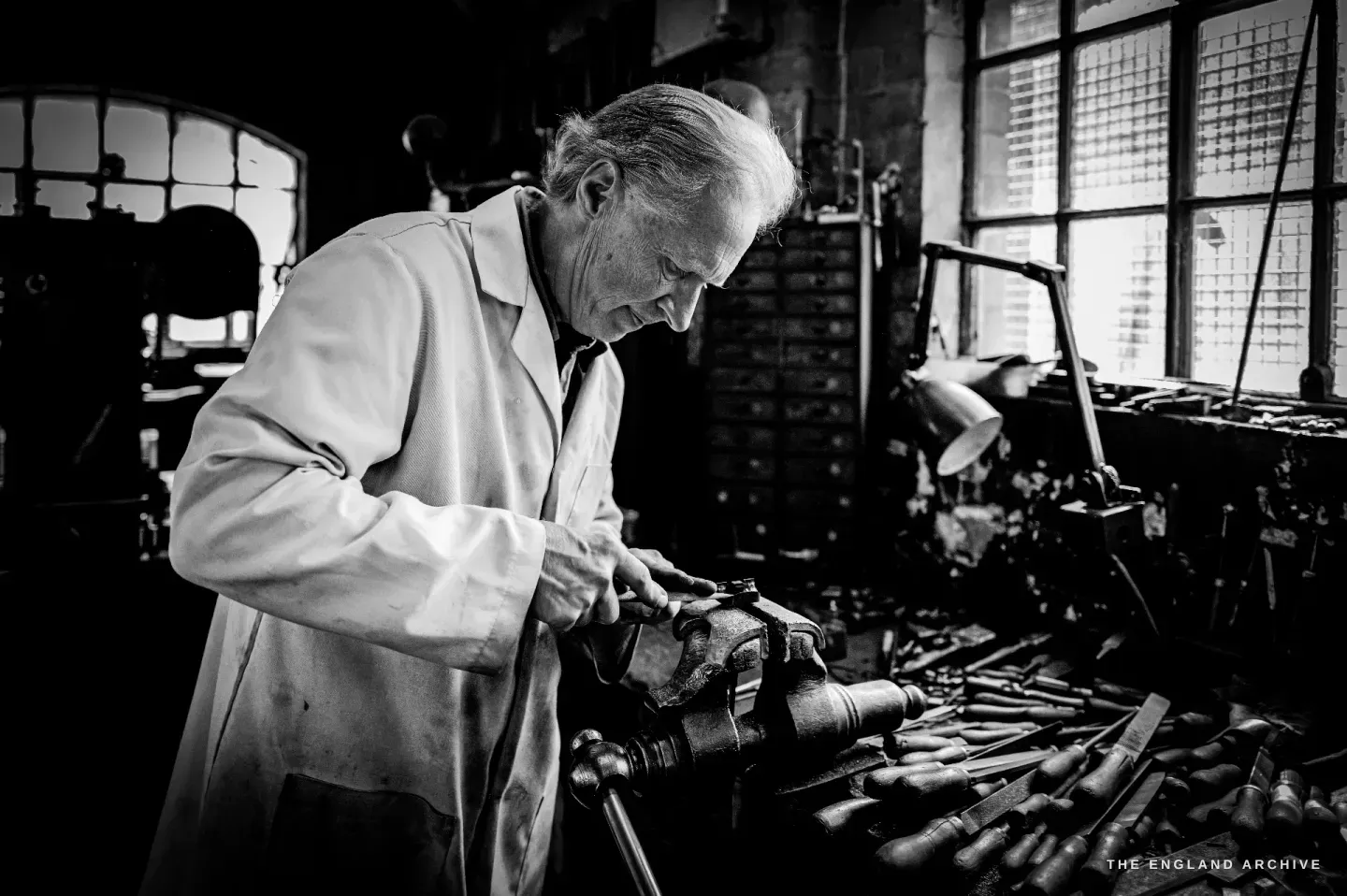
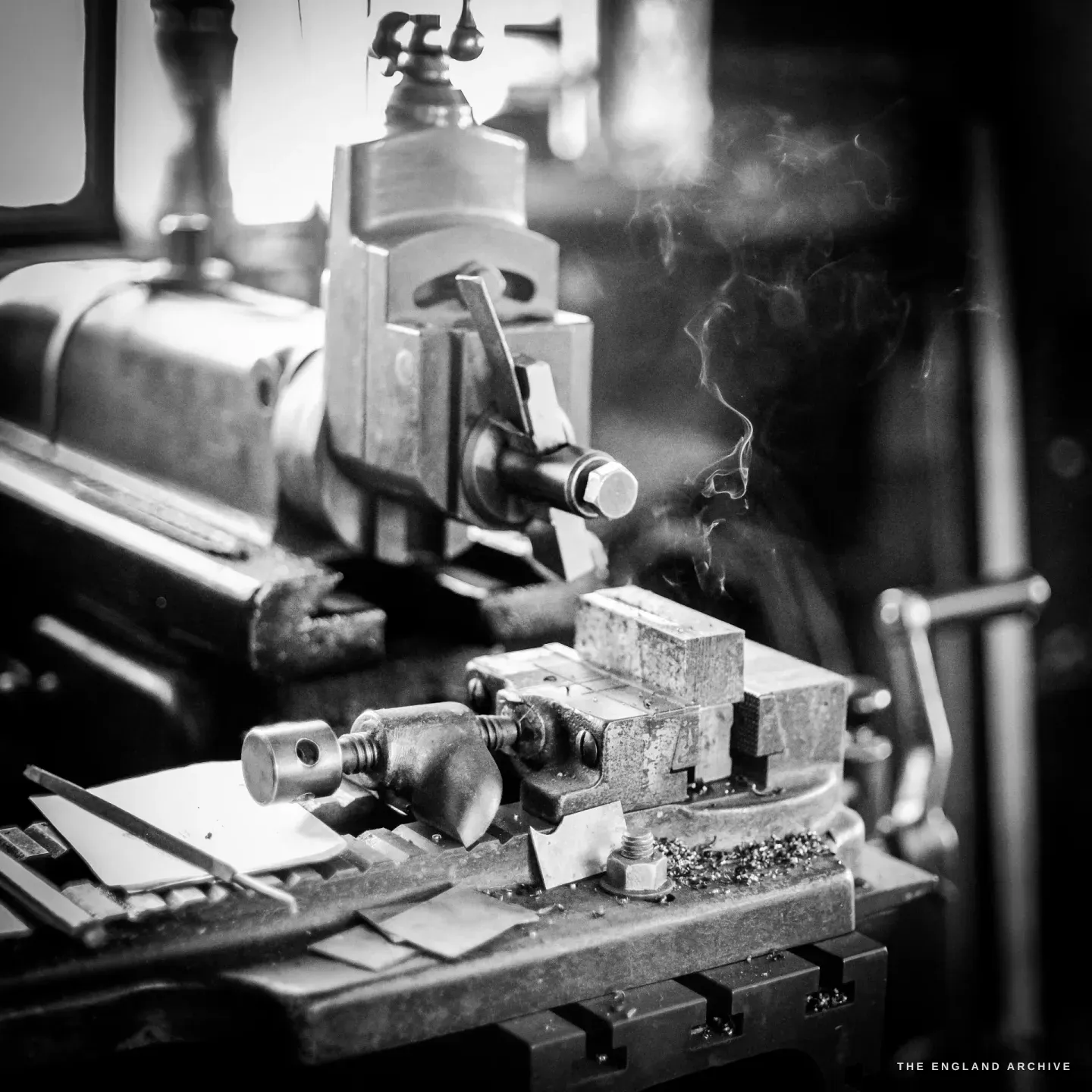
The machines do the heavy cutting; the judgement is all his. He turns a part on the lathe, a thread of smoke lifting off the tool, then takes it to the bench and works it with a file until it sits right. Some of it needs heat, and he holds a small component in the flame of a spirit lamp, arm out, watching the colour of the steel come up. This is slow work and there is no hurrying it. It is also, by now, rare work: hand gunmaking is a recognised endangered craft on the Heritage Crafts Red List, its workforce ageing, and the number of people who can file an action the way Haydn does it would not fill this room.
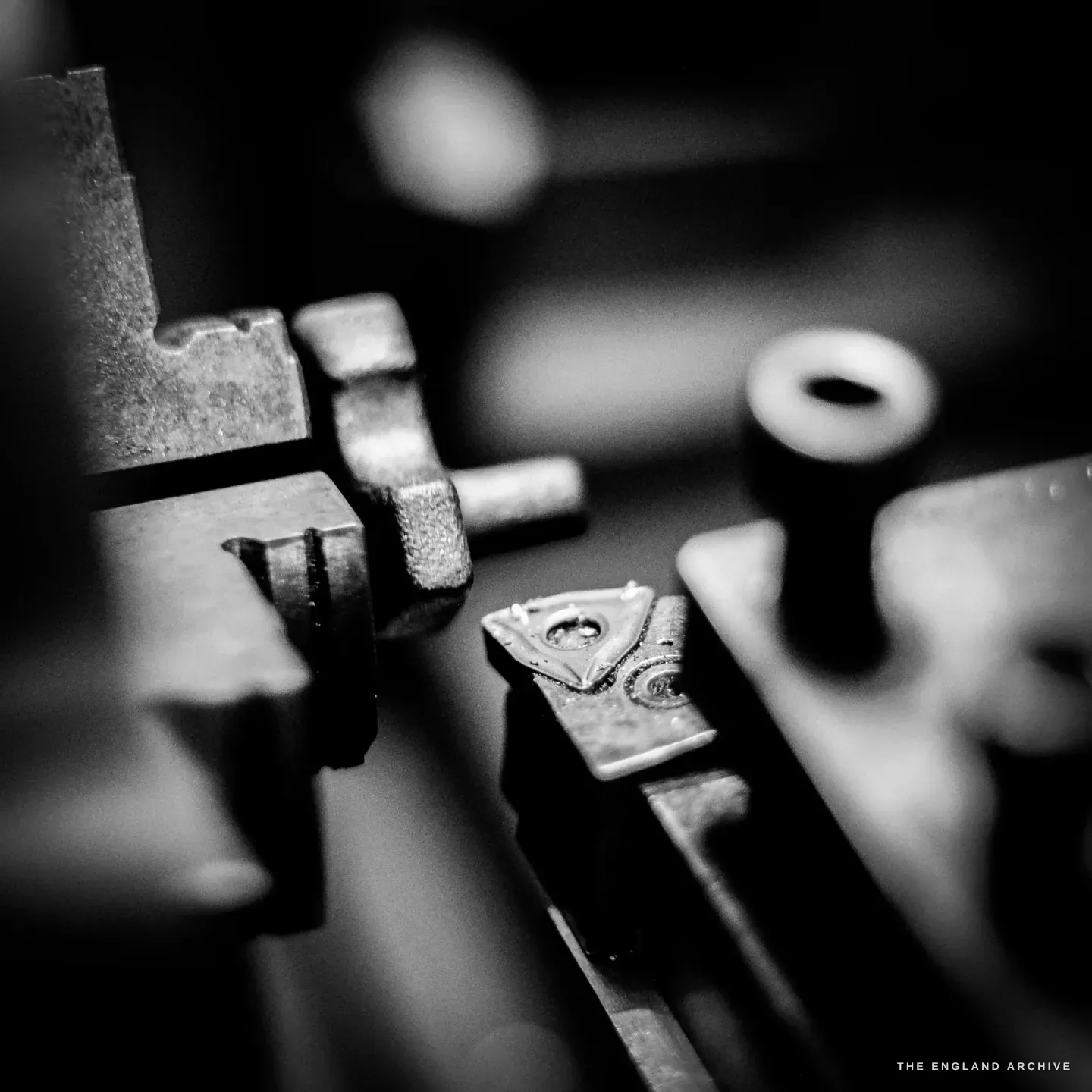
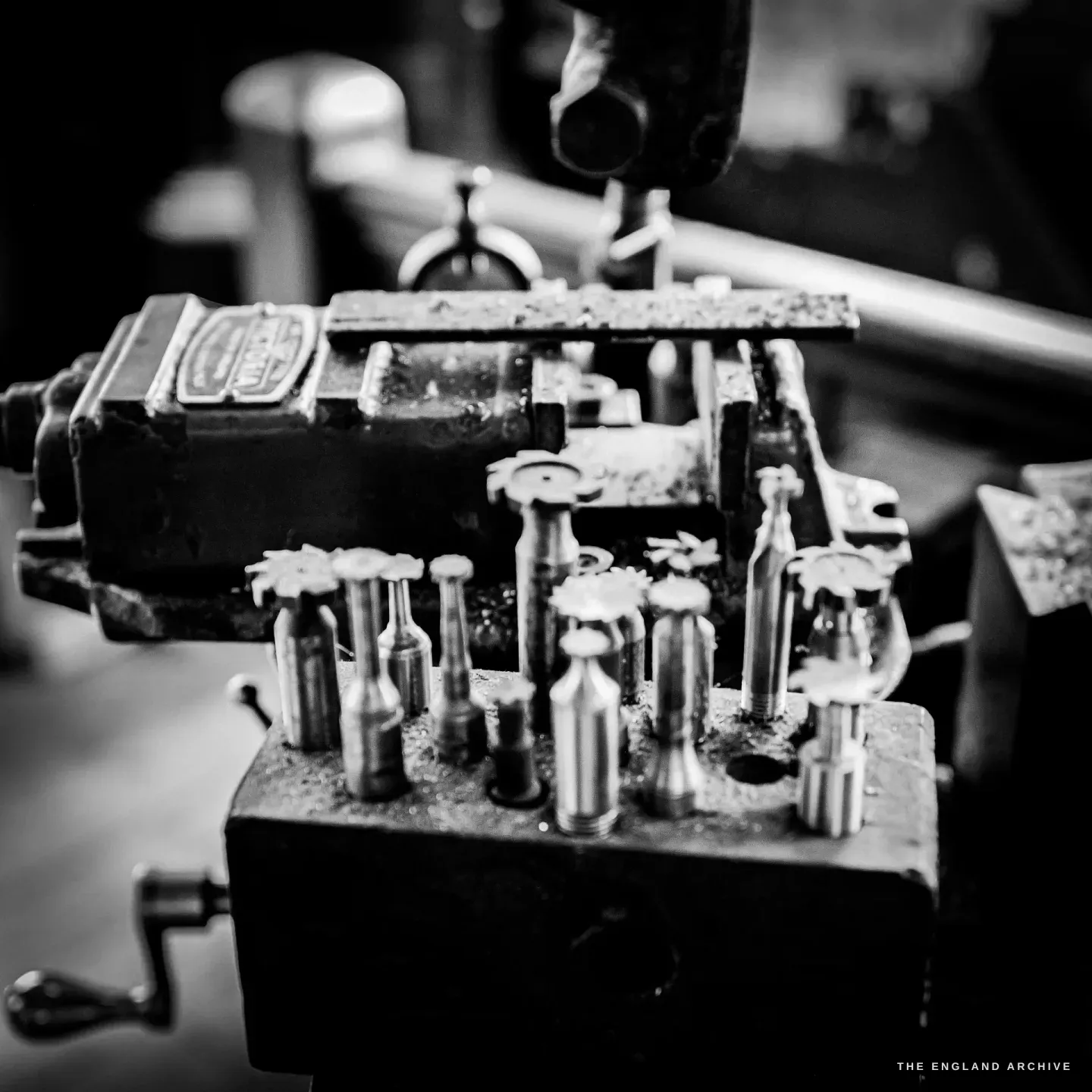
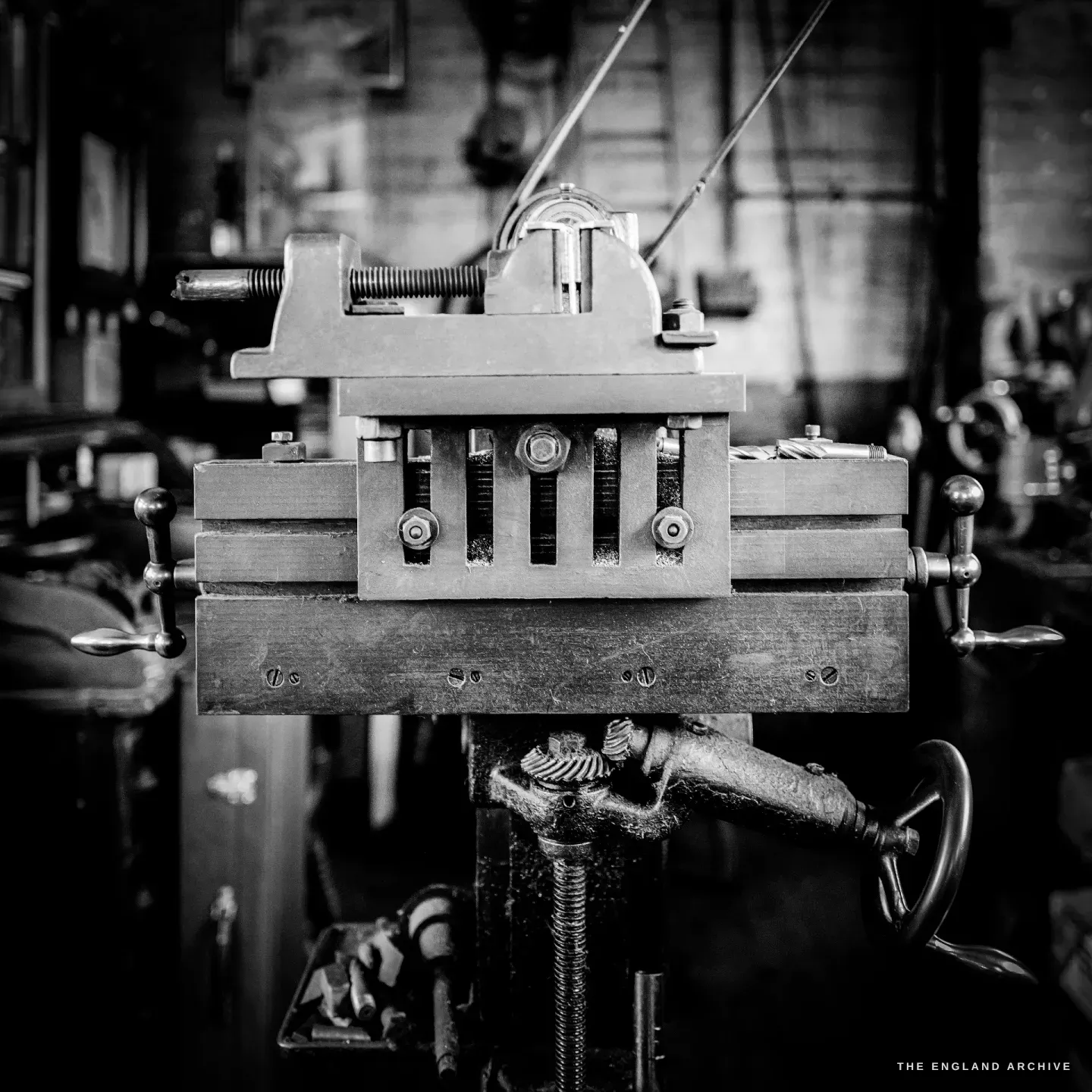
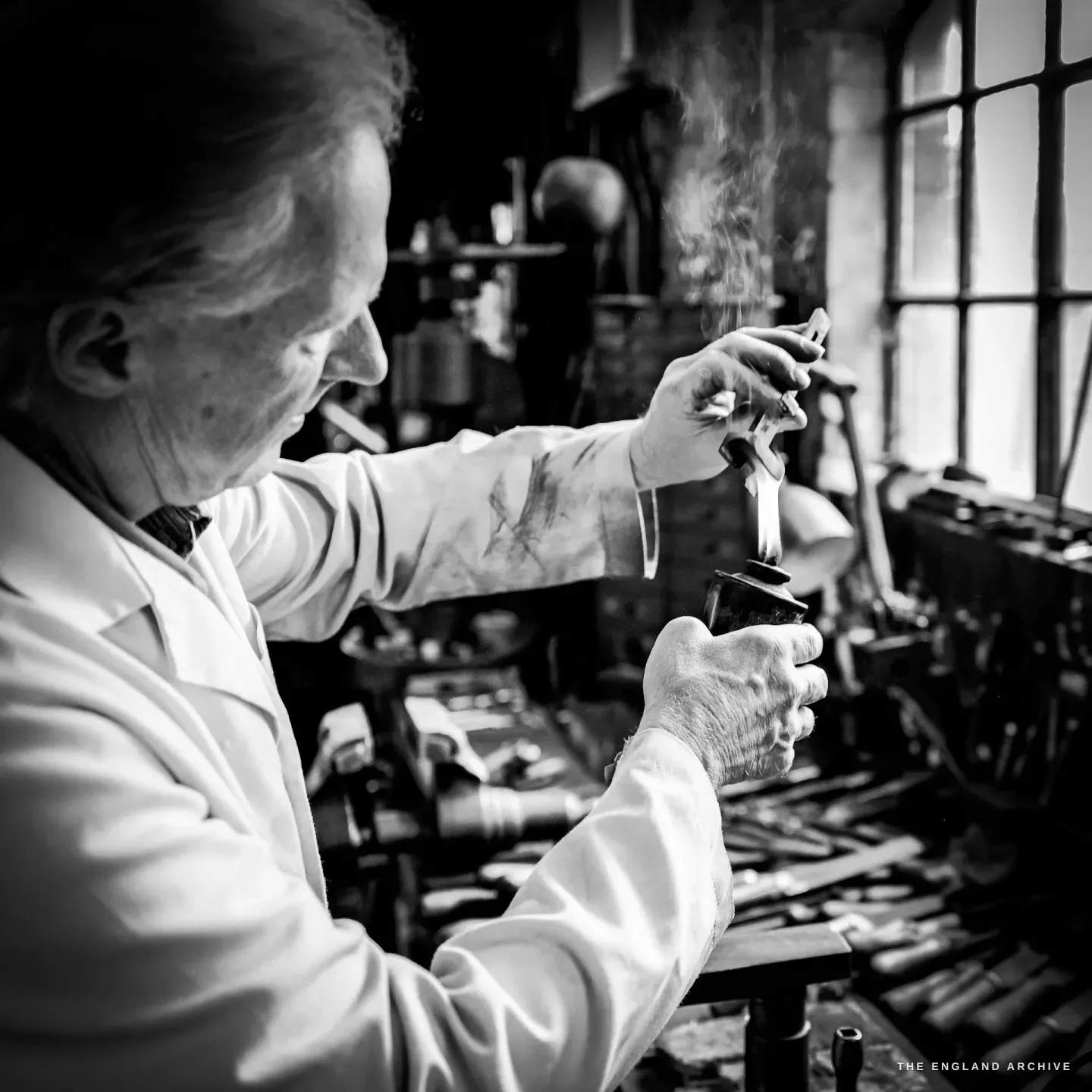
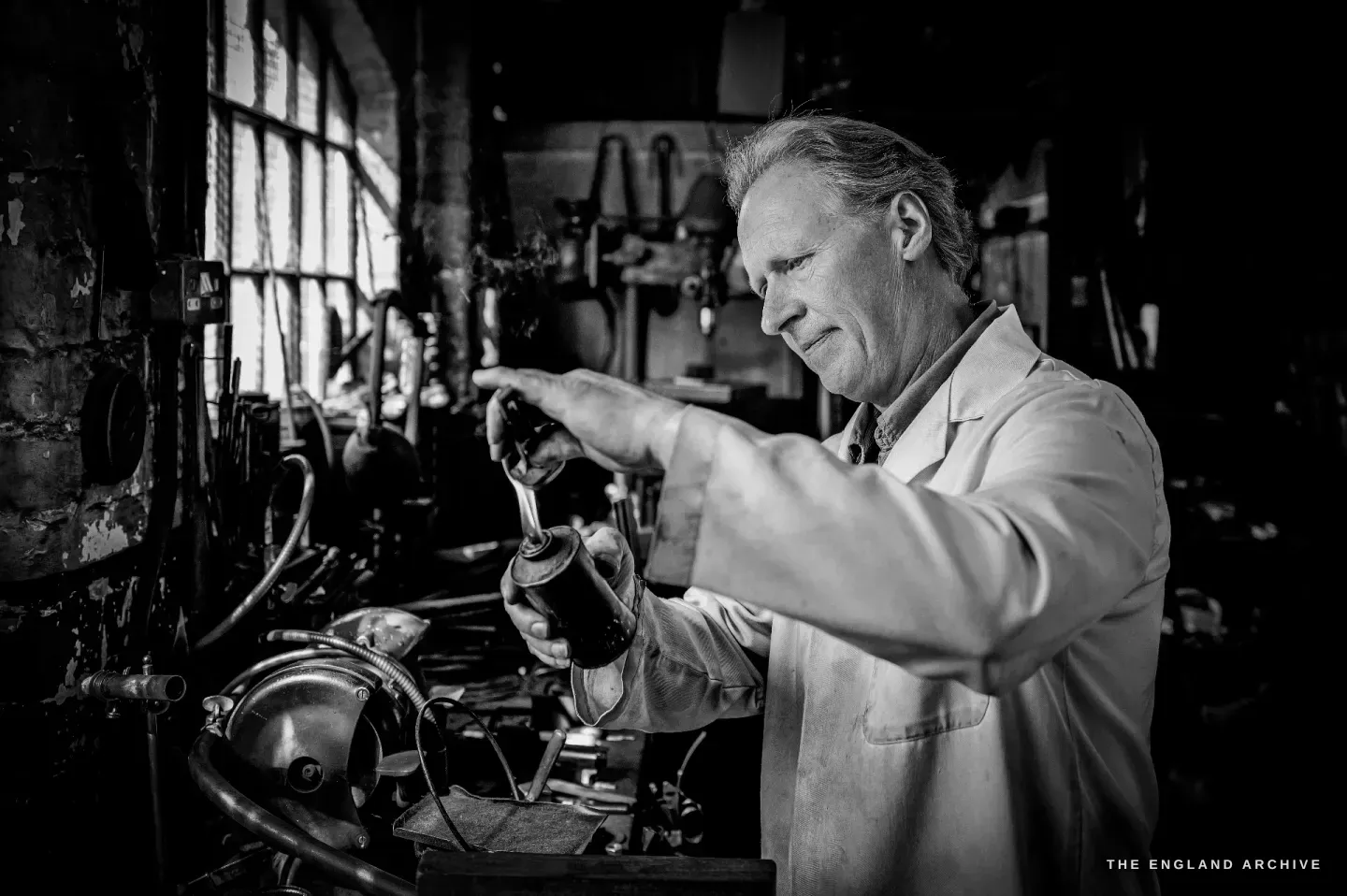
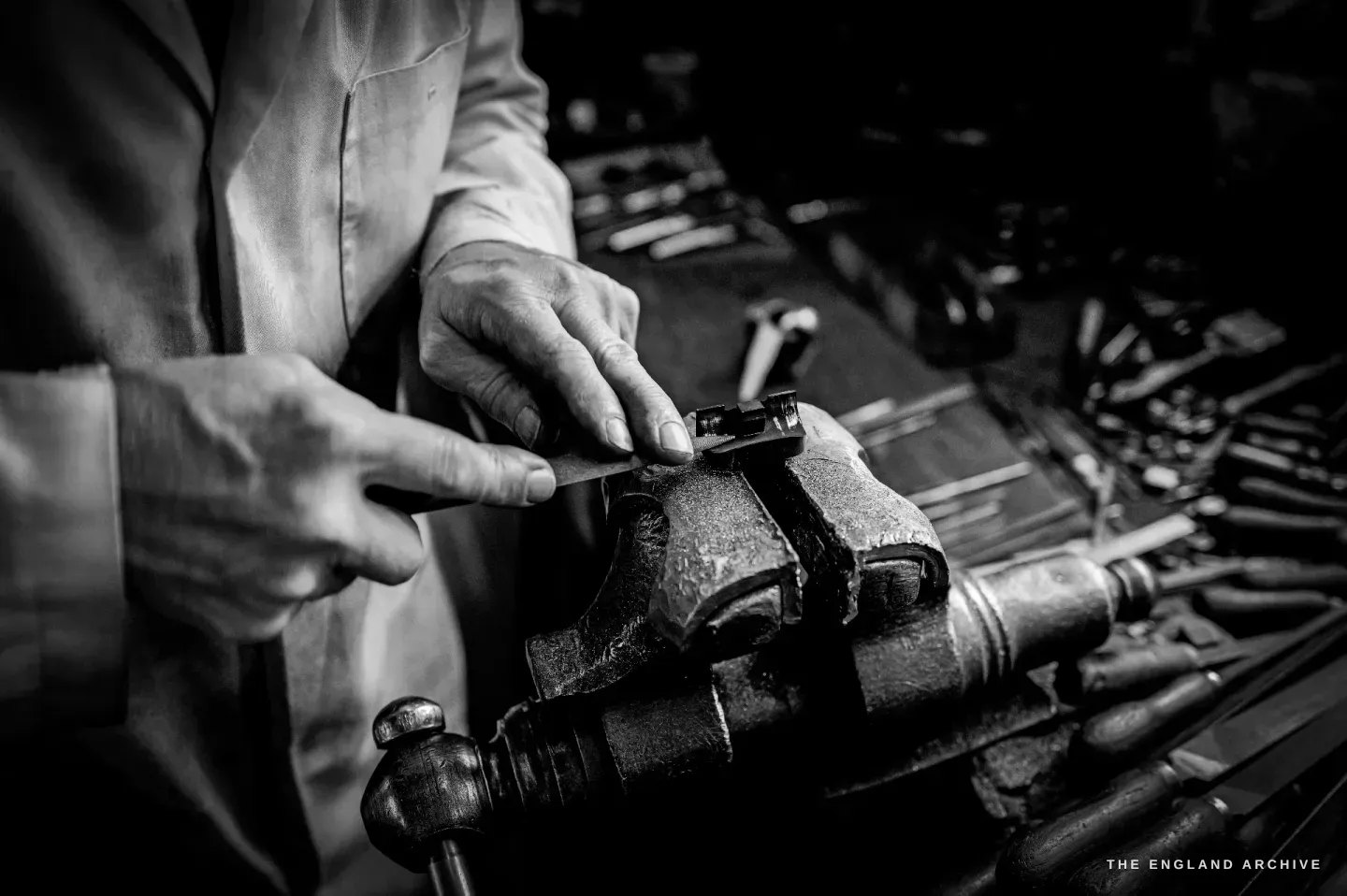
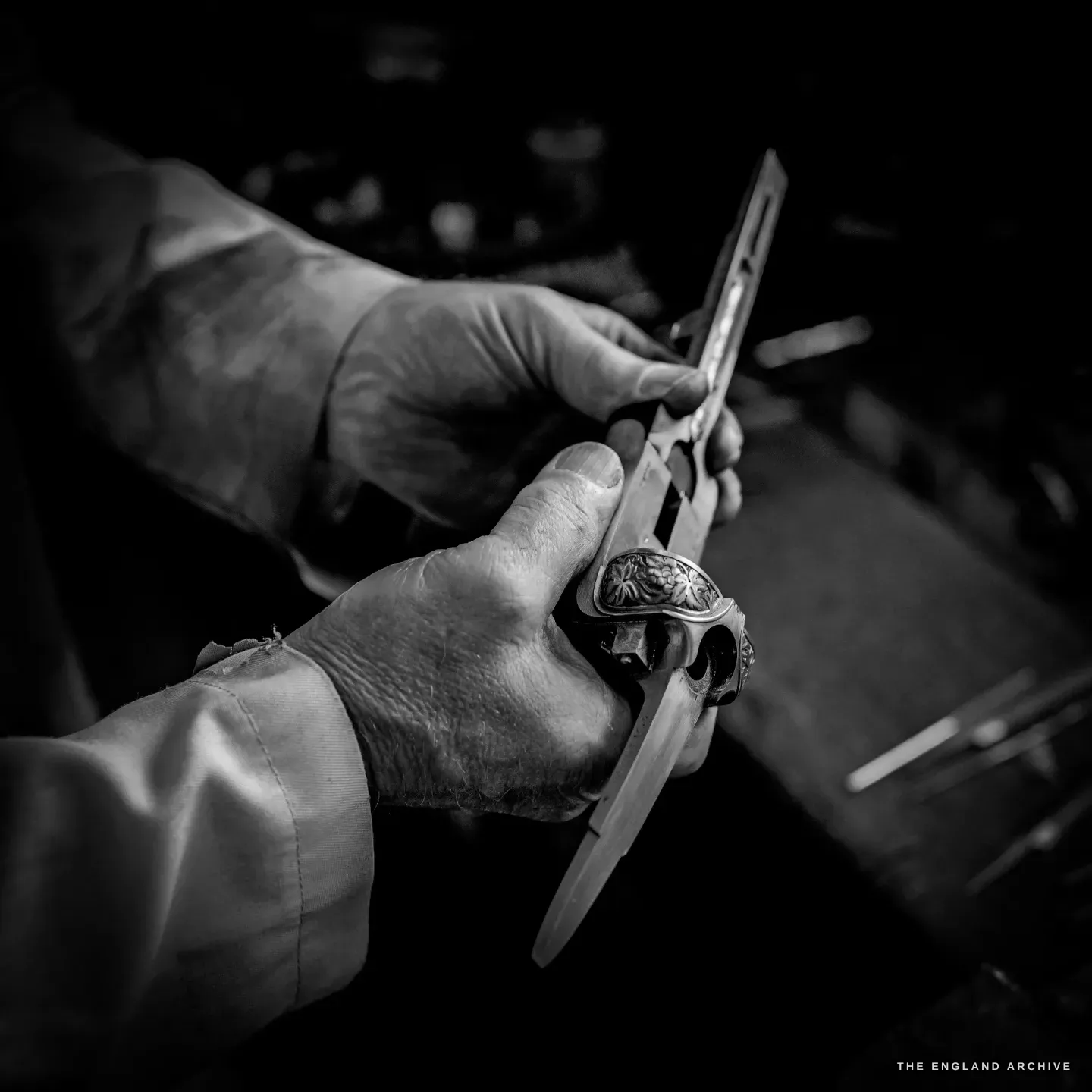
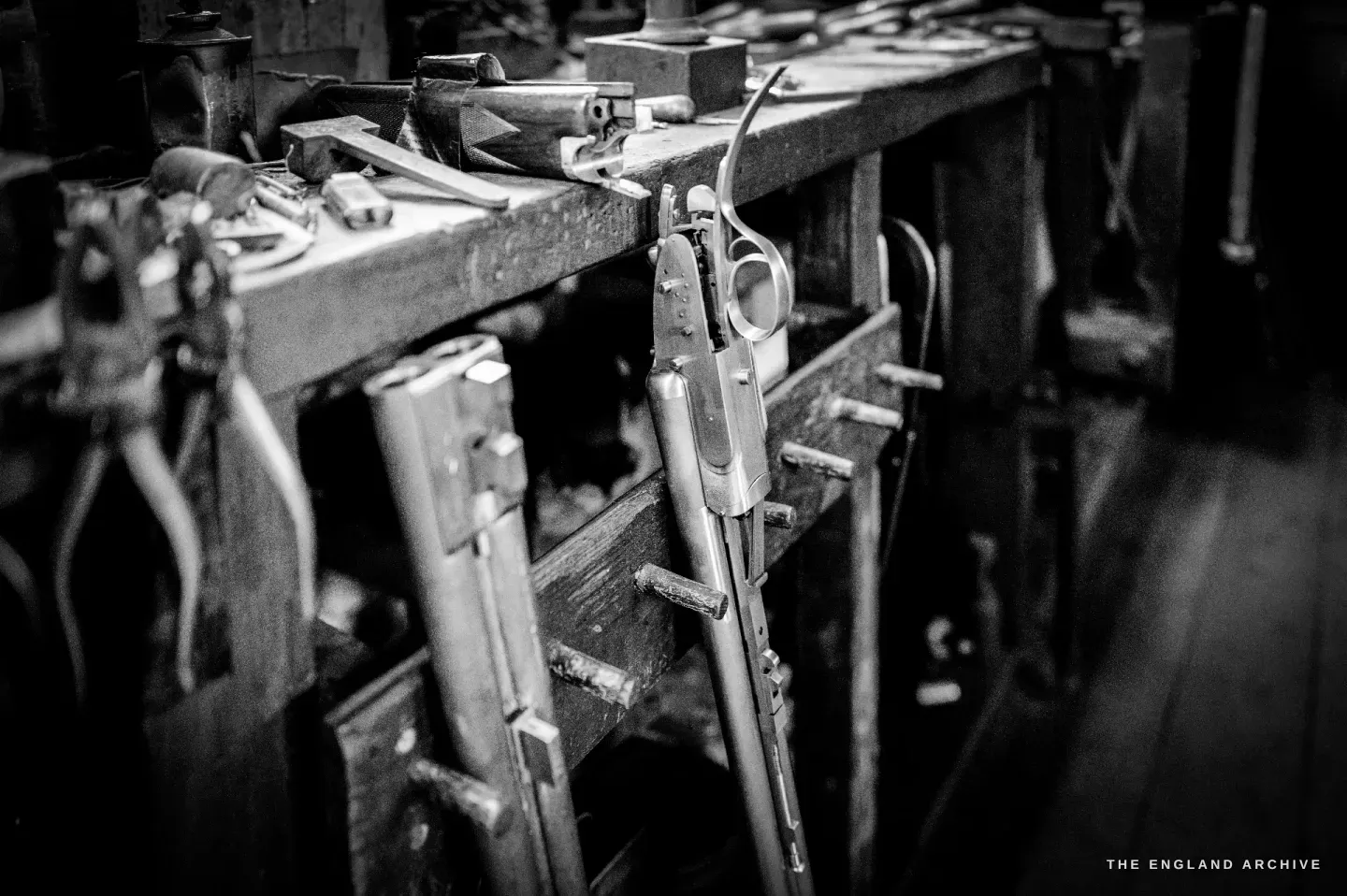
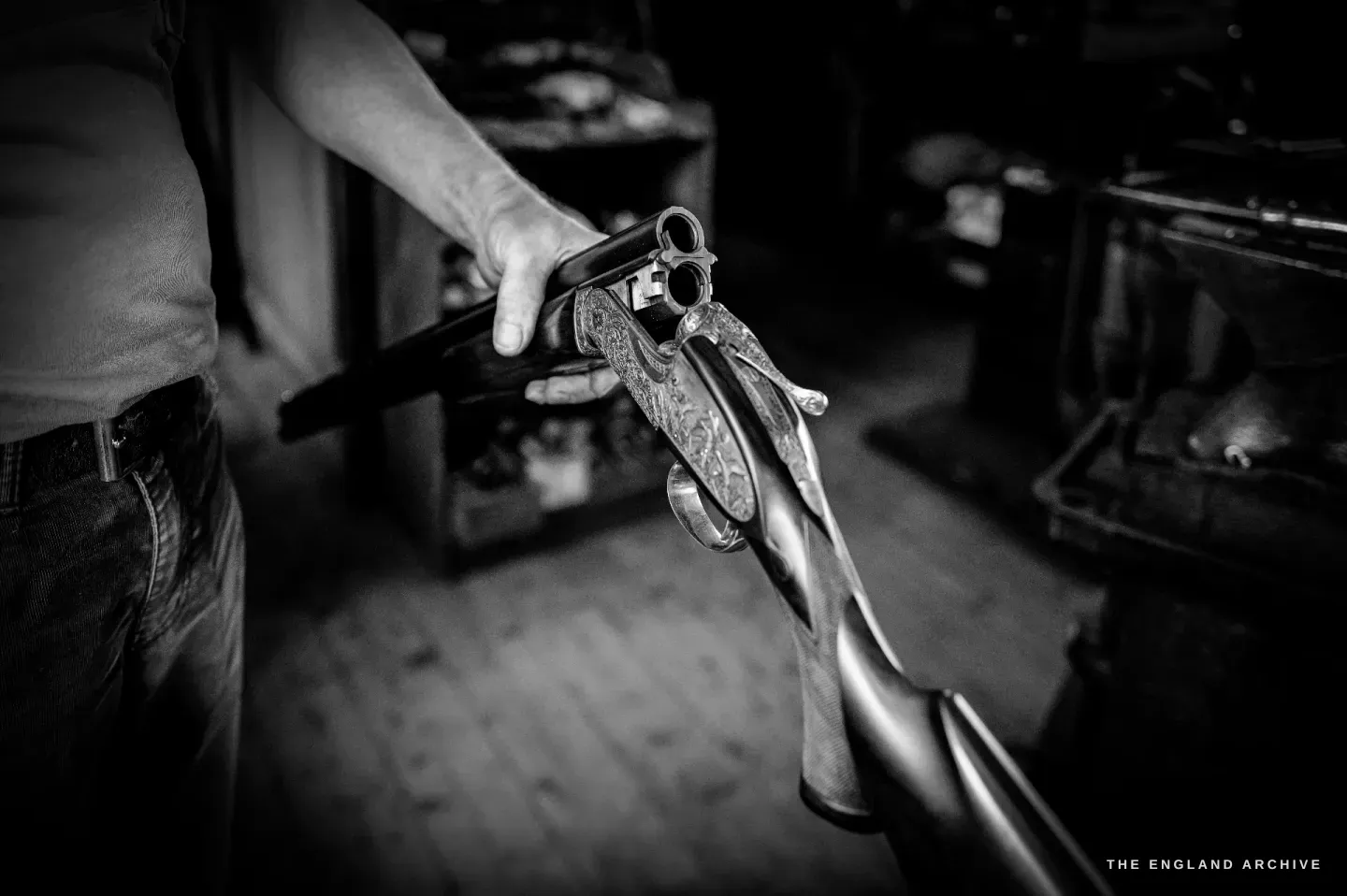
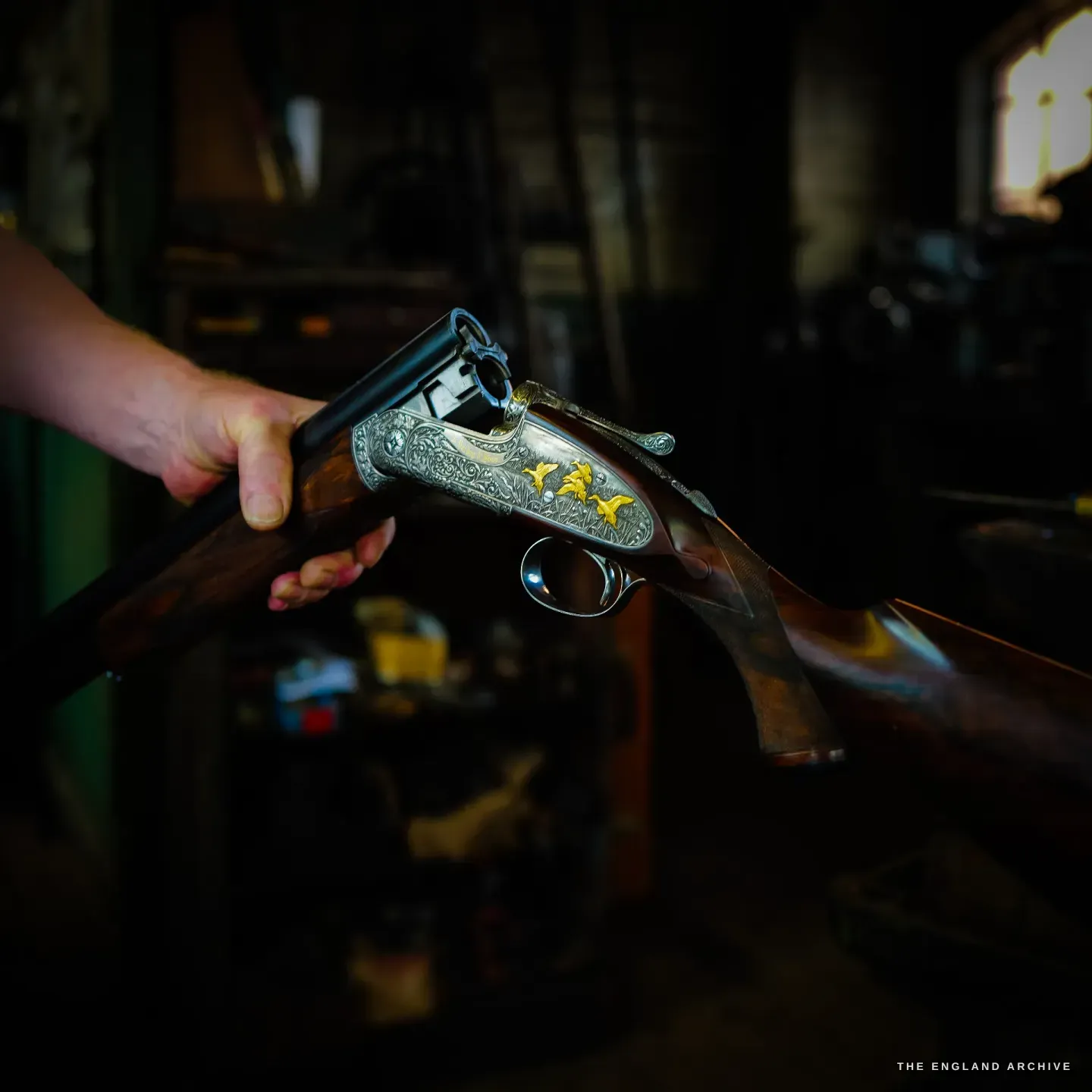
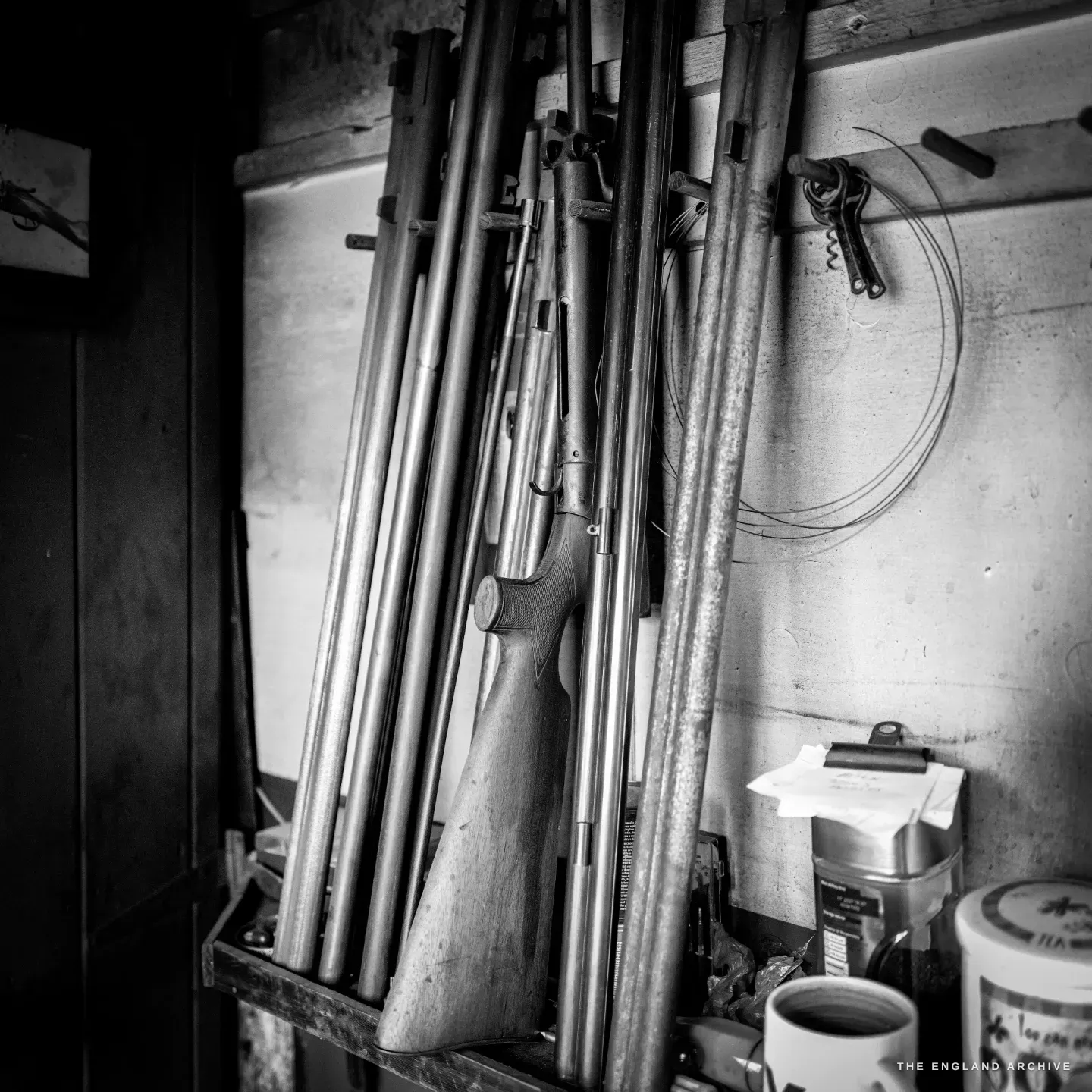
The guns themselves are all around the shop, at every stage. An action sits upright in a bench stand with its lockwork open; a walnut forend waits beside it. He handed me a double gun broken open and pointed at the bright fitted faces inside, every one of them filed to close on its neighbour with no daylight between.
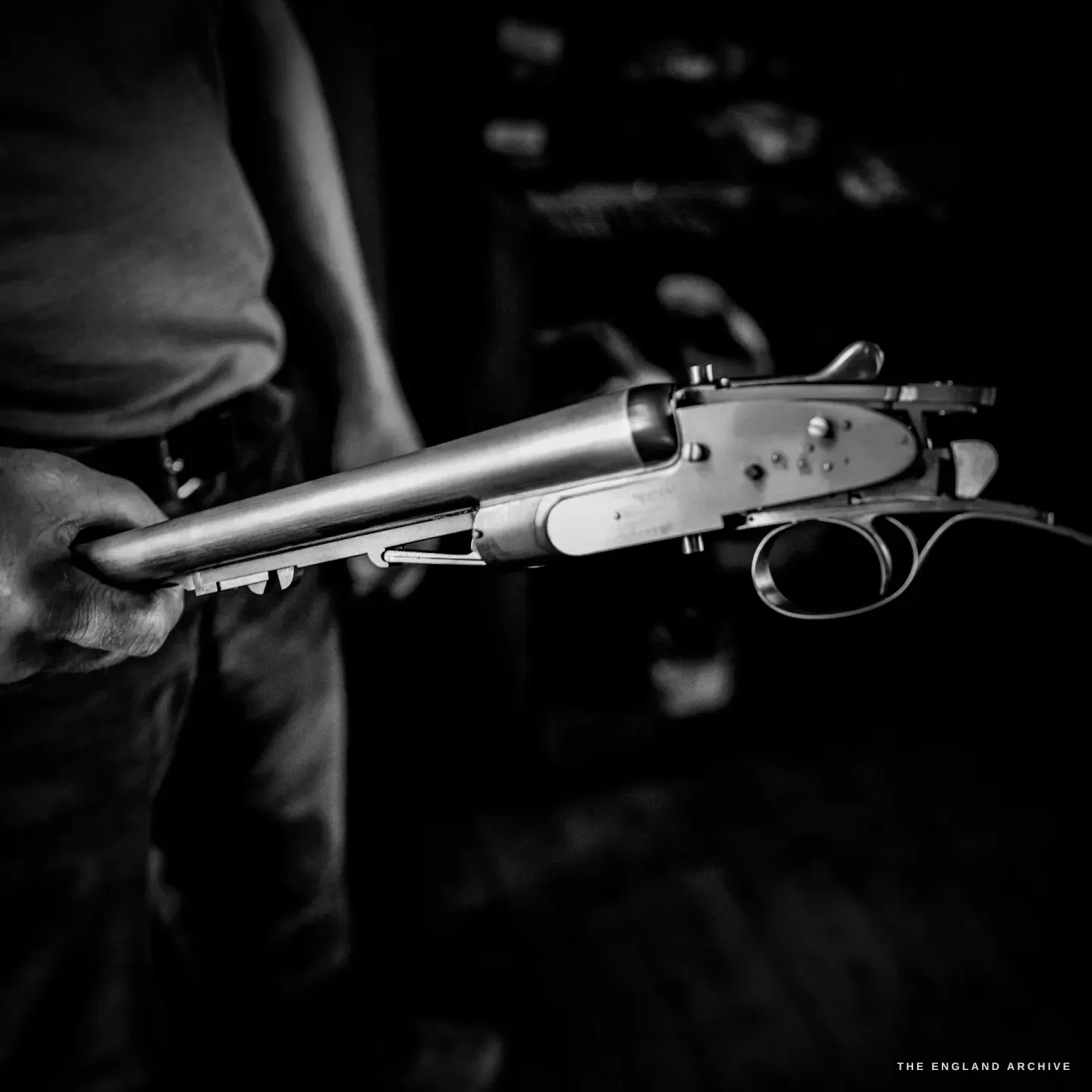
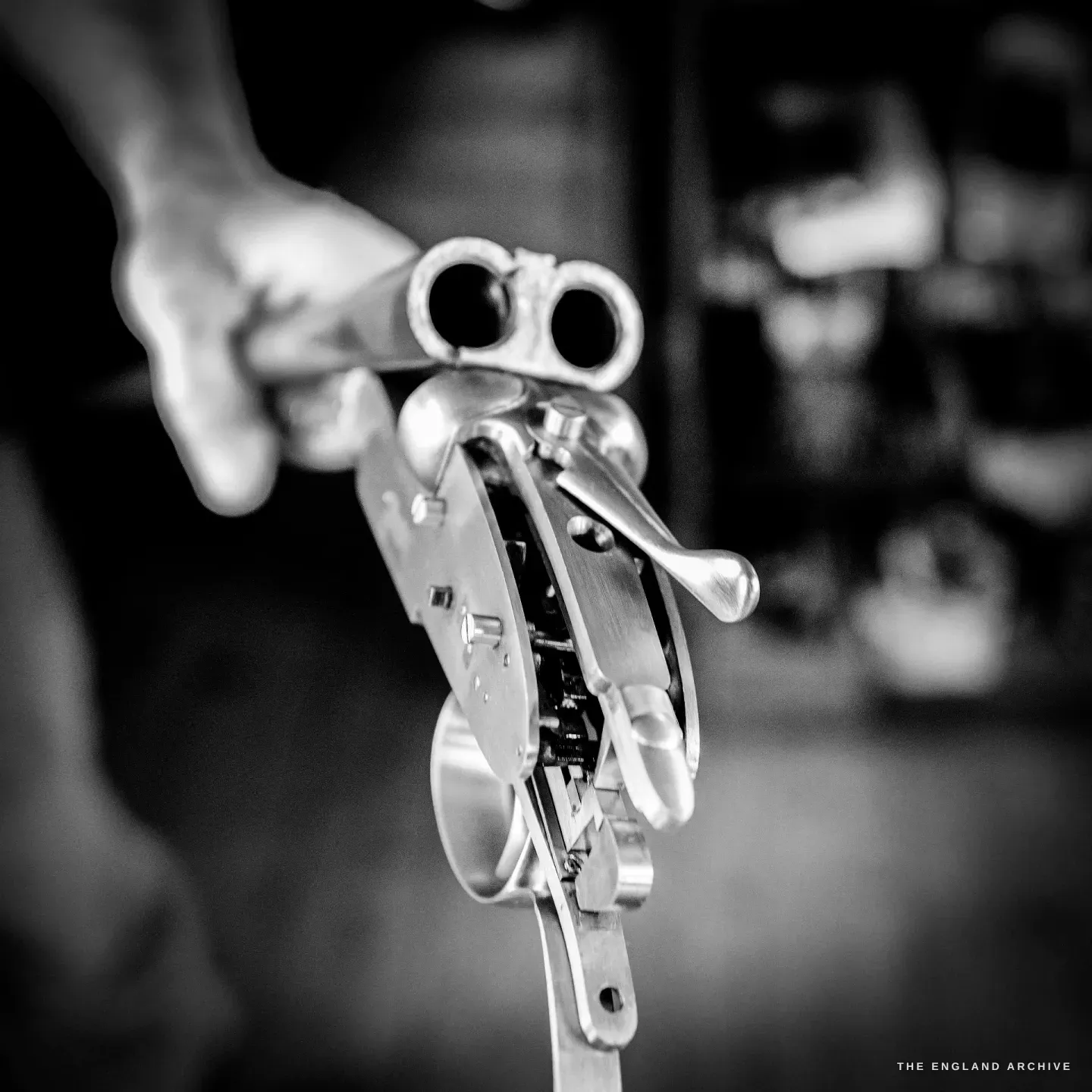
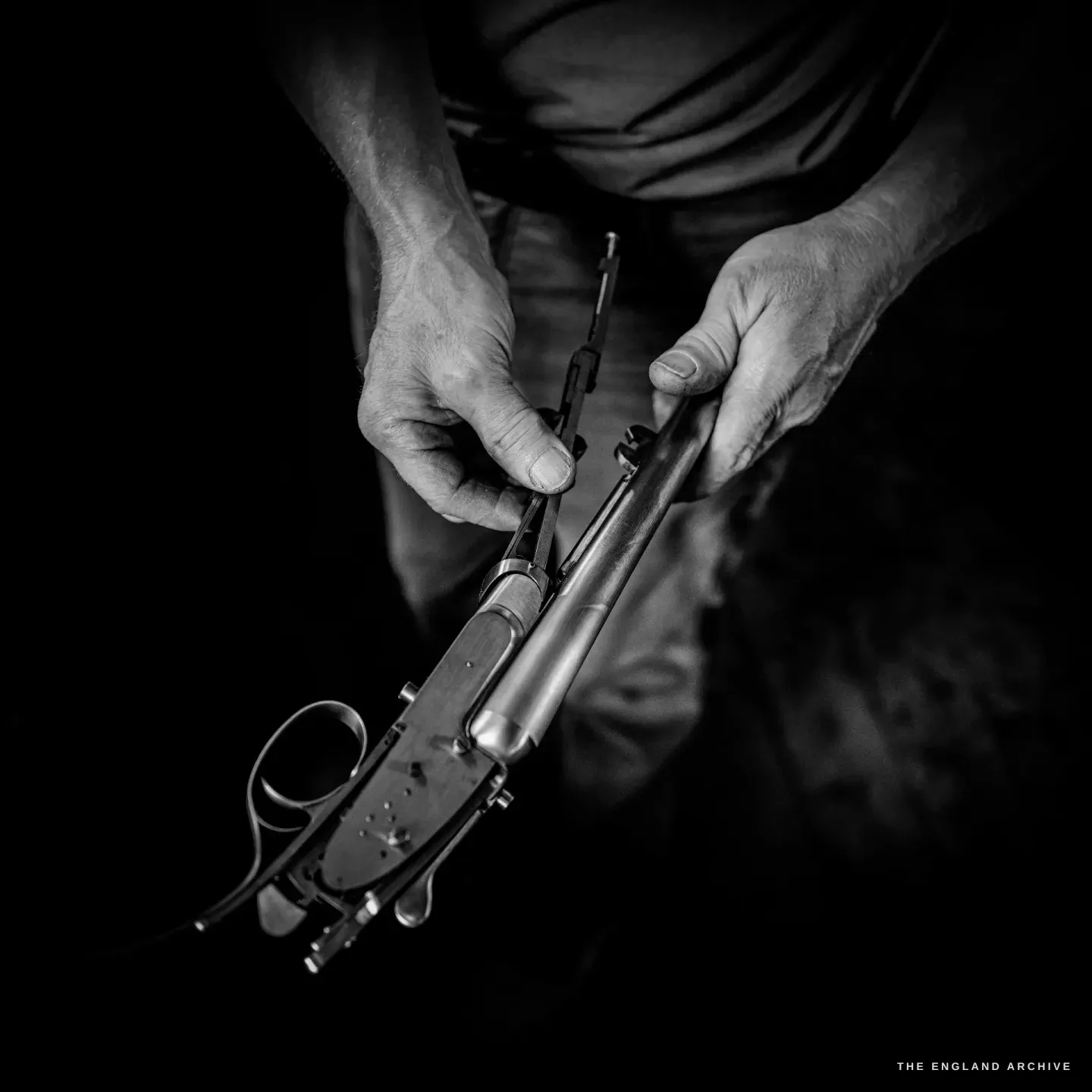
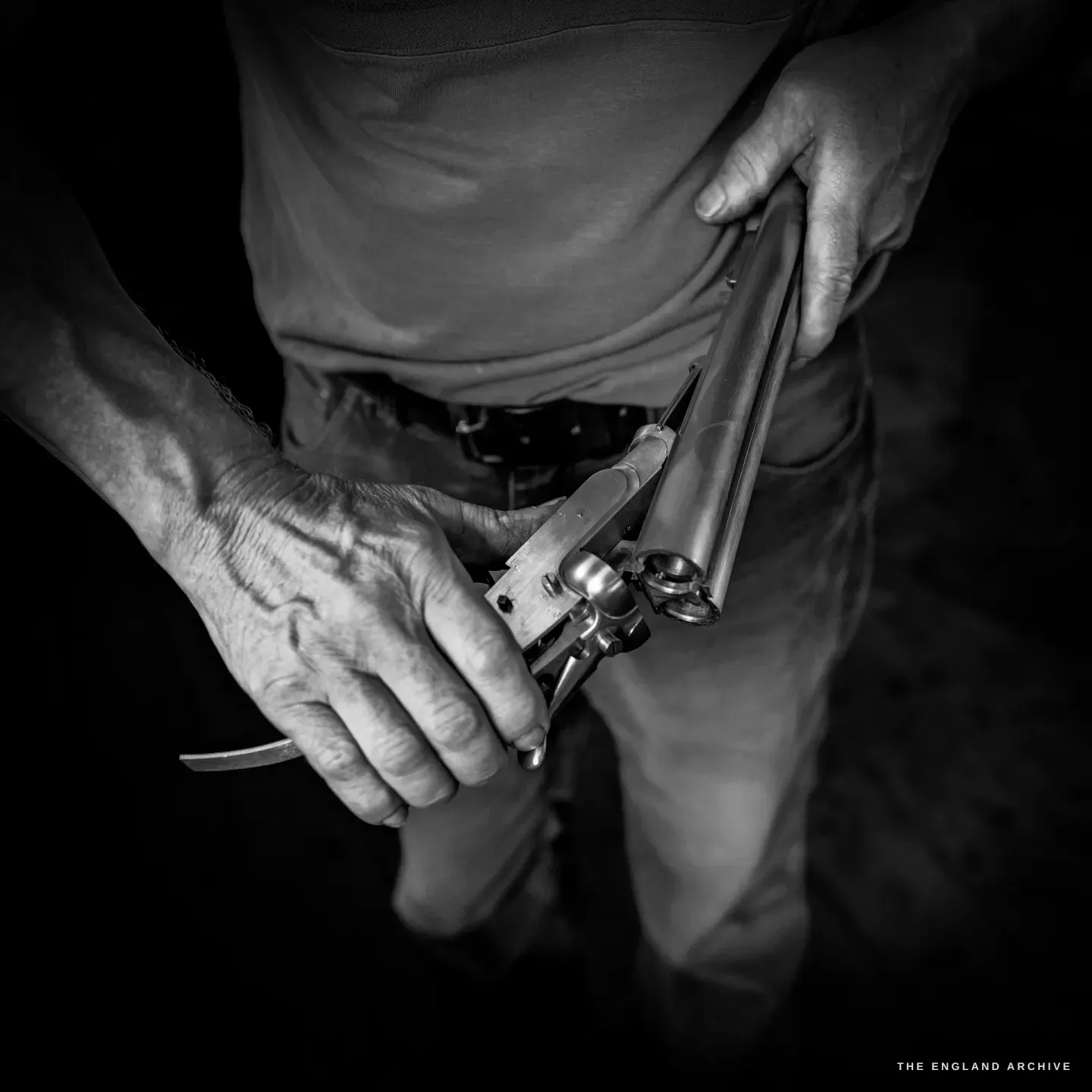
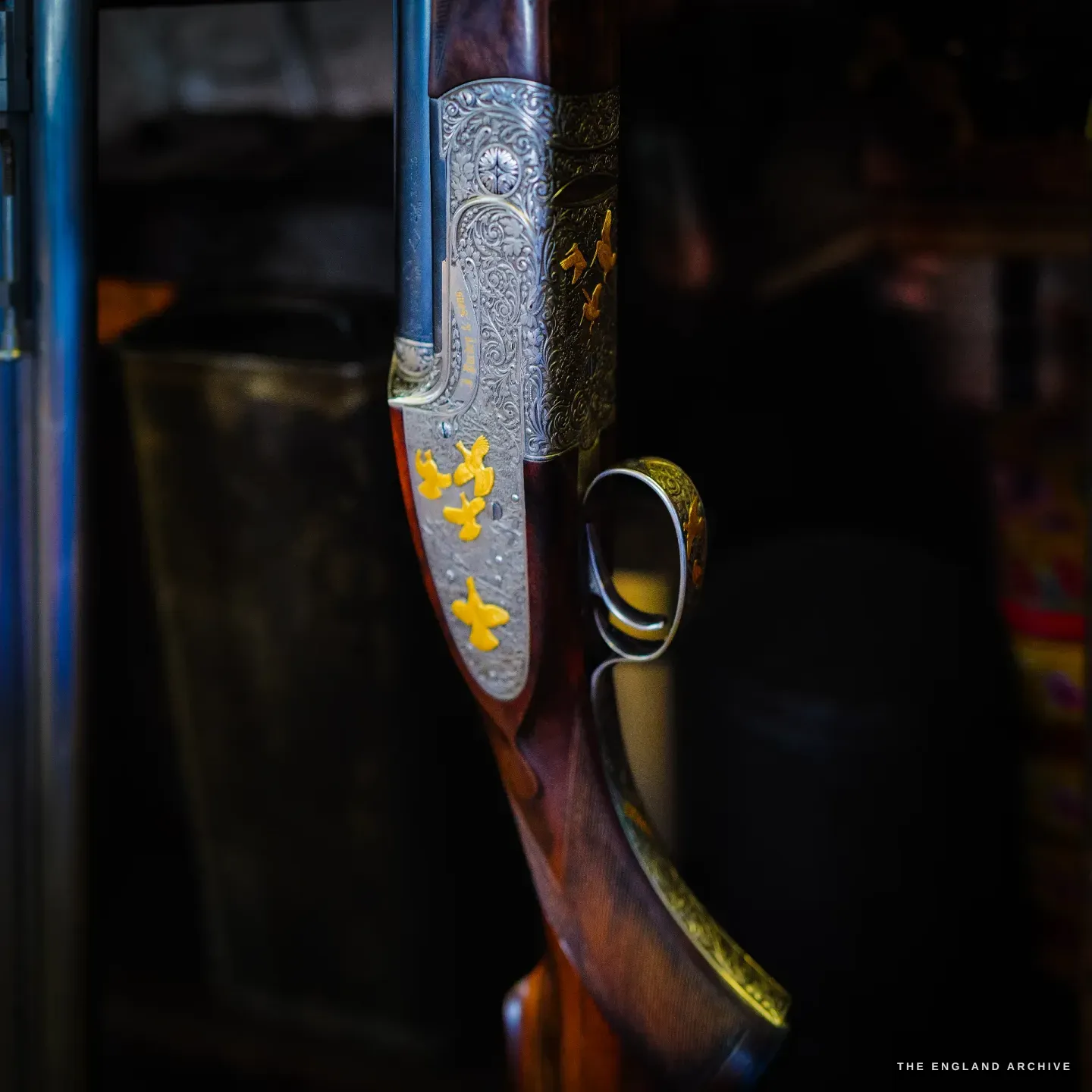
He turned a finished side-by-side over in his hands, reading the barrels along their length the way you would read a straight edge. And then there are the best guns, the ones that leave this plain bench and go out into the world carrying fine scroll engraving and gold-inlaid birds in flight across the action. That finish is another hand, an engraver's, and it only means anything because the fit beneath it is true. The beauty sits on top of the filing. It cannot sit on top of a bad job.
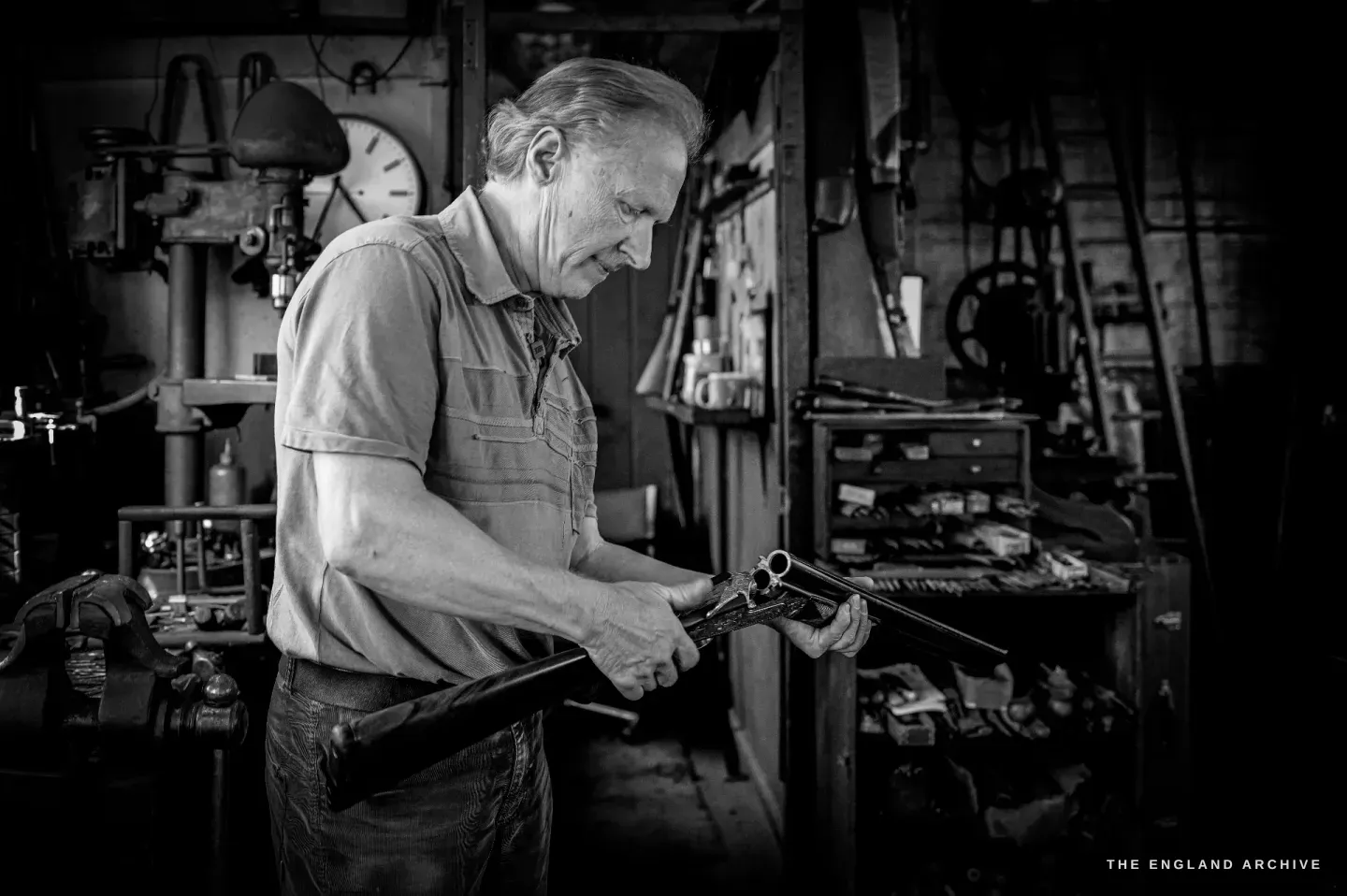
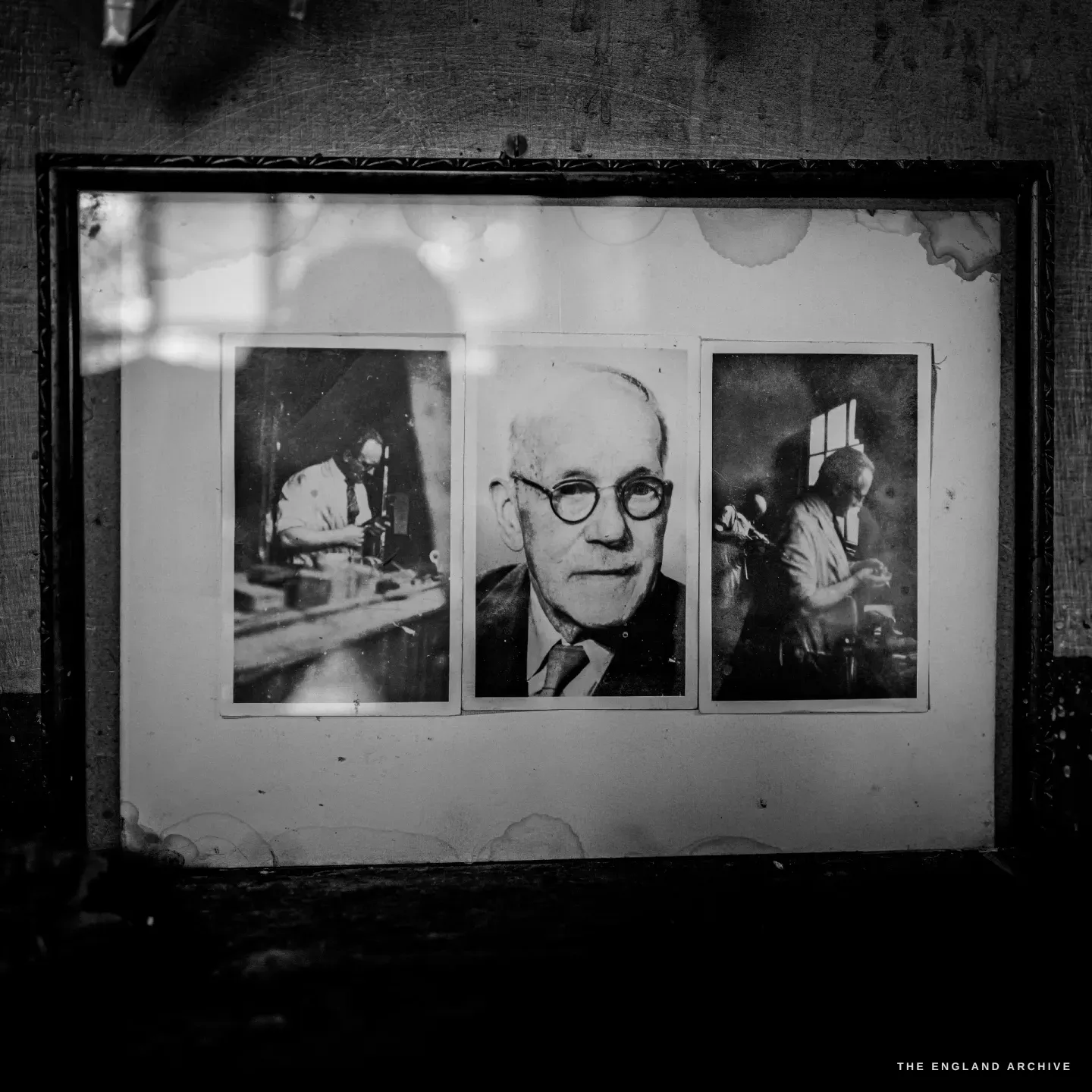
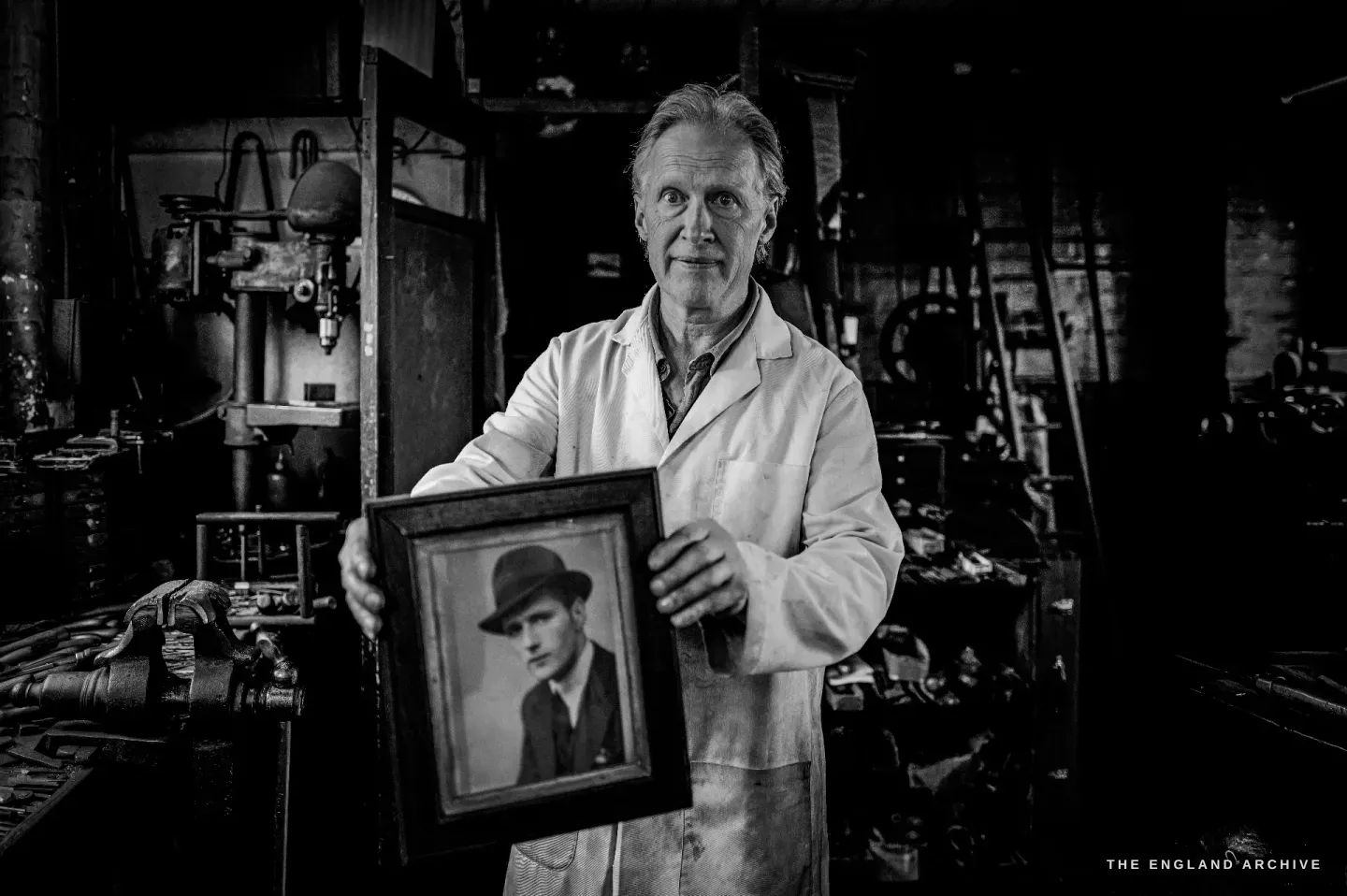
The name outside, Jesse Hill, is family. Haydn is the latest of a long line of Hills who have filed gun actions in Birmingham, and he walked me back through it at the bench. He went to the trade at sixteen, apprenticed to his father; his father, he told me, had started younger still, a boy of ten at his own father's side. The forebear the workshop is named for died before Haydn was born, so the two of them never met, and yet Haydn works under his name every day. I am setting his account down as he gave it to me: the exact reach of the line, and how many Hills back it runs, is his to tell, and I would rather he corrected me than that I tidied it into something neat and wrong.
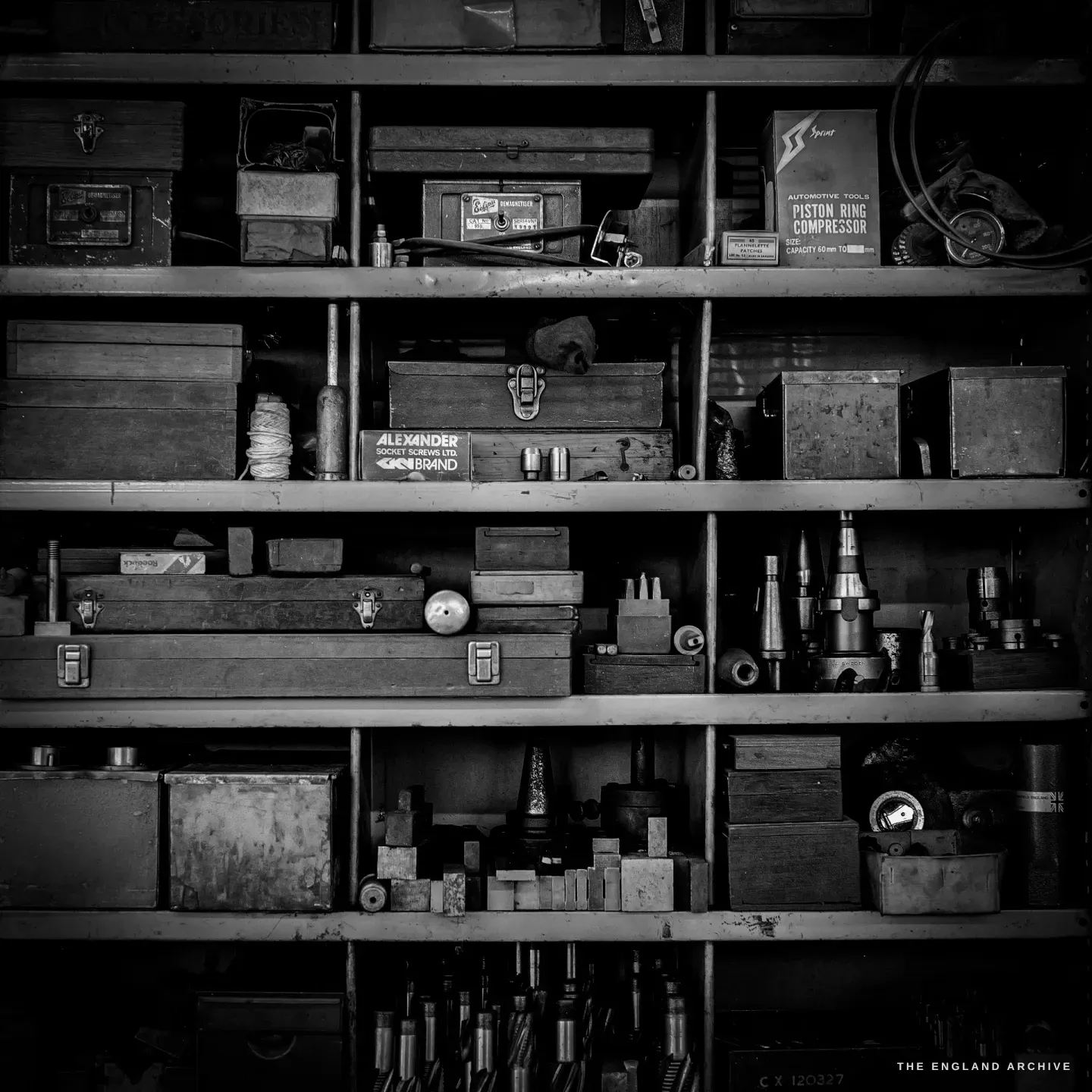
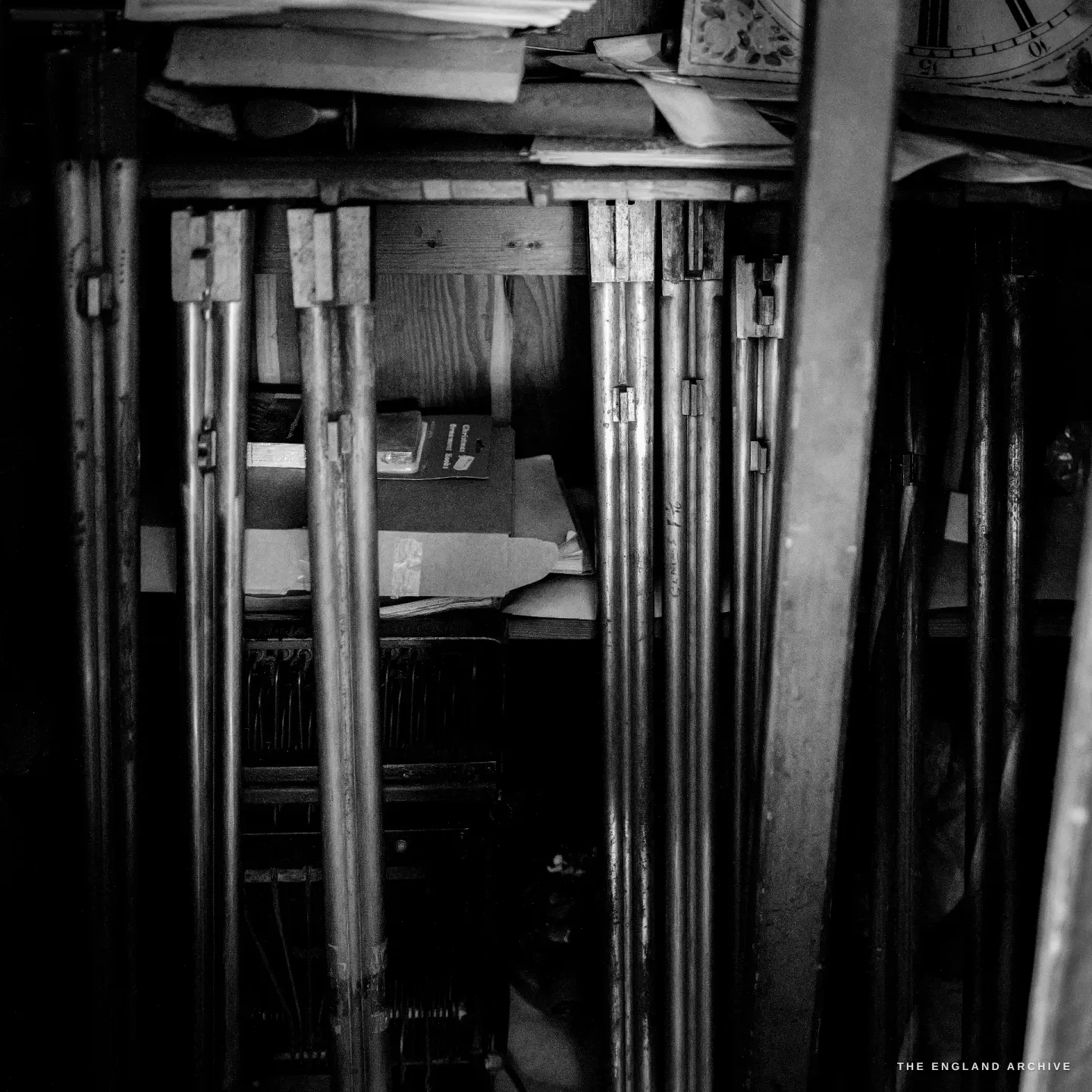
A man is partly the things he keeps around him, and Haydn keeps a great deal. The steel shelves hold tins that stopped being made decades ago - Dunlop, Castrol, a box marked cotter pins - standing alongside the gauges and cutters he uses every week. Blued barrels wait on end in a dark nook. In one corner there is a glazed bookcase of old gun and shooting books, a cased perch, a cased kestrel, and, again, clocks - because Haydn is a clock man as well as a gun man, and the two habits share a love of small mechanisms made to last.
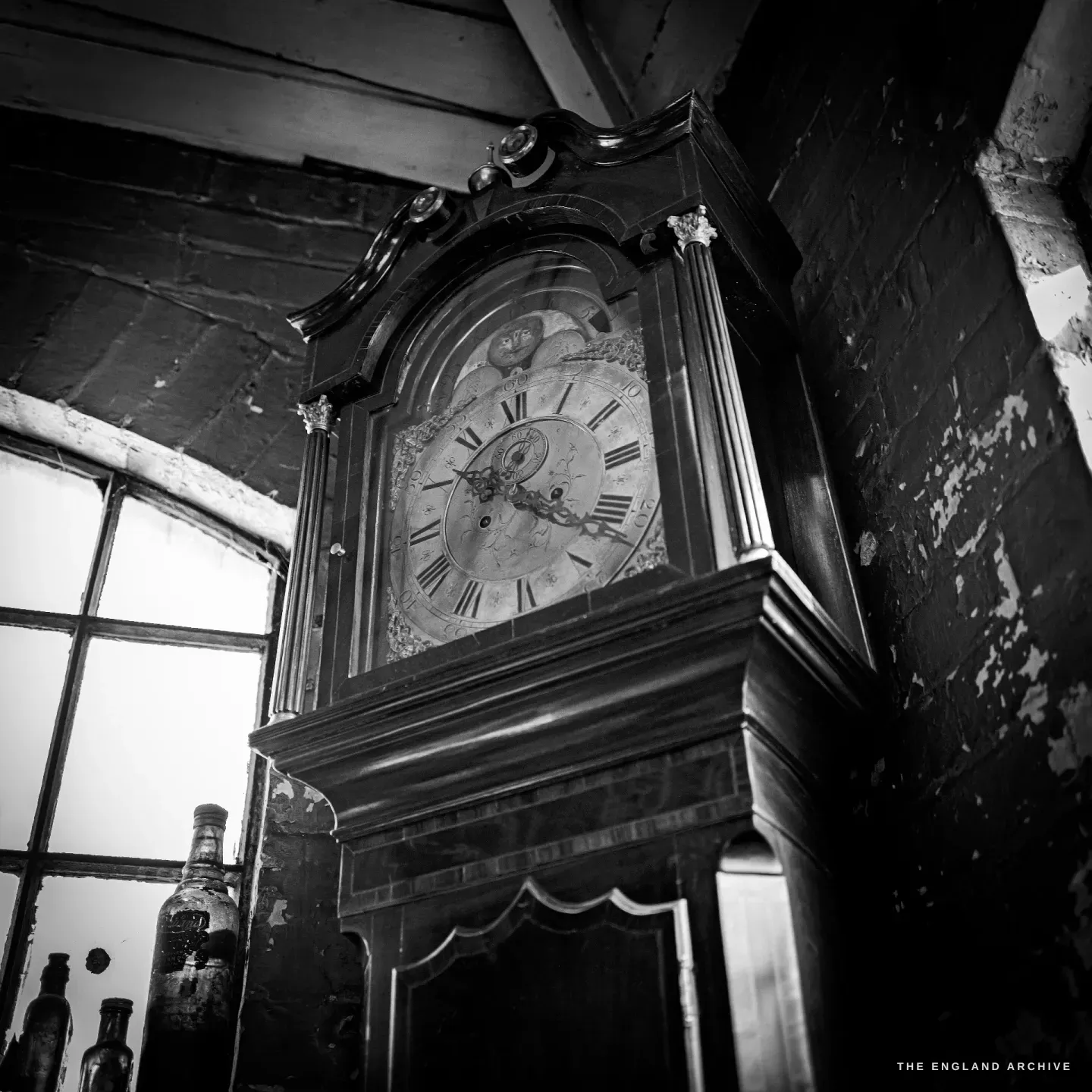
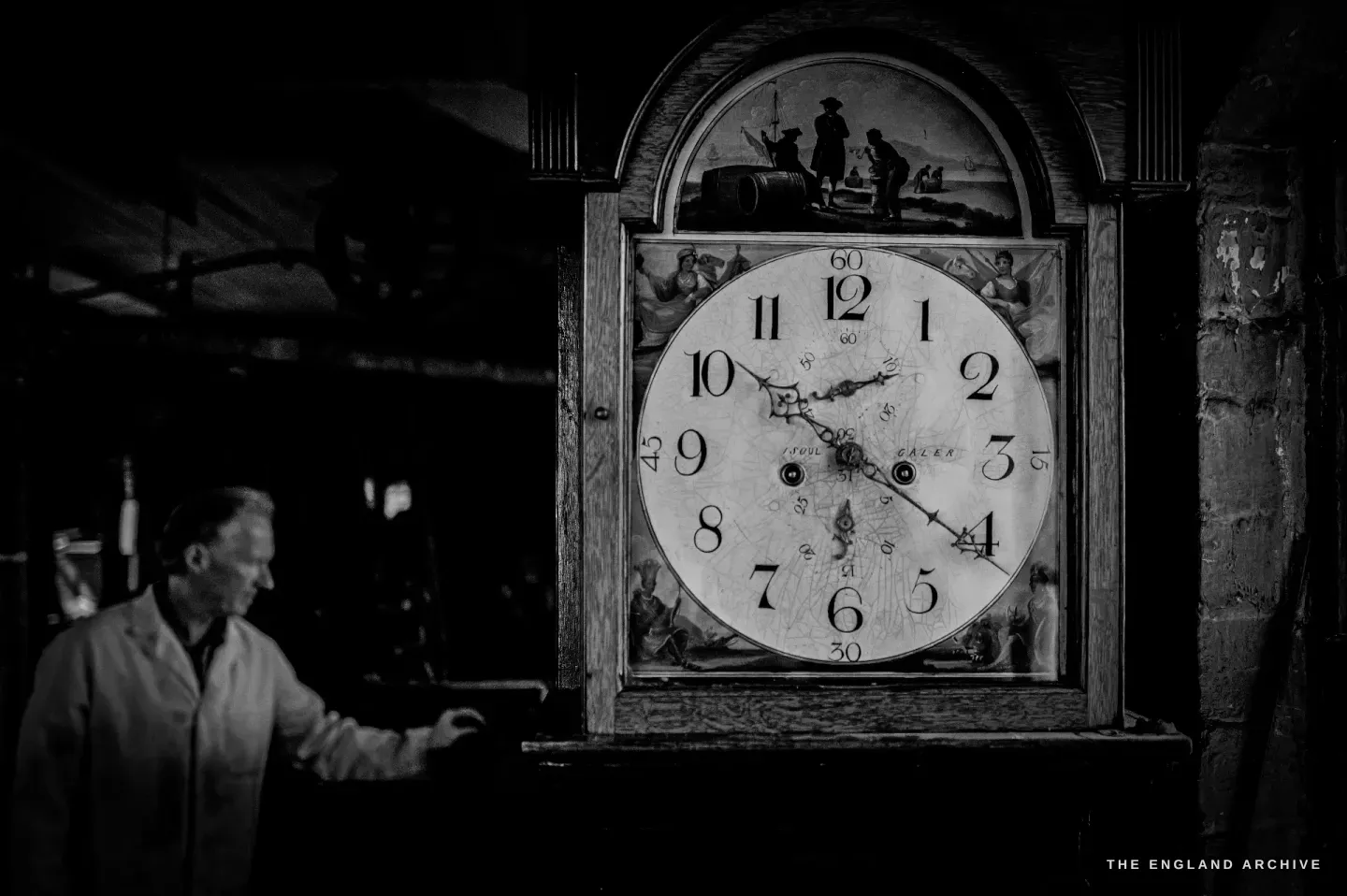
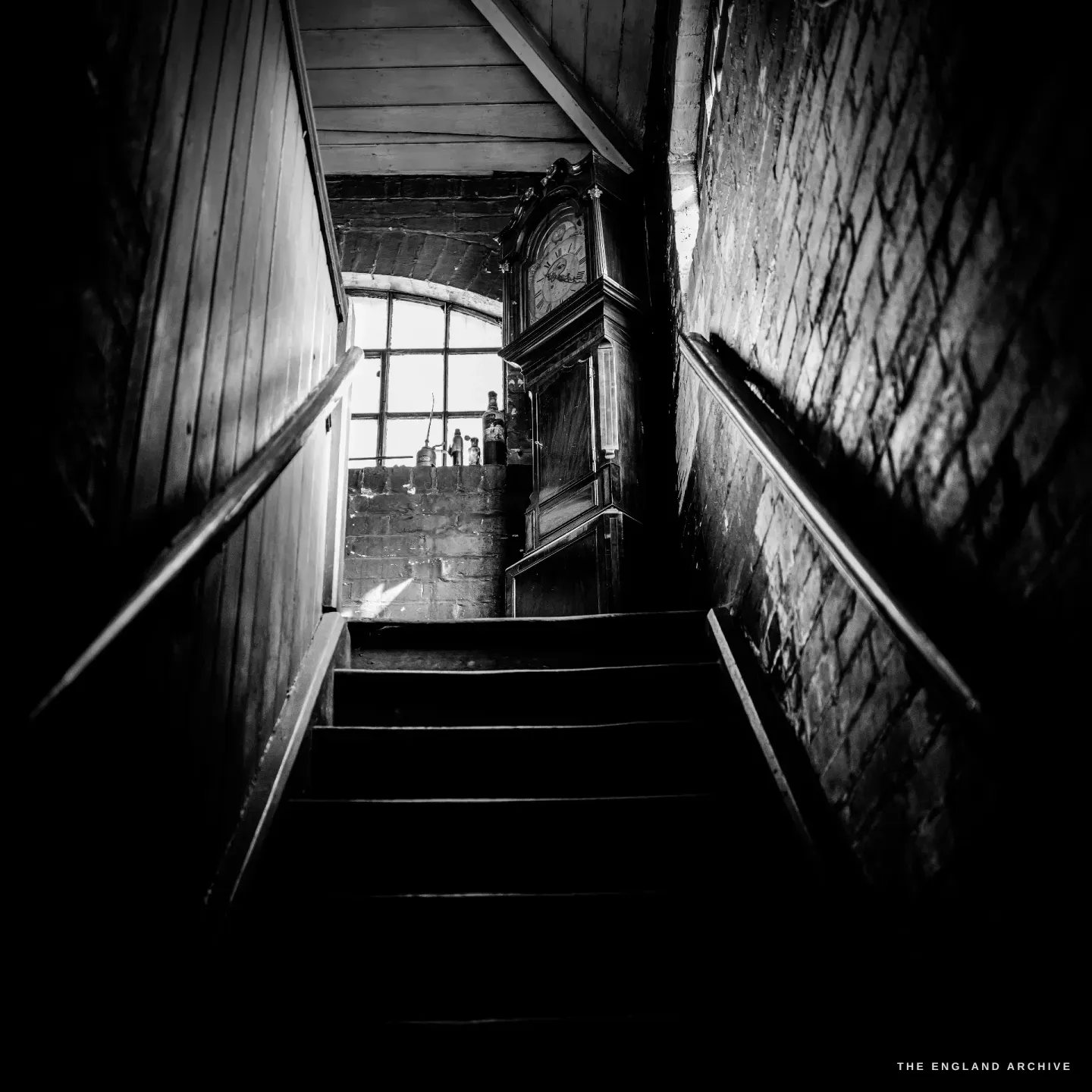
A narrow staircase runs up through the building, dark between brick walls, with a longcase clock at the foot of it in a pool of window light. I went up and down it more than once during the morning, and each time it felt less like a workshop stair and more like the spine of a house that has held one family's trade for a very long time.
I came to Birmingham to photograph a gunmaker and found a man, a family, a building and a trade all in the same room, and all still working. That is the whole reason this archive exists. Haydn Hill files actions by hand in a shop with his family's name on the wall, and there are very few left who can do it. This page is here so that there is a record of that, made while the man was still at the bench.