Upper Thames Boats
The Living Tradition of Wooden Thames Restoration

A wooden Thames pleasure craft is a surprisingly specific object. It is not a dinghy, not a rowing skiff, not a cruiser for open water, not a working fishing boat. It is a light, ornamental, varnished wooden launch built for a river that moves slowly, runs through green-country, never knows salt, and is used by people who want to read the landscape from the water. The whole physical grammar of a Thames pleasure craft follows from those conditions. And the whole economic and craft question of how these boats continue to exist, a century after most of them were built, is the question this essay is written around.
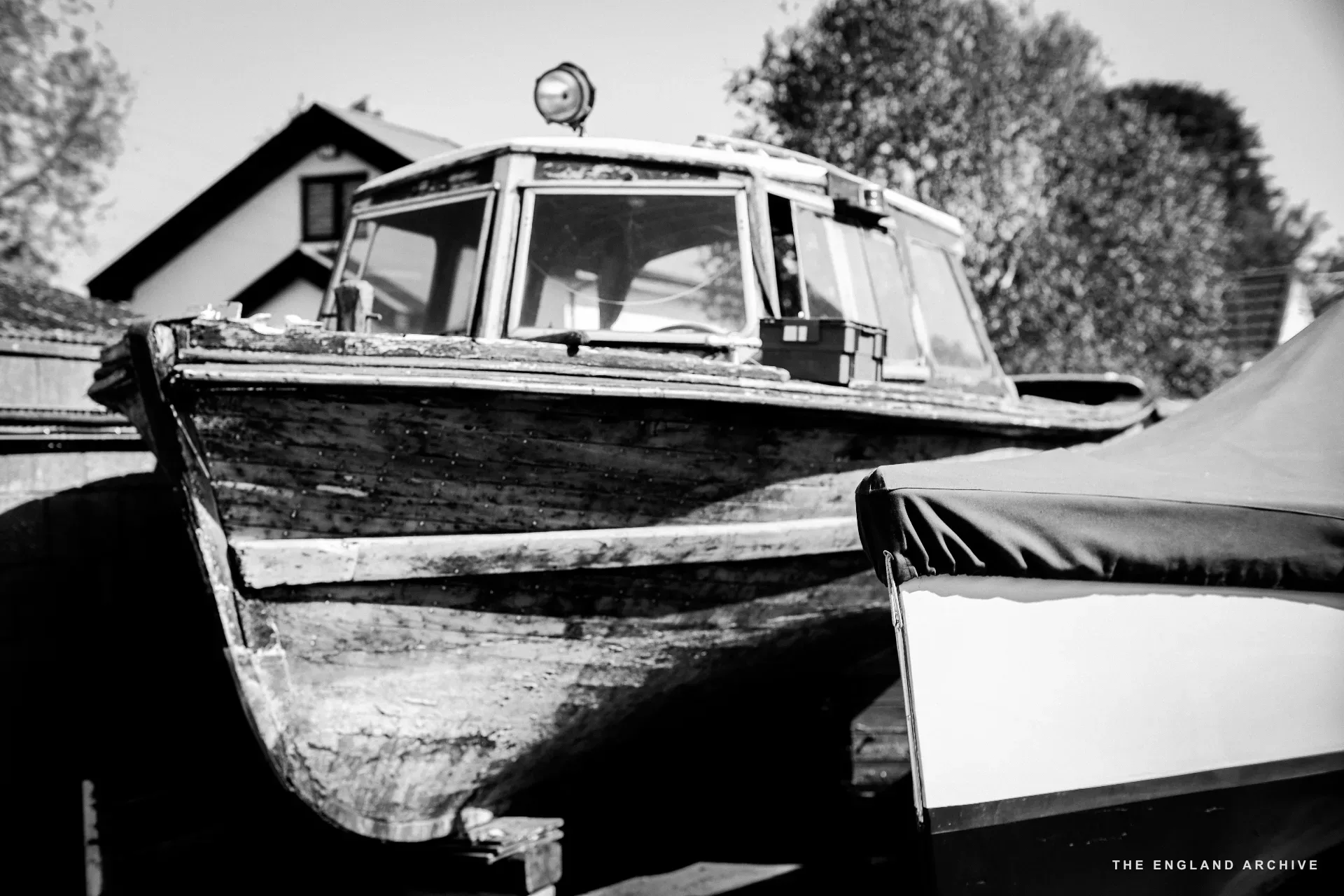
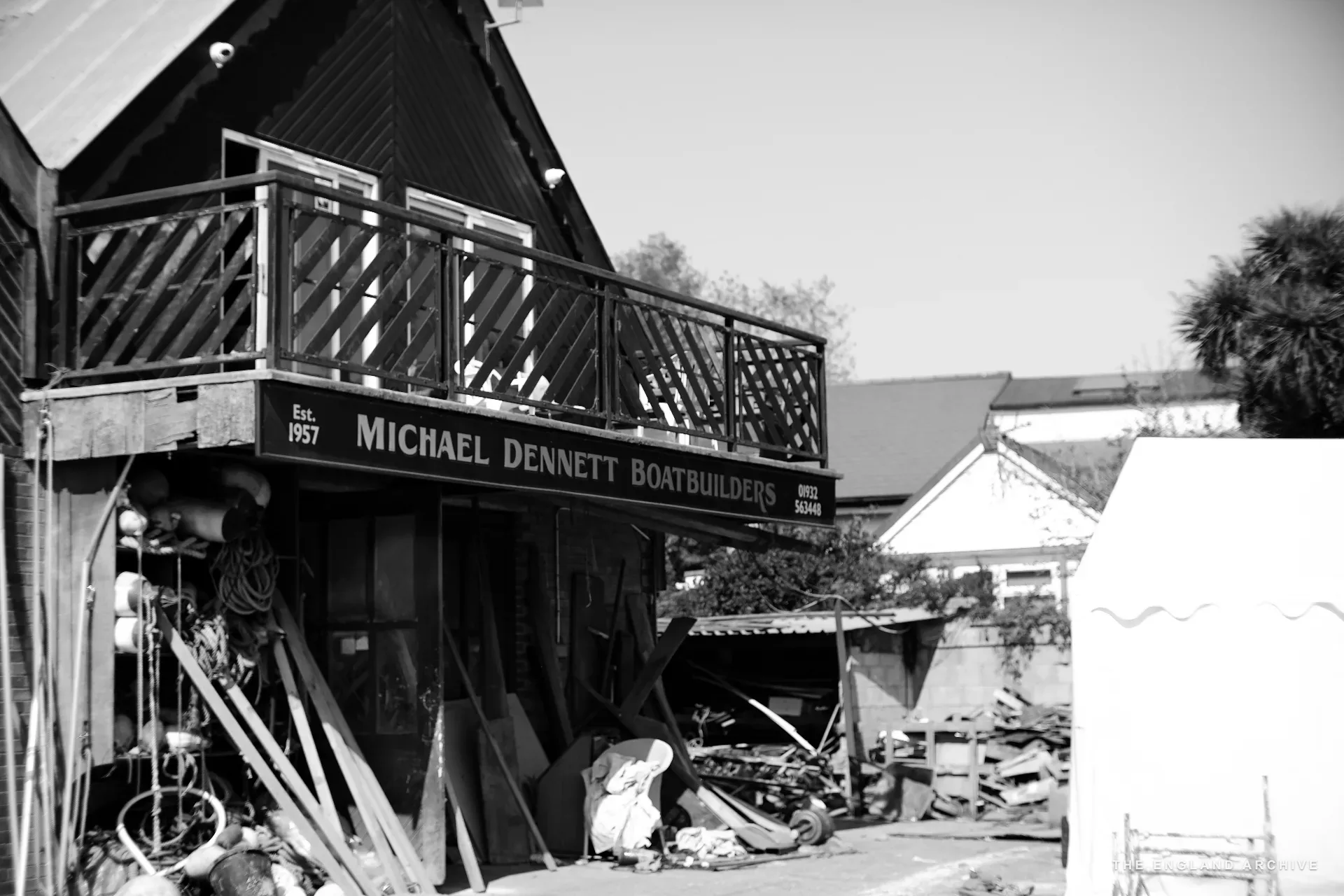
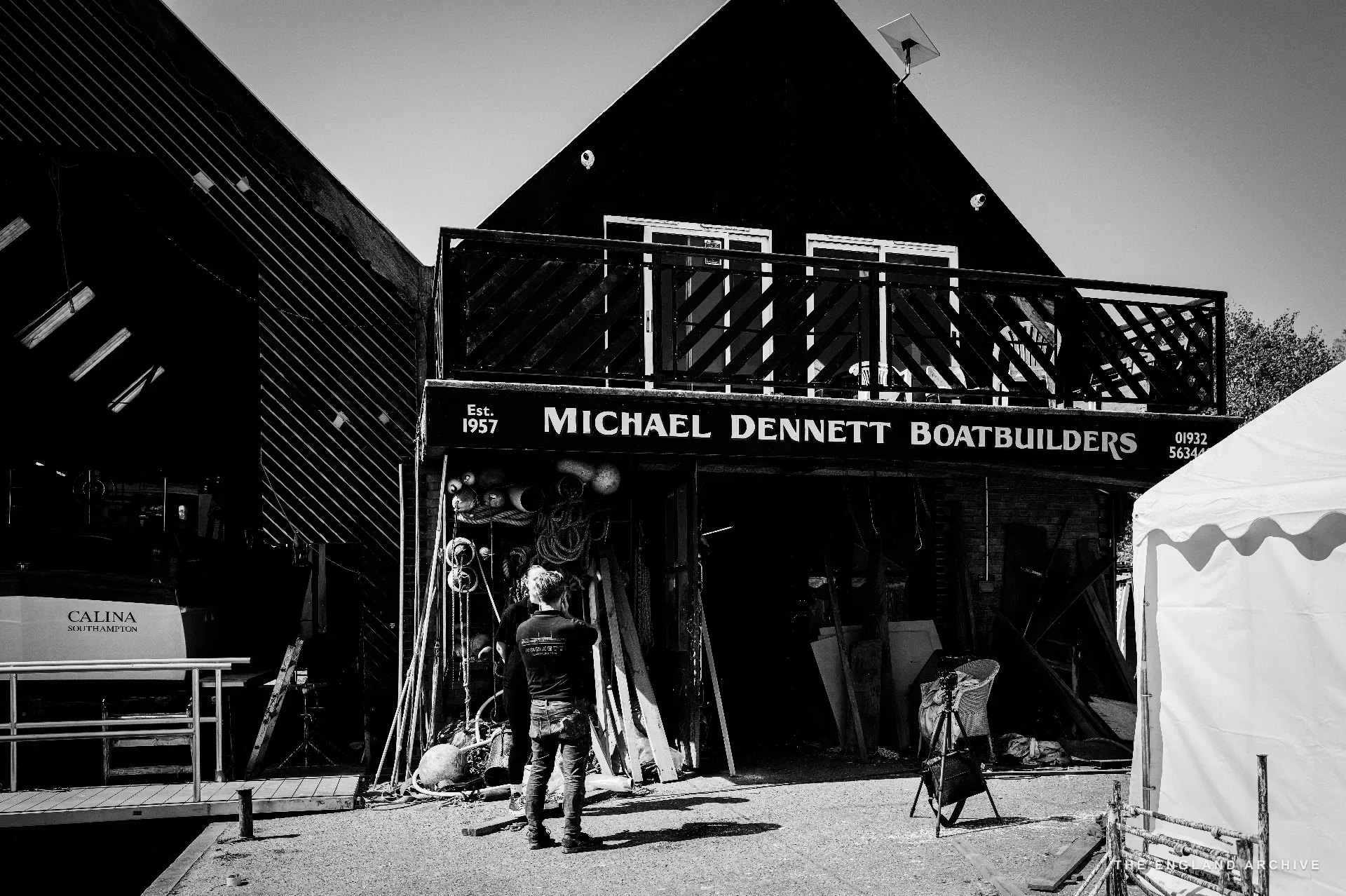
There are perhaps a few hundred seriously historic wooden Thames launches still afloat in 2026. Many more rot quietly in garden sheds, at the backs of boatyards, or under tarpaulins in riverside gardens. The ones that are working depend, for their continued existence, on a small number of specialist yards that know how to put them back into shape. The yards themselves are fewer every decade. The Surrey and Middlesex Thames boat-building tradition that produced most of these craft in the Edwardian period has collapsed, in economic terms, to a shortlist of workshops. One of them is the Dennett yard at Laleham, near Chertsey, which the archive visited on 23 April 2026.
This essay is the archive's record of the craft as we encountered it there, set inside the longer tradition it sits within. Before the Dennett story can be told, the object itself needs to be described - the wooden Thames pleasure craft, what it is, why it is shaped the way it is, and why it continues to matter.
I. What a wooden Thames boat is
The defining physical feature of a Thames pleasure craft is its lightness. A river does not ask a hull to survive the sea. There are no waves that will break over the bow, no Atlantic swell to ride, no need for the heavy iron keel or the thick sea-going plank. The river is flat, fresh, slow, and shallow. A Thames boat can be built light, because the river lets her be light. Every other feature of the craft follows from that single permission.
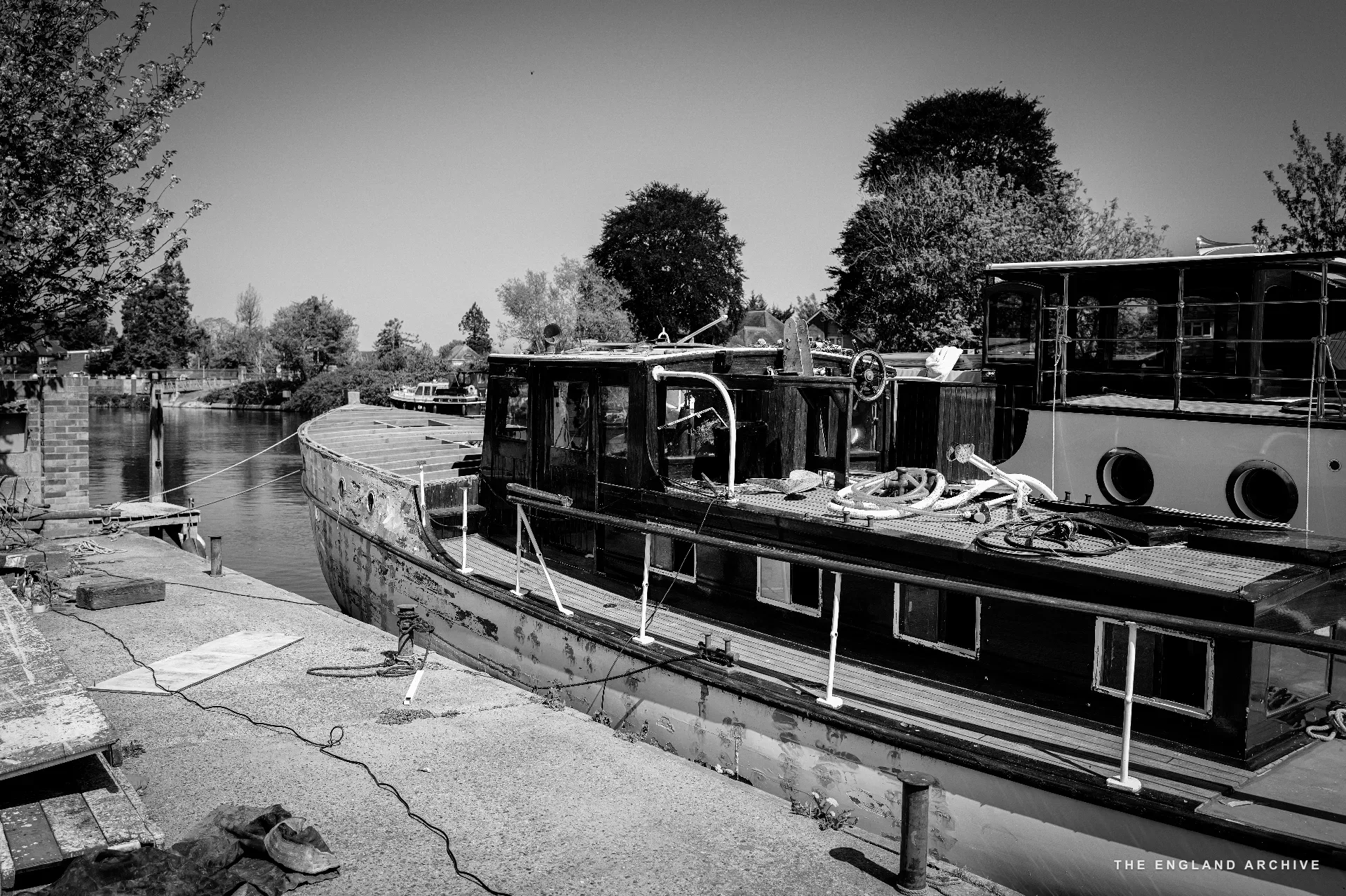
The timber is selected accordingly. The traditional Thames launch is built with a pine or mahogany hull over an oak frame, with teak, larch, or elm used at particular points where water resistance matters. The planks are typically narrow - 4 to 6 inches wide - and relatively thin, set clinker (overlapped) or carvel (flush) depending on the yard and the period. Decks are of teak or planked pine. Deck fittings are of brass or gunmetal. Engines, where fitted, are small - originally steam, later petrol, today more often electric. The whole hull is light enough that two or three men can lift the bow.
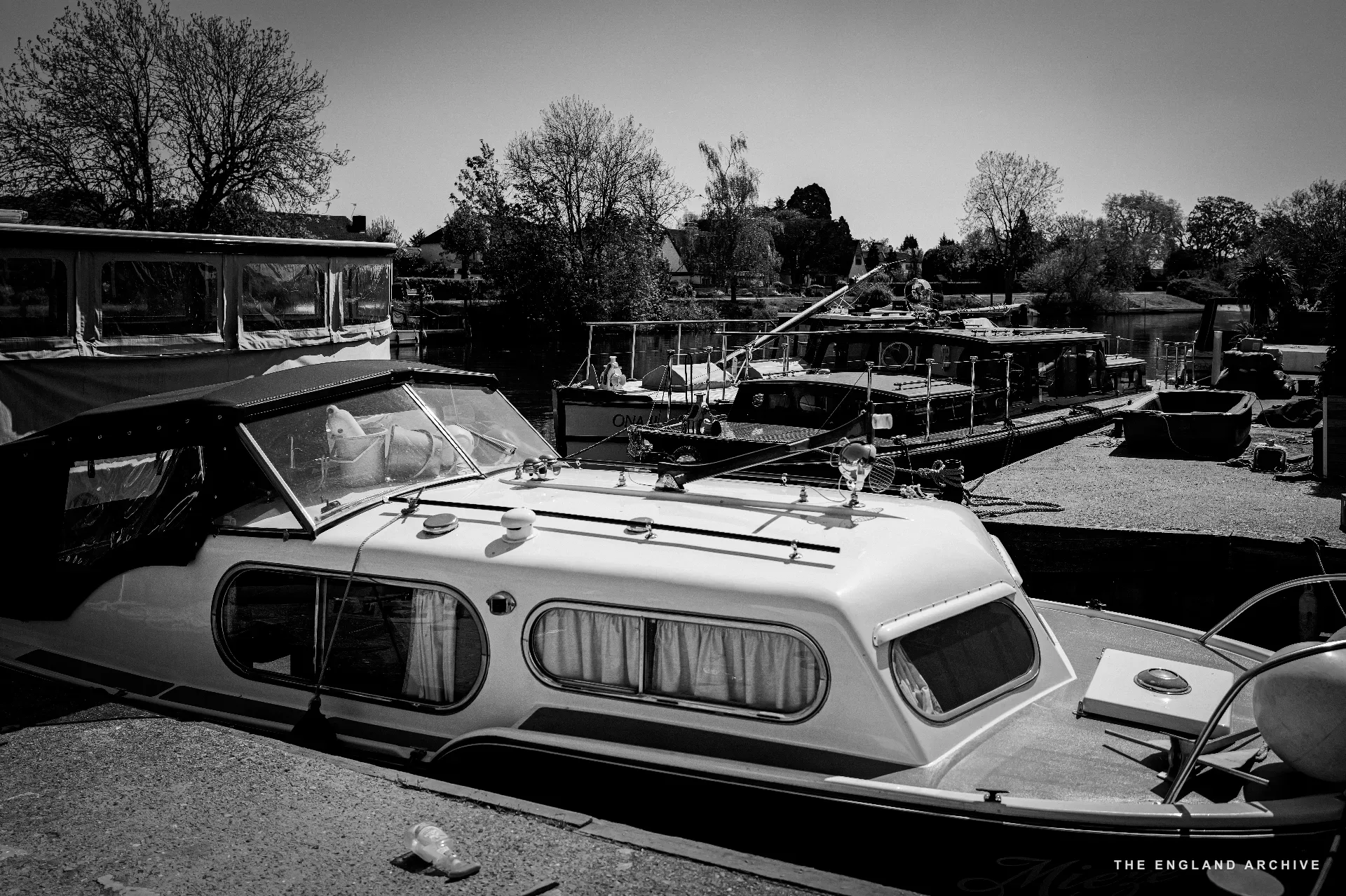
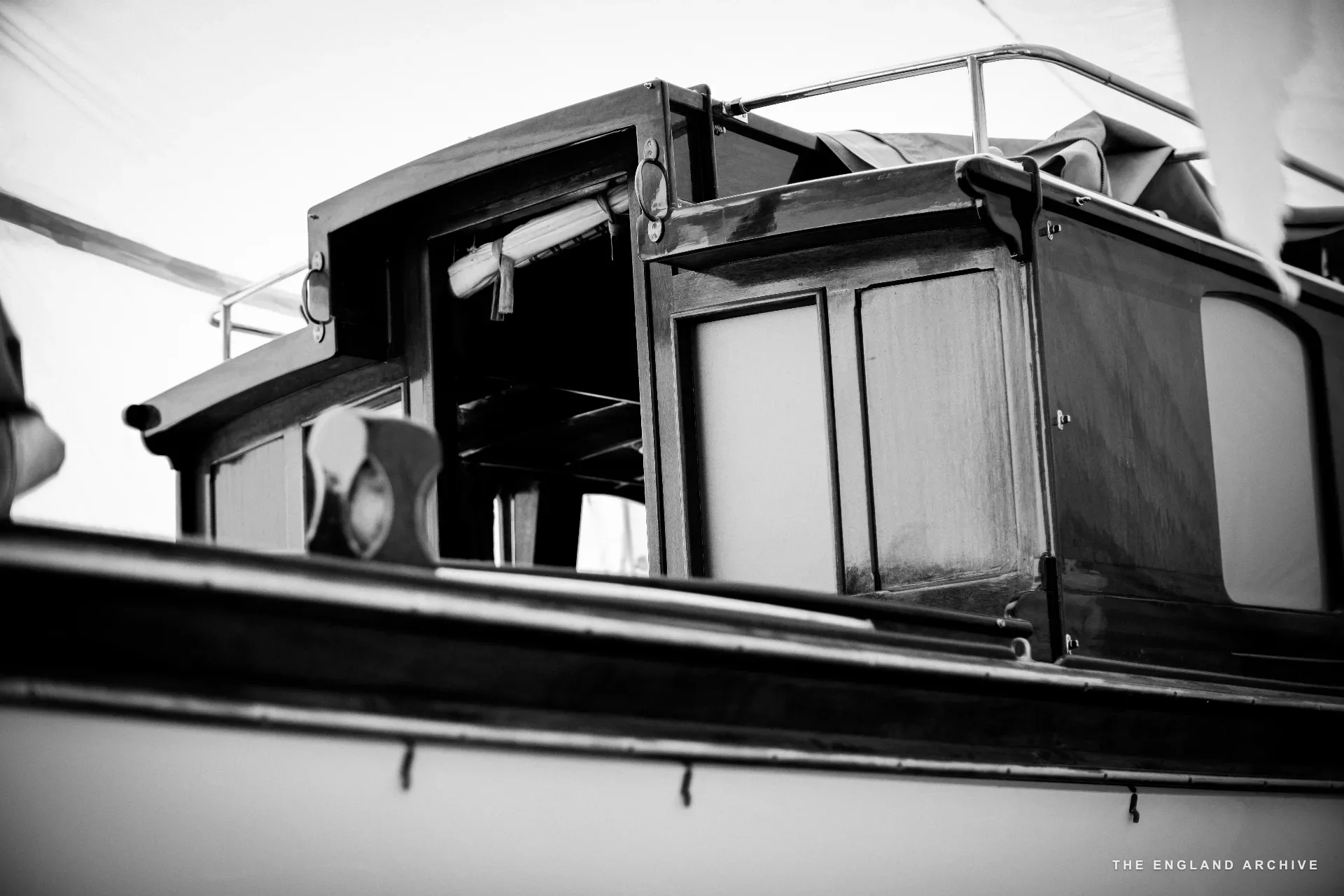
The aesthetic is equally specific. Thames pleasure craft are built to be looked at. They sit on a river that runs through parkland, meadow, and willow-hung banks; they pass under ornamental bridges; they draw alongside riverside pubs and country houses; they are photographed from the towpath. The varnish finish is kept immaculate - deep, clear, catching the river light. The brightwork is polished. The upholstery is traditionally a deep buttoned leather or heavy canvas. A slipper launch with its low, sloping aft deck is designed to let the boat's occupants lie propped on cushions and watch the banks go past. The boat is, in other words, a small piece of river architecture. It is ornamental in the way the Edwardian landscape was ornamental - not superfluous but composed.
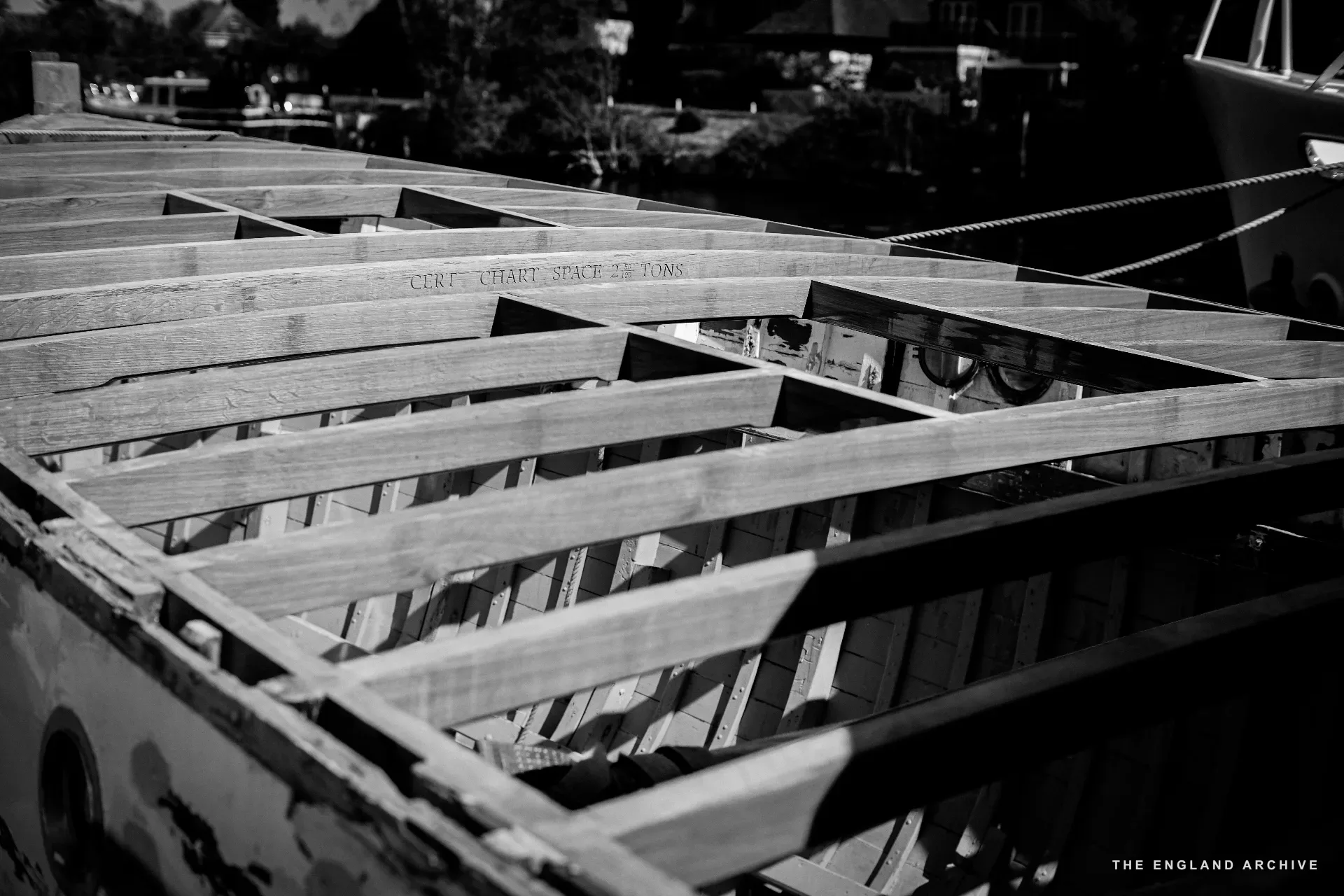
The construction is plank-on-frame, in the long European wooden-boat tradition. The frame is set up first - the spine (keel), the ribs, the stem and stern - and the planking is laid on and fastened afterwards. Caulking, where used, is soft cotton driven into the plank seams with a chisel and hammer and sealed with a proprietary stopping. The hull is fastened with copper clench nails or bronze screws. Every fastening decision, down to the size and spacing of the screws, is calibrated to the river's particular demands: enough rigidity to hold the form, enough flex to take the boat's use, enough sympathetic material to live alongside oak and mahogany for a century or more.
The scale varies. A small punt or slipper launch may be 14 to 18 feet long. A saloon launch or gentleman's river boat may run 20 to 30 feet. The largest pleasure cruisers of the Edwardian period reached 40 or 50 feet and were closer in scale to small yachts. Most Thames work, however, is on the smaller end - boats that can be handled by one or two people, that can pass through the locks easily, that can be trailered on the road if needed, and that sit lightly on the water in every possible sense.
To restore a wooden Thames boat is therefore to work with a specific grammar of materials and scale and fitting. A yard that works on sea-going vessels has different habits, different jig sizes, different caulking practices, different expectations of what a hull should weigh. A yard that works on Thames pleasure craft is in a different tradition. That tradition has a name, a geography, and a small number of surviving yards - which is where the history of the craft begins.
II. The river as a leisure tradition
The Thames was a working river for most of its recorded history. Barges, lighters, trading vessels, fishermen, watermen, and the heavy commercial traffic of an inland trading country moved goods up and down its length from the medieval period to the railway age. The river was a highway. It was no one's idea of a place to spend a pleasant afternoon, unless you were rich enough to own a barge or a painted wherry specifically for that purpose.
The shift that produced the Thames pleasure-craft tradition happened in the second half of the nineteenth century. Railways took the commercial traffic off the river. The towns that had grown up around the barge trade - Reading, Henley, Kingston, Oxford - found themselves with a river that was no longer economically essential. At the same time, the expanding professional middle class, flush with the leisure time that Victorian prosperity and shortened working hours had created, began to look at the river as a recreational landscape.
The transformation was rapid. By the 1870s, rowing regattas at Henley, Marlow, and on the tideway below Teddington had become national events. Punting for pleasure was formalised as a sport and a social practice; the punts themselves, built for the shallow upper reaches above Oxford, became fashionable objects. Pleasure steamers operated scheduled services from London upstream, carrying day-trippers to Richmond, Hampton Court, and the Surrey riverside. In 1889, Jerome K. Jerome published Three Men in a Boat, a mock-travelogue of three young clerks taking a rowing holiday up the river from Kingston to Oxford. The book sold in hundreds of thousands, was never out of print, and turned a specific mode of English leisure - the river-hire holiday - into a cultural fixture. The Thames had become the recreational water of Victorian and Edwardian England.
The boat-building trades adapted accordingly. Yards that had been servicing the working river - barge repair, lock-keeper's skiffs, working craft for the water companies - began to build and repair pleasure vessels. By the 1890s, specialist pleasure-craft yards had opened at Henley (Hobbs & Sons), Oxford (Salter Brothers, who both built boats and ran a pleasure-steamer service), Kingston (Turk's), Kew, Richmond, Teddington, Molesey, Weybridge, Chertsey, and on the upper river at Abingdon and Streatley. The clientele was the professional and commercial middle class, with a long tail of landed clients who owned their own boats and employed boatmen.
The boats themselves were specialised over the same period. The slipper launch appeared in the 1890s, designed for lying on cushions in the aft well while a professional boatman or a member of the family's male youth handled the engine and the steering. The gentleman's river boat - a small decked craft with an inboard engine, built to carry four or six adults on an afternoon - became a recognisable type. The punt, the skiff, the saloon launch, the camping boat, the houseboat, and the small steam yacht all found their characteristic Thames forms during this period. The river gained a design language.
What is important about this history for the present essay is that the tradition of wooden Thames pleasure craft is a specific English phenomenon of the late Victorian and Edwardian period, with its centre of gravity in a small number of Thames-side towns, and its economic base in the particular leisure culture of the English middle class from about 1870 to about 1939. The boats that the Dennett yard restores today were built overwhelmingly in that window. A yard that works on a 1910 slipper launch is working on an object made by and for a specific stratum of English society in a specific geographic and cultural moment. The boats carry that period with them, and a restoration yard must know its language to do justice to the object.
III. The Edwardian flowering
The peak of the wooden Thames pleasure-craft tradition was roughly the thirty years from 1895 to 1925. This is the period when the largest number of boats were built, the yards were most numerous, the designs were most refined, and the clientele most committed to river life. If there is a single imaginative picture that belongs to the tradition, it is the Edwardian slipper launch: low, varnished, cushioned, with a man in a straw boater at the tiller and two or three women in long white dresses under a parasol in the stern. That image is not a cliche; it is an accurate photograph of what the river looked like on a Sunday in 1908.
Several yards produced boats of lasting significance during this period. Salter Brothers of Oxford, founded in 1858, became the dominant upper-river builder and also operated a pleasure-steamer service that still runs. Turk's of Kingston, founded in 1710 and thus older than most of its competitors, built smaller launches and skiffs and had a particular reputation for quality of finish. Bossom's of Oxford, Hobbs of Henley, and a range of smaller yards at Kew, Molesey, Chertsey, and Weybridge built to commission and to stock. On the tideway, firms like Taylors of Chiswick supplied the London river market.
The designs of the period settled into recognisable types. The slipper launch, with its low, open aft well and sloping transom, designed for relaxed passage on the upper river. The saloon launch, with a small covered cabin amidships, for passengers who wanted shelter. The gentleman's launch, slightly more formal, usually inboard-engined and decked, for owners who wanted an entertaining craft for afternoon parties. The camping boat, designed to be slept in on multi-day river holidays. The racing skiff and the punt for competitive events. The steam launch, with its small coal-fired or paraffin boiler, which lingered on the river well into the petrol era because its quiet, low-vibration running was preferred for formal occasions. Each type had its conventions of length, beam, layout, and finish.
The engines changed over the period. Early pleasure craft were typically steam-powered or hand-rowed. Steam gave way to petrol around the First World War, although some steam launches were built as late as the 1930s for owners who preferred the aesthetic. Early petrol engines were often the small marine versions of motorcycle engines; from the 1920s onward, proper marine engines from firms like Morris, Parsons, Thornycroft, and Watermota became standard. The engines matter to the restoration question because many Edwardian hulls survive with later replacement engines, and the choice of what engine to install during restoration is a significant editorial decision. A purist might want the original type; a practical owner may prefer a modern diesel or an electric motor that will pass current emissions standards on the river.
The First World War cut the tradition for four years and changed the economic base afterwards. The interwar period saw continued building but at lower volumes, and with a gradual shift toward the smaller, owner-operated craft and away from the large professionally-crewed pleasure yachts. The Depression of the 1930s ended serious new building at most of the smaller yards. By 1939, the Edwardian flowering was formally over, although the boats themselves, of course, went on existing. Many of the Little Ships that would cross the Channel in 1940 were direct products of this Edwardian boom: boats built between about 1900 and 1930 for a specific English leisure culture, then called up for an entirely different purpose a generation later.
IV. The Little Ships of Dunkirk
In the last week of May 1940, the British Expeditionary Force and a substantial portion of the French First Army were encircled on the beaches around Dunkirk on the northern coast of France. The Royal Navy had been ordered to evacuate them, but the beaches shelved so gradually that naval destroyers could not approach close enough to embark troops directly. A fleet of small, shallow-draft civilian vessels was needed to ferry soldiers from the beach to the deeper-water destroyers waiting offshore. The Admiralty put out a call for small craft.
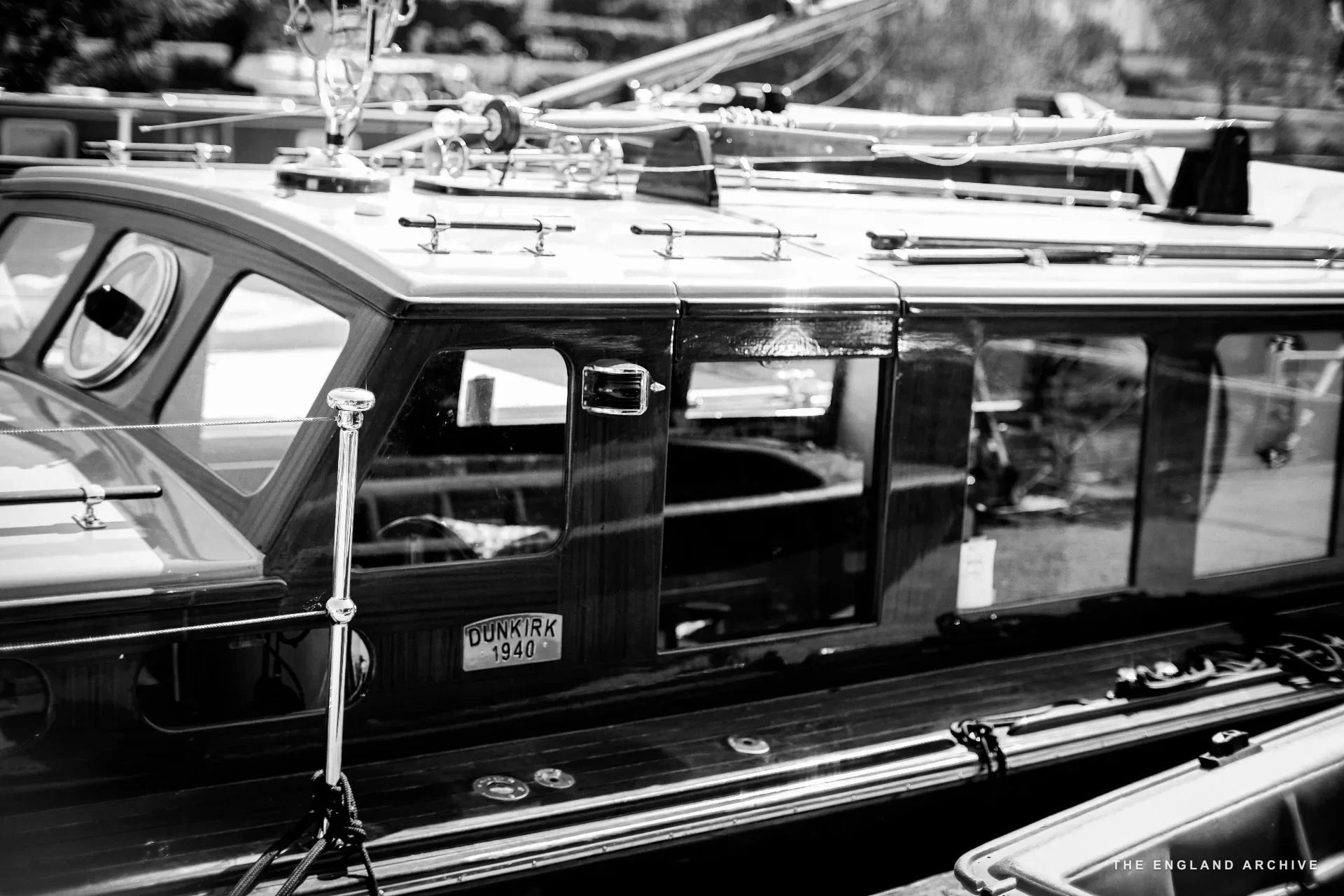
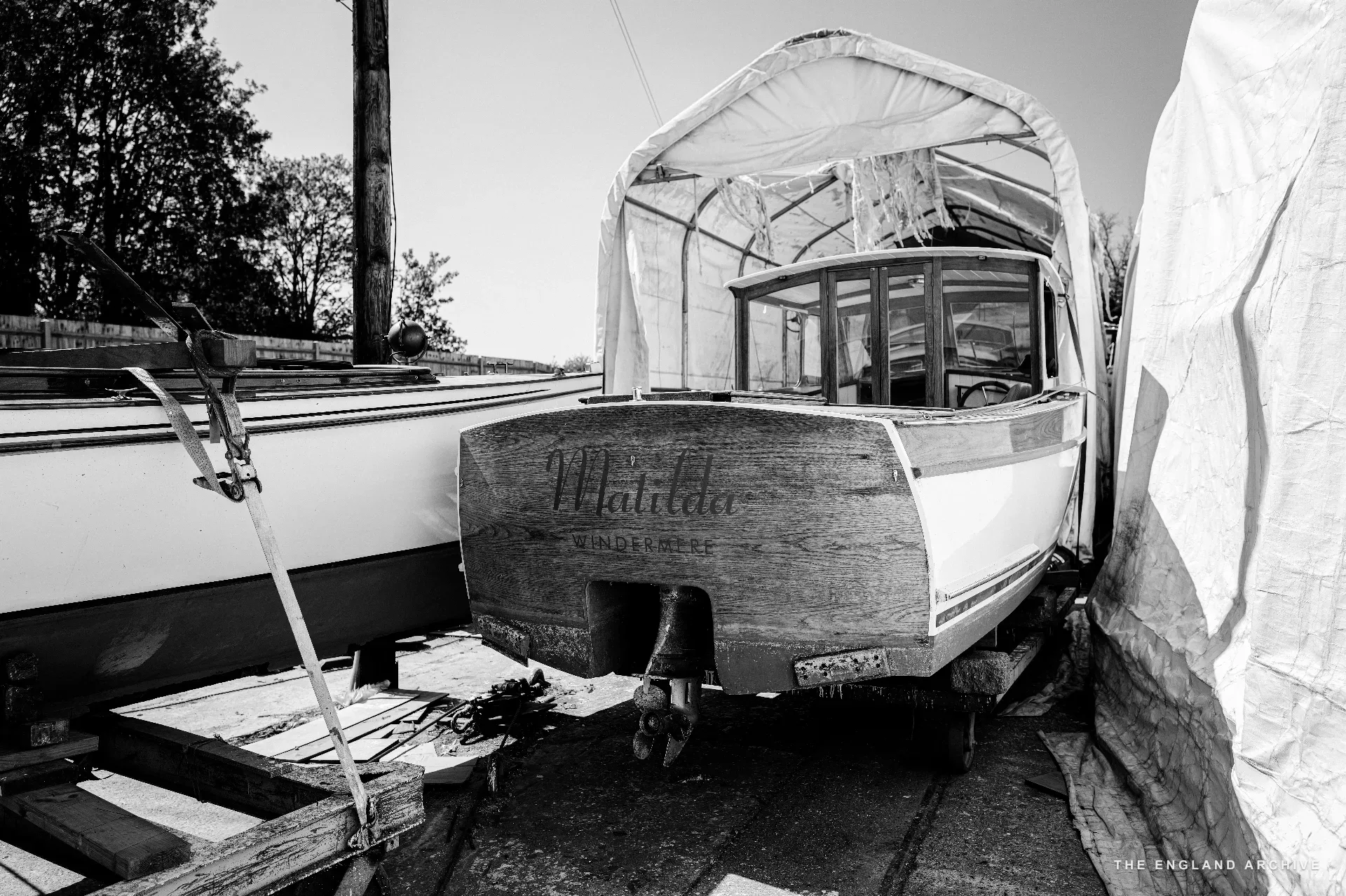
The craft that answered it were, in substantial part, Thames pleasure boats. The Thames had tens of thousands of recreational vessels registered in 1940. Many of their owners brought them up from riverside moorings, through the tideway, and across the Channel over the eight days of the evacuation between 26 May and 4 June. Others were requisitioned and crewed by Royal Navy personnel or by civilian volunteers. The fleet that went was heterogeneous - motor yachts, saloon launches, slipper launches, fishing boats from the east coast, Dutch schuyts that had fled to England earlier in the war, pilot cutters, and a handful of larger cruisers - but a recognisable cohort of it was identifiably Thames: light varnished wood, low freeboard, built for the river, taken across the Channel at the limit of what its structure could bear.
The fleet that went is estimated to have been around 850 vessels. The proportion that were Thames pleasure craft is harder to pin down; a commonly cited figure is that somewhere between a quarter and a third of the Little Ships were recreational Thames boats. Many did not return. Some were sunk by Luftwaffe bombing. Others were lost to mines, mechanical failure, or the straightforward effort of crossing open water in a vessel built for a flat river. The survivors came back, docked at their home moorings, and resumed a recreational life that had been interrupted for ten days.
The Little Ships are a specific heritage set. In 1965, on the twenty-fifth anniversary of the evacuation, a commemorative return to Dunkirk was organised with the surviving vessels. That return crystallised the identity of the fleet as a distinct historic class. In 1966, the Association of Dunkirk Little Ships was founded, and has since curated the register of surviving vessels, organised the commemorative returns (every five years), and advocated for the preservation of the fleet. Roughly 120 to 150 of the original Little Ships are known to survive in 2026, in various states of repair, across the country and abroad. A smaller number are in active condition and make the commemorative passage when called on.
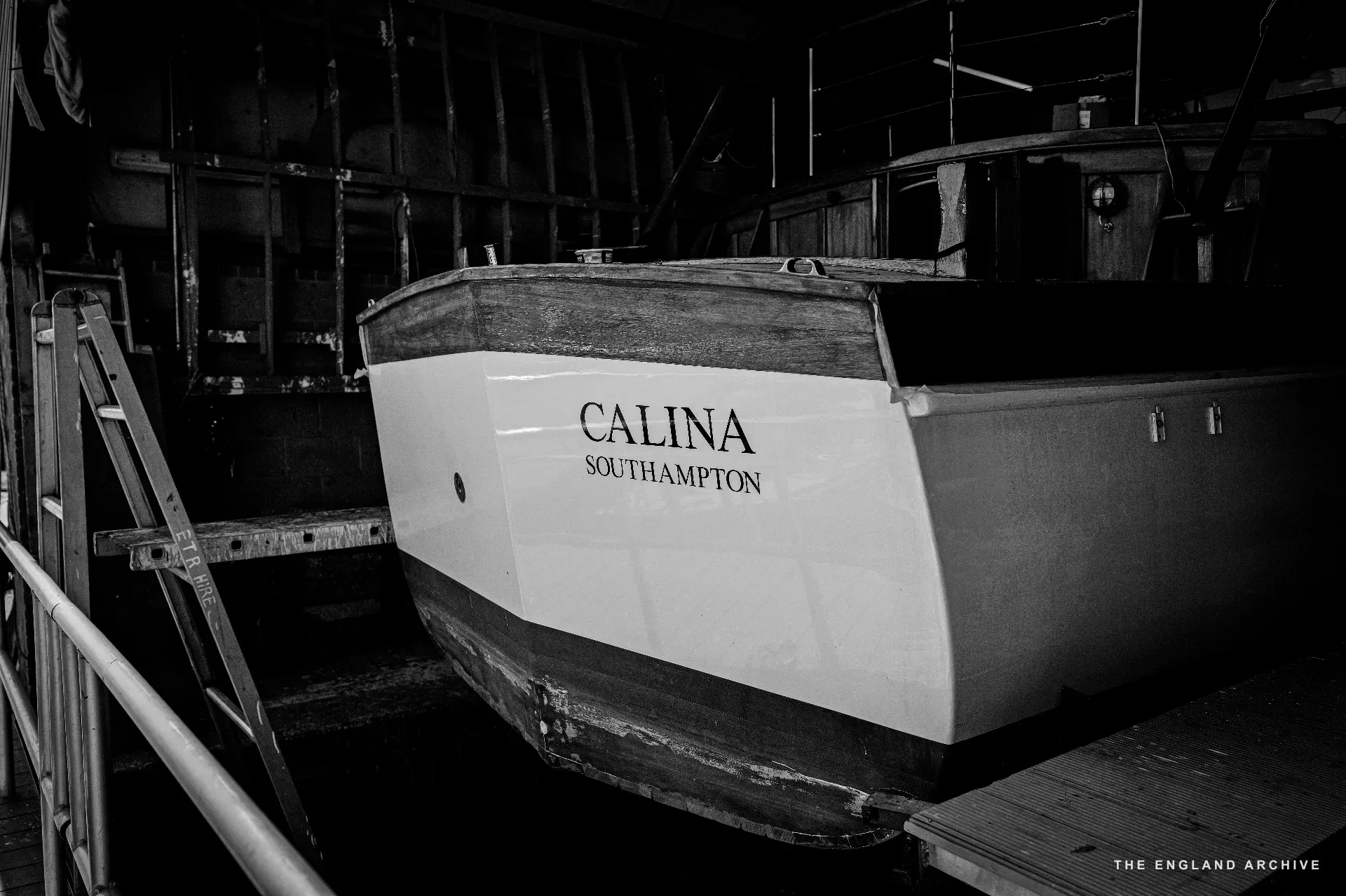
What matters for this essay is that the Little Ships are not a museum. They are a fleet of ordinary pleasure craft that happen to carry an extraordinary biography, and they continue to exist as working boats - used for ordinary river trips, owned by families and enthusiasts, moored at Thames clubs and private riverside boathouses. The physical preservation of this fleet therefore depends on exactly the same network of restoration yards that maintains the broader wooden-Thames tradition. A Little Ship that needs its planking replaced in 2026 goes to the same yards, using the same craftsmen, as a non-Little-Ship Edwardian launch. The Little Ships are the most culturally loaded subset of the fleet, but they are not technically a separate category of craft. They are Thames pleasure boats with a chapter in 1940 added to their provenance.
Michael Dennett has, by his own account, personally restored the majority of the surviving Little Ships of Dunkirk. That claim, verified against the Association's records (which the archive is pursuing as a follow-up), would make him and his yard the single most important locus of Little Ship preservation in England. Whether the exact proportion is a majority, a plurality, or another descriptor, the broader fact is not in dispute among the Thames restoration community: the Dennett yard has a particular authority on the Little Ships. The fleet's continued physical existence, a century after most of the boats were built and nearly a century after their defining historical moment, runs through this one yard in Laleham, Chertsey.
V. The mid-century Surrey yards
The Thames reach from Kingston upstream to Staines is the stretch of river along which most of the post-war wooden Thames pleasure-craft trade concentrated. Within it, the small Surrey and Middlesex towns of Sunbury, Walton-on-Thames, Weybridge, Shepperton, Laleham, and Chertsey had, by the 1950s, a dense cluster of yards that between them built, maintained, and repaired the entire wooden-boat population of the upper Thames. These yards were small, family-run, and specialist. They were where a Thames boat went when she needed work.
Three Sunbury and Walton yards are specifically relevant to the Dennett story, because they are the yards in which Michael Dennett trained. The first was Horace Clarke's Boatyard in Sunbury, which Michael entered at the age of fifteen, in the late 1950s. Clarke's was a characteristic example of the kind of small family Thames yard that was, at that time, still common: a shed and a slipway on a riverside plot, a handful of men at benches, a business built on local commissions and word-of-mouth reputation. Michael's first job there was general assistant work - the traditional first year of a wooden-boat apprenticeship - before he was put to the bench. From Clarke's he moved to Walton Yacht, and then completed his apprenticeship at George Wilsons Yard in Sunbury. Each yard offered slightly different work, slightly different clients, and slightly different bench habits; across the three, Michael assembled the full vocabulary of mid-century Thames wooden-boat practice.
This three-yard training is worth dwelling on, because it tells you how an English craft apprenticeship worked at that point in time. There was no formal certification. There was no external curriculum. The training was a series of placements at working yards, arranged typically through the older generation's networks, in which the apprentice progressed by being useful, by picking up the habits of the older men at the benches, and by being trusted with progressively more demanding work. The yard that employed him took responsibility for his training on the job. When he left, what he had was a pair of hands that could build and repair a wooden Thames boat, a set of professional relationships with the yards in the area, and a reputation that preceded him on his next move.
That was the English vernacular apprenticeship of the mid-twentieth century. It worked. It produced a generation of Thames boat builders who could, in most cases, carry the entire wooden-boat vocabulary in their hands. It also depended on the continued existence of the network of yards that formed the apprenticeship commons: a young person could only learn the trade at Clarke's and Walton Yacht and Wilsons if Clarke's and Walton Yacht and Wilsons were, in fact, open.
By the late 1970s and through the 1980s, that network began to collapse. Several factors pressed on the small Thames yards at once. Riverside land appreciated faster than boat work did, and Thames-side plots became more valuable as housing redevelopment than as boatyards. The older generation of yard owners retired or died without successors who wanted to continue the business. The cost base of small wooden-boat work rose as timber, fastenings, and labour became more expensive, while the clientele that could afford a full restoration remained niche. Cheaper fibreglass pleasure craft, which did not need the same continuous maintenance, became the default for new owners in the leisure market. And the specific generational bond between Thames-side families and wooden-boat ownership weakened: the grandchildren of the Edwardian generation did not necessarily want their grandparents' slipper launch.
Horace Clarke's Boatyard is gone. Walton Yacht is gone. George Wilsons Yard is gone. The three yards that between them trained Michael Dennett in the 1960s no longer exist as working businesses. This is not unusual. The Surrey and Middlesex Thames wooden-boat yards of the post-war period have, by 2026, largely disappeared. A handful remain - some restructured, some under new ownership, some as small specialist restoration workshops rather than full yards - but the dense working network that a young apprentice could once move through is not there any more. Michael is, in a sense, carrying a training lineage that has outlived its infrastructure.
VI. Michael Dennett and the Laleham yard
Michael Dennett finished his apprenticeship at George Wilsons Yard in Sunbury in the early 1960s and became self-employed at twenty-two. The first years were run out of the back of a van. He took on whatever restoration and repair work came his way: small jobs, weekend commissions, recurring clients who had a boat that needed a little each year rather than a major overhaul. When the work grew enough, he rented a shed. The shed became a small workshop. The workshop became a yard.
In 1988, Michael opened the yard at Laleham under the Dennett Boat Builders name, with his son Stephen as a partner. Stephen was in his mid-twenties. The move to Laleham was a commitment: a permanent riverside site, a full workshop, the ability to take on the largest commissions the trade offered. The yard has been there ever since. Thirty-eight years, as of the archive's visit, of continuous work on the same stretch of the Upper Thames.
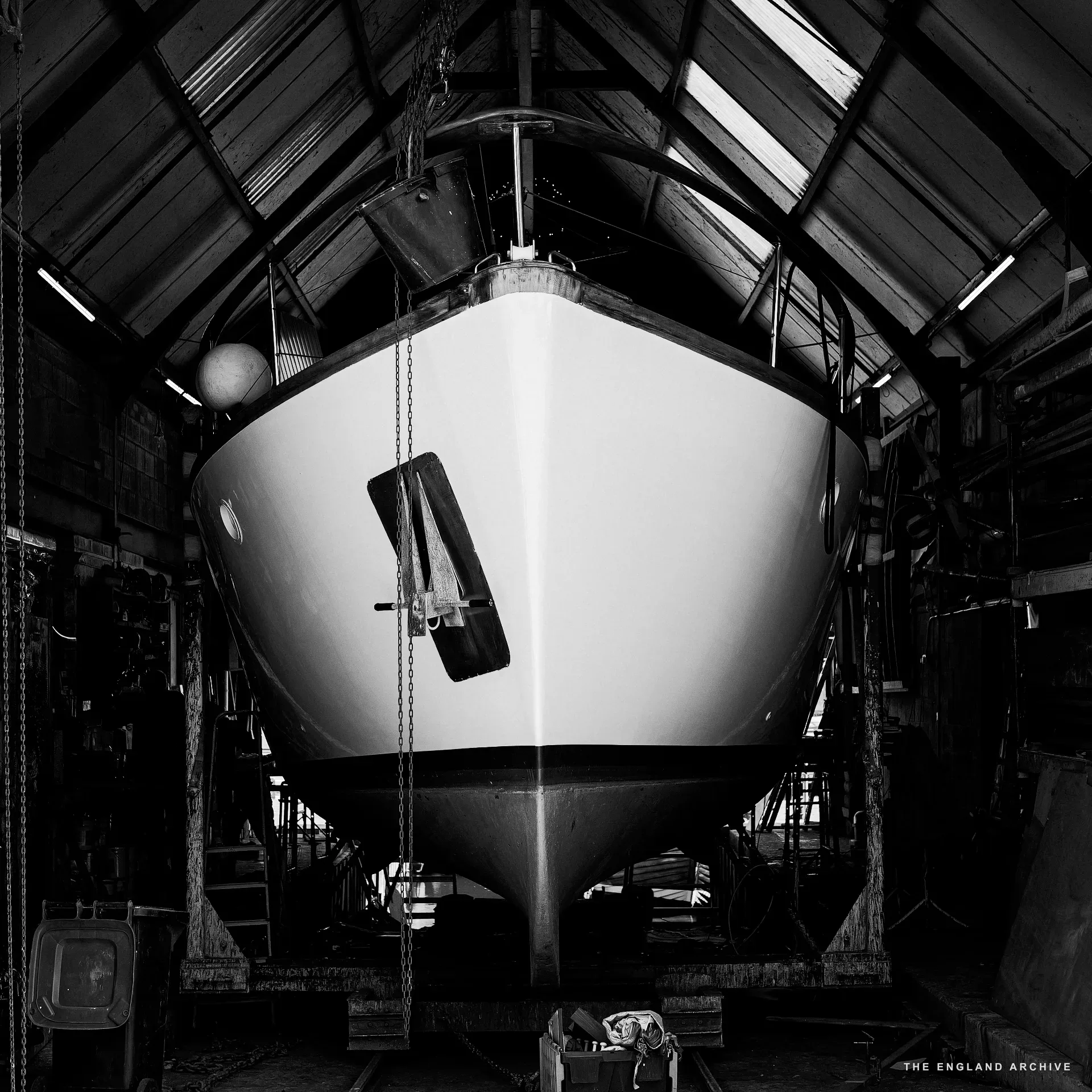
The work the yard does falls into three broad categories. The first, and largest by volume, is restoration of historic Thames pleasure craft - Edwardian slipper launches, saloon launches, pre-war motor yachts, the small gentleman's river boats of the interwar period. These are typically clients who own a boat that has been in the family for a generation or more and who bring it to Dennett for periodic major work. A full restoration might run two to three years; a partial one, a few months. The yard's reputation is particularly strong on boats of authentic Thames provenance, which has concentrated the Little Ships and the broader Edwardian fleet here over the decades.
The second category is new building. The yard takes on commissions for new wooden boats, often highly specific - the lightest tender the yard has ever built, for a client whose larger vessel is being sailed to Corfu and who needs a small boat that can live on the mast for the passage and be lowered at anchor, was the work in progress on the April 2026 visit. New-build work requires a different set of skills from restoration: the yard is working with new timber, original design choices, and the freedom and weight of building from first principles rather than repairing what a previous yard built. It also keeps the yard's full vocabulary alive, because a yard that only restores gradually loses the design and building muscle that a yard that also builds retains.
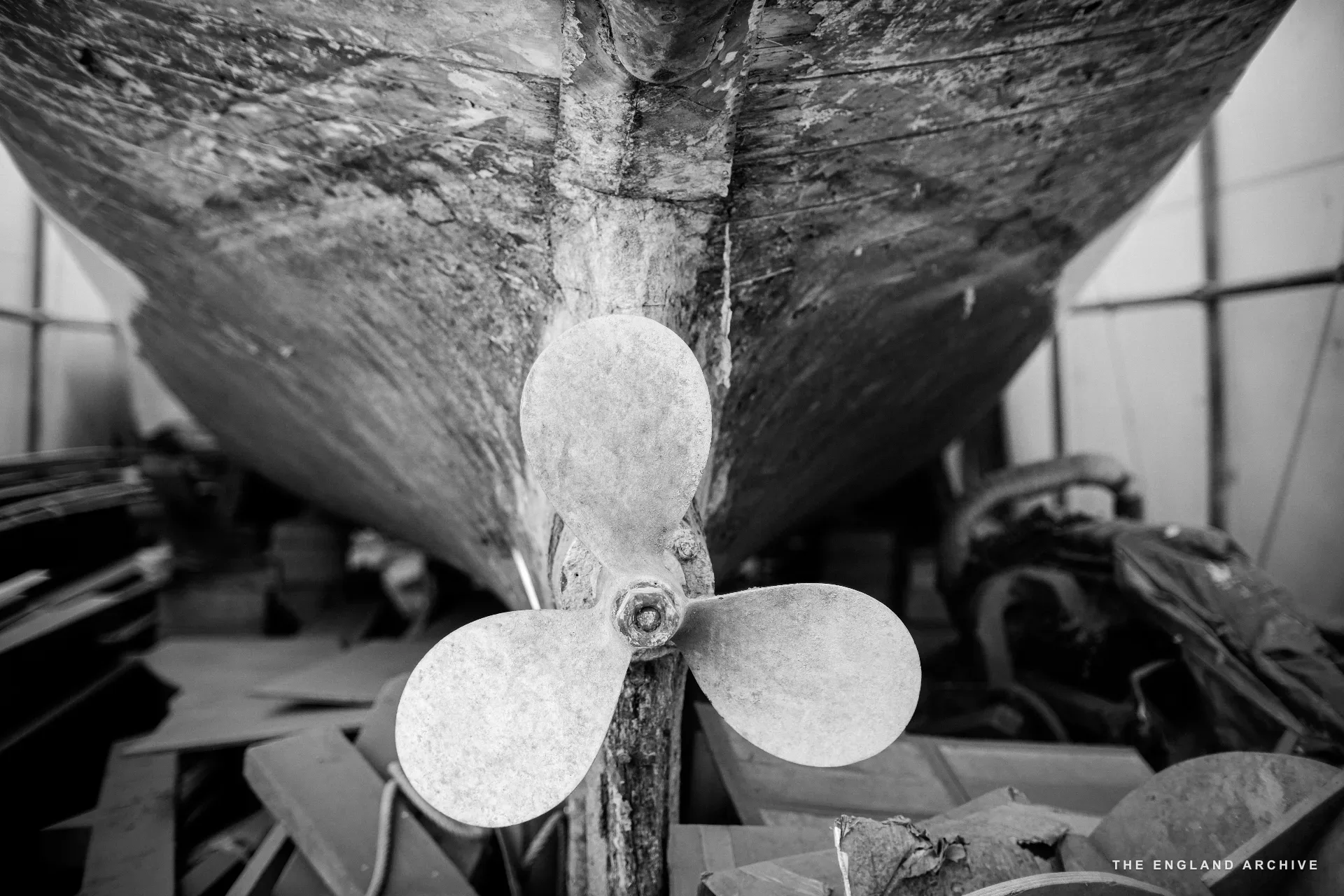
The third category is specialist engineering and repair work that comes to Dennett because the commission is awkward. Fittings that can no longer be sourced and have to be machined from original drawings. Engines that have to be fitted sympathetically into historic hulls. Masts that have to be made or refinished. Particular problems that other yards have declined to take on, because the solution is too specific and the margin too thin. Dennett has the workshop, the hand, and the knowledge to take them on.
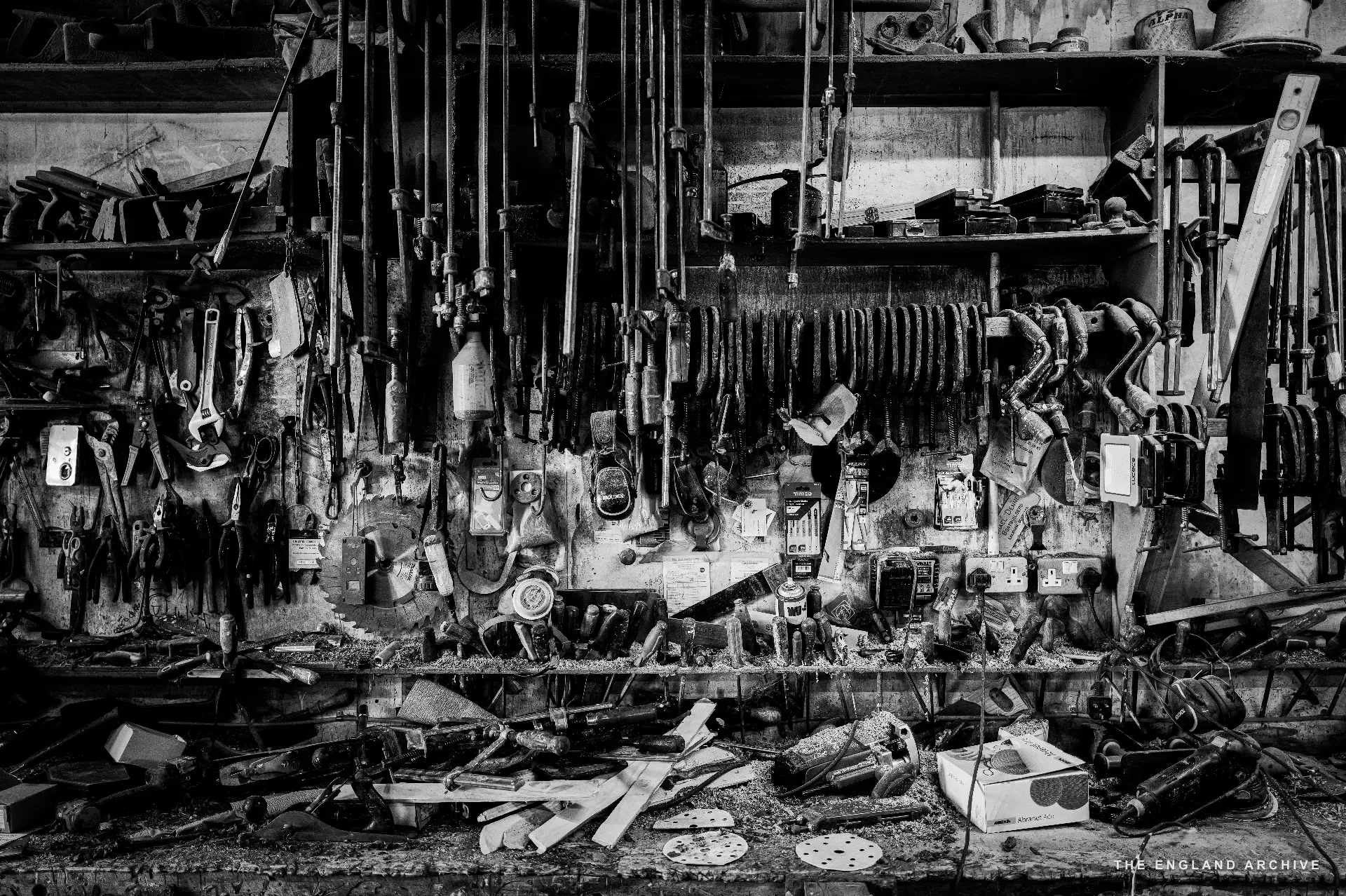
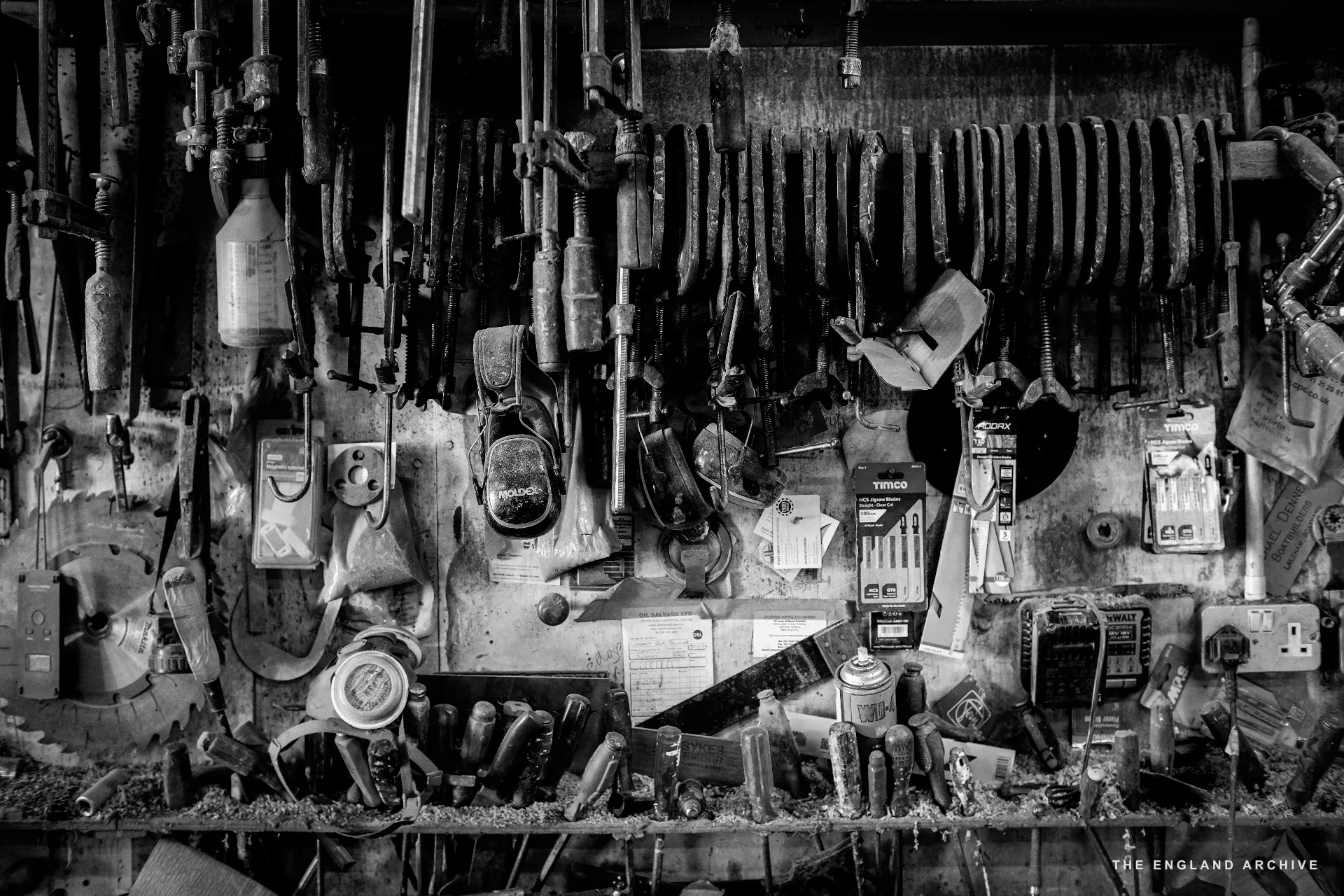
The Dennett workshop is, in physical terms, the accumulation of four decades of practice. Rows of tools. Cutting machines. Steam boxes for plank bending. Racked timber in the corner - mahogany, oak, teak, elm, some of it laid in for specific future commissions, some held against the possibility of a restoration that will need a particular grain. Workbenches with their own geological layers of use. A small cataloguing system in the craftsmen's heads of where the particular tools live. It is not a workshop that a new yard could replicate; it is the kind of workshop that can only be built by working in it for forty years.
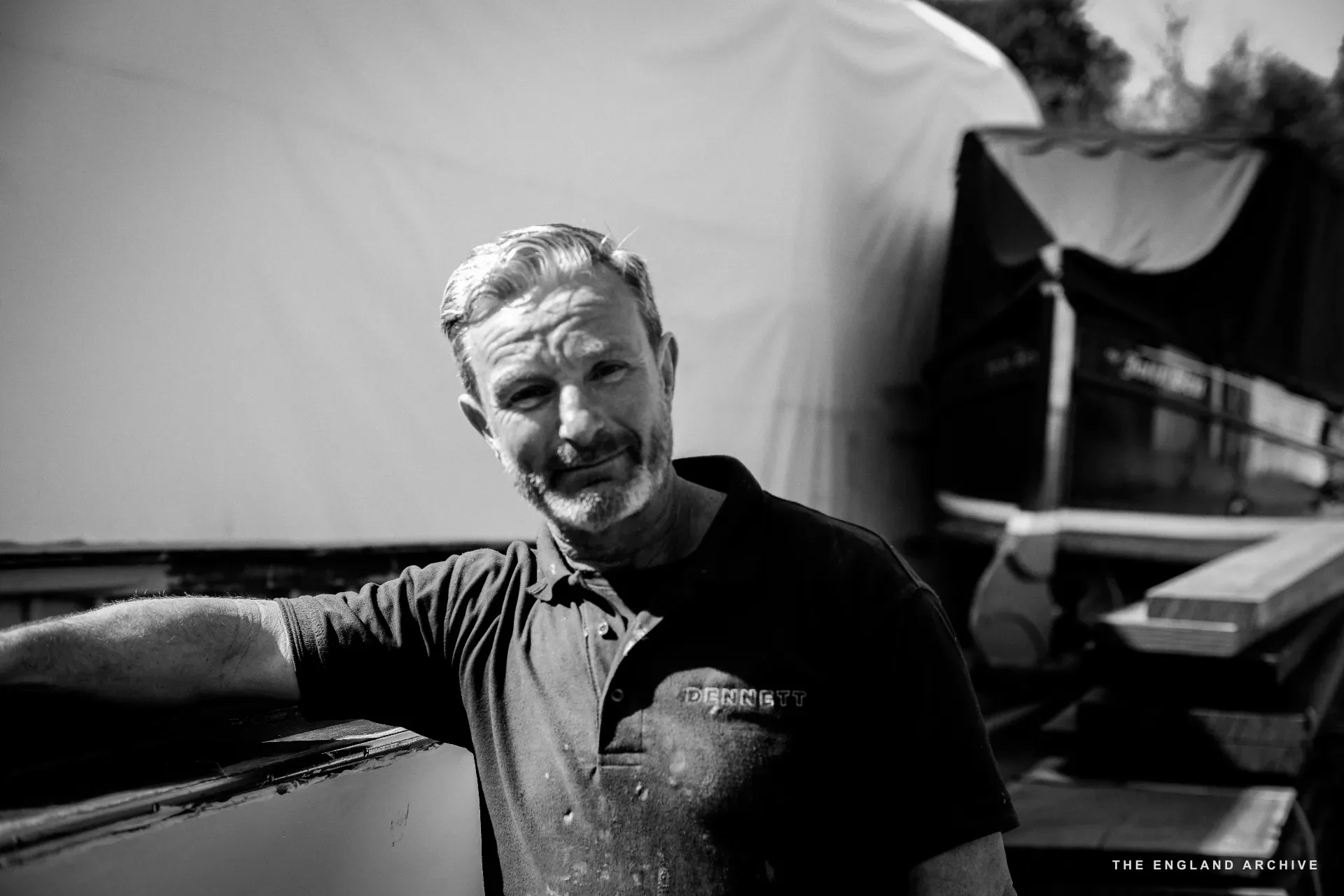
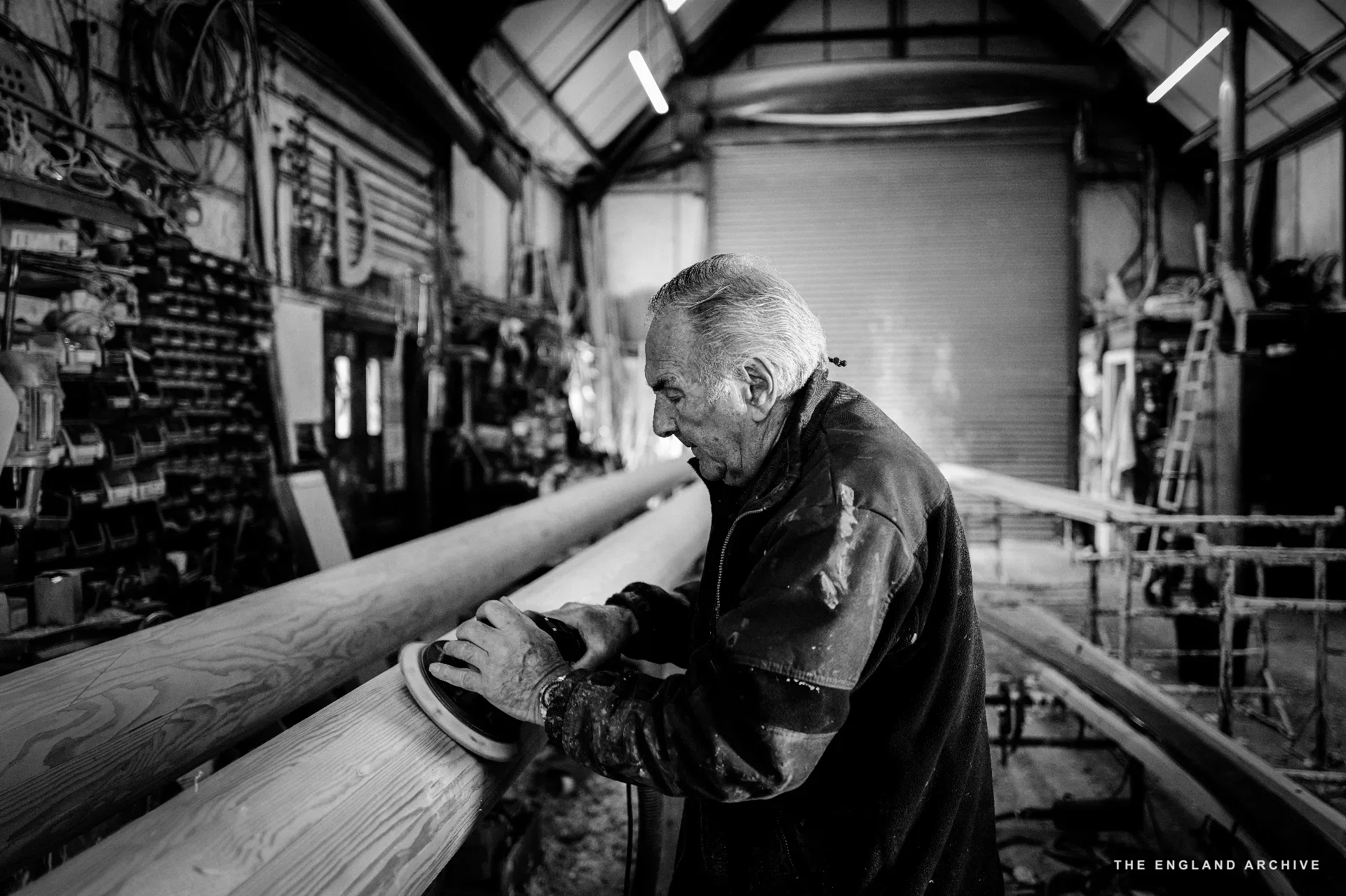
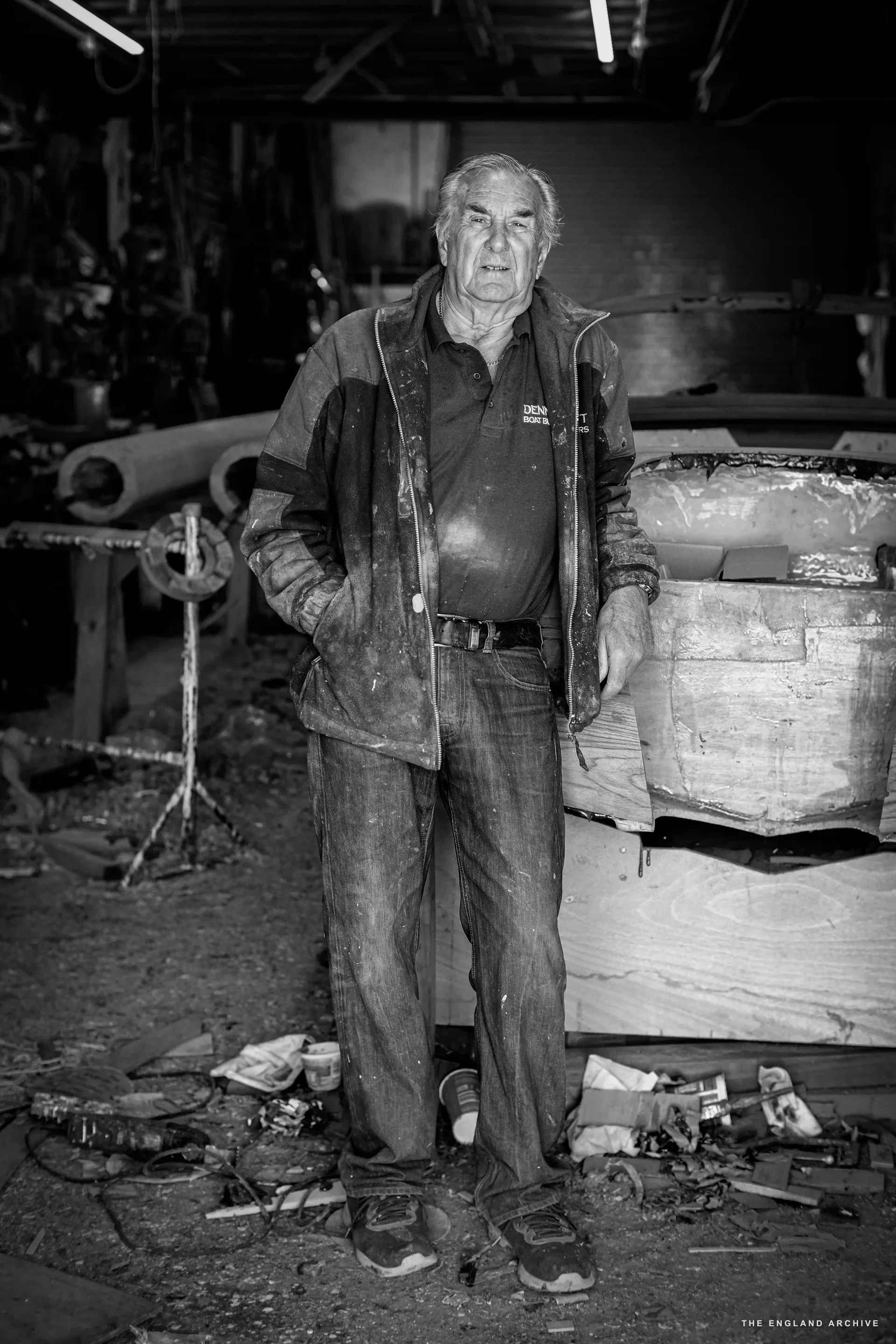
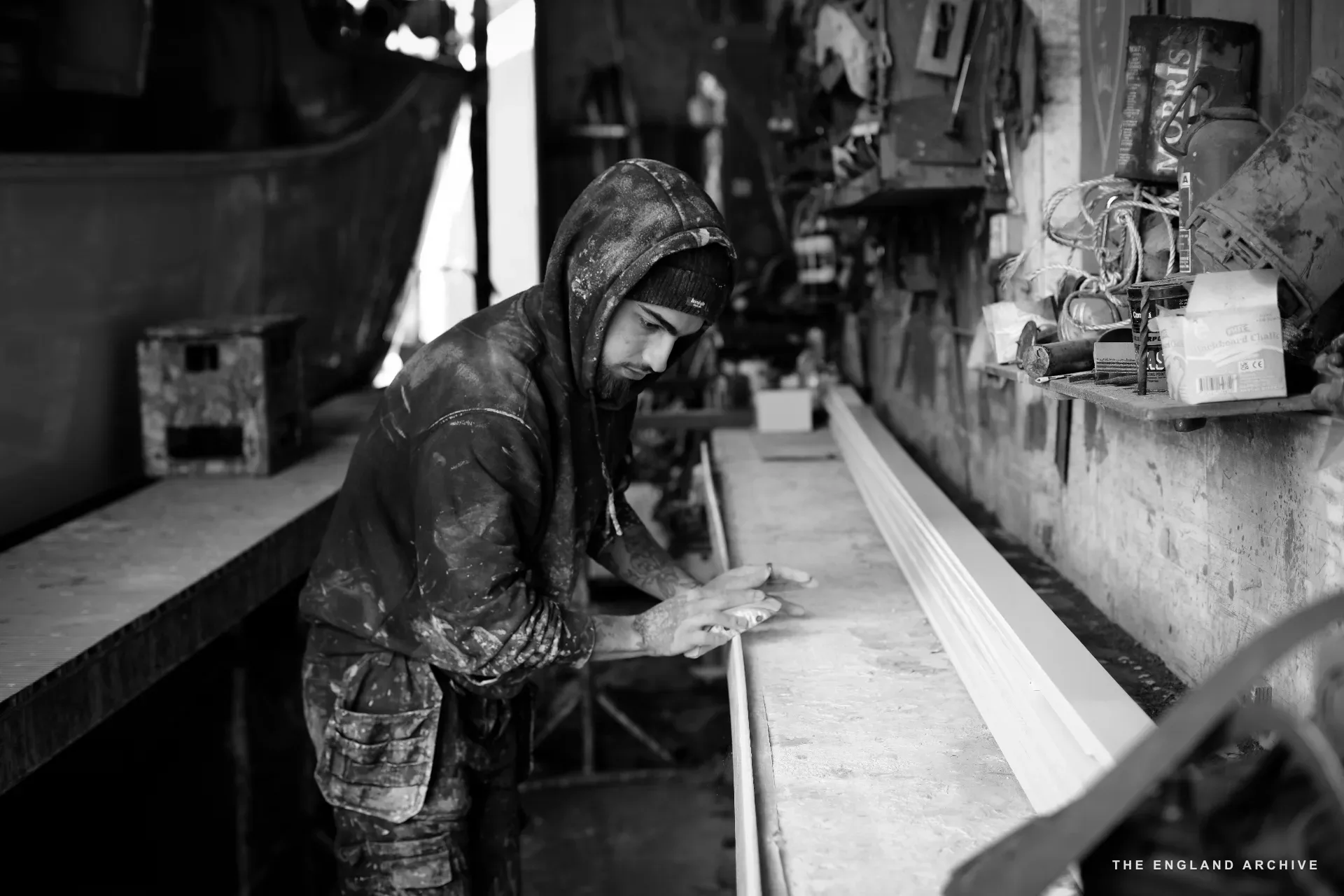
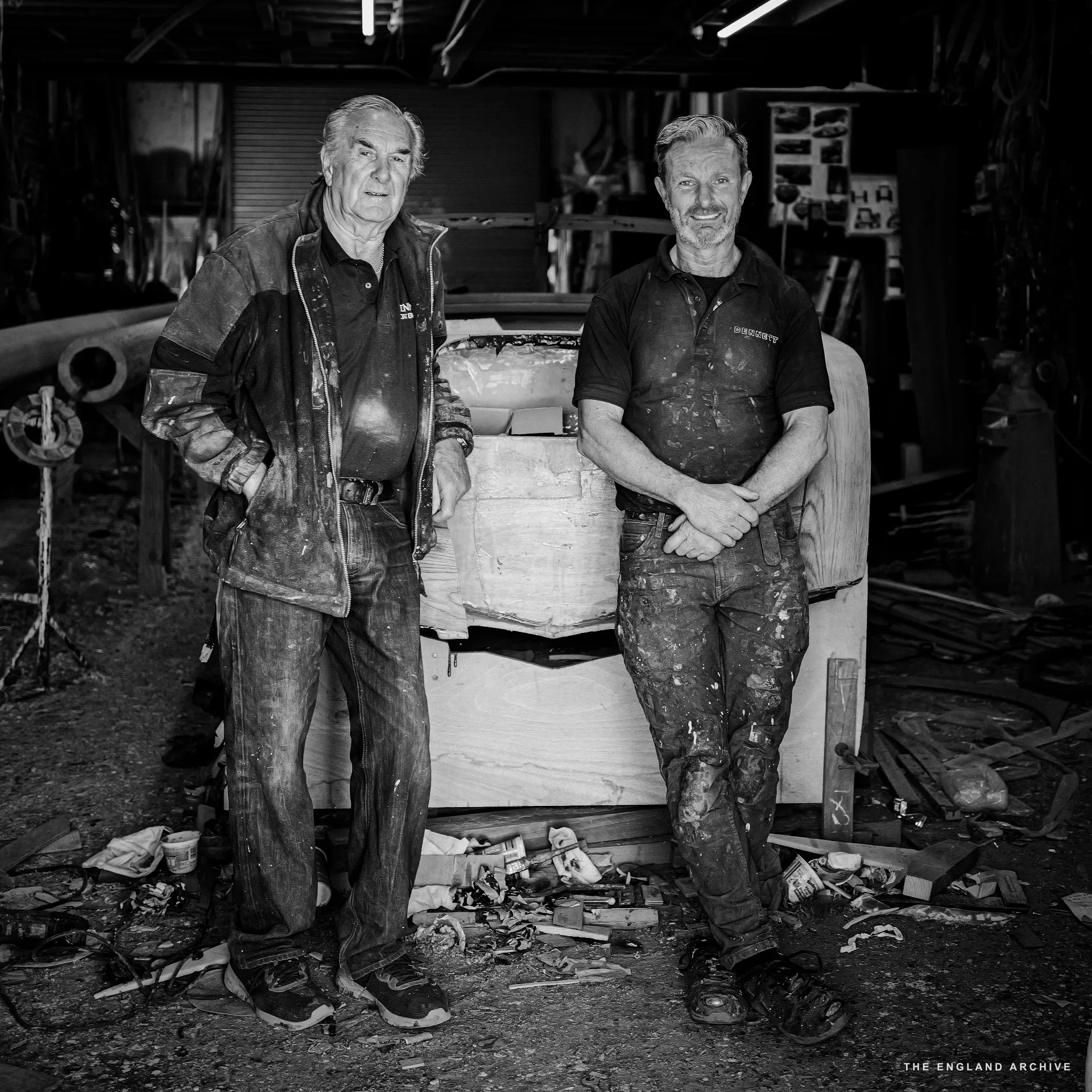
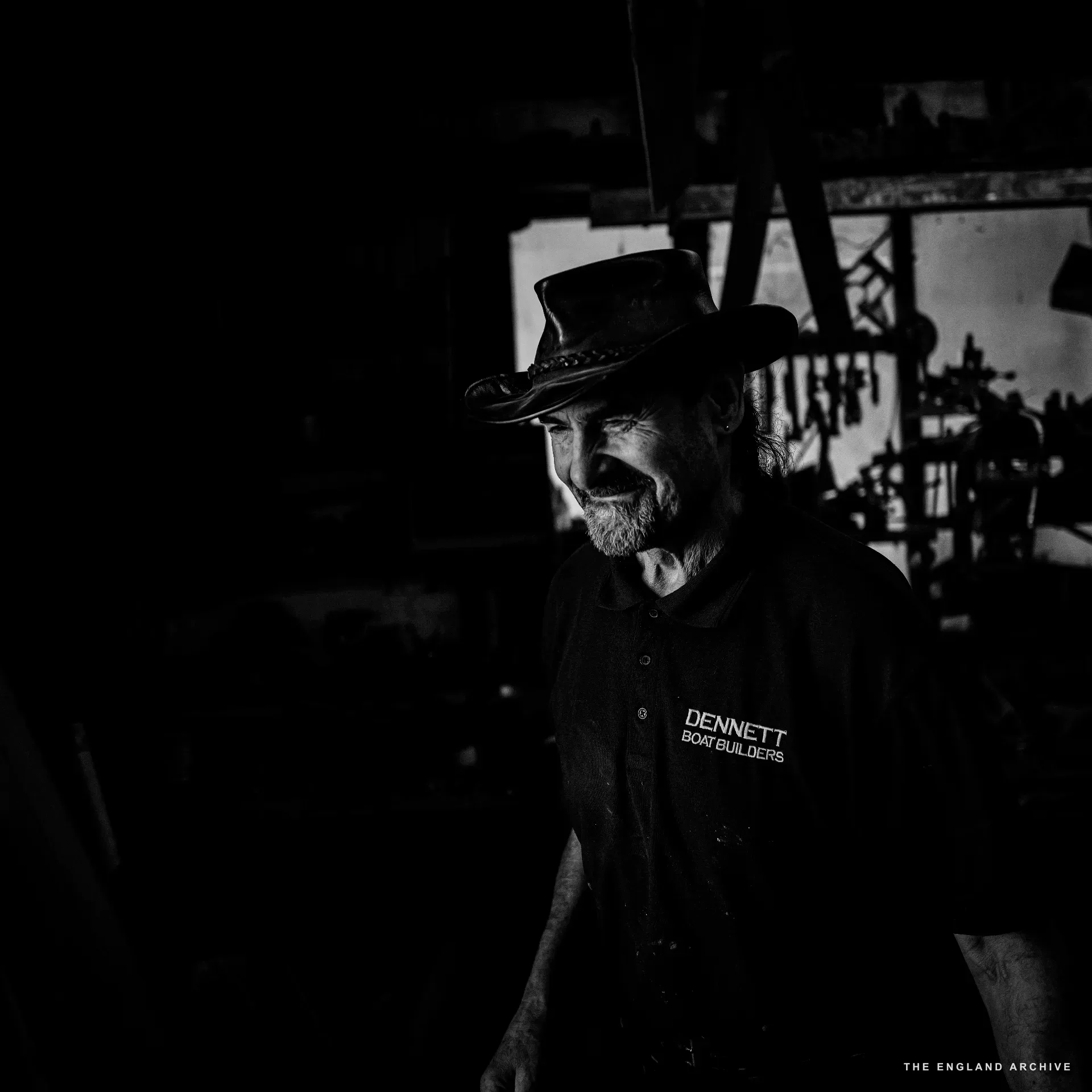
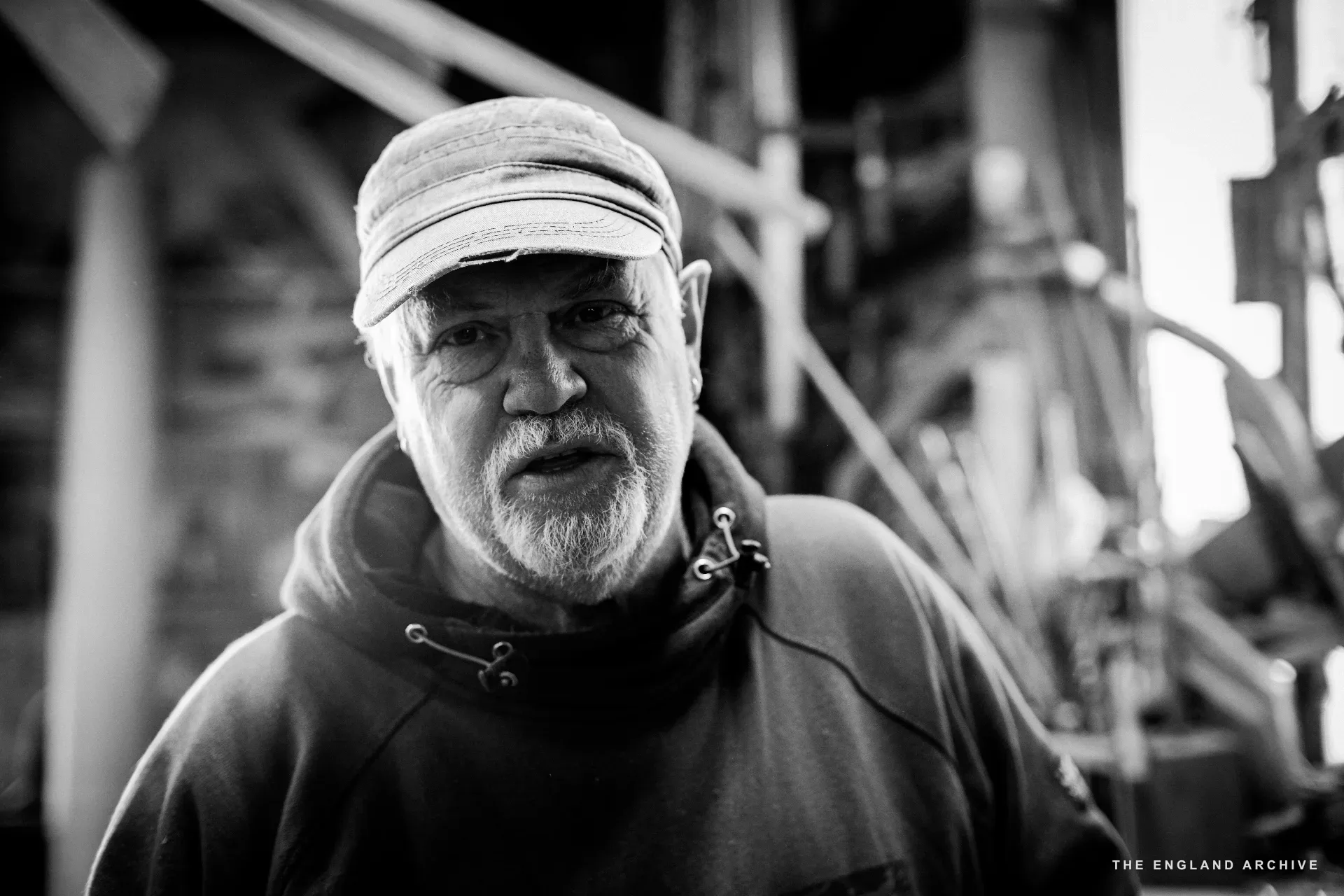
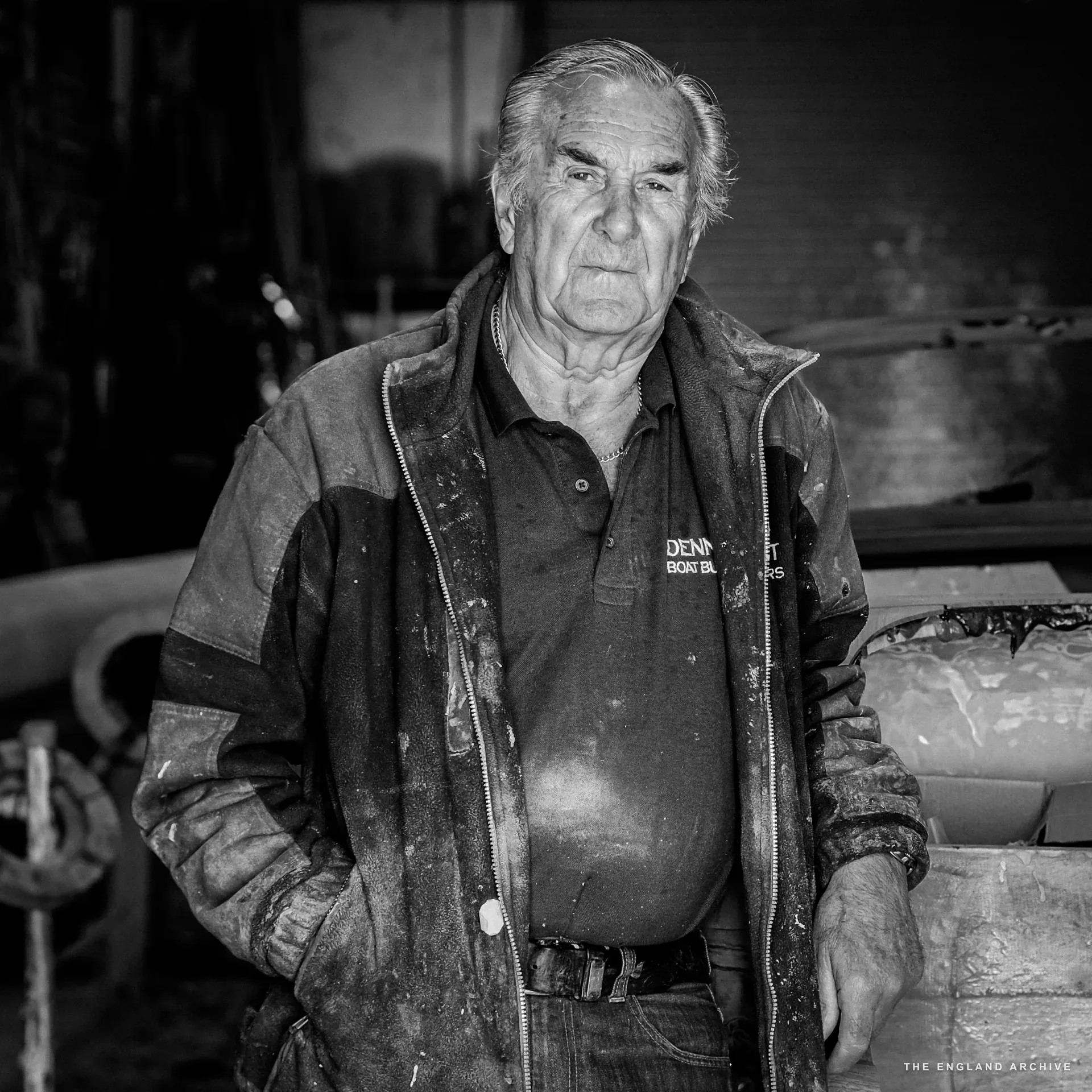
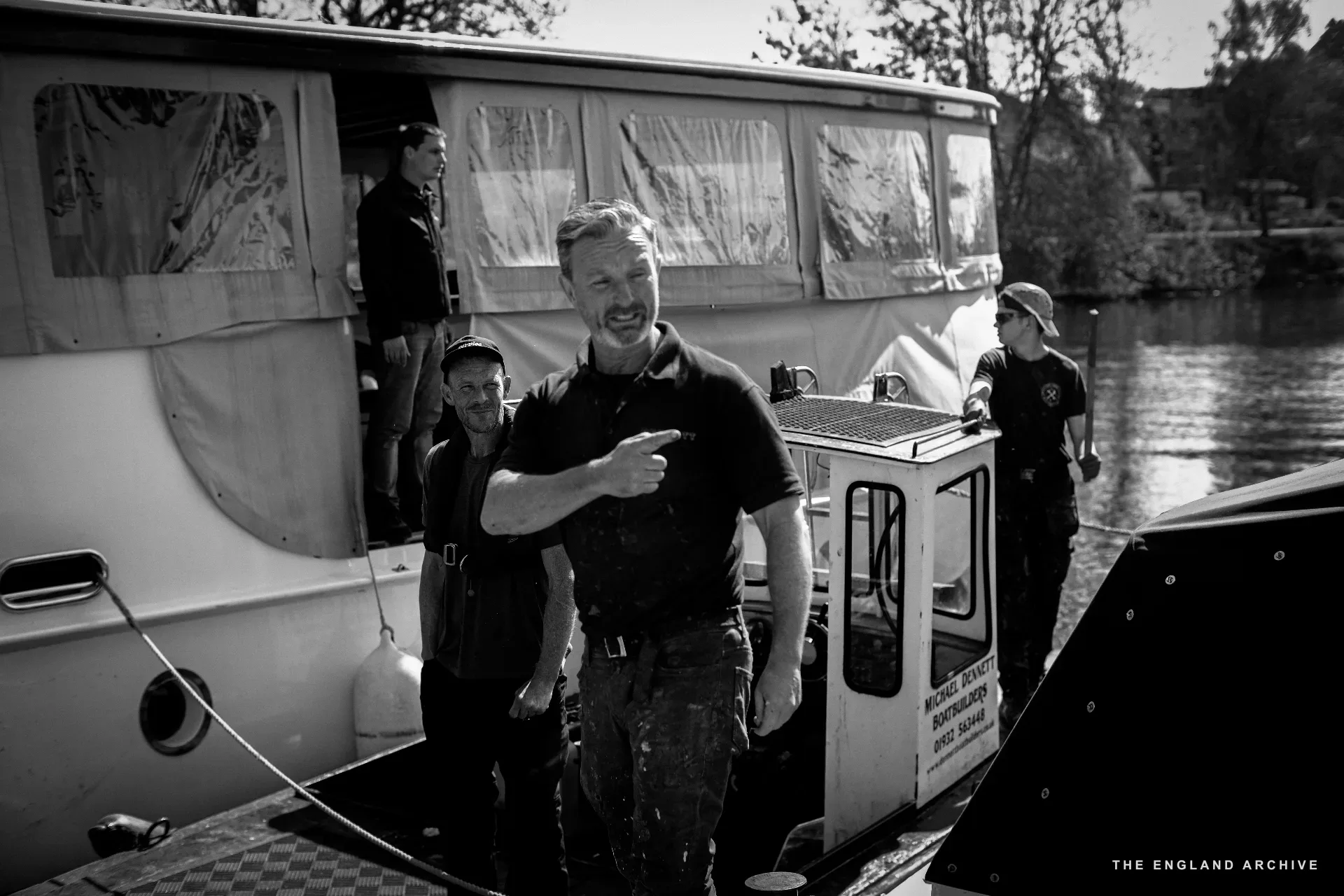
On the morning of the 23 April 2026 visit, the yard had several boats in active work. A Little Ship of Dunkirk was outside under a tarpaulin, awaiting attention. A commission for a Greek owner - the Corfu tender - was on trestles in the main workshop. Michael, at eighty-three, was at a pair of masts on stands, running a hand sander along the length of each, taking the finish off in controlled passes. Stephen was running the day, narrating the yard, directing the work, and at his bench on the Corfu tender when not interrupted. Two other craftsmen were in the yard on work the archive did not get to record in detail. The rhythm of the morning was the rhythm of a working commercial restoration yard in its fourth decade - attentive, continuous, with a timber delivery arriving at the gate and a social-media content session being filmed in a parallel stream, and the whole operation still physically carried by the hands of a working founder and his son.
VII. The apprenticeship practice
The less visible but more consequential part of the Dennett yard's operation is the apprenticeship practice. Michael has taken in apprentices for most of his working life. That is, in the context of a small family yard, not exceptional. What is exceptional is who he has taken in.
Michael has, over the decades, developed a particular habit of accepting apprentices from among young people with ADHD, dyslexia, or the kind of learning differences that had not fit them for the standard school system. Some came from local families who knew the yard and brought their children there. Others came through referrals - from teachers, from social workers, from friends. The common thread was that the young person had not found a place in formal education and had often arrived at the yard door without an obvious next step.
Michael's observation, offered quietly in the morning's conversation, was that the work tends to fit these young people in ways their previous training had not. A wooden-boat yard is a material environment: the day is organised around an object that requires attention, the tools are physical, the outcomes are legible, the feedback is immediate, and the standards are set by the hull in front of you rather than by an abstract examination. Young people whose attention had resisted the classroom often, Michael said, found that their attention held on the boat. The work itself seemed to give them the focus that had been absent elsewhere.
The outcomes vary. A number of Michael's apprentices have stayed on as full-time craftsmen at the Dennett yard and are, now, the rest of the team that makes the yard work. Others have gone on to start their own small restoration businesses, which is itself a profoundly healthy outcome for the craft - the Dennett yard has effectively seeded a small local network of independent hands capable of working on Thames boats without depending on Dennett itself. A third group have moved on to other trades or other lives, but, on Michael's account, left the yard with a confidence about their own capacity to do skilled manual work that they had not brought to it.
This is not a programme. Michael is not making noise about it. There is no brochure, no social-media campaign, no formalised partnership with a charity or a school. It is a quiet, sustained practice of a small yard owner choosing whom to take on as apprentices across four decades, and doing so with a particular bias toward young people who have not fit in elsewhere. That is the archive's documentary framing of it.
There is, in parallel, the family line. Stephen Dennett was, on Michael's own account, effectively an apprentice from the age of two. He followed his father around the workshop from the moment he was old enough to be brought along. By the time he was of school age, he had absorbed the grammar of the trade through the domestic-scale repetition that the oldest form of apprenticeship - long pre-dating any formal training system - has always worked through. When the Laleham yard opened in 1988, Stephen came in as a partner not because of a formal qualification but because he had, in effect, been training for the job for twenty-five years.
The third generation is now visible at the door. Stephen has three sons. Two of them, on Stephen's own account during the visit, are already interested in coming into the yard as apprentices and are old enough that the beginning is expected within a short time. If the pattern holds - and if the pattern does not hold for a specific reason, the archive will want to document that too - the Dennett line will extend into a fourth generation of Thames wooden-boat builders, counting back to the 1960s Surrey yards that trained Michael at its start.
Four generations of a craft line is, in English heritage-craft terms, rare. The Cardozo Kindersley Workshop in Cambridge, documented in the companion essay, is a three-generation line at the practice level (Gill / Kindersley / current workshop). Several multi-generation English craft firms exist in fields where family succession is common - thatchers, farriers, a small number of dry-stone wallers - but a continuous Thames wooden-boat line across four generations, each trained within the one yard or its direct predecessors, is a distinctly unusual case. The archive will follow Dennett across its full three-year cycle and, if the project continues, beyond.
VIII. The state of the craft in 2026
The working picture of wooden Thames pleasure-craft restoration in 2026 is a small and specialised trade of perhaps six to ten working yards on the Surrey, Middlesex, and Oxfordshire reaches of the river. The count depends on what you call a yard. Include small one-person restoration workshops and the number rises; limit it to yards with a full workshop and multiple craftsmen and the number falls. The point is not the exact figure but the order of magnitude: the wooden Thames tradition is kept alive by tens of hands, not hundreds.
The clientele is stable and committed but not growing. It is a community of boat owners, many of them families who inherited a boat from a parent or grandparent and who are determined to keep her in working order as an act of intergenerational responsibility. A smaller number are new owners who have bought into a historic boat for love of the tradition. A smaller number still are professional or institutional clients - the Association of Dunkirk Little Ships, historic boat charities, occasional commissions from public collections. The trade is not driven by fashion. It is driven by the ongoing presence in English life of these particular objects and the particular people who feel responsible for them.
The economic picture is tight. Small commissions sustain weekly yard operation but not major reinvestment. Major restorations run to six figures over two or three years, which limits the number of clients who can commission one at a time. New-build commissions, though rare, are where a yard's design and building muscle is exercised, and are therefore editorially important even when the margin is modest. Materials - specifically good boat-grade timber - are harder to source than they were a generation ago. The insurance, liability, and regulatory environment around small marine businesses has intensified. None of these pressures are existential in themselves, but collectively they make running a small wooden-boat yard a harder proposition in 2026 than it was in 1986 when Dennett opened at Laleham.
The transmission question is the critical one. The yards that survive do so because at least one senior hand is still at the bench, and because that hand has access to a younger generation willing and able to take the craft on. Neither is automatic. The senior generation is aging - most of the yard founders on the Surrey reaches are now in their seventies and eighties, some older. The younger generation is thin. Apprentices are few, and the economic proposition for a young person considering a career in wooden-boat building is not obvious: the training is long, the pay is modest, the security is contingent on the continued existence of a yard that will have you.
The Dennett yard is, in this context, an outlier for three reasons. The founder is still at the bench, not retired. A successor generation is already in the yard as working principal. A third generation is actively preparing to enter. The apprenticeship practice, quietly, extends the line beyond the family to a stream of young people who would not otherwise have found a craft at all. Taken together, these features make Dennett a kind of working proof that it is possible for a small English wooden-boat yard to carry the craft forward into 2026, past the structural pressures the trade is under. The archive's interest is in recording how that is possible, in order that the pattern may be legible for other yards and other crafts facing the same question.
There is also the specific heritage asset of the Little Ships of Dunkirk to consider. These boats exist in the world because the 1940 evacuation made them culturally durable and because, since then, the Association of Dunkirk Little Ships and a small number of restoration yards have kept them physically durable. The commemorative passage to Dunkirk every five years depends on a fleet of vessels in active condition. Active condition depends on continuous maintenance. Continuous maintenance depends on the small number of yards who can still do the work. If the Dennett yard were to close without a successor, the physical future of the Dunkirk fleet would be meaningfully narrower. That is a specific public-interest argument for the preservation of a specific yard, separate from the broader argument for the craft itself.
The archive's position on all of this is that the wooden Thames pleasure-craft tradition is a significant piece of English cultural and material heritage, that its physical survival depends on a small number of working yards, that those yards depend on the apprenticeship of a generation younger than the one currently running them, and that the documentary record we are building is a small but relevant contribution to making the tradition legible to the broader public, to potential apprentices, and to the institutional partners (Heritage Crafts Association, the Association of Dunkirk Little Ships, craft funding bodies, public collections) whose support is, increasingly, what will determine whether the craft continues for a further generation.
Closing
A wooden Thames pleasure craft is a specific English object, made in a specific period, for a specific kind of river use, by a specific set of yards in a specific corner of Surrey and Middlesex. Most of the yards that built her are gone. Many of the boats that were built are gone. The ones that survive are there because particular owners loved them enough to pay for the continued maintenance, and because particular yards are still willing and able to do the work. A century after the peak of the tradition, the craft lives on in a form that is smaller, more specialised, and more precarious than it was, but it lives on as a working tradition rather than a museum one, and the boats are still used on the river as they were intended to be used.
The Dennett yard at Laleham is, for the archive, the clearest single case we have documented in the first year of the project of a small English heritage-craft firm carrying a full working tradition forward across four generations. The founder's hands are still on the work. The son is running the yard. The grandsons are about to begin. An apprenticeship practice quietly extends the line beyond the family to a group of young people who would not otherwise have found a craft. A specific heritage fleet - the Little Ships of Dunkirk - depends, to a meaningful degree, on this one yard's continued existence. The documentary case the archive wants to make about apprenticeship as the core mechanism by which English heritage craft survives is, at Dennett, visible in the working day.
It is also, on the evidence of a single morning's visit, not guaranteed. The structural pressures on the trade - land values, cost base, regulation, the thinness of the incoming apprenticeship generation - are serious. The particular features that make Dennett an outlier could be undone by any of several contingencies: a health event at the benches, a change in ownership, a loss of the physical site. The archive's interest is partly documentary and partly advocational. We want the record to exist because the yard exists now, and we want the broader public to see what is at stake if yards like this do not, in the next decade, find the apprentices and the support that will carry them into their next generation.
The Thames is a river of ordinary beauty, used continuously by English people for a century and a half as their native recreational water, and the wooden boats that belong to it are among the most ornamental and specific objects that English material culture has produced. A small number of hands keep them afloat. This essay is, in part, an argument for being aware that those hands exist, and, by extension, for supporting the institutions - yards, apprenticeships, heritage associations, public funds - that will determine whether they are still there in 2050.
Sources and notes
This essay is primary-source documentation from a single extended visit to the Dennett yard on 23 April 2026, with additional contextual material drawn from standard references on the Thames pleasure-craft tradition and the Little Ships of Dunkirk. Specific biographical details about Michael Dennett's training are from Michael's own account in the morning's conversation. The figure that Dennett has personally restored a majority of the surviving Little Ships is Michael's statement and is pending independent verification against the register maintained by the Association of Dunkirk Little Ships.
On the Thames as a leisure river and the Edwardian flowering of the pleasure-craft trade, standard accounts include Jerome K. Jerome's Three Men in a Boat (1889) as the foundational cultural document, and more recent historical surveys in the Oxford and Cambridge river histories, the Thames Traditional Boat Society's publications, and the archives of the Thames Vintage Boat Club. Fred Thacker's The Thames Highway (two volumes, 1914 and 1920) remains the fullest account of the river in its commercial-to-recreational transition. The pleasure-craft yards of the period are described in regional industrial histories and in the Yearbooks of the major Thames boating associations, surviving copies of which are held in local studies collections at Richmond, Kingston, Oxford, and Reading.
On the Little Ships of Dunkirk, the Association of Dunkirk Little Ships (founded 1966) maintains the definitive register of surviving vessels and the institutional memory of the 1940 evacuation. Christian Brann's The Little Ships of Dunkirk (1989; revised edition 2010) is the standard popular history, containing vessel-by-vessel notes on the main fleet. Contemporary accounts by participants and by naval historians are collected in the Imperial War Museum's Dunkirk collection. The 2017 Christopher Nolan film Dunkirk, in which one of the boats currently at the Dennett yard features prominently, has renewed general public awareness of the fleet and of its physical survival dependencies.
On the mid-century Surrey Thames yards - Horace Clarke's Boatyard, Walton Yacht, George Wilsons Yard - little secondary literature exists. The archive's record is drawn principally from Michael Dennett's oral account and will be supplemented over time by material from local studies collections in Sunbury, Walton-on-Thames, and Chertsey, and from whatever records have survived among the descendants of the yard owners. A project priority over the coming year will be a light oral-history pass with any surviving apprentices or journeymen from those three yards, whose trained hands are, for the time being, the last surviving record of the tradition.
Associated archive entries: A Morning at Dennett Boat Builders (JN-0012, the journal entry of the 23 April 2026 visit); Michael Dennett (MK-0008) and Stephen Dennett (MK-0007) (subject pages); the Thames boat-building apprenticeship records on the Thames boat-building apprenticeship page. See also the companion craft-monograph essay Letter Cut in Stone (ES-0054) for the same editorial pattern applied to the English letter-cutting tradition.