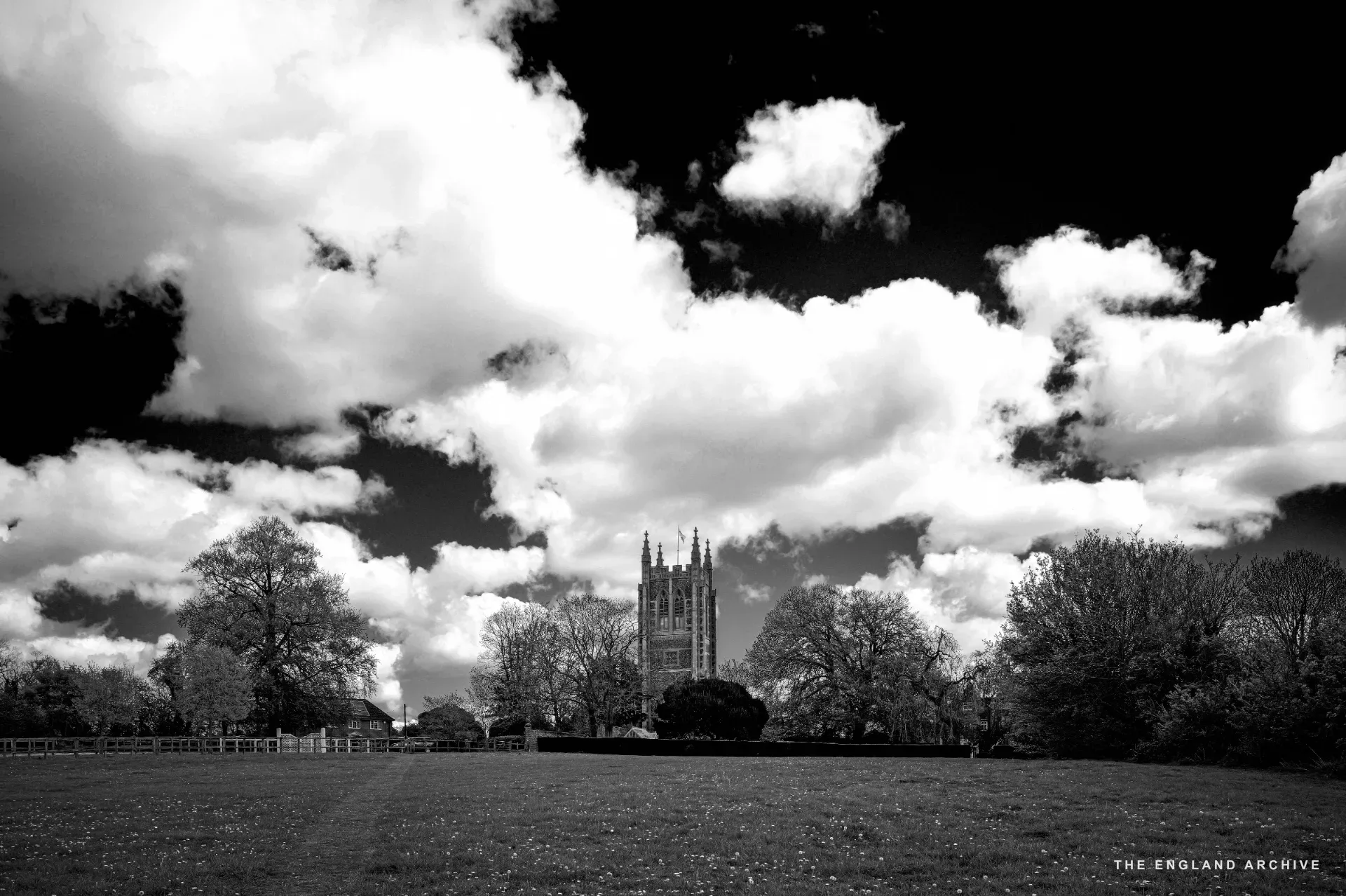
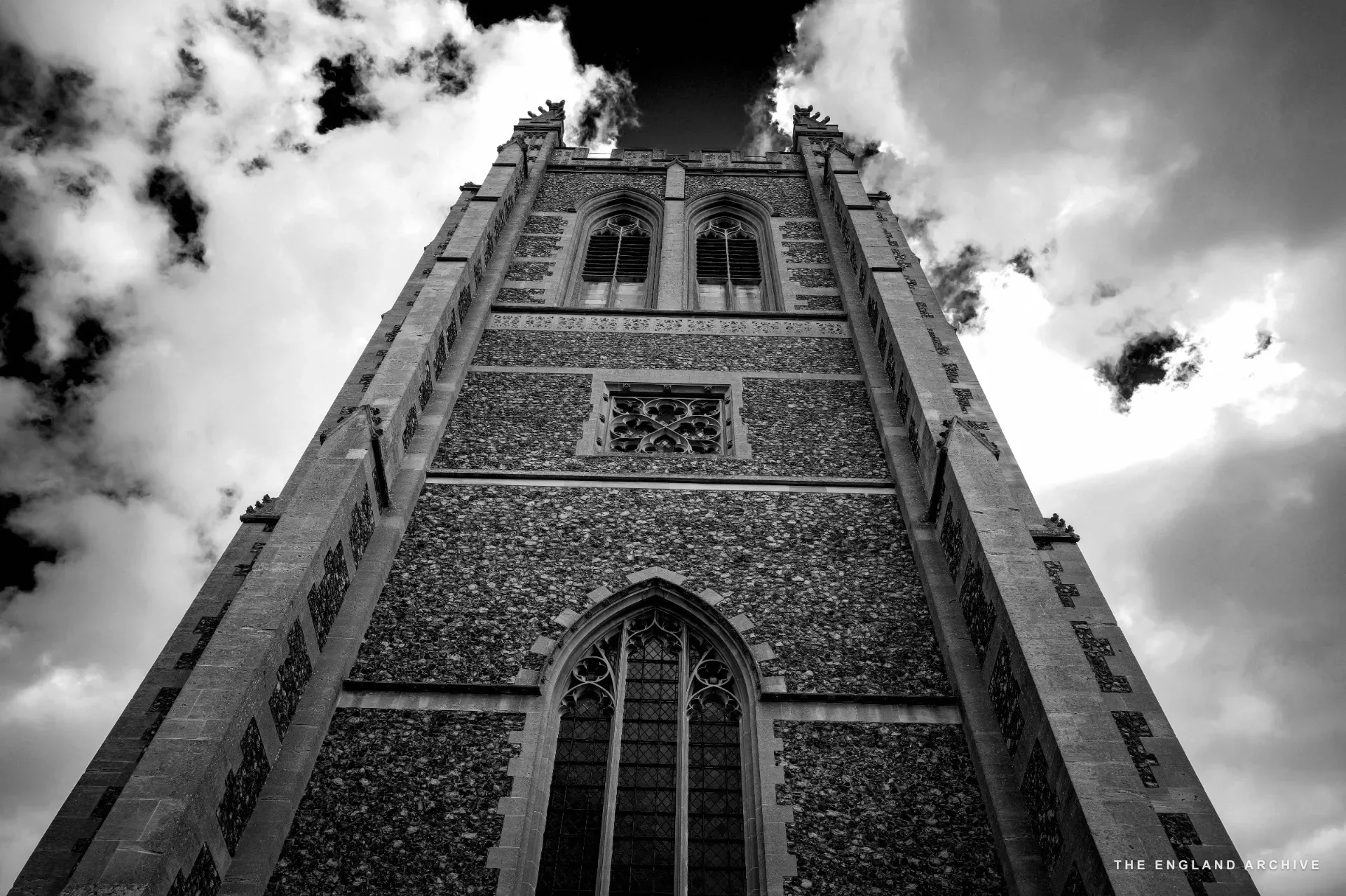
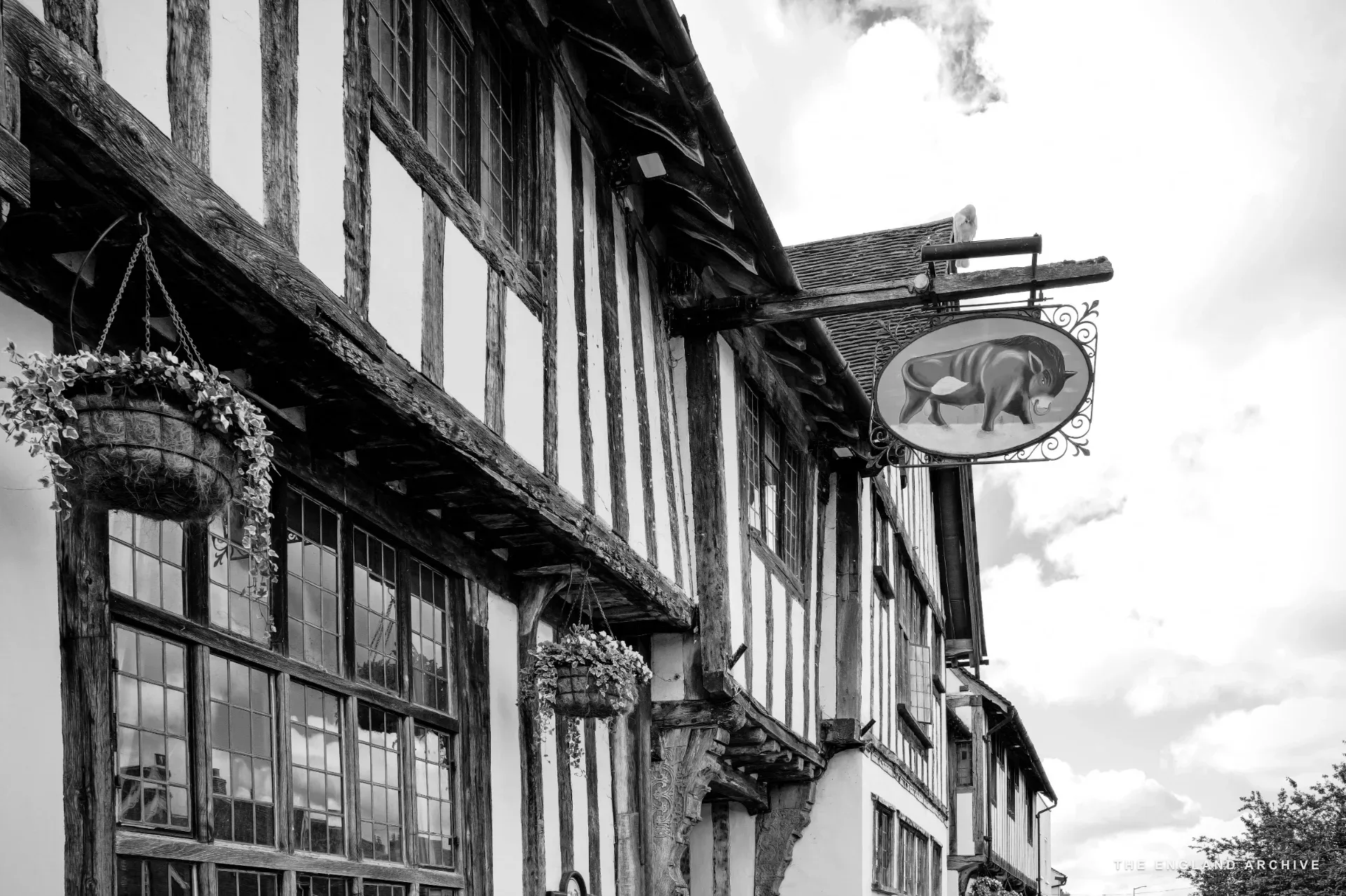
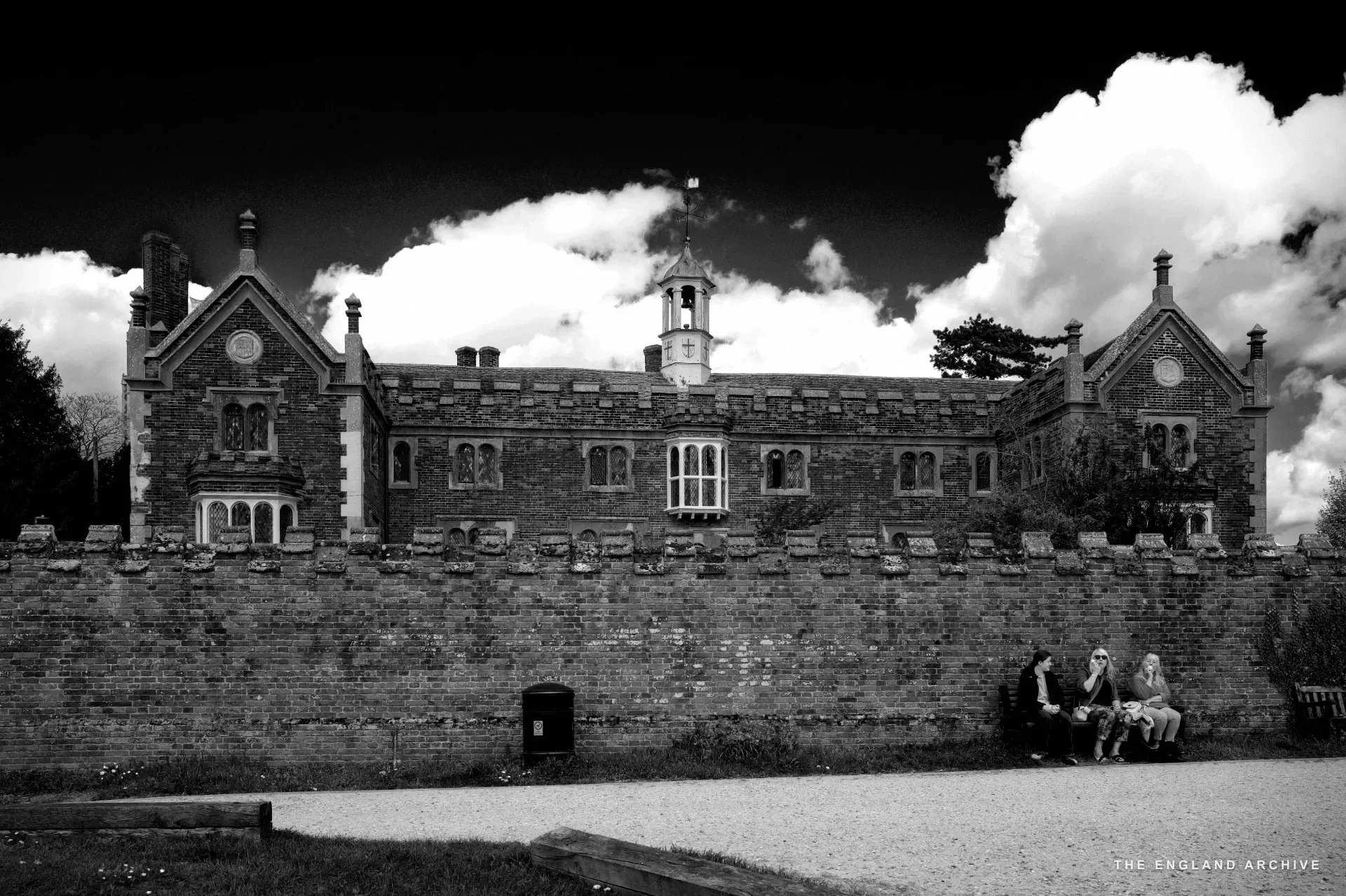
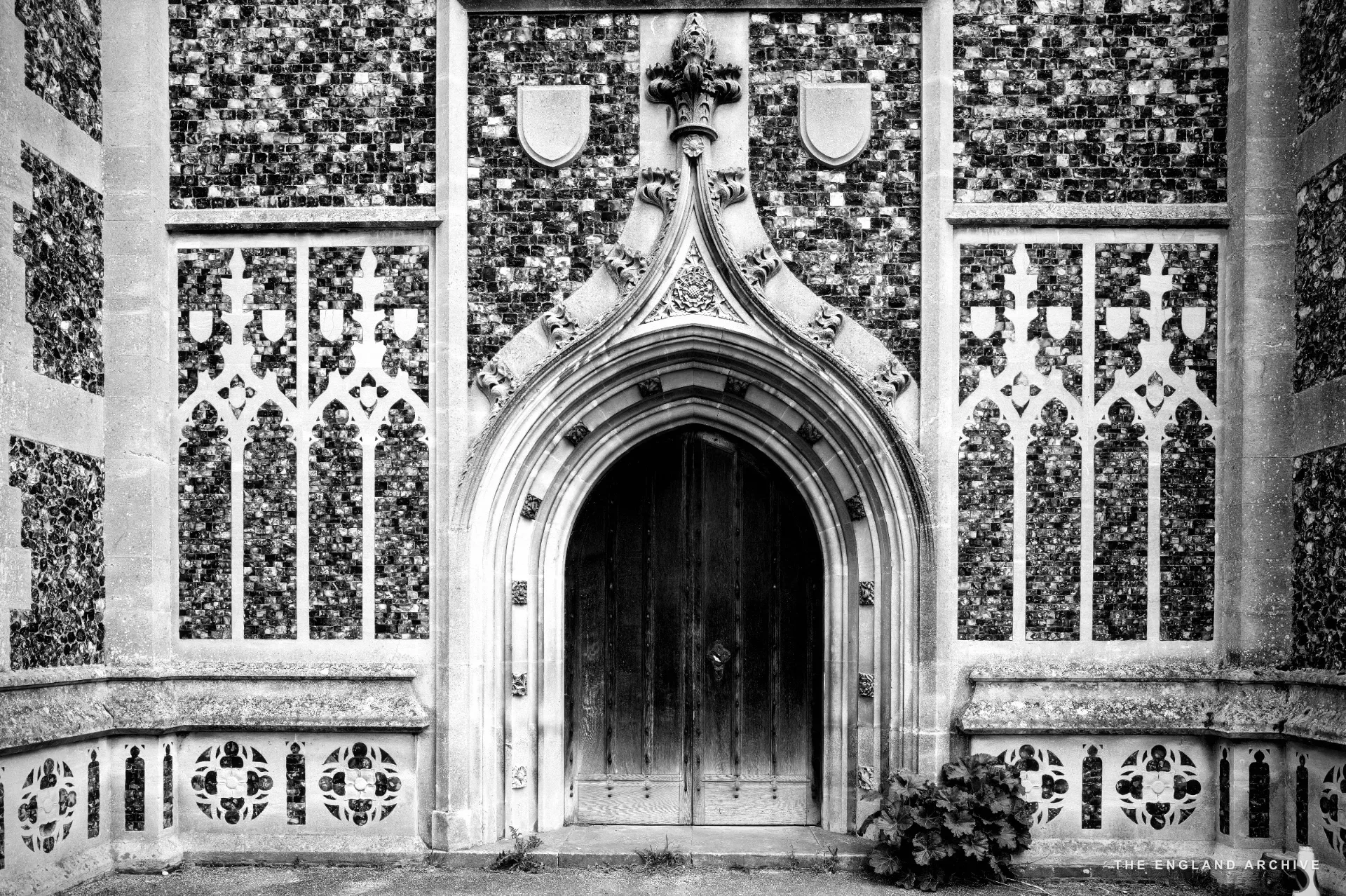
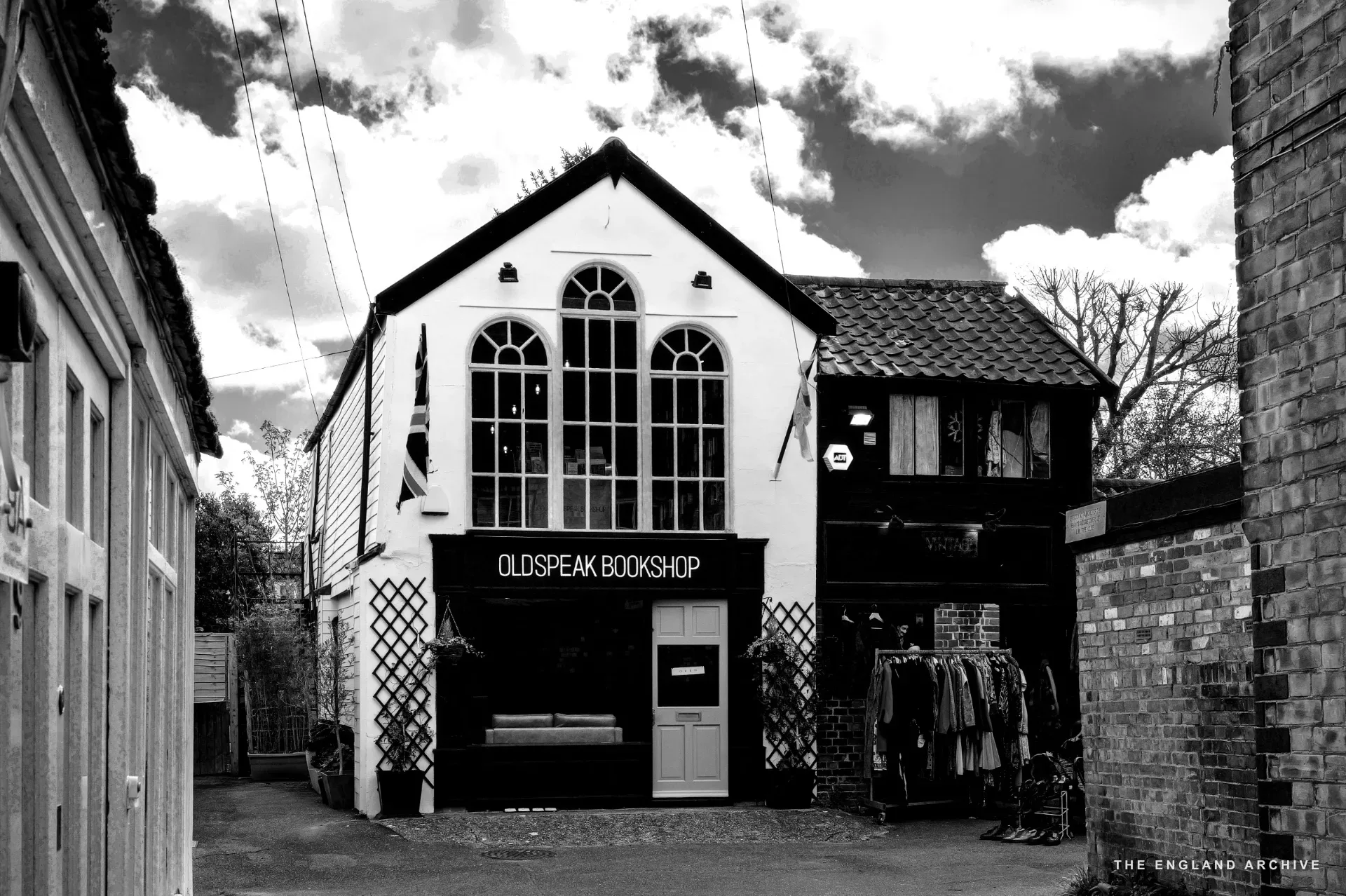
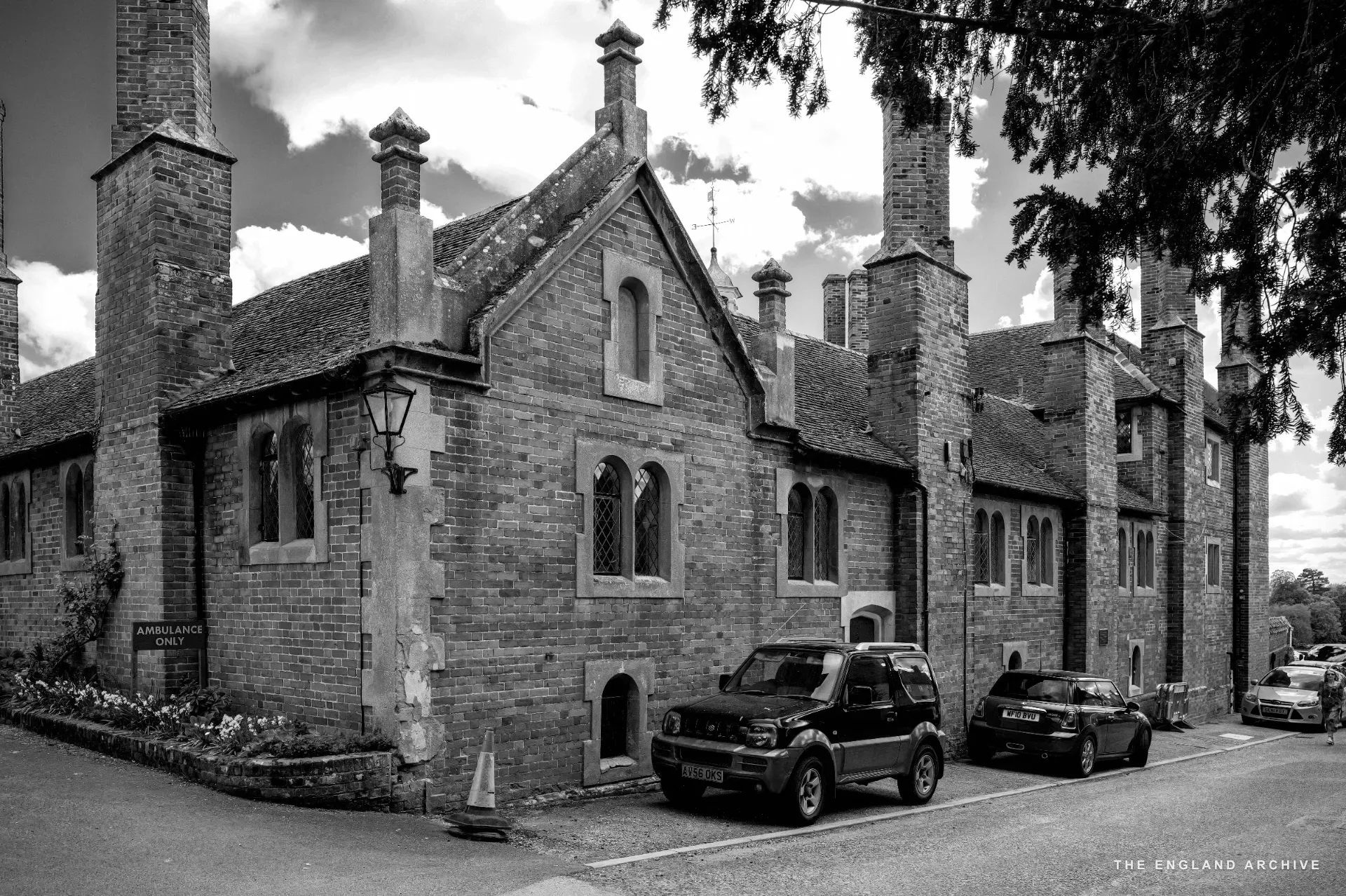
Long Melford sits at the top of the Stour Valley, three miles north of Sudbury, on the Suffolk side of the Essex border. The village grew rich in the late-medieval cloth trade, and the wealth of that period is still legible in the place: Holy Trinity, rebuilt between 1467 and 1497 by John Clopton as one of the longest parish churches in England; Melford Hall, given to the Cordell family after the Dissolution and held by the Hyde Parkers since 1768; Trinity Hospital, founded by Sir William Cordell in 1573 and still housing low-income and elderly residents of the parish today.
The Green is the other great piece of the village. Over a mile long, broad and open, edged on both sides by houses set back behind grass verges. The Manor of Melford still technically owns the Green and the verges along Hall Street. Until Dutch elm disease took them in the 1980s, a stand of great elms dominated its length - one of them among the largest in Britain. S R Badmin’s 1940 watercolour Long Melford Green on a Frosty Morning (now in the V&A) records the trees as they were.
Under all of this lies much older ground. The 2011 BBC excavation uncovered a section of Roman road and Iron Age material; Mesolithic finds nearby push the settlement story back to roughly 8,300 BC. Long Melford is not a medieval village on older ground. It is the latest layer of a place that has been continuously occupied for ten thousand years.
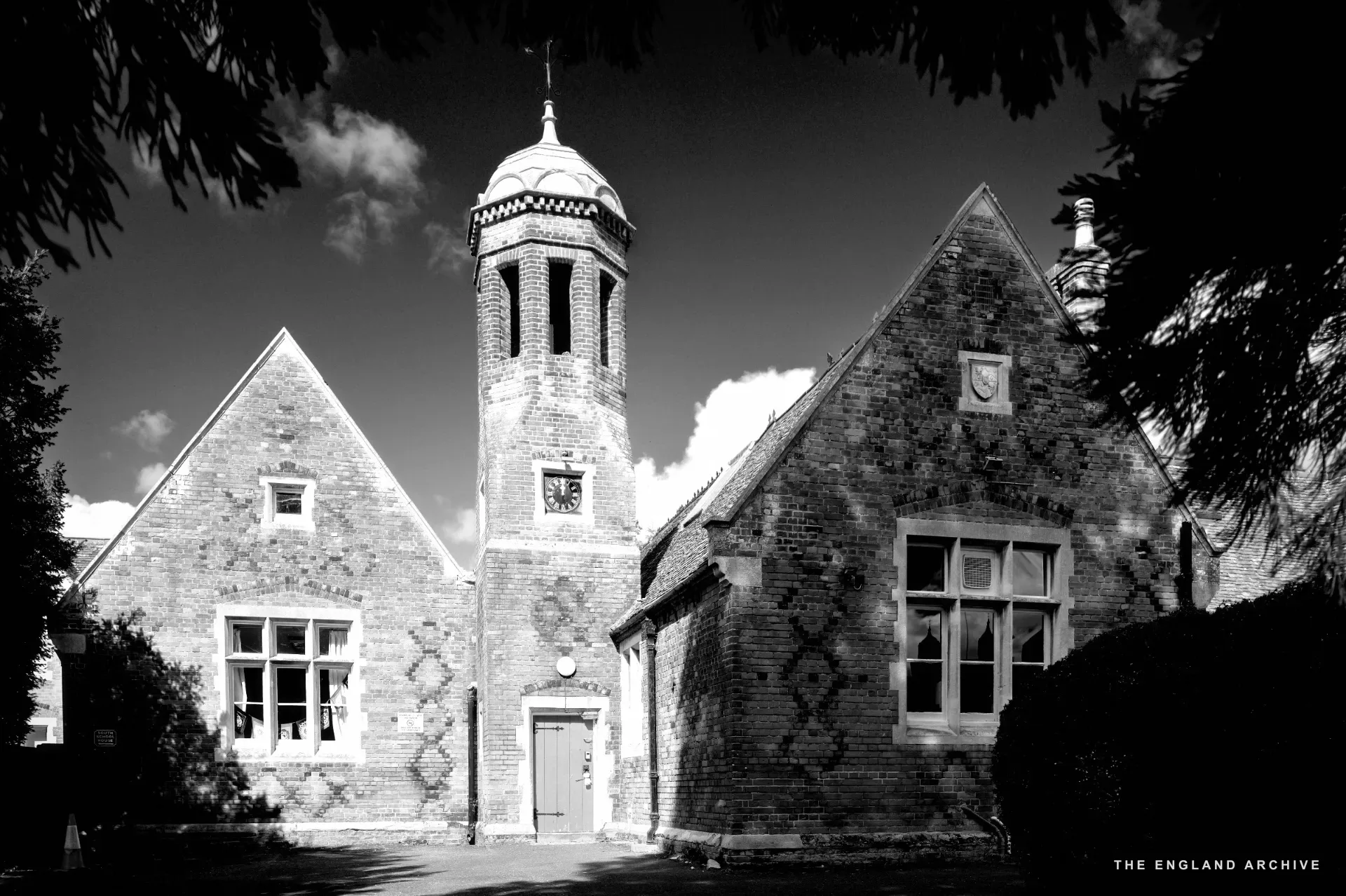
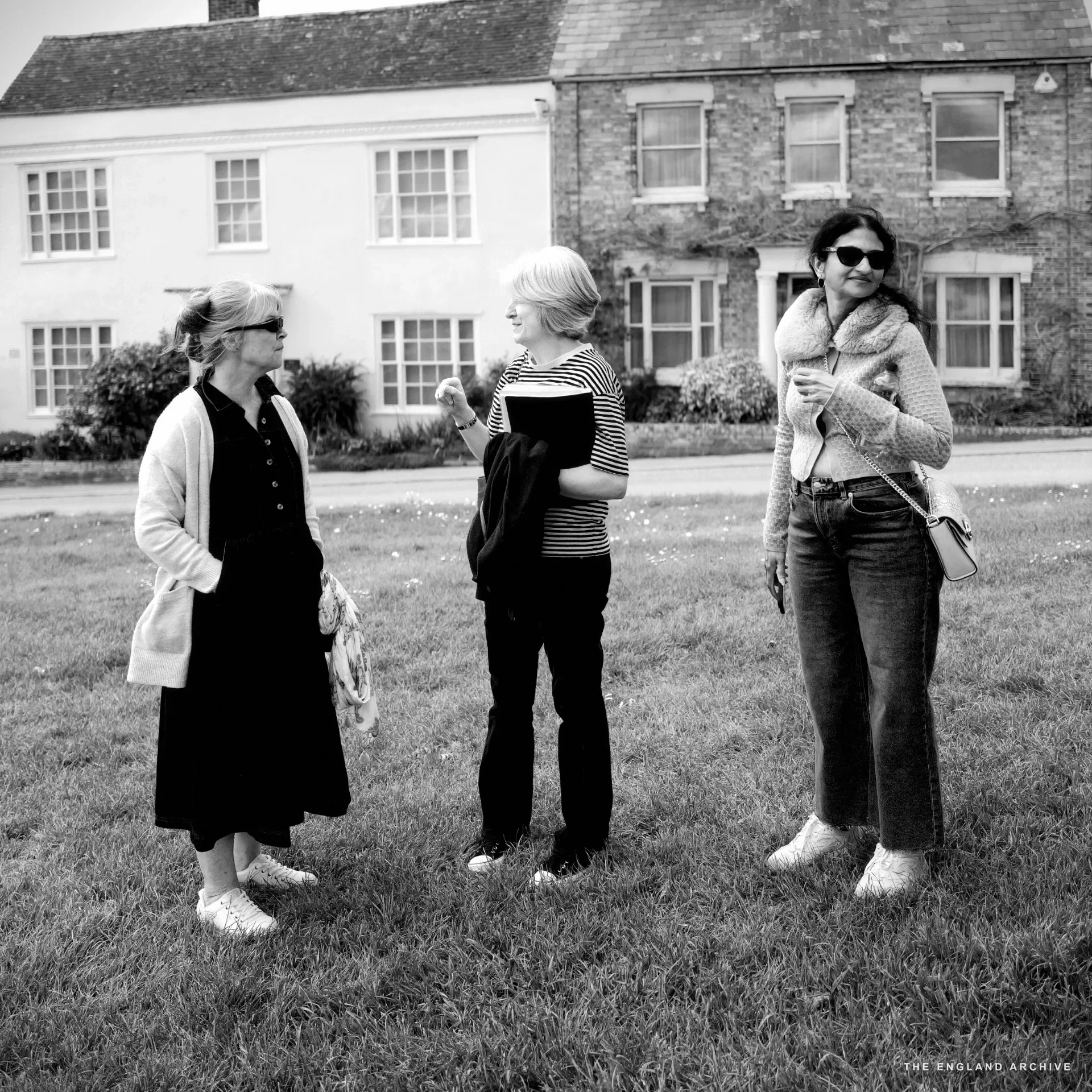
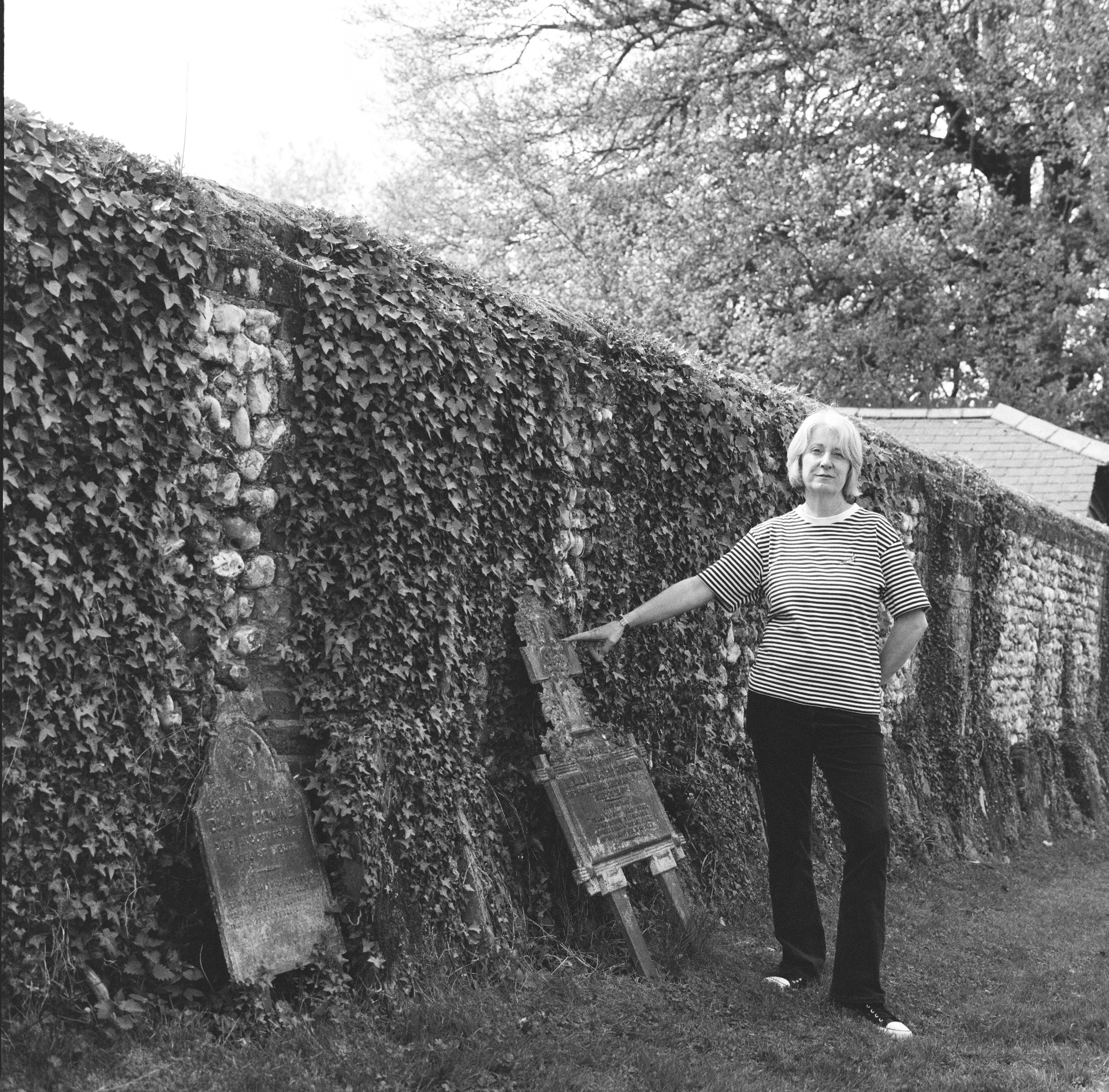
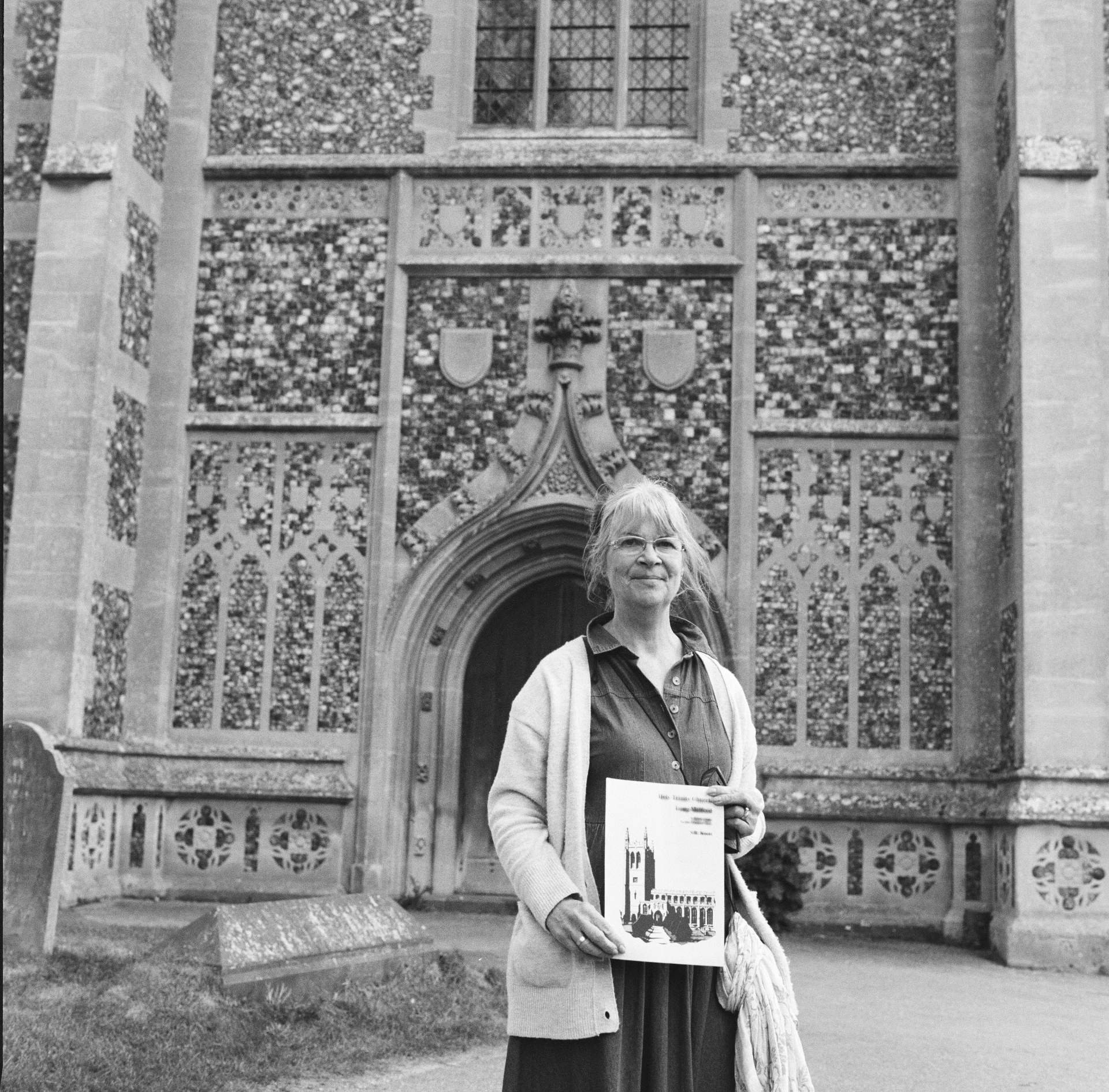
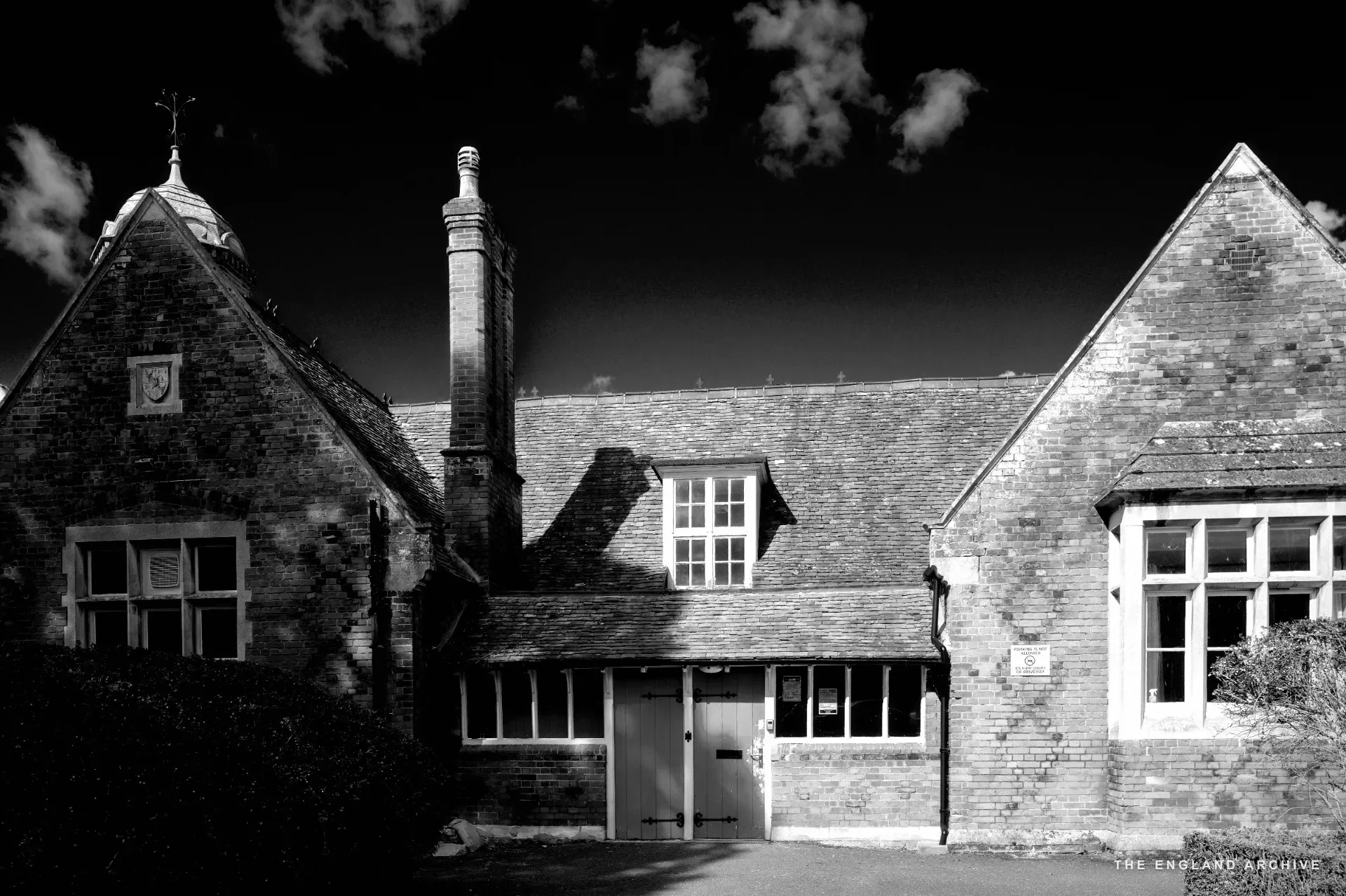
The archive’s work in Long Melford is led by the Long Melford Historical and Archaeological Society (LMHAS), founded in 1969 and meeting at the Old School Community Centre. Two of the society’s members - Julie Thomson and Melonie Clubb - walked Mash and Bhavani through the village on 18 April 2026. That first visit is the starting point; the photographic record of the village itself, and the 4x5 portraiture, will follow on later visits.